Art Supplies
Faber-Castell Colored Pencil Comparison: Black Edition vs Classic Red, Goldfaber and Polychromos
Four Faber-Castell pencil lines compared side by side: how they layer, blend, handle black paper, and where each one earns its price.
Introduction
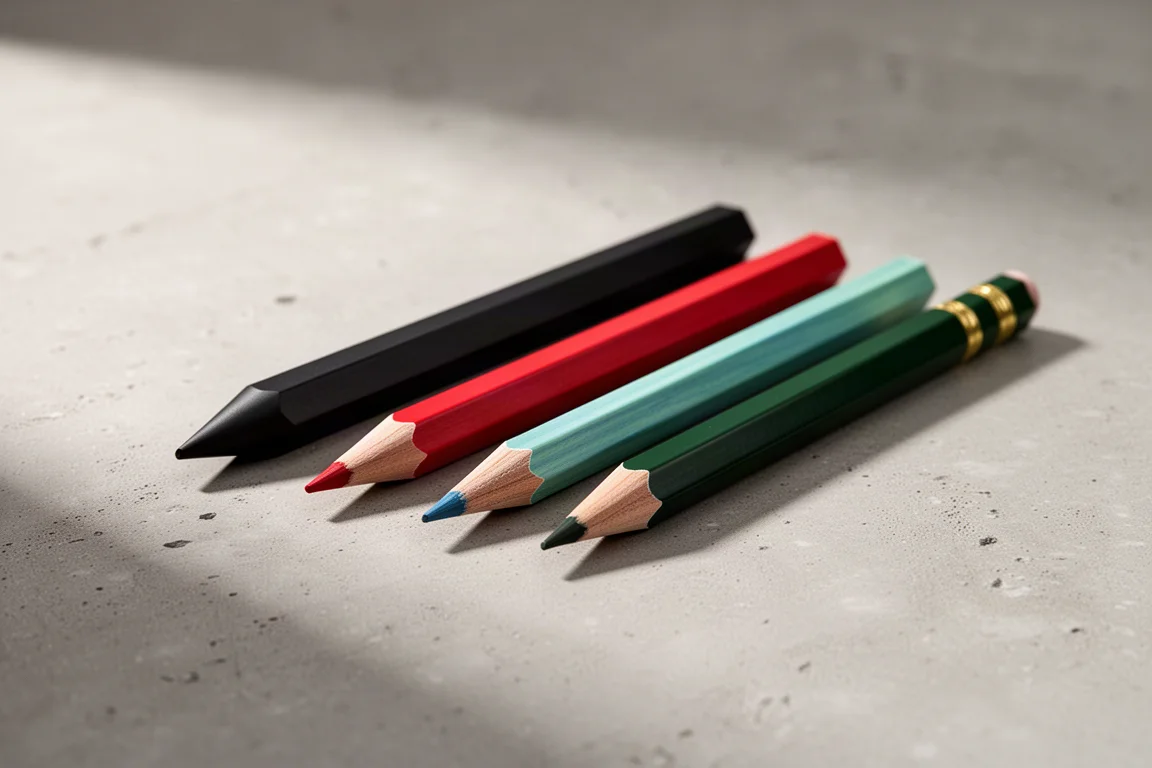
Faber-Castell has been making pencils for a very long time, and that experience shows across its range. This comparison looks at four lines from the same company: the Black Edition, the Classic Red, the Goldfaber, and the Polychromos. The main focus is the head-to-head between the Black Edition and Classic Red, with the other two lines brought in as a bonus blind test.
The Black Edition was tested in its 100-pencil set, the Classic Red in its 60-pencil set, the Goldfaber in a 48-pencil set, and the Polychromos in a 120-pencil set. All tests were done on Strathmore 300 series Bristol Vellum paper.
Faber-Castell Black Edition
The Black Edition is sold on bold color, and its packaging leans into it: the box artwork suggests colors that will pop dramatically on dark paper. In practice, the pencils do perform well on black paper, but the marketing slightly oversells that effect, so manage expectations if that is your primary reason for buying.
The 100-pencil set is the largest available for this line and comes in a sturdier cardboard display box. The color range is fairly standard: a good spread of reds, yellows and oranges, a decent green selection (though the darkest green, number 760, is not truly dark), two good dark blues, a nice lavender, plus muted tones, flesh tones, earth tones, grays and a few neons at the bottom. One gap worth noting: the reds are not particularly dark, and darker reds are often needed for depth in artwork. The workaround used here was to reach for an indigo blue as the dark red substitute.
The barrels are triangular, which helps kids grip them but creates a real annoyance for adults: the triangular shape does not play well with handheld sharpeners. The first few turns are especially difficult. A hand-crank or electric sharpener is the better choice for this line.
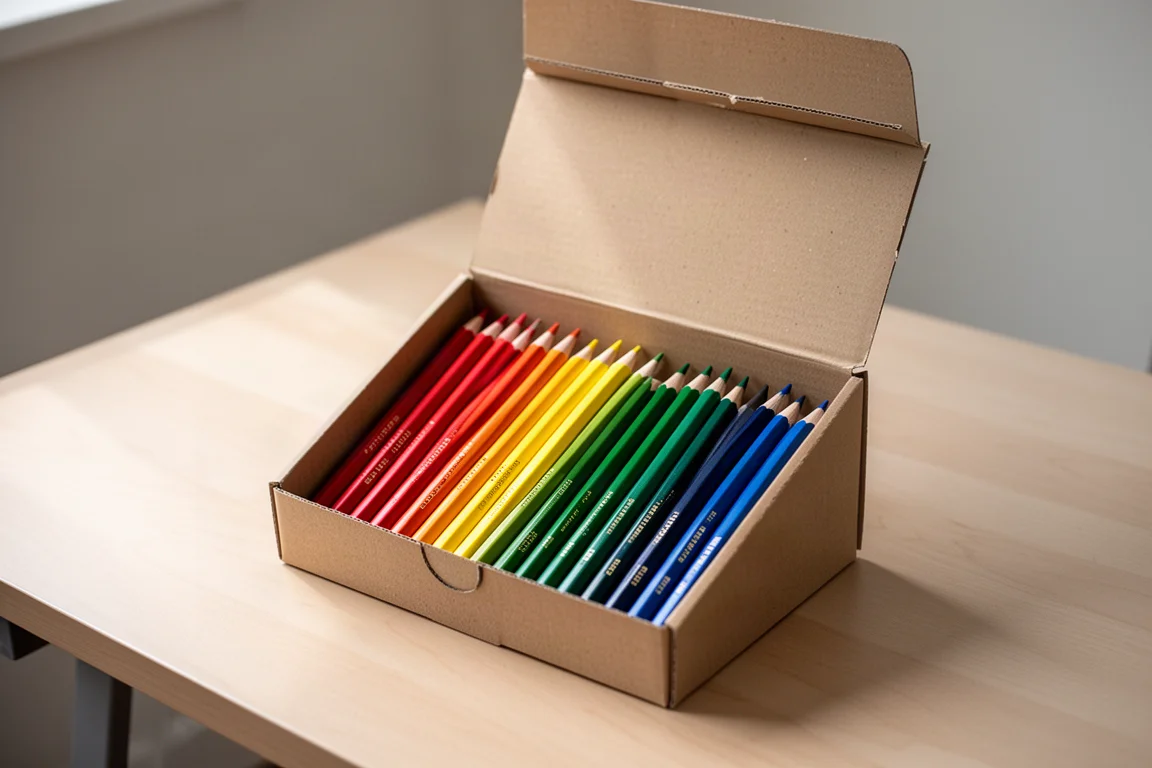
The core itself is silky smooth with an almost thick, oily consistency. It layers well, though the drier Classic Red layers slightly better. Pigment strength is a touch stronger than the Classic Red, and it blends beautifully, including with odorless mineral spirits. The trade-off for that silky core is consumption: under heavy final-layer pressure, you will sharpen more often and burn through cores faster.
Faber-Castell Classic Red
The Classic Red line is aimed primarily at children, and Faber-Castell has nailed that brief: instant color payoff with minimal pressure, which is exactly what a young artist wants. It is a sensible step for roughly ages 10 to 11 and below, with the Black Edition suiting roughly 11 to 12 and up into teens.
The 60-pencil set is the largest for this line and comes in a cardboard display box that many adults find fiddly, since pencils spill everywhere, though it does work well for children selecting colors.
Its core is noticeably drier than the Black Edition, which helps it layer a touch better and leaves a smoother overall appearance. It holds a point well during light layering, though heavy pressure wears it down quickly too. The real surprise is the color selection: the 60 set includes some genuinely dark, rich reds that the Black Edition lacks, and its greens are similar to the Black Edition range. Both sets miss truly dark greens.
At the price, the quality-to-cost ratio here is outstanding, which is why these pencils earn a permanent place in the kit even alongside far more expensive sets.
Testing and Swatch Comparison
In the side-by-side tests, both lines layered well and both blended beautifully, including when thinned with odorless mineral spirits, which the Black Edition in particular reacts to beautifully. Under a single heavy application, the Black Edition showed a slightly stronger, more opaque pigment, while the Classic Red came out more translucent and smoother in appearance, partly because its drier core applies a thinner, more even layer. The Black Edition’s silkier core leaves visible line marks under heavy single strokes.
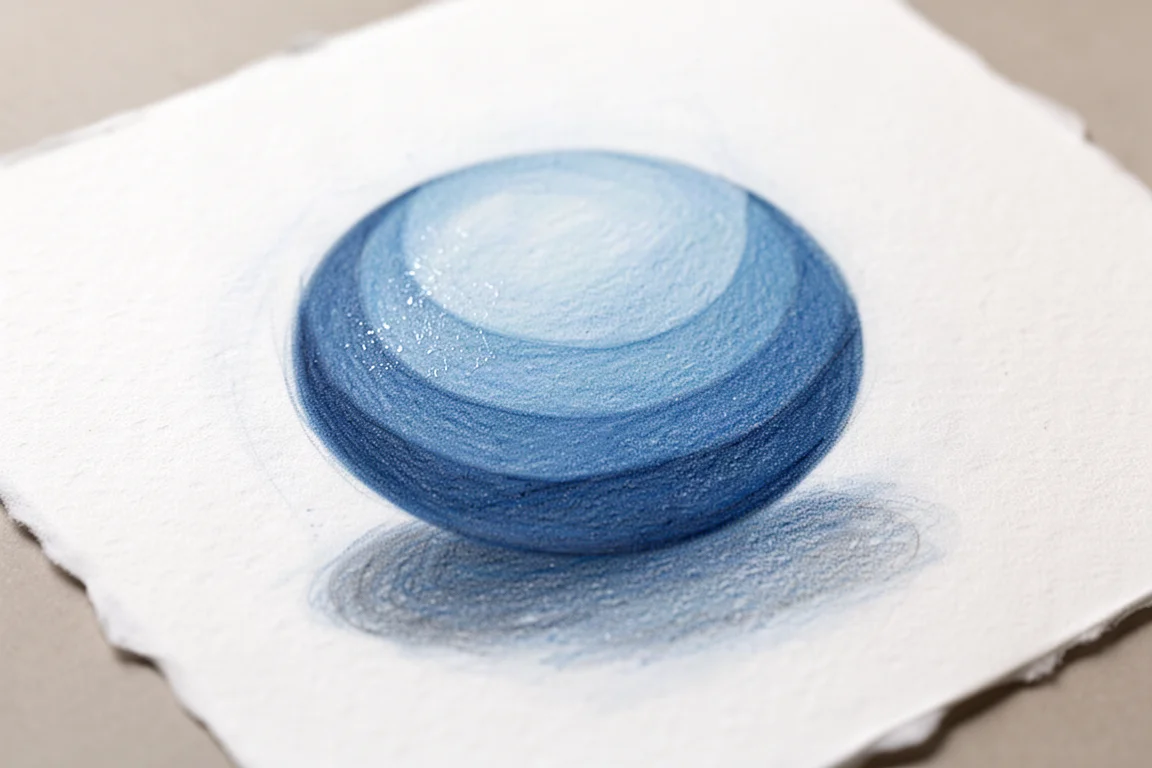
A finished sphere study using only the Black Edition, layered with blues and burnished at the end, produced a pleasing smooth sheen and stood up well across a long drawing session.
How They Perform on Black Paper
On black paper the difference between the two lines becomes obvious. The Black Edition is far more opaque, letting color sit boldly on the dark surface, while the Classic Red is more translucent and reads more subtly. Neither is a specialist black-paper pencil, but if dark paper work is your priority, the Black Edition is clearly the stronger of the two.
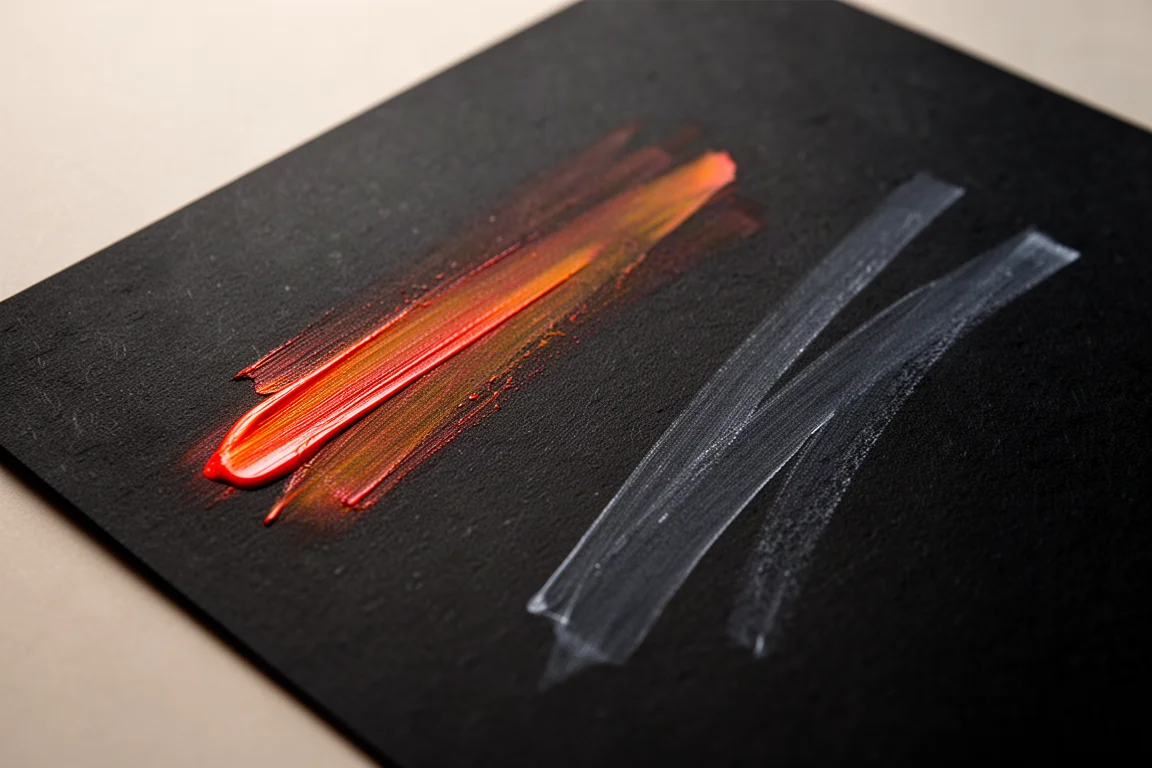
That said, be wary of judging by the box art: the results on black paper are good but not the dramatic, fully-covering pop the packaging might suggest to a shopper browsing a store shelf.
Goldfaber and Polychromos in the Mix
As a bonus, a blind swatch test included four similar-looking blue pencils from all four lines, with readers challenged to identify which was which. The verdict: it is genuinely difficult to tell them apart by eye. The Classic Red was the most identifiable, simply because its pigment strength is visibly weaker, which is expected from the cheapest line in the group.
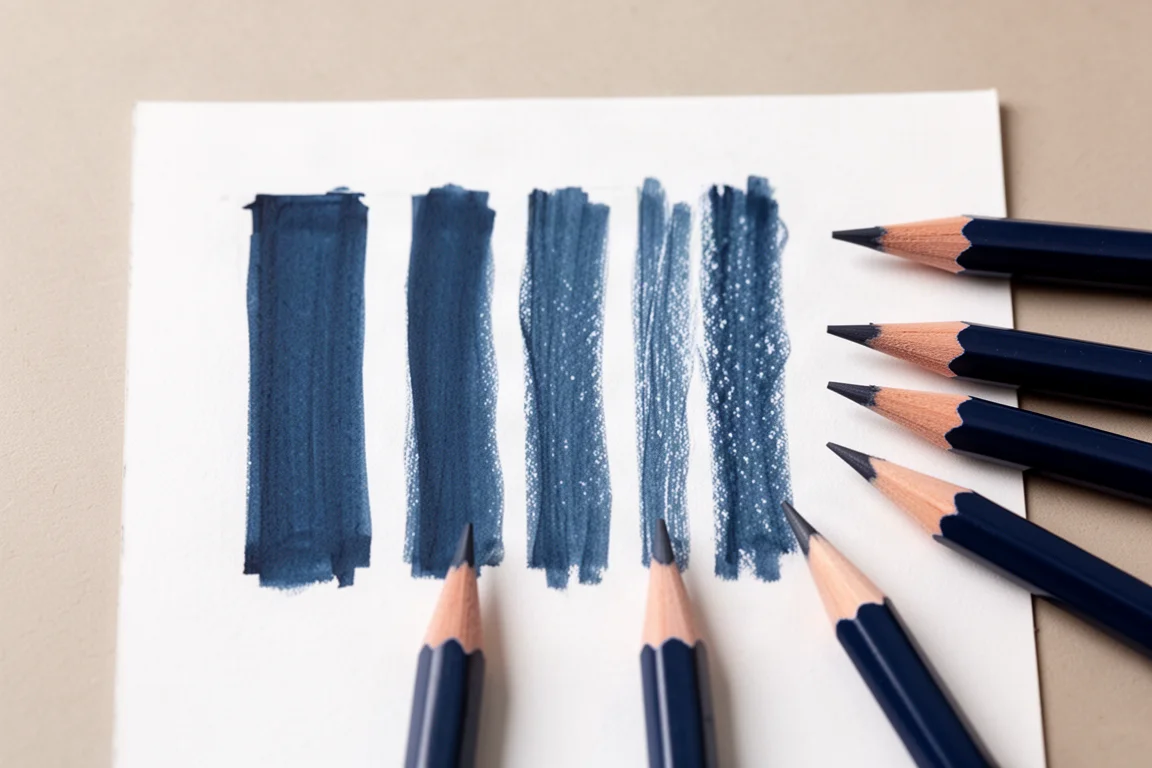
The Goldfaber was a pleasant rediscovery, performing better than remembered and worth revisiting in a fuller review. Exact same colors could not be compared across the four lines because the Black Edition, Classic Red and Goldfaber use color numbers only rather than names, so matching swatches was done by eye. The Polychromos remains the brand’s flagship, but the gap in raw color lay-down is smaller than the price gap implies.
Pricing and Value
Ballpark UK pricing from the comparison: the Classic Red 60 set sits around £13.99 (roughly $13 in the US), which is remarkable value. The Black Edition 50 set is about £19.94, and the 100 set around £44.62, roughly $45 to $46 in the US. The Goldfaber 48 set runs about £36. Both the Classic Red and Black Edition also come in tin versions and smaller sets, and tins typically cost more than cardboard boxes.
Which One Should You Buy
- Kids and beginners, or anyone who wants maximum quality per pound: Classic Red. The 60 set’s dark reds are a genuine bonus.
- Older kids, teens and fan art: Black Edition. Stronger color, better on dark paper, and a solid price for 100 pencils, provided you can live with the triangular barrels and a blander dark-red range.
- Dark paper enthusiasts: Black Edition over Classic Red, without hesitation.
- Stepping up toward artist grade: Goldfaber, with Polychromos still sitting at the top of the brand’s range.
Conclusion
All four lines carry the Faber-Castell hallmark of consistent, well-made pencils, and the right choice comes down to budget and use. The Classic Red is unbeatable value and better for younger users, the Black Edition adds opacity and bolder color for a modest step up in price, and the Goldfaber and Polychromos round out the range for those climbing toward artist-grade work.
Product link
View more details for Faber-Castell Black Edition
This product is mentioned in the review. Check the specifications, options, and compatibility before buying.
View more details for Faber-Castell Black EditionFurther reading
Related Reviews
Art Supplies
Art Pop Watercolor Pencils 48-Color Set: A Thoughtfully Designed Student-Grade Option
The Art Pop 48-color watercolor pencil set blends well, dissolves smoothly, and includes artist-friendly details like barrel-printed color names, all at an affordable price.
Art Supplies
Artics Acrylic Markers 3mm Review: Versatile Paint Markers With a Few Caveats
A 48-color set of water-based acrylic paint markers that blend while wet, dry permanent, and keep the price low, though safety transparency remains a question.
Art Supplies
Best Art Supplies Worth Your Money: Pencils, Pens, Paints, and Paper That Earned Their Spot
After years of daily use and testing, these are the pencils, pens, watercolors, gouache, brushes, sketchbooks, and erasers that stand above the rest.