Stereo Amplifiers
EverSolo AMP F10 Review: A Class AB Power Amplifier Built for the A10
A two-channel 200 W Class AB amplifier designed to stack with the EverSolo A10 streamer, with detailed sound, bridgeable power, and a few trade-offs to weigh first.
Introduction
EverSolo entered the music streaming market only a few years ago, and the company moved quickly. The A6, A6 Master Edition, and A8 streamers earned a following for premium components, a user-friendly app, and value that left owners impressed by how much they received for the money. The flagship A10 streamer then pushed the formula further, aimed at listeners chasing exceptional detail and clarity.
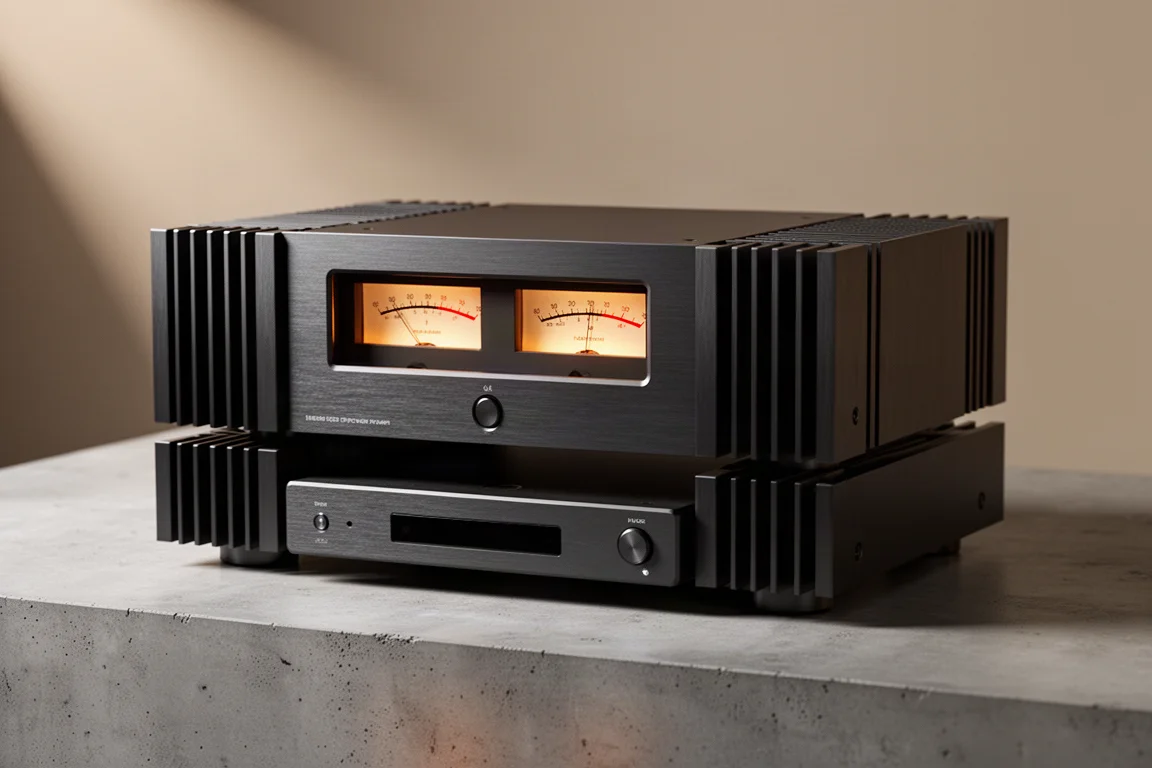
The AMP F10 follows the earlier AMP F2, a Class D design developed with Stark Sound and rated at 145 watts into 8 ohms. The F10 is a different proposition entirely: developed in house, more premium in every respect, and built to compete with products in a higher price category. It is a two-channel Class AB power amplifier rated at 200 watts per channel, finished to match the A10 so the two can be stacked as a single, coherent system.
Who the EverSolo AMP F10 Is For
The F10 makes the most sense for listeners who already own the A10 or plan to buy one. It is a power amplifier rather than an integrated unit, so it needs a preamp or streamer with volume control ahead of it. Paired with the A10, it becomes the second half of a compact two-channel system with a genuinely matched look.
It also suits analytical listeners. The amplifier is voiced toward detail and precise placement rather than warmth, which rewards anyone who wants to hear into a recording instead of having it smoothed over.
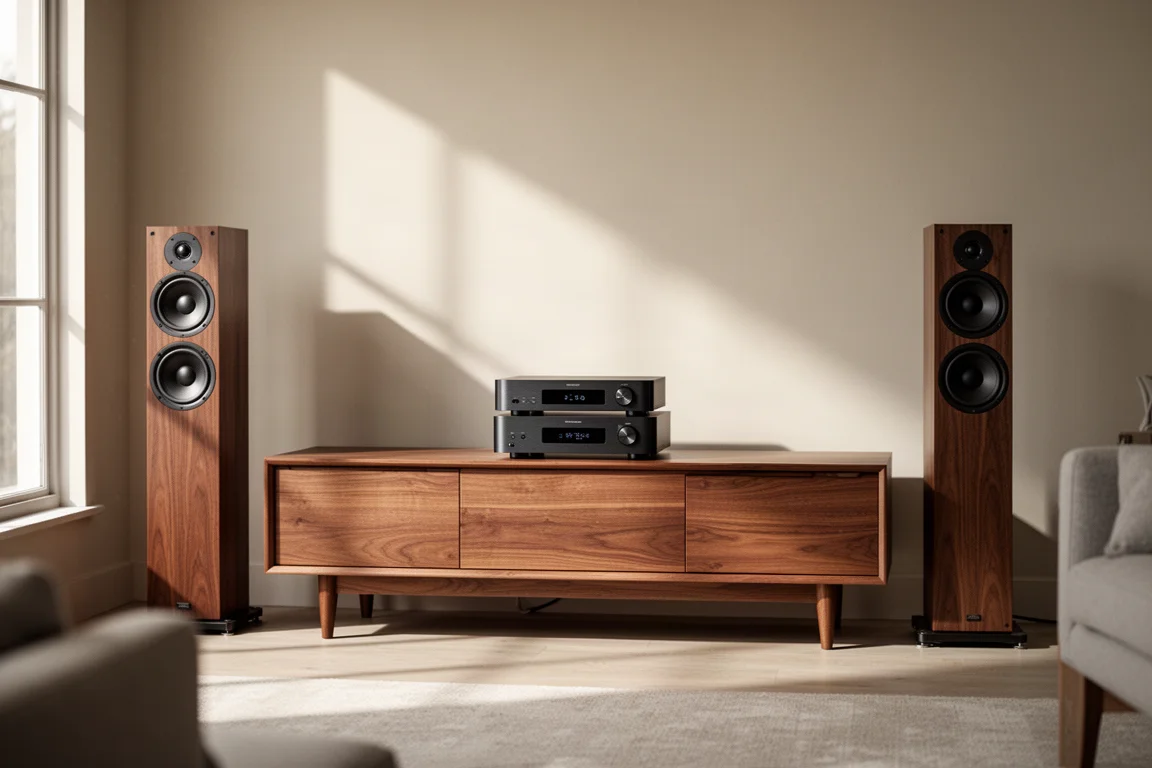
For owners of the older A6 or A6 Master Edition, the F10 is a less obvious match. The casework is sized and styled for the A10, and the design goals here are aimed at the flagship system rather than the entry models.
Main Strengths
Power, Headroom, and Amplifier Design
A single F10 delivers 200 watts per channel into 8 ohms and 320 watts into 4 ohms, enough to drive most modern speakers without strain. Pair two units in bridge mode and the figures climb to 650 watts per channel at 8 ohms and 950 watts at 4 ohms.
The design runs in Class A at lower power and transitions to Class AB as demand rises. Behind that sits a 1,000 watt toroidal transformer feeding a dual, fully independent linear power supply, so each channel receives dedicated current and interference between the two channels is reduced. Five pairs of high-current MOSFETs per channel, advanced dual differential amplifier stages tailored for low-level signals, symmetrical circuit design, and negative feedback all work toward lower distortion and a wider dynamic range. EverSolo also states a total harmonic distortion figure of 0.0008 percent, a signal-to-noise ratio of 113 dB, and a damping factor above 600 for controlled low-frequency performance. A DC filtering circuit sits between the main AC supply and the audio circuit to remove low-frequency interference before it reaches the signal path.
Build, Fit, and Finish
Physically, the F10 matches the A10 closely: roughly 17 inches wide and 12 inches deep, with an extra inch of height at 5.7 inches. It is heavy, a consequence of the large transformer and the high-end components around it.
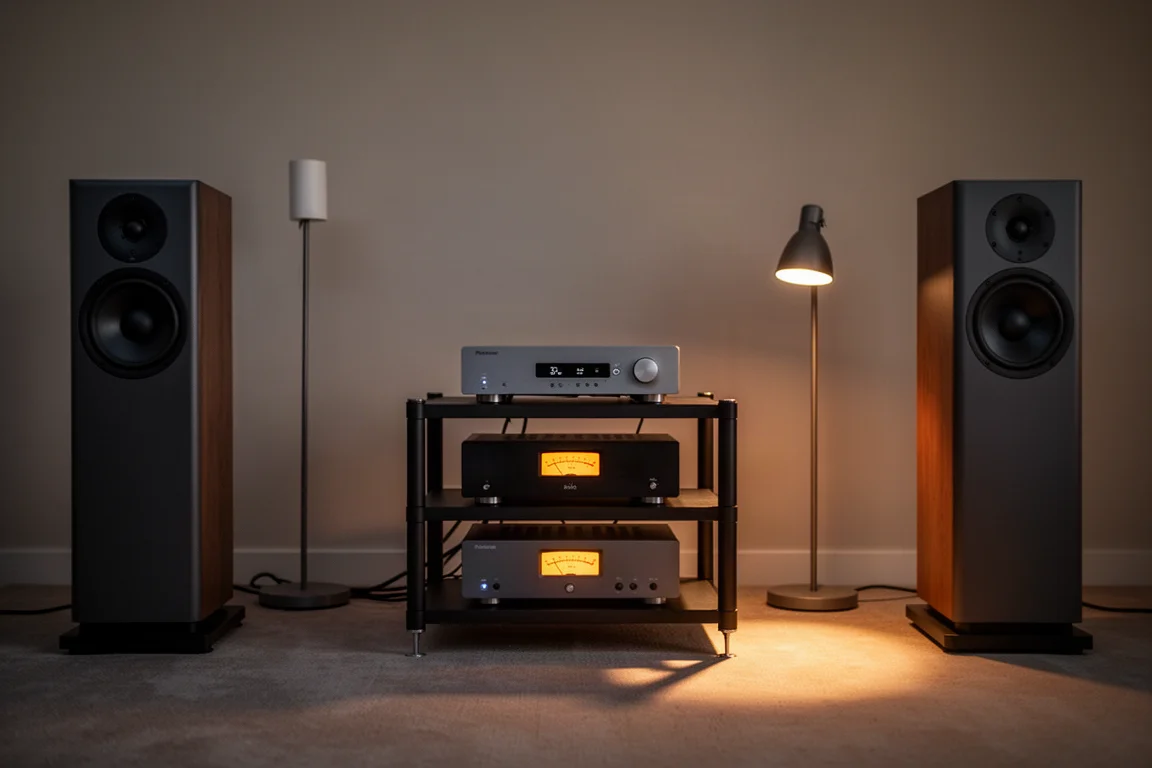
The finish is the same dark brushed metal, with heat sink fins running along the sides and the familiar EverSolo logo and power button. Where the A10 carries a touchscreen, the F10 keeps things simple: a power button and a window showing two real VU meters, lit from inside to give the front panel a classic, upscale character.
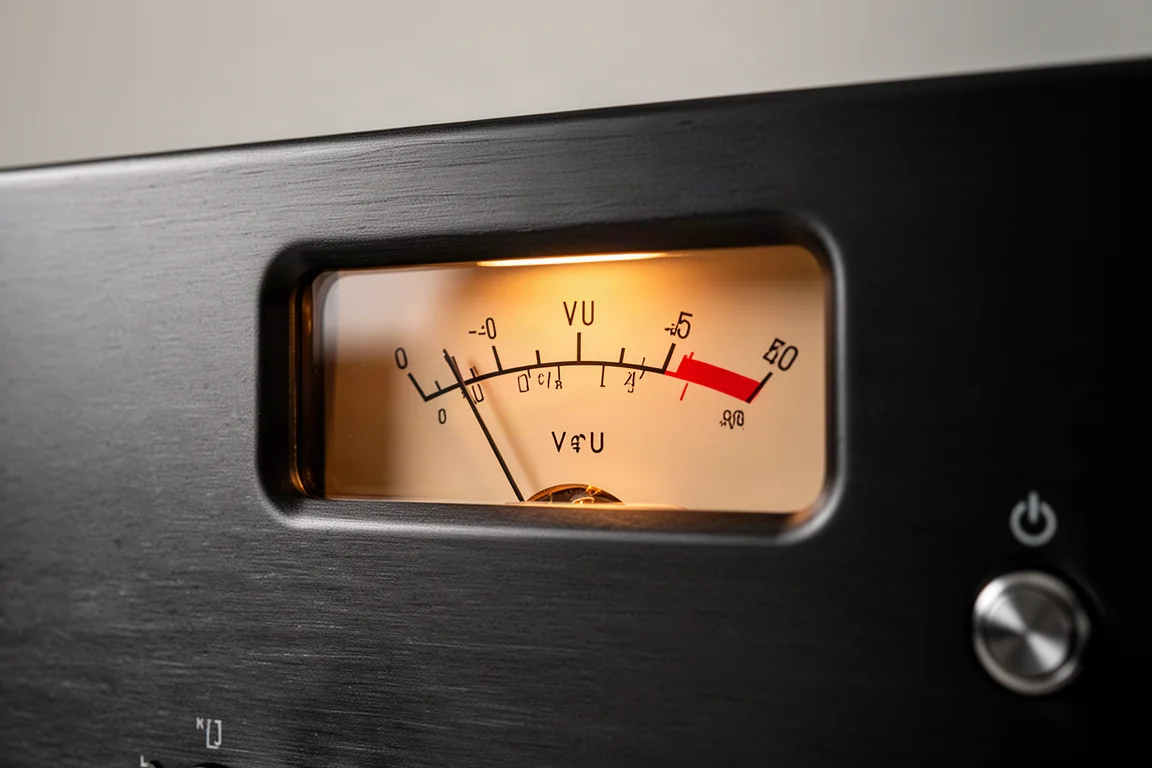
Small feet create just enough clearance for both units to breathe properly when the amplifier is stacked on top of the streamer. Stacked together, the pair reads as a single piece of equipment, with a look that leans futuristic while keeping the analog appeal of the meters.
Connectivity and System Flexibility
The rear panel covers left and right speaker outputs, a standby switch, a mode switch, and trigger inputs and outputs. The standby switch can be set to wake the amplifier by trigger, by hand, or automatically when it detects an incoming signal.
Sensitivity can be switched between 29 dB and 23 dB, which helps match the output level of the streamer, preamp, or speakers in a given system. A stereo/bridge switch changes the amplifier’s role depending on whether you run one unit or two.
Inputs include balanced XLR and unbalanced RCA, with a switch to select the active pair. When a preamp offers balanced outputs, that path is generally preferable because it rejects noise the cable might otherwise pick up, which matters most on long runs. The A10 does have balanced outputs, so a balanced connection is possible at this price point. One caveat worth noting: although the inputs are balanced, the internal audio path is not fully balanced.
Sound Character and Presentation
Across a range of speakers and genres, the F10 presented a very detailed sound. Instruments and voices were placed precisely in the sound stage, and nothing sounded smeared or vague. Compared with other amplifiers in its price class, it leans slightly lean, or analytical, in character.
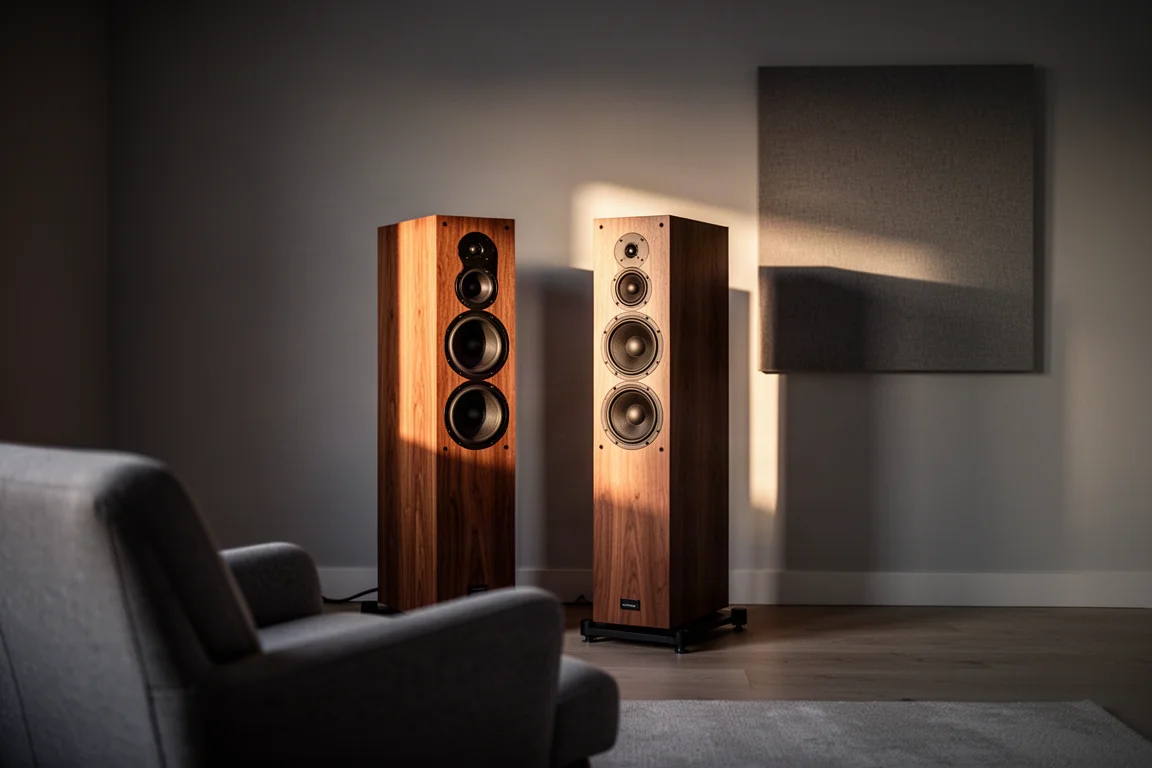
It will not deliver the warmth and liveliness of a more expensive tube amplifier, and that does not appear to be the goal. What it offers instead is a solidly built amplifier that pairs naturally with the A10 and rewards attentive listening.
Things to Consider Before Buying
The F10 is a power amplifier, so budget for a preamp or streamer if you do not already own one. The matched aesthetic only pays off with the A10 in the stack; paired with other components, the visual argument largely disappears.
Its presentation is also a matter of taste. Listeners who prefer a warmer, more relaxed sound may find the F10’s detail-first approach less satisfying than alternatives from established amplifier brands in the same price range. The internal signal path is not fully balanced despite the balanced inputs. And bridge mode, which unlocks the biggest power figures, requires buying a second unit.
Buying Advice
If you own the A10, are committed to the EverSolo ecosystem, and want a two-channel system that looks like a single piece of equipment, the F10 is the straightforward choice. It has the power for most speakers, the inputs to keep the signal clean, and the option to add a second amplifier later for more headroom.
If you are still exploring, this is a category with plenty of credible options, and the right answer depends on your speakers, room, and listening habits. Auditioning alternatives in the same price bracket before committing is worthwhile.
Conclusion
The F10 is a meaningful step up from EverSolo’s earlier Class D effort, with in-house engineering, serious power reserves, and a chassis that turns an A10 and an F10 into one of the better-looking two-channel stacks at this level. Its sound favors detail over warmth, which will delight some listeners and send others looking elsewhere. For A10 owners who want a matching amplifier, it is an easy option to consider.
Product link
View more details for EverSolo AMP F10
This product is mentioned in the review. Check the specifications, options, and compatibility before buying.
View more details for EverSolo AMP F10Further reading
Related Reviews
Stereo Amplifiers
Aiyima A01 Pro Review: A Compact Bluetooth Amplifier With a Full Tone Stack
A practical look at the Aiyima A01 Pro, a budget Class D amplifier with bass, middle, and treble controls, LDAC Bluetooth, and a clear set of trade-offs.
Stereo Amplifiers
Audiolab 7000A Review: The Flexible Modern All-in-One Integrated Amplifier
A Class AB integrated amplifier with HDMI ARC, a built-in DAC and three operating modes, priced under $2,000. Here is what it does well and what to check first.
Stereo Amplifiers
Best Amplifiers at Every Price Level: 12 Picks From Budget to Audiophile
A practical roundup of twelve stereo amplifiers at increasing price points, from sub-$100 class D mini amps to integrated models with DACs, phono stages, and HDMI ARC.