Art Supplies
Etchr Watercolor Paper Block (Cold Press) Review: 100% Cotton Convenience
A 9x12 cold press watercolor block with 100% cotton, 350 GSM paper and glue on all four sides, tested with heavy washes, wet-on-wet, dry brush, and lifting.
Introduction
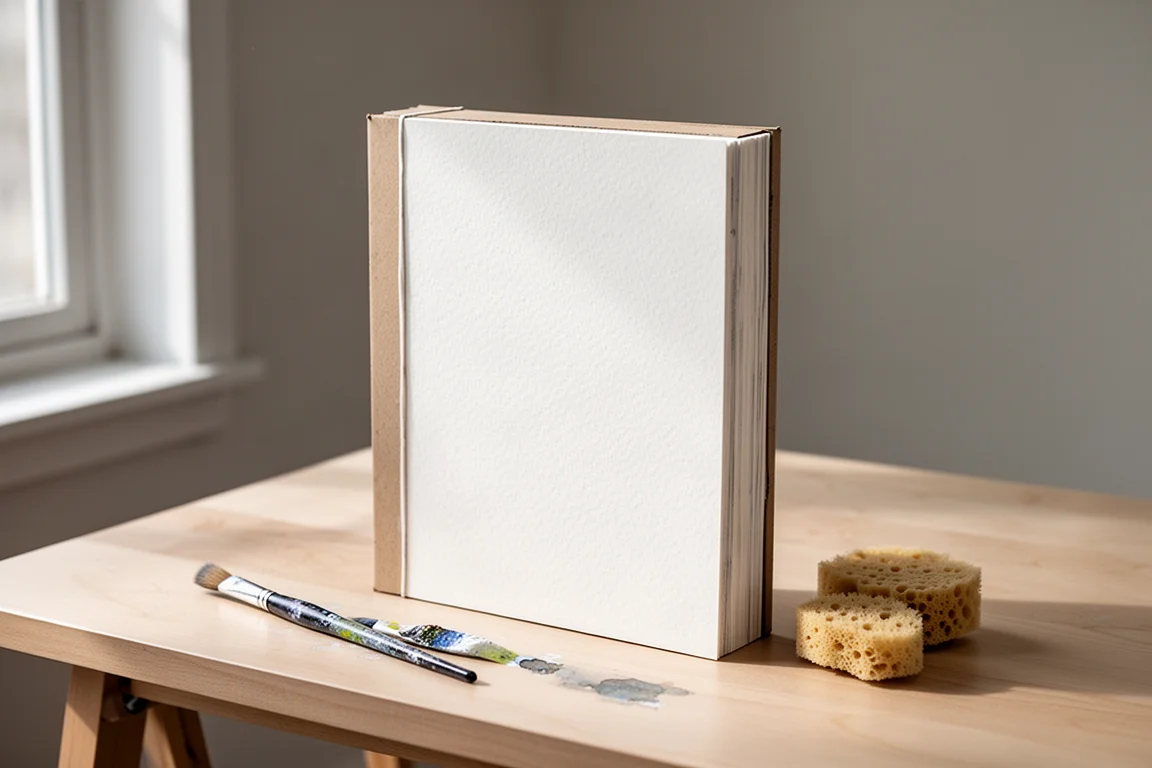
The Etchr Watercolor Paper Block (Cold Press) is a 9 by 12 inch block of 100% cotton paper, roughly A4 for anyone working in the UK and slightly larger, with 20 sheets at 350 GSM. It is glued on all four sides, which is the entire point of a watercolor block: the glue keeps the paper tight while you work, so you skip the taping and stretching routine that many watercolor artists rely on to keep sheets flat. A small section at the top is left unglued so you can slide a blunt knife underneath and release each finished sheet.
This format is especially appealing for anyone newer to watercolor. Even high-quality papers buckle a little when saturated, and cheaper papers buckle a lot. The block format removes most of that worry and lets you focus on painting rather than preparation.
Who This Paper Is For
Because it is a 100% cotton, 350 GSM mixed media surface, it suits far more than pure watercolor work. The paper handles color pencil, graphite, pastel, and watercolor, though watercolor is clearly where it shines. Beginners get a big practical advantage here: no taping, no stretching, no board setup. Wet-on-wet work also benefits from good cotton paper, since water sits on the surface longer instead of soaking straight in, giving you more time to place your colors.
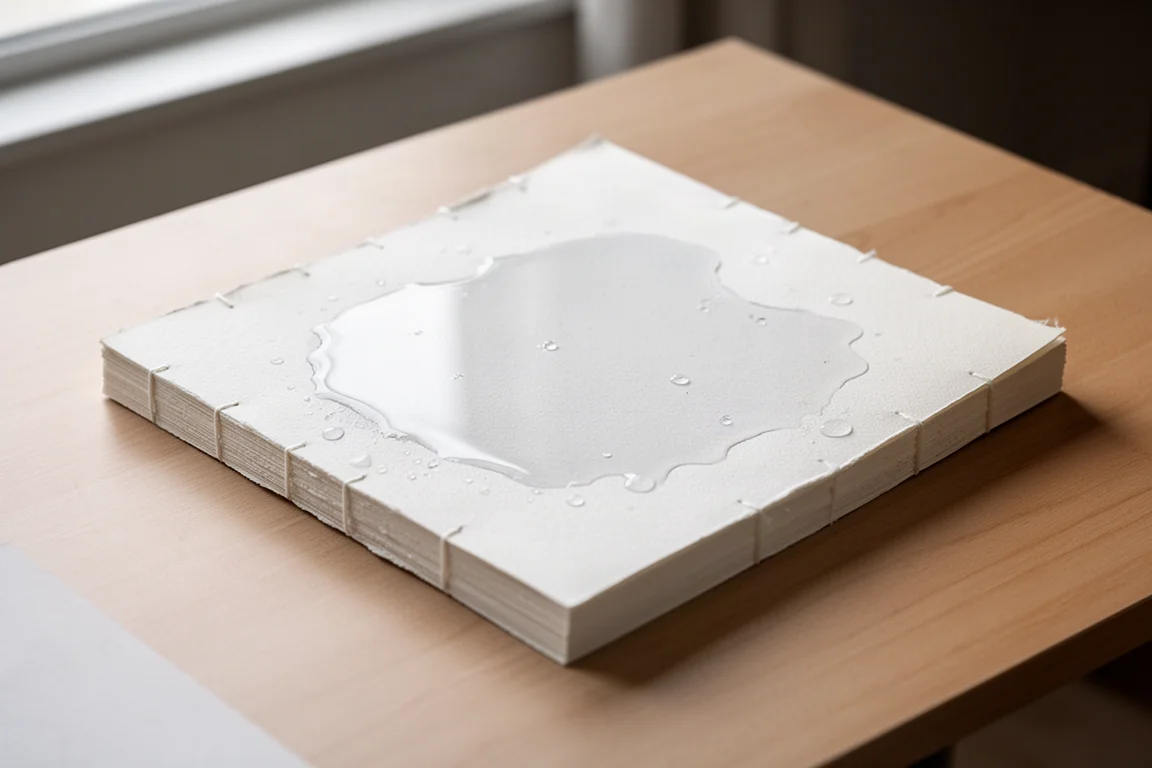
The block comes in both cold press and hot press versions. Cold press has a lightly textured surface, while hot press is smoother and is often preferred by color pencil and graphite artists. A rough version, coarser and excellent for landscape work and dry brush texture, is not part of this range, and the cold press surface here is convincing enough that many reviewers would like to see one added.
How It Performed in Real Testing
A full landscape painting, a scene of Grange in the UK’s Lake District using tube paints from Winsor & Newton and other brands, put the block through its paces. Wet-on-wet work was the standout: after laying down a layer of water, the paper held it on the surface for a decent amount of time rather than absorbing it immediately, which made color placement relaxed instead of rushed. The paper stayed intact through the whole painting with no issues at all.
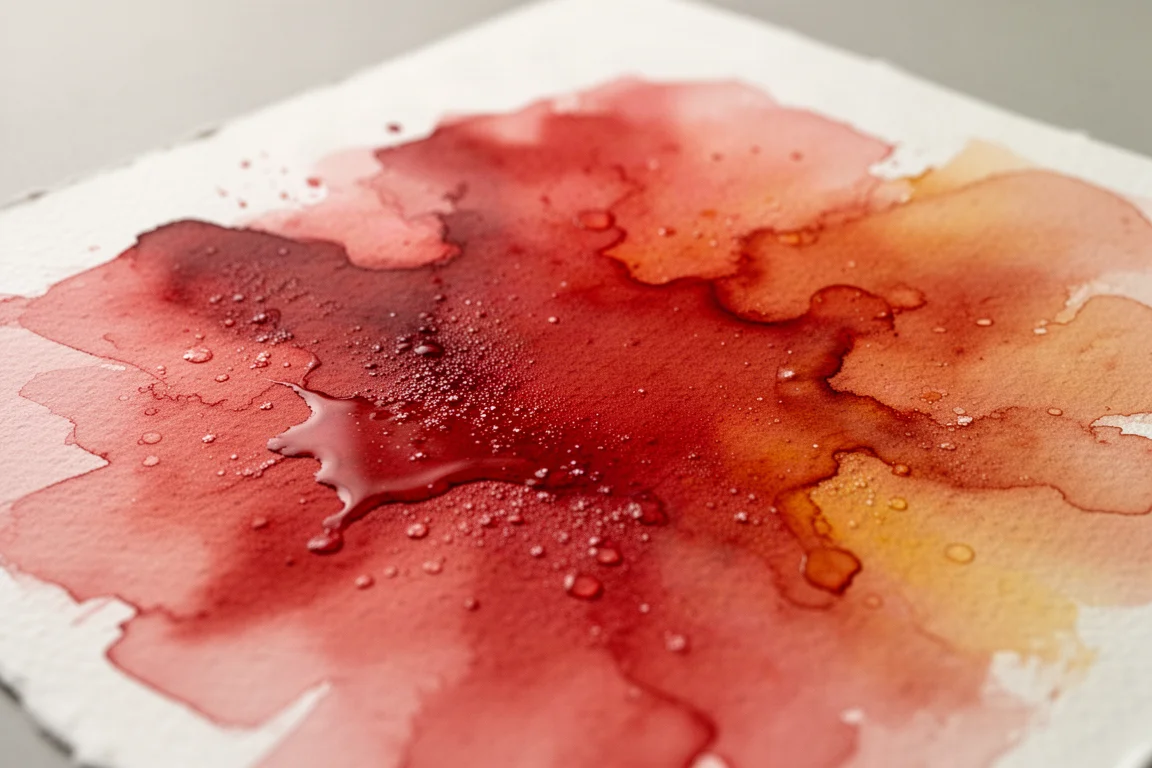
With heavy saturation on the block, buckling was minimal. There was a little movement, which is expected even with premium papers, but nothing catastrophic and nothing that interfered with the painting. Dry brush technique, normally much easier on rough paper, still worked well on this cold press surface. It has a genuinely pleasant texture that allowed satisfying boulder and shingle textures in the landscape painting without fighting the paper.
Scrubbing and Lifting Test
Mistakes happen, and lifting paint is where lower-quality papers often fall apart. When you scrub to lift pigment, cheap papers can bubble, pill, rip, or tear, which ruins the surface and stops you from painting another layer on top. That was not the case here.
Scrubbing with a wet brush and then with a damp natural sponge lifted pigment remarkably well, including a staining red that is normally very difficult to lift. The important result is what happened underneath: the paper surface stayed intact throughout, with no bubbling, pilling, or tearing, which means you can correct mistakes and continue building layers without damage.
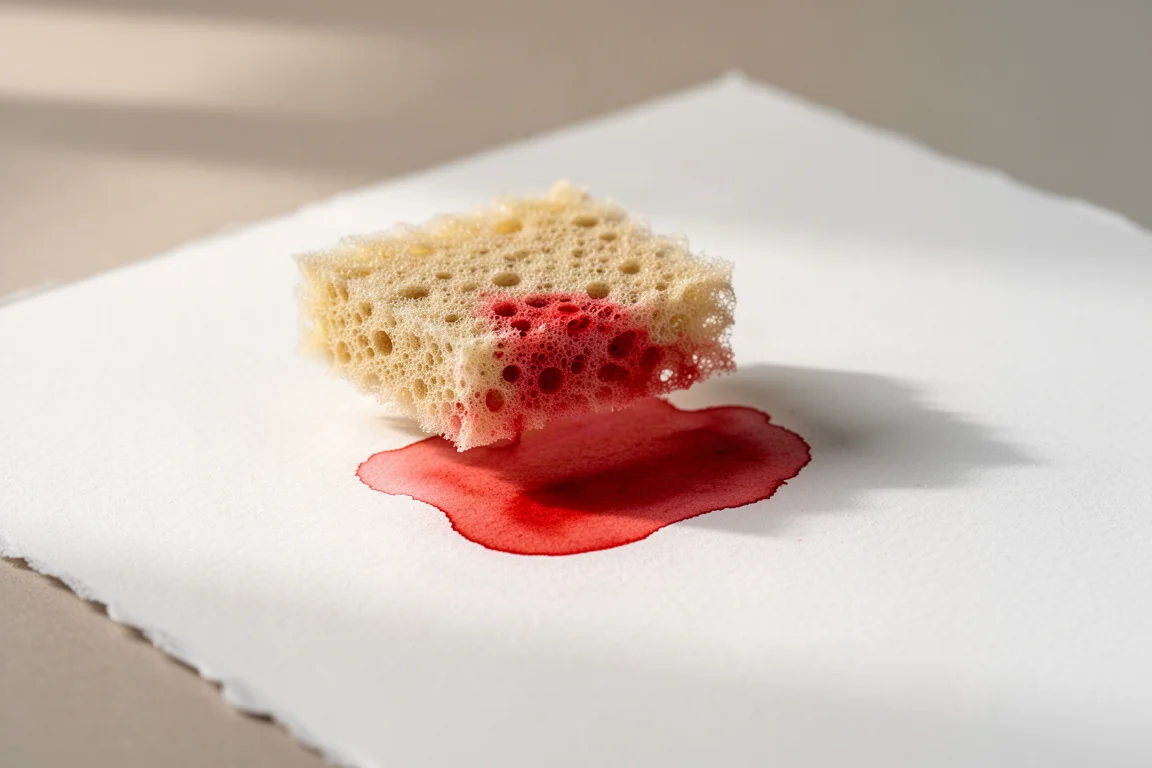
That resilience comes down to the 100% cotton content and the overall paper quality. Techniques like lifting and wet-on-wet simply work better on good cotton paper, and this block consistently behaved like a premium surface.
Removing a Sheet from the Block
Once a sheet is finished, removal is straightforward. Find the small unglued slit at the top where the sheet meets the block, then run something blunt, like a spatula knife or butter knife, underneath. Keep the tool flat and run it along the edge; the sheet lifts off cleanly without damaging the paper below. A bone folder works well for this too, but any blunt, flat tool does the job.
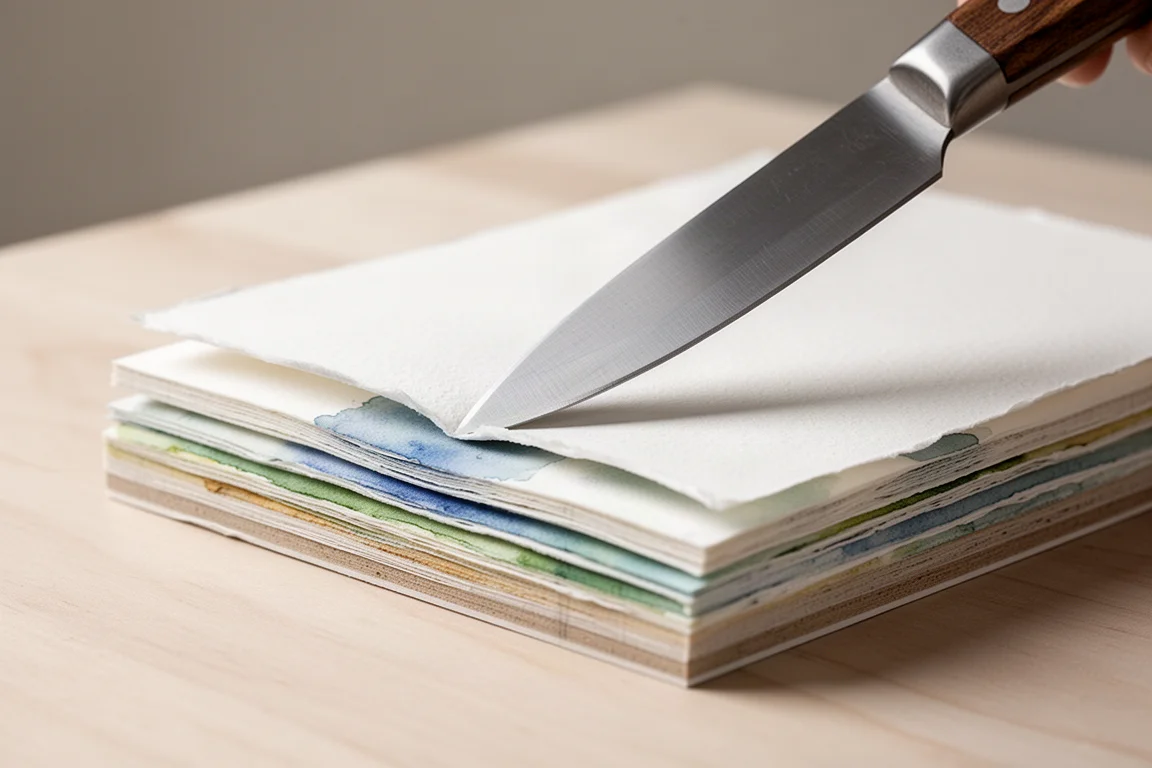
After removal, the finished sheet was impressively flat given how much water it had absorbed during testing, with only very light buckling remaining.
Buying Advice
Etchr products sit in the premium tier of art supplies, and this block is no exception. The quality is genuinely high, but that quality comes at a higher price, so it is worth weighing what you actually need. If you paint watercolor seriously, the trade-off is easy to justify: better paper makes core techniques like wet-on-wet and pigment lifting work the way they are supposed to, and it survives corrections without tearing.
For beginners who want to skip taping and stretching entirely, a block like this removes a whole category of early frustration. For mixed media artists who also use graphite, color pencil, or pastel, the 100% cotton cold press surface is versatile enough to cover those bases too. Anyone wanting a smoother surface for detailed pencil work should look at the hot press version of the same block.
Conclusion
The Etchr Watercolor Paper Block (Cold Press) delivered on every test: minimal buckling under heavy saturation, generous open time for wet-on-wet work, a pleasant cold press texture that still supports dry brush technique, and forgiving scrubbing and lifting without surface damage. It is a premium product at a premium price, and for watercolor artists who paint regularly, it is a surface that makes the techniques easier rather than harder. If you can justify the cost, this is an easy block to recommend.
Product link
View more details for Etchr Watercolor Paper Block (Cold Press)
This product is mentioned in the review. Check the specifications, options, and compatibility before buying.
View more details for Etchr Watercolor Paper Block (Cold Press)Further reading
Related Reviews
Art Supplies
Art Pop Watercolor Pencils 48-Color Set: A Thoughtfully Designed Student-Grade Option
The Art Pop 48-color watercolor pencil set blends well, dissolves smoothly, and includes artist-friendly details like barrel-printed color names, all at an affordable price.
Art Supplies
Artics Acrylic Markers 3mm Review: Versatile Paint Markers With a Few Caveats
A 48-color set of water-based acrylic paint markers that blend while wet, dry permanent, and keep the price low, though safety transparency remains a question.
Art Supplies
Best Art Supplies Worth Your Money: Pencils, Pens, Paints, and Paper That Earned Their Spot
After years of daily use and testing, these are the pencils, pens, watercolors, gouache, brushes, sketchbooks, and erasers that stand above the rest.