Knife Sharpening
Essential Sharpening Stones: A Grit-by-Grit Guide to Building Your Setup
From coarse repair stones to mirror-polishing superfines, a practical look at the whetstones worth owning and which grits every sharpener actually needs.
Introduction
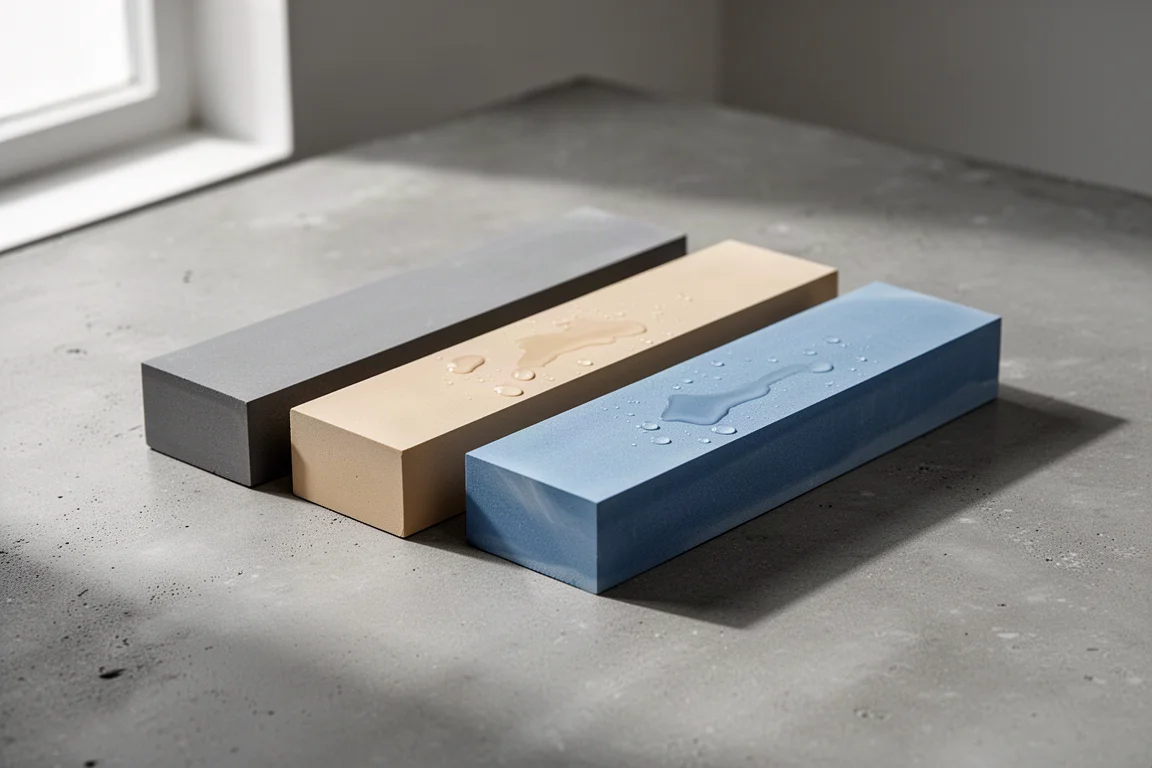
If you are new to knife sharpening, you may not know how deep the rabbit hole goes. Walk into the world of whetstones and you quickly find dozens of brands, binding methods and grit numbers, each promising a better edge. The good news: you do not need to know all of it. This guide walks through the grit categories, highlights standout stones in each range, and then lays out the stones worth building a setup around.
How Grit Categories Work
Grit numbers describe the size of the abrasive particles in a stone. Lower numbers mean larger particles that cut deeper into steel, useful for repair and re-profiling. Higher numbers mean finer particles that leave a smoother, more refined edge. Most sharpeners break the range into four groups: coarse, medium, fine and super fine.
Coarse stones repair damaged edges and handle very dull knives. Medium grits finish most European-style knives and act as stepping stones toward finer work. Fine stones finish most Japanese kitchen knives with a balanced edge that is smooth but still has bite. Super fine stones are for specialized edges, mirror polish work and straight razors.
One important caveat: not all stones of the same grit are created equal. The abrasive material and manufacturing method change how fast a stone cuts and how long it lasts. Cheap stones tend to wear quickly and cut slowly, while harder stones hold their flatness for longer and deliver more precise edges.
Medium Grits: The Everyday Backbone
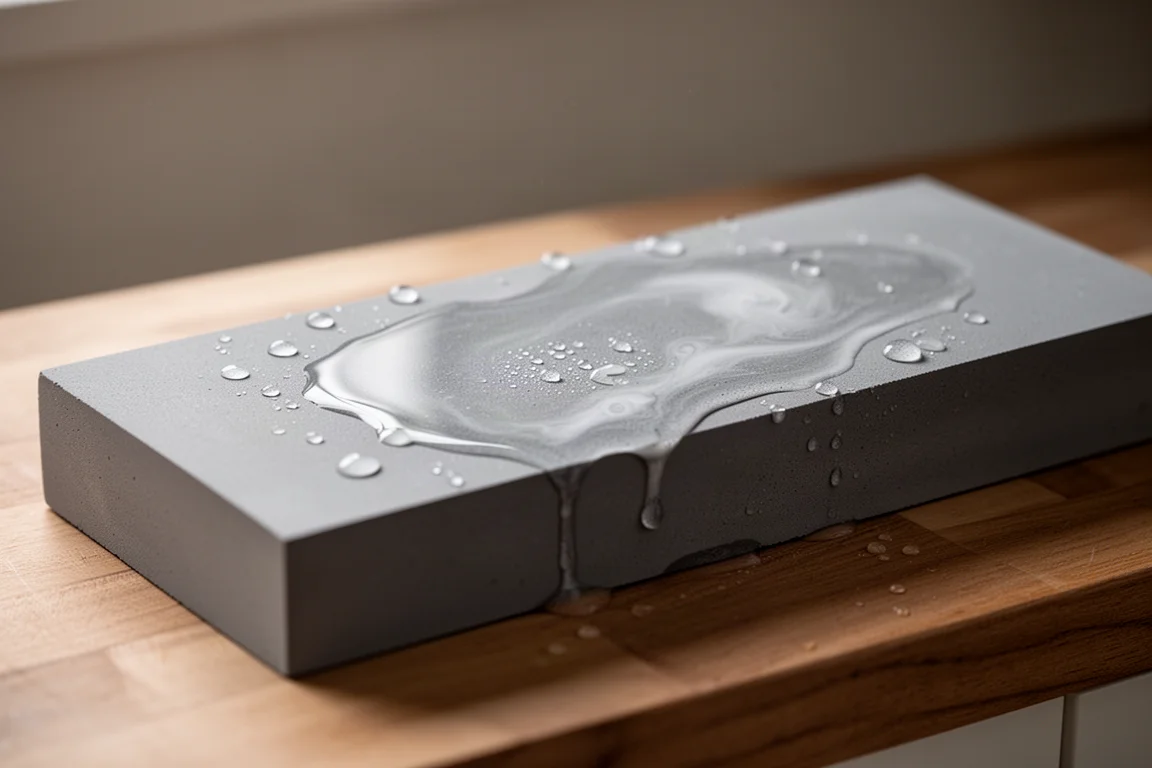
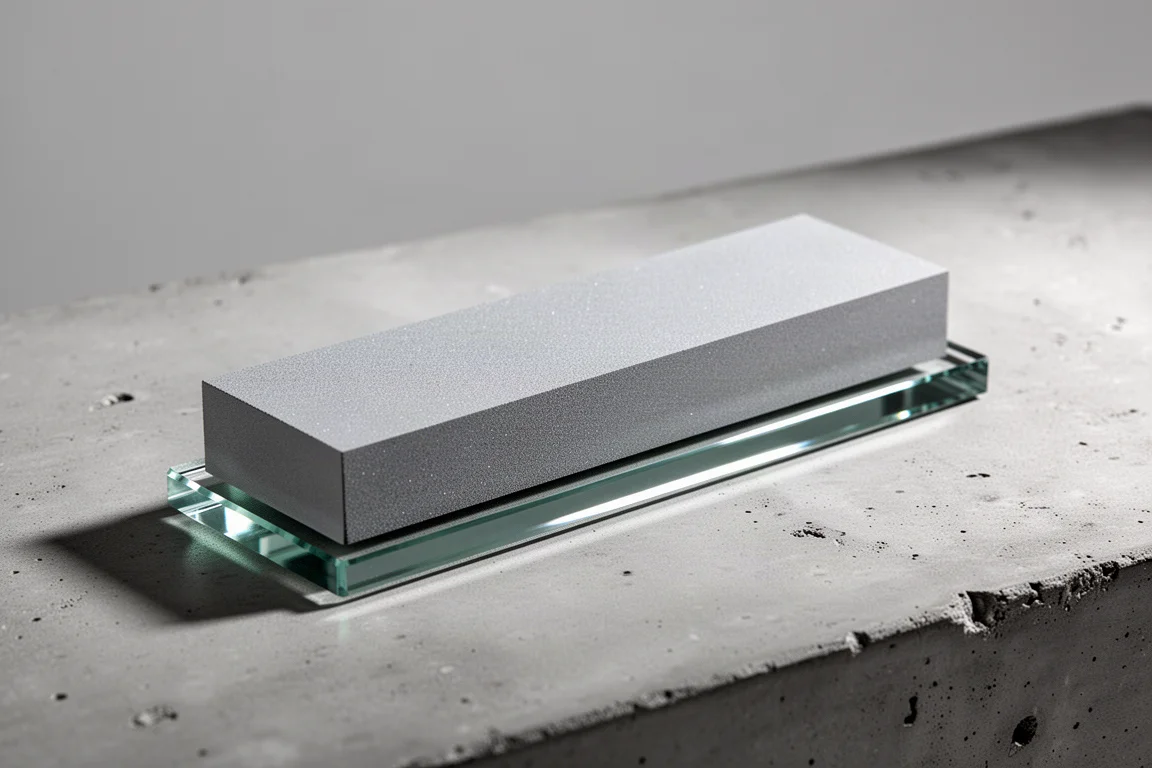
Medium grits typically run from around 800 to 2000, and this is where most sharpening actually happens. A 1000 grit stone is the classic workhorse, and the Knifewear 1000 fits that role well. It requires a little soaking, cuts soft and muddy, and leaves a genuinely nice edge. It also works beautifully as a stepping stone before a kasumi finish.
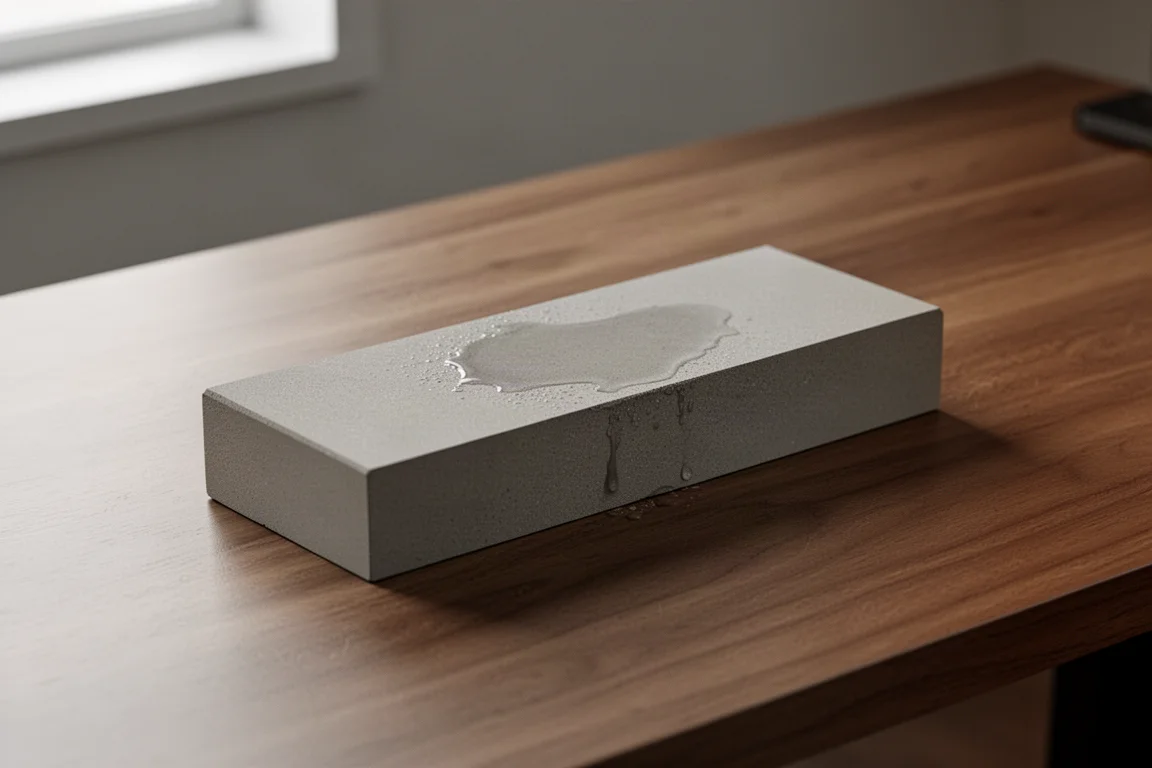
The Shapton Glass 2000 is a favorite for taking Western-style knives a step further. If a 1000 grit finish is good, finishing at 2000 makes the edge start to sing: smoother, shinier and more refined, while still keeping useful bite. It is a splash-and-go stone that is easy to work with and cuts quickly.
Fine Grits: Finishing Japanese Knives
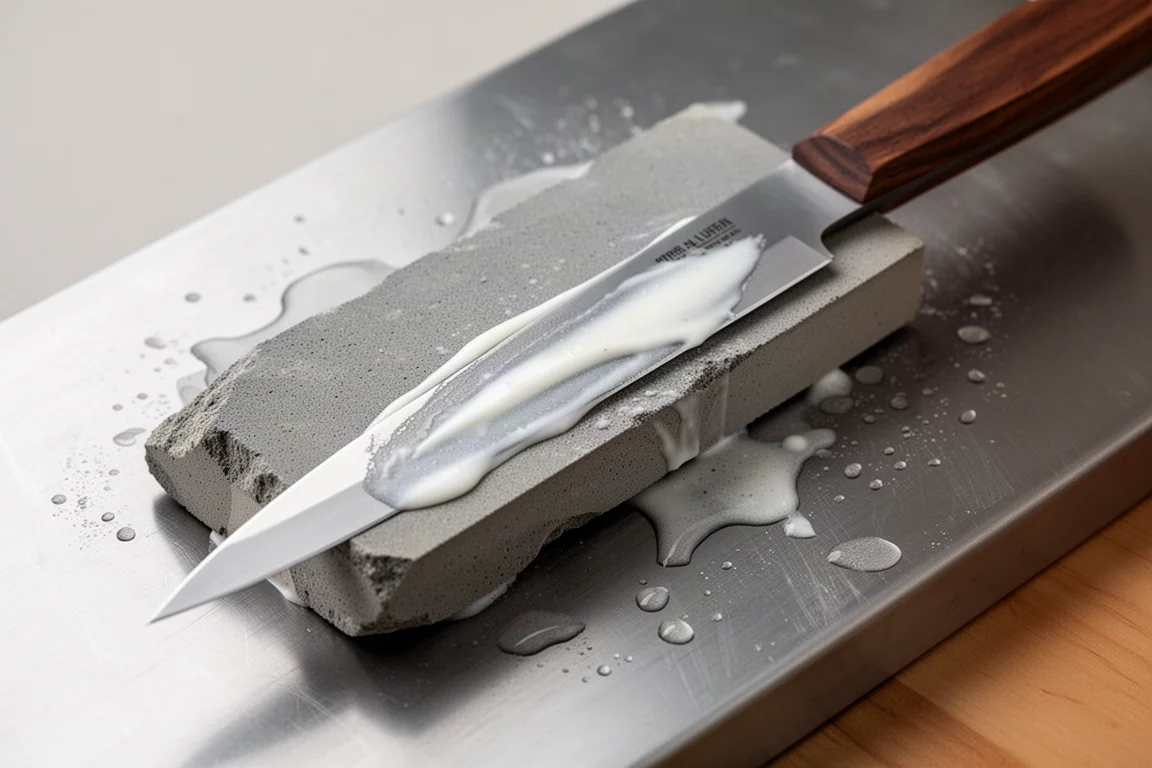
Fine grits, roughly 3000 to 6000, are where Japanese knives get their final edge: smooth and silky, but with enough bite to cut into tomato or pepper skins. The Knifewear 4000 is the go-to fine stone in that lineup. It is splash-and-go, produces excellent mud, and can deliver both a kasumi polish and a beautiful edge polish. The edge it creates is very silky, slightly less bitey than some alternatives.
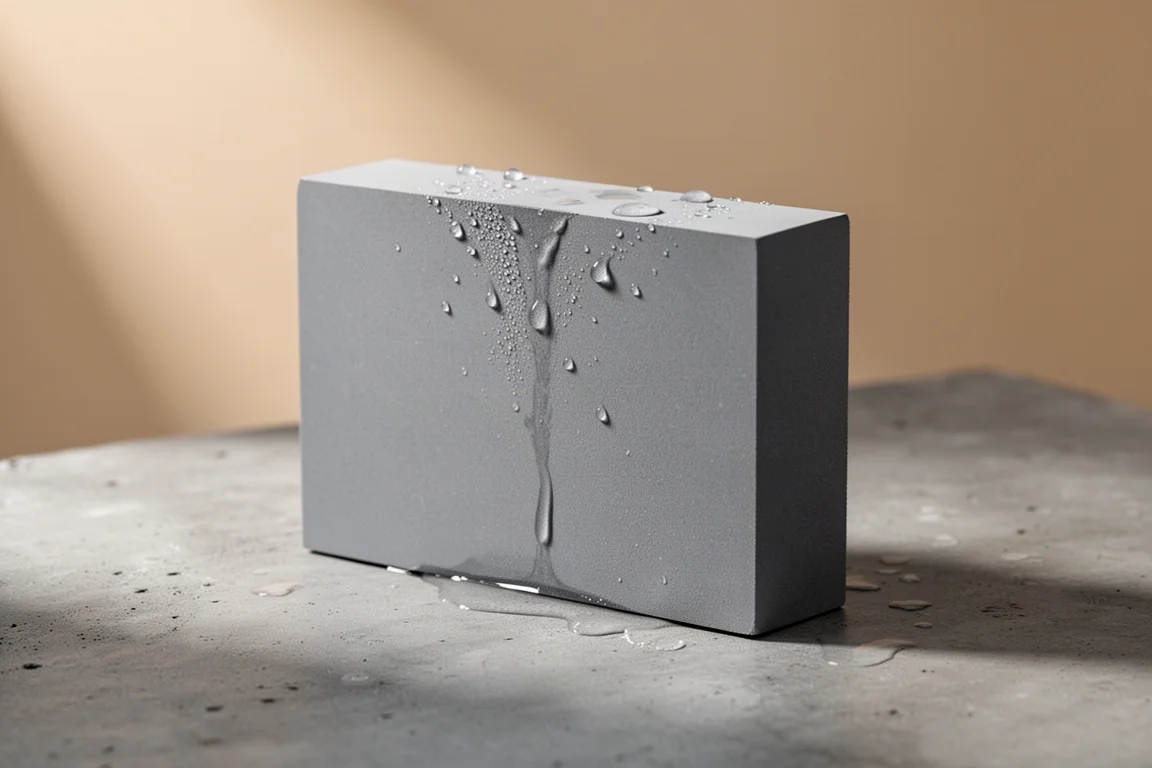
The Shapton Glass 4000 is another strong finisher for lots of knives, leaving a smooth, silky edge with pleasant bite. For some stainless steels such as VG10, stepping up to a 6000 grit stone can achieve the same smoothness that a 4000 gives on other steels, since those steels are easier to refine.
Super Fine Grits: Specialized Edges and Mirror Polish
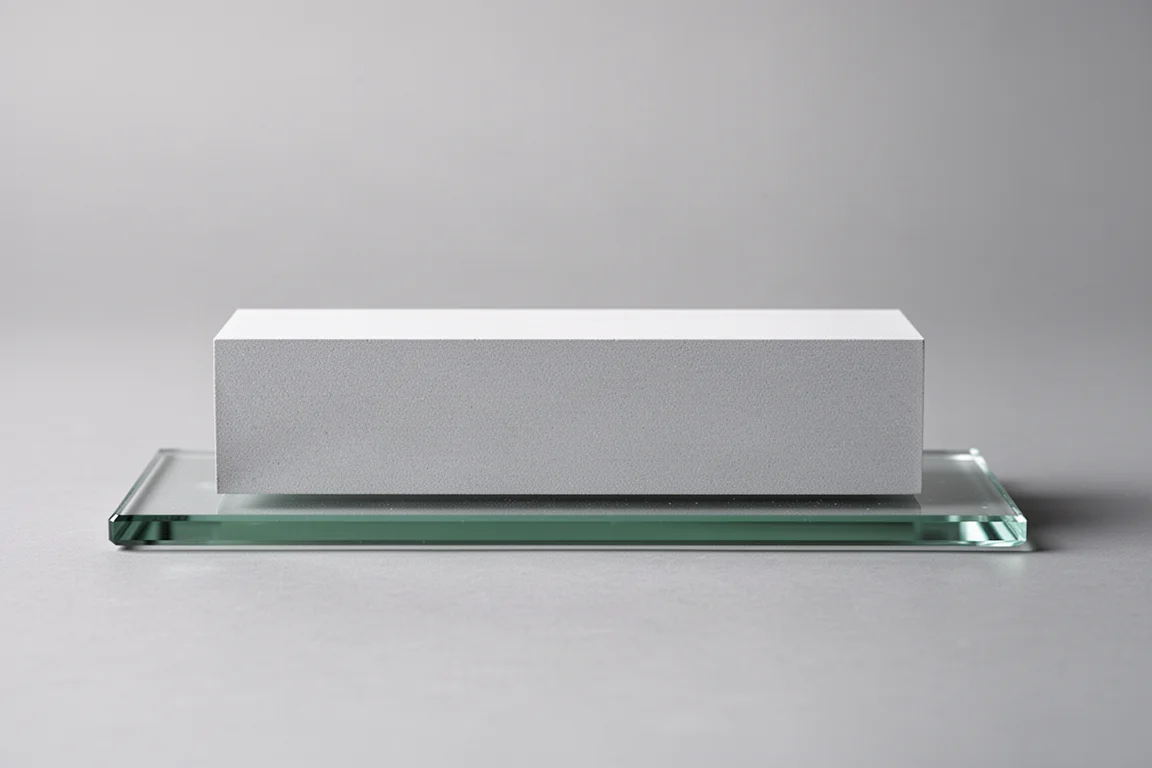
Super fine stones are occasional-use tools, reserved for specialized edges like sashimi slicing, or for anyone chasing a near-mirror finish. The Knifewear 8000 gives a very smooth edge and is popular for sharpening plane blades and planners, where an even, smooth edge matters most. It is muddy, so the edge becomes rounder, silkier and smoother as you work.
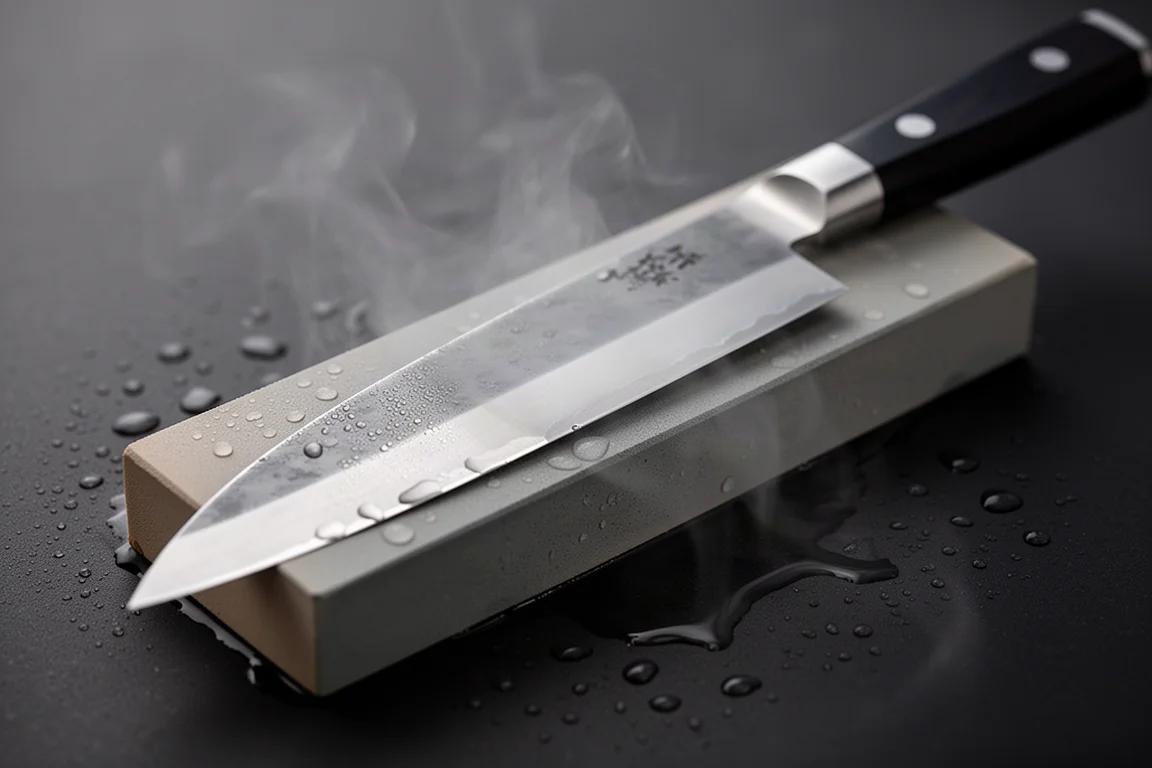
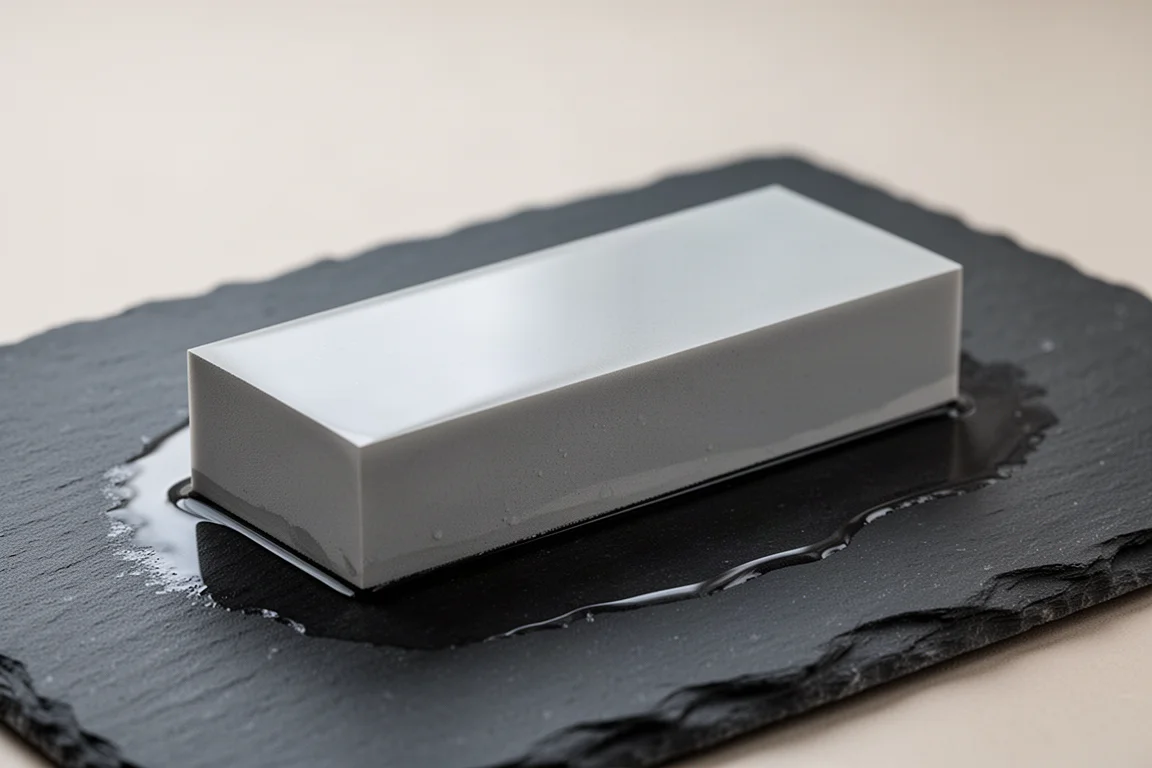
The Shapton Glass 8000 is a fantastic finishing setup for most edges, producing a sharp, shiny result, though with less of a true mirror than some other stones. If a mirror-finish bevel is the goal, resin-based stones like the Kitayama 8000 push the edge closer to a real mirror polish.
The Professional Choice: Naniwa Professional 1000
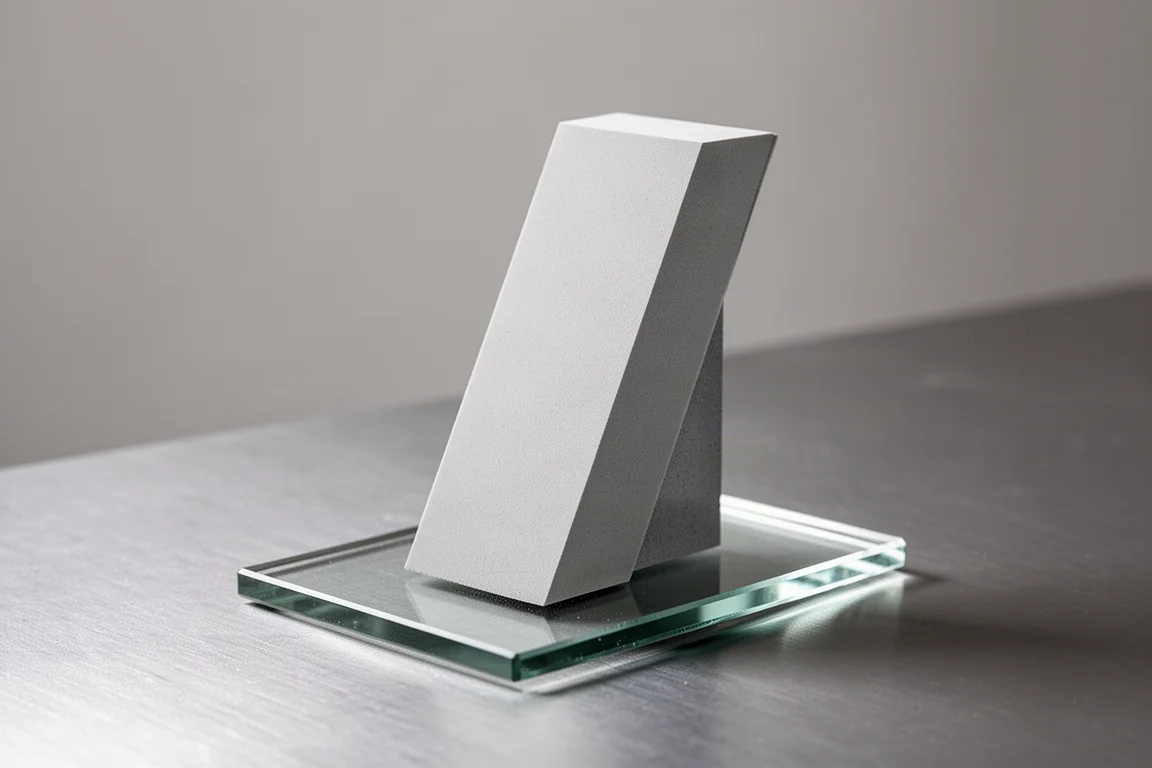
Harder stones hold their flatness longer, which matters when precision is the priority. The Naniwa Professional 1000, formerly known as Chosera, is a hard, long-wearing splash-and-go stone that delivers a very precise edge. It is especially good for work like sharpening the back of single bevel knives. The Professional line was originally created for straight razors, which explains the hardness and finish quality.
Keeping Stones Flat: The Atoma Lapping Plate
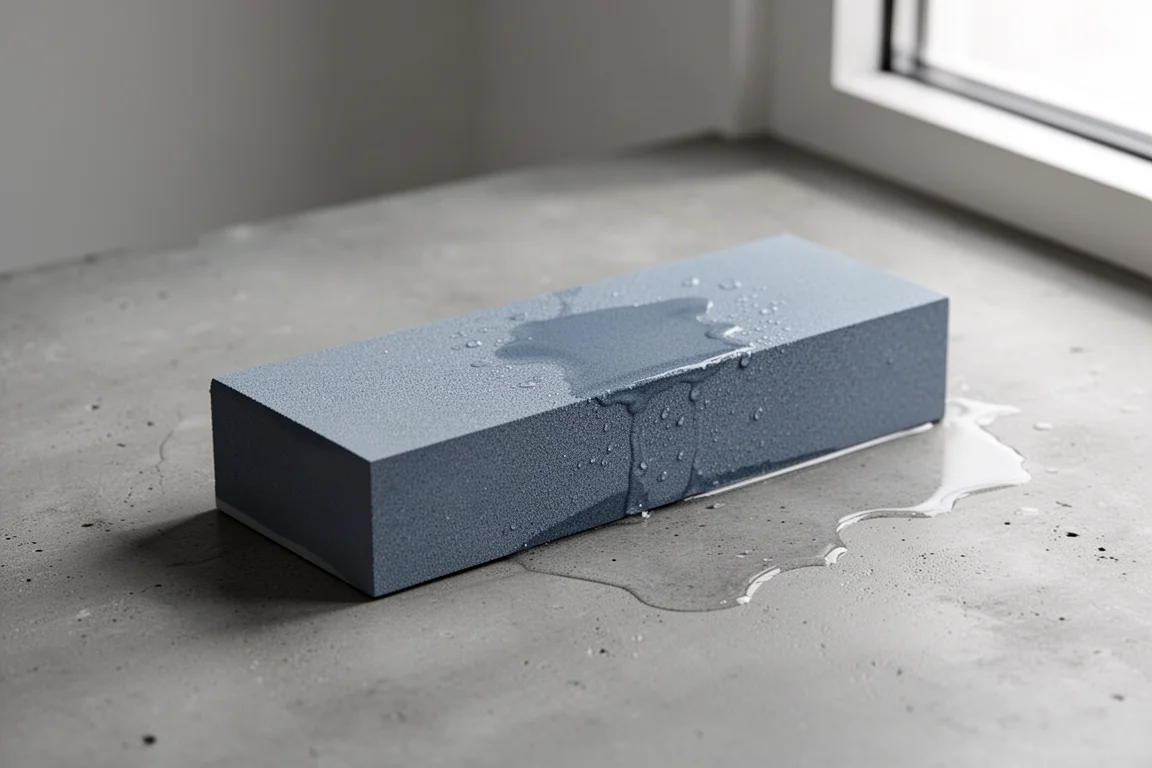
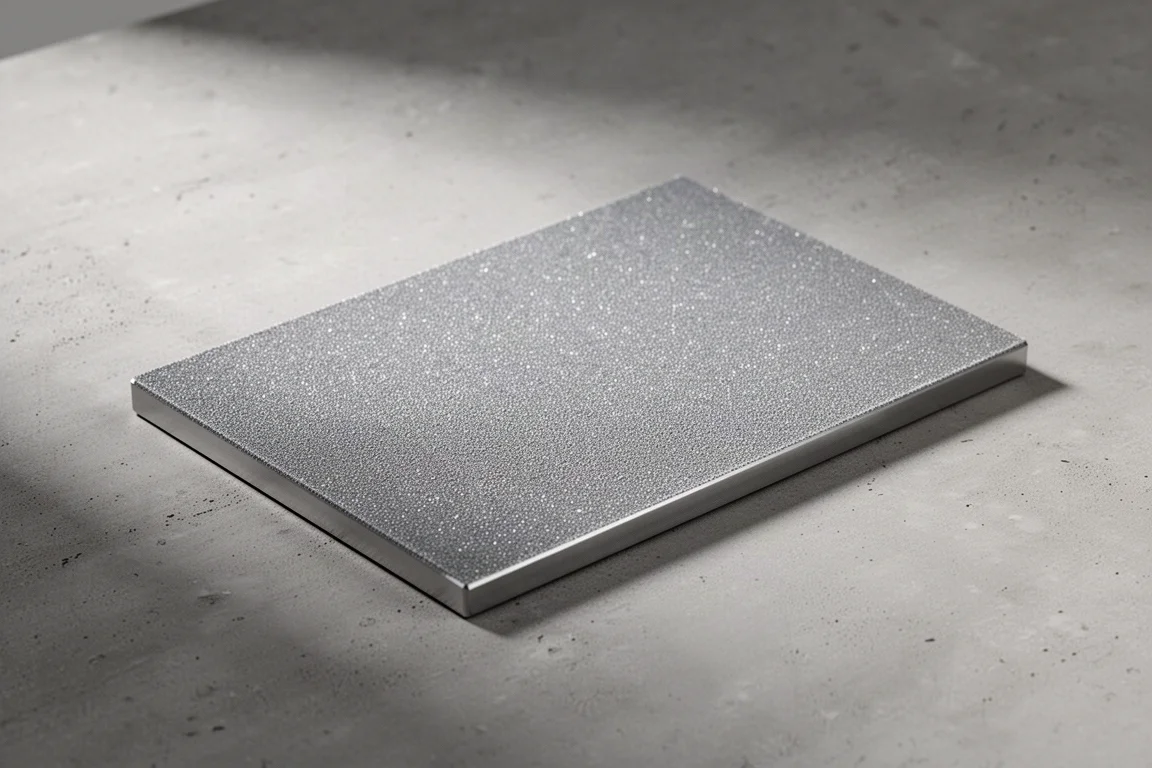
Whatever stones you own, they only perform well if they stay flat. A lapping plate is the tool that keeps them that way, truing the surface regularly so every stone cuts evenly from edge to edge. It is the unglamorous purchase that protects everything else in the setup, and it is worth treating as a core part of the kit rather than an afterthought.
Conclusion
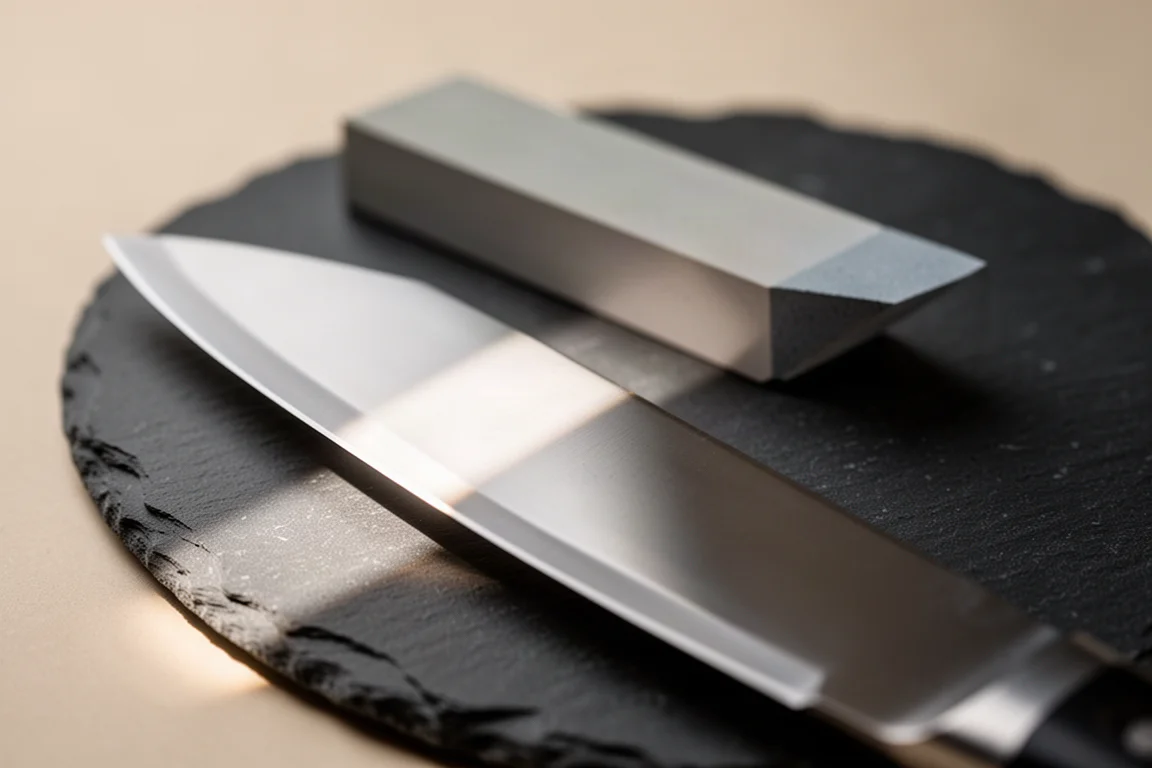
You do not need to memorize every stone on the market. A practical setup covers the core grits: a medium stone around 1000 for daily sharpening, a 2000 for refining Western knives, a fine stone around 4000 for Japanese knives, an 8000 for specialized silky edges, and a lapping plate to keep everything flat. Start there, and expand toward coarse repair stones or ultra-fine polishers only when your sharpening goals demand it.
Further reading
Related Reviews
Knife Sharpening
Work Sharp Professional Precision Adjust Elite: A Sharpening System for People Who Care About Edges
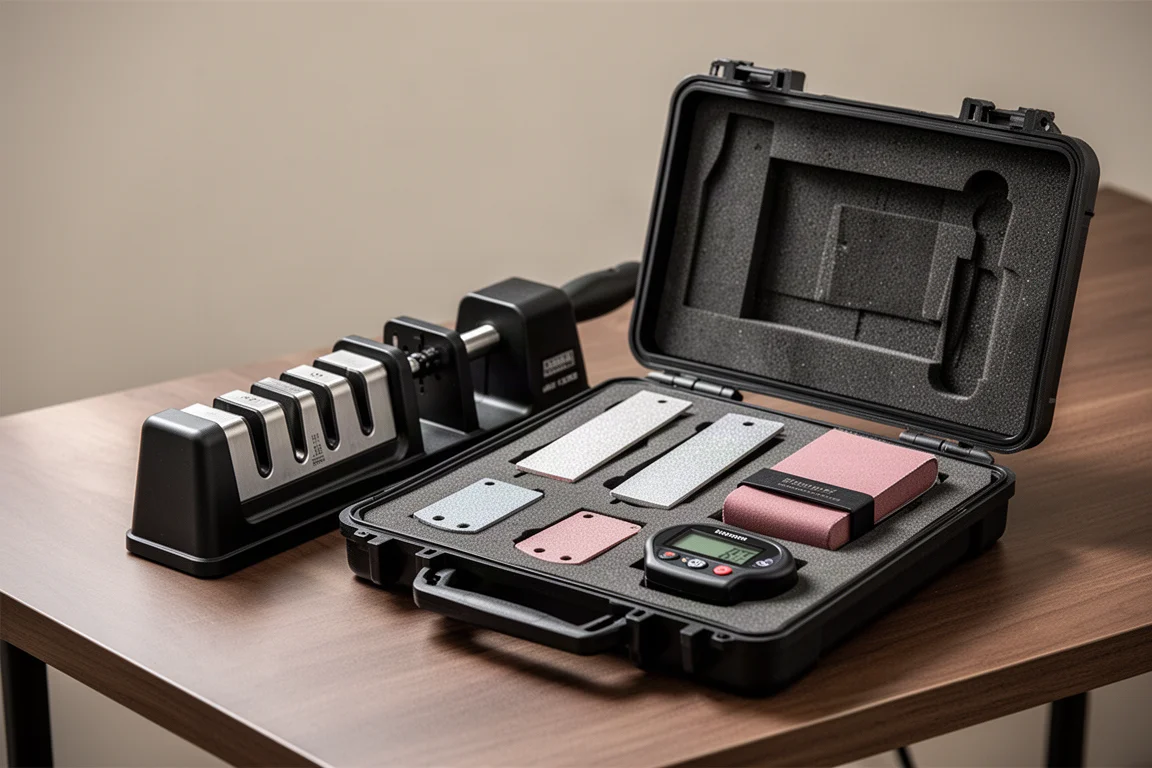
The Elite version of the Professional Precision Adjust adds a rugged case, fine resin-bonded diamond plates, and a strop for a true mirror finish.
Knife Sharpening
Work Sharp Precision Adjust: The Clamp-and-Jig Sharpener Worth Building Out
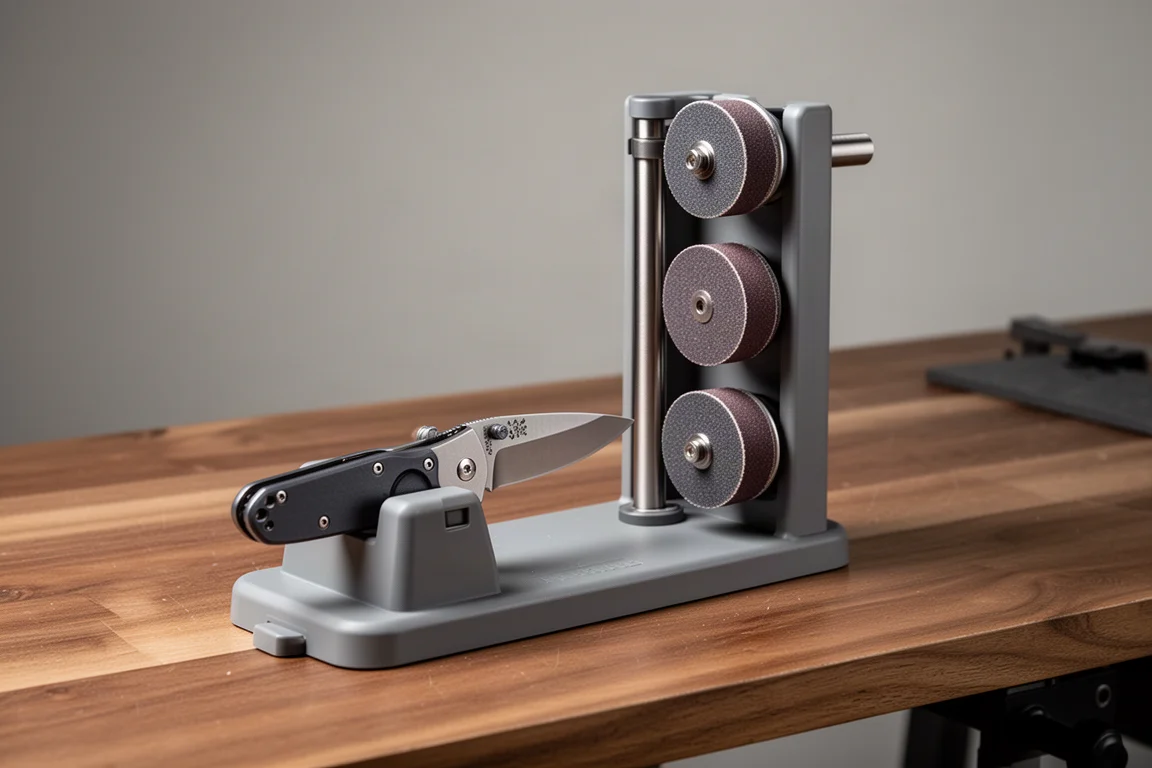
A fixed-angle knife sharpener with a rotating abrasive carriage, plus an upgrade kit that turns it into a genuinely complete sharpening setup.
Knife Sharpening
Work Sharp Precision Adjust Upgrade Kit Review: A Wider Grit Range for an Already Great Sharpener
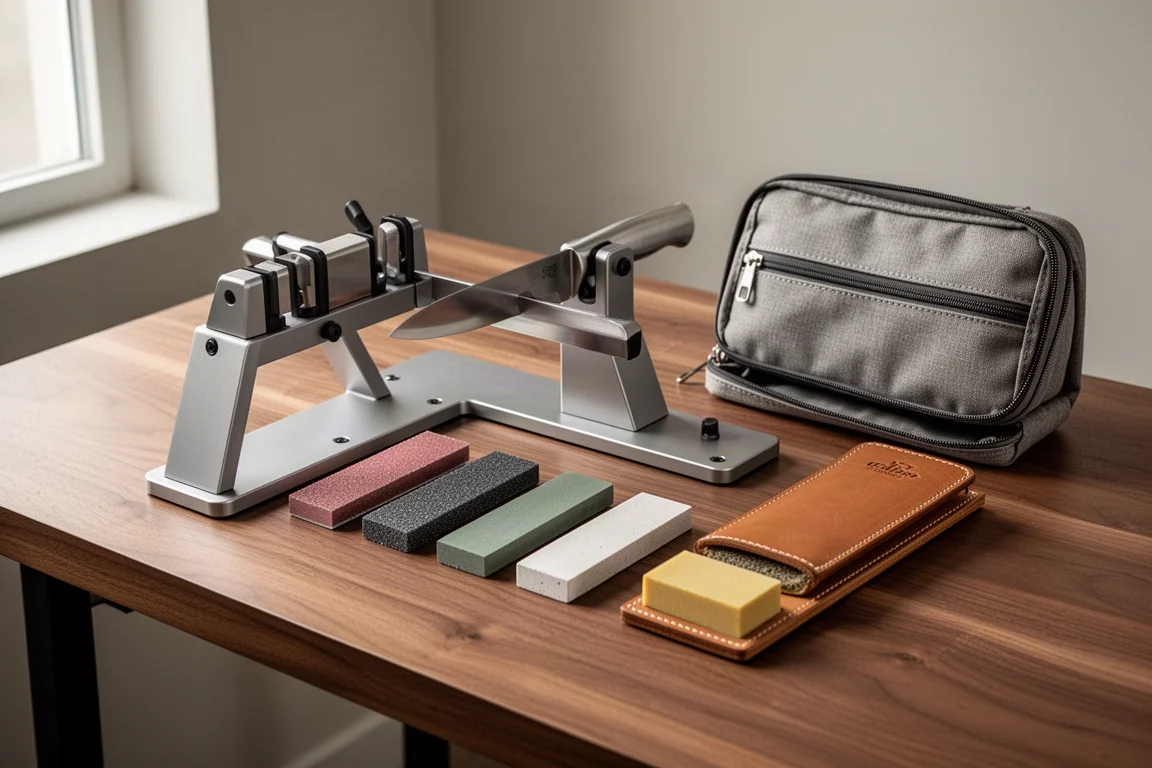
The Upgrade Kit expands the Precision Adjust with extra abrasives, a built-in strop, and a proper carrying case. Here is what changes after months of use.