Outdoor Gear
Essential Day Hiking Gear: Five Pieces Worth Carrying on Longer Trail Days
A practical look at five day hiking essentials, including a lightweight rain shell, two insulating layers, and two first aid kits for longer days on the trail.
Introduction
Longer days on the trail ask more of a pack than a short walk close to home. When a hike stretches from morning into late afternoon, the gear you carry needs to do three jobs well: protect you from wind and rain, hold warmth when conditions turn, and leave enough room for the water and food the route demands.
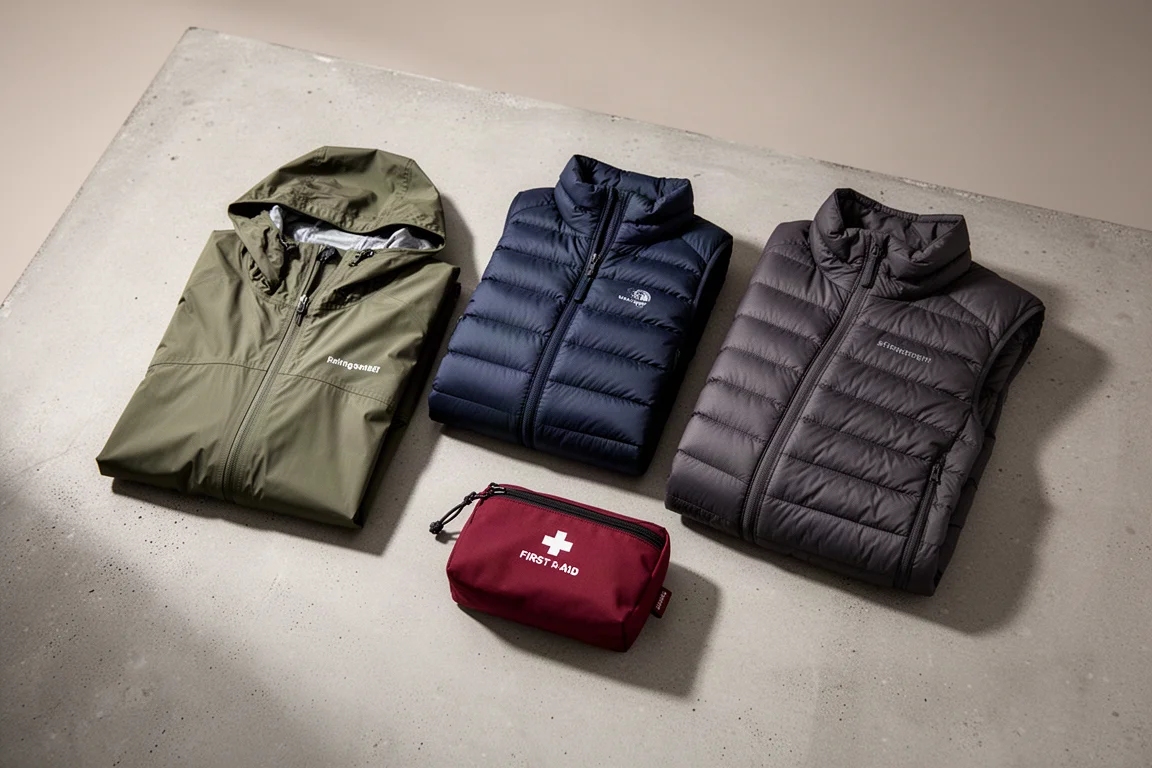
The five pieces below cover that ground. Each one is light enough to carry without regret, each solves a specific problem, and together they layer into a system that handles a day that starts sunny and ends cold and wet.
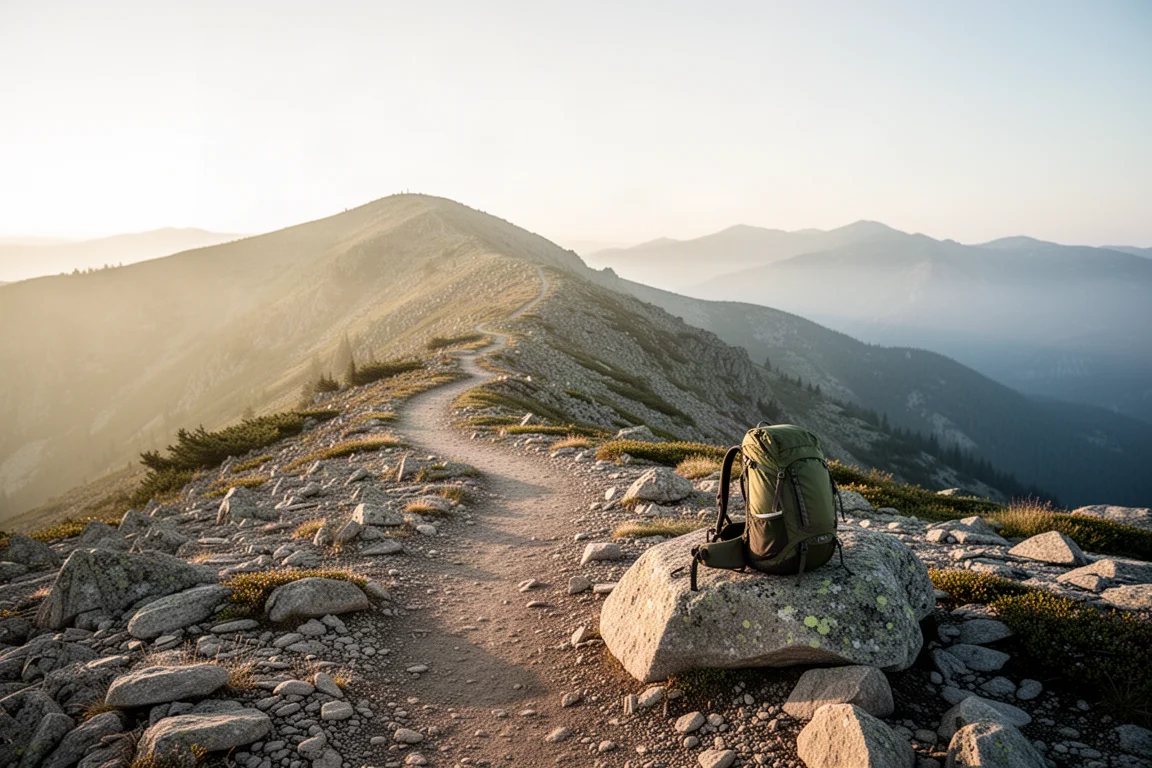
None of them is exotic or expensive by hiking standards. The point is to have them with you before the weather decides the day for you.
What Matters Most on a Longer Day Hike
Layering, weather protection, and basic self-sufficiency drive every choice here. A day pack in the 18 to 30 litre range covers most longer hikes, with the larger end of that range useful when you are carrying more layers, more water, or both.
Layering is the part hikers most often get wrong. A light shell handles wind and rain, an insulating mid layer holds warmth, and a synthetic piece keeps working even when it gets wet. Carrying all three costs very little in weight and gives you real options when the forecast changes.
First aid and a handful of small items complete the kit. A headlamp, a way to treat water, a small knife, a lighter, and a compact emergency shelter weigh almost nothing and matter a great deal if a day runs longer than planned.
Best Lightweight Rain Shell: Outdoor Research Helium Rain Jacket
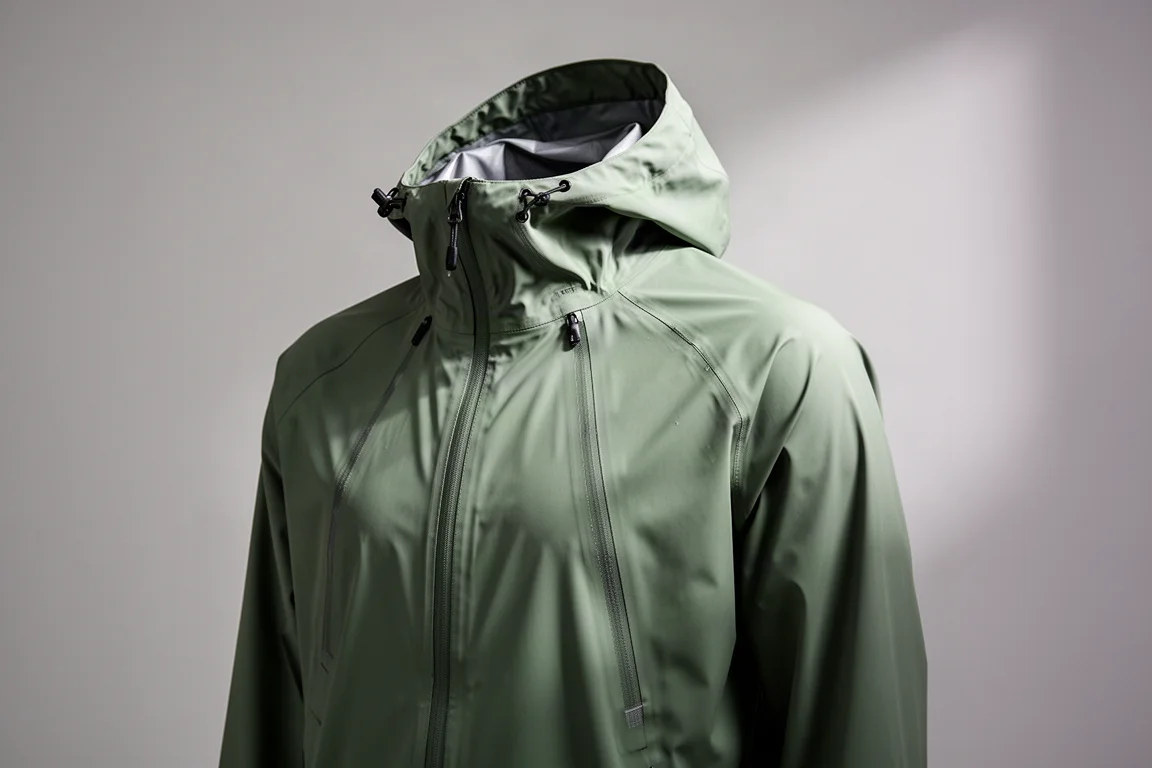
The Helium rain jacket is the piece to reach for when the wind picks up above tree line. It is light, it blocks wind and rain, and it adds protection without the bulk of a heavier layer that would leave you overheating on the move.
That combination suits exposed ridges and peak-bagging days, where conditions shift quickly and you want a shell you can pull on and keep hiking in.
Best Warm Core Layer: Arc’teryx Cerium LT Vest
A down vest is an efficient way to stay warm without carrying a full puffy. The Cerium LT Vest weighs under eight ounces depending on the size you choose, and it layers easily over a base layer or a light fleece to hold heat where it counts.
Because it leaves your arms free, it works best as part of a system rather than on its own. Paired with a shell, it gives you a warm, compact setup for cold mornings and exposed stretches of trail.
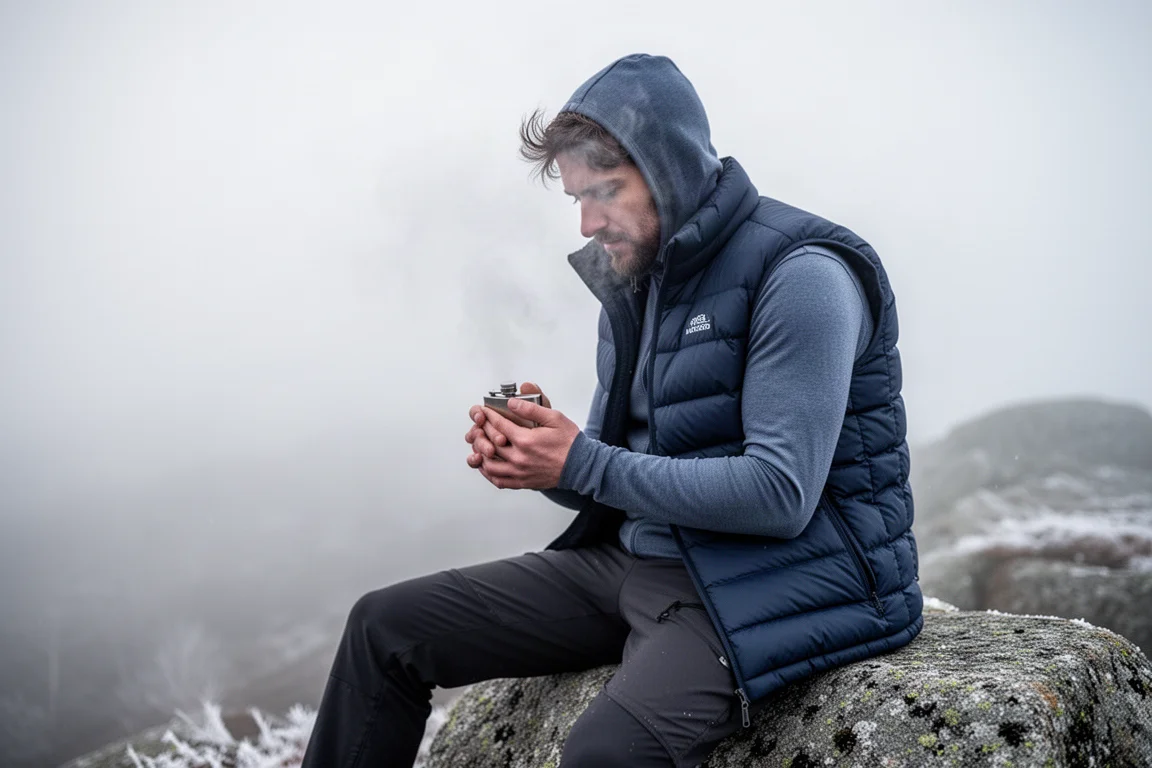
For hikers who run warm while moving, the vest format is often enough during a break or a long descent, and it packs down small once the sun returns.
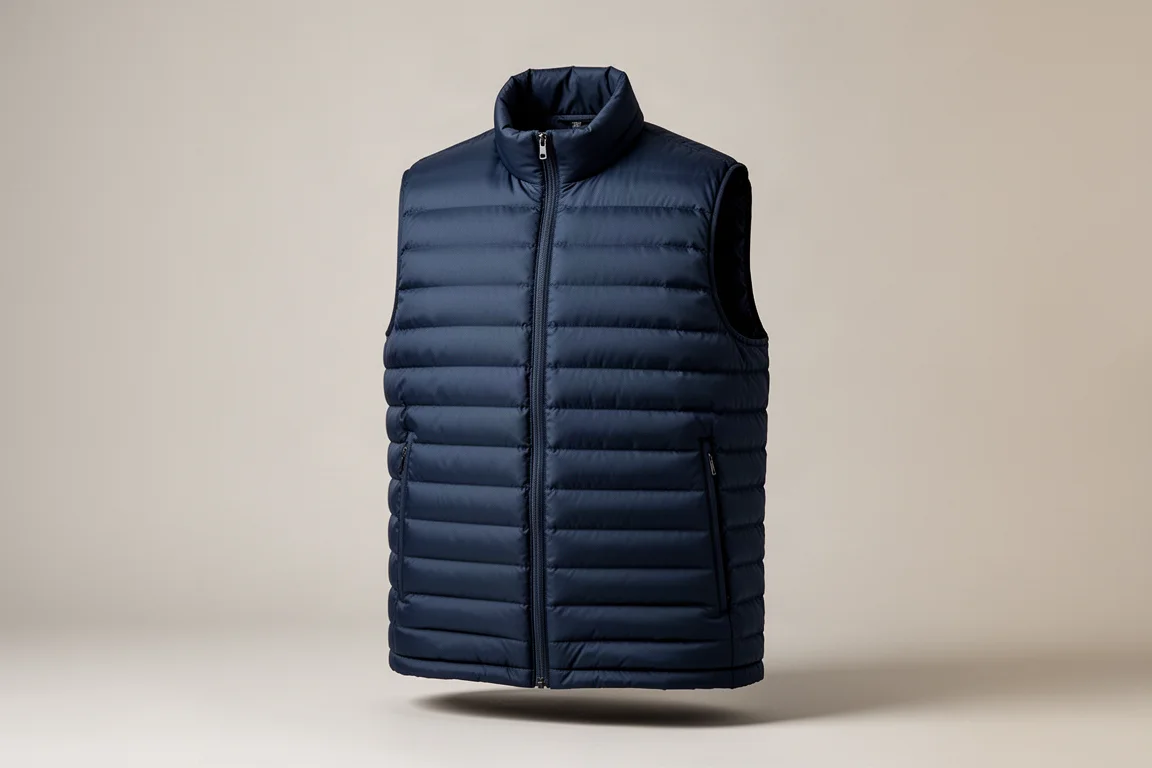
Best Active Insulation: Arc’teryx Atom
Synthetic insulation earns its place when the forecast is uncertain. The Atom keeps insulating when it gets wet, and it is comfortable enough to wear while you are actively hiking on cold days.
That makes it a strong option for wet, chilly conditions and for days when a bright start turns into cold rain within a couple of hours. Worn under a rain shell, it holds warmth without leaving you clammy.
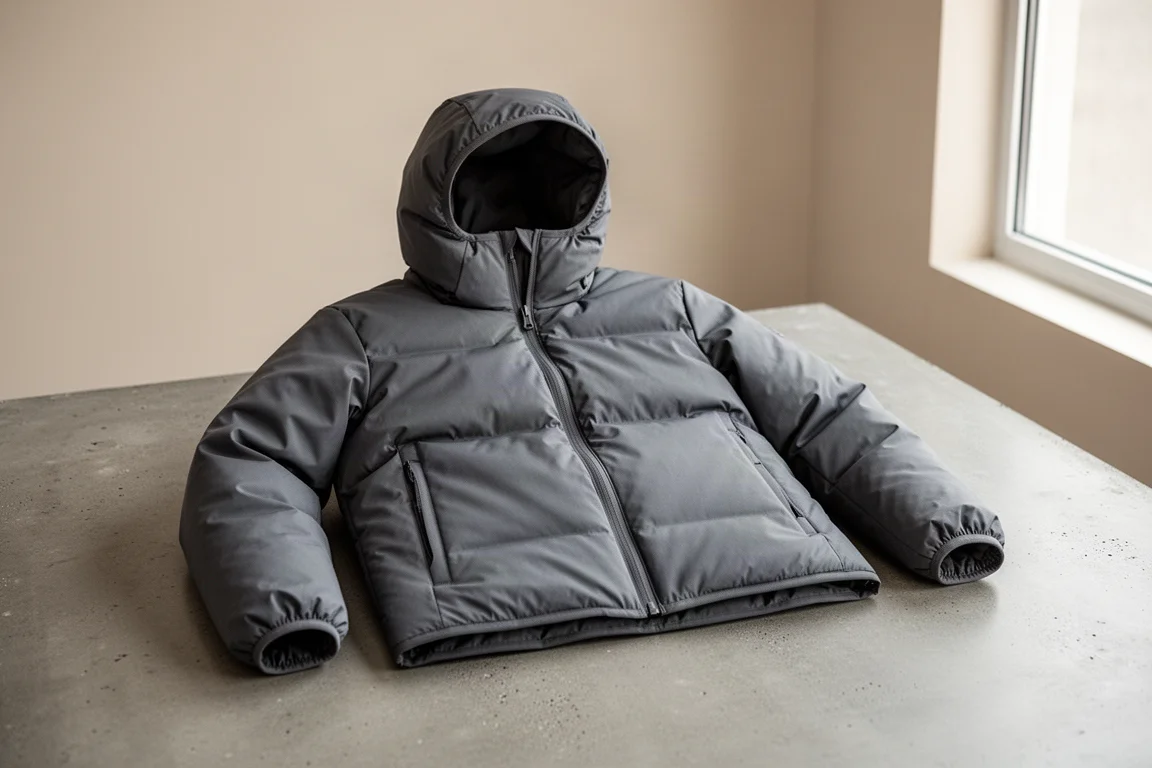
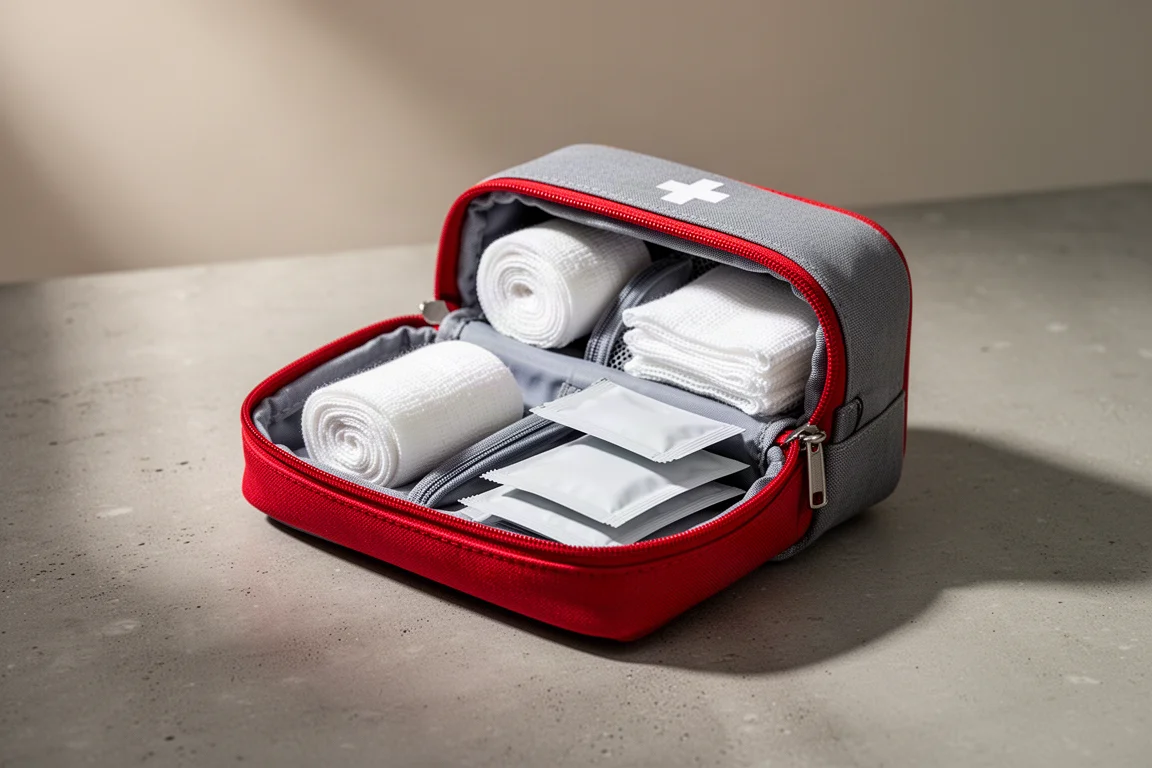
Best Minimal First Aid Kit: Adventure Medical Kits .3 Med Kit
For a straightforward day hike, a small kit is usually the right answer. The .3 Med Kit from Adventure Medical Kits covers the basics and costs less than ten dollars, which makes it an easy item to leave in your pack permanently.
It is not built for every scenario, but as a minimum standard for any day on the trail it is hard to argue with.
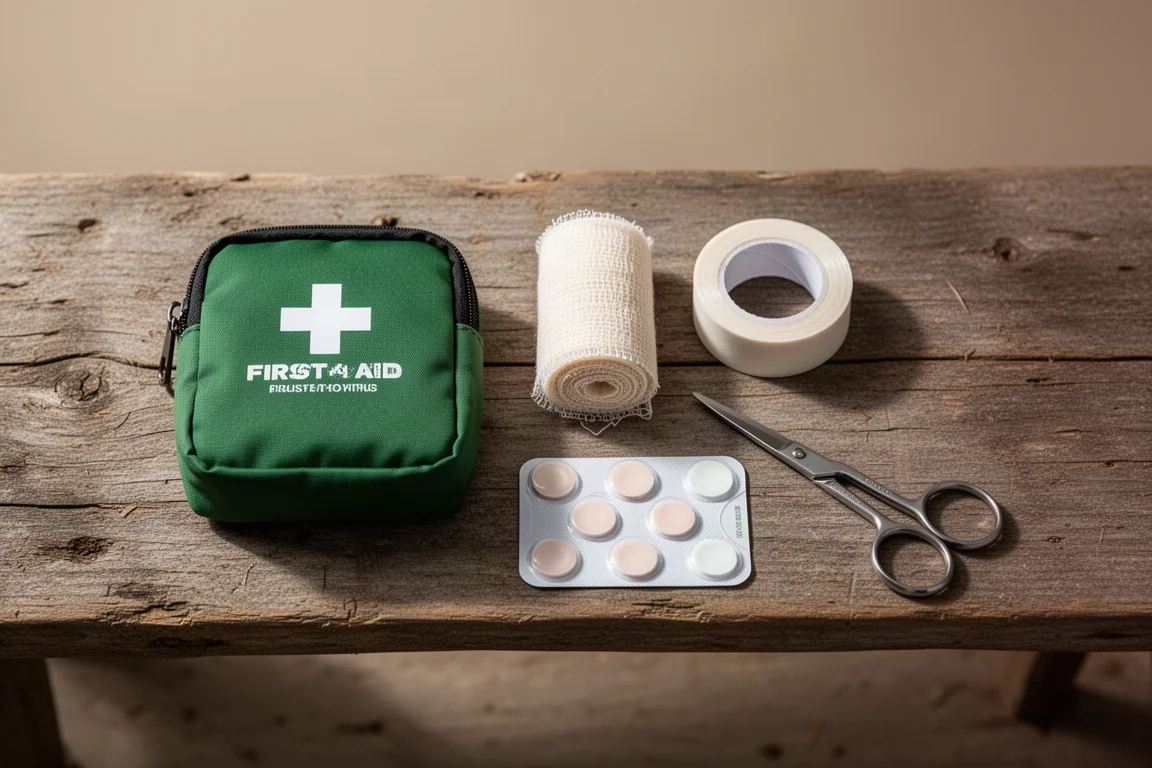
Keeping a kit like this in your day pack means you never have to remember to pack it, and you never have to weigh up whether a particular hike justifies the space.
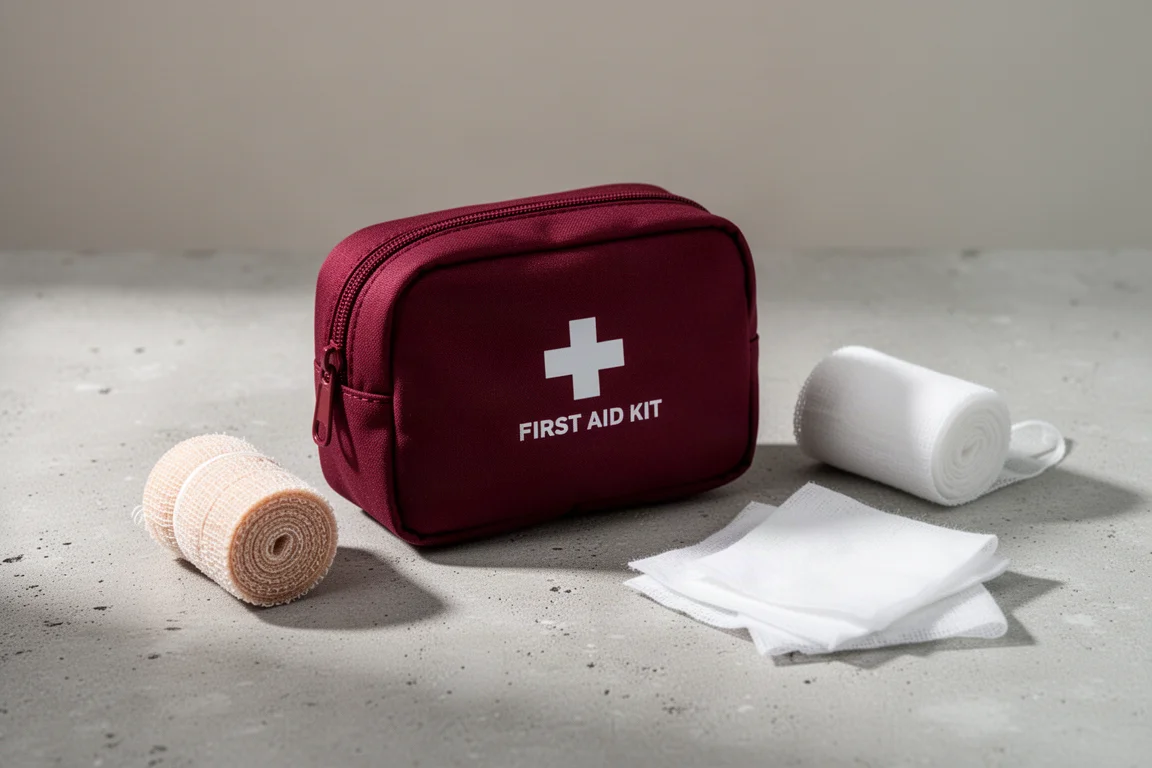
Best Comprehensive Trail First Aid Kit: MyMedic Hiker Kit
When you want broader coverage, the MyMedic Hiker Kit carries a much wider range of supplies. It holds more than most day hikes will ever need, which makes it a sensible pick for longer outings, group hikes, or trips where being over-prepared is the preference.
The same brand also makes pet-specific kits for hikers who bring a dog along, which is worth knowing if you have ever had to carry an injured dog back to the trailhead.
Small Items That Earn Their Place in the Pack
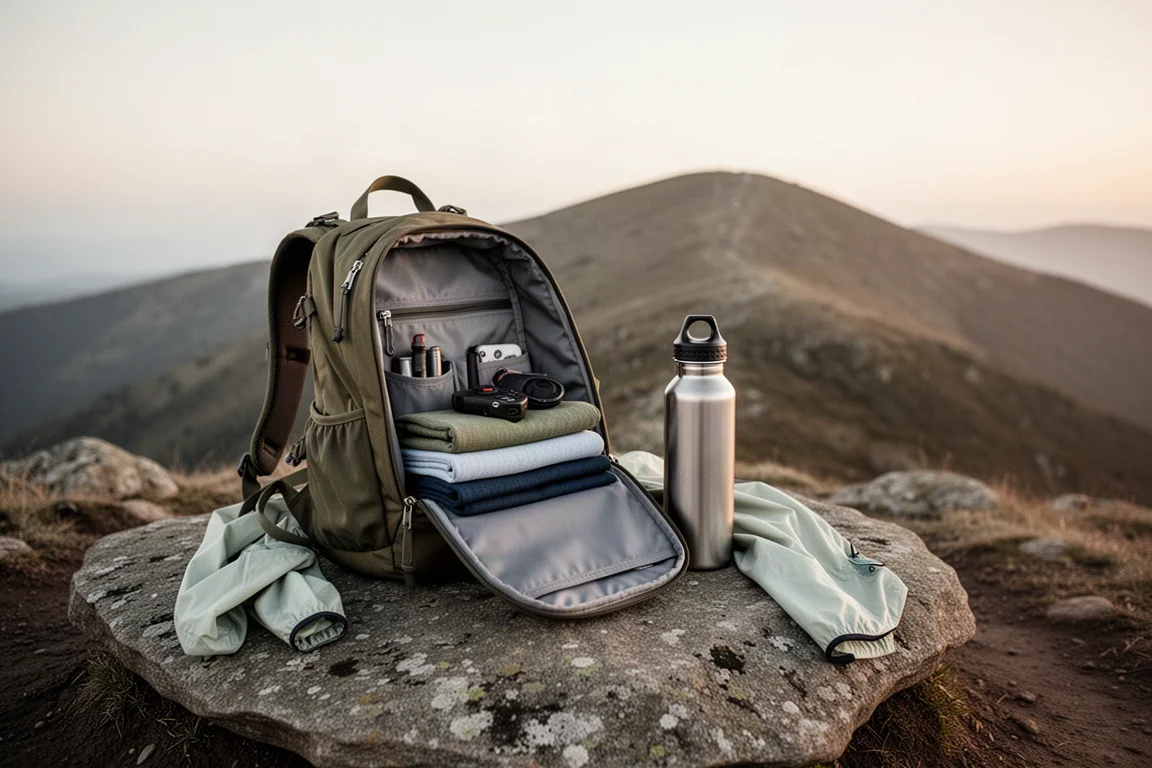
The layers and the first aid kit are the headline items, but the small pieces are what make a pack genuinely self-sufficient. A headlamp goes with you on every hike regardless of distance, because a day that runs long needs a light source. A water filter lets you refill from natural sources instead of carrying every litre from the start, and a hydration bladder or bottle covers the rest.
Also worth the space: a small knife, a lighter, a compact emergency bivvy or mylar blanket, sunscreen, insect repellent, and a few wipes for cleaning up before you eat. Food plus a little extra, and more water than you think you need, round out the list. A satellite communicator is not essential, but it is a genuinely useful way to let someone know you are running behind.
None of these items adds meaningful weight on its own. Together they turn a pack that handles a good day into one that handles a bad one.
Overall Buying Advice
Start with the layers, because they do the most work. A light rain shell and an insulating mid layer cover the widest range of conditions, and adding a synthetic piece gives you a setup that still performs when everything gets wet.
From there, choose a first aid kit that matches the length and remoteness of your typical hike. A minimal kit suits short, well-travelled trails, while a broader kit makes more sense for long days, group outings, or routes where help is far away. Whichever you choose, keep it packed and ready so that leaving the house is the only step between you and the trail.
Conclusion
The best day hiking kit is the one you actually carry. A light shell, a warm core layer, a synthetic option for wet conditions, and a first aid kit sized to your plans cover the essentials, and a few small items fill in the rest. Build the kit once, keep it in your pack, and longer days on the trail become far more comfortable and far less uncertain.
Further reading
Related Reviews
Outdoor Gear
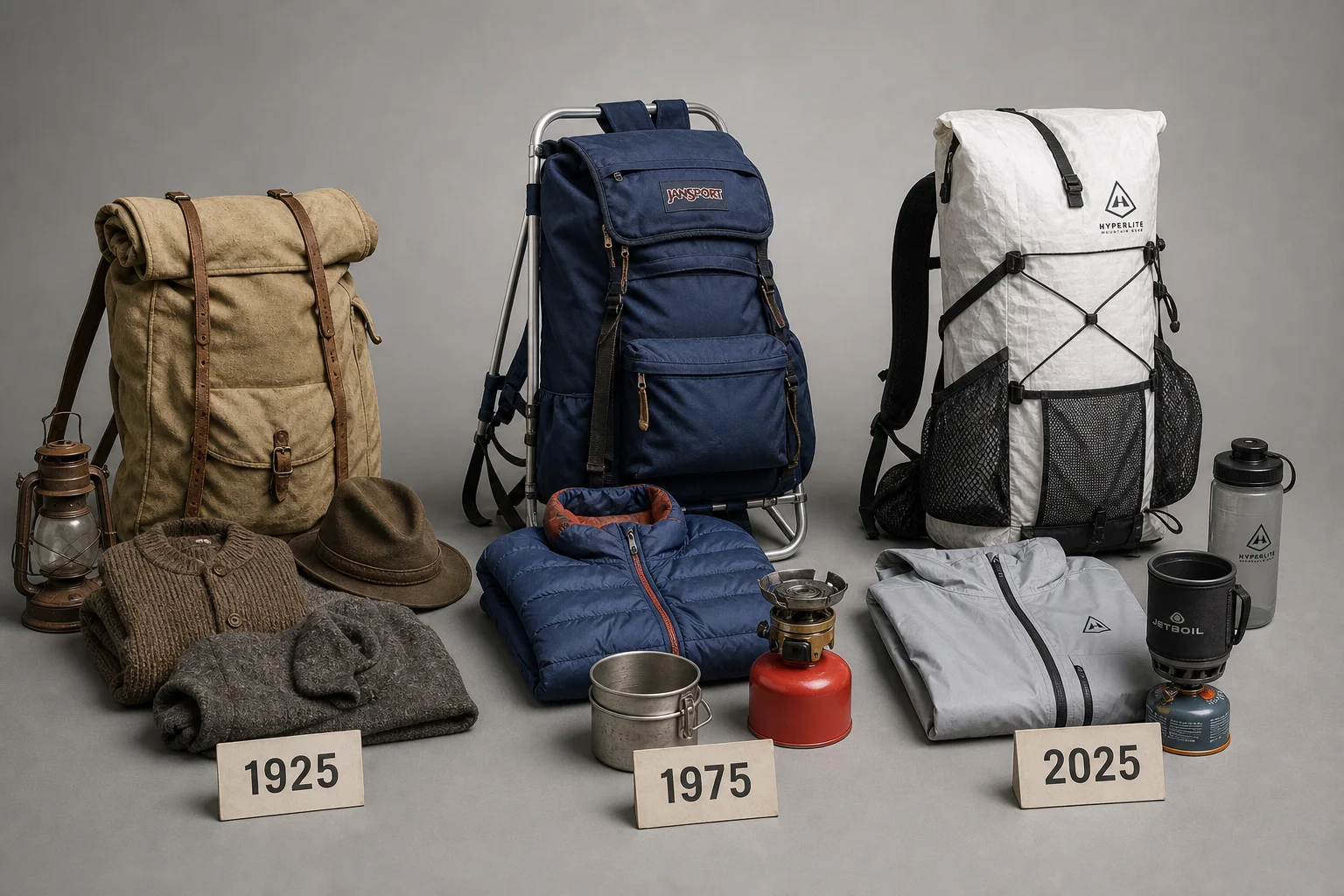
Backpacking Gear Evolution: 100 Years of Technology Compared
We tested backpacking gear from 1925, 1975, and 2025 across a three-day hike in Yosemite. Here's how technology has transformed comfort, weight, and the outdoor experience.
Outdoor Gear
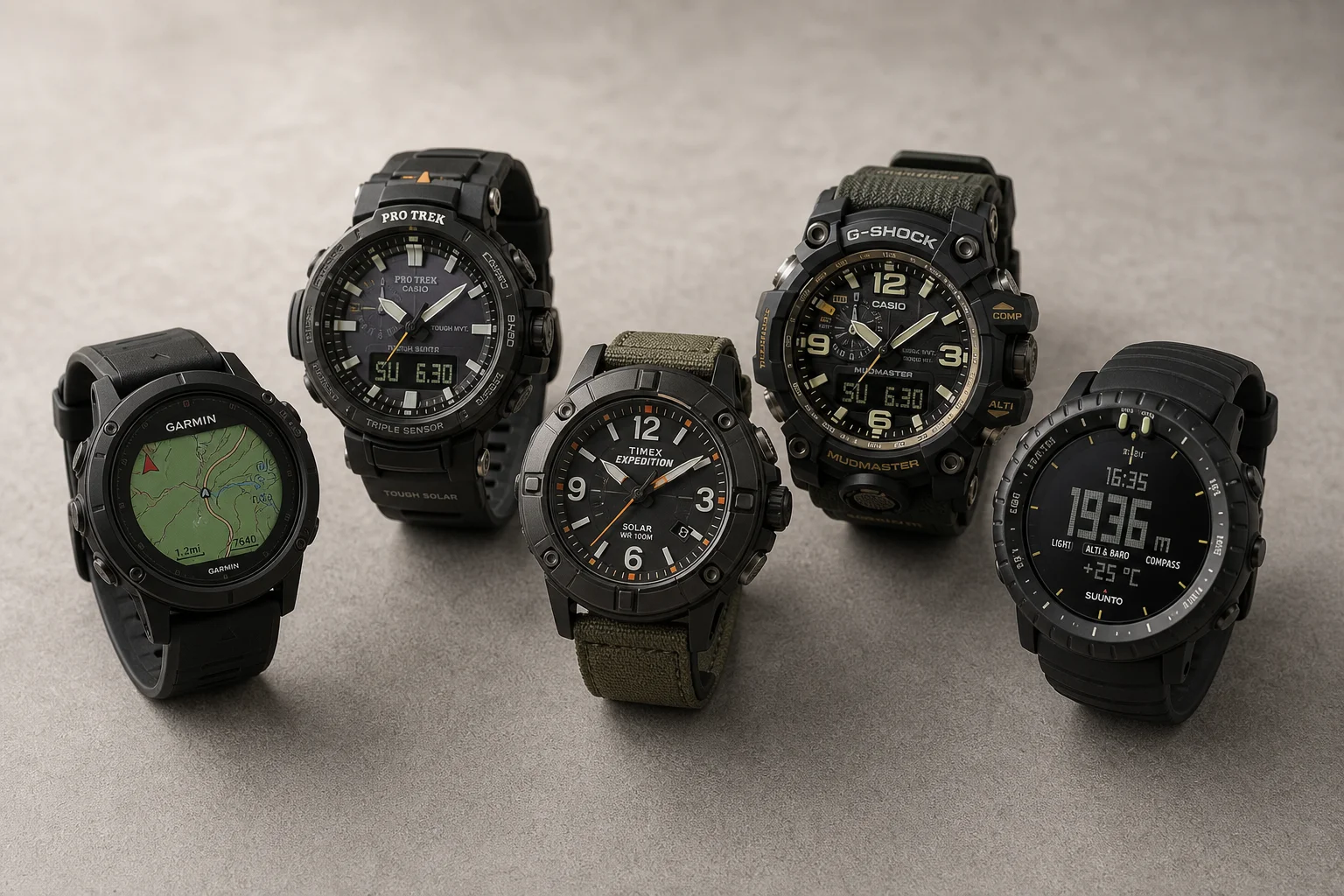
Best Affordable Hiking Watches: Five Rugged Options for Outdoor Adventures
Five durable hiking watches that balance ruggedness, functionality, and value for outdoor enthusiasts who need reliable GPS tracking and weather resistance.
Outdoor Gear
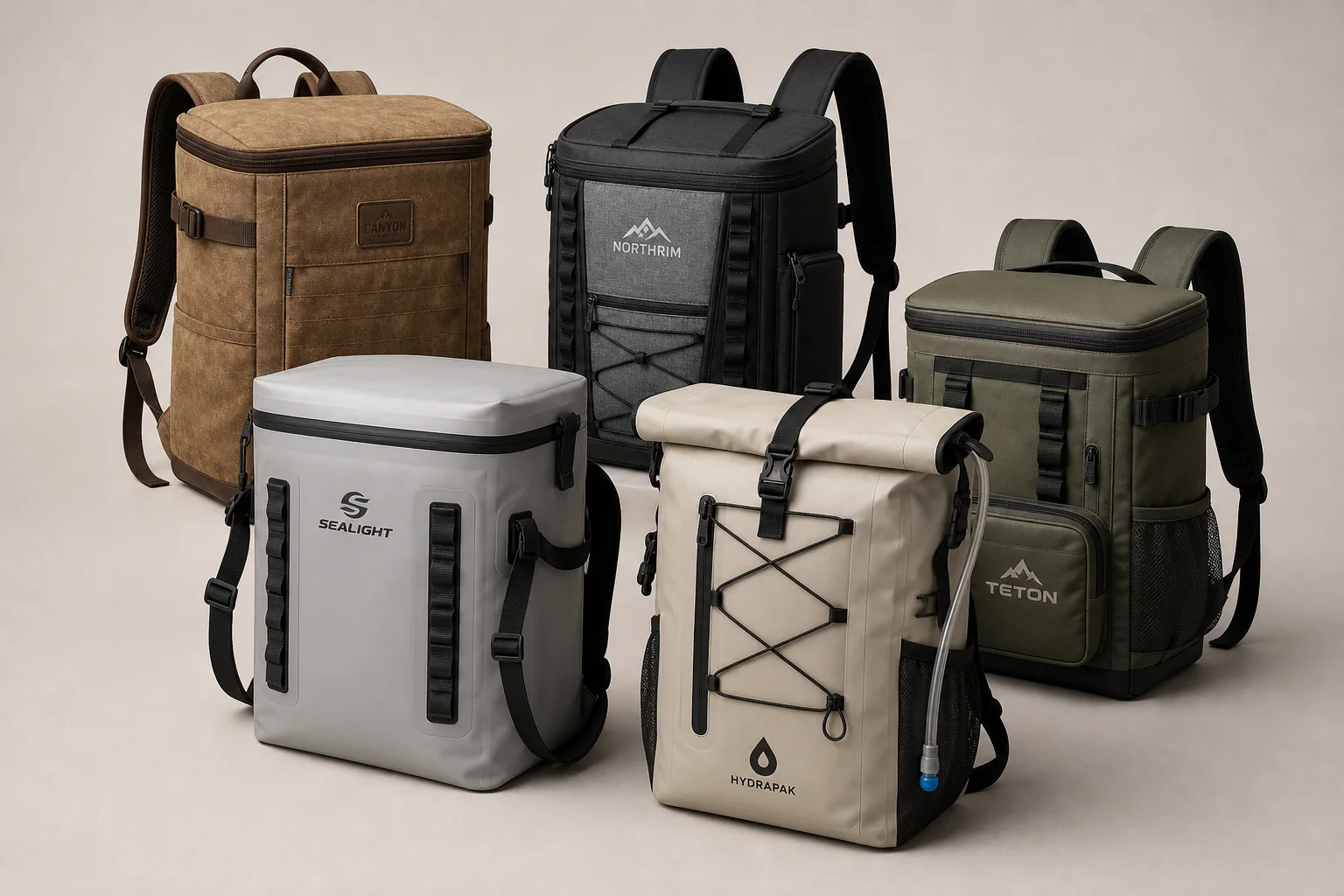
Best Backpack Coolers 2026: Five Practical Options for Outdoor Adventures
Five backpack coolers with distinct cooling capabilities, storage features, and design trade-offs to help you choose the right one for your outdoor needs.