Coffee Equipment
Espresso Machine Types Explained: Which One Fits Your Needs
A practical guide to single boiler, thermoblock, semi-automatic, and super-automatic espresso machines. Understand the workflow, strengths, and trade-offs of each type to find the right fit for your coffee routine.
Introduction
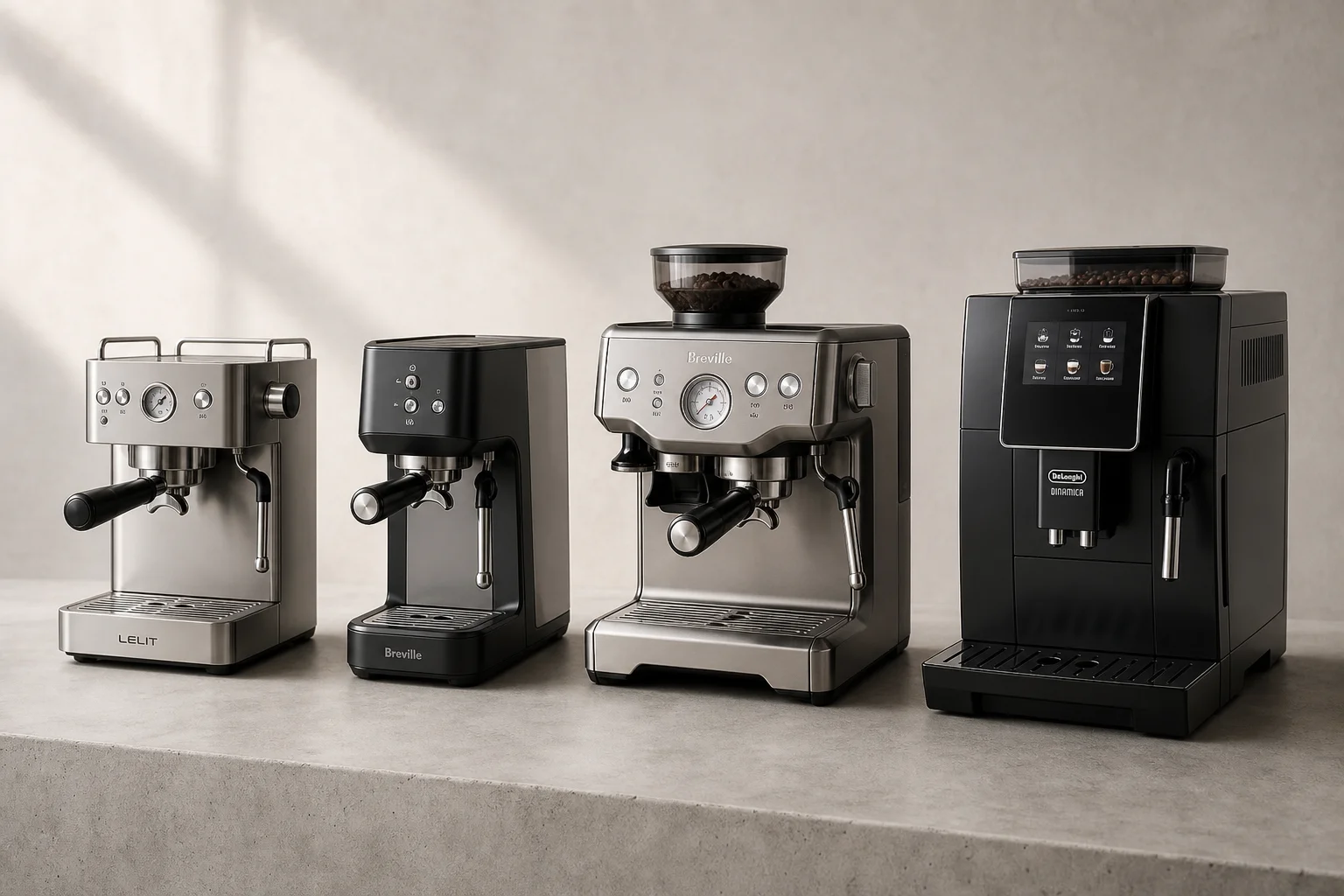
Choosing an espresso machine can feel overwhelming. The market offers many options, each with different workflows, capabilities, and learning curves. Rather than focusing on price alone, understanding the four major machine types helps you match a machine to your actual coffee routine and expectations.
The key insight is simple: every machine type can produce good espresso and milk drinks. What changes is how much involvement you want, how much time you’re willing to invest in learning, and what trade-offs you accept in exchange for convenience.
Single Boiler Manual Machines
Single boiler machines are the most hands-on option. They require you to start and stop the pump manually, with no volumetric measurement or automation. You also switch between espresso and steam mode by adjusting temperature settings yourself.
The DeLonghi ECP3420 exemplifies this type. It comes with multiple basket options, including pressurized baskets that work without a grinder, and pod baskets for pre-packaged coffee. However, the best results come from using a proper grinder, a scale, and a non-pressurized basket in what’s called “advanced mode.”
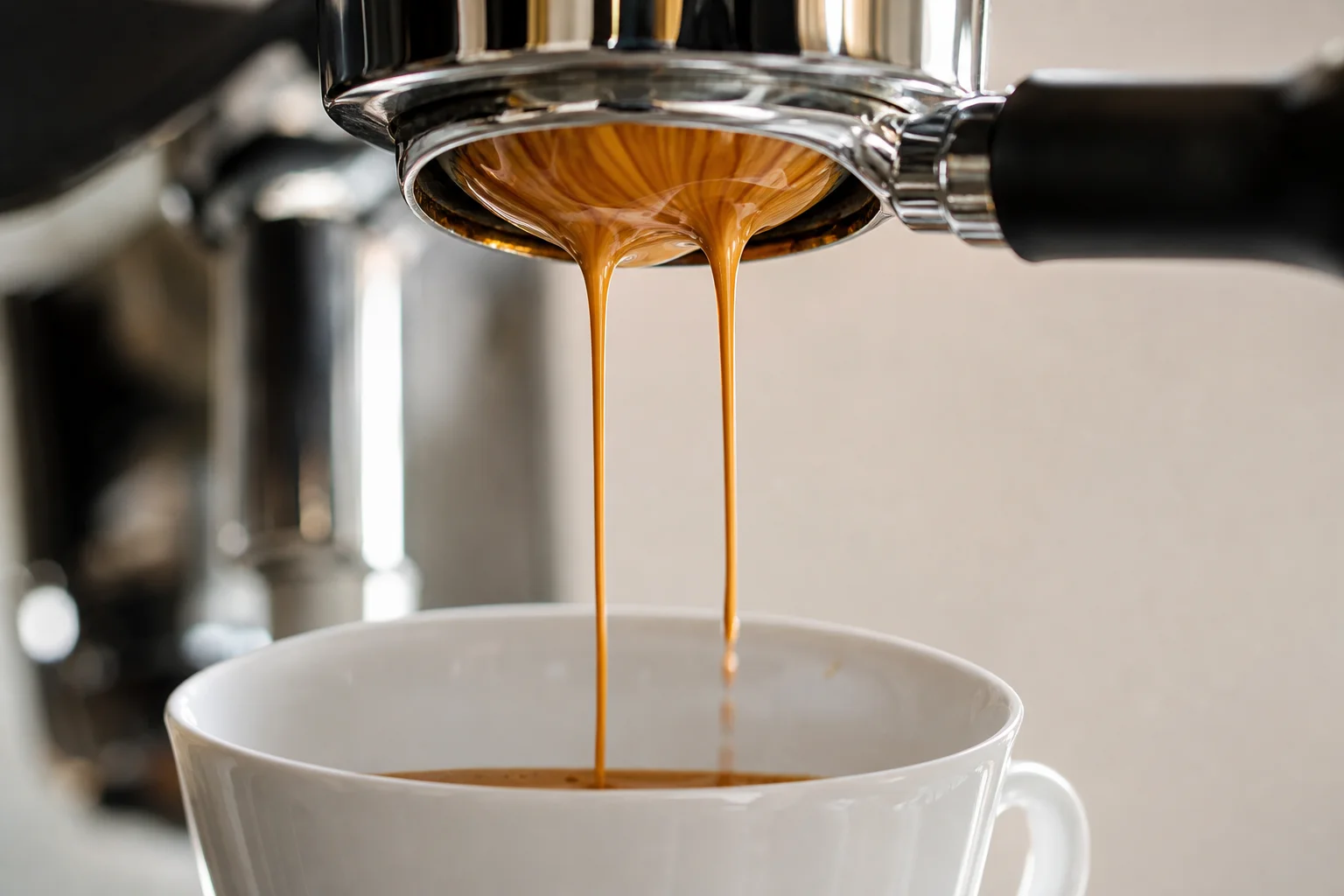
Making espresso on this machine follows a recipe approach: weigh your dose (typically 16 grams), grind fresh beans, distribute the grounds with a WDT tool, tamp, and pull the shot. The machine lacks temperature control beyond basic thermostats, so it works best with darker roasts. One quirk: these machines don’t have a solenoid to cut pressure, so they continue dripping after extraction. Catching the drips in a second cup is standard practice.
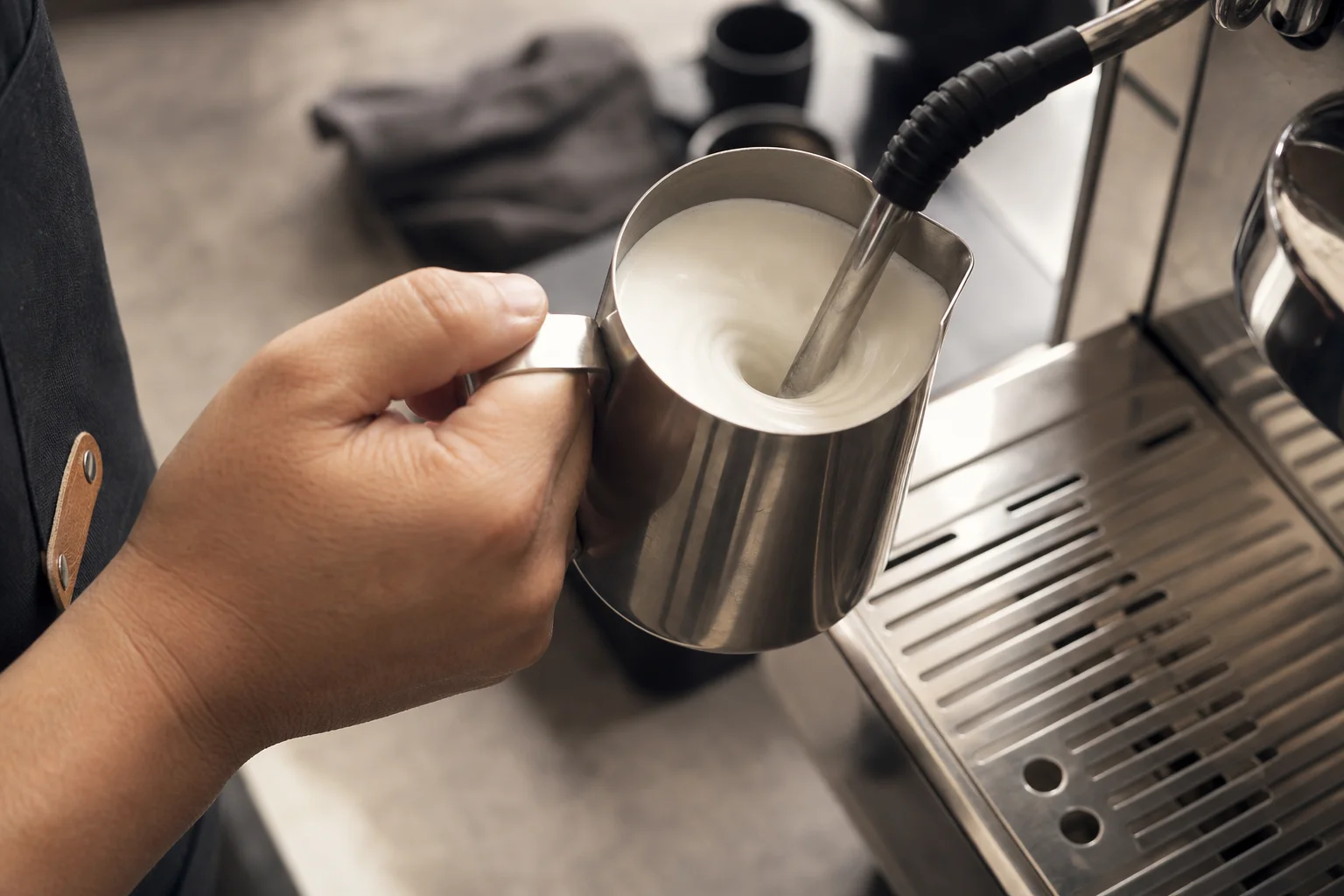
Steaming requires switching to steam mode and manually controlling milk texture. With practice, you can produce silky microfoam, though it takes time to develop the skill. After steaming, you must cool the boiler back down to espresso temperature by running fresh water through the group head.
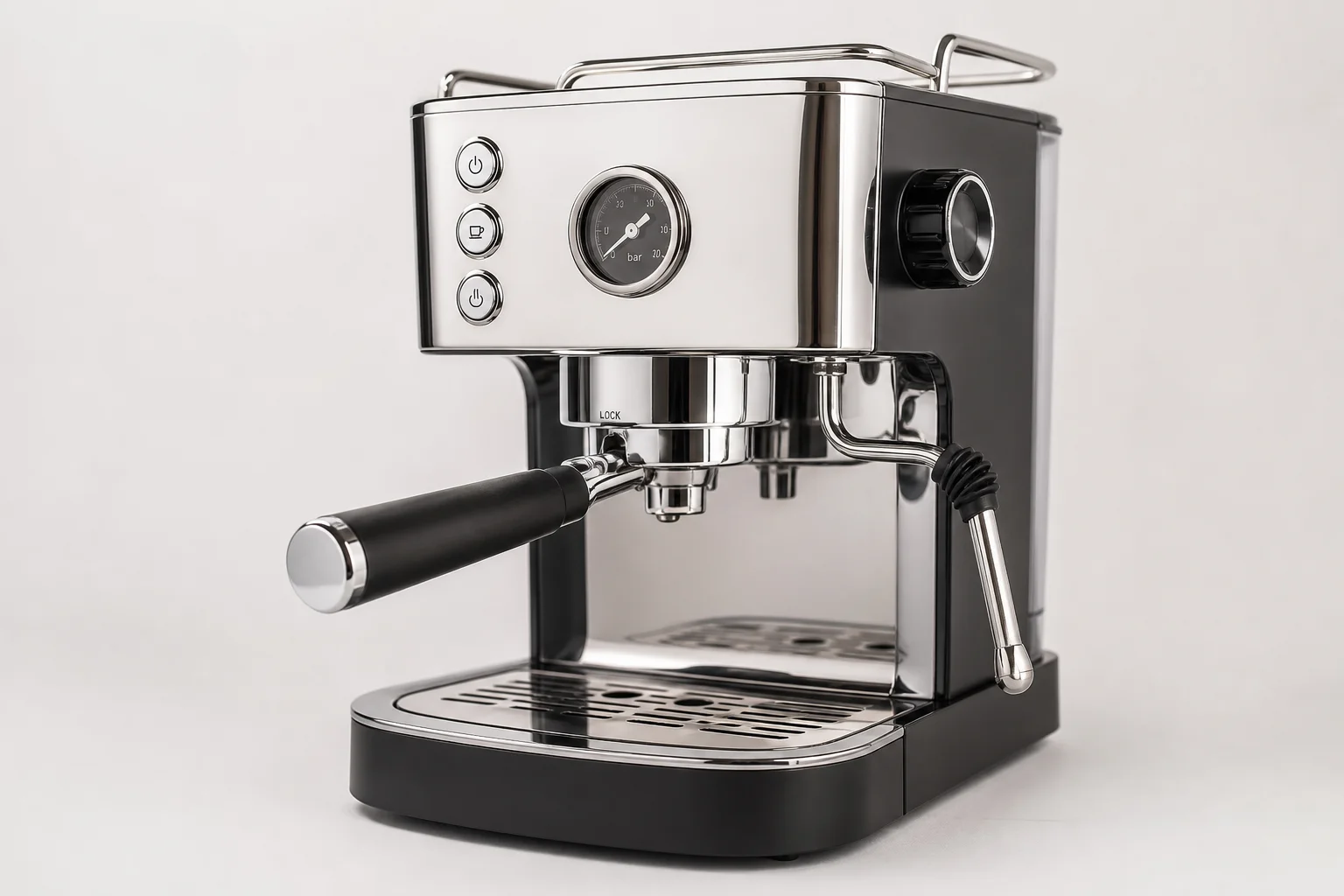
Single boiler machines suit people who enjoy the hobby aspect of espresso, don’t mind the manual steps, and want an affordable entry point. They’re versatile and capable of excellent results, but they demand attention and practice.
Thermoblock Machines
Thermoblock machines add automation while keeping the manual workflow mostly intact. Instead of a traditional boiler, they use on-demand water heating similar to a tankless water heater. This means faster heat-up times and some convenient features.
The DeLonghi Dedica is a popular thermoblock example. It offers volumetric dosing (press a button for the full extraction, and it remembers the volume), and it alerts you when the machine is too hot to pull the next shot after steaming. The Dedica is compact and portable, making it a favorite for travel.
You still use a grinder, scale, and proper technique in advanced mode. The extraction process is similar to single boiler machines, but the Dedica’s smaller footprint and faster heat recovery make it more convenient for daily use. One trade-off: thermoblock machines have less steam power than boiler machines because they pulse water through the heating element rather than drawing from a reservoir. Steaming works, but it requires more patience and technique.
After steaming, the machine blinks to indicate it needs cooling. Simply open the steam wand briefly to release heat. Newer Dedica models (like the EC 950) cool themselves automatically, removing this extra step.
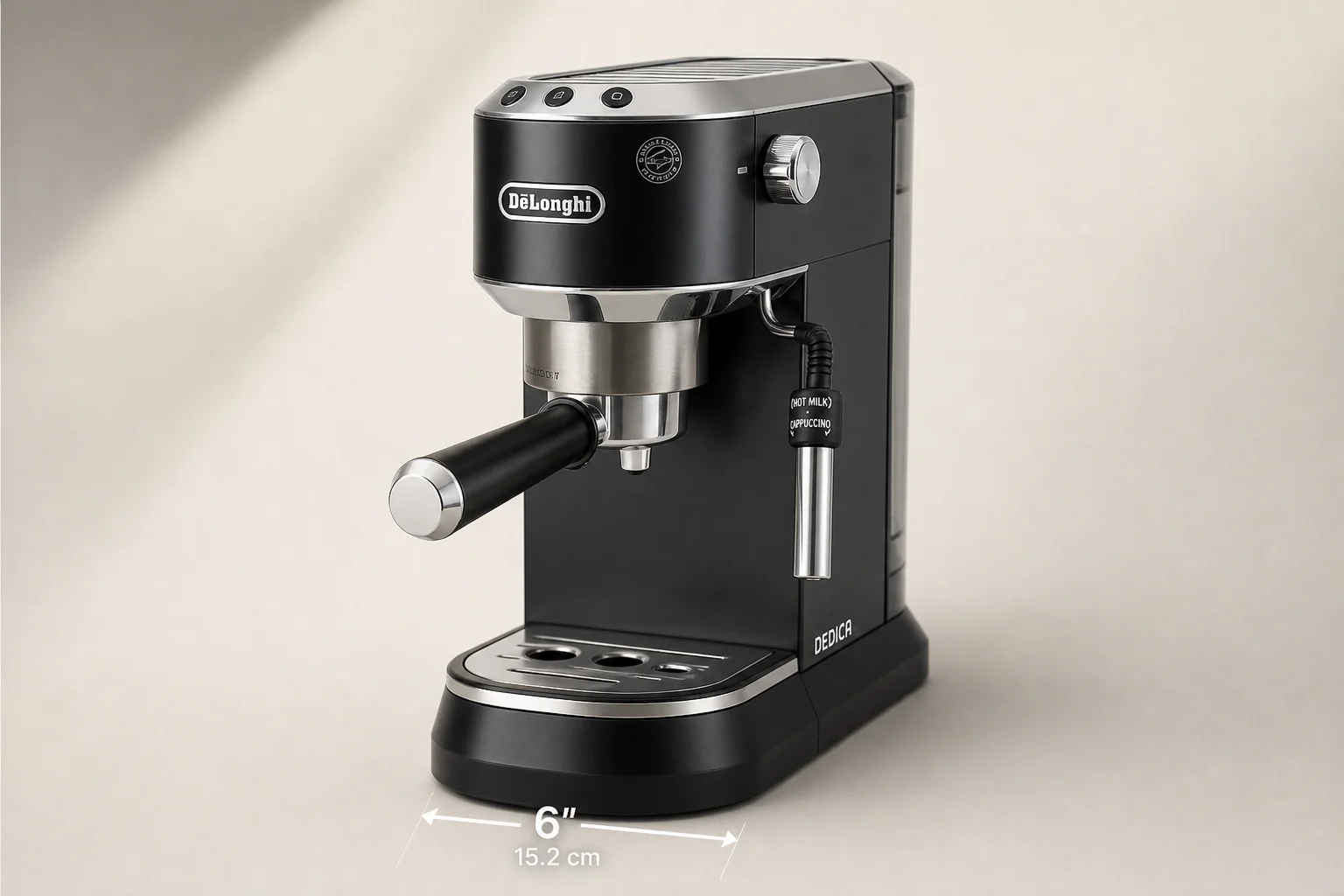
Thermoblock machines appeal to people who want some automation and faster workflow than single boiler machines, but still enjoy hands-on espresso making. They’re also ideal for those with limited counter space.
Semi-Automatic Machines
Semi-automatic machines streamline the process further by integrating the grinder and tamper into the machine itself. The Breville Barista Express Impress exemplifies this category. You load beans, press a button to grind directly into the portafilter, and the machine’s integrated tamper applies consistent pressure automatically.
This design eliminates several pain points: no separate grinder to buy, no need for a separate tamper, and minimal mess. The machine even includes a sensor that tells you whether the puck has enough coffee. A smiley face appears on the display when the dose is correct.
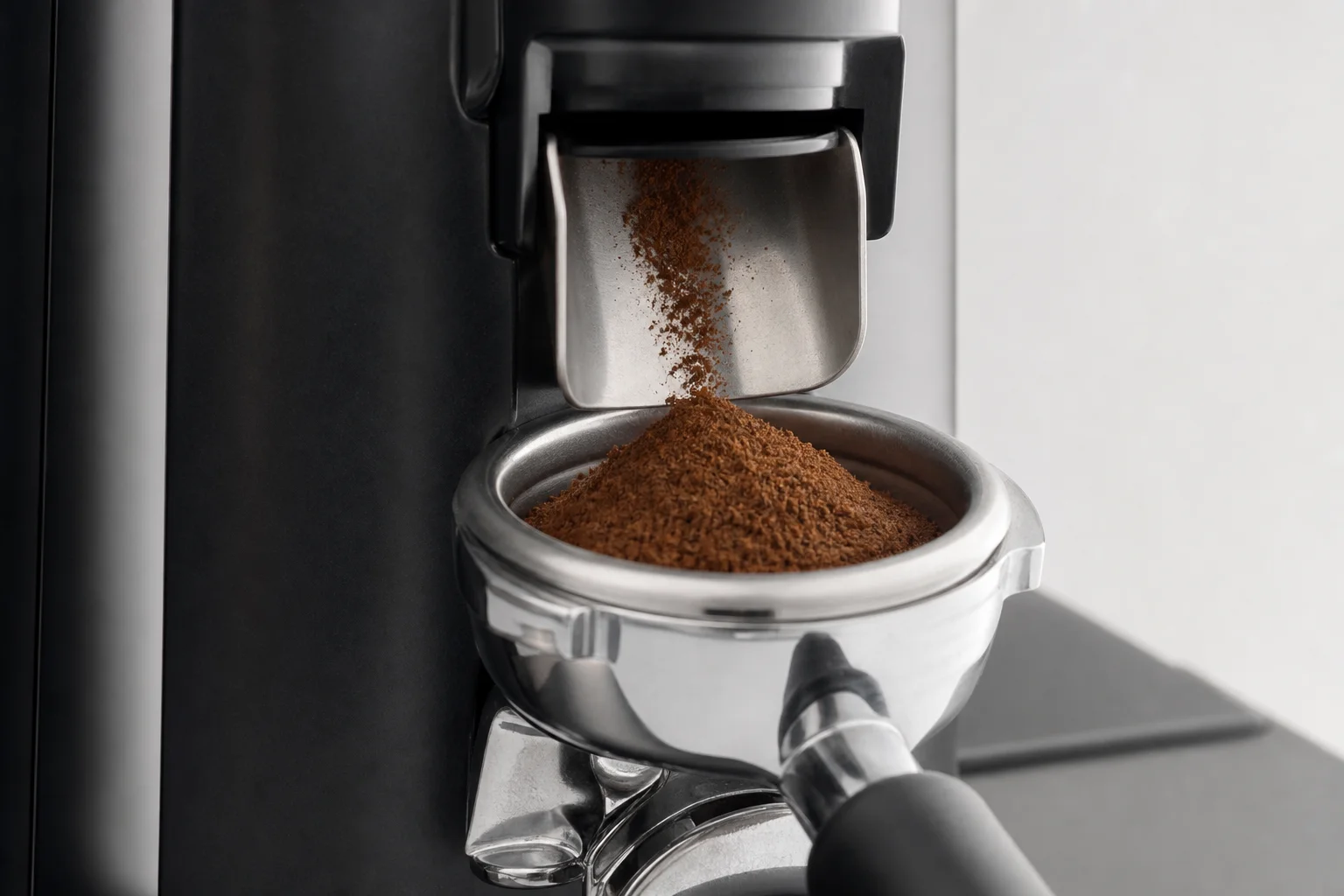
Despite the automation, using a scale remains worthwhile because volumetric dosing isn’t perfectly accurate if you change beans or grind settings. The machine also supports pre-infusion adjustment if you want to experiment with extraction parameters.
Steaming on semi-automatics requires the same technique as other machines: create a whirlpool, introduce air, and incorporate it smoothly. The Breville Barista Express Impress doesn’t have the most powerful steam wand, but it produces good microfoam with practice. The machine cools itself automatically after steaming.
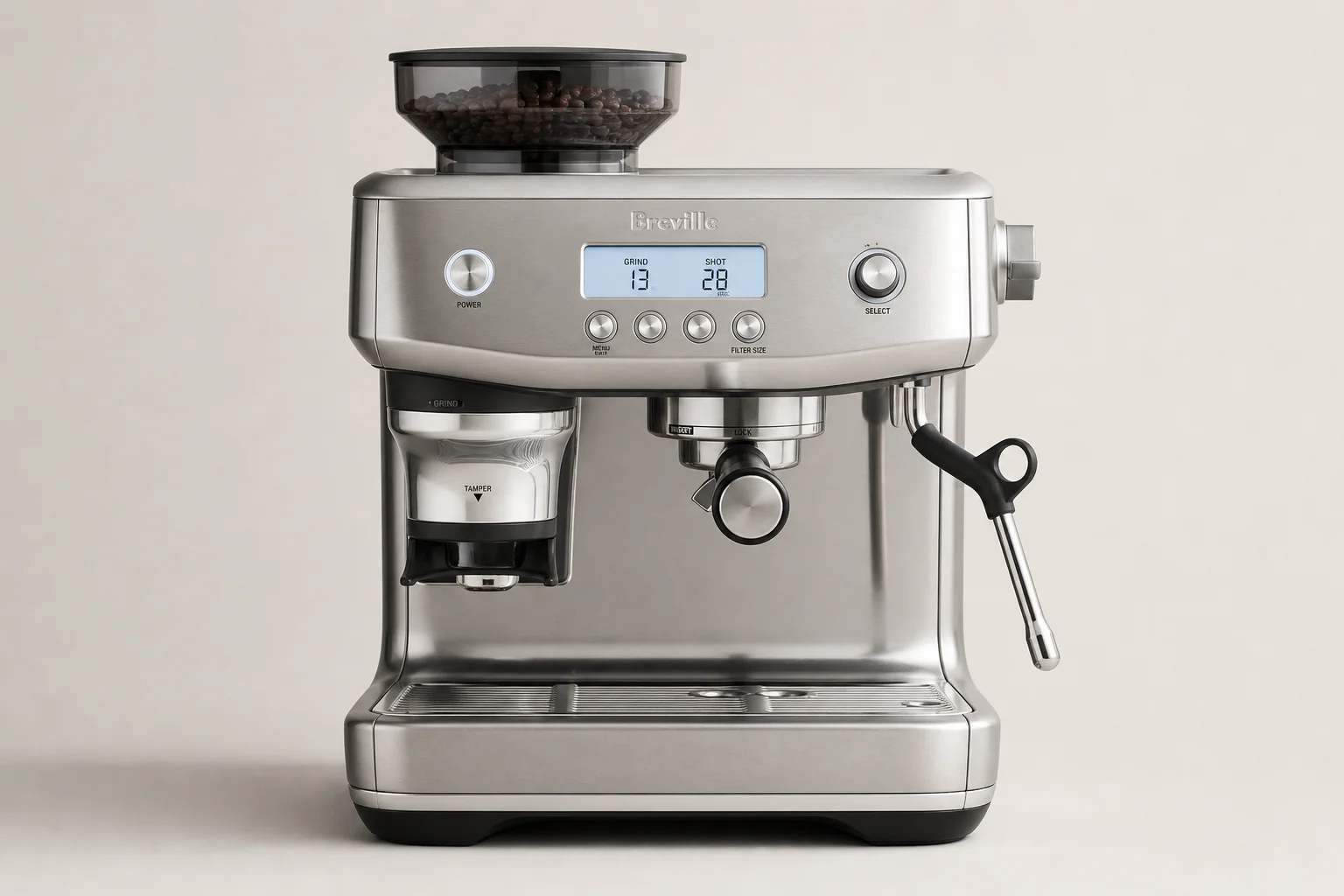
Semi-automatics are popular because they balance ease of use with good drink quality. Breville dominates this market segment with better build quality than many competitors. Established products have extensive online communities, forums, and aftermarket parts available, which adds long-term value.
Super-Automatic Machines
Super-automatics do everything: grind, tamp, extract, eject the puck, and steam milk. You simply select a drink type, choose the strength, and press a button. Some models even offer cold drinks and specialty beverages.
The DeLonghi Magnifica Plus is a solid super-automatic option. It produces larger pucks and grinds fine enough to build proper espresso pressure. The resulting shots are balanced, with chocolatey notes and sweetness, though less intense and nuanced than manually-pulled espresso.
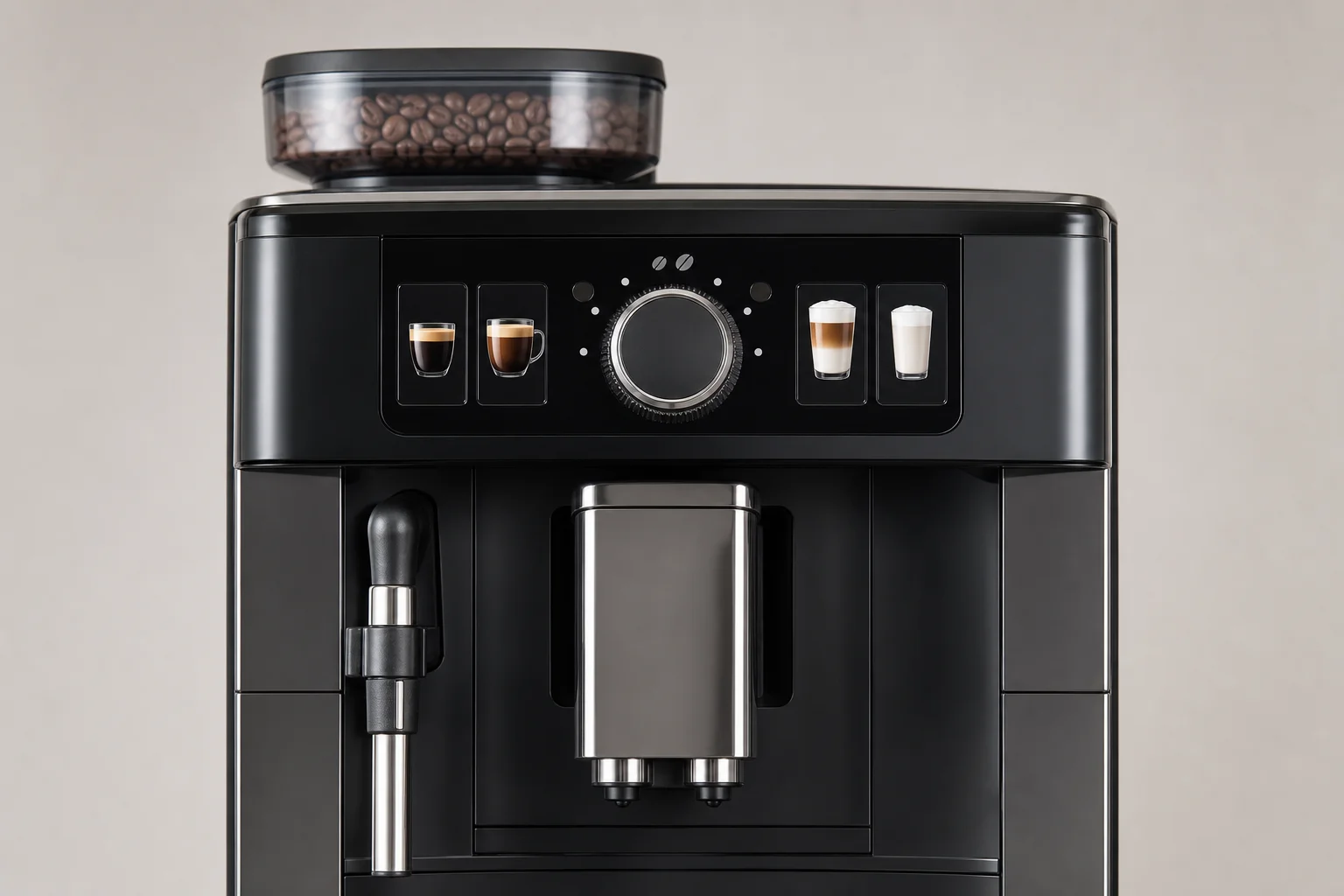
Making a cappuccino is straightforward: select intensity and size, then start. The machine steams milk automatically, producing a texture that’s more foamy than hand-steamed milk but acceptable for most drinkers. Milk temperature typically reaches 60 to 70 degrees Celsius.
One advantage super-automatics excel at is the coffee crema, a long black topped with a layer of crema that’s difficult to replicate on other machines. It’s a popular morning drink that these machines handle particularly well.
The main limitation is flexibility: you can’t perform puck prep, adjust extraction parameters, or customize the process. If you want better espresso, learning a semi-automatic or thermoblock machine will yield superior results. However, super-automatics require minimal effort and produce consistent, drinkable coffee with almost no skill required.
Maintenance involves emptying the puck container regularly (forgetting leads to mold) and draining the water tank periodically. The DeLonghi Eletta Explore adds cold drink options to the super-automatic formula, expanding the range of beverages available at the push of a button.
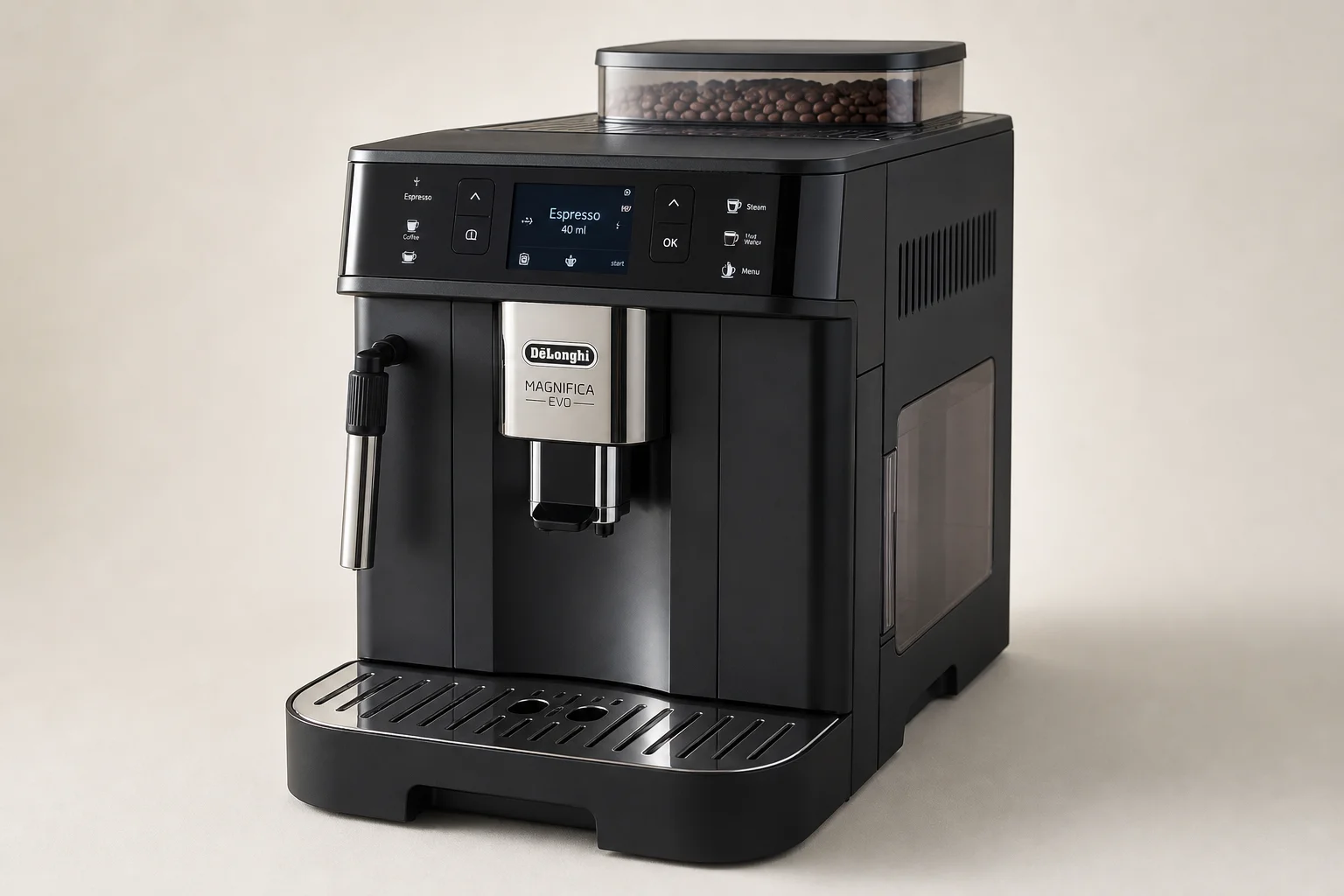
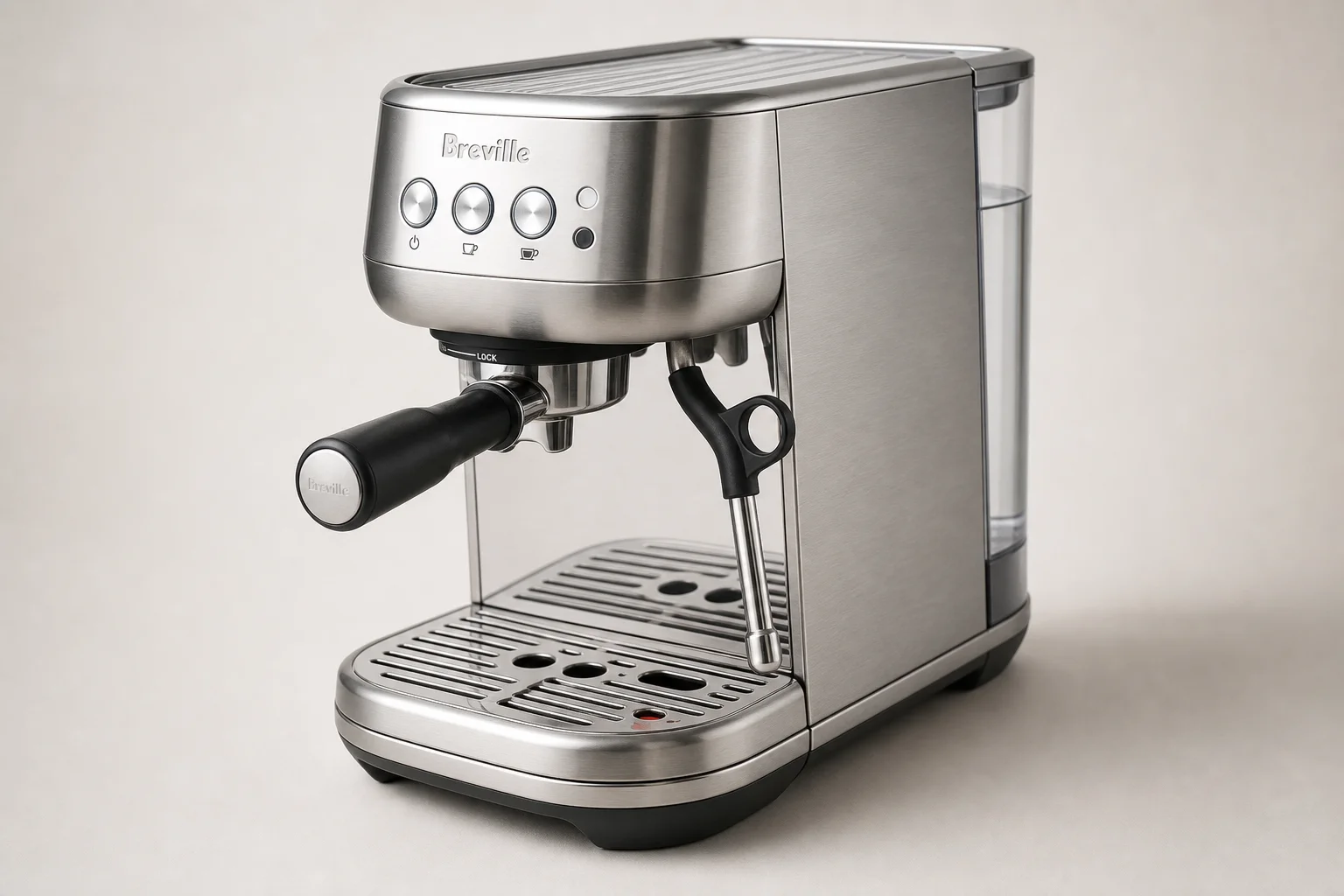
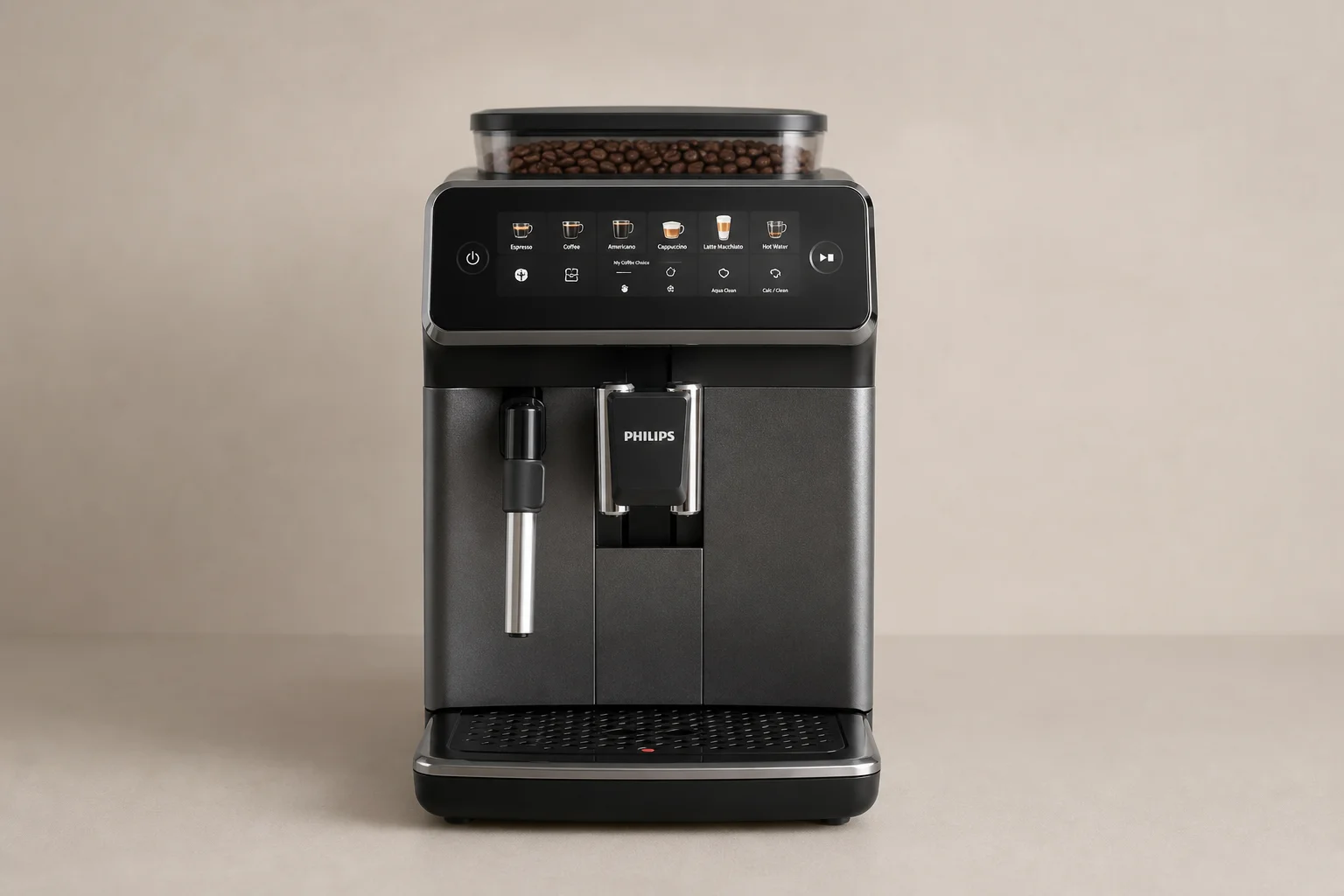
Super-automatics suit people who prioritize convenience over involvement. They’re ideal for busy households, offices, or anyone who wants good coffee without learning espresso technique.
Choosing Your Machine
The right machine depends on how involved you want to be:
- Single boiler machines demand the most engagement. You control every step, troubleshoot issues, and develop real espresso skills. They’re affordable but require patience and practice.
- Thermoblock machines add some automation while keeping the hands-on aspect. They’re faster and more convenient than single boiler machines, with a smaller footprint.
- Semi-automatics streamline the workflow further with integrated grinders and tampers. They produce excellent drinks with moderate learning time and minimal mess.
- Super-automatics handle everything automatically. You get consistent, acceptable coffee with almost no skill required, but less flexibility and depth than other types.
For espresso quality, a semi-automatic or thermoblock machine with proper technique will outperform a super-automatic. However, super-automatics have improved dramatically over the years and remain the best choice for people who want coffee without the hobby aspect.
Regardless of machine type, three fundamentals apply to all: use fresh, quality beans; invest in a grinder if your machine doesn’t have one; and use softened water. These basics matter more than the machine itself.
Conclusion
Each espresso machine type serves a different need. Single boiler and thermoblock machines appeal to enthusiasts. Semi-automatics balance quality and ease. Super-automatics prioritize convenience. Understanding these differences helps you choose a machine that matches your lifestyle, budget, and coffee ambitions. The best machine is the one you’ll actually use and enjoy.
Further reading
Related Reviews
Coffee Equipment
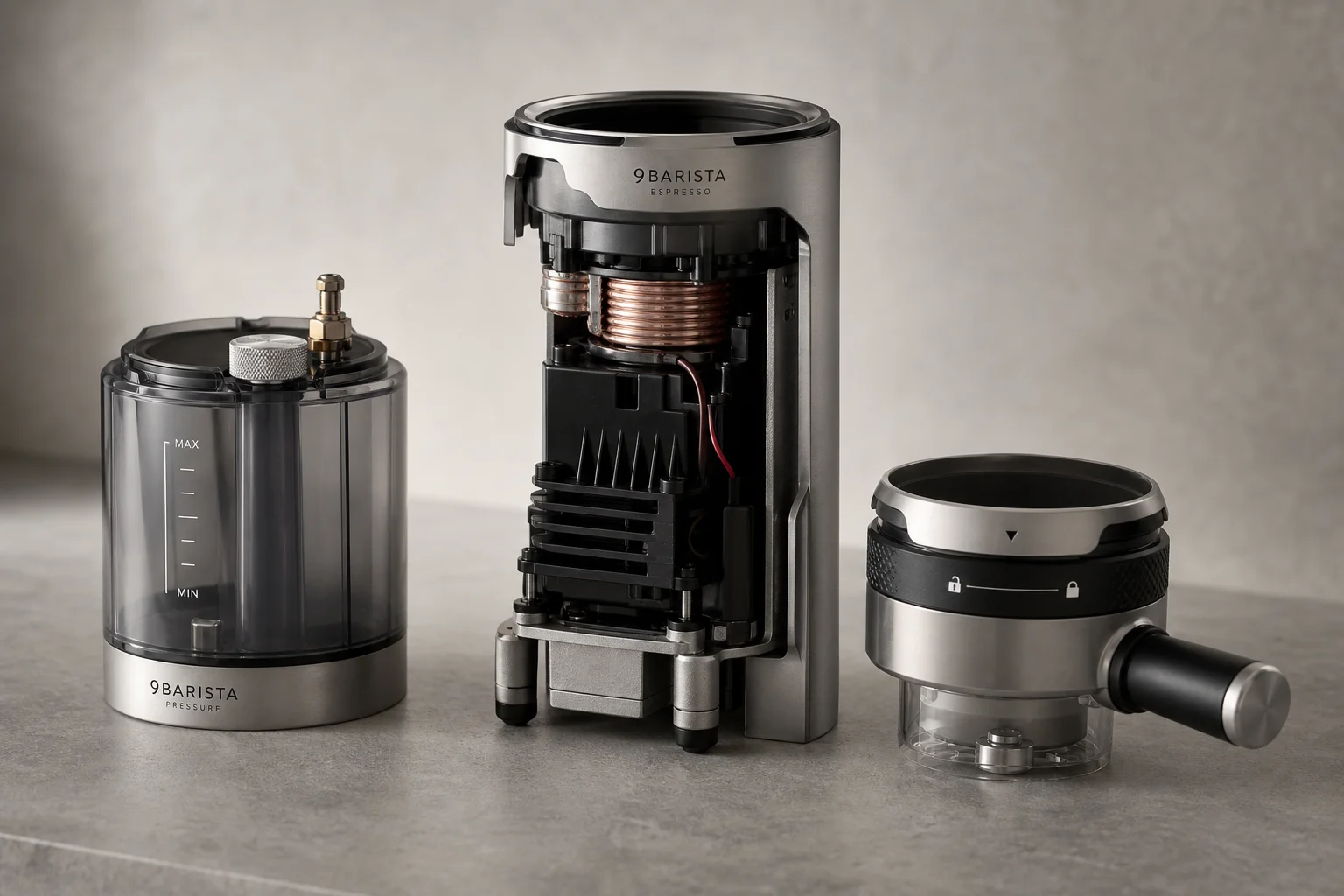
9Barista Espresso Machine Review: Stovetop Espresso for Single-Cup Enthusiasts
A cleverly engineered stovetop espresso maker that generates nine bars of pressure without electricity. Excellent coffee quality, but requires patience and suits solo drinkers only.
Coffee Equipment
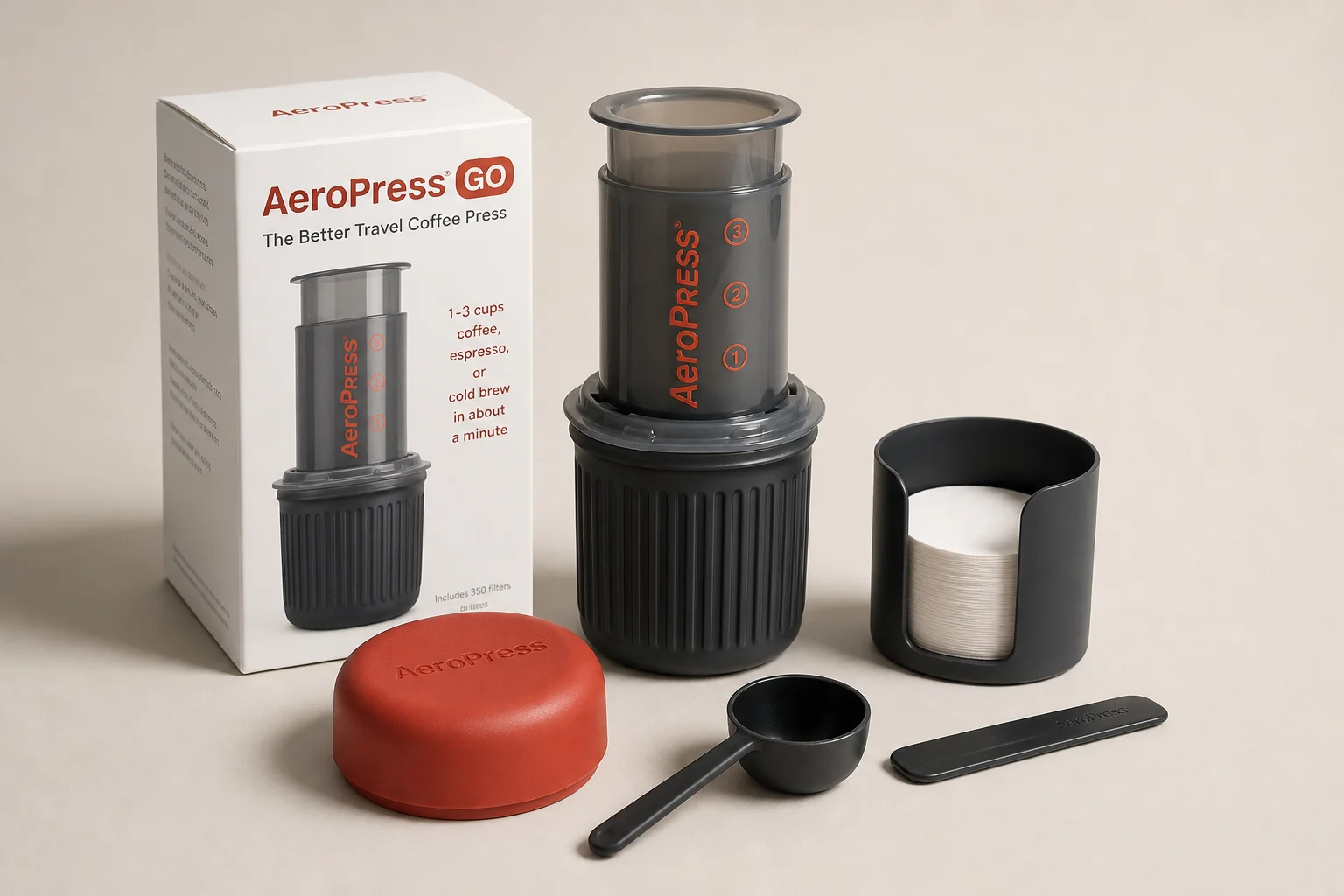
Aeropress Go Review: A Compact Travel Brewer That Solves One Specific Problem
The Aeropress Go shrinks the original design and adds an integrated cup, but it may not address the travel challenges most coffee enthusiasts actually face.
Coffee Equipment
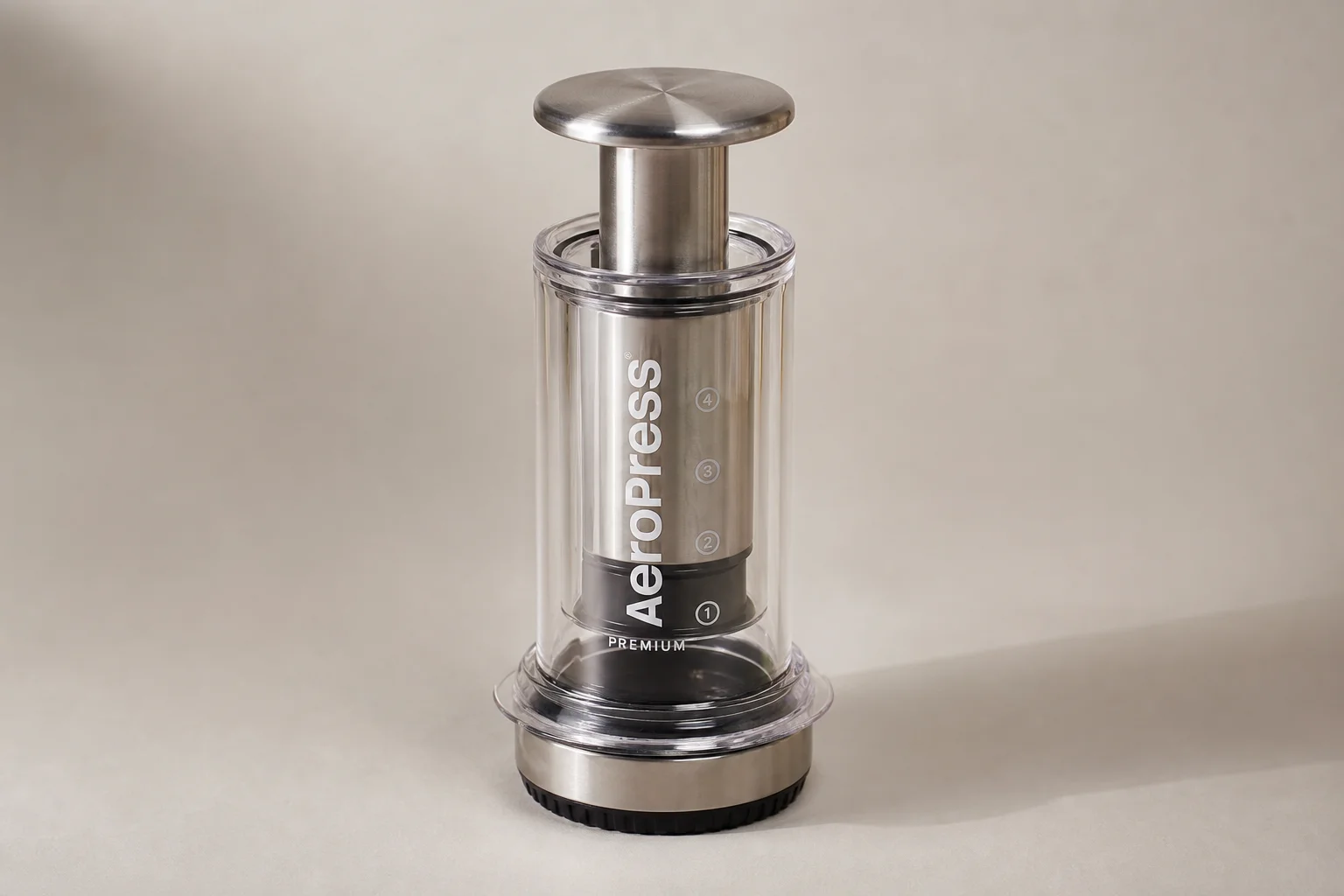
AeroPress Premium Review: Premium Materials, Practical Trade-offs
The AeroPress Premium brings glass and metal construction to a beloved brewer, but trades portability and durability for a more refined feel. Here's what changes in the cup and what matters before you buy.