Art Supplies
Erasers Artists Should Avoid: Four Products That Leave More Marks Than They Remove
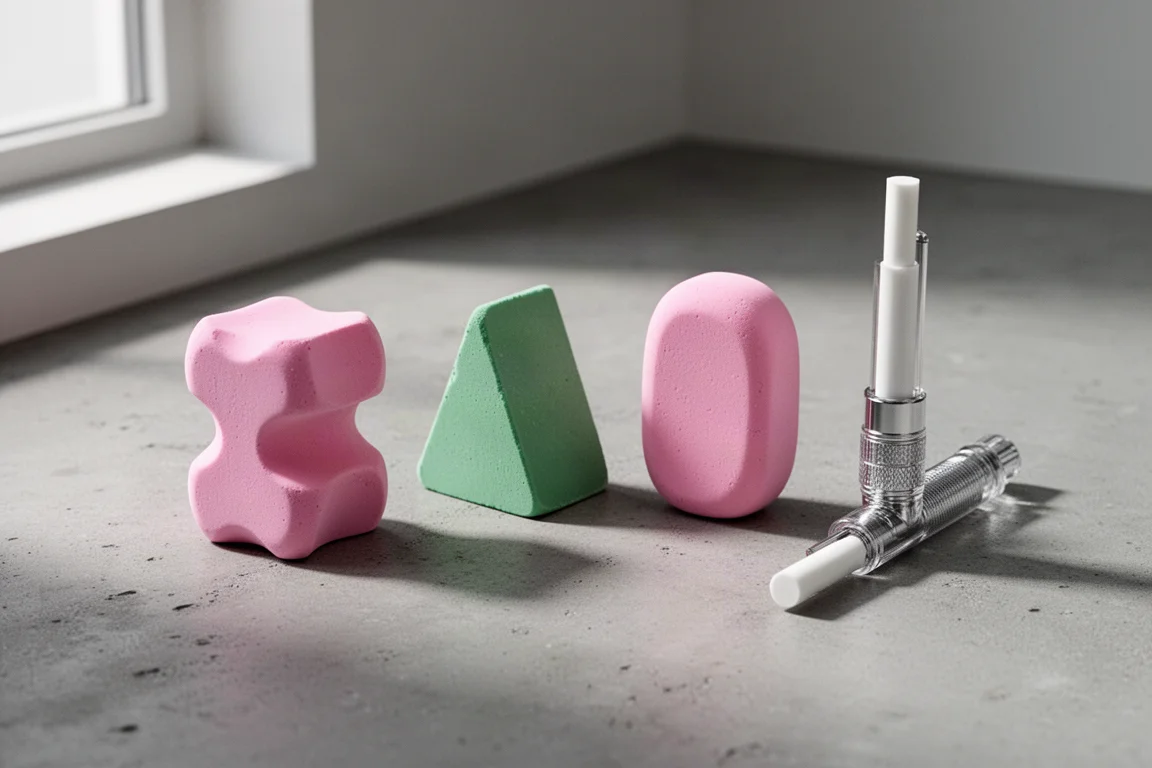
Four popular erasers that consistently frustrate artists: two colored erasers that stain paper, a novelty eraser that works better as a stamp blank, and an eraser pencil that barely erases at all.
Introduction
An eraser has one job: remove marks cleanly without damaging the paper. Yet some of the most widely sold erasers in art stores fail that job in surprisingly creative ways, leaving colored stains, crusty smears, or nothing but debris behind. This guide covers four products that regularly frustrate artists, explains exactly how each one fails, and points out the rare cases where they still have a legitimate use.
Evaluation Criteria
The simplest test matters most here: does the eraser remove pencil or drawing marks without leaving a new mark behind? Any eraser that adds pink residue, green stains, or dark smudges to paper fails that test, no matter how soft, cleverly shaped, or nicely packaged it is.
Milky Way Pink Eraser
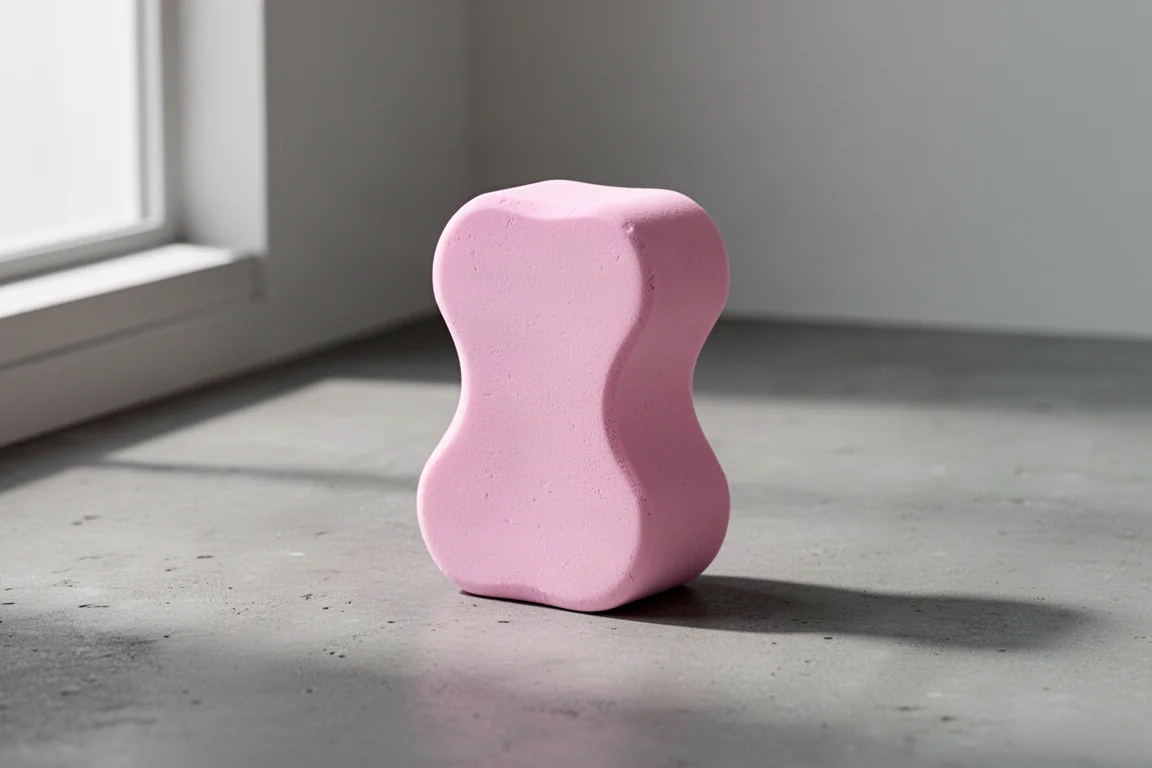
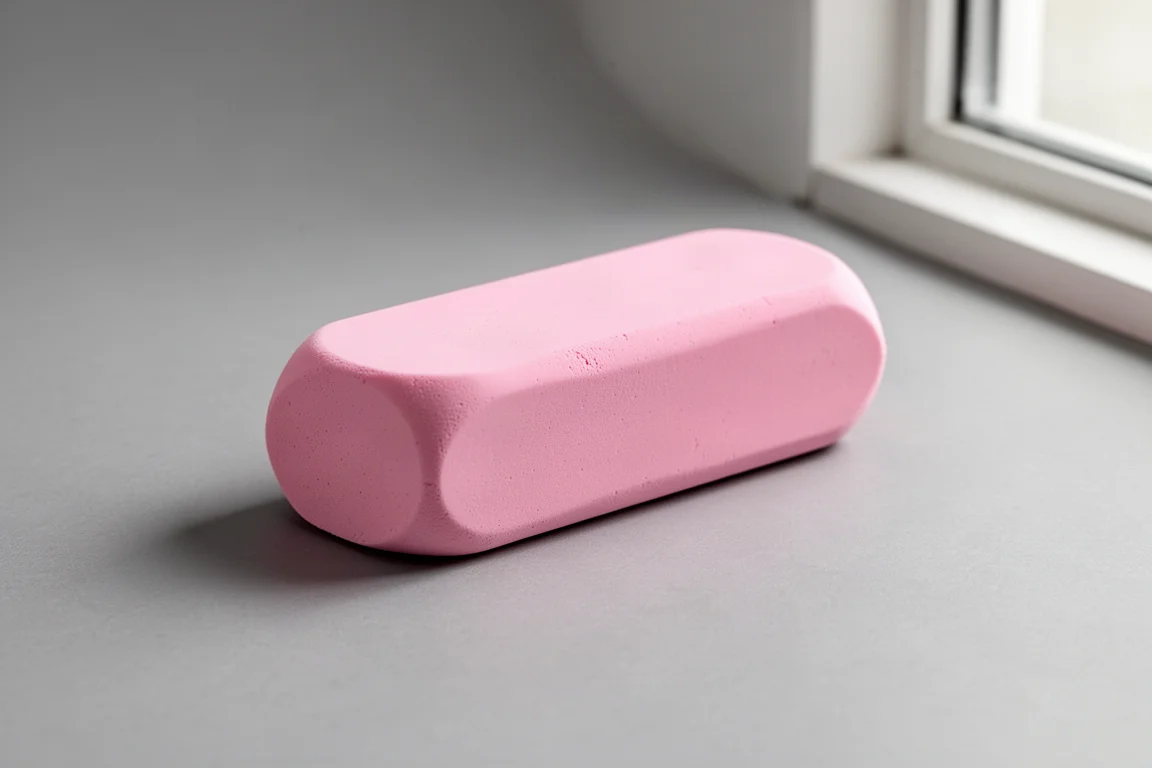
This pink eraser ages poorly and leaves a prominent pink mark on whatever you are trying to erase. Worse, that pink residue is not something you can simply clean up with another eraser afterward, so the damage sticks around. It is soft, which makes it feel promising at first, but that softness is part of the problem: it seduces you into thinking it will perform well, then leaves pink marks on your images where you were erasing lines.
It does have a distinctive shape and a fun pink color, which gives it some decorative appeal. Realistically, though, it works better as a paperweight or a piece of table decor than as an actual drawing eraser.
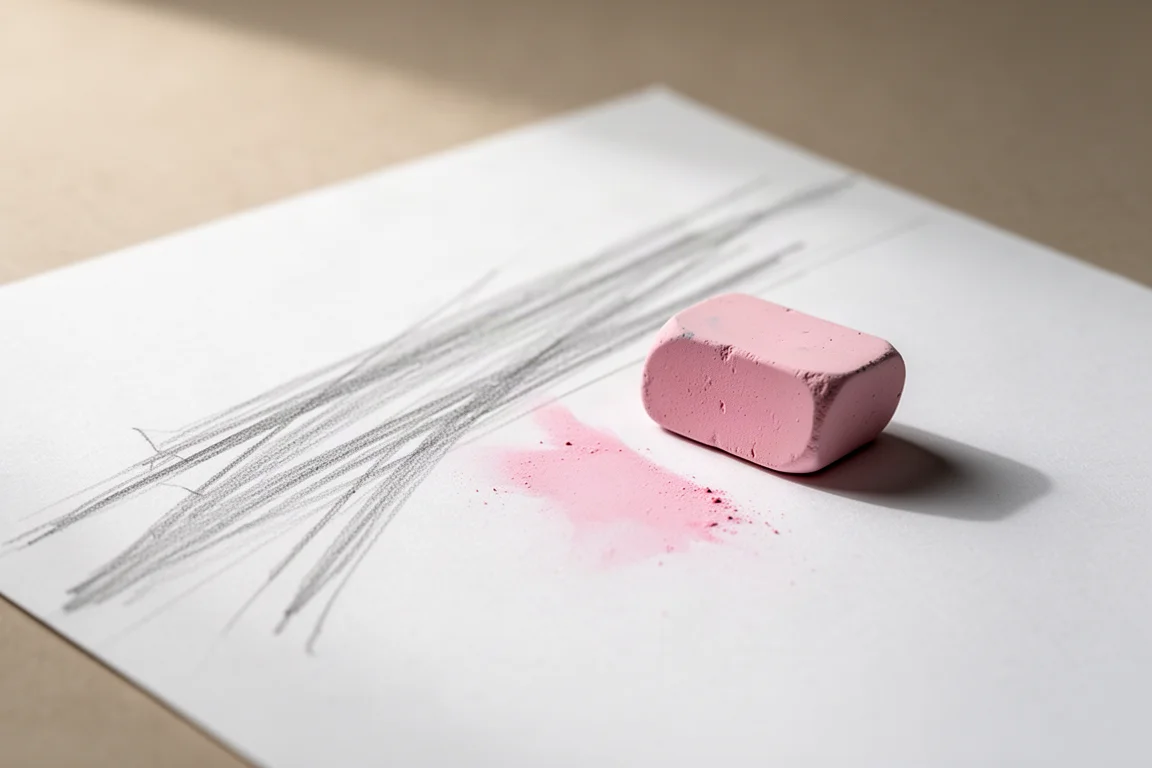
For anyone working on finished drawings or paintings, an eraser that stains the paper is a genuine liability, and this one fails repeatedly.
Faber-Castell Green Eraser
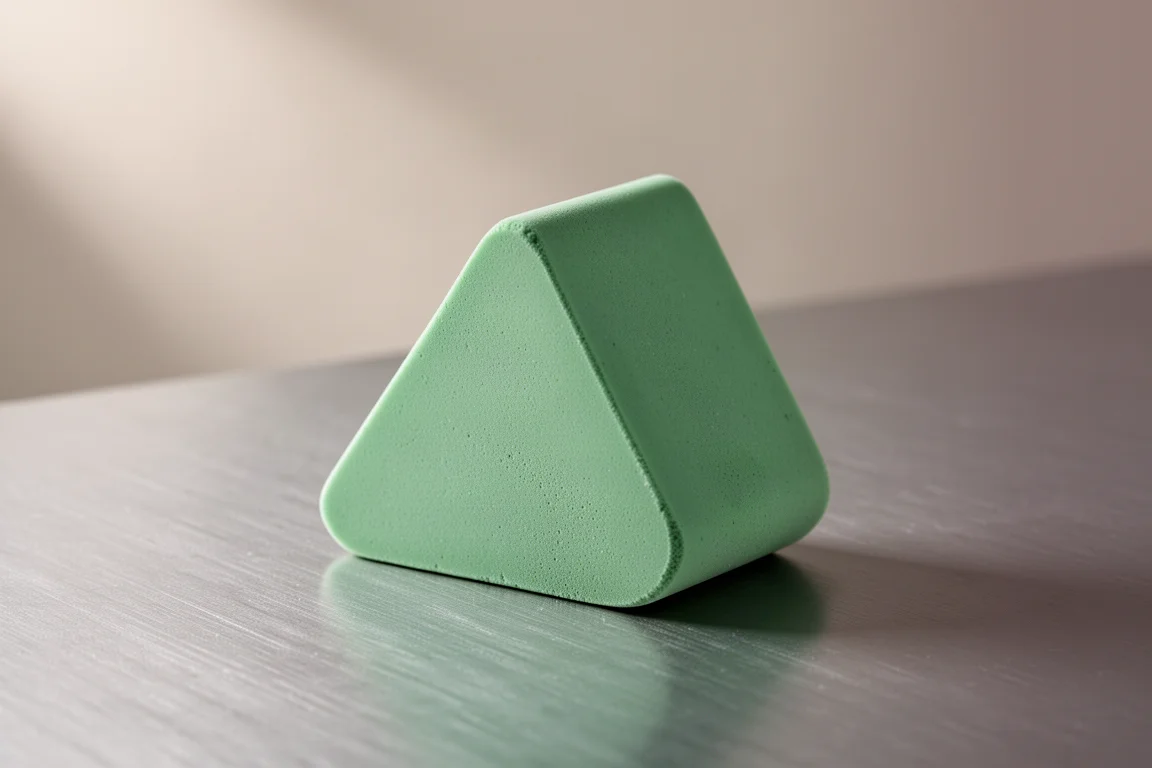
The green Faber-Castell eraser behaves in a similar way: it leaves green marks on your paper instead of cleanly lifting your lines. Artists report needing to gesso over the stains to get rid of them, which is a drastic fix for a tool that is supposed to be reversible. It is soft, and that softness is again what makes it tempting, but the residue problem outweighs it.
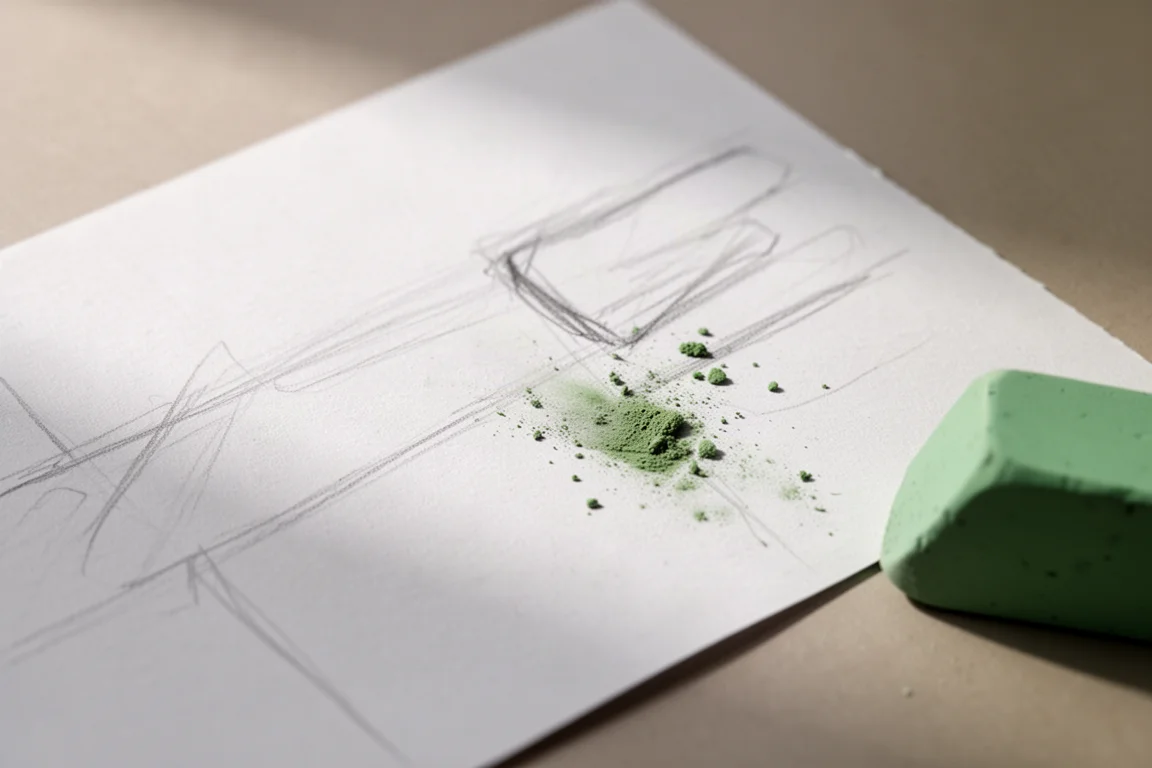
If you already own one, use it with extreme caution, and keep it away from anything you care about. For new buyers, there are plenty of white vinyl or kneaded erasers that do the job without adding color to your paper.
Pink Pearl Eraser
The classic Pink Pearl, especially in the giant size, is another eraser that fails as an eraser: it is hard, and it does not lift marks well. That hardness, however, is exactly why it works so well for something else entirely. These erasers are genuinely great for carving into custom stamps, and their firm texture makes them ideal carving material.
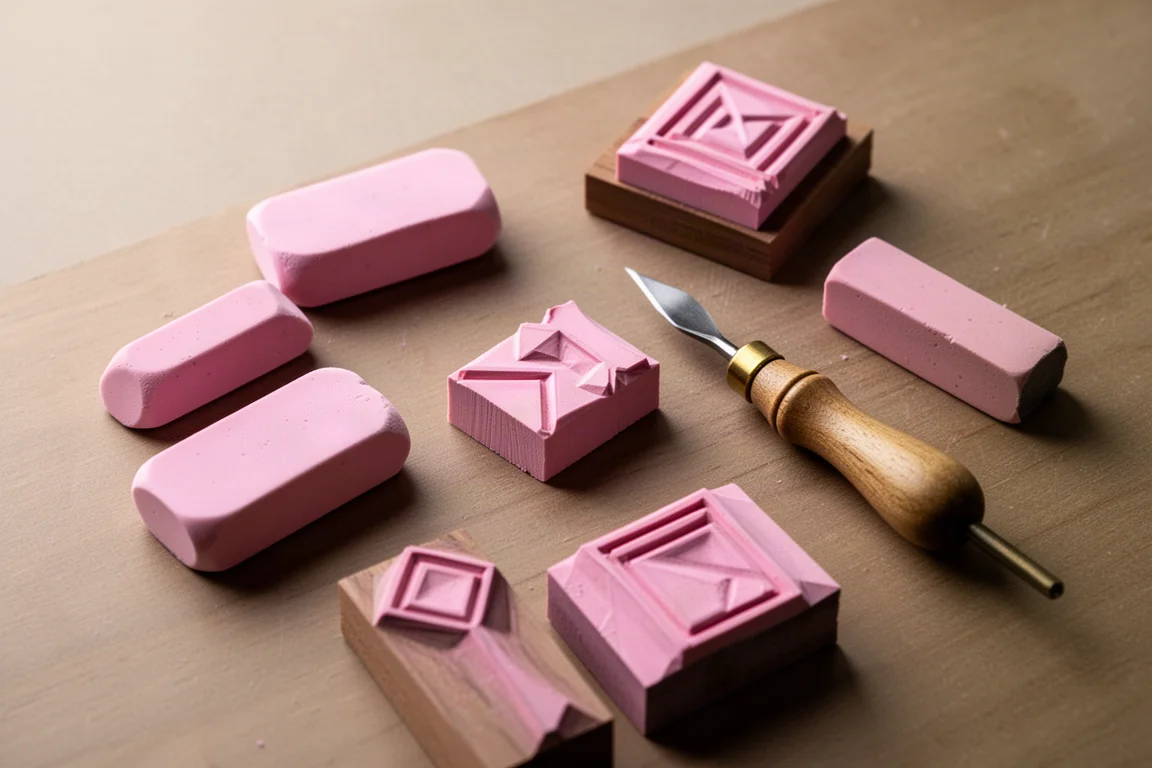
So the recommendation here is nuanced: skip it as an eraser for your drawings, but consider it if you are interested in stamp carving. If you see it sold in the drawing section of an art store, that placement is the real problem, not the product itself.
Eraser Pencil
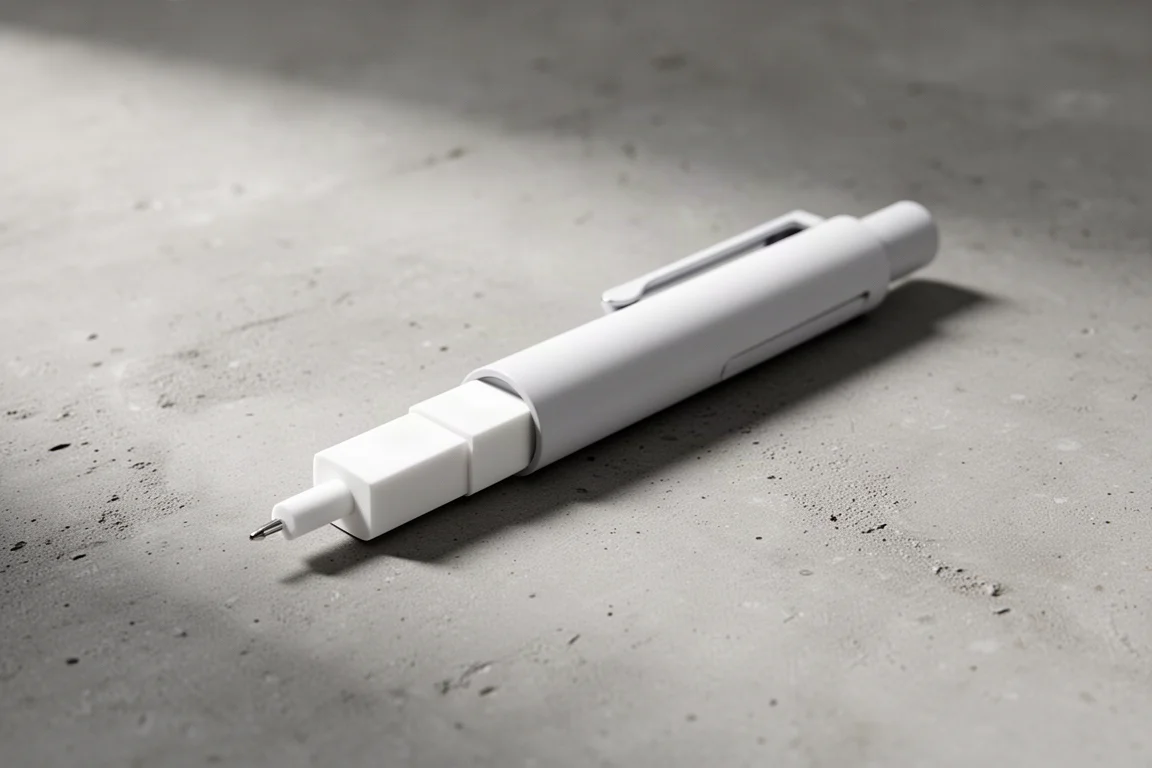
The eraser pencil, the slim refill style that shows up constantly in pencil kits, is arguably the most frustrating of the group. It does not really erase; it just deposits debris on your paper, which you then dust away to find your pencil line untouched. One particularly bad experience involved a unit that was dry and crusty, and it made a darker mark than the pencil itself, turning a drawing into a mess.
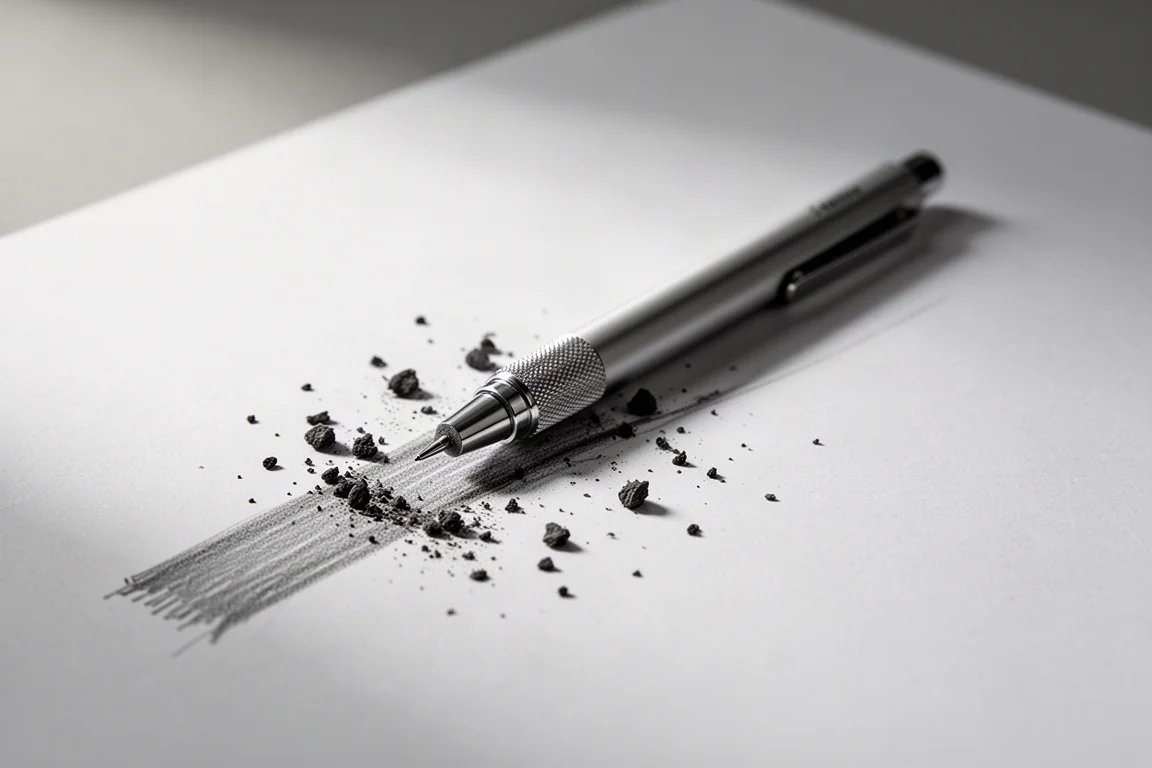
To be clear, this criticism does not apply to mechanical eraser sticks, the long refill style that works like a lead holder and clicks eraser refills through a barrel. Those are well liked and work properly. The failure here is the cheap eraser pencil variant that appears bundled in pencil sets.
Overall Buying Advice
The rule that emerges from all four of these is simple: any eraser that leaves a mark behind is a bad eraser. Before buying, favor plain white vinyl or kneaded erasers from reputable lines, be skeptical of colored novelty erasers, and check whether an eraser pencil is the proper mechanical stick type or the cheap refill style that barely works. If a product is soft and colored, assume staining risk until proven otherwise.
Conclusion
The Milky Way pink eraser and the green Faber-Castell both stain paper in their own signature colors, the giant Pink Pearl is better suited to stamp carving than erasing, and the eraser pencil mostly just moves debris around. None of them are worth a slot in a working artist’s kit unless you have a very specific craft use in mind.
Further reading
Related Reviews
Art Supplies
Art Pop Watercolor Pencils 48-Color Set: A Thoughtfully Designed Student-Grade Option
The Art Pop 48-color watercolor pencil set blends well, dissolves smoothly, and includes artist-friendly details like barrel-printed color names, all at an affordable price.
Art Supplies
Artics Acrylic Markers 3mm Review: Versatile Paint Markers With a Few Caveats
A 48-color set of water-based acrylic paint markers that blend while wet, dry permanent, and keep the price low, though safety transparency remains a question.
Art Supplies
Best Art Supplies Worth Your Money: Pencils, Pens, Paints, and Paper That Earned Their Spot
After years of daily use and testing, these are the pencils, pens, watercolors, gouache, brushes, sketchbooks, and erasers that stand above the rest.