Road Bike Wheels
ENVE SES 6.7 Review: What Deep Carbon Wheels Actually Deliver on the Road
A controlled same-day comparison of the ENVE SES 6.7 carbon wheelset against a quality alloy alternative, covering aerodynamic efficiency, climbing speed, weight, and cost.
Introduction
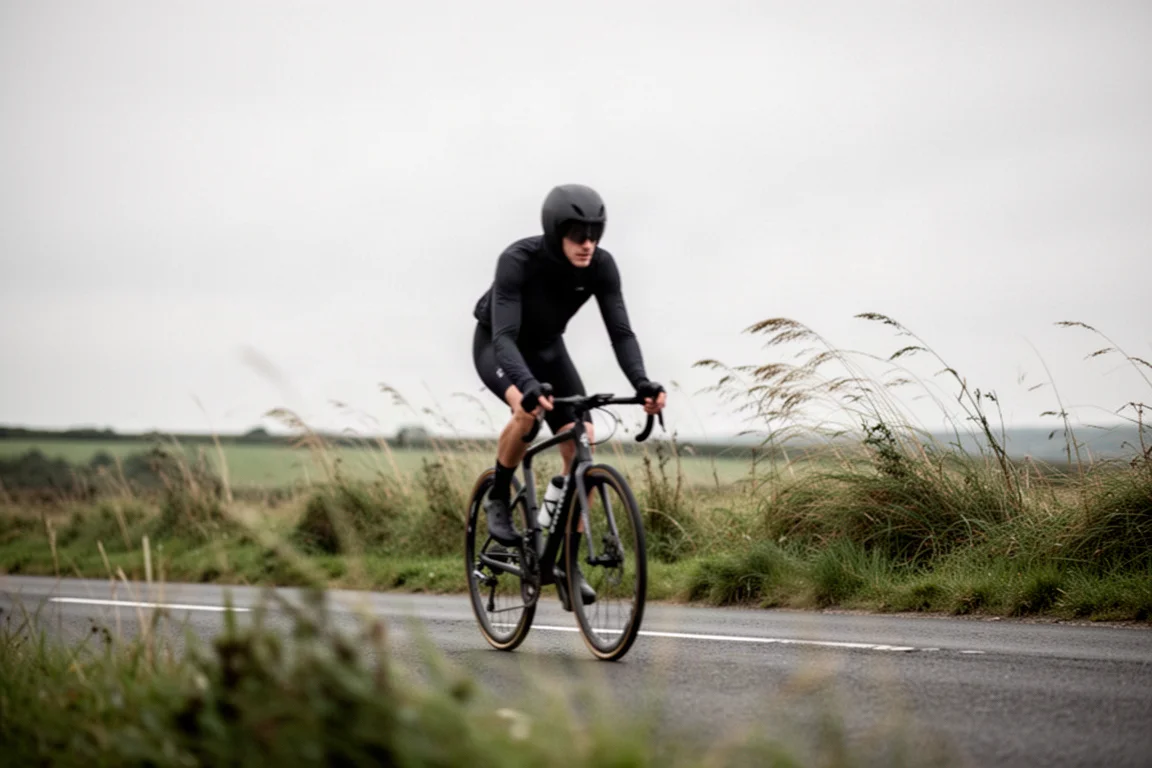
Carbon fibre road wheels sit at the top of the upgrade ladder, and the question riders ask most often is a straightforward one: are they genuinely faster, or simply expensive? Putting a real number on that answer takes discipline rather than opinion, so this comparison was run as a controlled experiment. Same day, same bike, same rider, same clothing, same position, and the same tyres throughout, with a power meter used to regulate effort so that the only meaningful variable left was the wheelset itself.
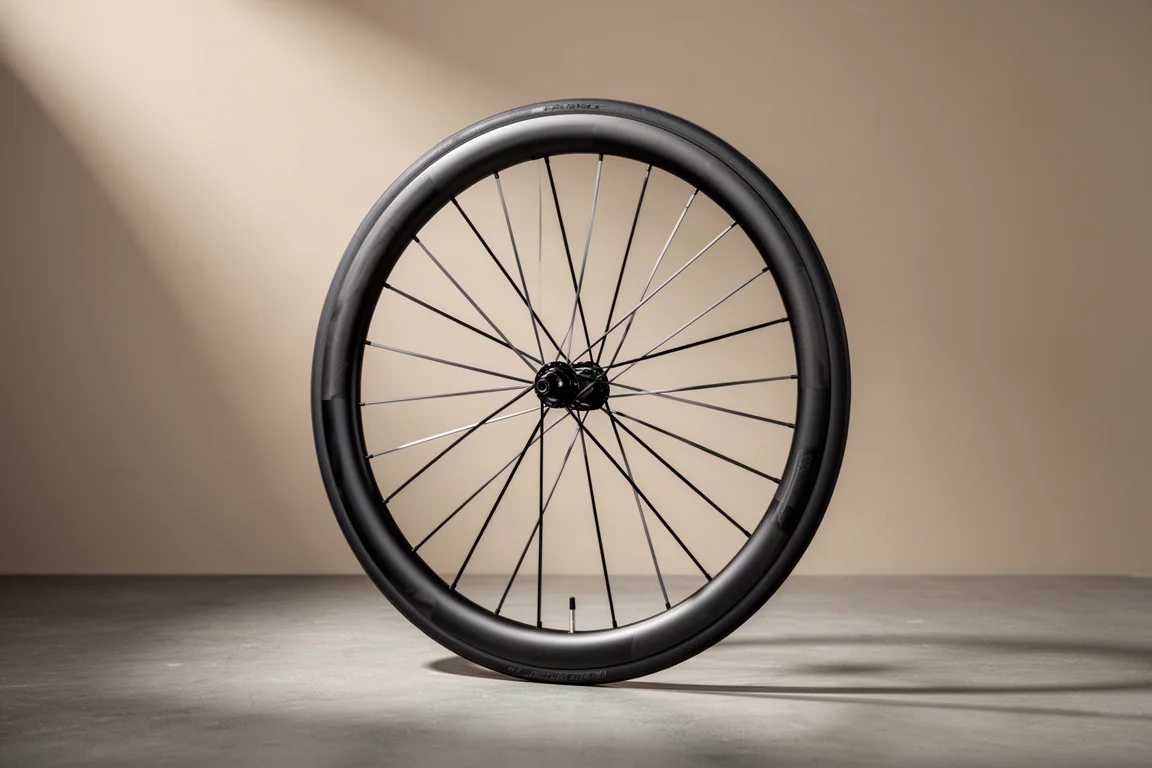
At one end of the test sat a high-end carbon set: the ENVE SES 6.7, priced at around 3,300 pounds per pair. At the other end sat a well-regarded aluminium set from DT Swiss at roughly 750 pounds, which is expensive for alloy but still a fraction of the carbon option. The two sets also weighed almost the same, both coming in just under 1,500 grams for the pair, which made the comparison unusually fair.
Who the ENVE SES 6.7 Wheels Are For
The SES 6.7 is a deep and wide carbon wheelset built around the modern trend toward wider tyres. In this test it was paired with 28 mm Continental GP 5000 S TR tyres, the same rubber used on the alloy comparison set, which keeps the results focused on the rims rather than the tyres.
This wheelset is aimed at riders for whom speed is the priority. The depth and width are there to reduce aerodynamic drag at the speeds where road riding actually happens, and the test conditions were chosen to reflect that: a flat road, a steady climb, and a high-speed coast-down.
It is a less obvious choice for riders who simply want a lighter bike. The alloy set used here matched it almost gram for gram at the pair level, which shows that saving weight is not something that requires carbon. The case for the SES 6.7 rests on speed, not on the scale.
Main Strengths: Aerodynamic Efficiency
The clearest result came from the flat road test. The protocol was simple: half a kilometre of flat road, ridden at a controlled 32 km/h in the upright hoods position, in both directions to account for wind.
Into a strong headwind, the power needed to hold that speed on the carbon wheels was 266 watts, against 308 watts on the alloy wheels. That is a substantial difference in effort for the same speed. On the return leg, with a cross-tailwind helping both sets along, the gap narrowed considerably, but the carbon wheels were still the faster of the two.
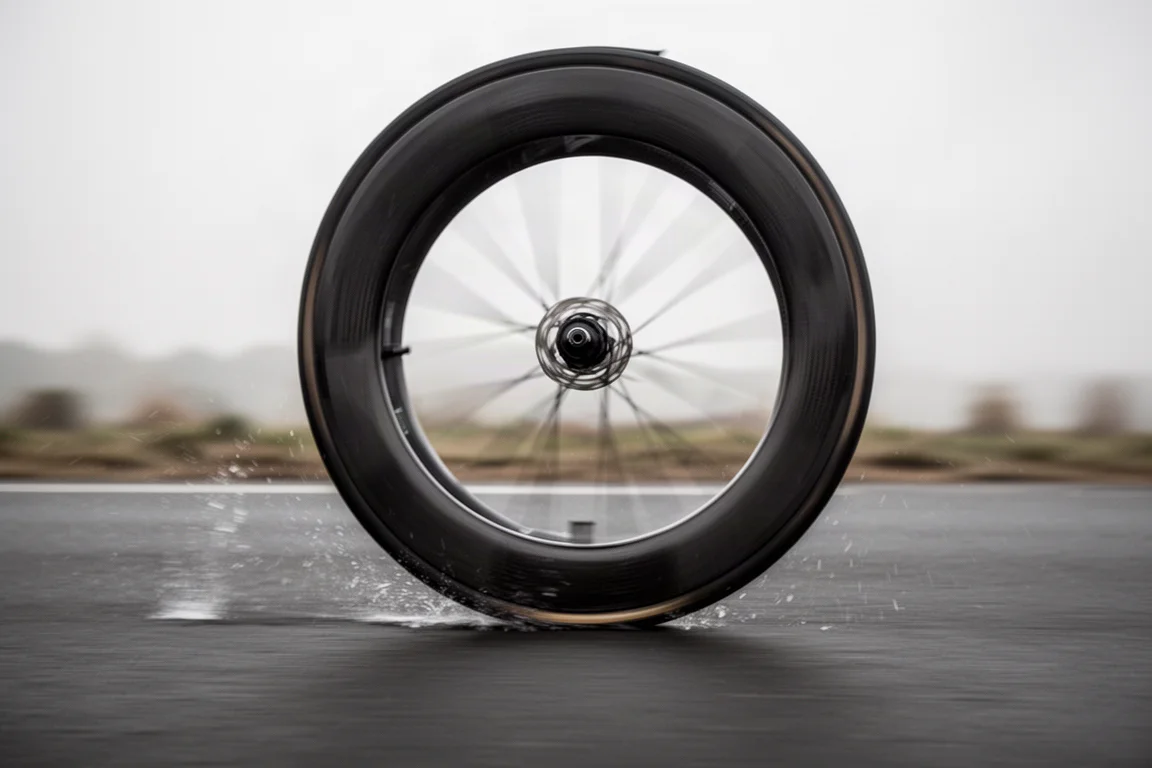
The coast-down test reinforced the same story at higher speed. From a standing start, no pedalling and no braking, riders launched down a hill and coasted up the far side, with speed logged at the same point. The carbon wheels reached 45.7 km/h against 35.2 km/h on the alloy set. That is a wide margin, and it points to pure aerodynamic performance rather than any difference in weight or rolling resistance.
Climbing Performance
Climbing is where carbon wheels are often assumed to offer little, and the test set out to check that assumption on a short, steady gradient. Both runs were held at the same power output, roughly 280 watts, so the comparison came down to which set reached the top first.
The carbon wheels completed the climb in 1 minute 27 seconds, against 1 minute 38 seconds on the alloy wheels. Even on a steady climb at that sort of speed, the aerodynamic advantage was still large enough to show up clearly. It is worth noting that the ascent here was short and smooth rather than long and steep, so the result should be read as an indication of aero behaviour on climbs rather than a universal climbing benchmark.
Value, Weight, and Crosswind Stability
The alloy set in this comparison is not a budget option. It is a step up from the heavier wheels commonly found on entry-level road bikes, and it costs around 750 pounds per pair, which is a lot for aluminium. What it delivers is impressive: ride quality that feels surprisingly smooth and refined over rough road surfaces, a low weight for the money, and remarkable composure.
That last point matters in real conditions. On a blustery day, with trees moving and leaves blowing across the road, the shallower alloy wheels stayed rock solid, planted and stable at high descending speeds, with no crosswind instability to manage.
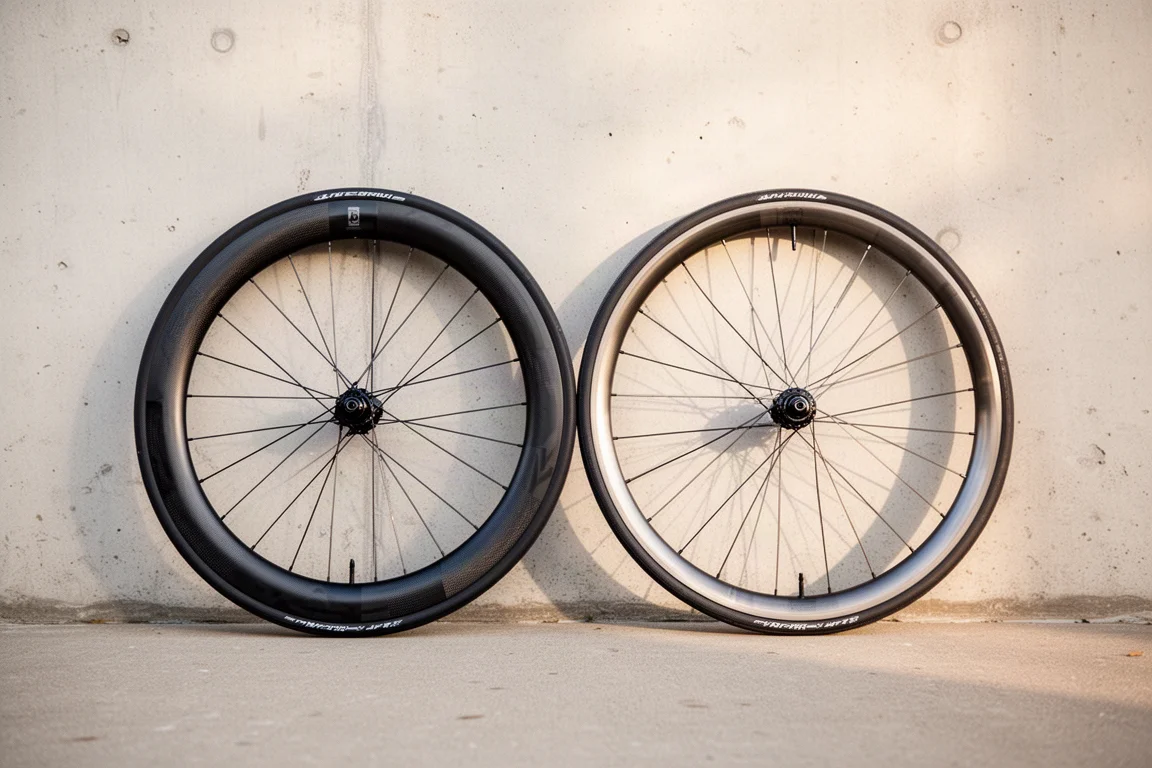
The trade-off is straightforward. If going fast is the goal, carbon fibre is clearly where the performance is, and the measured gaps here were not marginal. If speed is not the priority, a good aluminium wheelset is a genuinely interesting alternative: light, easy to live with, stable in crosswinds, and pleasing to ride. The cost difference between the two sets is the single largest factor in the decision, and nothing in the test data suggests that money buys a quieter, easier wheel. It buys speed.
Things to Consider Before Buying
The performance gains measured here were largest where aerodynamic drag dominates: high speed on flat roads and descents. At lower speeds and in tailwind conditions, the advantage shrank, which is worth knowing if most of your riding is slow, stop-start, or sheltered.
Weight is another consideration. Because the alloy set matched the carbon set at just under 1,500 grams for the pair, anyone shopping purely to shed grams should look closely at the numbers before assuming carbon is the answer.
Finally, think about what you actually want from your cycling. The gap between these two wheelsets is not a gap between good and bad. It is a gap between a fast wheel and a capable one, and the difference only shows up when you are asking for speed.
Buying Advice
The ENVE SES 6.7 makes sense for riders who chase speed and want the aerodynamic edge that deep, wide carbon rims provide. The measurements showed the carbon set requiring less power for the same speed, reaching a higher coast-down speed, and finishing a short climb faster at identical effort. For that rider, the upgrade is justifiable on performance grounds rather than aesthetics.
For riders who are not chasing speed, the aluminium alternative remains a legitimate choice rather than a compromise. It is light for the money, stable in crosswinds, smooth over rough surfaces, and considerably cheaper. Choosing it is not settling; it is matching the wheel to the riding you actually do.
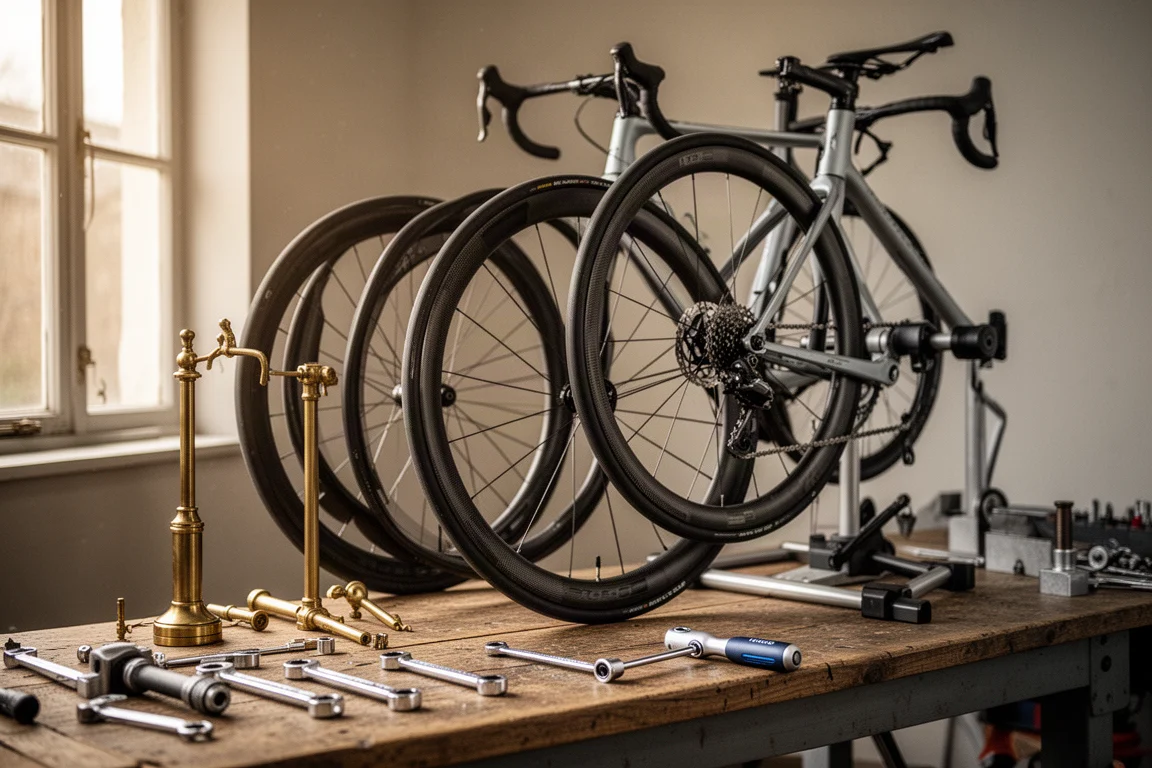
If speed is your priority, the data here supports spending on carbon. If comfort, stability, and value matter more, a quality alloy wheelset is a well-rounded option that keeps a lot of money in your pocket.
Conclusion
The ENVE SES 6.7 delivered a measurable aerodynamic advantage in every test performed: less power required to hold 32 km/h into a headwind, a higher speed in the coast-down challenge, and a faster short climb at the same power. Those gains were consistent, and they are the reason this wheelset earns its place at the performance end of the market. The honest caveat is that a well-chosen alloy wheelset can match it on weight and beat it on price, stability in blustery conditions, and ease of ownership. Whether the SES 6.7 is worth it comes down to one question: how much do you value going faster?
Product link
View more details for Enve SES 6.7
This product is mentioned in the review. Check the specifications, options, and compatibility before buying.
View more details for Enve SES 6.7Further reading
Related Reviews
Road Bike Wheels
Best Rim Brake Road Wheels 2026: Seven Options for Every Budget
A practical guide to rim brake road wheelsets across almost every price point, plus custom build advice and a secondhand inspection checklist.
Road Bike Wheels
Best Road Bike Wheels: A Practical Tier Guide to Six Sets Worth Buying
Six road and gravel wheelsets compared, from accessible carbon upgrades to World Tour race wheels, with the trade-offs that matter before you buy.
Road Bike Wheels
Campagnolo Hyperon Review: A 37mm Carbon Wheelset Built for All-Round Road Riding
A mid-depth carbon road wheelset that climbs well, stays stable in gusty crosswinds and looks the part, with a few trade-offs worth checking first.