Road Bike Wheels
ENVE SES 4.5 Pro Review: A Lighter Deep-Section Wheelset for Climbers
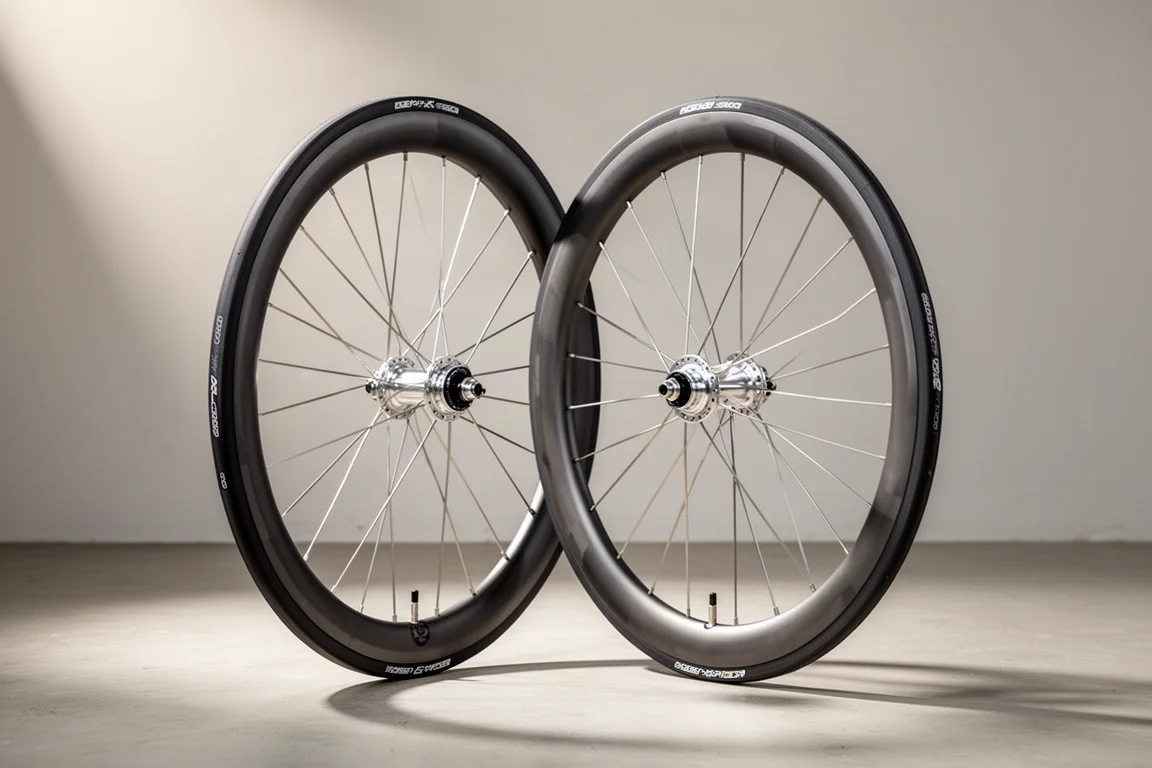
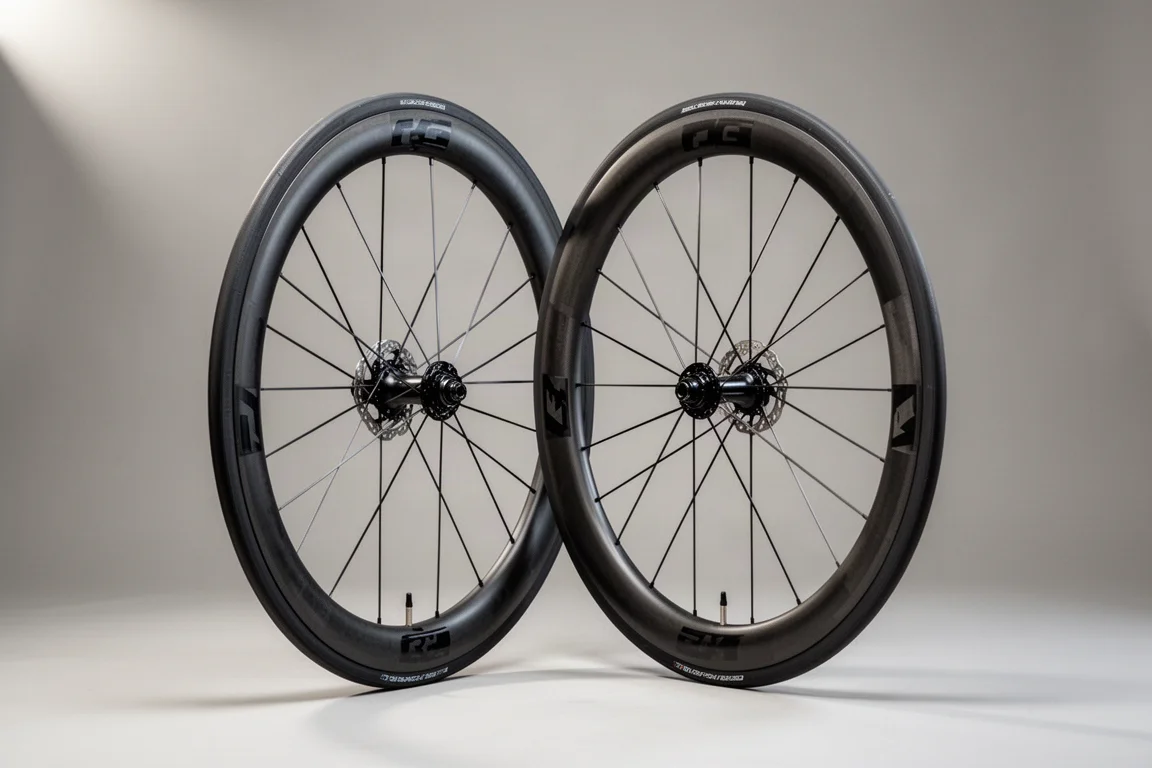
The SES 4.5 Pro drops claimed weight to 1,295 g while keeping a deep rim profile, and the standard SES 4.5 stays in the range for 30 mm tires.
Introduction
The ENVE SES 4.5 Pro takes a well established deep-section road wheelset and removes a meaningful amount of weight without giving up the aerodynamic profile that made it popular. Claimed weight falls from 1,450 g to 1,295 g, which is light for a rim this deep. The wheels were developed as a pro project with UAE Team Emirates, and the standard SES 4.5 remains in the range alongside them rather than being replaced.
This article covers what changed on the SES 4.5 Pro, how the two wheelsets differ, and which one is likely to suit your riding.
What the SES 4.5 Pro Changes
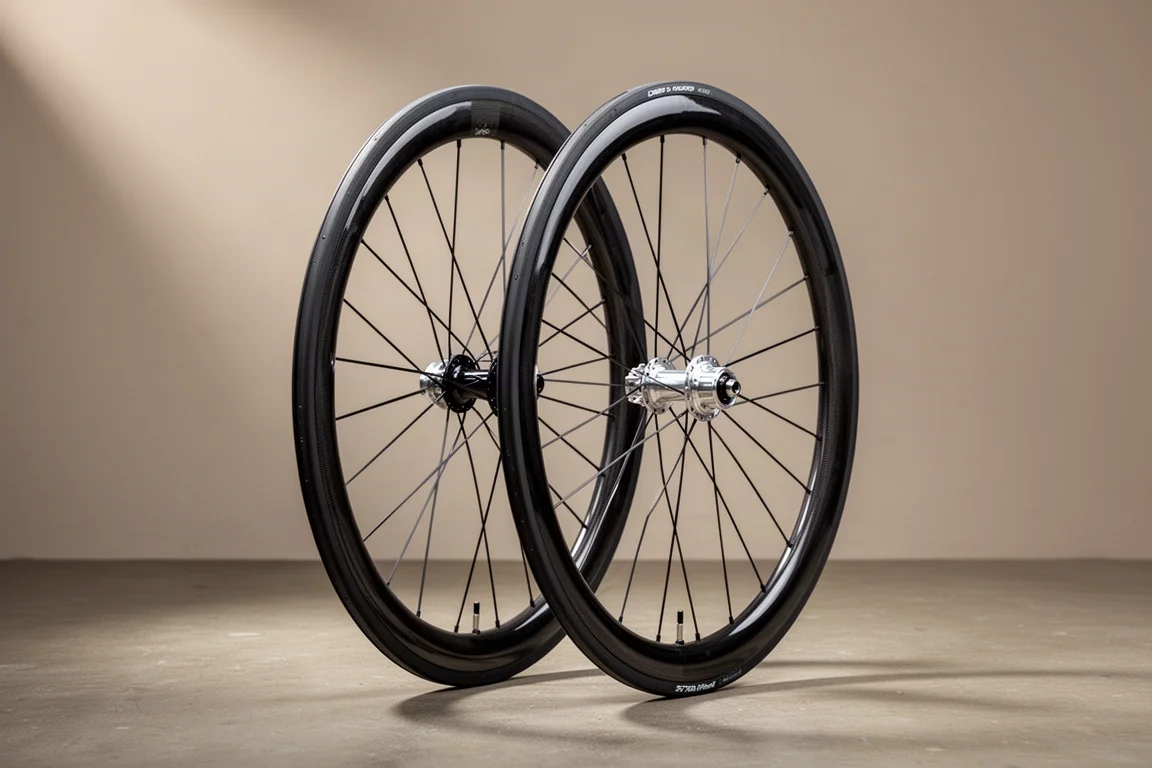
The headline is weight. ENVE claims 1,295 g for the SES 4.5 Pro, down from 1,450 g on the previous version, and the savings come from several places rather than one. New ultra-light Pro Innerdrive hubs account for a large share at 281 g per pair, and they now use ceramic bearings developed in house. New carbon laminates take roughly 50 g out of each rim. The rims themselves are slightly shallower and slightly narrower than before, but only by small margins.
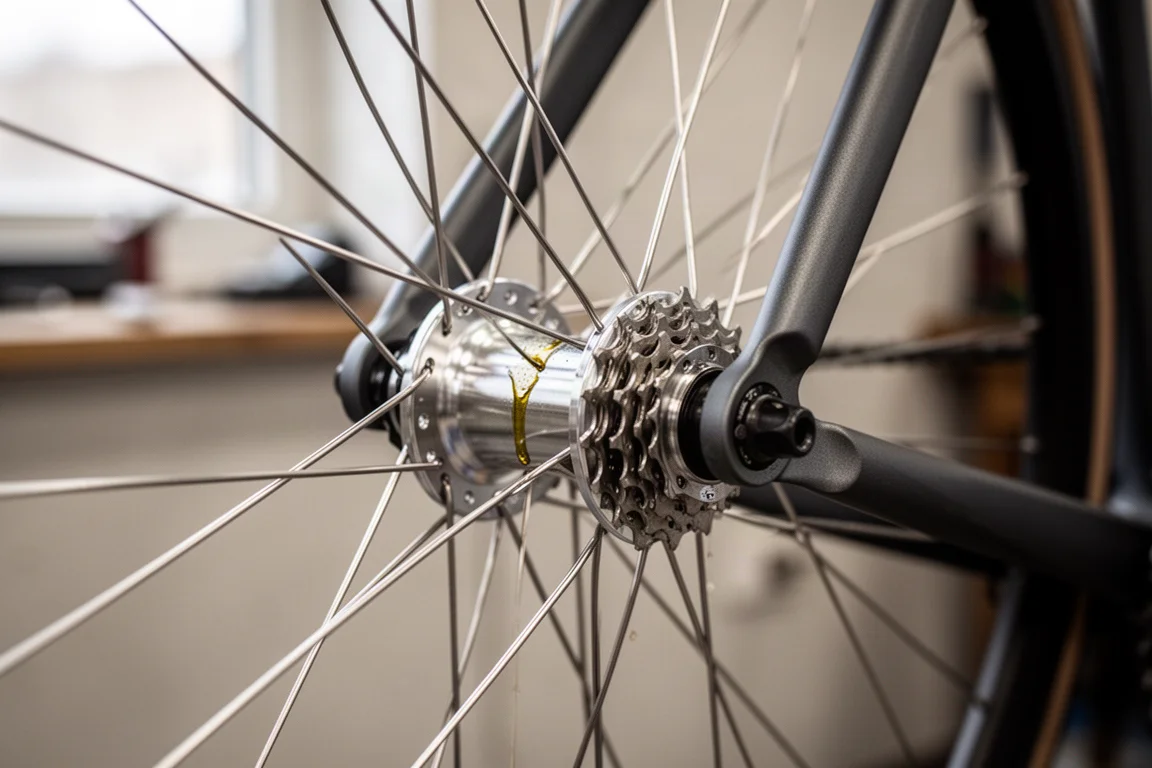
The rim bed has also been revised. Internal width is now 23.5 mm, designed around a 28 mm tire to meet the ETRTO standard. A small hook at the top of the wide hookless bead allows a higher maximum pressure rating, raised from 72.5 psi to 100 psi, which gives more room for riders who prefer to run higher pressures.
Hubs, Spokes, and the Details That Save Grams
Silver hubs, silver spokes, and silver decals set the Pro apart visually from the rest of the SES line. That finish is a styling choice rather than a weight measure.
The spokes themselves are stainless steel. Carbon spokes are often the quickest route to a lighter wheel, and ENVE deliberately avoided them. In its wind tunnel testing, the company could not find a carbon spoke arrangement that performed as well aerodynamically as stainless steel. There is a practical benefit too, since conventional steel spokes are easier to source and replace if one breaks on a ride.
ENVE SES 4.5 Pro: How the New Wheelset Rides
In use, the Pro feels very close to the standard SES 4.5 in ride quality and stiffness. The difference is the weight, and that is most noticeable on long, steady climbs where aerodynamic gains matter less and holding a consistent power output matters more. Stability and feedback through fast descents were a design priority, and the stiffness of the new Pro hub and axle is part of that picture.

The Pro is best understood as a climbing wheel for very fast riders, the kind who climb at 25 to 30 km/h. It carries the aero profile of a deep-section wheel while sitting close to the weight of a shallow climbing setup, which is the combination most road riders are looking for. Long-term durability over a full season is not yet established, so it remains a wheel to judge on its design intent and its intended use.
ENVE SES 4.5: The Model That Stays in the Range
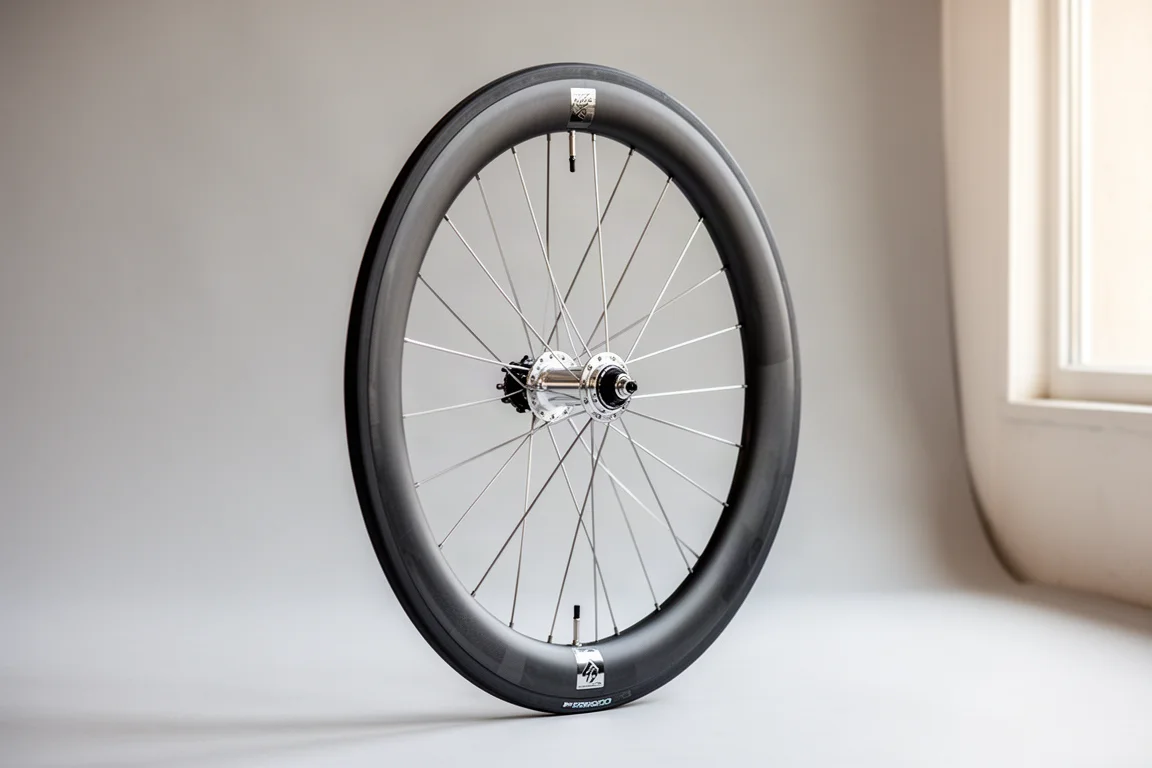
The SES 4.5 Pro is an addition to the range, not a replacement. The standard SES 4.5 continues, and the weight gap between the two is 160 to 170 g. The SES 4.5 has been part of the line for close to a decade, and its rim profile was shaped around the move toward wider road tires that has since become the norm on the road.
For most riders, that means the standard SES 4.5 is still the more versatile wheel of the two, while the Pro is the specialist option for riders chasing the lightest deep-section setup they can get.
ENVE SES 4.5: Where 30 mm Tires and Flatter Roads Favor It
Tire width is the clearest way to choose between them. The team uses the standard SES 4.5 wherever it runs a 30 mm tire, which covers flat stages and lightly rolling terrain where rolling efficiency matters most. The Pro comes in when the road points uphill, including punchy stages and long mountain climbs.
Neither wheel makes the rest of the range redundant. The shallower SES 3.4 and the 2.3 remain in the line, and ENVE is clear that a wheel built around professional racing speeds is not automatically the right choice for every rider.
What the Pro Lineup Means for Buyers
In ENVE’s naming, Pro marks a product developed as an R&D project with professional teams, built around what athletes at the highest level ask for. The SES 4.5 Pro is one of those projects to reach the market, and more are expected.
That positioning cuts both ways. The Pro benefits from genuine race development and is a noticeably lighter deep-section option than the standard model, but it is tuned for riders chasing every small gain. If your priorities are all-round versatility rather than the lowest possible weight on a long climb, the standard wheel remains a strong answer.
Buying Advice: Matching the Wheelset to Your Riding
Choose the SES 4.5 Pro if you run 28 mm tires, spend your time on long climbs and mountain roads, and want deep-section aerodynamics without the usual weight penalty. The claimed 1,295 g figure and the revised bead hook that allows up to 100 psi are the details that matter most here.
Choose the standard SES 4.5 if you prefer 30 mm tires or ride mostly flat and rolling terrain, where rolling efficiency and the established rim profile do the heavy lifting. It is also the more conservative choice if you want the wheel the team keeps reaching for across the widest range of conditions.
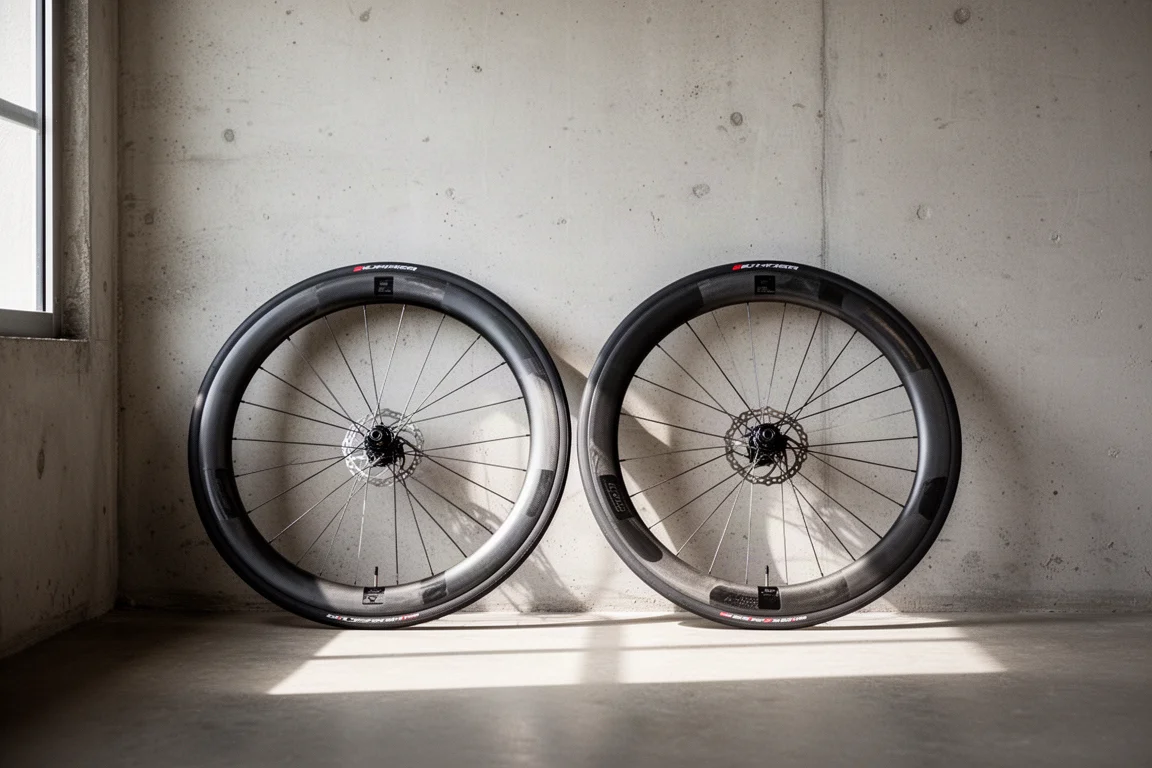
Before buying either, check the details that affect ownership: hub bearing service, spoke availability, tire compatibility with your preferred width, and whether your frame and riding style actually reward the lighter option. The stainless steel spokes on the Pro are a point in their favour for long-term serviceability, since replacements are straightforward to find.
Conclusion
The SES 4.5 Pro is a focused update: the same aero intent, less weight, and a rim bed designed around modern 28 mm tires with a higher pressure ceiling. It sits alongside the standard SES 4.5 rather than replacing it, and the choice between them comes down to tire width and terrain. Riders who want a deep rim that climbs like a shallow one have a compelling option here, while riders who value 30 mm rubber and all-round versatility can stay with the wheel that has been doing the job for years.
Further reading
Related Reviews
Road Bike Wheels
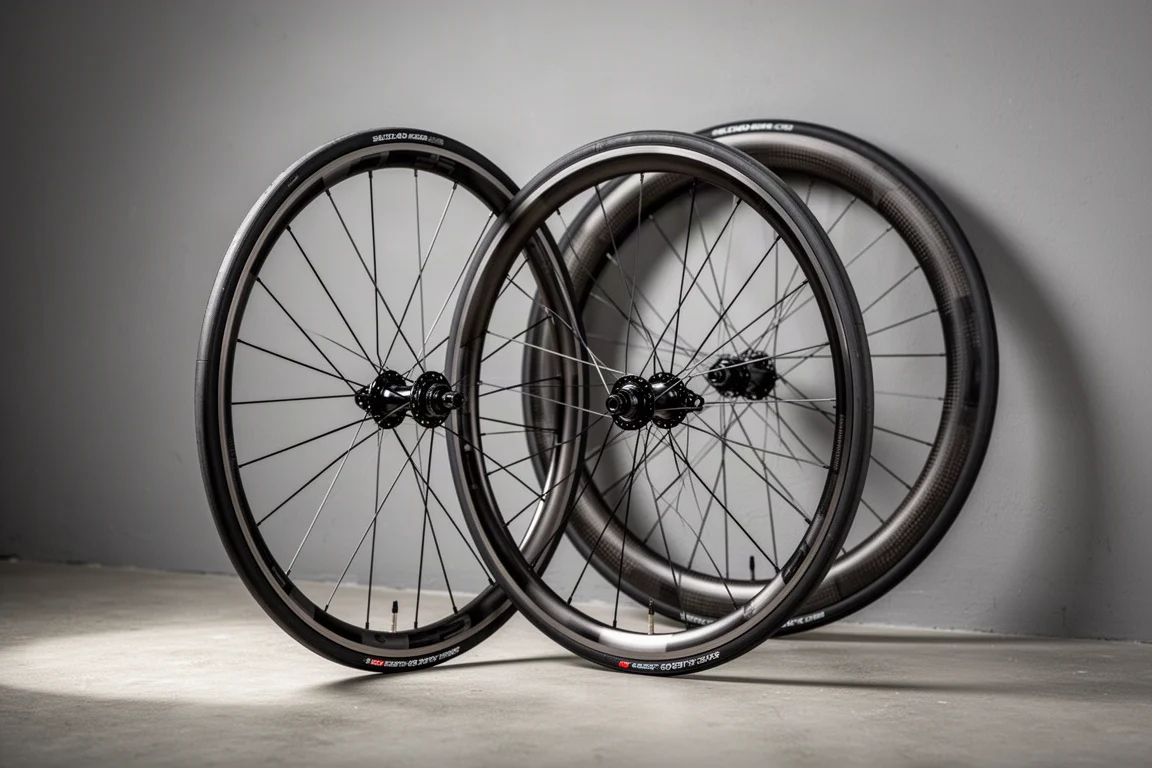
Best Rim Brake Road Wheels 2026: Seven Options for Every Budget
A practical guide to rim brake road wheelsets across almost every price point, plus custom build advice and a secondhand inspection checklist.
Road Bike Wheels
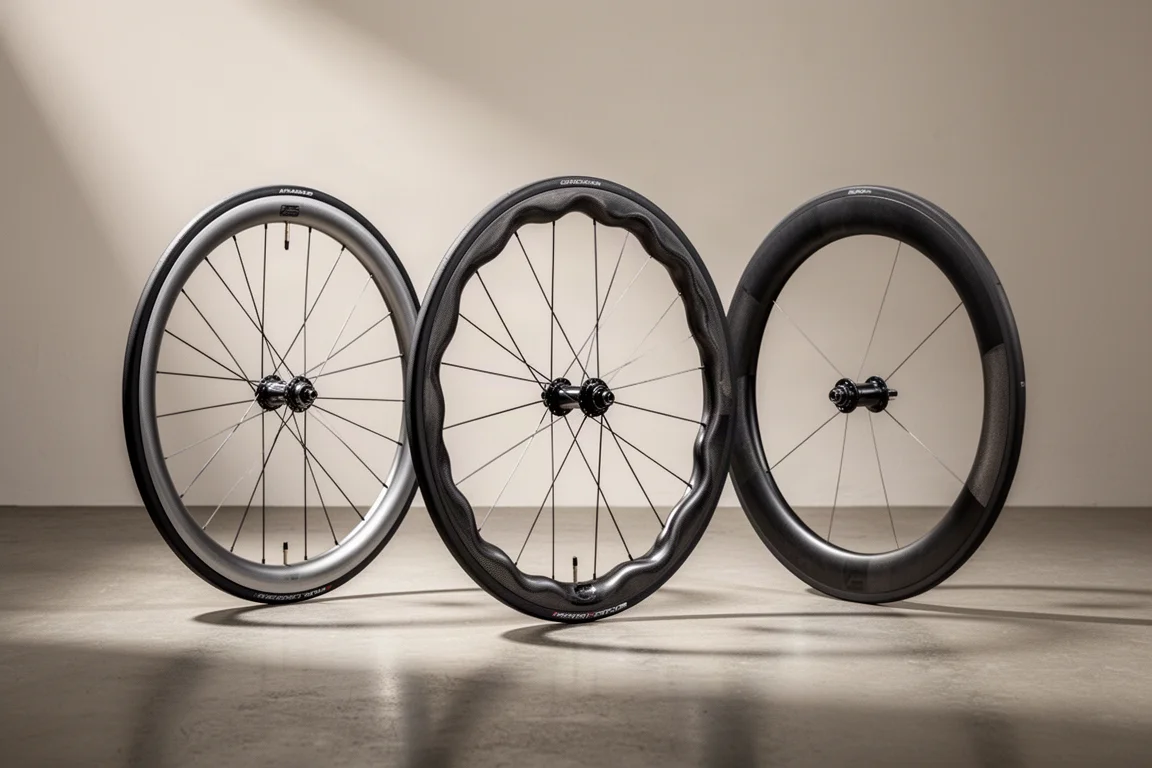
Best Road Bike Wheels: A Practical Tier Guide to Six Sets Worth Buying
Six road and gravel wheelsets compared, from accessible carbon upgrades to World Tour race wheels, with the trade-offs that matter before you buy.
Road Bike Wheels
Campagnolo Hyperon Review: A 37mm Carbon Wheelset Built for All-Round Road Riding
A mid-depth carbon road wheelset that climbs well, stays stable in gusty crosswinds and looks the part, with a few trade-offs worth checking first.