Road Bike Wheels
ENVE SES 2.3 Wheels Review: Ultralight Carbon Climbing Wheels Tested
A full carbon, tubeless-ready disc wheelset at 1,197 g, tested on steep local climbs against deeper-section wheels.
Introduction
Weight is one of the few things you can change on a bike that alters how it feels rather than simply how it measures. After the frame and the groupset, wheels are the largest single component by weight, which is why a lighter set is usually the most rewarding upgrade a rider can make.
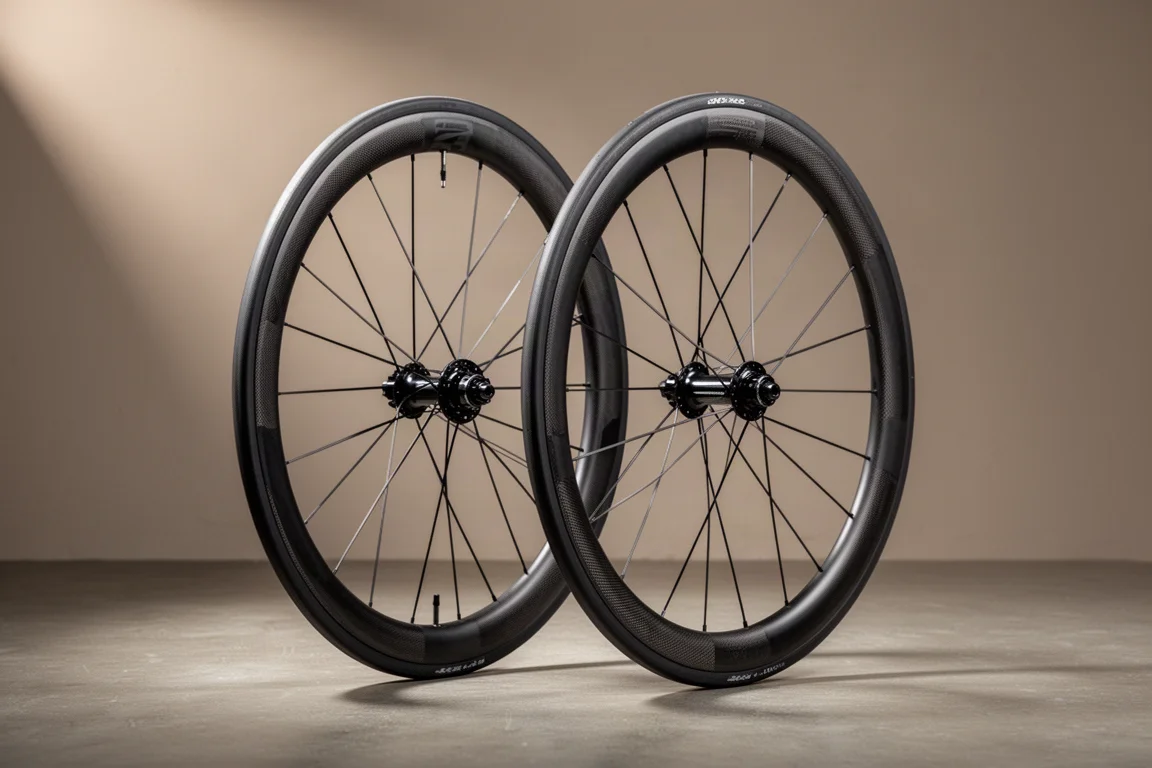
The ENVE SES 2.3 is the lightest wheelset the company has produced: a full carbon, tubeless-ready, disc-brake set that comes in at 1,197 g, with the front rim alone accounting for just 275 g. That is remarkable for a set of this construction. The question that matters more than the number is how a wheelset this light behaves on the steep, broken roads most riders actually train on.
These wheels were ridden for a couple of weeks on local climbs and lanes, switching back and forth with the deeper-section wheelsets used over the previous year. The climbing difference was obvious from the first ascent, and it held up on every repeat of the same gradients.
Who the ENVE SES 2.3 Wheels Are For
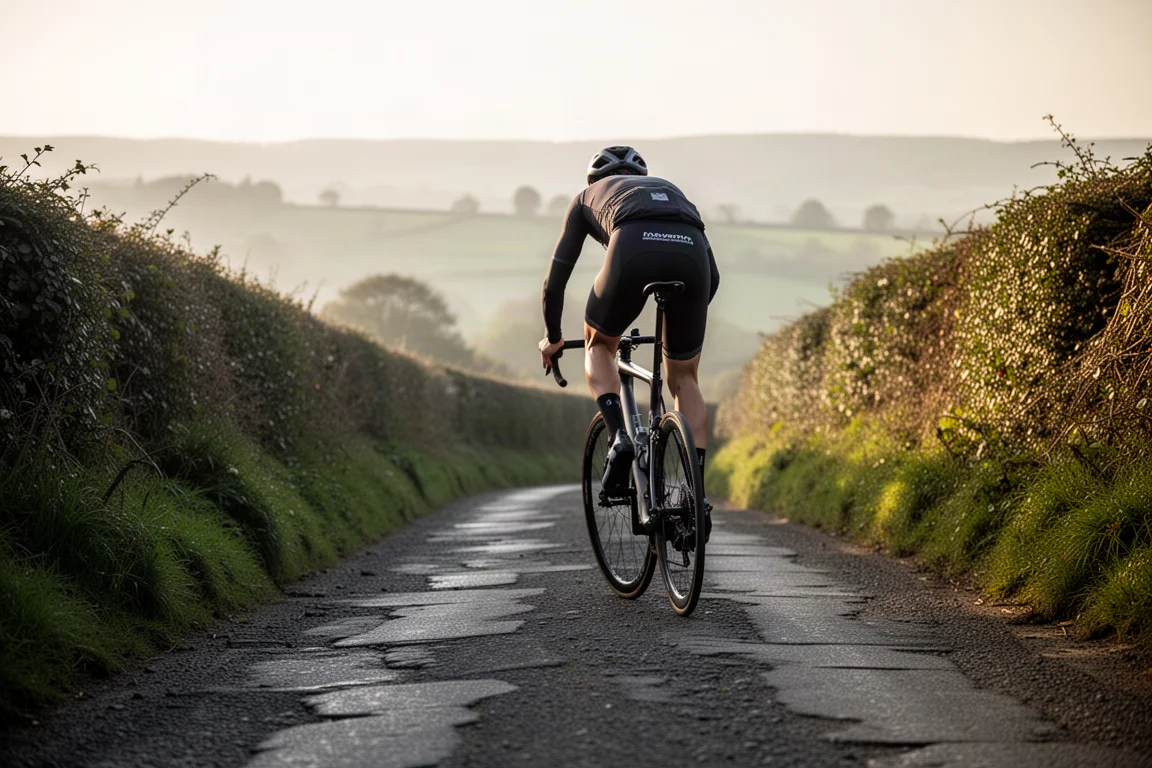
This is a wheelset built for riders who measure a good day by elevation. If local roads point upwards, if personal bests on familiar climbs are the goal, or if you simply want your existing fitness to translate into more speed on steep gradients, the SES 2.3 is aimed squarely at you.
It is not a single-surface product either. The 21 mm internal rim width is wide for a wheelset this light, and it opens up a broad tyre range: 25 mm at the narrow end, 32 mm at the wide end, with 27 mm described as the optimised size. That covers road racing, mountain climbing, light gravel and all-road riding from the same pair of wheels.
Riders at the other end of the spectrum are less well served. If most of your riding is fast and flat, or if you prefer the familiarity of inner tubes and clincher tyres, a different design will suit you better. That trade-off is worth understanding before committing, and it is covered in more detail further down.
Climbing Performance and Acceleration
On steep gradients the SES 2.3 is exceptional. Acceleration feels immediate, with power going in and the bike moving forward rather than softening under the effort. Grinding up a steep pitch in the lowest gear and then standing out of the saddle, the wheels come alive. The stiffness and responsiveness make them surge forward in a way that deeper-section wheels rarely do.
The construction supports that impression. Shallow carbon rims, 24 spokes front and rear, and the manufacturer’s own high-quality hubs keep the mass low without obvious compromise. The front rim is deliberately shallower than the rear, 28 mm against 32 mm, a detail borrowed from the brand’s deeper wheels to extract a little more aerodynamic performance from the pair.
Repeat runs on the same climbs with a power meter and heart rate monitor told a consistent story: the same gradients came faster, with slightly less power required, and occasionally a gear higher than usual. Personal bests fell on several local climbs, which is about as practical a verdict as a wheelset can earn.
Ride Comfort, Stiffness and Stability
Comfort is one of the standout qualities here, helped considerably by running a 27 mm tubeless tyre at very low pressure. The roads used for testing were far from smooth, with rough gravel, potholes and broken surfaces throughout. The wheels and tyres together delivered a smooth, supple ride, and a measurably smoother one than deeper-section wheels over the same tarmac.
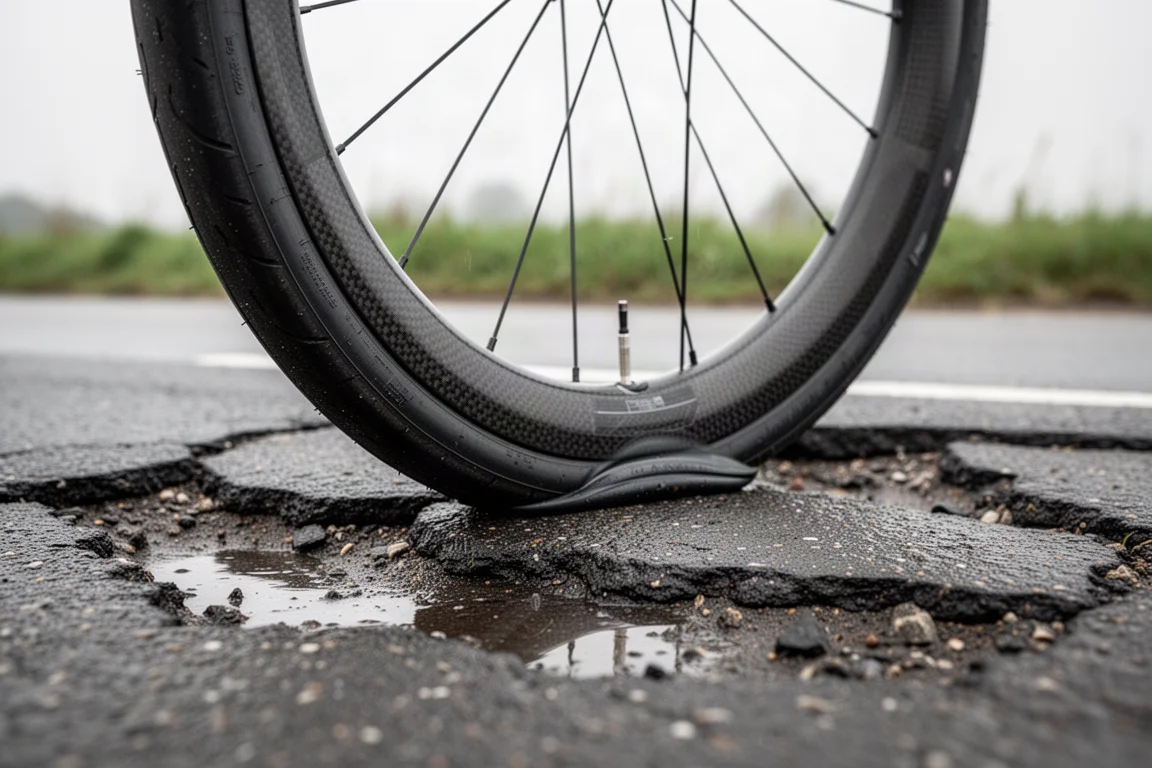
Stiffness is more than adequate. The 24 spokes in each wheel held up without flex, disc brake rub or any other unwelcome behaviour. On descents they felt planted and secure, and the lateral stiffness lets you lean on them through high-speed corners with confidence.
Wind behaviour is another quiet strength. Because the rims are shallow, the wheels stay rock solid in gusty conditions, with no buffeting and no crosswind instability, which is not something every lightweight carbon wheelset can claim.
Aerodynamics at Speed
There is one clear area where the SES 2.3 gives ground, and it will not surprise anyone who understands wheel design. On flatter roads between the climbs, and especially at high speed, shallow rims cannot match the aerodynamic benefit of a deep-section wheelset. The difference is noticeable when you are pushing hard on the flat.
That is the honest trade-off of a climbing wheelset rather than a fault. Riders whose terrain is mostly rolling or flat, or whose hardest efforts come at sustained high speed, will get more from deeper rims. Riders who spend their hardest efforts on gradients will not miss the aero advantage at all.
Hookless Beads and Tubeless Setup
The SES 2.3 uses a hookless bead and is designed around tubeless tyres. That reflects a long-standing direction for the brand, which moved to hookless first on mountain bikes and then on road wheels, with all of its wheels going forward following the same approach.
In practice, for anyone already comfortable with tubeless, the setup is refreshingly simple. Mounting a tyre with a standard track pump was as straightforward as a conventional tube and clincher combination. Air loss from one ride to the next was minimal, and the wheels ran fault-free through the test period with sealant in the tyres and no punctures to report.
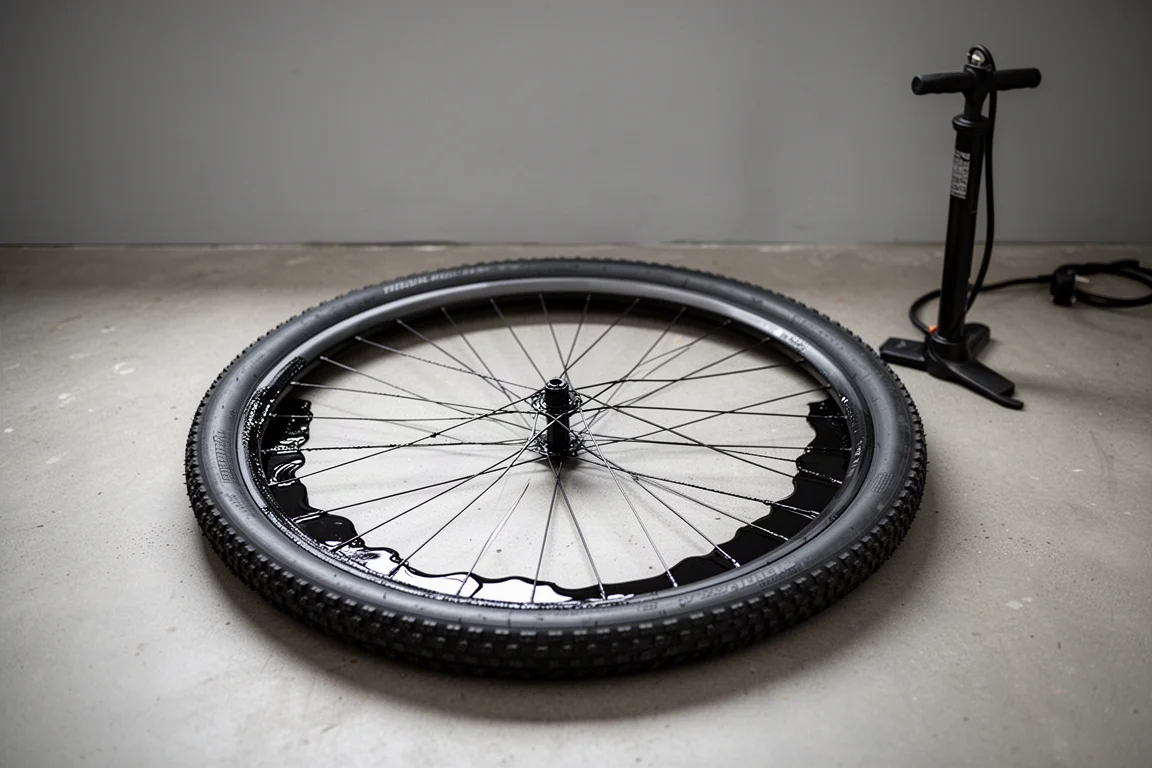
The limitation is not the system but the choice it removes. Tubeless only means no inner tube fallback, and hookless rims run at lower pressures than hooked alternatives. Riders who want the option of a tube, or who prefer a higher tubeless pressure rating, will find a hooked-bead wheelset easier to live with day to day.
What These Wheels Cost
At around £2,500, this is a premium purchase, and it sits in the upper part of the lightweight carbon market. For context, a similarly light hooked-bead road wheelset tested alongside it was priced nearer £3,100, so the SES 2.3 is not the most expensive option in its weight class.
What you get for the money is a disc-brake, tubeless-ready, full carbon wheelset at 1,197 g, with the brand’s own hubs, a broad tyre range and a very strong record on comfort and stability. Judged on grams, ride quality and reliability, the price is consistent with the rest of the category rather than an outlier.
Buying Advice
Start with your terrain. If your riding revolves around climbs, rolling hills and long days in the mountains, the SES 2.3 is close to ideal, and the weight saving over a deeper wheelset is something you feel on every ascent rather than read about on a spec sheet.
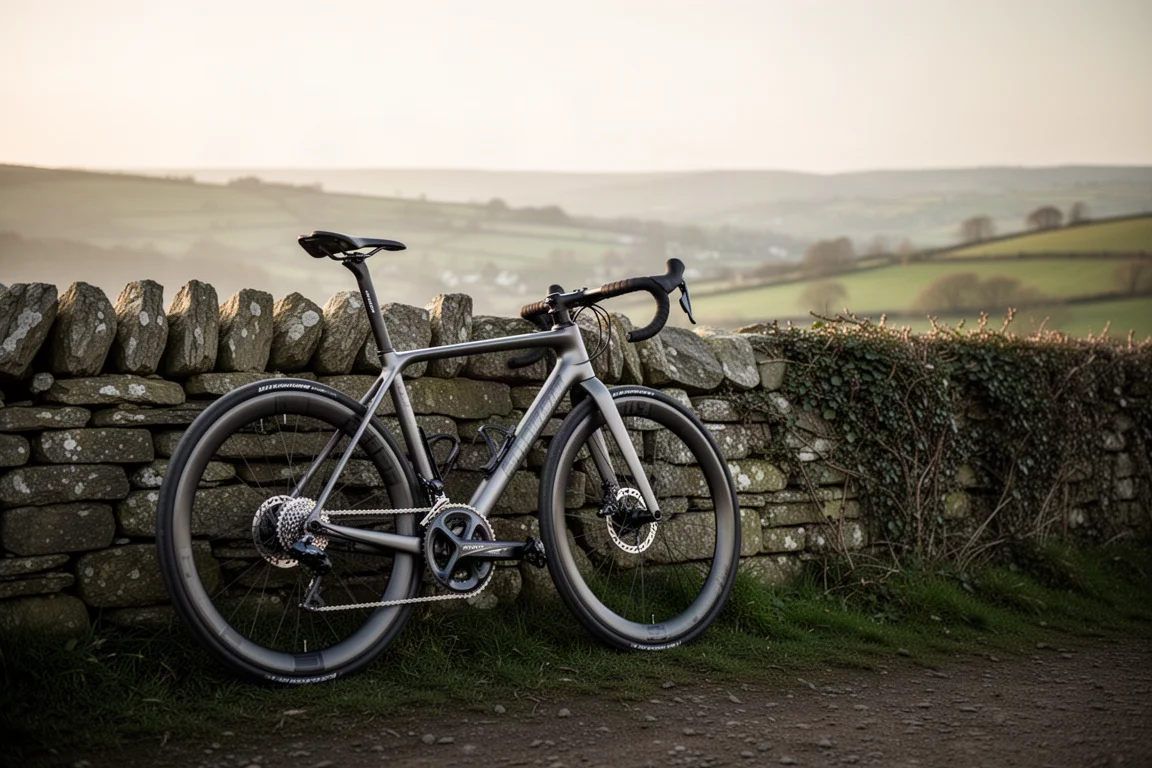
Then check the details that matter for ownership. Confirm that a tubeless-only, hookless design suits the way you ride and maintain your bike, and settle on a tyre width before you buy. The wheels are optimised for 27 mm but will take anything from 25 mm to 32 mm, so there is room to tune the ride.
Finally, be realistic about what you are upgrading from. If you already ride a light wheelset, the gains will be smaller. If you are coming from a deep-section set and ride hilly roads, the change in feel and climbing speed is significant enough to justify the outlay.
Conclusion
The ENVE SES 2.3 is the lightest wheelset the brand has made, and it earns that billing on the road rather than only on the scales. Climbing acceleration, power transfer, comfort on rough surfaces, stability in crosswinds and stiffness under load are all genuinely strong, and the tubeless setup is simple enough that it never becomes a chore.
The compromises are equally clear: shallow rims lose out to deep-section wheels on fast flat roads, and the hookless, tubeless-only design removes the inner tube option. For riders whose roads go up, those are easy costs to accept, and the result is a wheelset that makes fast climbing feel easier than it should.
Product link
View more details for ENVE SES 2.3 Wheels
This product is mentioned in the review. Check the specifications, options, and compatibility before buying.
View more details for ENVE SES 2.3 WheelsFurther reading
Related Reviews
Road Bike Wheels
Best Rim Brake Road Wheels 2026: Seven Options for Every Budget
A practical guide to rim brake road wheelsets across almost every price point, plus custom build advice and a secondhand inspection checklist.
Road Bike Wheels
Best Road Bike Wheels: A Practical Tier Guide to Six Sets Worth Buying
Six road and gravel wheelsets compared, from accessible carbon upgrades to World Tour race wheels, with the trade-offs that matter before you buy.
Road Bike Wheels
Campagnolo Hyperon Review: A 37mm Carbon Wheelset Built for All-Round Road Riding
A mid-depth carbon road wheelset that climbs well, stays stable in gusty crosswinds and looks the part, with a few trade-offs worth checking first.