Cycling Upgrades
Entry-Level Road Bike Upgrades: Six Changes That Transform Ride Quality
A practical upgrade path for an entry-level road bike, covering tires, bar tape, brake calipers, wheels, and a carbon seatpost in order of real-world impact.
Introduction
Entry-level road bikes have improved enormously, and a modern aluminium model with disc brakes and a wide gear range is genuinely capable. What holds many of them back is not the frame. It is the parts that touch the rider and the parts that rotate. A bike at the £1,000 mark can be made to feel dramatically better without changing the frame or the drivetrain at all.
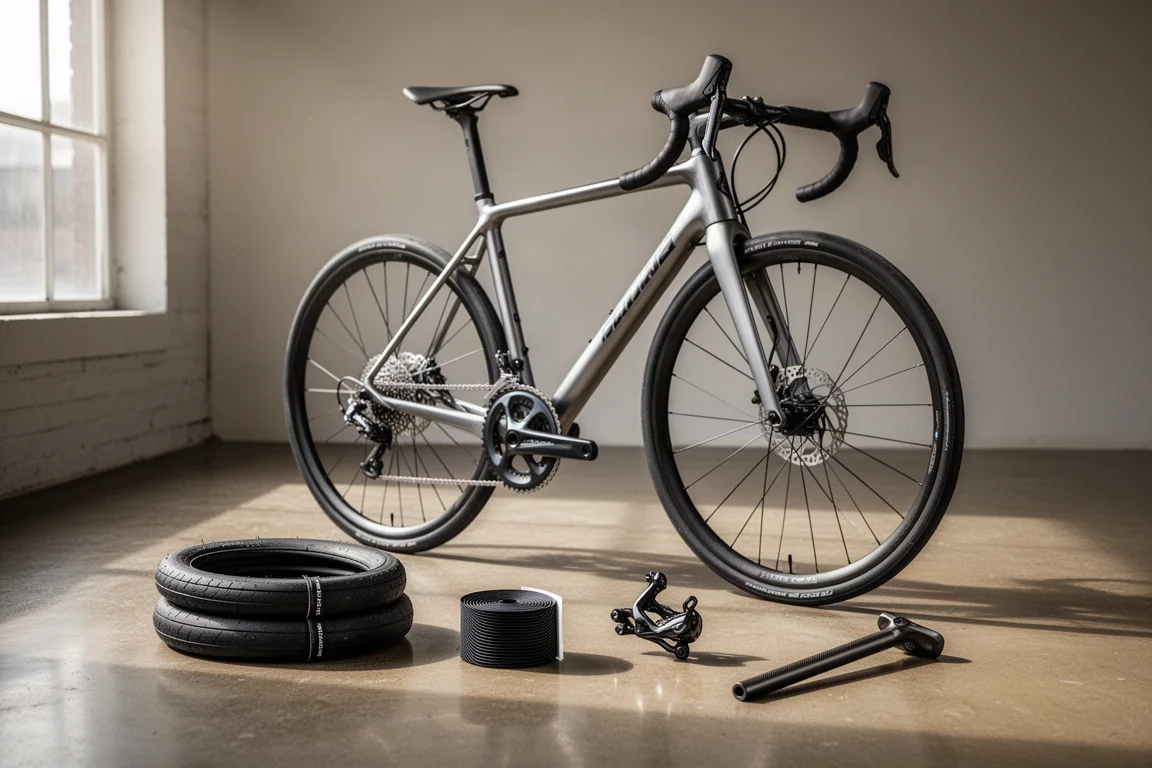
This guide follows one such bike, a Specialized Allez, through a staged upgrade programme. The bike was weighed in ready-to-ride condition at 11.35 kg with pedals, a head unit, and a saddle bag fitted. After the upgrades it came in at 10.87 kg. That weight change is modest by design, because the goal was never a lighter bike. It was a better one.
How We Chose These Upgrades
The order below is based on impact per pound spent. Ride feel and comfort come first, followed by braking confidence and long-term reliability. Drivetrain changes sit at the bottom of the list, because a well-sorted entry-level groupset already does its job properly.
Cost matters as much as performance. Several of these parts are consumables that will be replaced repeatedly over the life of the bike, so a sensible upgrade path has to stay affordable across multiple seasons rather than just one.
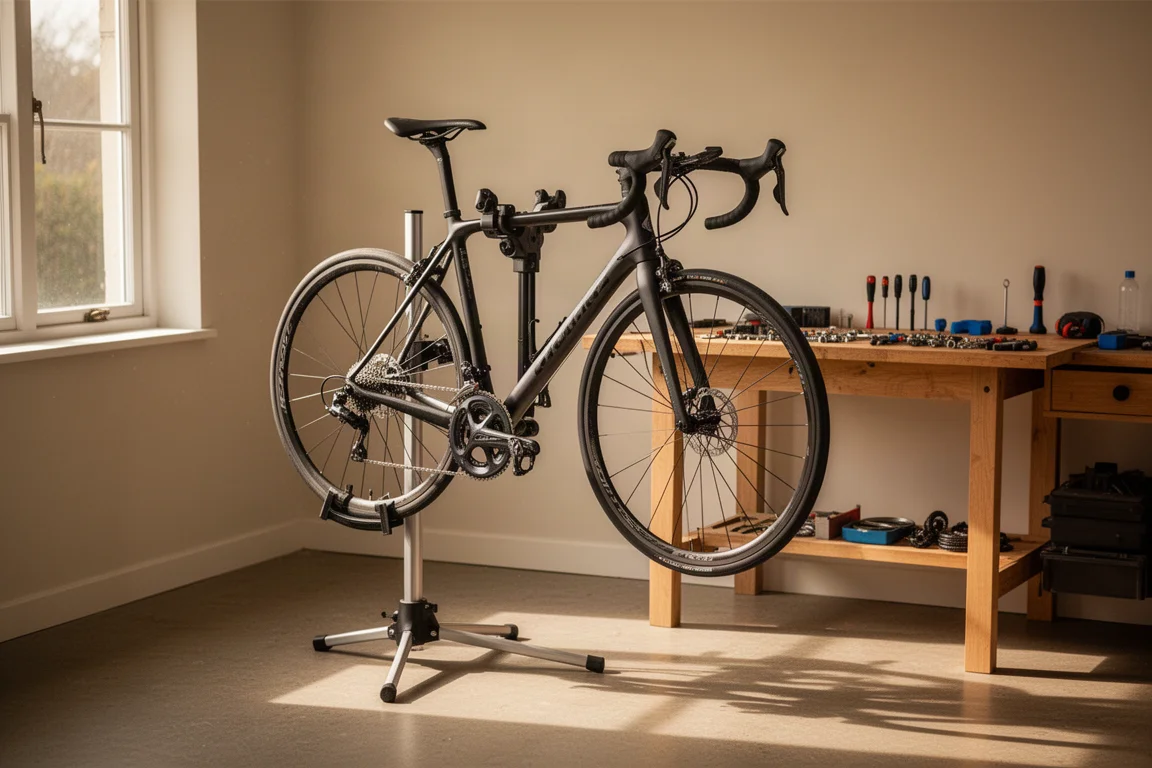
It also helps to know what not to change. The stock wheels on this particular bike ran true, held their spoke tension, and had smooth bearings, so replacing them was a choice rather than a necessity. Your own bike may be a different story, and the guide covers both situations.
The Base Bike: Specialized Allez
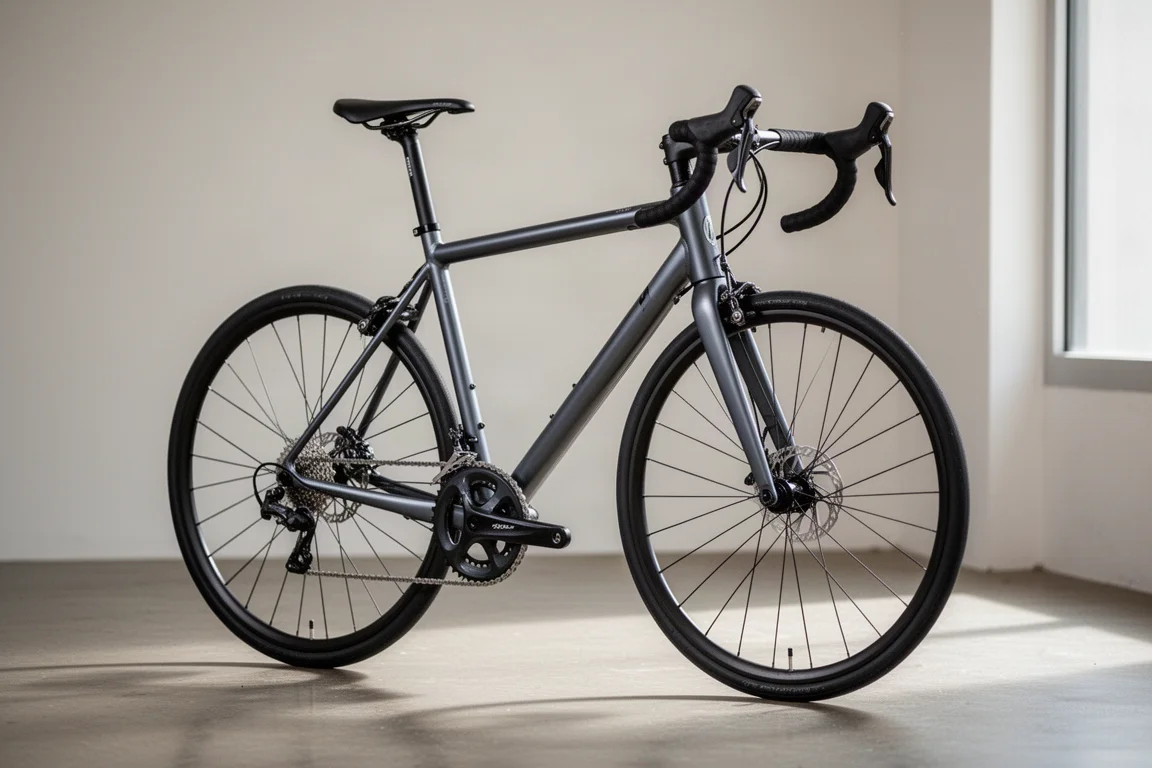
The starting point was a Specialized Allez at around £1,000, the most affordable road bike the brand makes. It is a strong example of a modern entry-level machine: an aluminium frame, mechanical disc brakes, a Shimano Claris groupset, and clearance for tires up to 35 mm.
That tire clearance is worth noting. There is nothing wrong with running the widest tire a frame will accept, particularly on rough or weather-damaged road surfaces, and it widens the choice considerably when the time comes to replace the stock rubber.
Upgrade 1: Tires and the Vittoria Corsa N.EXT
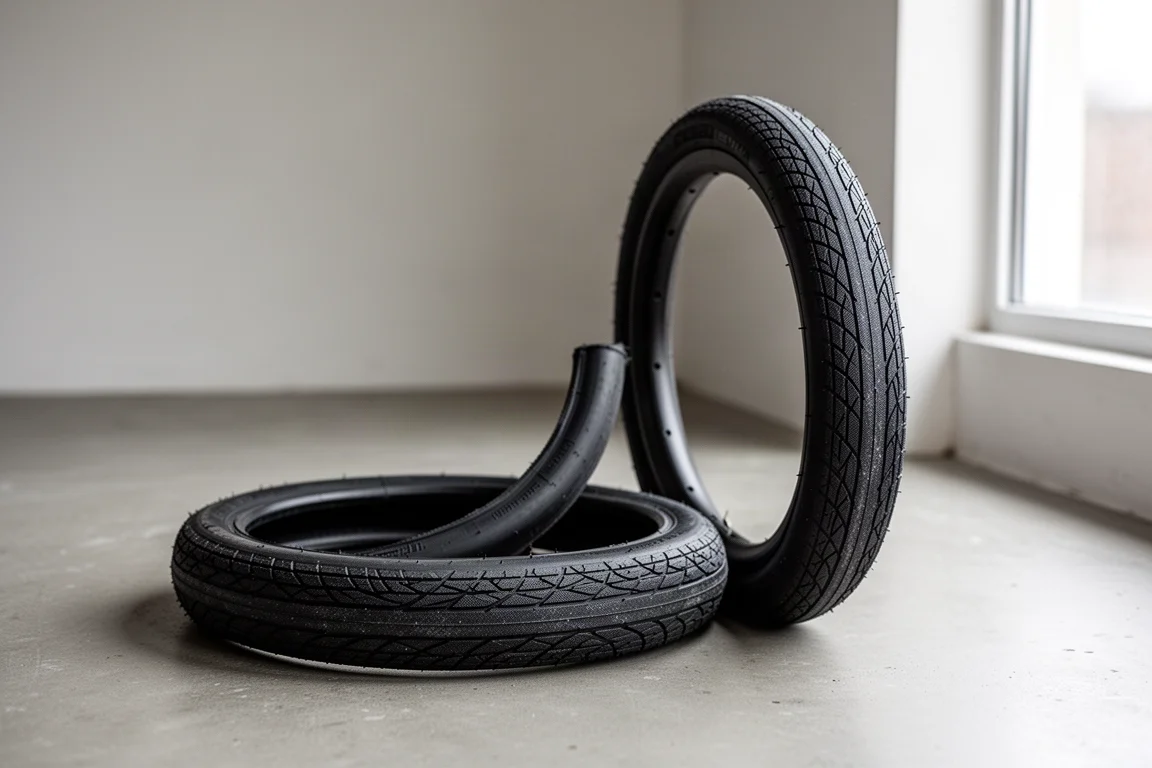
Tires come first because nothing else changes ride feel as much. Many entry-level bikes ship with hard compound tires, and on cheaper models they are often the weakest part of the whole build. A supple tire inflated to the correct pressure can make almost any bike feel transformed.
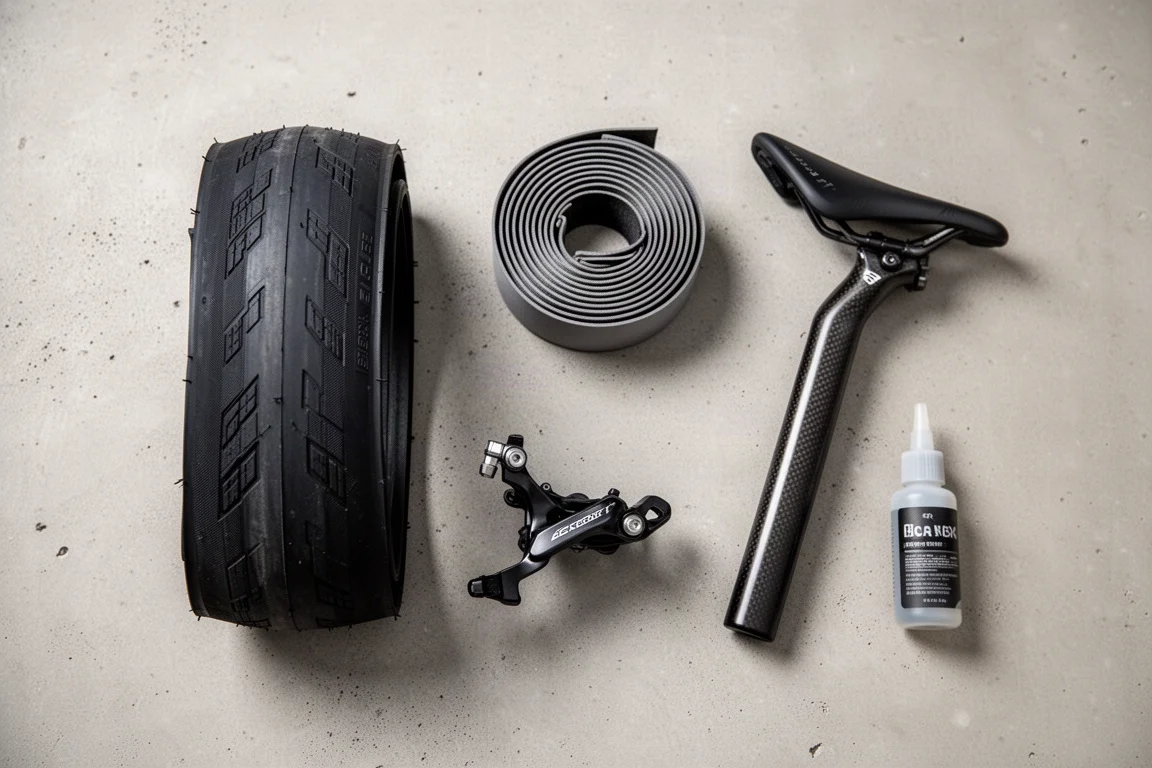
The Vittoria Corsa N.EXT is a good example, priced at roughly £30 to £50 online. It sits in the same supple category as the Continental Grand Prix 5000 and the Schwalbe One, and any tire from that group makes a worthwhile upgrade once the originals are worn out.
There is a trade-off worth understanding before you spend. The thinner and more supple a tire becomes, the more vulnerable it is to punctures. Faster, more expensive tires generally carry a higher risk of flats, so it pays to weigh the extra speed against the cost and inconvenience of repairs.
Upgrade 2: Bar Tape and the BBB FlexRibbon
Bar tape is one of the cheapest changes on this list and one of the most noticeable. Cork tape is common on entry-level bikes. There is nothing wrong with it, but it does not feel as good under the hand as a modern synthetic tape, and riders spend a lot of time on the tops and in the drops.
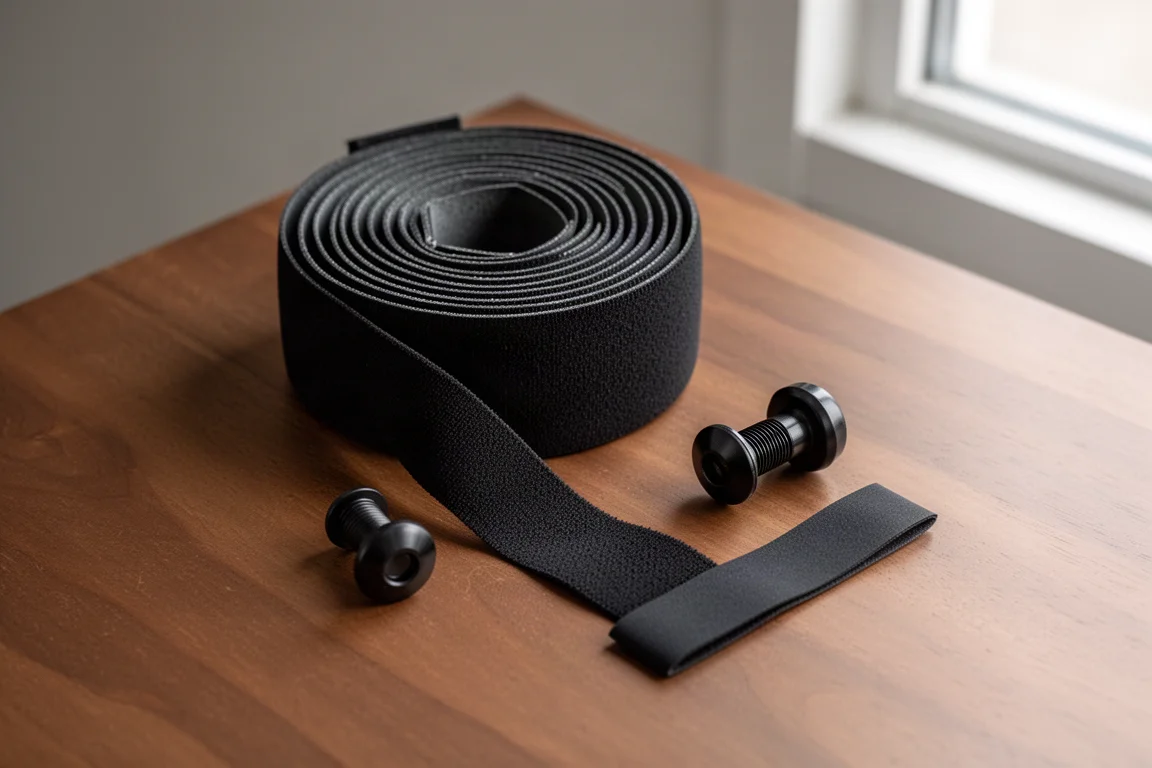
BBB FlexRibbon costs about £16 online. It lasts a long time, and its backing is not overly sticky, which means it can be unwrapped and rewrapped when lever positions change or handlebars are swapped. A gravel version is available for riders who want extra thickness and comfort.
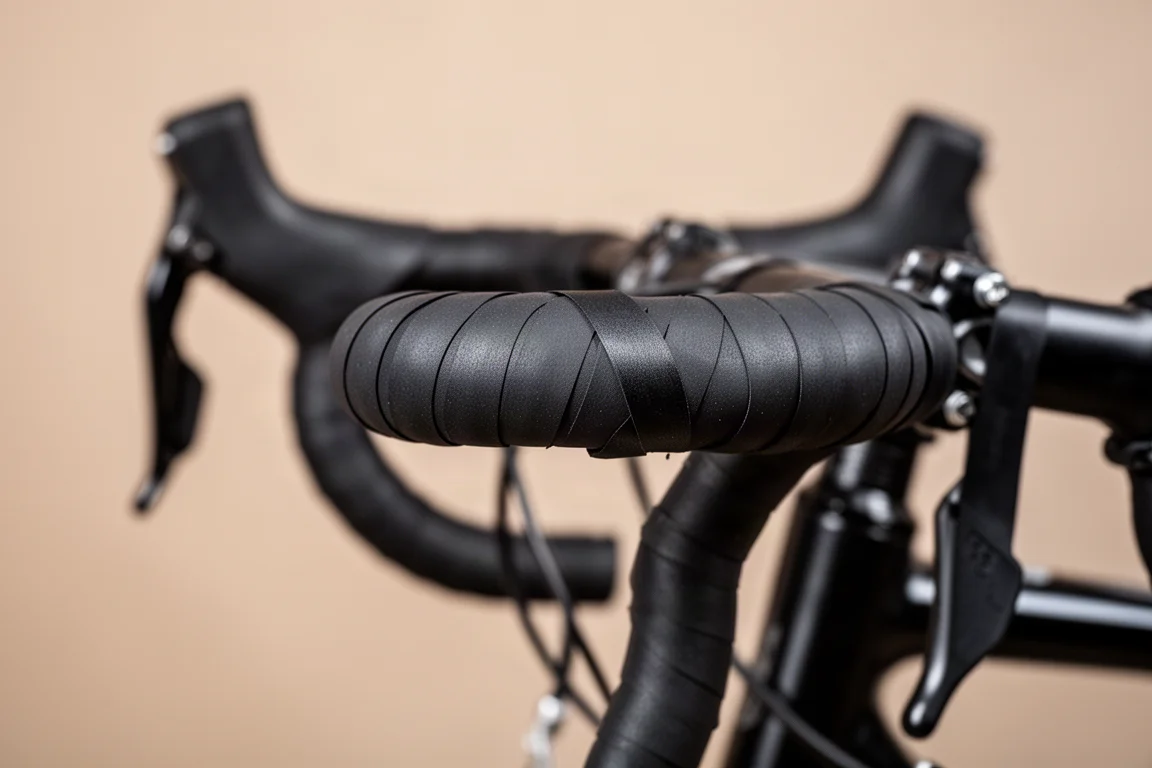
That reusability matters more than it sounds. Bar tape is one of the few components that can be moved between bikes and adjusted repeatedly, which keeps the cost per season very low.
Upgrade 3: Brake Calipers and the TRP Hy/Rd
Mechanical disc brakes, which are fitted to a large share of current entry-level bikes, slow the bike by pulling a cable that squeezes the rotor. The result is often a soft lever feel and modest stopping power.
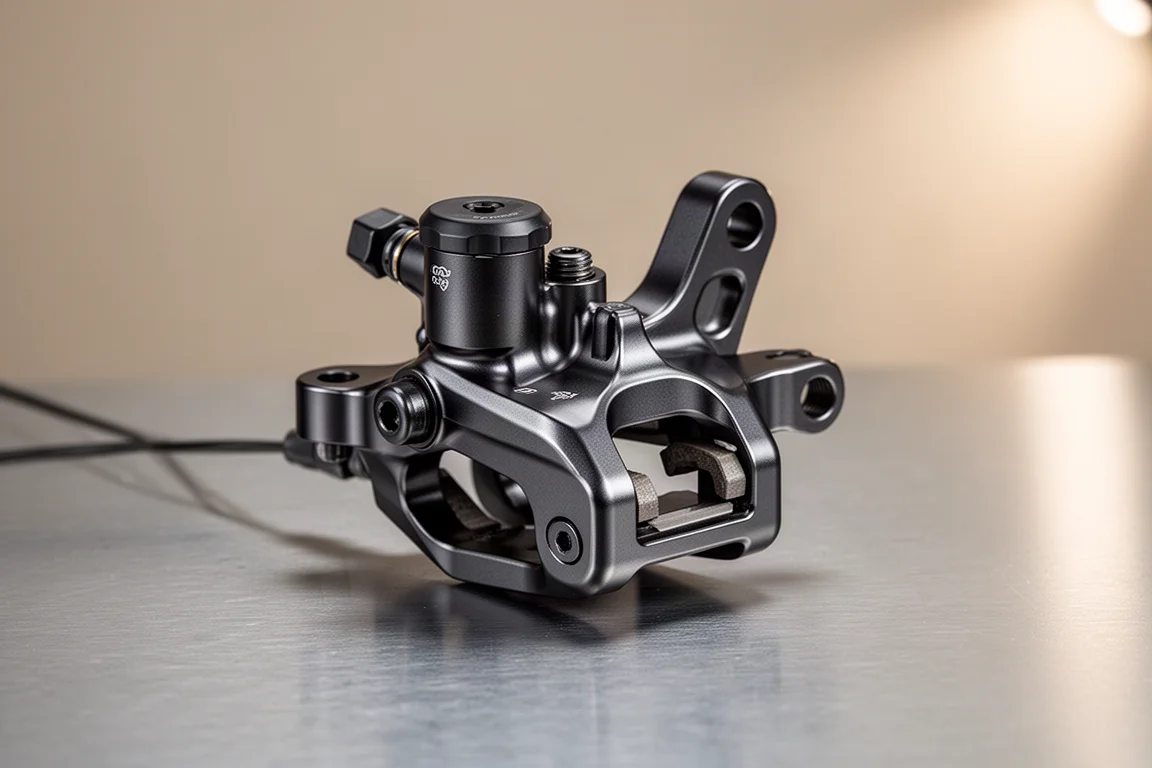
Three fixes are worth considering, ideally together. First, fit quality brake pads, and SwissStop makes well-regarded options for a range of caliper fittings. Second, switch to compressionless cable housing such as Jagwire, which compresses less under braking and gives a more direct feel. Third, and most effective of all, replace the calipers themselves with TRP Hy/Rd units.
The Hy/Rd is cable actuated but contains a small hydraulic reservoir inside the caliper, so it works with the levers already on the bike while delivering power much closer to a full hydraulic system. It is not cheap, and it is priced per caliper, so a complete bike means two. Installation is surprisingly straightforward, although new brake cables are required. This particular frame runs full-length outer housing, which made the job easier still.
On the road the difference is substantial, roughly 70 percent of the performance of a full hydraulic setup. The main downside is cosmetic, since the calipers are not especially elegant to look at.
Upgrade 4: Wheels and the Zipp 303 S
Wheels are the most expensive upgrade on this list, and the least urgent if the stock set is healthy. If your wheels keep going out of true, break spokes, or run rough bearings, an alloy replacement is the sensible first step. Halo and DT Swiss rims both have a reputation for being serviceable, reliable, and tubeless ready, and they are hard to beat for the money.
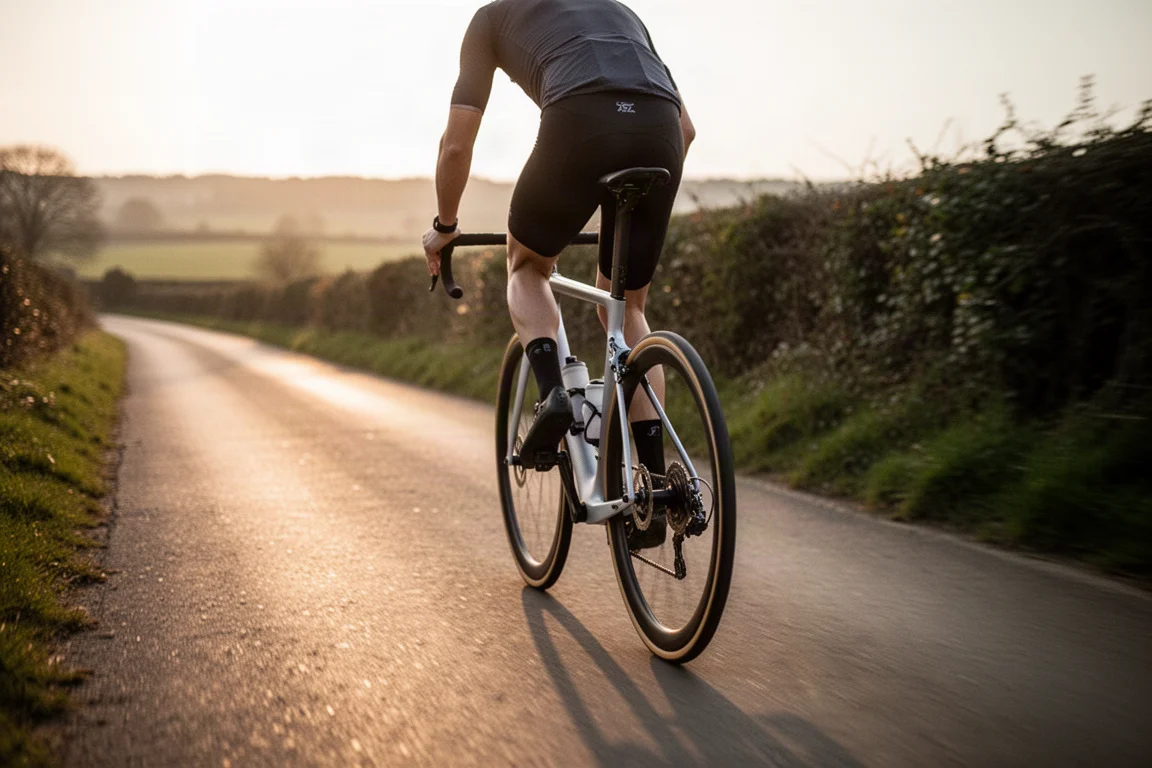
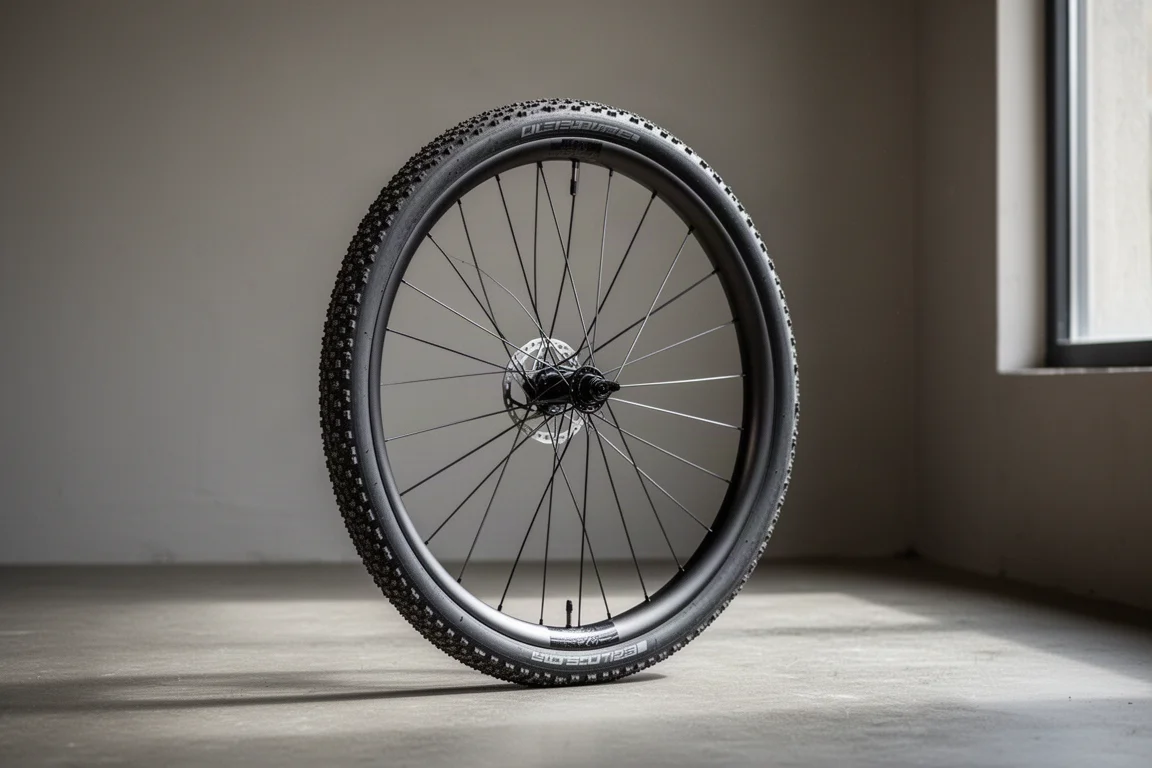
If the stock wheels are fine but you simply want more speed, carbon is the next step. The Zipp 303 S retails at around £1,090, and several comparable options sit at very close price points, including Parkour wheels, Shimano 105-level C50 wheels, and Shimano Ultegra wheels that add slightly better hubs and a little less weight. Beyond a certain price, returns diminish quickly, and this low-to-mid carbon bracket is a sensible place to stop.
One compatibility detail catches people out. Many affordable bikes, including this one, use six-bolt rotors, while more premium wheels often use a Center Lock mounting system. Check which rotors your chosen wheels require before ordering, because the two systems are not interchangeable.
Upgrade 5: Finishing Kit and the USE Duro Seatpost
Handlebars, stems, and seatposts sit low on the priority list. Unless the change is made for bike fit, such as shortening the reach or altering bar width, the gains are mostly cosmetic and marginal. Between the two finishing kits compared here, the total weight difference was only about 210 g.
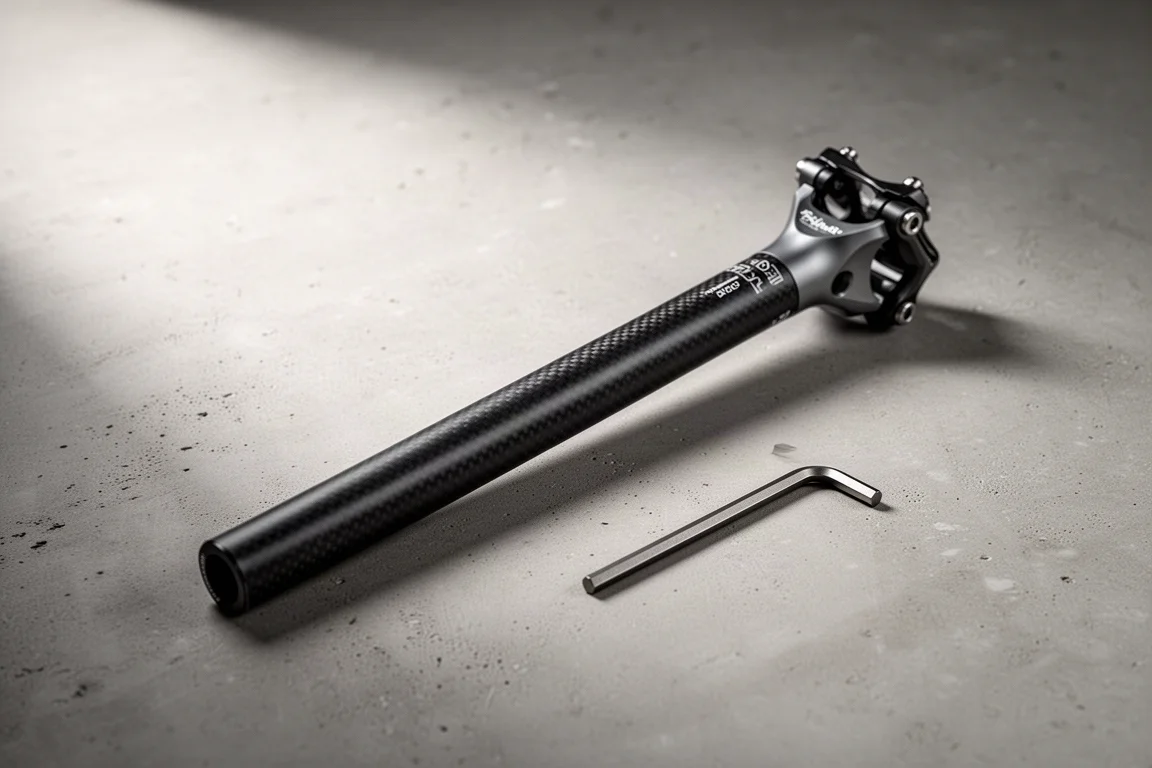
Comfort and position are better reasons to change these parts than weight. The USE Duro carbon seatpost costs around £80, which is unusual for a carbon post of its weight, and an adjustable stem makes it easy to fine-tune handlebar height and angle. Handlebar choice matters more than many riders expect, since different models can alter reach by up to 3 cm.
Overall Buying Advice
The order that makes sense for most riders is tires, bar tape, saddle, brakes, wheels, and finishing kit, with a tubeless conversion last. Tires and bar tape deliver the biggest change for the smallest spend. A saddle with a pressure relief channel is a genuine comfort upgrade for longer rides, and because saddle preference is personal, borrow a demo saddle from a bike shop before committing. Check that the rail shape is compatible with your seatpost first.
Brakes come next, and the caliper swap is the most effective of the three brake fixes. Wheels are worth doing once the rest of the bike is sorted, ideally choosing a tubeless-ready set so a later conversion is simple.
The one upgrade worth skipping is the groupset. The Shimano Claris on this bike worked well, and paired with the Hy/Rd calipers the stopping power was more than adequate. Money saved here is better put toward a wheelset later. A tubeless conversion is straightforward with a kit costing around £30, though a bike shop will typically charge roughly £10 to £30 per wheel, and some wheels arrive with tape and valves already fitted. The full set of upgrades here came to around £2,000.
Conclusion
The upgrades transform the bike. Supple tires, better bar tape, stronger brakes, and a lighter wheelset turn a £1,000 aluminium road bike into something that feels far above its price, and the total spend can be staged over time rather than paid all at once.
If you take one thing from this guide, make it the tires. They are the single change that most reliably makes an entry-level bike feel like something much more expensive, and they are the first part most riders will need to replace anyway.
Further reading
Related Reviews
Cycling Upgrades
Best Bike Upgrades 2026: Three Practical Upgrades for Better Riding
A supple race tire, a durable ceramic bottom bracket, and a suspension seat post each offer distinct benefits and trade-offs.
Cycling Upgrades
Cheap Road and Gravel Bike Upgrades: Five Budget Picks Worth Buying
Five low-cost upgrades for road and gravel bikes, from latex inner tubes with a measurable speed gain to budget stems, handlebars and sunglasses.
Cycling Upgrades
Best Value Bike Upgrades: Handlebars and Arch Support Insoles Worth Buying
Three low-cost cycling fit upgrades that change how a bike feels: a narrow internally routed handlebar and two arch support insole options.