Fountain Pens
Ensso Bolt vs Pilot Vanishing Point Decimo: Two Retractable Fountain Pens Compared
A fully machined brass bolt-action pen takes on Pilot's slimmest click fountain pen. Here is how they differ and which suits your writing style.
Introduction
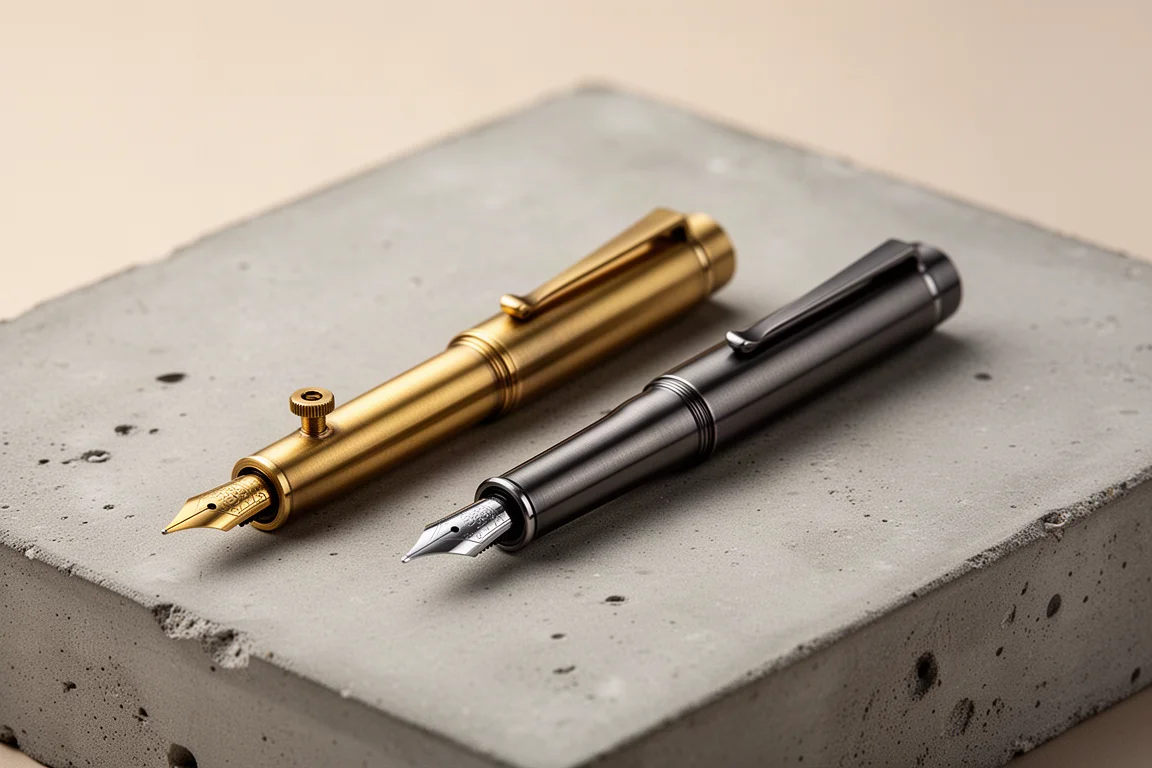
Retractable fountain pens solve a simple problem: they let you click or flick a nib into action without uncapping anything, which makes them ideal for quick notes at a desk or on the go. Two pens approach that idea very differently. The Pilot Vanishing Point Decimo is the slim, click-driven refinement of Pilot’s long-running retractable platform. The Ensso Bolt is a newer, fully machined pen that deploys its nib with a satisfying bolt action instead. This comparison looks at how each one is built, how it writes, and who each pen is really for.
The Ensso Bolt: A Bolt-Action Brass Machine Pen
Ensso makes machined pens with a distinct architectural character, and the Bolt is its retractable entry. It started as a Kickstarter project, with the first batch offered in titanium and later batches in other metals. The version reviewed here is the brass model, machined entirely from brass including the knob, the bolt action, and the internal parts. The packaging is deliberately minimal: the pen, two spare rubber seals, and nothing else.
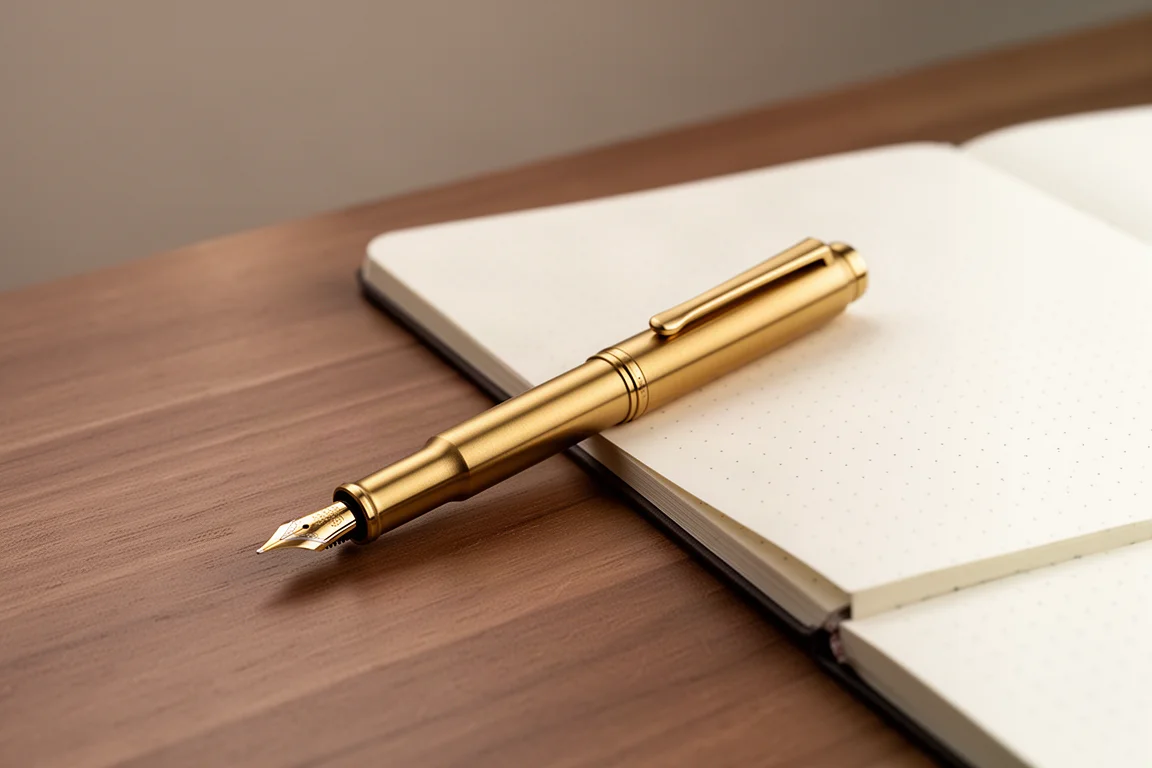
The Bolt began with the titanium version listed under $100, around $85. The brass batch was listed at $120, and a sale in early December brought it down to $96, which makes it a compelling price point for a fully machined retractable fountain pen.
How the Seal System Works
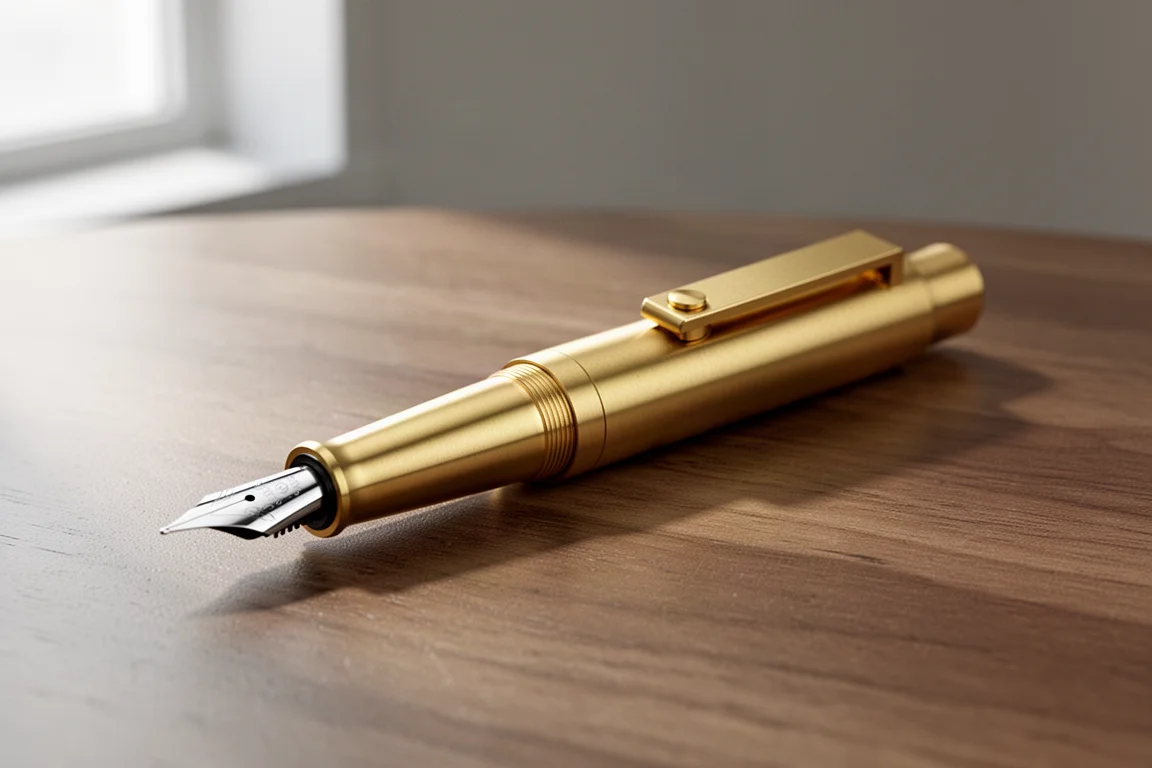
Instead of a capping mechanism, the Bolt keeps the nib wet with a rubber seal inside the nose cone. The seal is cut in a cross shape, so the nib pokes up through the flaps when deployed, and the chamber closes completely when retracted. The maker states the nib will stay wet for weeks. When retracted, the seal fits tightly over the nib unit, and because the pen is new, the seal can briefly hold the nib in place until it wears in. After a few activations, retraction becomes smooth, and continued use makes it smoother still.
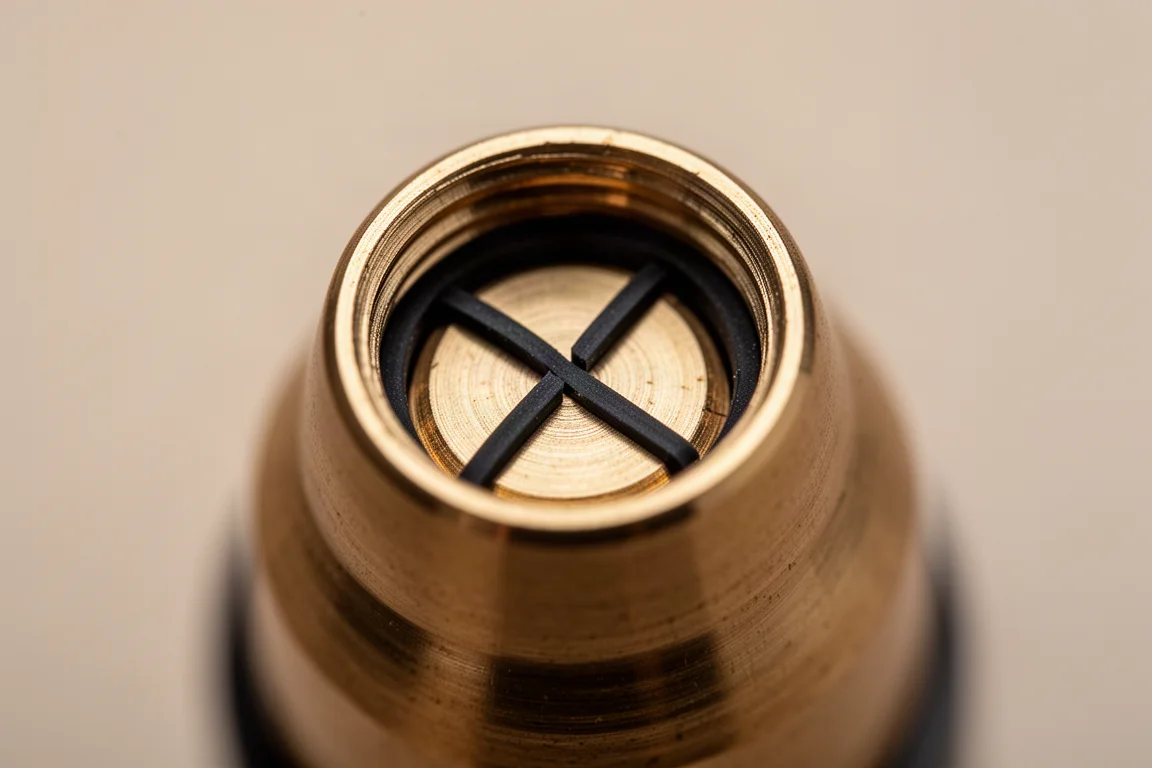
The seal unscrews for replacement, and the pen ships with two spare seals included. Even if a seal eventually wears out, swapping it is a matter of unscrewing the nose cone and poking the old seal out. It is a simple, serviceable design with very little to go wrong.
Nib, Filling, and Ink Capacity
The Bolt uses a conical steel nib wrapped around a long feed, visually similar in spirit to the Vanishing Point style. The titanium launch offered medium and fine nibs, while the brass batch added an extra fine option, and the nibs come from Japan. Inside, the nib unit slides out with a higher-quality spring than a standard ballpoint, and it comes with a standard international converter installed. That is a meaningful advantage over the Decimo, which relies on the small CON-40 converter. The standard international converter holds more ink and fills properly from a bottle. Cartridge use appears limited to long standard international cartridges at best, so converter filling is the intended mode.
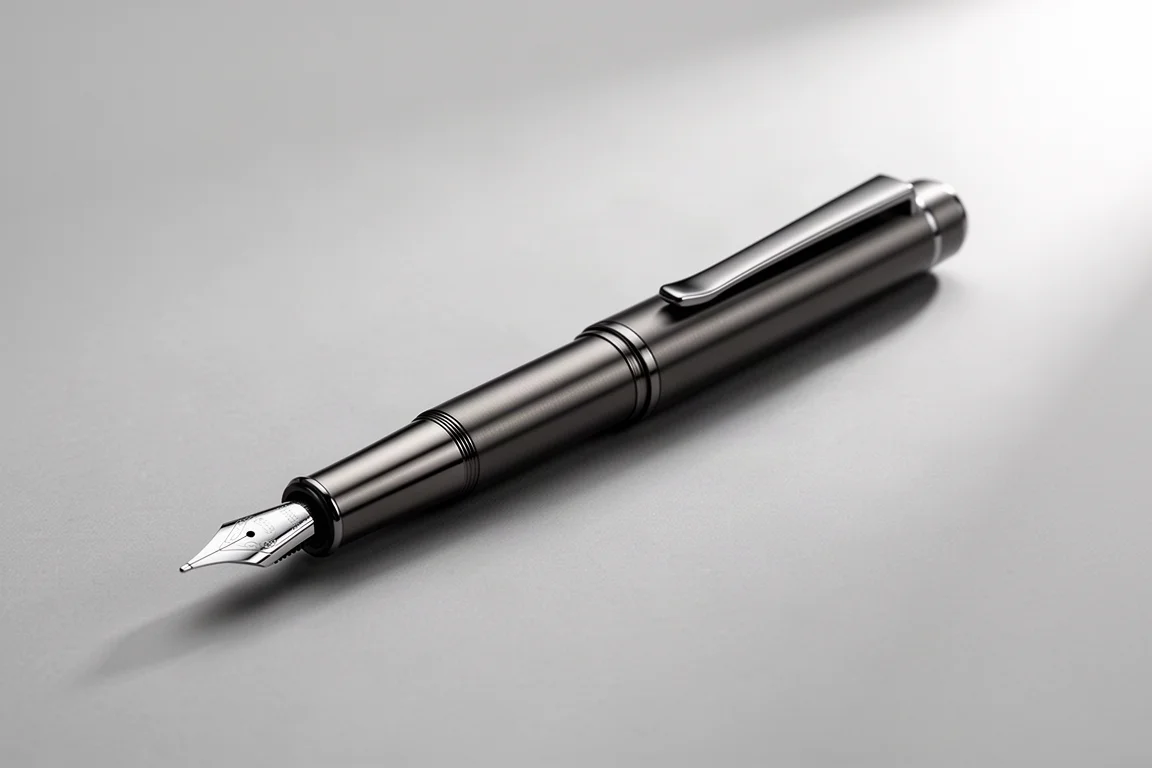
Writing Performance and Balance
The extra fine nib writes like a western extra fine: smooth, fairly wet, and forgiving. The conical nib shape gives some leeway on rotation, and it even writes acceptably upside down with a slightly finer line. Because there is no clip and the nib is conical, it can be hard to judge whether the nib is perfectly aligned, but in practice the pen writes well at most angles. One trade-off is nib creep: because of how the seal works, ink will show on the nib, and there is no way to keep it clean. If nib creep bothers you, this is not your pen.
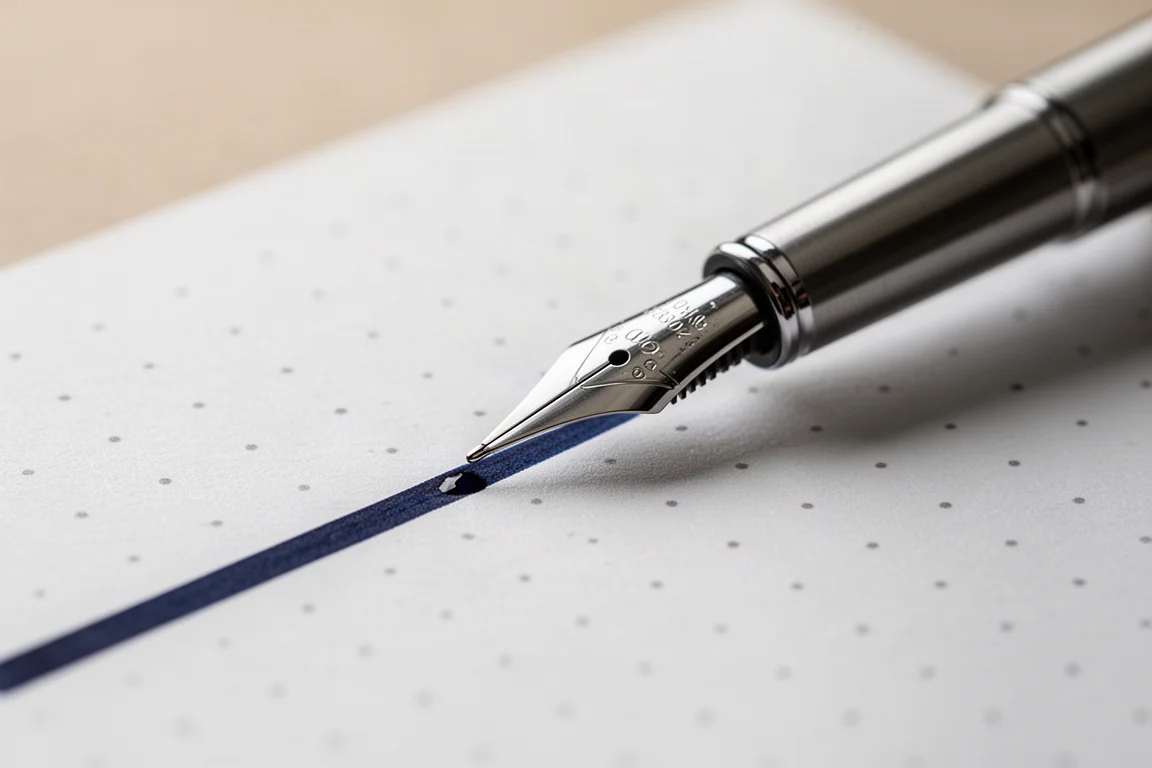
Balance is slightly rear-weighted thanks to the brass body and the ink sitting toward the back, but the balance point still falls near the middle of the barrel. The knob acts as an effective roll stop, and the optional clip mounts at the back, so it never interferes with your grip. Aligning the nib upside relative to the bolt takes a little fidgeting since there is no channel to key the nib unit, but most grips never come close enough to the bolt for it to matter.
The Pilot Vanishing Point Decimo
The Decimo remains the benchmark for slim click fountain pens. Its thinner format gives more control than the regular Vanishing Point, and the clip is easier to get a solid grip on, which is why many writers prefer it over the standard model. The click deployment is quick and satisfying, and the nib delivers the refined writing experience Pilot is known for. Its main compromises are the clip position at the grip area, the small CON-40 converter, and a higher price, typically at least $40 more than the Bolt even at the Bolt’s full $120 list price. A recent example needed to be sent in for service, which is a reminder that the more complex click mechanism simply has more parts that can wear.
Which One Should You Buy?
Side by side, the Bolt is even slimmer than the Decimo and about the same length with the click depressed, though heavier in full brass. The Bolt’s simpler bolt-action mechanism means fewer things to go wrong, a better converter, no clip in the way, and a lower price. The Decimo counters with a lighter build, an established track record, and a more refined click mechanism.
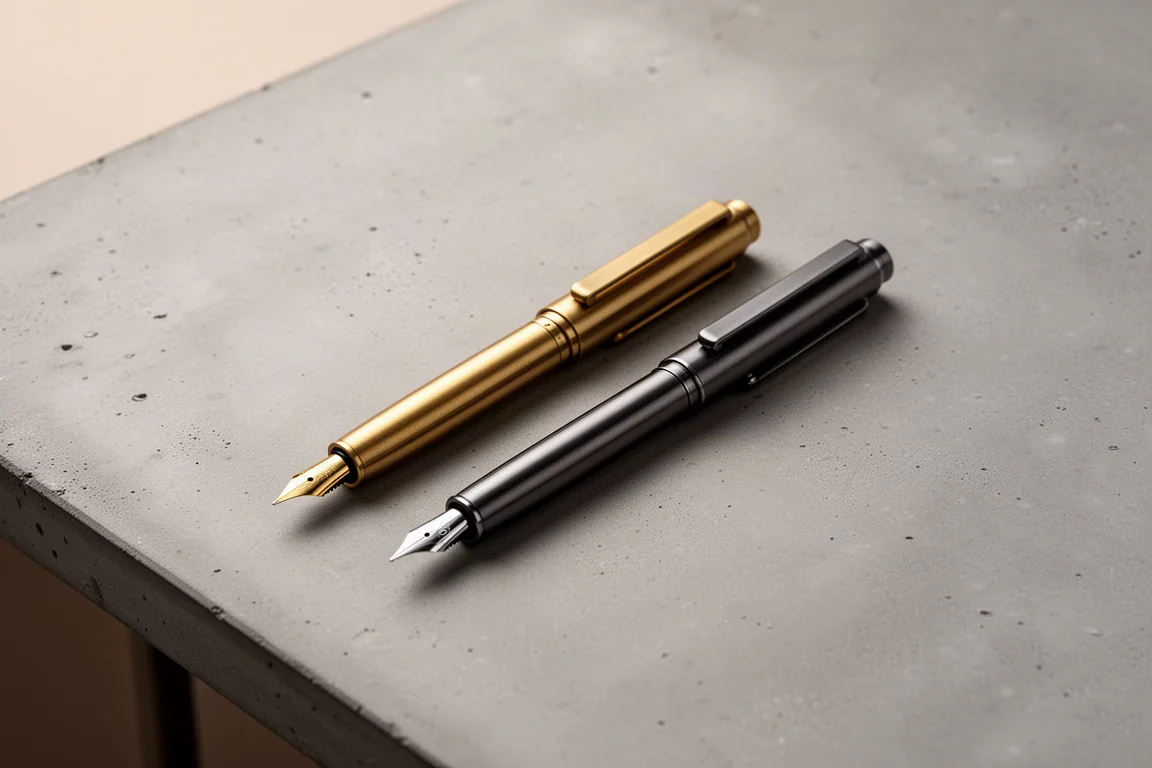
If you want a fully machined, architectural pen for longer writing sessions and everyday carry, the Bolt is an easy recommendation under $100, and arguably still a strong buy at $120. If you prefer a lighter pen with proven click deployment and do not mind the clip or the small converter, the Decimo is the safer, more polished choice.
Conclusion
The Ensso Bolt and the Pilot Vanishing Point Decimo both deliver on the retractable fountain pen promise, but they suit different buyers. The Bolt wins on value, ink capacity, and clean lines without a clip, with nib creep as the main quirk to accept. The Decimo wins on refinement and pedigree, at a higher price and with a smaller converter. Whichever way you lean, both prove that a fountain pen can be as quick and convenient as a ballpoint.
Further reading
Related Reviews
Fountain Pens
Best Budget Fountain Pens Tested: 9 Pens, One Clear Winner
A hands-on comparison of nine affordable fountain pens for everyday writing, calligraphy, and sketching, with a clear standout for flexible nib fans.
Fountain Pens
Aurora Optima Review: An Italian Piston Filler That Punches Above Its Price
A 14k gold nib, ebonite feed, and a beautifully deep oraloid body make the Aurora Optima one of the most rewarding piston fillers around.
Fountain Pens
Cross Bailey Light Review: The Entry-Level Fountain Pen Worth Keeping at the Office
A plastic-bodied Cross with a metal clip, snap cap, and famously smooth extra fine steel nib. Around $15, available almost everywhere, and easy to recommend.