Sports Nutrition
Energy Gels Ranked: Ten Gels Scored for Opening, Taste and Science
Ten energy gels assessed on packet opening, taste and sports nutrition science, with the trade-offs worth knowing before you buy a box.
Introduction
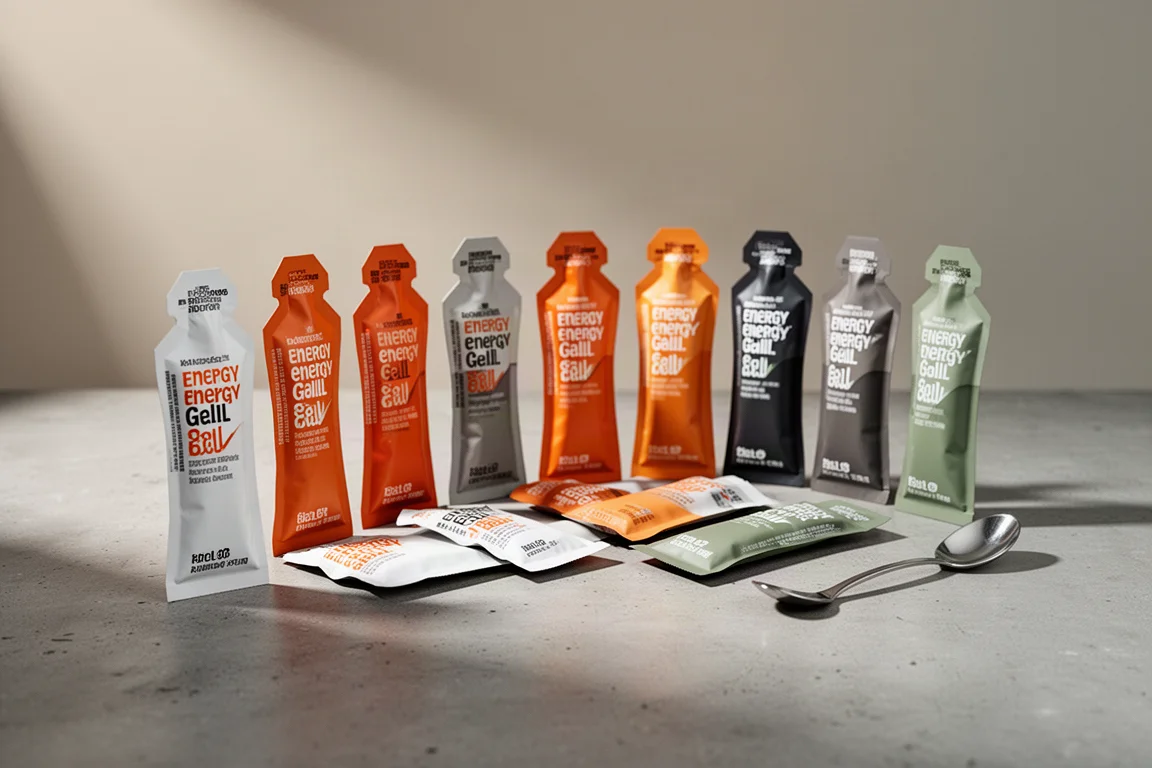
Energy gels are one of the few pieces of endurance kit where the difference between a good and a poor purchase shows up within seconds: in how the packet opens, how the gel sits in your stomach, and whether the numbers on the label actually support the fuelling rate you are aiming for. We worked through ten widely available gels, scoring each one out of 10 on packet opening, taste, and the carbohydrate science behind it.
The scores answer three practical questions. Can you open it cleanly at speed? Would you still want to eat it four hours into a ride? And does it deliver the carbohydrate, sodium and fluid behaviour that endurance riding demands?
How We Evaluated These Energy Gels
Opening covered how cleanly and quickly the packet tears, including the race-day reality of doing it one-handed with your teeth. Taste covered flavour strength, sweetness and texture, because palate fatigue is a genuine issue on long rides and a gel that is pleasant for one hour can become unbearable by hour four. Science covered the type and amount of carbohydrate, the glucose-to-fructose ratio, sodium content, and whether the gel needs extra fluid to be absorbed.
Price was recorded separately where a reliable figure was available, and it is worth treating cost per gram of carbohydrate as seriously as flavour. A gel that costs twice as much but carries twice the carbohydrate is not necessarily the expensive option, and a cheap gel with a low carbohydrate count can quietly leave you under-fuelled.
One theme recurred across the whole group: most of these gels carry little or no sodium. If your drink mix is your only sodium source, the overall fuelling plan becomes unbalanced. That is not a deal-breaker for every product, but it is worth knowing before you commit to a box.
SiS GO Isotonic Energy Gel Orange
A clear, uncoloured gel with a strong orange smell and a surprisingly subtle flavour. Texture drew a mixed reaction: the gel is lumpy and slightly bitty rather than smooth, which some riders will notice more than others. Opening was the weak point, with the tear failing to run cleanly and a little gel ending up on the table, good for 4 out of 10. Taste settled at 7 out of 10, helped by the fact that it is not overly sweet and stays palatable over a long ride.
The science is straightforward. A single carbohydrate source, maltodextrin, makes this a gel for riders targeting up to about 60g of carbohydrate per hour; above that, a dual-source product will serve you better. There is no sodium, so no meaningful electrolytes. The isotonic formulation is the genuine strength: it carries enough fluid to transport itself through the gut lining, so you do not need to chase it with water. Science scored 5 out of 10, at around £1.40 per gel.
Veloforte Tempo Energy Gel
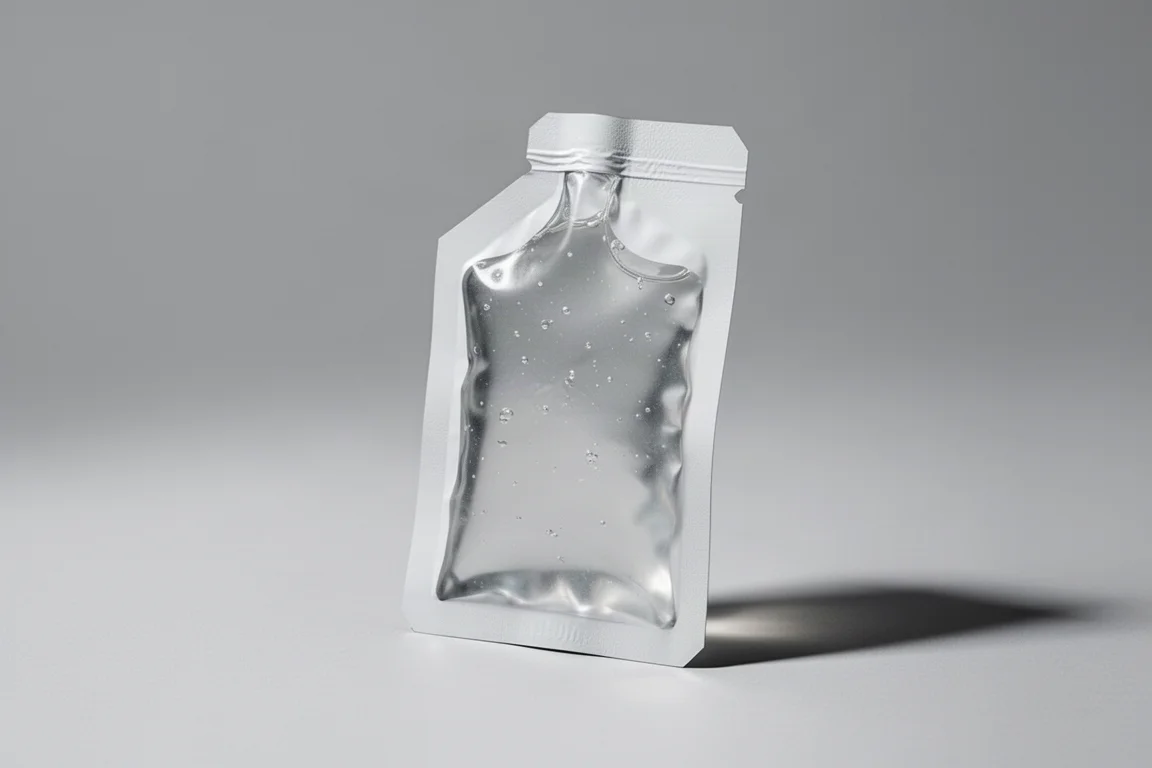
Date, lemon and ginger, made with real fruit and electrolytes, and the smallest packet in the group at 33g, roughly half the size of most of the others. It opened perfectly on the first attempt for 10 out of 10, the best opening result of the entire test.
The flavour is sharp and cordial-like, and the texture is noticeably smoother and more consistent than the SiS isotonic gel. Taste came in at 6 to 7 out of 10, with the caveat that the flavour is strong enough to become tiring. The label lists 22g of carbohydrate, 16g of it sugar, all from natural sources, with no published carbohydrate ratio and no sodium. Because there is so little fluid in the packet, it behaves as a hypertonic gel and needs water alongside it. At around £2.20 per gel and 22g of carbohydrate each, hitting 90g per hour means four or five packets. Science 5 out of 10.
Styrkr GEL50 Mixed Berry
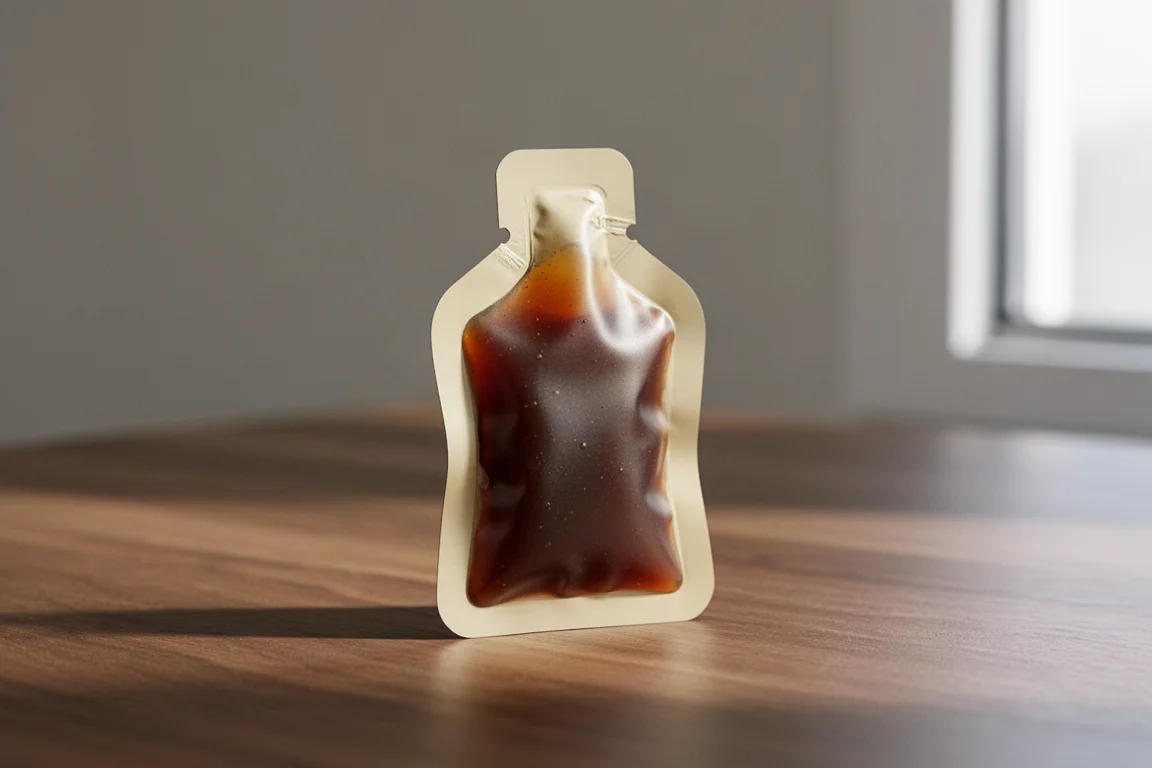
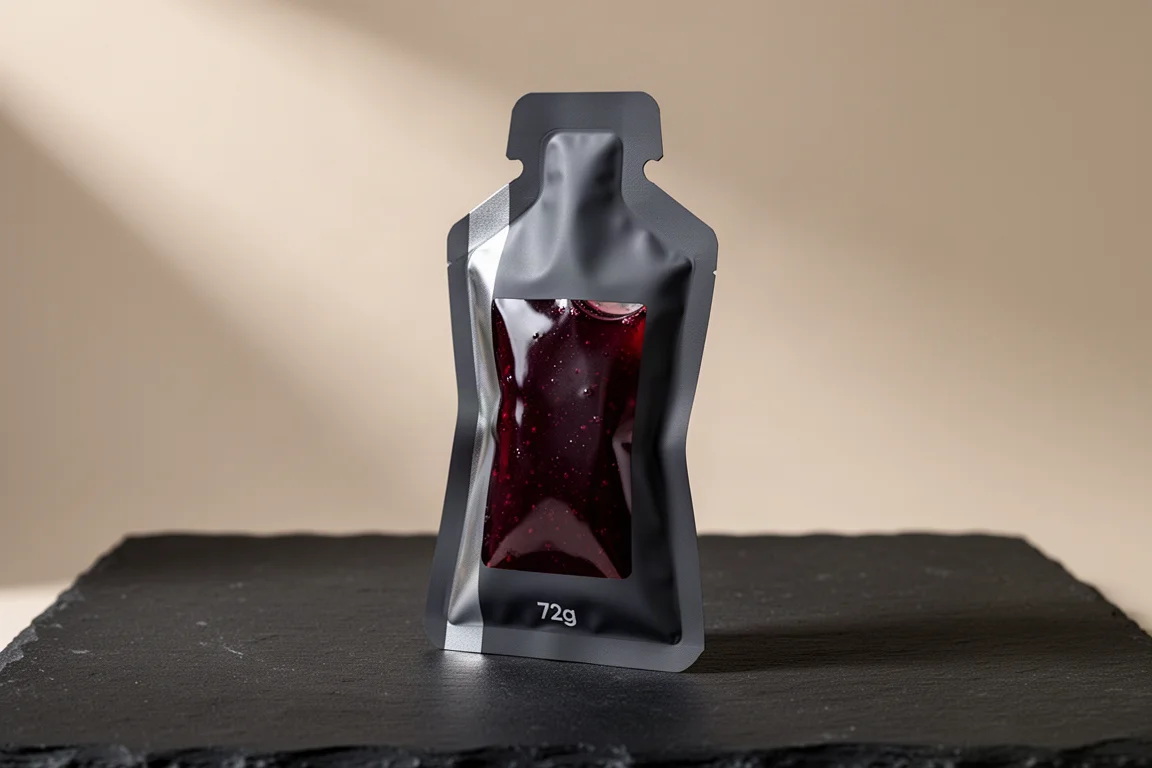
A dual-carbohydrate gel built around a 1:0.8 glucose-to-fructose ratio, with 50g of carbohydrate in a 72g serving. Opening was acceptable rather than elegant at 6 out of 10, but the taste was the standout of the first half of the test at 9 out of 10: very sweet, properly berry-flavoured, with a sharpness that stops short of being acidic.
The trade-off is digestibility. With 50g of carbohydrate in a relatively small volume, the gel is hypertonic and needs fluid with it, particularly if you are taking more than one an hour. There is no sodium. The “plasm tech” name on the packaging is a trademarked term with no published explanation behind it. Where this gel earns its place is high intake: 100 to 120g per hour, or races where you may not finish a packet in a single squeeze. At £2.50 it is the most expensive here, but 50g for £2.50 is competitive per gram. Science 8 out of 10.
Rawvelo Blueberry & Hibiscus Caffeine Energy Gel
A natural-ingredient gel with caffeine, and the most divisive flavour in the test. The packaging is genuinely well designed, and it opened cleanly although with more resistance than most, earning 7 out of 10. Taste scored 3 to 4 out of 10: hibiscus dominates over blueberry, and the caffeine adds a bitterness that reads as medicinal. Riders who enjoy that profile will disagree, but it is not a safe blind buy.
The caffeine dose here is modest and well below the roughly 3mg per kilogram of body weight that research associates with performance benefits, so treat it as an absorption aid rather than a stimulant. There is 20g of carbohydrate, no sodium, and no published carbohydrate ratio, which is a gap for an engineered product. At around £2.10 it is the most expensive gel per gram of carbohydrate in this group. Science 6 out of 10.
SiS Beta Fuel Orange
The second SiS gel in the test, and a different proposition: 40g of carbohydrate in a 60ml packet, using maltodextrin and fructose at a 1:0.8 ratio. The packet opened far more smoothly than the isotonic version, with a clean angled tear for 8 out of 10.
The gel is syrupy and the flavour is close to the isotonic orange, but the consistency is noticeably smoother. Taste landed at 7 out of 10, consistent with the first SiS gel. The 1:0.8 ratio pushes towards higher fuelling rates, which makes this a strong option for races of three hours or more, or for a big carbohydrate hit on a long ride. Sodium is close to absent, and taking more than one an hour will require gut training. Around £2.10 per gel, science 8 out of 10.
High5 Energy Gel
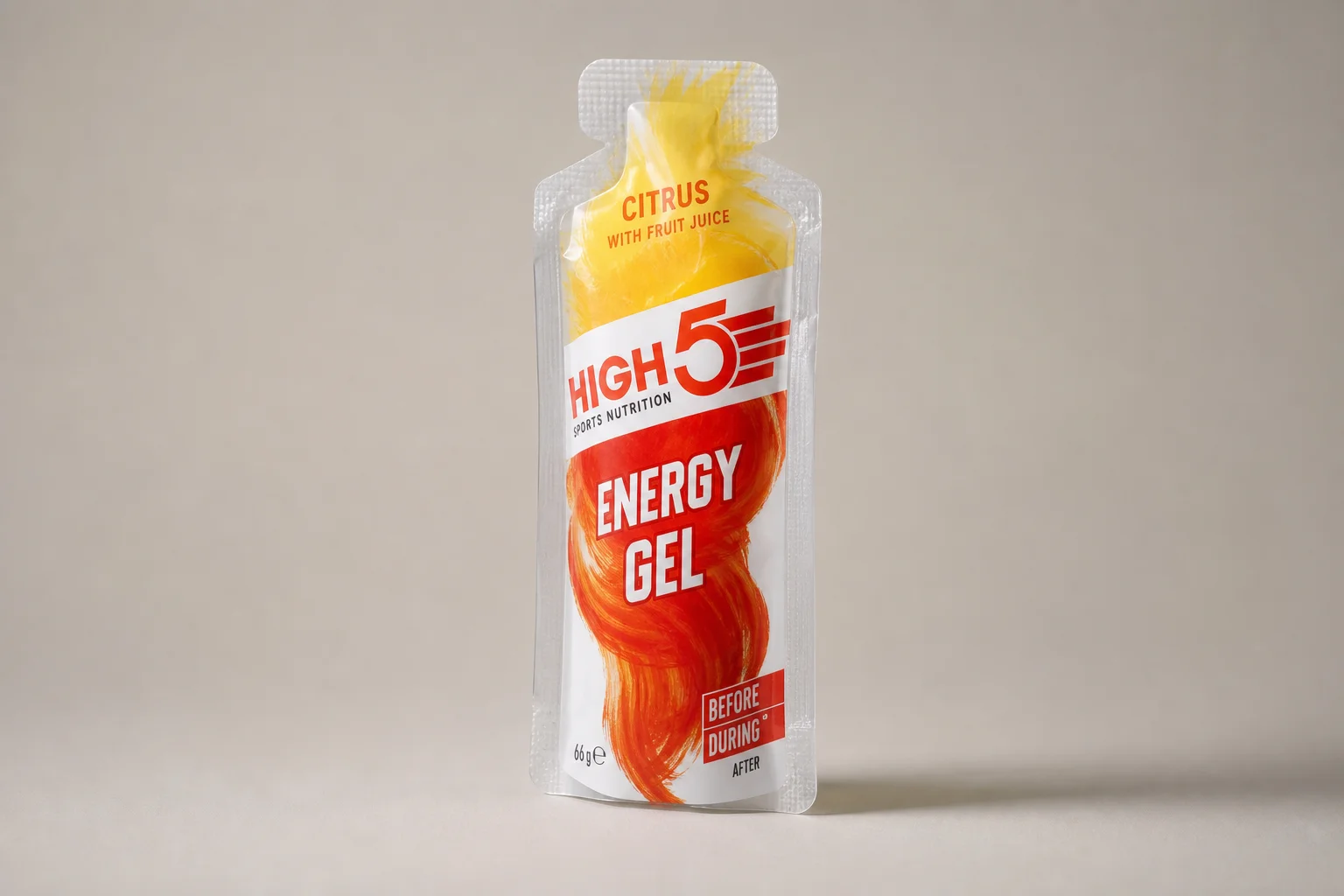
The cheapest gel on the list at around £1.19, and the flimsiest packet by some distance. It took three attempts to open, which in a race means being dropped, and it earned 2 out of 10 on that criterion. Taste was a pleasant surprise at 7 to 8 out of 10: light, fruity and reminiscent of weak fruit squash.
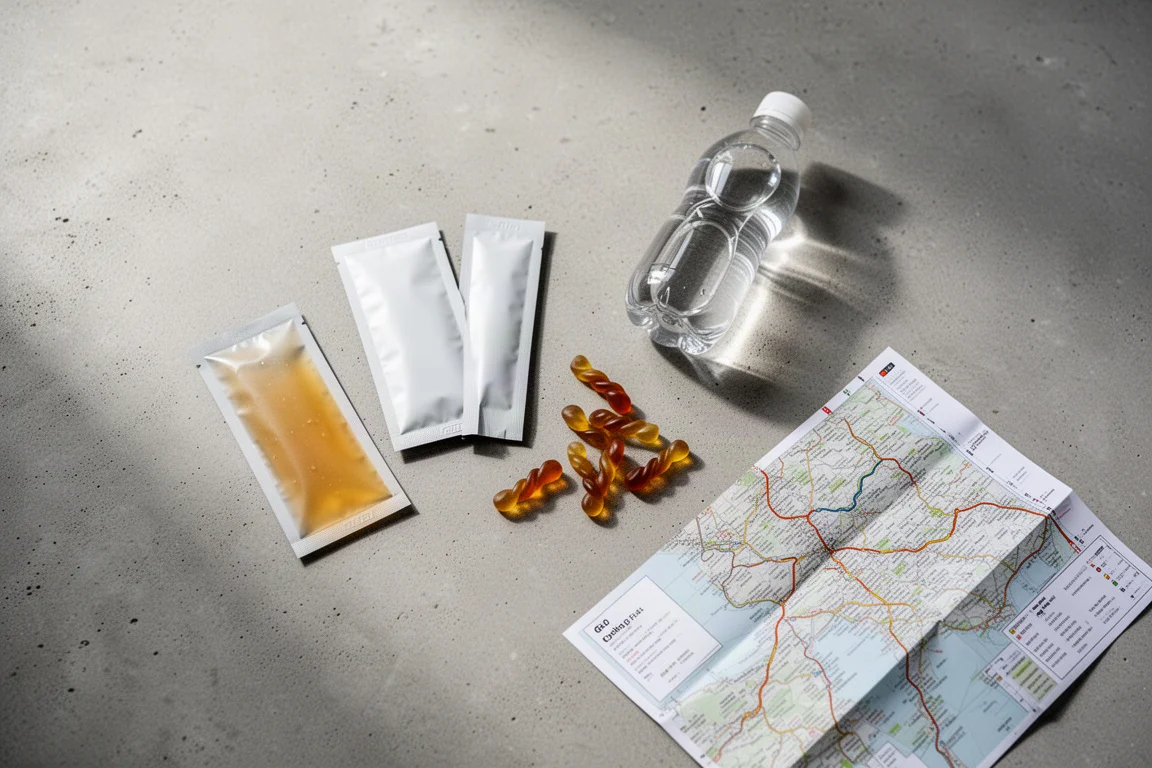
The science is where it gives ground. At 23g of carbohydrate from a single source, mainly glucose, it supports fuelling up to roughly 60g per hour, and going beyond that risks gastrointestinal distress. There is no sodium. For casual riding where you simply want a gel in your pocket, the combination of a low price and a likeable flavour is hard to argue with, particularly against natural-ingredient gels that cost nearly twice as much and publish less. Science 5 out of 10.
TORQ Energy Gel Rhubarb & Custard
Vegan, naturally flavoured, and built on a 2:1 maltodextrin-to-fructose formulation with five electrolytes and 50mg of sodium. The packet uses a tear top designed to stay attached so you do not drop waste on the road, and although the mechanism did not work cleanly, the intent deserves credit: 7 out of 10 for opening.
This is the thickest gel in the test by a wide margin, and the rhubarb and custard flavour is genuinely divisive. Taste came in between 6 and 8 out of 10 across the two of us, settling around 7. The published information is the most comprehensive of any gel here, and the 2:1 ratio supports around 90g of carbohydrate per hour, which is excellent for racing but short of the 100g-plus that a 1:0.8 product can reach. Around £1.75 per gel, science 7 out of 10.
Maurten Gel 160
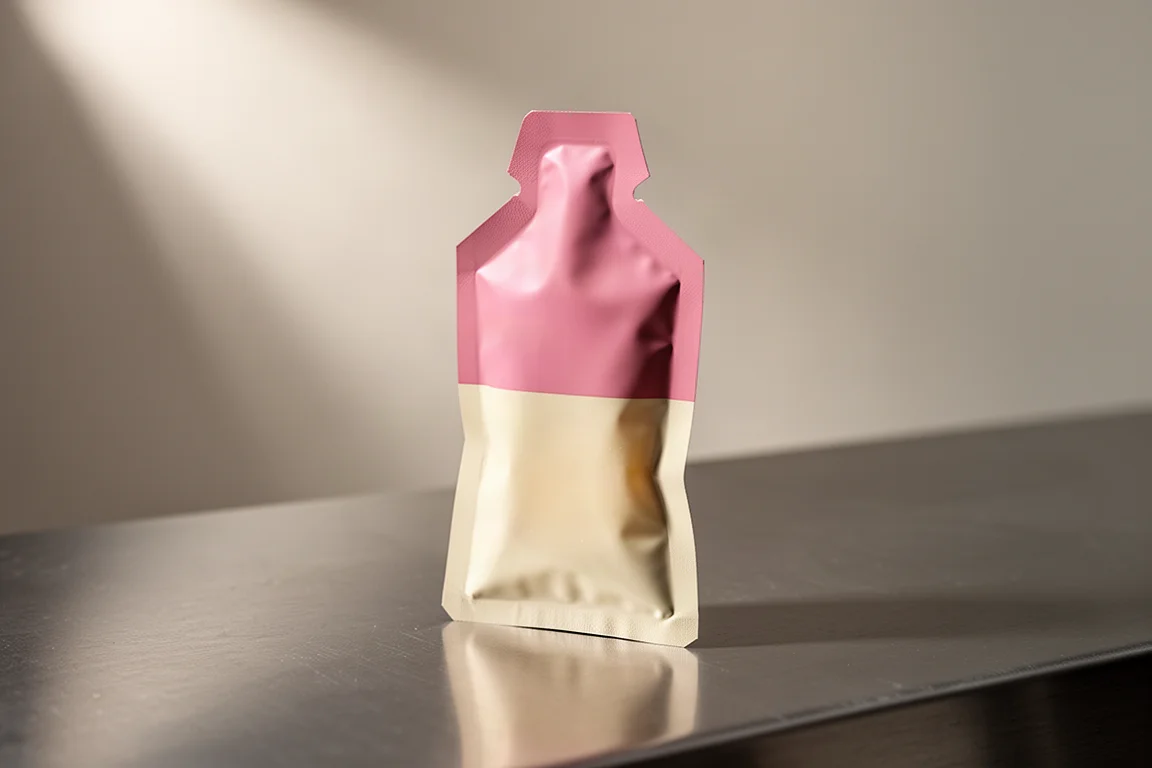
An expensive lesson in reading the label. The 160 on the front refers to calories, not carbohydrate; the 65g figure is the total packet weight. Inside there is 40g of carbohydrate at a 1:0.8 glucose-to-fructose ratio, with a short ingredient list.
The hydrogel technology that distinguishes this range has been studied independently, and the findings did not show a meaningful difference in the speed of carbohydrate transport or in gastrointestinal distress compared with conventional gels. The practical experience was poor: the packet tore badly and spilled, scoring 4 out of 10 for opening, and the gel is thick, jelly-like and intensely sweet with no real flavour, scoring 3 out of 10 on taste. Palate fatigue is a real risk with something this sweet and this plain. It cost £4.20 for a single packet bought in a shop, making it the most expensive gel here. Science 8 out of 10.
Maurten Gel 100 CAF 100
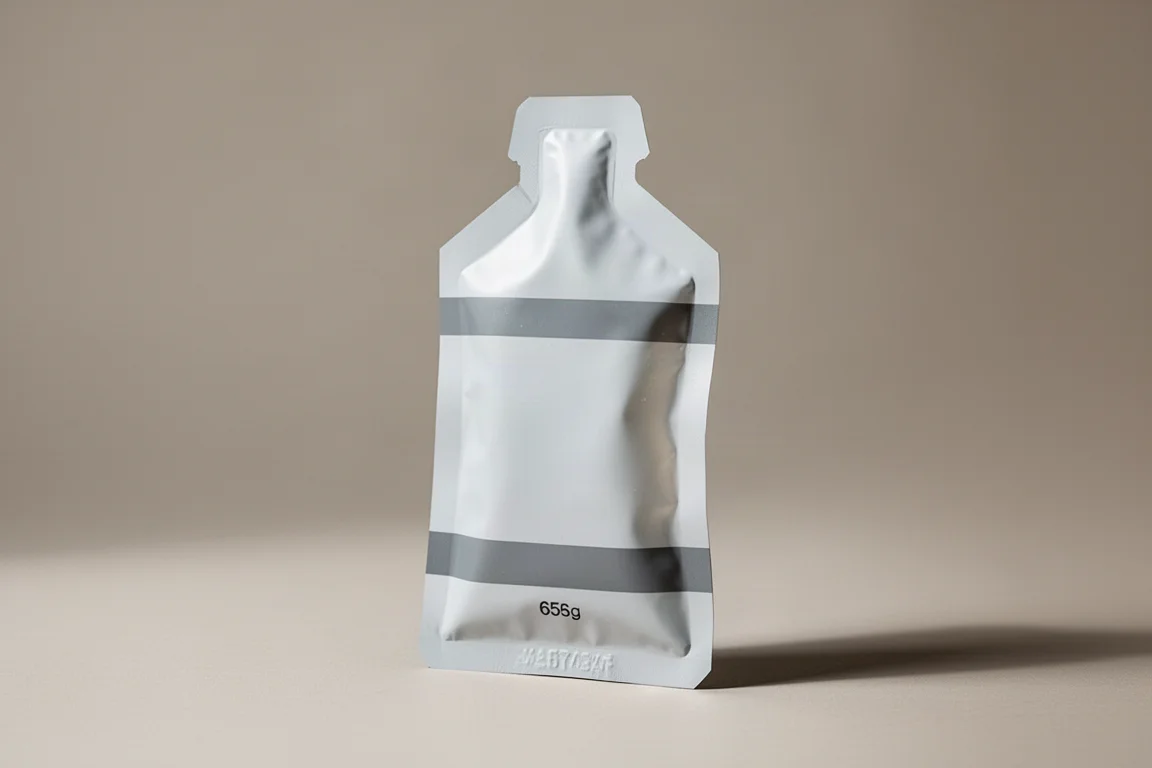
The same hydrogel platform in a smaller packet, with 25g of carbohydrate and 100mg of caffeine. The packet opened well for 7 out of 10. Taste was the lowest score of the entire test at 1 out of 10: intensely sweet with a bitter caffeine edge over the top, and a texture best described as slippery.
The caffeine dose is the useful part. At 100mg it is a sensible mid-race boost, and if you prefer to separate caffeine from your carbohydrate there are alternatives, including caffeine tablets or a caffeinated electrolyte drink in a second bottle, though those carry their own taste penalty. There is no sodium. At 25g of carbohydrate per packet you would need two or three an hour plus a drink to fuel a race properly, and that arithmetic is easy to get wrong when you are tired. Around £3.50 per packet, science 7 out of 10.
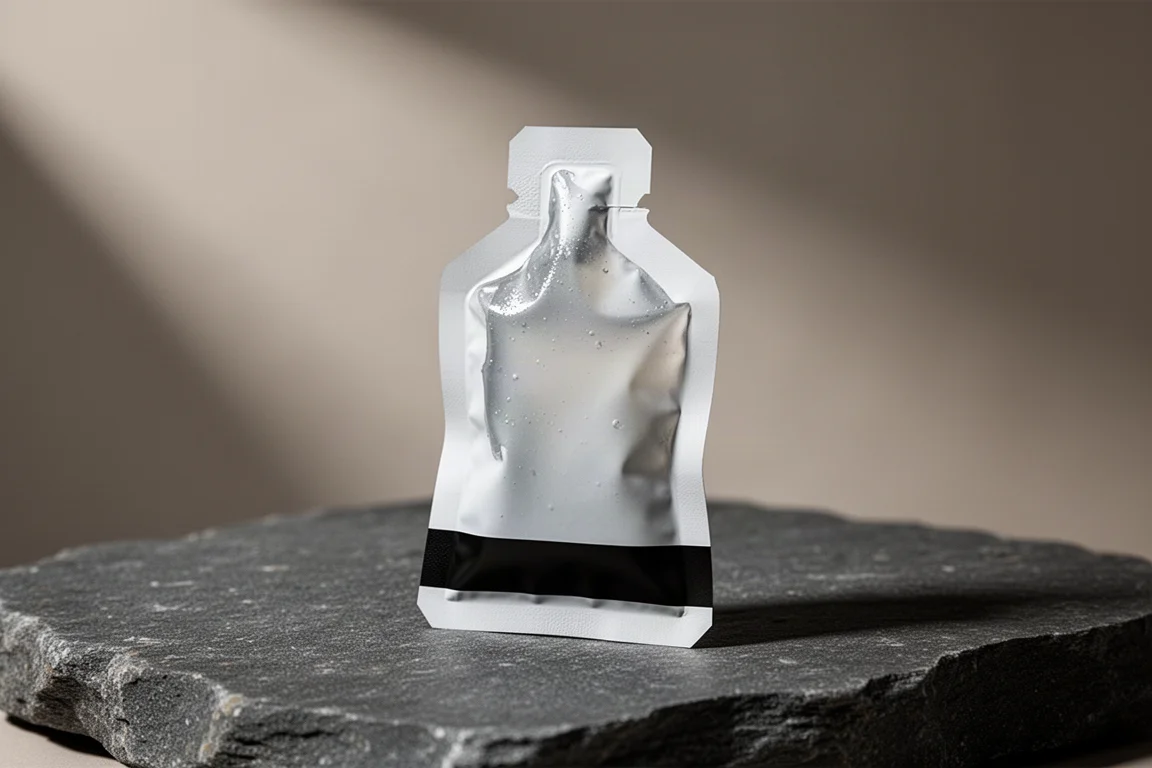
Haribo Soda Twist Zing
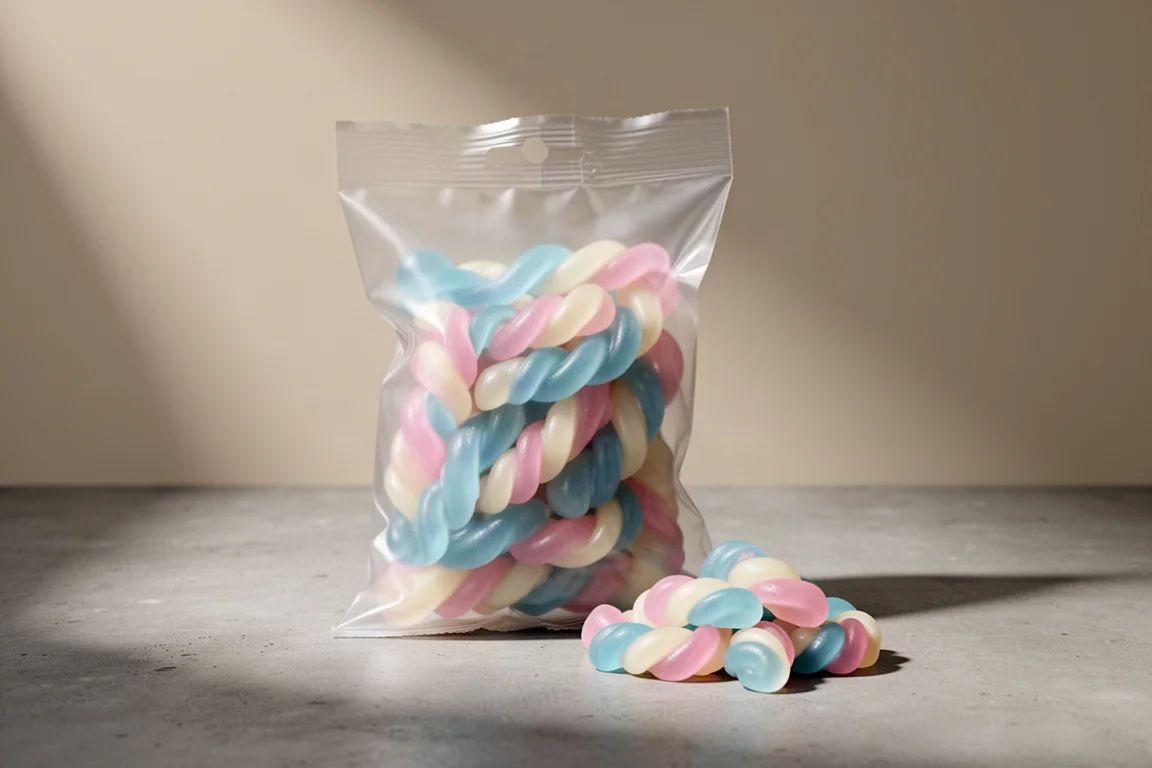
Not a gel, and included because it makes the comparison honest. A share-size packet of soft and sour twisted sweets costs around £1.25 and contains 145g of carbohydrate, delivered at close to a 1:1 glucose-to-fructose ratio simply through sugar. That ratio supports 100 to 110g of carbohydrate per hour, and it is the same principle the engineered gels in this test are built around.
Opening scored 5 out of 10: easy to open, but not one-handed at speed, so you would pre-open the packet into a jersey pocket, which at least keeps the pocket clean. Taste scored 9 out of 10 and the science 8 out of 10. There are caveats. You need fluid with it, and the packet contains acidity regulators and citric acid, which matters if you are eating large amounts over long events. This is not a race-day replacement for a gel, but it is a reminder that the supermarket aisle can supply serious fuel. Around £1.25 per packet.
Buying Advice
Match the gel to your fuelling target rather than to the flavour you like most. Single-source gels top out at around 60g of carbohydrate per hour, 2:1 formulations support roughly 90g, and 1:0.8 or 1:1 products are the ones that take you past 100g.
Check the fluid requirement. Isotonic gels carry enough water to move themselves through the gut, so they can be taken without chasing them with a bottle. Hypertonic gels, which include most high-carbohydrate and natural-fruit products, need water alongside them, and that matters most when you are taking more than one an hour.
Look at sodium. Most of the gels here contain little or none, and if your drink is your only source of electrolytes the overall plan becomes unbalanced. A gel with a meaningful sodium figure is easier to fit into a complete fuelling strategy.
Price per gram of carbohydrate is the number worth calculating. At one end of this test, a £1.25 packet of sweets delivers 145g of carbohydrate; at the other, a £4.20 gel delivers 40g. Somewhere in between, a £1.19 gel with 23g of carbohydrate is cheap per packet but needs three packets an hour to fuel a race properly.
Finally, count the mental arithmetic. Low-carbohydrate gels in the 20 to 25g range are easy to under-fuel with, because finishing one packet feels like a fuelling event even when it delivers a fraction of what an hour of hard riding requires. Gut training is the other half of the equation: if you plan to take more than one gel an hour, practise it on training rides before you rely on it in an event.
Conclusion
There is no single best gel here, only the best fit for the way you ride. If you want something you can take without water and keep eating for hours, an isotonic gel such as SiS GO does that job at a low price. If you are chasing the highest possible carbohydrate intake, the 1:0.8 products, Styrkr GEL50 and SiS Beta Fuel, are built for it, provided you drink alongside them. If flavour matters most, Styrkr and Haribo scored highest, with TORQ close behind. And if you simply want a cheap, pleasant gel for everyday riding, High5 undercuts everything else here.
Two products to approach with caution. The Maurten range scored well on formulation but poorly on taste and value in this test, with the Gel 160 especially hard to justify on price per gram of carbohydrate. Whichever you choose, buy a small quantity first, test it on a training ride, and only then commit to a box.
Further reading
Related Reviews
Sports Nutrition
Best Electrolyte Drinks 2026: 13 Products Tested for Taste and Performance
A comprehensive taste test and breakdown of 13 electrolyte products, from powders to tablets, with real-world performance insights for runners and endurance athletes.
Sports Nutrition
Budget vs Premium Energy Gels: Do Expensive Brands Really Perform Better?
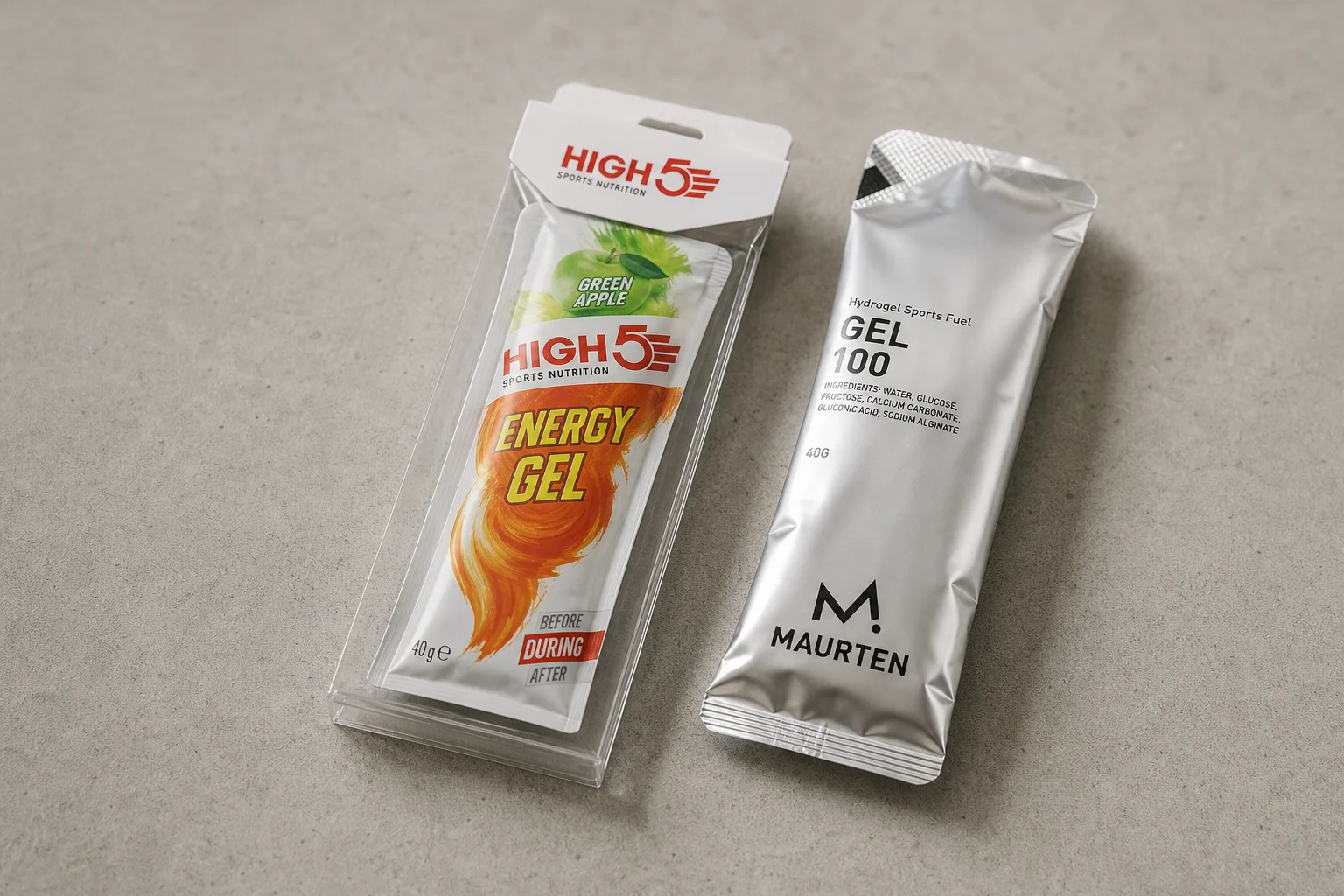
Testing High5 and Maurten gels head-to-head reveals that cheaper doesn't always mean worse, and expensive doesn't automatically mean better. Here's what actually matters.
Sports Nutrition
Energy Gels Compared: 10 Options for Endurance Athletes
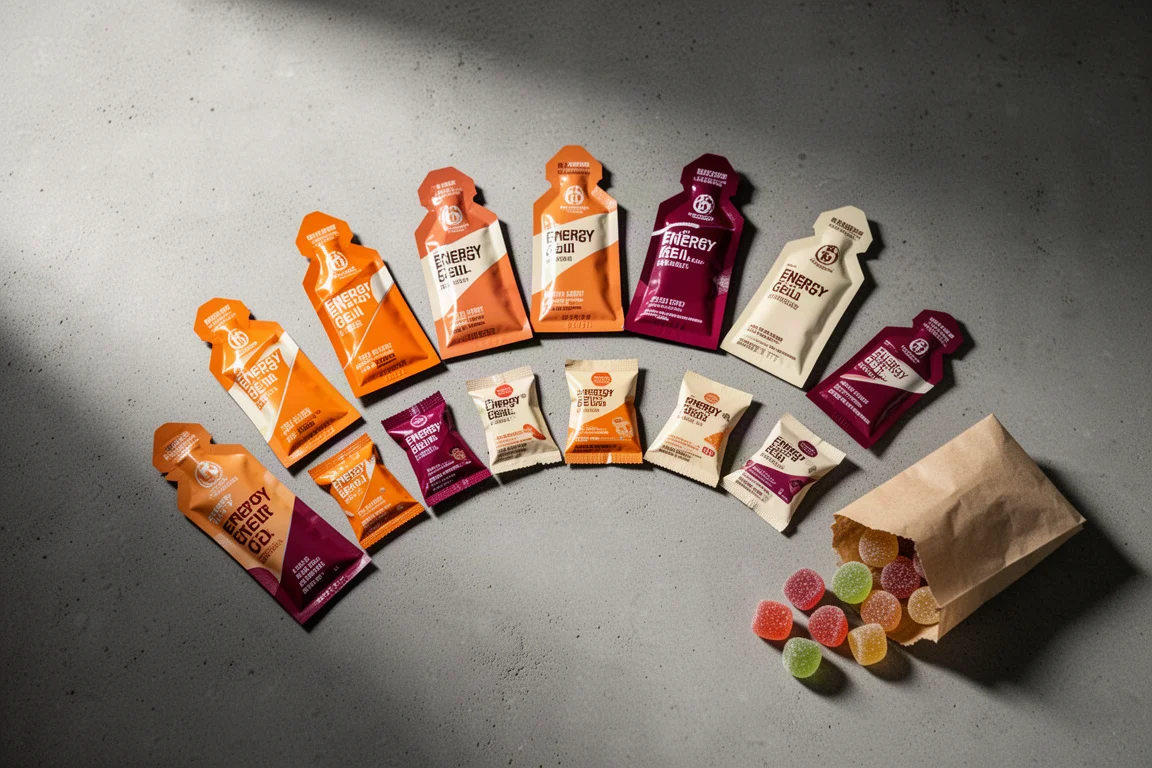
A practical comparison of ten energy gels plus one supermarket option, covering packet opening, taste, carbohydrate ratios and value per gram.