Running Shoes
Saucony Endorphin Trainer vs Puma MagMax: Max Cushion Daily Trainers Compared
Two of the most interesting max cushion trainers go head to head: Saucony's new Endorphin Trainer with IncrediRun foam over a plate, and the Puma MagMax, one of the best daily cruisers of the past year.
Introduction
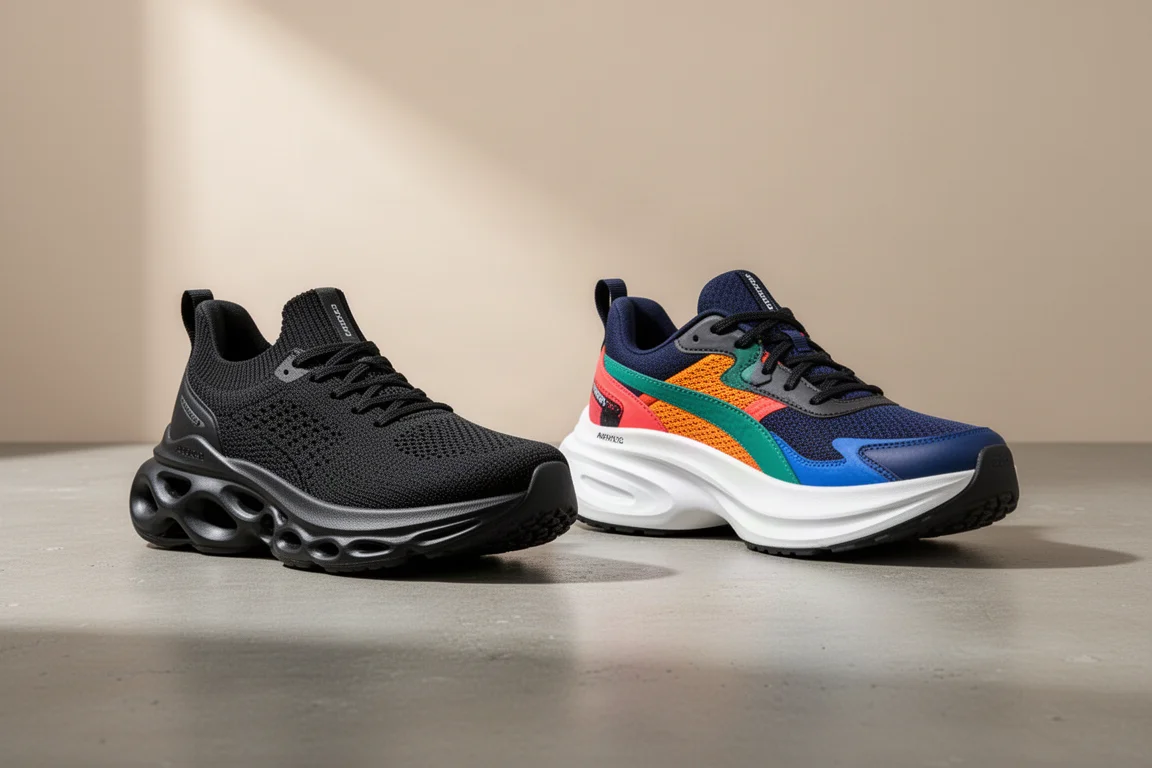
Max cushion daily trainers have become the most exciting category in running shoes, and two models currently define it: the Saucony Endorphin Trainer and the Puma MagMax. Both are tall-stacked, protective, mileage-friendly cruisers, and both sit at the same price point. Yet they take almost opposite routes to get there.
The Endorphin Trainer pairs Saucony’s newest race foam, IncrediRun, with a firmer standard EVA bottom layer and a three-quarter carbon plate. The MagMax is a single slab of Puma’s bouncy Nitro foam, no plate, with a wide, boat-like platform. Neither is designed to be a speed shoe, but each has a distinct personality worth understanding before you buy.

Saucony Endorphin Trainer: Race Foam in a Training Package
The headline here is IncrediRun, the foam that debuted in the Endorphin Elite on March 1st. Dropping that same exciting foam into a tall daily trainer is a bold move, and it is a surprise the shoe is still flying under the radar so early after release.
The construction is unusual: soft IncrediRun on top, a firm traditional PowerRun EVA layer underneath, and a three-quarter-length carbon plate. The EVA is noticeably firm out of the box, especially in the heel, and the first few runs can feel stiff. With around 28 to 38 miles in, the PowerRun began to break in and the ride felt softer and smoother. It is a shoe that needs a little patience.
The payoff is a smooth, pleasant, bouncy ride that is soft without being mushy. The upper is arguably the best step-in feel in the category right now: stretchy, soft, with a padded tongue and the beaded TPU PowerRun Plus insole. The fit tapers sharply through the midfoot, which helps keep weight down at 31.5 g in a US men’s size comparable test size.
Where it shines: long runs, easy aerobic miles, and even marathon-pace work. During a 20-mile long run with marathon pace repeats, it held up comfortably at around 6:05 pace. It will not match a dedicated tempo shoe like the Adidas Boston 13 for speed, and if you expect the same bounce as a true race shoe you may be disappointed. But as a comfortable, stable, high-mileage cruiser it is genuinely excellent, and it earns its “Trainer” name.
Puma MagMax: The Planted Workhorse
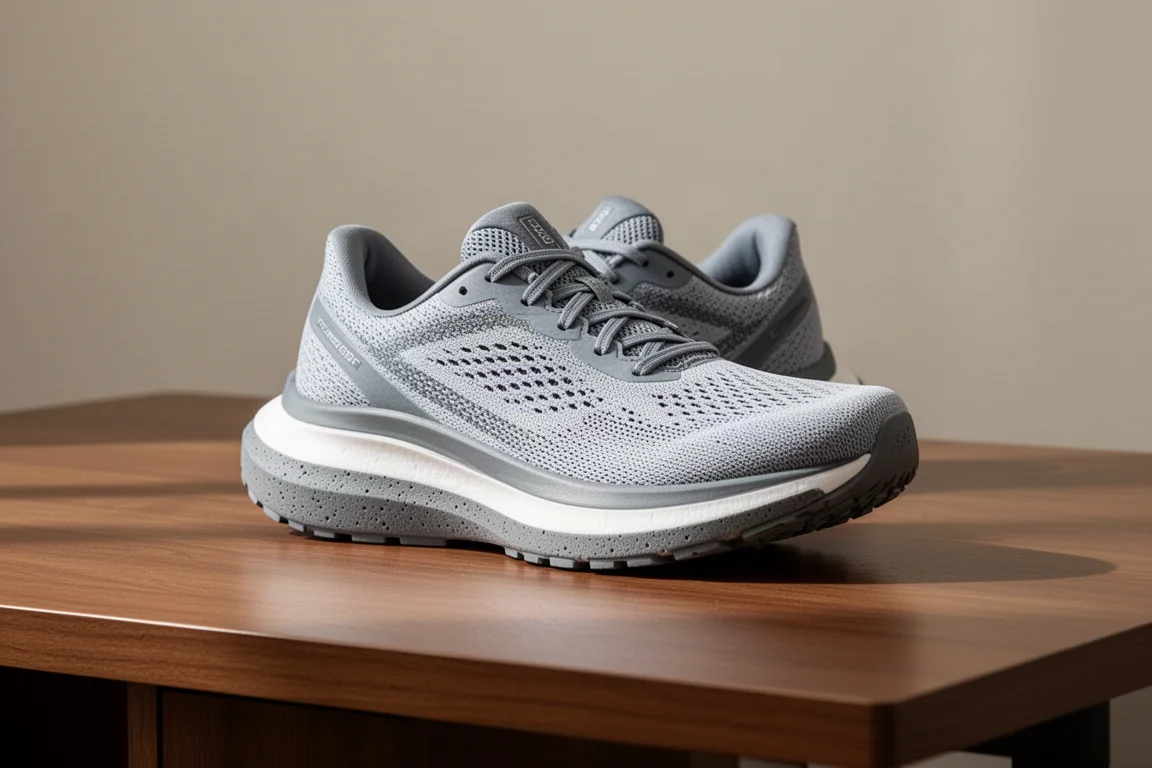
The MagMax (short for Magnify Maximum) is a single-foam, non-plated design, and it is a marvel of how much capability one slab of Nitro foam can deliver. It is the bigger and heavier of the two at 34.5 g in the same test size, with a wider base through the heel and midfoot and a lower, firmer stack that wraps up the sidewalls almost like a stability shoe.
That firmer foam and wide platform make it the most protective and planted of the pair. For bigger runners, or anyone who wants maximum security underfoot, it is a favorite, and it has earned its reputation as one of the best daily trainers of the past year with durability to match. Outsole wear at close to 200 miles has been minor, and Puma’s outsoles have long been among the best in the game.
The ride has a defined sweet spot. Below roughly 6:30 per mile, the shoe comes alive: put some effort into it and the bounce and inertia start doing more of the work. At true recovery paces, though, it can feel like a lot of shoe, and getting it moving at slower paces requires more input. It also suits faster everyday miles in the 6:30 to 7:30 range best.
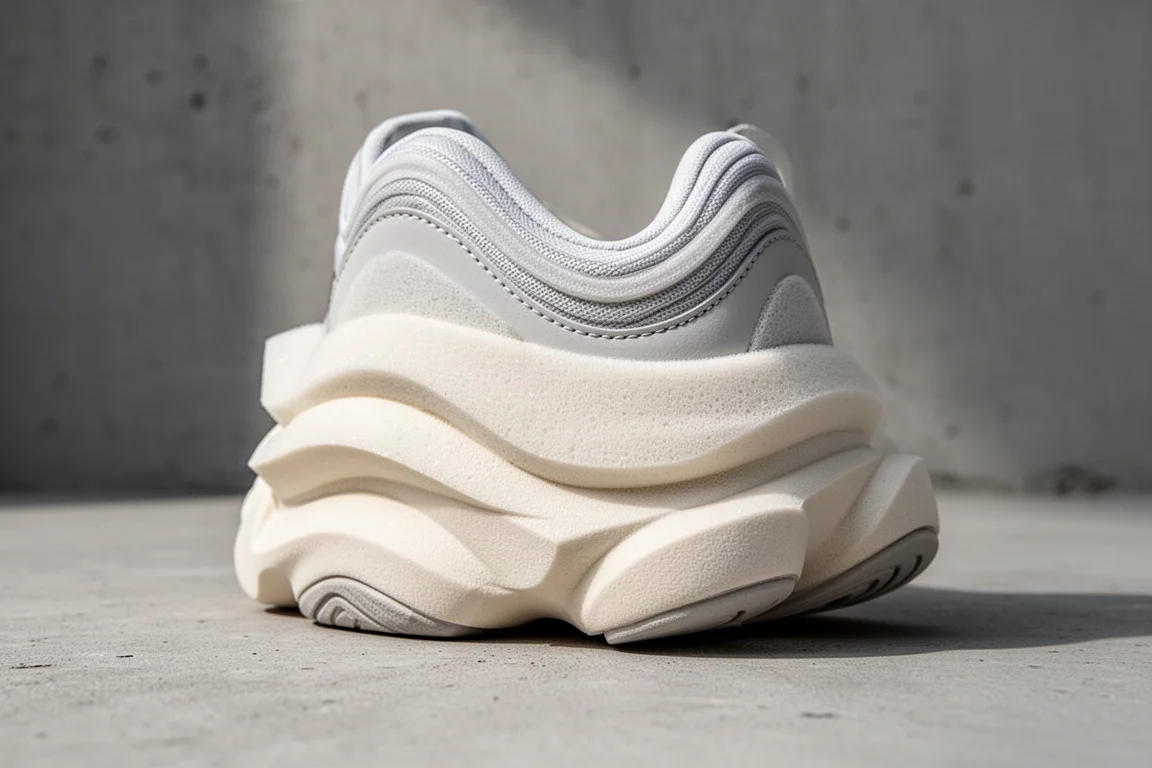
Fit is the main compromise: a narrow toe box and snug upper that some runners adapt to easily, but that is not the coddling step-in experience of the Endorphin Trainer. Durability and grip remain its calling cards, especially in wet weather, where Puma’s outsole is widely regarded as best in class.
Head to Head: How They Differ
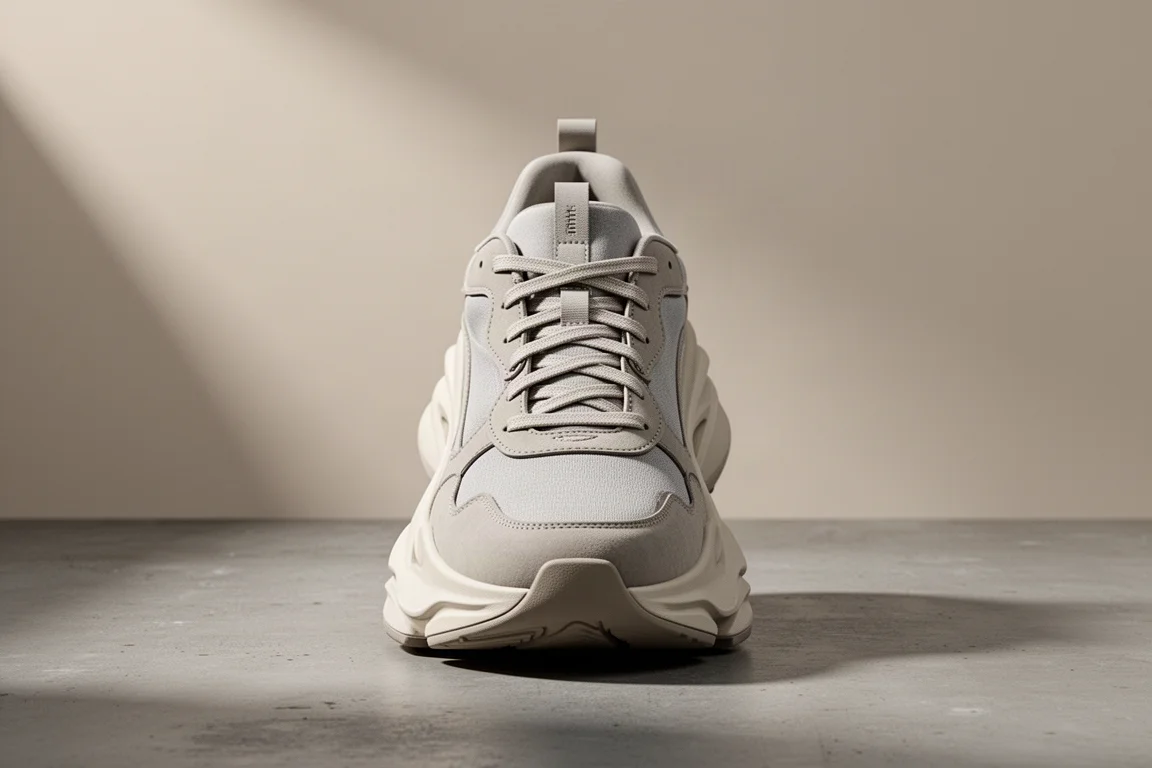
The two shoes are more similar than they are different, which makes the differences more interesting. The Endorphin Trainer is taller in the heel, narrower through the midfoot and forefoot, and about 15 g lighter on foot, making it the more navigable, streamlined option with a genuine race-day feel thanks to the carbon plate.
The MagMax counters with a wider footprint, more foam wrapped up the sidewalls for near-prescriptive stability, and a firmer, more protective feel. Foam protection and wet-weather grip go to Puma. Step-in comfort, upper feel, and ride smoothness go to Saucony.
For pace range, the Endorphin Trainer is the more versatile shoe, performing well from recovery paces up through marathon-pace efforts. The MagMax has a narrower zone where it is truly great, but within that zone it is superb. Both work the hips more than lower-profile shoes when running fast, a common trait of tall, higher-drop trainers.
Buying Advice: Which One Should You Pick?
Choose the Endorphin Trainer if you want a lighter, smoother, more versatile daily trainer with a race-day feel. It is the stronger pick for marathon training long runs with pace work, and a great option if you want one shoe that handles recovery days, easy miles, and moderate uptempo efforts. The standard EVA underfoot will turn off foam purists, but if you can look past it, the package works remarkably well.

Choose the MagMax if you prioritize maximum protection, stability, durability, and wet-weather confidence, especially if you are a bigger runner or your easy pace sits in its ideal 6:30 to 7:30 range. It remains one of the best shoes in the category, and the Endorphin Trainer is not so much a replacement as a new alternative with a different flavor.
Conclusion
These are two of the best max cushion trainers available right now, and neither is a clear winner overall. The Endorphin Trainer is the newer, more versatile all-rounder with exciting foam and superb comfort; the MagMax is the proven, planted workhorse with unmatched protection and grip. Match the shoe to your paces, your size, and the weather you run in, and both are easy to recommend.
Further reading
Related Reviews

Running Shoes
Best Road-to-Trail Running Shoes: Three Versatile Options for Mixed Terrain
A practical guide to three road-to-trail running shoes that handle both pavement and mild trails, with clear strengths and trade-offs for different runner types.

Running Shoes
Best Running Shoes for Achilles Tendonitis: Three Options Explained
Three running shoes with different heel drops and support features designed to help reduce Achilles tendon pain during walking and running.

Running Shoes
Best Running Shoes for Women: Five Top Choices Ranked
A ranked guide to five women's running shoes, from versatile daily trainers to high-performance racing options, with real strengths and trade-offs for each.