Running Shoes
Ena Athletics Proto Runner 1 Review: A Bold First Step for a New Greek Running Brand
The first ever shoe from Ena Athletics is a carbon plated race day marathon shoe with an unusual decoupled midsole, plush 3D knitted upper, and one very notable trade-off: weight.
Introduction
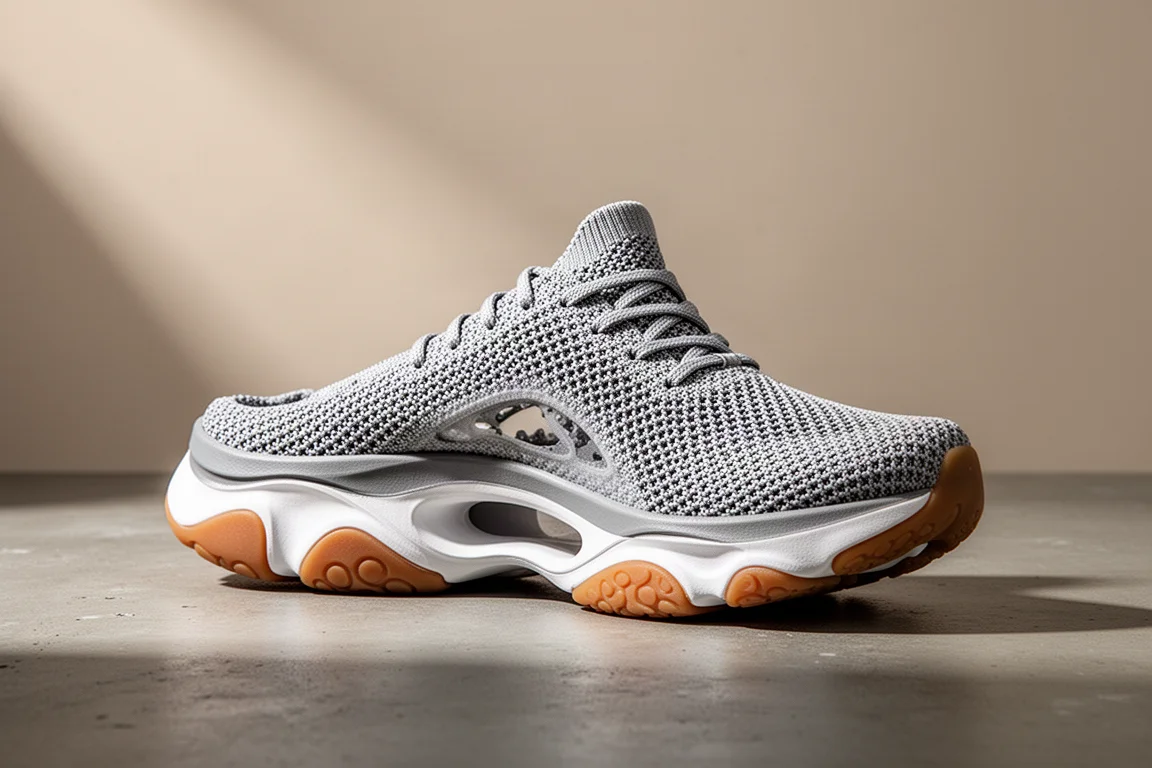
2024 brought a wave of exciting new running shoes, but the year was not quite finished when a pair arrived from a brand new running brand out of Greece. The Ena Athletics Proto Runner 1 is the company’s first ever shoe, and it goes straight for the deep end: a carbon plated race day marathon shoe, a category dominated by Nike, Adidas, ASICS, Hoka and New Balance.
The big question is whether Ena Athletics is simply jumping on the carbon plated bandwagon or has genuinely created something new and exciting. After putting the shoe through a nine-mile first run straight out of the box, here is how it stacks up.
Specs at a Glance
The Proto Runner 1 retails for €230, which is a serious price for a first shoe from a new brand. In a UK 9.5, the shoe tips the scales at 291g, which feels heavy for a shoe designed with performance in mind. The heel offset is 8mm, with a midsole stack of 33.5mm at the heel and 25.5mm under the forefoot.
Upper Construction and Fit
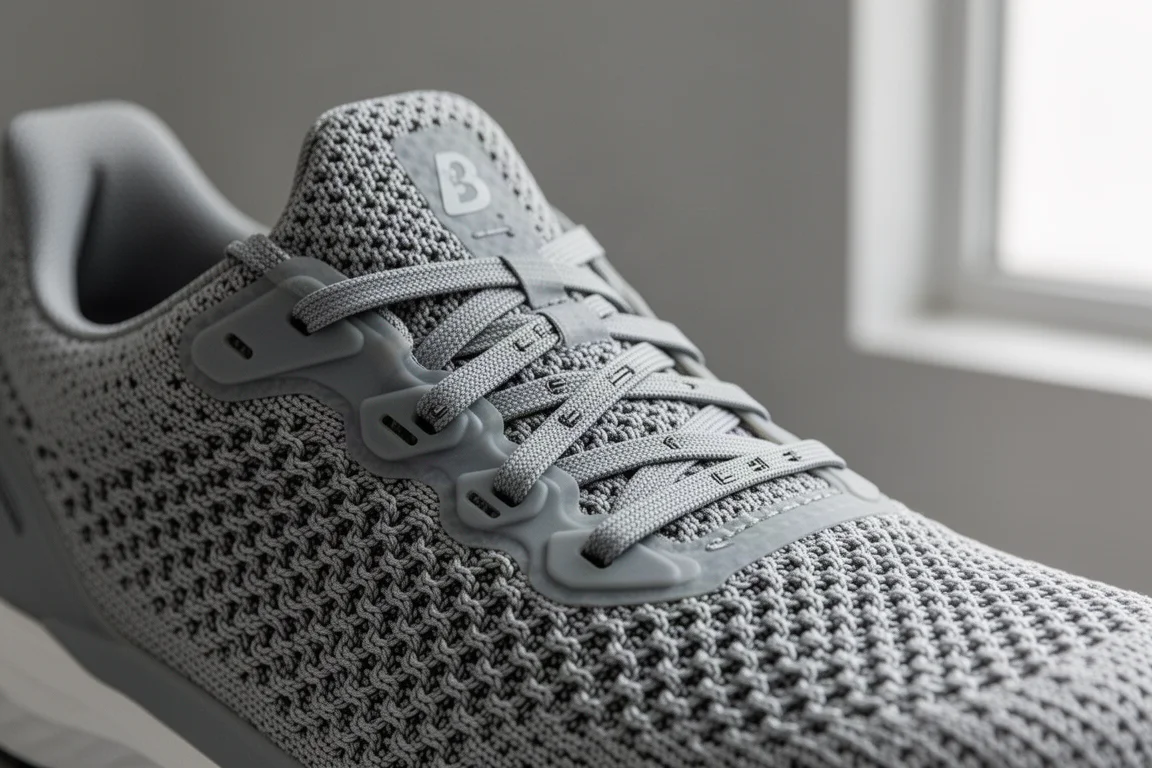
The upper uses a 3D knitted fabric that feels plusher and softer than the matrix-style materials some brands use on trail shoes, with a distinctive woven look that resembles fabric chain mail. It features recycled TPU and TPE for durability, enhanced with nylon for better comfort and fit. Structural overlays sit around the heel counter and wrap around the lace eyelets for extra durability.
The laces carry small notches that lock down securely, similar to the excellent laces on the Nike Vaporfly, and they stayed locked in throughout the entire run. The heel and tongue design is fairly stripped back, but clever zonal padding on either side of the heel and down the center of the thin gusseted tongue keeps things comfortable.
In terms of fit, the shoe runs true to size with good length in the toe box, but it is a very narrow shoe. The fit resembles the Nike Vaporfly 2: narrowed toe, strong midfoot lockdown, and a good hold in the heel. Runners with wider forefeet will likely struggle. The initial tight, constricting feeling in the toe box did ease off as the run went on, though it remained a fitted shoe rather than a roomy one.
Midsole, Plate and Outsole
The midsole design is the most interesting part of the shoe. It uses a Silphian 35% biobased foam intended to deliver shock absorption and rebound while reducing environmental impact, paired with an ultra-lightweight durable carbon fiber plate for energy return, propulsion and running economy. The design echoes some of Puma’s performance-driven carbon plated midsoles, with a big decoupled void running across the midfoot.
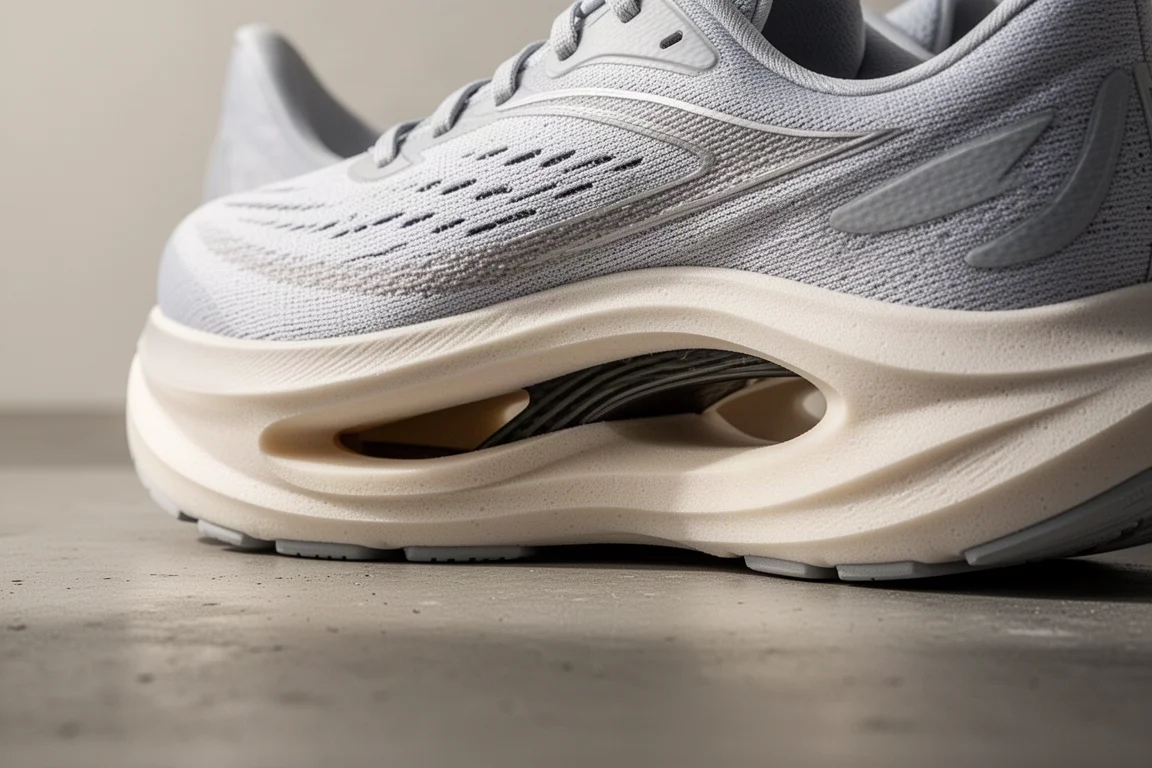
Underfoot, there is a generous helping of high-grip organic rubber on the heel and forefoot, which should hold up well across a range of conditions.
Ride Feel and Performance
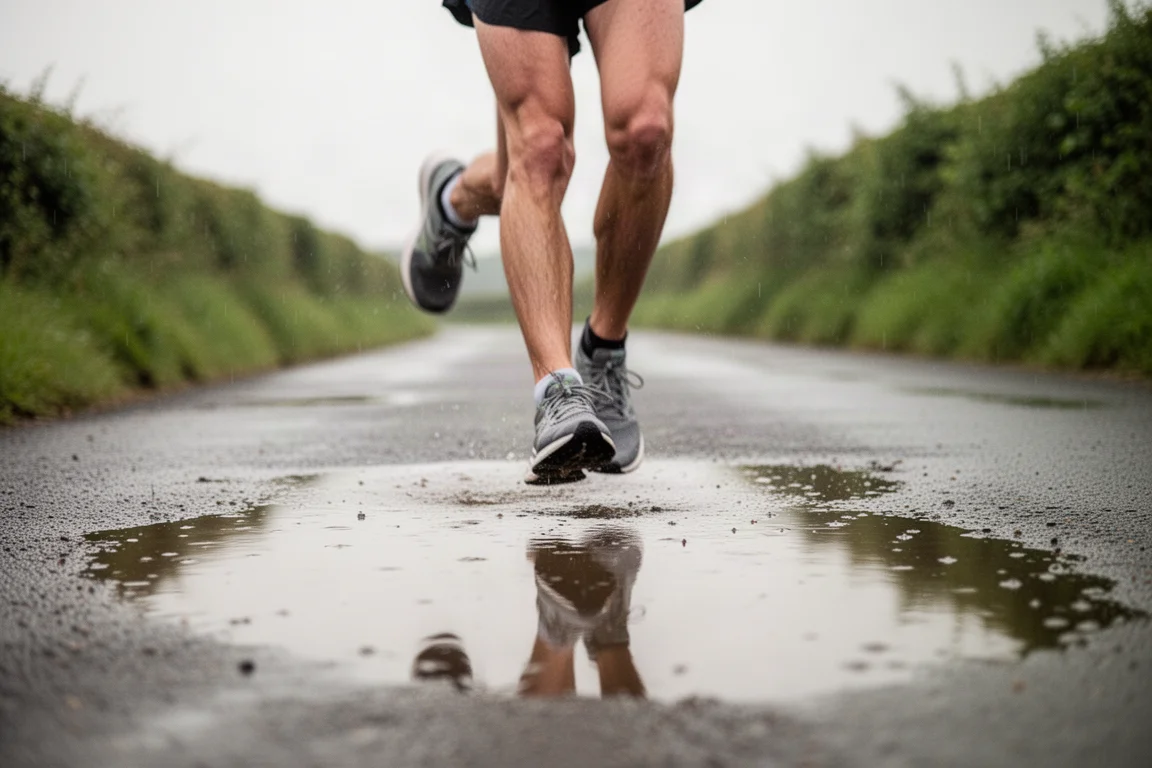
The test run covered 9.14 miles straight out of the box, and every one of them was enjoyable. The midsole turns over well with a nicely cushioned ride and noticeable energy return, though perhaps slightly less pop than hoped. The geometry feels spot on: the shoe really wants your legs to turn over quicker, delivering forward momentum and efficient transitions through to toe-off, reminiscent of early speedroll-style designs.
The decoupled midfoot void gives the shoe a pleasant flex at the midfoot despite the deep stack and carbon plate, which is a genuinely interesting sensation for anyone who has never run in this kind of construction. The 3D knitted upper stayed comfortable and issue-free for the full distance, and the zonal padding around the ankle did its job well.
Things to Consider Before Buying
The elephant in the room is weight. At 291g in a UK 9.5, this is a heavy carbon plated performance shoe, and most runners shopping in this category would expect something closer to 250g or less. Competing marathon race day shoes from the established brands do a similar job at significantly lighter weights, and that alone will put many runners off.
There is also the fit consideration: this is a firmly narrow-footed shoe, and runners with any width through the forefoot will find it constricting, at least initially.
Who Should Buy the Proto Runner 1
Despite the weight, there is a real use case here. The Proto Runner 1 makes sense for quicker sessions throughout the week, or for heavier runners who want a marathon race day shoe with a bit more substance and stability underfoot than the more stripped back carbon plated options, provided they have a narrow foot shape.
Considering this is the brand’s first ever shoe, the build quality and construction of both the upper and midsole are genuinely impressive. With a few small tweaks to bring the overall weight down, Ena Athletics would have a very good carbon plated shoe on its hands.

Conclusion
The Proto Runner 1 is a strong debut: beautifully built, comfortable over long distances, and with a distinctive midsole design that delivers efficient, forward-rolling ride. The main obstacles are the 291g weight and the narrow fit, both of which will narrow its appeal in a very competitive market. For narrow-footed runners who value stability and substance in a race day shoe, it is well worth a look.
Product link
View more details for Ena Athletics Proto Runner 1
This product is mentioned in the review. Check the specifications, options, and compatibility before buying.
View more details for Ena Athletics Proto Runner 1Further reading
Related Reviews

Running Shoes
Best Road-to-Trail Running Shoes: Three Versatile Options for Mixed Terrain
A practical guide to three road-to-trail running shoes that handle both pavement and mild trails, with clear strengths and trade-offs for different runner types.

Running Shoes
Best Running Shoes for Achilles Tendonitis: Three Options Explained
Three running shoes with different heel drops and support features designed to help reduce Achilles tendon pain during walking and running.

Running Shoes
Best Running Shoes for Women: Five Top Choices Ranked
A ranked guide to five women's running shoes, from versatile daily trainers to high-performance racing options, with real strengths and trade-offs for each.