All-Mountain Skis
Elan Wingman 86 CTI Review: A Mid-80s All-Mountain Ski Built for Carvers
The Elan Wingman 86 CTI pairs asymmetric titanal with three-dimensional carbon rods for a smooth, damp ride that still leans toward carving. Here is who it suits and what to weigh before buying.
Introduction
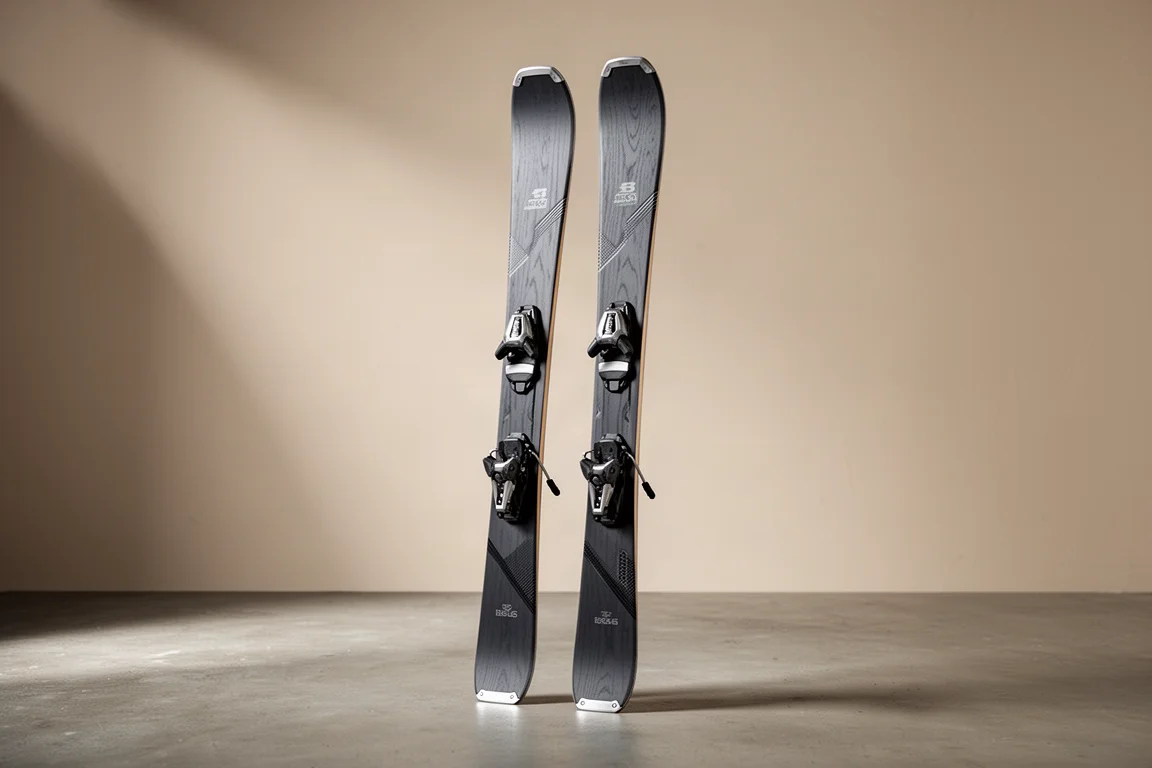
The Elan Wingman 86 CTI is the flagship of the Wingman line. It is the widest model in the range and carries the full technology package, which makes it the most complete expression of what this collection is trying to do. It sits squarely in the mid-80s all-mountain category, yet its shape and overall feel lean noticeably toward the carving side of the spectrum.
That combination is the interesting part. Plenty of skis in this width bracket are built to drift, smear and pivot. The Wingman 86 CTI is built to hold an edge and reward a deliberate, engaged turn, while still offering enough width and rocker to stay usable when conditions turn softer or more variable.
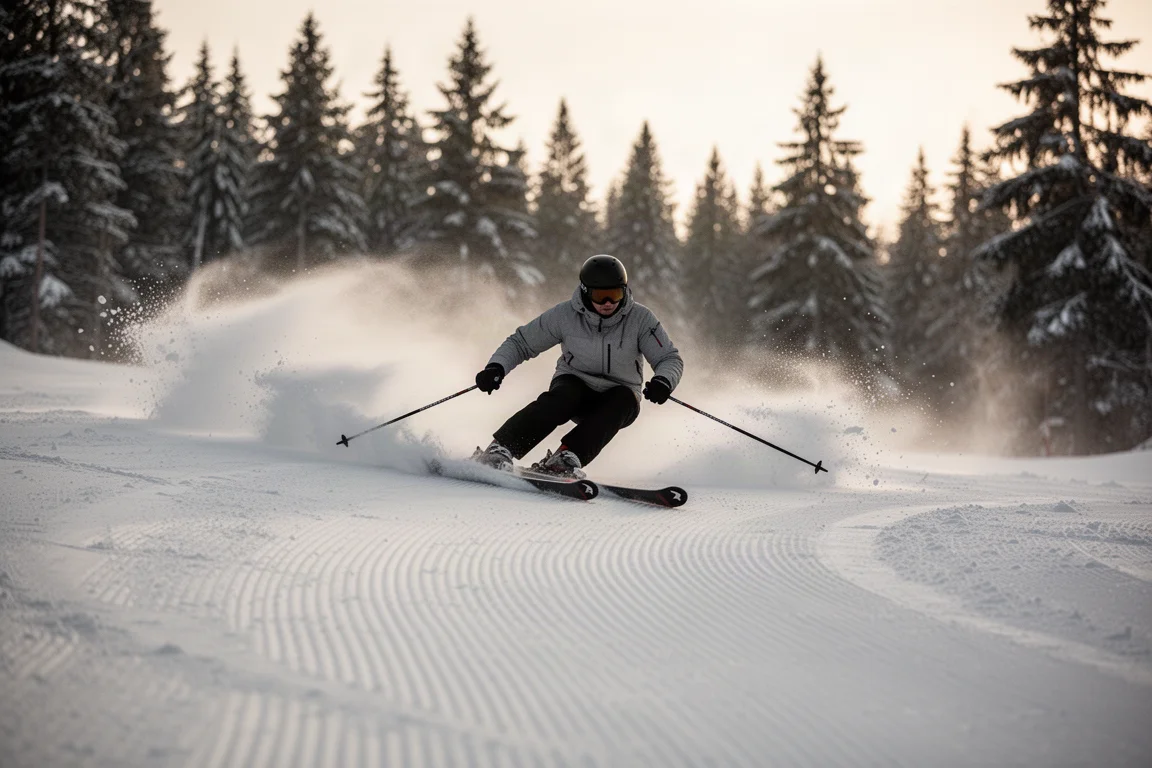
For skiers who genuinely enjoy carving and have high expectations of edge grip, this is a compelling option. It also works well for anyone who wants that carving character without stepping down to the narrower, more specialised shape of a race-oriented ski in the low 70s.
Who the Elan Wingman 86 CTI Is For
This ski is aimed at the skier whose default turn is a carved turn. If you like to tip the ski, ride the sidecut and let the shape do the work, the Wingman 86 CTI delivers that experience with a smoothness that is unusual for the category.
It also suits a specific kind of compromise. A high-end carving ski is often narrow, demanding and unforgiving once you leave the groomed surface. The Wingman 86 CTI keeps much of the carving personality while adding enough width underfoot to handle a much wider range of snow conditions. It can be taken off trail, and it does not fall apart when the groomers are chopped up.
The main caveat is technique. A skier with solid fundamentals will manage this ski almost anywhere, including moguls. A less experienced skier may find the flex pattern and the carving bias more demanding than a looser, more freeride-oriented design.
Main Strengths
The construction is where the Wingman 86 CTI separates itself. It starts with a tube light wood core, which keeps the overall build manageable, and adds a titanal laminate that is applied asymmetrically. The skis are produced as distinct left and right models. On the right ski, more metal runs along the inside edge, with no metal on the outer side. That metal strip is full width underfoot and follows a similar pattern in the tail.
The practical effect is a strong metal feel on the inside edge of the outside ski, which is precisely where grip matters most during a carved turn. The result is confident edge hold without the ski becoming an unyielding slab across its whole length.
Carbon rods reinforce that approach. The three-dimensional application of carbon in these skis provides more vibration damping than most conventional carbon layups, and it closely mimics the feel of metal. The important difference is flex. Metal tends to stiffen a ski considerably, whereas carbon rods allow a softer flex pattern to be achieved.
Because the Wingman 86 CTI uses both materials, the flex pattern is on the stiff side, but it remains softer than several comparable metal-laminate skis. The carbon also brings energy and a reactive quality, while the overall ride stays smoother and better damped than the construction list alone might suggest.
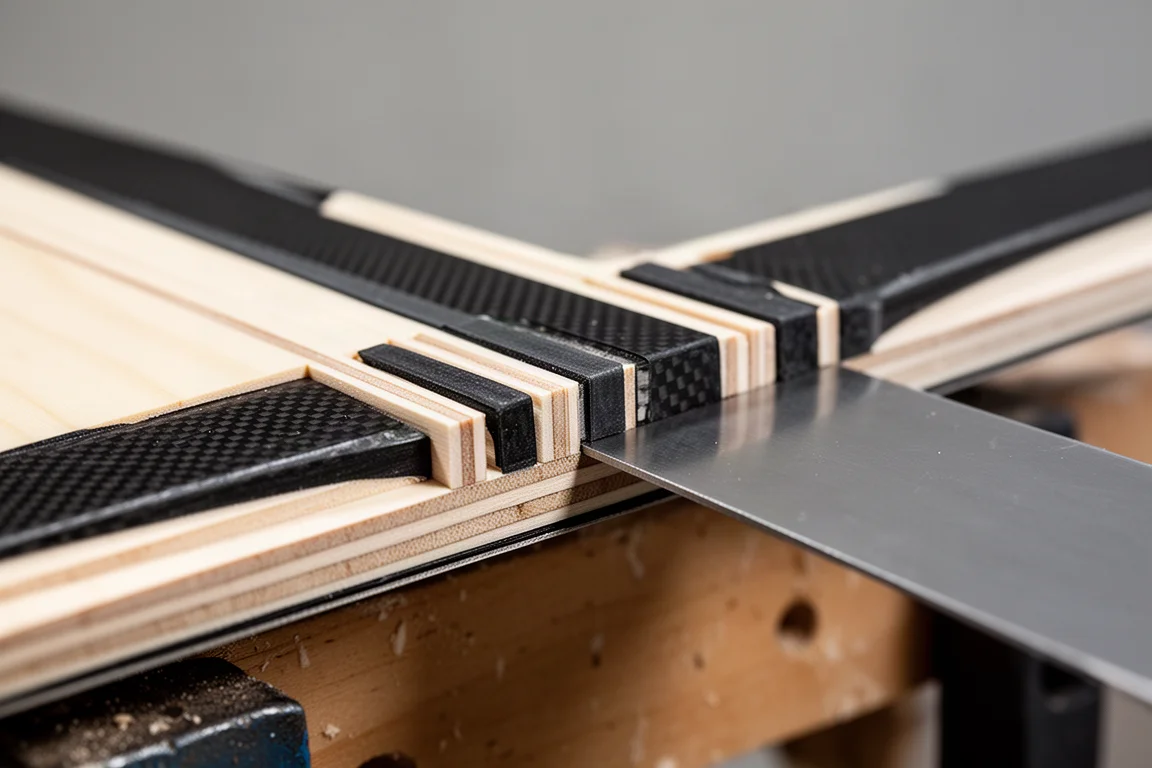
For a skier who values a quiet, composed ski at speed, this combination is the core of the appeal. The damping is what keeps the ski feeling planted when the surface gets rough, and the carbon keeps it from feeling lifeless.
Shape, Rocker, and Turn Radius
Shape is where the Wingman line diverges most clearly from the Ripstick family. The Wingman skis run longer camber and carry less tip rocker, though there is still a meaningful amount of rocker in the tip that starts well back from the contact point.
More significantly, there is no early taper. Even with tip rocker present, the ski keeps an extended sidecut shape. That means a long effective edge. Even at a flatter edge angle, most of the tip stays in contact with the snow, which is what gives the ski its continuous, connected feel from turn entry onward.
In the 172 cm length, the turn radius measures 15.6 metres. That sits on the shorter side of the typical range, though it is nowhere near slalom-short. For a ski with this width and this much carving intent, a shorter radius is a sensible choice. It lets the ski come across the fall line more easily, feels quicker and more responsive, and gives the skier a reliable way to manage speed by carving back uphill rather than scrubbing the turn.
It is short enough to feel lively without being so short that a single run turns into an exhausting sequence of tight arcs. Skiers who prefer longer turn radii have plenty of other options, but for the kind of rewarding, playful carving this ski is built around, the 15.6 metre figure fits well.
How It Performs Across Conditions
This is a ski that maintains a carving mentality regardless of what the snow is doing. On fresh snow or on groomers that have been cut up by the end of the day, it does not get bogged down. The extra width underfoot compared with a narrow carving ski means it is less likely to boot out at high edge angles, which keeps aggressive turns viable later in the day than they would be on a low-70s race shape.
Off trail, it remains usable. It is not a dedicated powder or freeride design, but it can leave the groomed surface without the skier feeling punished for the decision.
In moguls, the picture is more nuanced. A ski with this much carving focus and this stiff a flex pattern is not the loosest option in a bump line. A skier with good technique and a comfortable ability to unweight the tail will have no trouble manoeuvring it through bumps. Compared with something like the Ripstick 88, which carries more rocker and more taper, the Wingman 86 CTI is less loose and less pivoty. That is a deliberate trade: the Wingman gives up some bump-friendly drift in exchange for a longer effective edge and stronger carved performance.
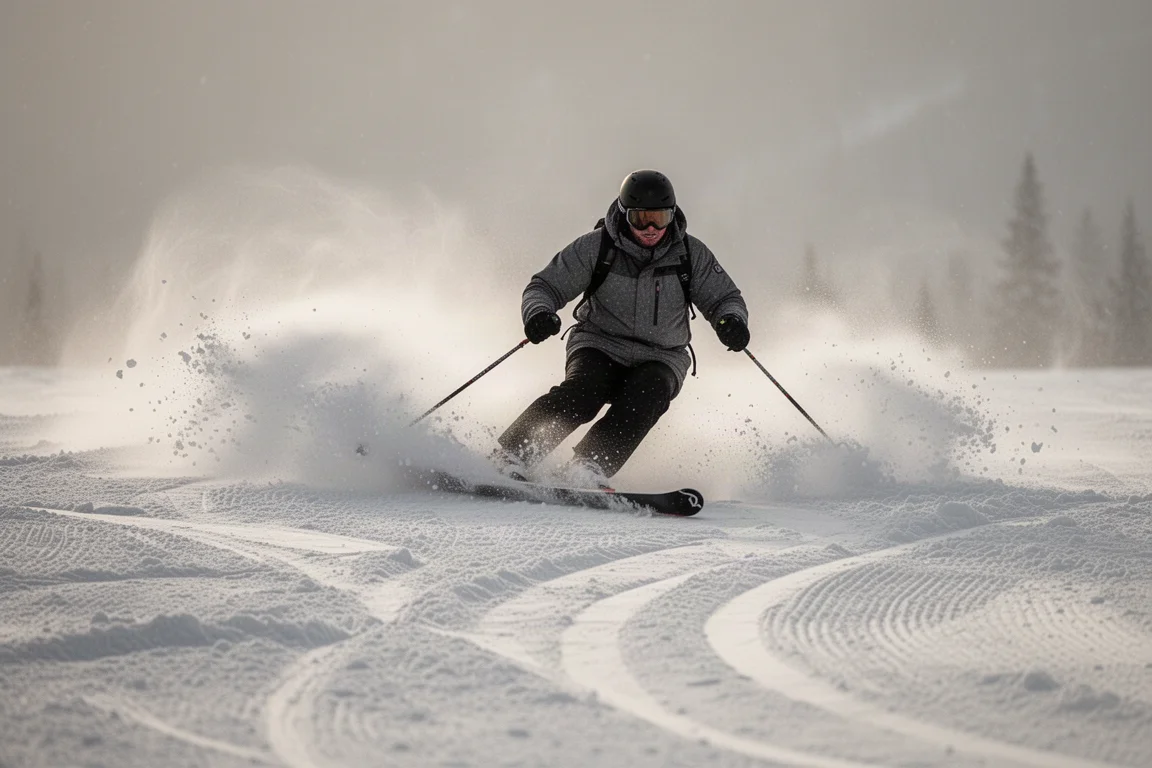
The overall impression is a ski that stays composed and predictable across a wide band of conditions, provided the skier is driving it rather than drifting it.
Things to Consider Before Buying
The first consideration is flex. The Wingman 86 CTI is a fairly stiff ski. It is softer than some metal-heavy alternatives thanks to the carbon rods, but it is not a soft, forgiving freeride shape. Skiers who prefer a relaxed, low-input ride may find it wants more energy than they are used to giving.
The second is the carving bias itself. If your priority is a ski that pivots easily in tight trees and bumps, this design asks more of you than a looser alternative would. The long effective edge and the absence of early taper are exactly what make it strong on edge, and exactly what make it less playful when you want to slide the tail.
Third, the turn radius. At 15.6 metres in the 172 cm length, the ski is on the shorter side of the spectrum. That is a benefit for responsive, speed-controlling carved turns, but skiers who prefer long, sweeping arcs should factor that into their decision.
Finally, sizing and technique go together here. This is a ski that rewards a skier who can stay balanced over the centre of the foot and release the tail deliberately. Buyers with developing technique should be realistic about how much of the ski’s carving performance they will be able to access straight away.
Buying Advice
The Elan Wingman 86 CTI makes the most sense for a skier who wants one ski to cover a broad range of conditions while keeping a carved turn at the centre of the experience. It is a strong fit for someone stepping away from a narrow carving ski who does not want to lose edge grip, and for someone who wants more composure and damping than a pure freeride shape provides.
Choose your length with the turn radius in mind. The 172 cm option delivers a 15.6 metre radius, which is a good middle ground for a ski in this class: quick enough to feel responsive, long enough that you are not fighting the ski all day.
If your priority is a loose, pivoty feel in bumps and trees, a design with more rocker and taper will suit you better. If your priority is a smooth, damp, edge-holding ski that can still handle soft snow and variable groomers, this is the more rewarding direction.
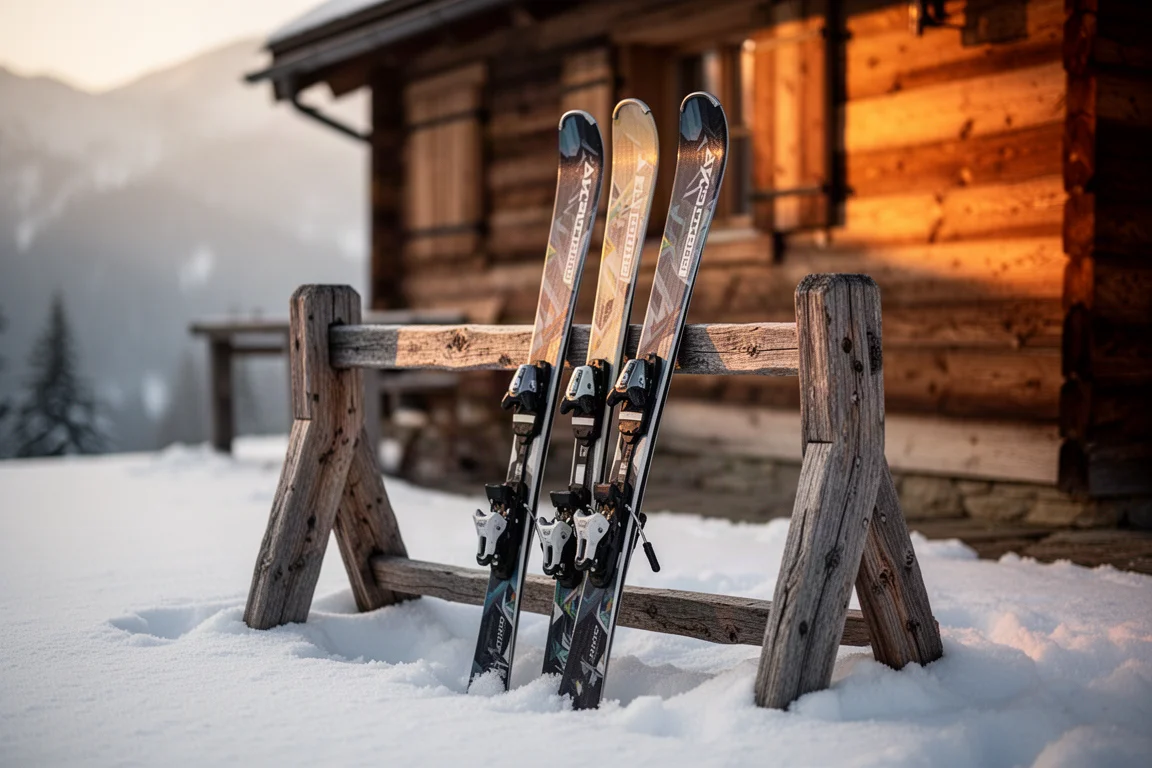
As always, match the ski to the terrain you actually ski most often, not the terrain you imagine you might ski once a season. A ski this focused on carving pays off best for the skier who genuinely spends most of the day on edge.
Conclusion
The Elan Wingman 86 CTI is the widest and most technology-rich model in the Wingman range, and it earns that position. The asymmetric titanal laminate puts grip where it matters on the inside edge of the outside ski, while the three-dimensional carbon rods add damping and a reactive feel without making the flex as harsh as metal alone would. Longer camber, tip rocker and an extended sidecut produce a long effective edge and a distinctly carving-led personality.
It is not the loosest ski in the mid-80s all-mountain category, and it is not intended to be. What it offers is a smooth, damp, confident ride that holds up across a wide range of snow conditions and rewards a skier who likes to carve. For the right buyer, that is a very satisfying combination.
Product link
View more details for Elan Wingman 86 CTI
This product is mentioned in the review. Check the specifications, options, and compatibility before buying.
View more details for Elan Wingman 86 CTIFurther reading
Related Reviews
All-Mountain Skis
100mm All-Mountain Skis Compared: 23 Versatile Models Worth Knowing
A practical walkthrough of 23 all-mountain skis around 100mm underfoot, covering weight, rocker, metal construction, and the rider each model suits best.
All-Mountain Skis
2026 Black Crows Camox Review: A More Stable, More Versatile All-Mountain Twin Tip
The 2026 Black Crows Camox adds an ash layer underfoot, wider tips and tails, and a revised rocker profile. Here is what those changes mean on snow.
All-Mountain Skis
Armada Antimatter 88 Review: A Light, Lively All-Mountain Ski That Rewards Any Style
The Antimatter 88 pairs a poplar core with carbon stringers for a surprisingly energetic ride that suits intermediates and experts alike.