Ski Gear
Elan Wingman 2026 Lineup: 83 TI, 86 TI, and 86 Black Edition Compared
Elan's 2026 Wingman range brings a new Ripstick-inspired tail, a carbon-free TI build, and a Black Edition with a softer shovel. Here is how the three models differ.
Introduction
The mid-80s all-mountain ski is one of the most useful shapes a recreational skier can own. It is wide enough to stay composed in softer snow and forgiving enough to make groomed runs feel easy, which is why the category stays so popular.
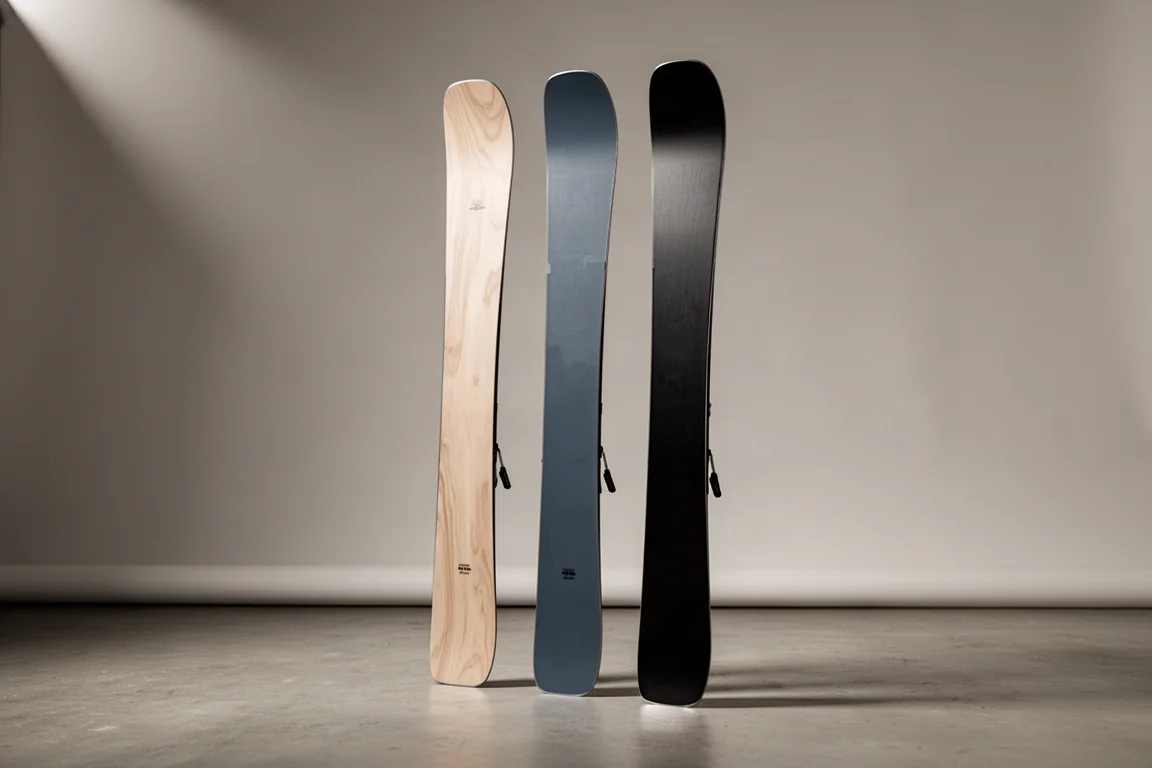
For 2026, Elan updates its Wingman line with three models: the Wingman 83 TI, the Wingman 86 TI, and the Wingman 86 Black Edition. All three share a new tail shape, and each takes a slightly different approach to flex and materials. This guide breaks down what changed, how the three skis differ underfoot, and which one makes sense for different kinds of skiers.
What Changed for 2026
The biggest change across the line is the tail. The new shape takes inspiration from the Ripstick tail, and that influence is most pronounced on the Black Edition. The result is a ski that releases predictably at the end of a turn while keeping grip through the middle of the arc.
The two TI models keep a straightforward build: a wood core with a full sheet of metal and no carbon. That combination is a large part of why they feel calm and damp on firm snow. The Black Edition takes a different route, adding carbon rods to the construction along with a noticeably softer shovel than the version it replaces.

That softer tip matters more than it sounds. The previous Black Edition had a very stiff shovel that wanted a committed, clean carve and little else. The new flex pattern behaves more like suspension, so the ski accepts a wider range of inputs and rewards a lighter touch as well as a hard one.
Elan Wingman 83 TI
The 83 TI is the easiest ski of the three to get along with. It is extremely intuitive from the first turn, and it feels damper than earlier Wingman models, with less of the springy energy that was sometimes hard to use fully. For most skiers, that trade is a good one.
With no carbon in the build, the 83 TI leans on its wood core and full metal sheet for stability. It steers itself through turns with very little input, and it stays enjoyable on moderate pitches and slower, softer snow. The performance ceiling is real, but it sits high enough that the majority of recreational skiers will never bump into it.
Elan Wingman 86 TI
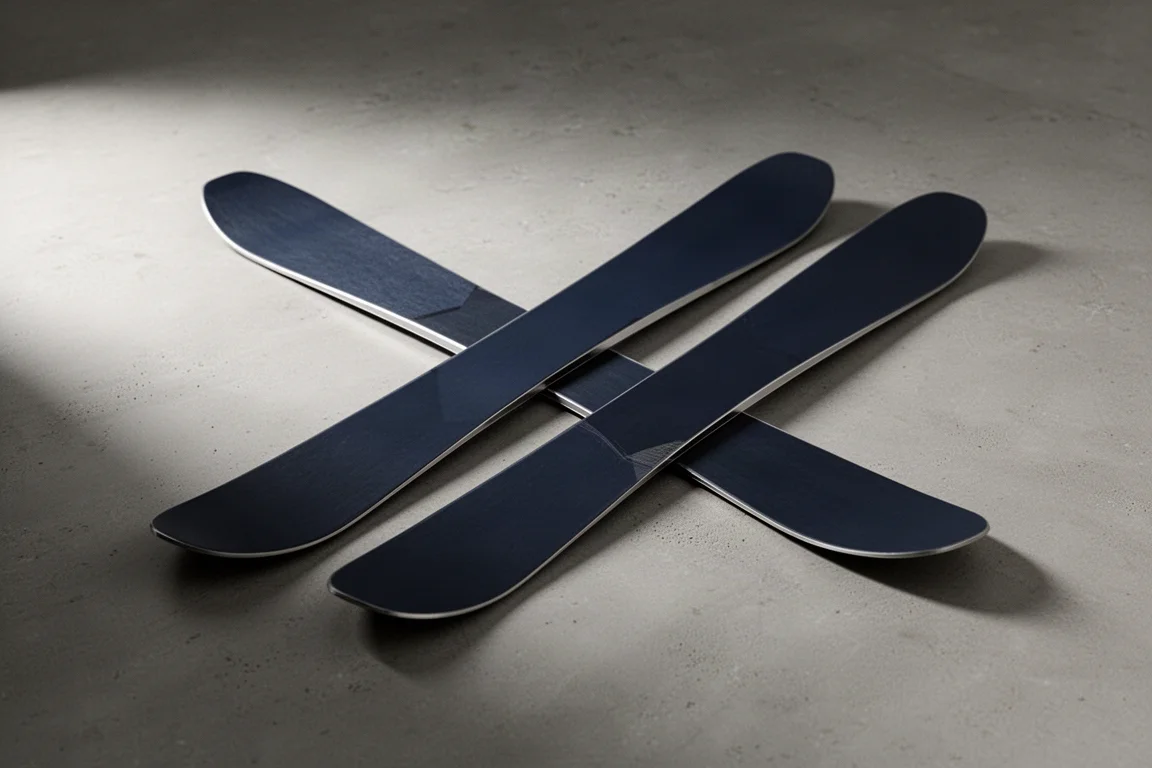
The 86 TI shares the metal-laminate construction of the 83 TI, and at 174 cm it feels quick and lively. Short swing turns come easily, and the ski is happy to be pushed harder when you want more back from it.
That combination of approachability and response is the appeal of this width. It does not feel like a demanding ski, but it does not feel like a dead one either, and it stays engaging on the moderate, slower snow where a lot of real-world skiing happens. Stated turn radii sit in the mid-teens, so the ski prefers a middle path between tight slalom arcs and long GS turns.
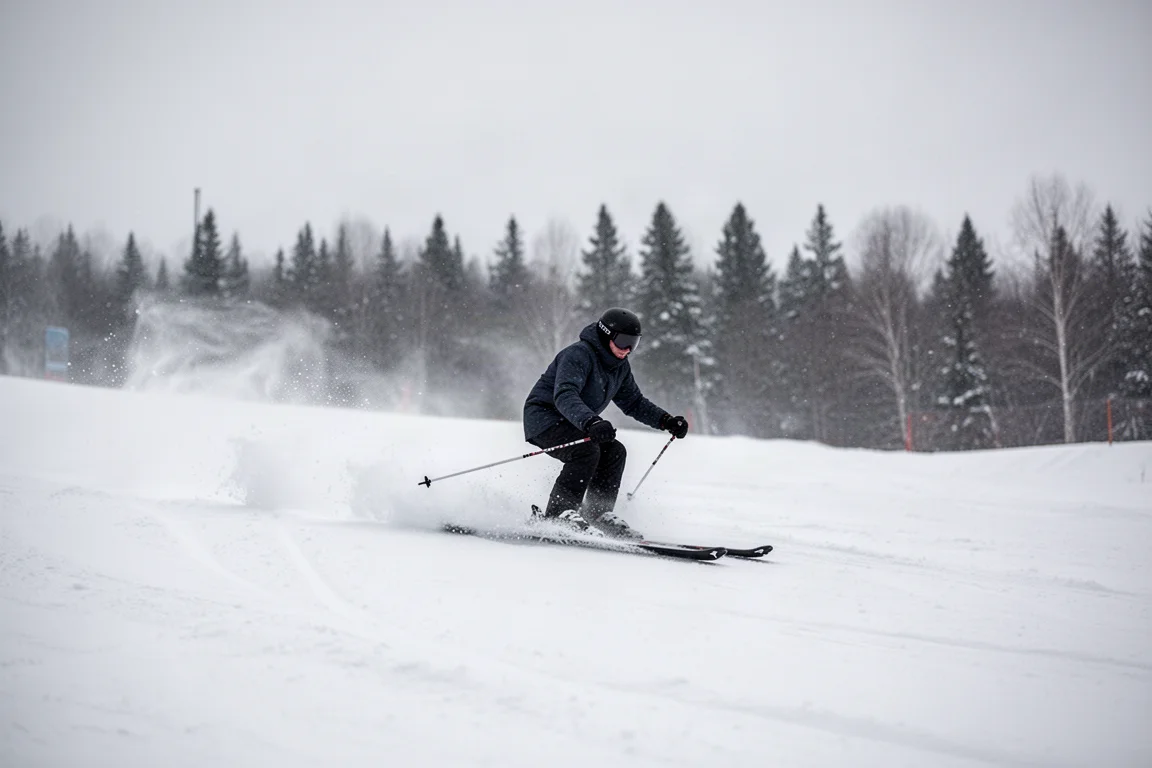
If you want one ski that covers groomed runs comfortably without asking much of you, this is the middle of the range to look at first.
View more details for Elan Wingman 86 Ti
Elan Wingman 86 Black Edition
The Black Edition is the most performance-oriented Wingman, and it is the closest thing in the range to a Ripstick-style ride in a narrower width. It keeps the asymmetric right and left ski design, and it looks sharper and cleaner than earlier versions.
On edge, it is exceptionally clean. It loves high edge angles and does not seem to find a limit to them, which makes it a strong carving tool for confident skiers. The trade-off is the carbon stiffness: when you try to vary turn shape, it is less willing than the metal-only models.
Length and terrain matter here too. A 182 cm Black Edition with the extra carbon felt best on steeper, longer, firmer runs, while the 83 TI was the more enjoyable choice on softer, gentler terrain. The Black Edition is also available flat, so you can mount the binding you prefer.
View more details for Elan Wingman 86 Black Edition
Turn Radius, Terrain, and Edge Grip
Across the line, stated radii land in the mid-teens, roughly 15 to 17 m depending on model and length. That is neither a tight slalom number nor a long-turn GS number, and it matches how the skis behave: short swing turns are the sweet spot, and longer arcs take more commitment.
Edge grip is a strength of all three. The two TI models hold well at high edge angles, and the Black Edition holds especially well, with a very clean feel through the carve. Where the models separate is in how forgiving they are when you are not perfectly balanced.
The softer shovel on the Black Edition and the metal-laminate build of the TI models both help here. On slow snow and moderate pitches, all three stay fun rather than punishing, which is exactly what this category should do.
Where the Wingman Line Fits in a Quiver
The Wingman sits in the middle of the market, between a dedicated frontside carver and a wider all-mountain ski. That makes it a sensible single-ski choice for someone who spends most days on groomed runs but wants enough width to handle softer snow.
All three models are easy to ski relative to their performance level. They reward good technique without demanding it, and their performance ceiling is high enough that improving skiers will not outgrow them quickly. If you already own a wider powder ski, a Wingman works well as the narrower, firmer-snow companion.
Who Should Buy Which Wingman
Choose the Wingman 83 TI if you want the most forgiving and dampest ride of the three, and if most of your skiing happens on moderate terrain and softer or slower snow. It is the easiest of the group to ski well.
Choose the Wingman 86 TI if you want the same easy character with a little more width and a little more energy to work with. It suits skiers who want one versatile ski for groomed runs and light soft snow.
Choose the Wingman 86 Black Edition if you are a strong, confident skier who carves hard, likes high edge angles, and spends time on steeper, longer, firmer runs. It is the most specialized of the three and the least forgiving when you vary your turn shape.
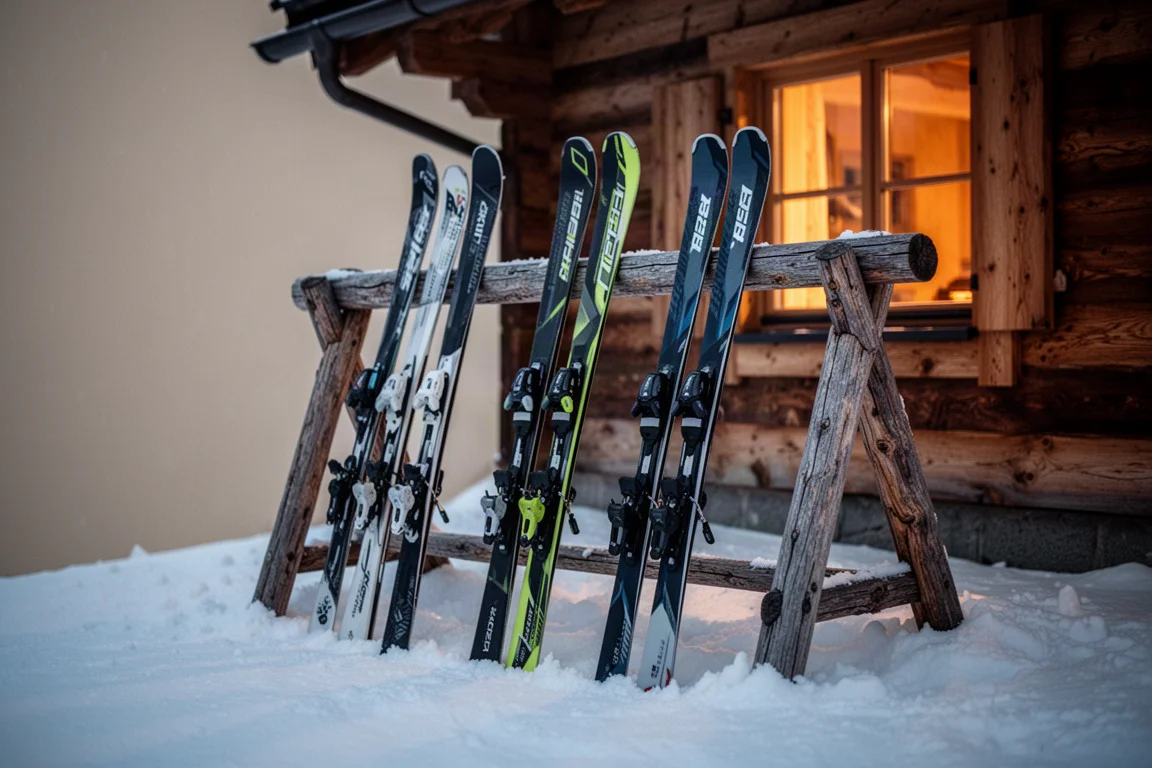
A practical way to decide is to think about the snow you actually ski most often. If it is soft and slow, the TI models make more sense. If it is firm and steep, the Black Edition earns its place.
Conclusion
Elan’s 2026 Wingman line keeps the approachable character that made the series popular while adding a new tail shape and, on the Black Edition, a softer shovel that broadens its range. The 83 TI and 86 TI stay with a wood core and a full metal sheet, and the Black Edition adds carbon rods for a sharper, more carving-focused feel.
None of the three is a specialist race ski or a powder ski. Each is a useful, friendly mid-80s all-mountain option, and the right pick comes down to how hard you ski and what the snow under you usually looks like.
Further reading
Related Reviews

Ski Gear
2023 Blizzard Hustle vs Rustler: Six Freeride Skis Compared
Blizzard's 2023 Hustle collection rebuilds the Rustler shape with a lighter core and no metal. Here is how all six skis differ, and which one suits your riding.

Ski Gear
2023 Skis of the Year: Atomic Maverick 88 TI, Salomon QST 106, and Look SPX 12 Pro
Three standout ski picks for all-mountain carving, powder days, and reliable binding performance, with practical buying notes for 2023 models.

Ski Gear
2025 Nordica Enforcer 104 Review: A Directional Charger Replaces the 104 Free
The 2025 Nordica Enforcer 104 drops the Free name and the twin-tip personality, gaining weight, stiffness and composure in rough snow. Here is what changed and who it suits.