Ski Gear
Elan Ripstick 106 W Review: A Lightweight Powder Ski Built for Soft Snow
A close look at the Elan Ripstick 106 W, the widest women's Ripstick, covering its 2025 construction updates, flex pattern, soft-snow performance, and who it suits.
Introduction
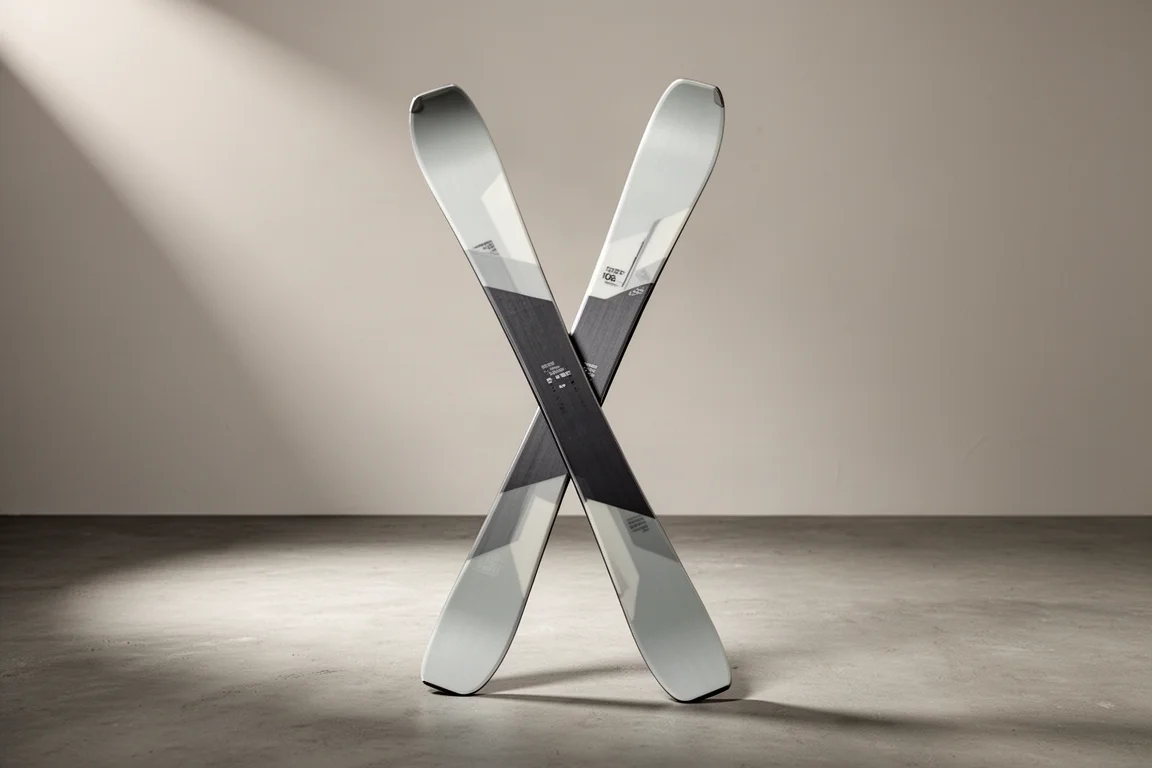
The Elan Ripstick 106 W is the widest model in the women’s Ripstick collection, and for 2025 the whole Ripstick range was refreshed. Elan reworked the construction while also adjusting the widths and the options available across the line. It is worth knowing that the men’s and women’s Ripsticks are essentially the same skis, with different width breakdowns assigned to each collection rather than fundamentally different builds.
At 106 mm underfoot and built in a directional format, this is a ski that points clearly toward soft snow. The core idea has not changed: keep the ski light, keep the flex smooth, and give it enough shape to stay on top of deep snow without turning it into a one-trick powder board.
That combination of low weight and a friendly flex is what makes the Ripstick 106 W interesting. It is not a demanding, competition-stiff freeride ski, and it is not a soft, shapeless floater either. It sits in the middle, and the 2025 changes push it further toward smoothness.
Who This Ski Is For
This ski makes sense for two fairly different groups.
The first is the athletic intermediate who is starting to spend more time in deep, soft snow. A 106 mm waist is a meaningful step up in float, but the Ripstick 106 W stays relatively approachable thanks to its lighter build and round flex pattern. It rewards a developing skier rather than punishing them.
The second is the expert looking for a versatile powder ski. In that role it behaves like a Swiss Army knife: it handles deep fresh snow, chopped-up snow late in the day, and even the leftover mank a couple of days after a storm. That range is the real argument for choosing it over a narrower or more specialised ski.
It is less obviously suited to someone who spends most of their time on firm, groomed terrain and only occasionally sees fresh snow. The width and the soft-snow bias are the point of the ski, not a side effect.
Lightweight Construction and a Smooth Flex Pattern
Weight is one of the standout numbers here. In a 168 cm length, the Ripstick 106 W comes in at around 1,650 g, which is impressively light for a ski this wide. A Tubelight wood core is central to that, keeping the overall weight down while integrating cleanly with the carbon rods that have become a signature of the Ripstick line.
Those carbon rods are unusual in what they deliver. They provide the responsiveness and energy associated with carbon, but with better vibration damping than many carbon applications. The practical result is a ski that feels smooth and calm underfoot rather than nervous.
The flex pattern itself is round and natural. It is not too soft and not too stiff, closer to a Goldilocks middle ground. For 2025, Elan softened the shovels slightly, and in the 106 that change is welcome: a little more give in the tip helps the ski float and keeps the front of the ski rising above the snow surface.
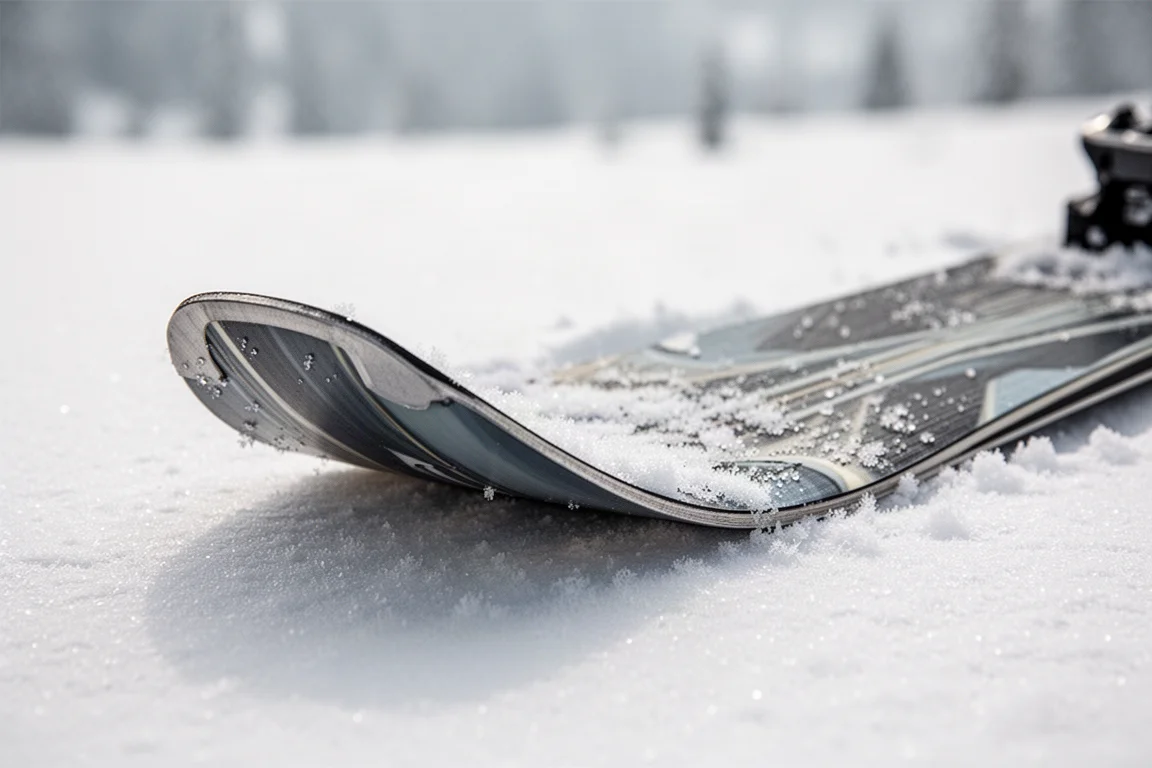
Rocker, camber, rocker is the profile, with a solid amount of camber underfoot and generous tip rocker. The 106 also carries noticeably more tail rocker than something like the Ripstick 100W, which fits its more powder-oriented brief.
What the 2025 Updates Change
The 2025 refresh is mostly about how the carbon is placed and what sits in the shovel.
Previously, a carbon line ran on top of the core beneath the topsheet. Now, unidirectional carbon stringers run along the base of the ski. The function is similar, but moving the carbon away from the foot means less vibration reaches the skier, which makes the ski feel even smoother than before.
The second change concerns the shovel. The Vapor Tip cutouts are gone, replaced by flax fiber. Flax is another material with strong vibration-absorbing properties, so the intent is consistent: a quieter, smoother ride.
Elan also builds these skis as left and right pairs, and the difference is visible when you have them in hand. The outside ski gets slightly more rocker, the inside ski slightly more camber, effectively twisting the forebody of the ski. The goal is a natural, intuitive feel on both firm and soft snow, with each ski doing a slightly different job through the turn.
Soft Snow Performance and Variable Conditions
With 106 mm underfoot, soft snow is where this ski is at its best. It is agile, it floats well, and it stays maneuverable in deep conditions. Importantly, it also retains enough support that it does not feel like a soft, fully rockered novelty. You can trust it and ski it at speed.
That balance is what separates a good powder ski from a narrow one. The Ripstick 106 W can be skied in fresh snow all morning, in tracked and chopped-up snow in the afternoon, and in heavier, settled snow days later, without the ski feeling out of its depth.
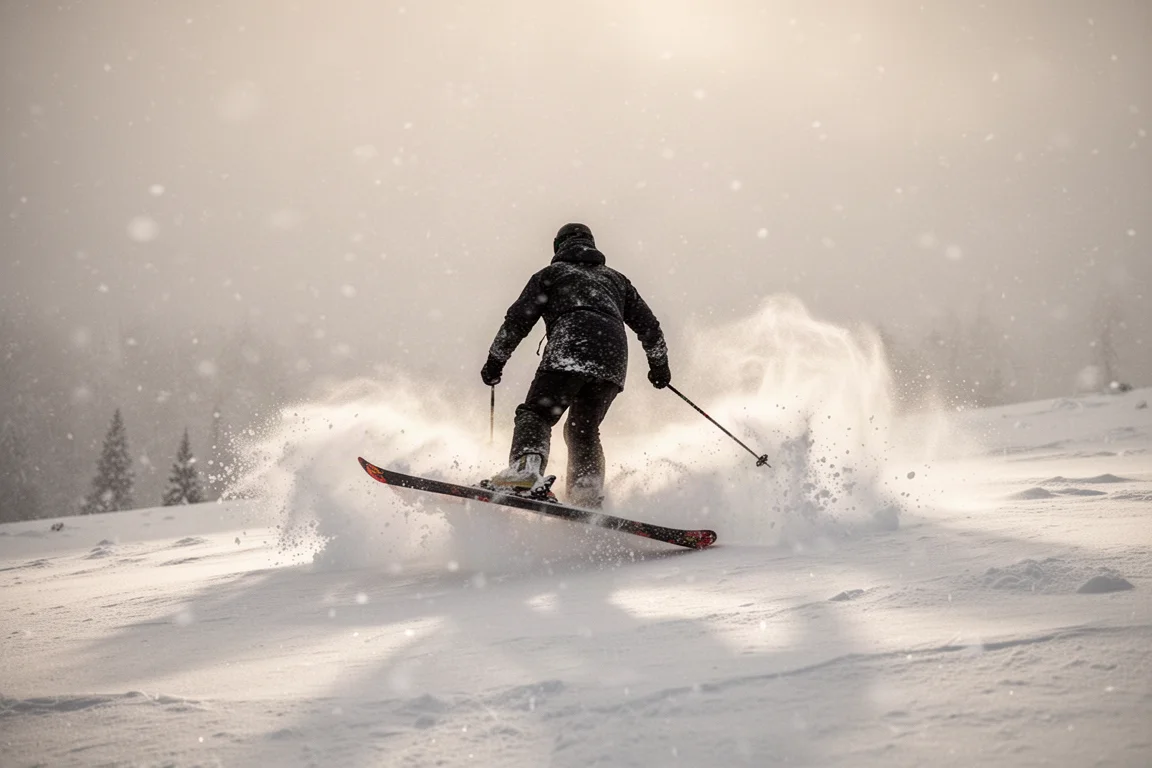
On firmer snow, the left and right construction and the camber underfoot keep things predictable, so the ski is not a liability on the way back to the lift. Still, the highlight remains soft snow, and that is the condition to build your expectations around.
Things to Consider Before Buying
The first consideration is width. At 106 mm underfoot, this is a soft-snow ski first. If your season is mostly firm groomers with the occasional storm, a narrower Ripstick width will likely serve you better.
The second is flex. The 2025 shovels are softer than before, which is excellent for float but means the front of the ski gives more under a very aggressive, forward-driving style. Heavier or highly powerful skiers may prefer a stiffer platform.
The third is shape. This is a directional ski rather than a twin tip, so it is built to be skied forward. Riders who spend a lot of time skiing or landing switch should look elsewhere in the category.
Finally, treat this as part of a quiver rather than a single-ski solution for every day of the season. It is a specialist that happens to be unusually versatile within its specialism.
Buying Advice
Buy the Ripstick 106 W if soft snow is what you care about and you want a ski that stays light, smooth, and manageable while still offering enough backbone to ski fast. The 2025 construction changes, the relocated carbon stringers, and the flax fiber shovel all point in the same direction: less vibration, more composure.
Choose your length with the usual logic. A 168 cm in this model weighs roughly 1,650 g, which keeps swing weight low and makes the ski feel shorter and quicker than its width suggests. Skiers who want more float and stability in open terrain will generally lean longer, while those prioritizing maneuverability in tight trees will lean shorter.
If you already own a narrower all-mountain ski, the Ripstick 106 W is an easy addition to a two-ski quiver, covering storm days and the days after. If you are replacing a single pair of skis and you ski mostly hardpack, look at a narrower width in the same family instead. Either way, match the ski to the snow you actually ski most, and this one will feel like a deliberate choice rather than a compromise.
Conclusion
The Elan Ripstick 106 W takes a well-established formula, a light Tubelight wood core paired with vibration-damping carbon, and refines it for 2025 with base-mounted unidirectional carbon stringers and a flax fiber shovel. The result is a ski that feels smoother than before while keeping the low weight and round flex that make the Ripstick line so easy to get along with.
For athletic intermediates moving into deeper snow and for experts who want a versatile powder ski that still holds up in chopped and settled conditions, it is a genuinely compelling option. Just be honest about how much soft snow you ski, and the 106 W will deliver exactly what it promises.
Product link
View more details for Elan Ripstick 106 W
This product is mentioned in the review. Check the specifications, options, and compatibility before buying.
View more details for Elan Ripstick 106 WFurther reading
Related Reviews
Ski Gear
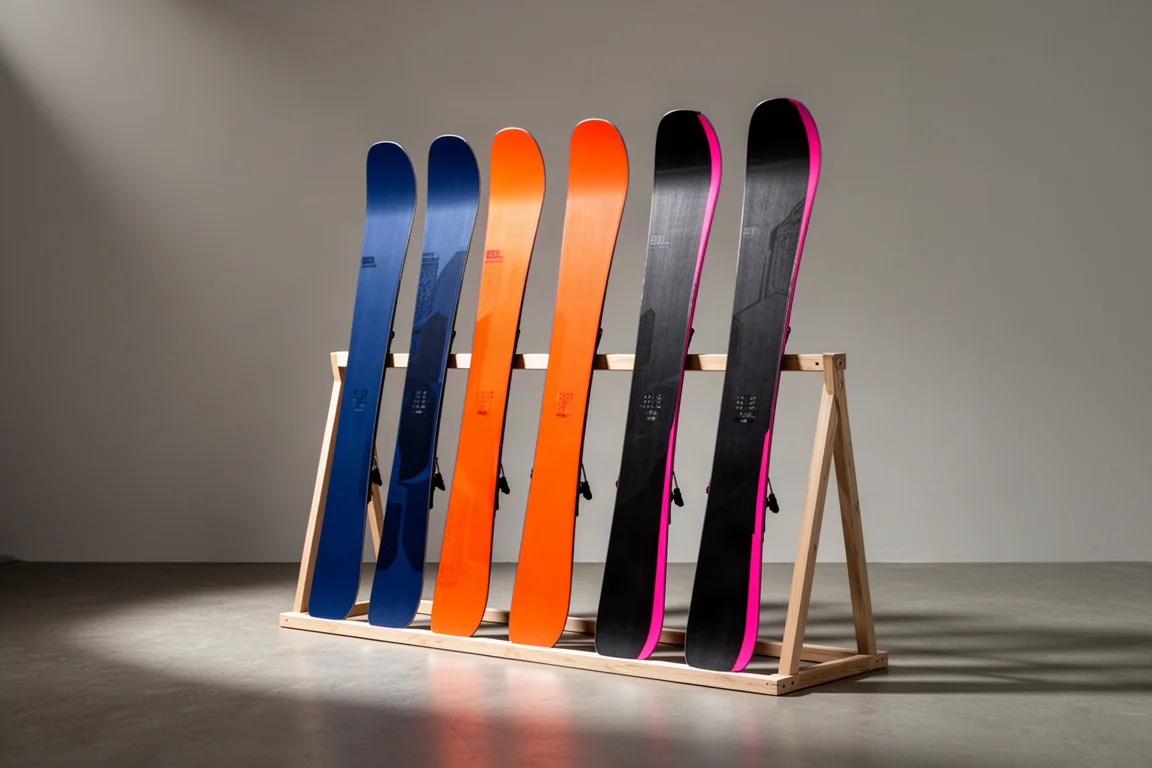
2023 Blizzard Hustle vs Rustler: Six Freeride Skis Compared
Blizzard's 2023 Hustle collection rebuilds the Rustler shape with a lighter core and no metal. Here is how all six skis differ, and which one suits your riding.
Ski Gear
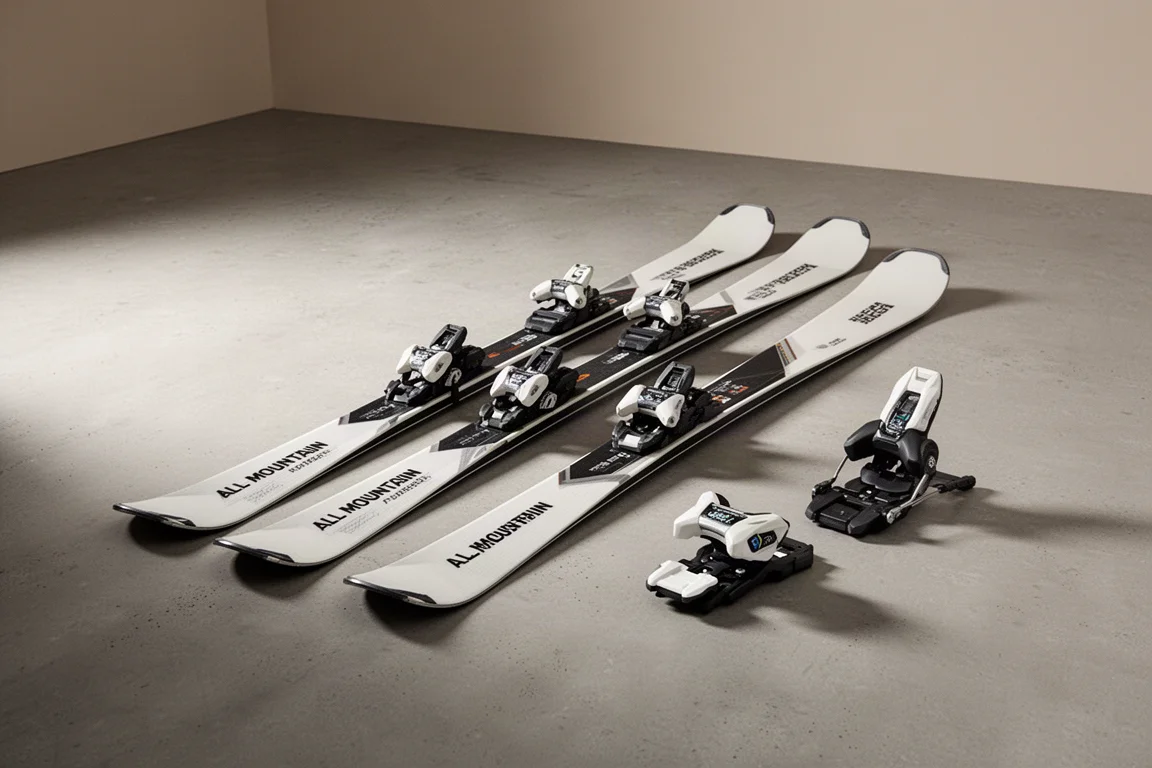
2023 Skis of the Year: Atomic Maverick 88 TI, Salomon QST 106, and Look SPX 12 Pro
Three standout ski picks for all-mountain carving, powder days, and reliable binding performance, with practical buying notes for 2023 models.
Ski Gear
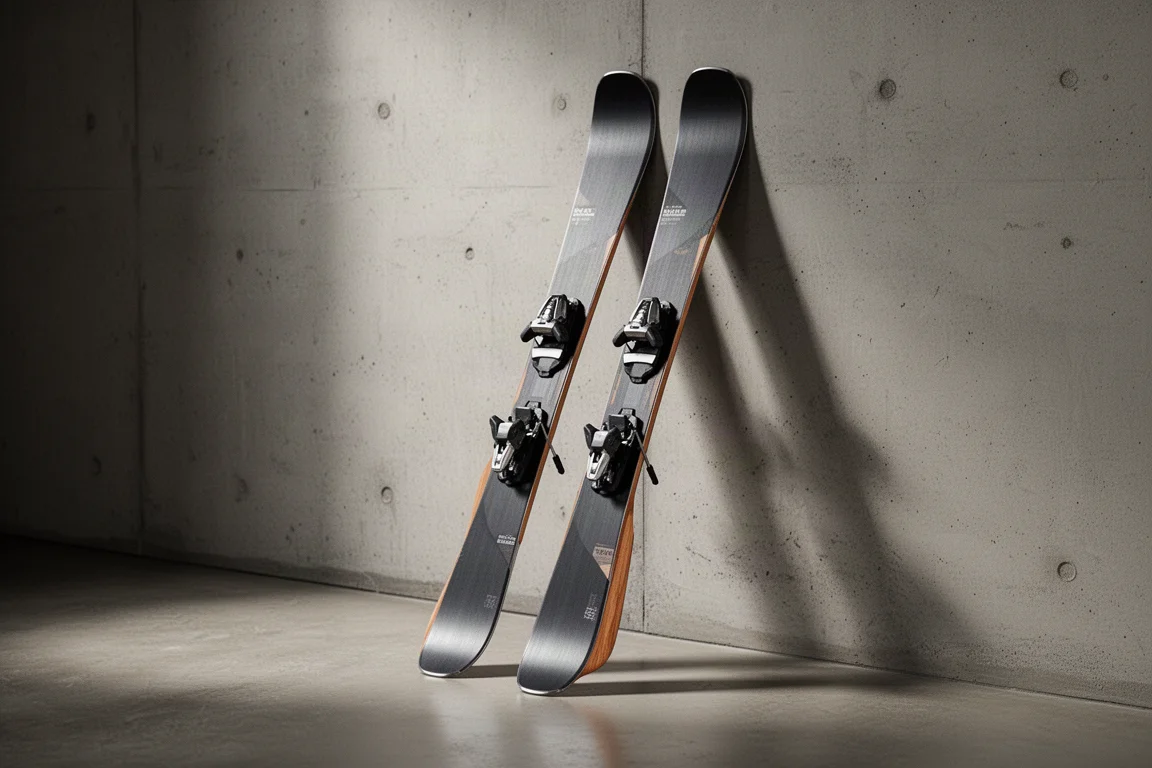
2025 Nordica Enforcer 104 Review: A Directional Charger Replaces the 104 Free
The 2025 Nordica Enforcer 104 drops the Free name and the twin-tip personality, gaining weight, stiffness and composure in rough snow. Here is what changed and who it suits.