Ski Gear
Elan Ripstick 102 Black Edition Review: A Light, Agile Freeride Ski
A carbon-rich 102 mm freeride ski that stays under 1,800 grams in a 175 cm, with the agility to shine in trees, bumps, and chopped snow.
Introduction
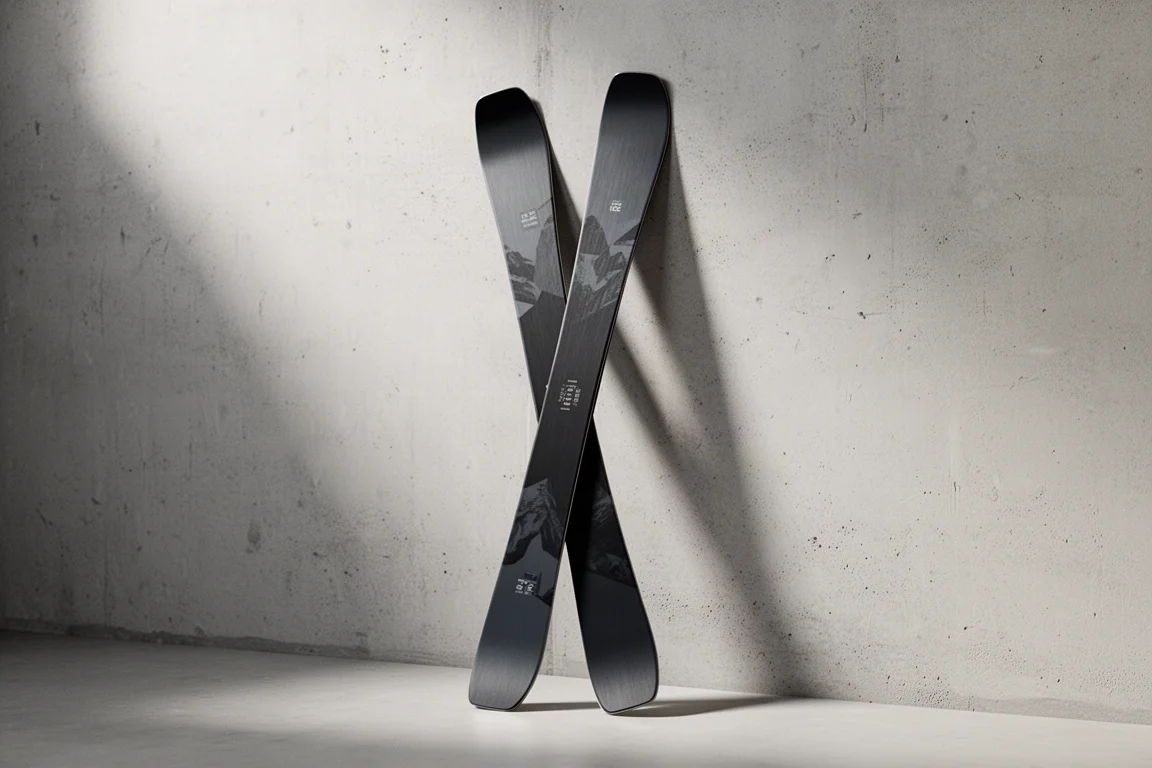
The Elan Ripstick 102 Black Edition returns as a carryover model, arriving in the second season of the shape that reworked the entire Ripstick line in construction, profile, and outline. The Black Edition sits at the carbon-heavy end of that family. It is an asymmetric ski with dedicated right and left versions, built on a light wood core with four separate carbon rods embedded inside it.
At 102 mm underfoot, the ski is aimed at riders who want a modern freeride feel that stays playful and mobile rather than heavy and planted. The engineering story is unusual for the category, and it shows up in how the ski behaves on snow.
What makes it worth a closer look is the balance Elan has struck between material and weight. This ski carries a substantial amount of carbon through its length, yet it stays under 1,800 grams in a 175 cm, which puts it in a rare position for a ski of this width.
Who the Elan Ripstick 102 Black Edition Is For
This is a ski for riders who value energy and maneuverability over maximum dampness. If your days are spent hunting soft snow in tight trees, working through bumps, or skiing cut-up snow after a storm, the Ripstick 102 Black Edition is built for exactly that kind of terrain. Its mobility in tight spots is one of its defining traits.
It also suits skiers who want a forgiving, intuitive platform. The profile makes the ski easy to keep parallel without a lot of deliberate input, which helps riders who are still building confidence in off-piste conditions and appreciate a shape that cooperates.
It is less of a natural fit for someone whose priority is charging firm groomers at high speed. Riders who want maximum stability on hardpack, and who compare skis on dampness and power above all else, will find stronger options elsewhere in the 102 mm class.
Construction and Carbon Layup
The core is a tube light wood construction using poplar and paulownia, which keeps the overall build light. Elan then adds carbon in several distinct ways. The Black Edition series uses quad rod technology, meaning four separate carbon rods are embedded in the core: two running along the sides, one extra in the fore body, and another through the middle of the tail. Each rod is a 360 degree application of carbon, which is what generates the amount of feedback the ski delivers.
Below the core sit two unidirectional carbon strips that contribute edge grip and additional feedback. On top of the core, a carbon C-ply strip runs along the downhill edge of the ski. This is where the asymmetry becomes a construction feature rather than just a shape choice, since the downhill edge is the one more constantly in contact with the snow, and it receives more carbon as a result.
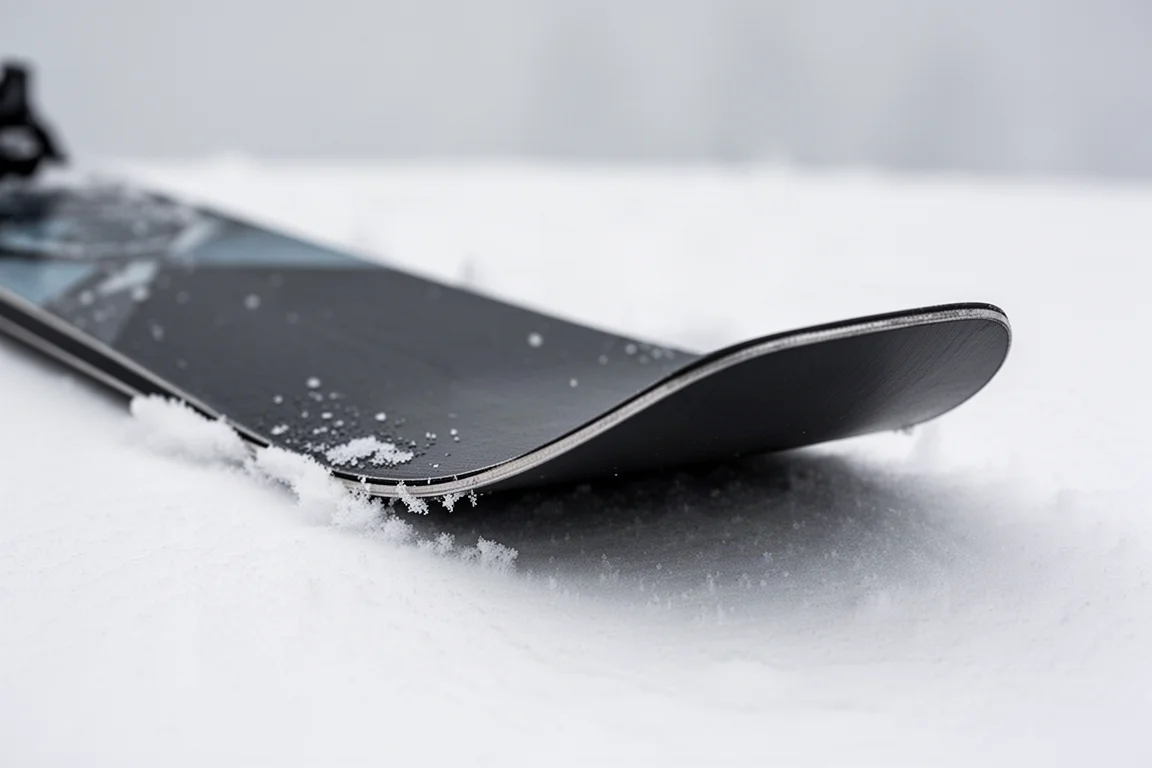
Flax is used in the fore body as well. That helps keep the overall profile thin, which in turn produces a relatively flexible shovel. The combination of a flexible shovel and a spoony, spatula-oriented tip is central to how the ski performs.
Because the ski is right and left specific, each side carries its carbon differently. That is worth knowing before mounting bindings, since the two skis are not interchangeable.
Main Strengths on Snow
The profile does much of the work here. Elan’s Amphibio rocker creates a flatter overall shape with positive camber underfoot, and the tips and tails carry less splay than the narrower Ripstick models. The payoff is a smoother, more consistent feel across the whole ski. More rocker sits on the outer portions of the ski and more camber on the inner portions, which lets a rider feather along the outside ski and hold a parallel stance with very little effort.
The listed radius is 17.8 meters in the 175 cm length, a versatile middle ground. The flexible shovel allows a skier to tighten turns when the terrain calls for it, while a lower edge angle still feels smooth because the multiple carbon applications give the ski real strength along its length.
Weight is the headline number. At 1,716 grams in a 175 cm, this ski carries four carbon rods, two unidirectional strips under the core, a carbon C-ply on the downhill edge, and flax in the fore body. Staying below 1,800 grams with that much material inside is a notable result, and it is the main reason the ski feels light and snappy rather than sluggish.
On snow, that translates into a ski that rips turns at speed while remaining quick edge to edge for a 102 mm waist. It is easy to control in the air, and the tail carries enough power and pep to make landings feel supported and simple to stomp.
Where It Works Best: Trees, Bumps, and Choppy Snow
The spoony tip and spatula-like shovel keep this ski rising above soft snow instead of sinking into it. That characteristic matters most in tight terrain, where the softer snow is often found. In dense trees the ski is extremely mobile and agile, and it ranks among the better tree skis available. The same qualities carry over to bump lines and chopped-up snow, where the light build and quick response keep the ski from feeling like work.
The flexible shovel supplies most of that mobility, while the slightly more energetic tail supplies the support. Between the two, the ski stays predictable when the snow is inconsistent, which is exactly the condition most off-piste runs serve up.
Things to Consider Before Buying
On a firm groomer, this ski comes up short against competitors that use multiple sheets of metal. Those skis offer more dampness and more raw power, and the gap is most obvious when you are lining up a high-speed edge-to-edge run on hardpack. The Ripstick 102 Black Edition is built around energy and mobility, not around maximum stability on ice.
The asymmetric design is a genuine feature, but it also means the two skis are dedicated left and right. Keeping track of which is which during storage, travel, and mounting takes a little attention.
Finally, the ski sits in a crowded field of capable 102 mm models. Its strengths are specific, and matching it to the right terrain matters more here than it does with a more generalized all-mountain ski.
Buying Advice
The most useful question to ask is where you actually ski. If your season is built around soft snow, tree lines, bumps, and post-storm chop, this ski lines up with those conditions very well. If most of your days are on firm, groomed runs, a heavier ski with metal in the build will likely serve you better.
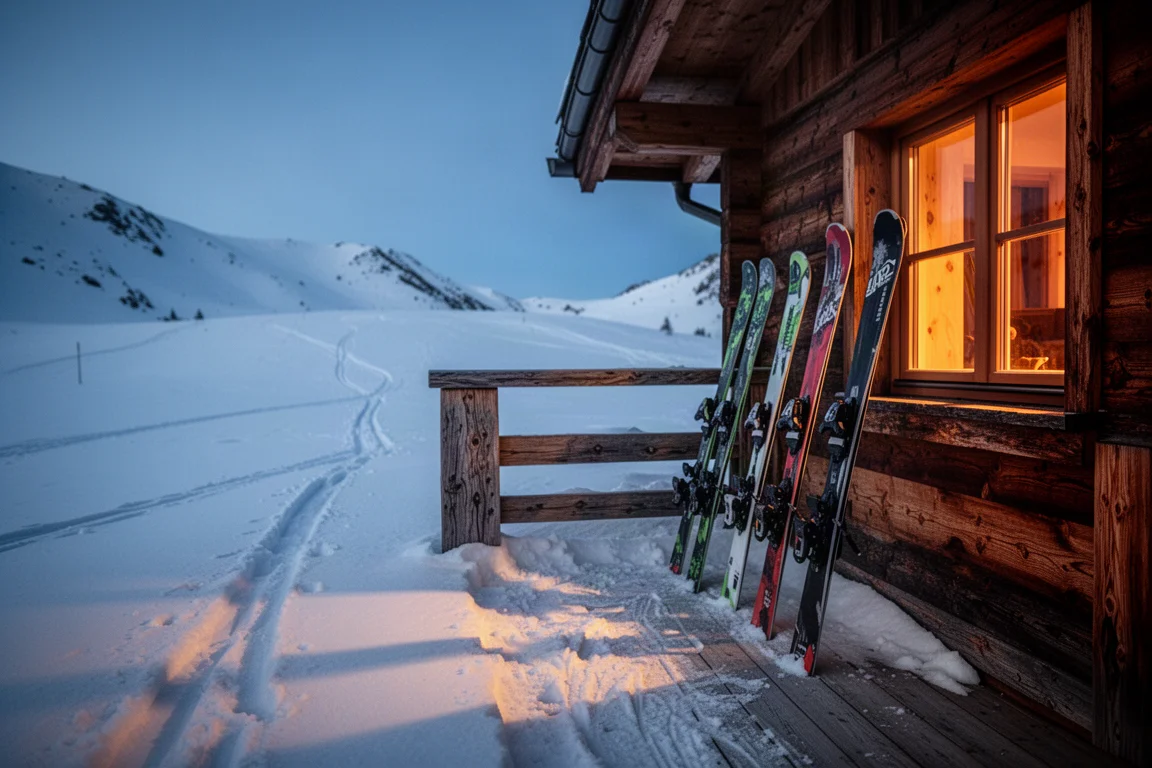
On length, the 175 cm carries a 17.8 meter radius and a 1,716 gram weight, and it sits in a middle ground that is easy to size away from. Shorter lengths will feel quicker and easier to pivot, while longer lengths will add stability and float, so the choice comes down to your height, weight, and how aggressively you ski.
Because the ski is asymmetric, confirm the left and right pairing before mounting bindings, and check the mounting point carefully so the intended edge sits on the downhill side.
Conclusion
The Elan Ripstick 102 Black Edition is a sophisticated, carbon-rich freeride ski that stays remarkably light for its width. It is most at home in trees, bumps, and chopped snow, where its mobility and energy make it genuinely fun, and it remains intuitive enough for a broad range of skiers to enjoy. Buyers who want maximum dampness and power on firm groomers should look at metal-layered alternatives, but riders chasing agility and a lively feel in soft terrain will find a lot to like here.
Product link
View more details for Elan Ripstick 102 Black Edition
This product is mentioned in the review. Check the specifications, options, and compatibility before buying.
View more details for Elan Ripstick 102 Black EditionFurther reading
Related Reviews

Ski Gear
2023 Blizzard Hustle vs Rustler: Six Freeride Skis Compared
Blizzard's 2023 Hustle collection rebuilds the Rustler shape with a lighter core and no metal. Here is how all six skis differ, and which one suits your riding.

Ski Gear
2023 Skis of the Year: Atomic Maverick 88 TI, Salomon QST 106, and Look SPX 12 Pro
Three standout ski picks for all-mountain carving, powder days, and reliable binding performance, with practical buying notes for 2023 models.

Ski Gear
2025 Nordica Enforcer 104 Review: A Directional Charger Replaces the 104 Free
The 2025 Nordica Enforcer 104 drops the Free name and the twin-tip personality, gaining weight, stiffness and composure in rough snow. Here is what changed and who it suits.