Freestyle Skis
Elan Playmaker 91 vs Playmaker 101: Which Freestyle Twin Tip Fits Your Skiing?
Two freestyle twin tips from the same Elan collection, compared on construction, park feel, firm-snow composure, and the conditions each one actually rewards.
Introduction
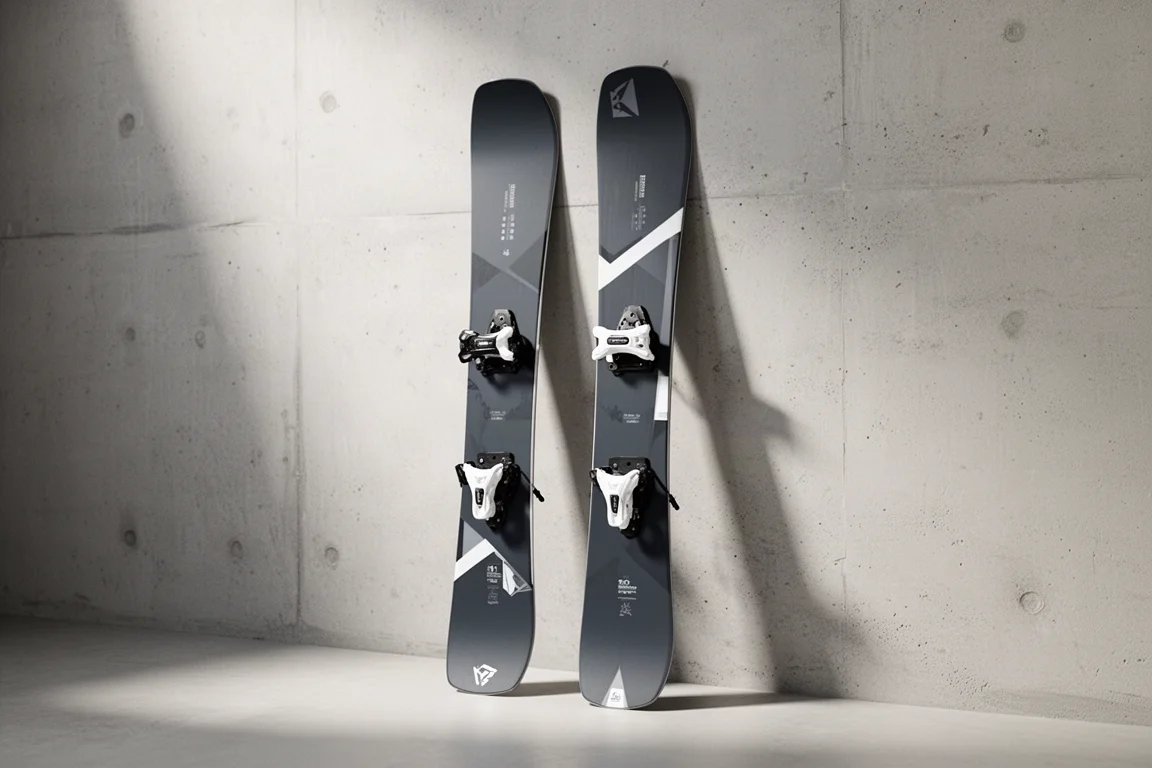
The Elan Playmaker 91 and Playmaker 101 belong to the same new freestyle collection, share almost identical construction, and look like siblings when they stand next to each other on a shop wall. What makes them interesting is that they do not ski the same way, and the difference is large enough to change which one belongs in your quiver.
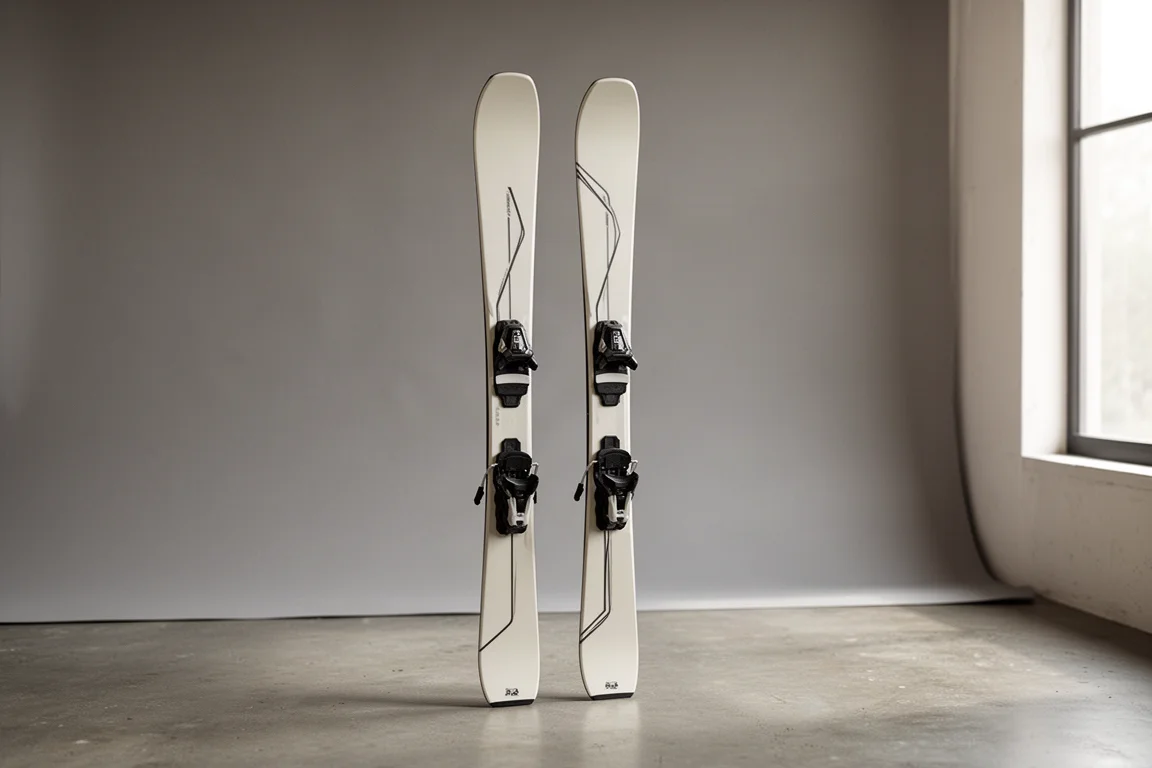
Both are symmetrical twin tips built around a lightweight wood core with carbon reinforcement through the middle of the ski. The 91 is the narrower, more composed shape, and the 101 is the wider, more surfy one. Spend real time on each and the choice stops being about spec sheets and starts being about the snow you actually ski most often.
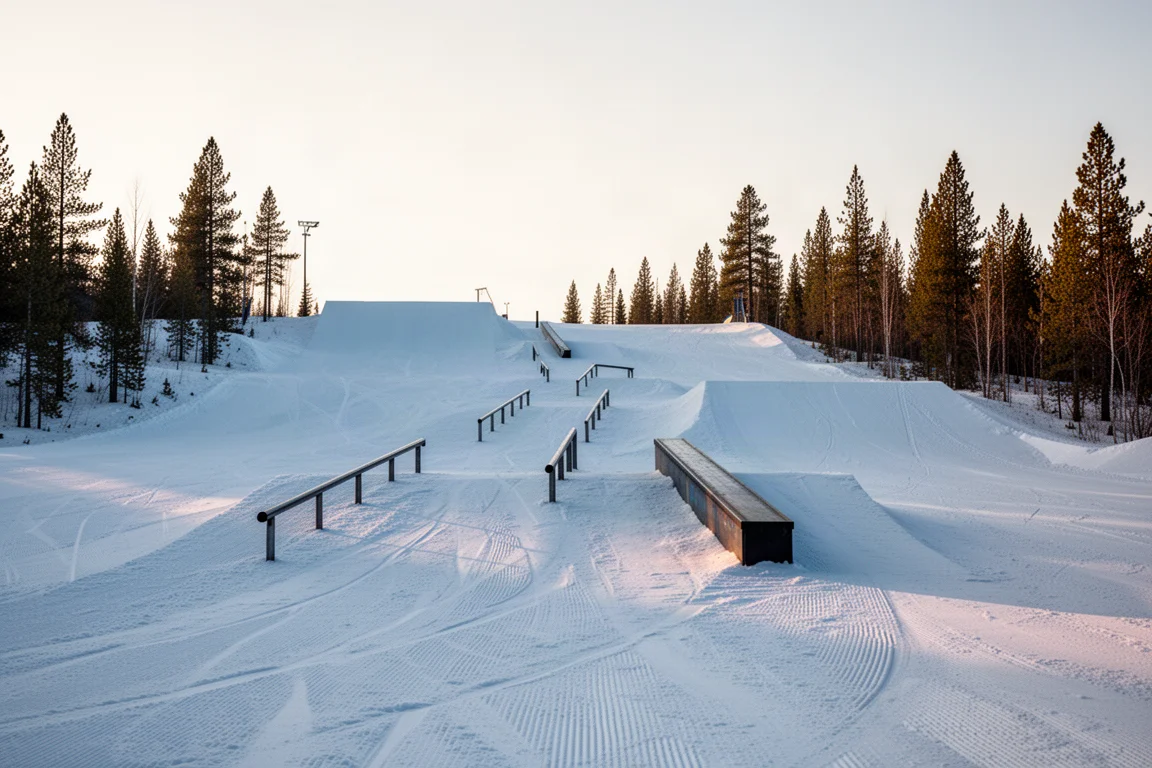
The collection as a whole fills a gap that Elan had left open for a few seasons, and both models are genuinely fun in the terrain they were designed for. The trick is matching the right one to your habits rather than buying the wider ski because wider sounds more capable.
Shared Construction and Shape
The two skis use a tube light wood core, a lightweight blend of the same type found in Elan’s Ripstick line. The carbon is where the Playmaker departs from that formula: instead of running rods along the full length of the ski, the Playmaker places them through roughly the central third. That keeps the tips and tails light and flexible while adding energy and responsiveness in the underfoot zone, which is a sensible trade for a freestyle ski that spends time on rails and in the air.
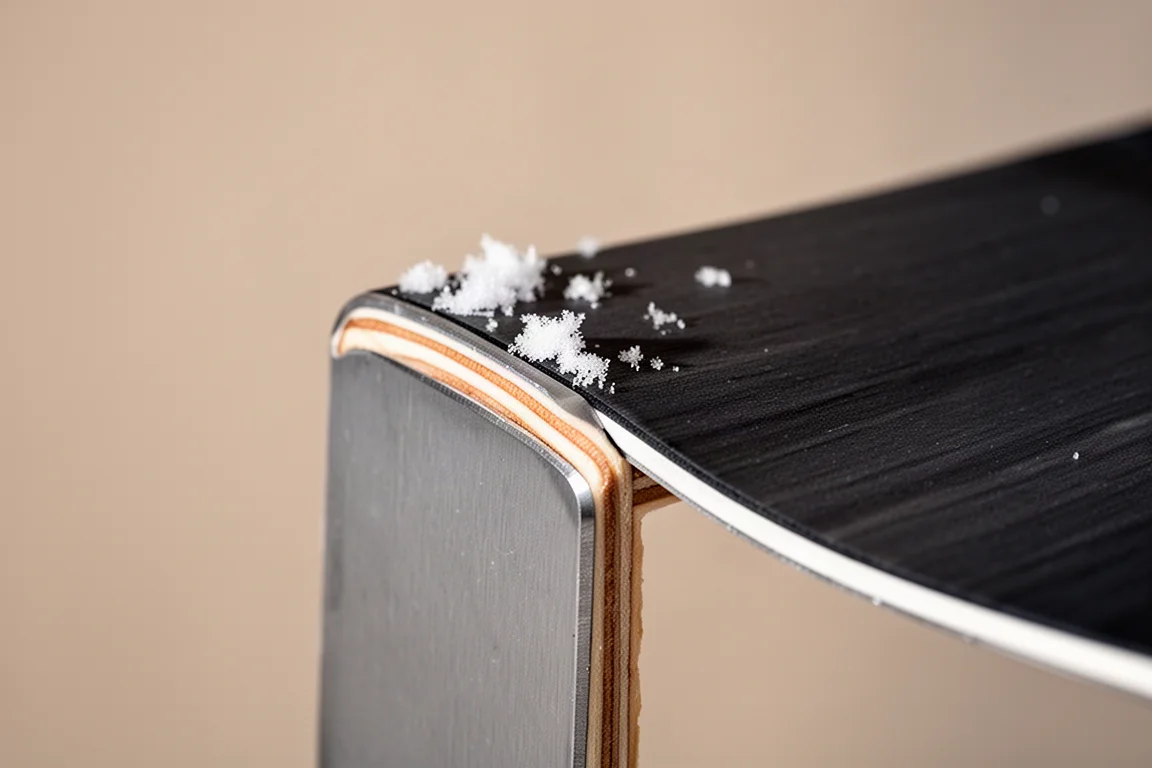
Both models use a 360 sidewall with a trapezoidal half-cap profile. The sidewall sits close to vertical underfoot and then flattens into a more capped top sheet toward the tip, and the bevel twists as it finishes near the binding. It is a tidy piece of engineering, and it reinforces the same idea: a rugged, planted mid-body with lighter extremities.
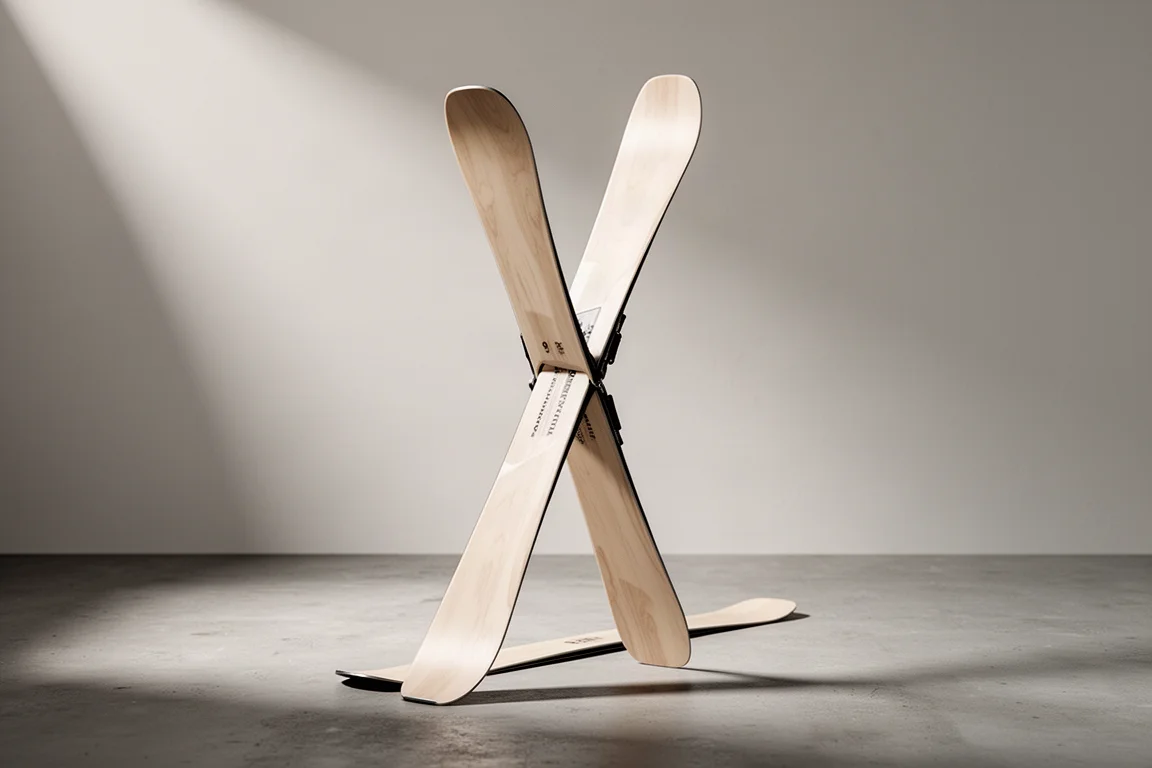
Rocker is long and low at both ends, with a slightly shorter tail rocker than tip rocker. The shape is fully symmetrical left to right, with no dedicated left and right ski, which matters if you spend your days sliding rails and do not want to destroy the inside edge of one foot. Flex is soft and round overall, with a slightly firmer feel underfoot. On the 91 the sidecut reads 122-91-116, a 6 mm tip-to-tail differential, while the 101 is about 10 mm wider and carries a 10 mm differential. Turn radius stays consistent across the lengths in the range.
Elan Playmaker 91: Park-First Playfulness
On snow, the 91 is the sort of ski that quietly changes your plans for the day. It is light enough to throw around without thinking, quick edge to edge, and torsionally stiff enough that it still feels planted when you commit to a landing or line up a rail. Against other light freestyle twin tips in a similar weight class, it comes across as stronger and more trustworthy rather than vague or washy, and that extra bite is what makes it feel precise when you want to place it somewhere specific.
The flex pattern delivers a responsive, energetic ride without turning punishing. The trade is straightforward: this is not a carving tool. It releases an edge easily and would rather be popped off a side hit, pivoted through a mogul line, or smeared across a transition than locked into a high-angle carve. It also feels noticeably more composed on firm, refrozen snow than its wider sibling, which makes it the easier of the two to live with on a mixed-conditions day.
Elan Playmaker 101: Wider, Softer-Snow Twin Tip
The 101 takes the same idea and stretches it wider. Construction, symmetrical shape and the soft, round flex all carry over, but the extra width changes the way the ski meets the snow. On bulletproof, refrozen mornings it can feel like work, and it wants at least somewhat soft snow underfoot before the design starts to make sense.
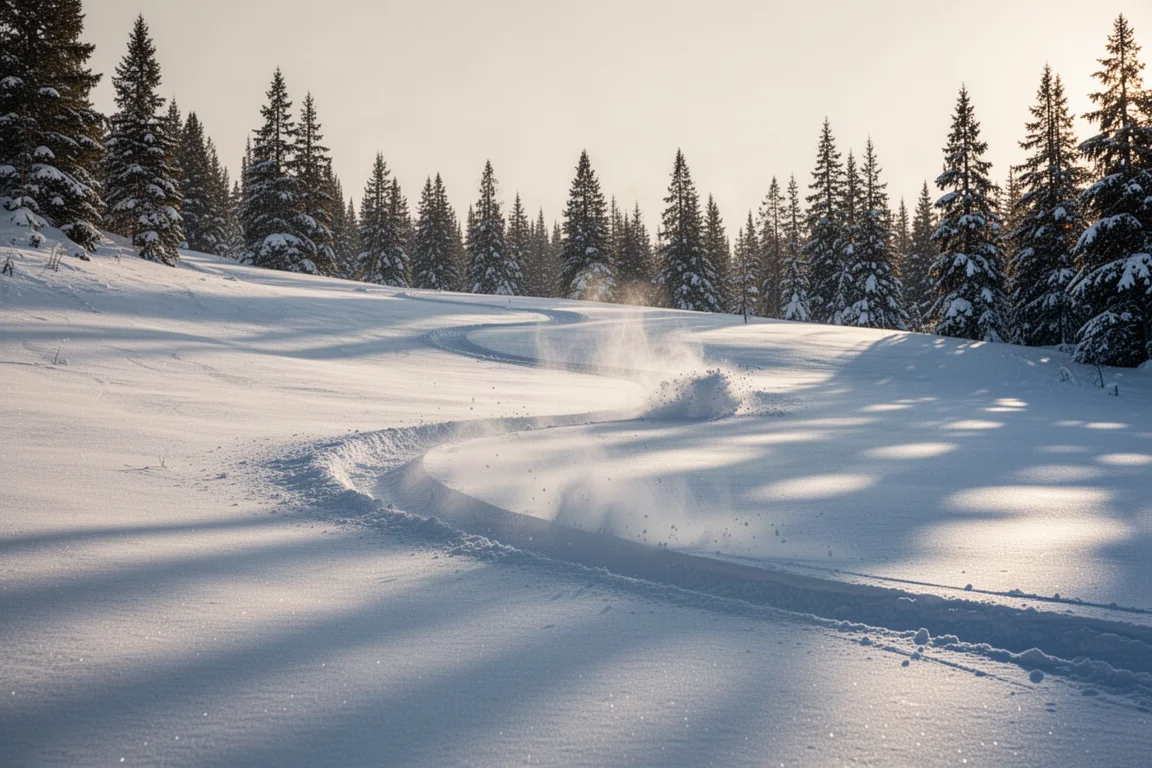
Get it into softer snow, or into the park once the surface loosens up, and it turns into a completely different ski. This is the more surfy of the pair, happier drifting and smearing, and it rewards a rider who wants a wider platform for landings and float. It shares more in character with other 101-class twin tips than the 91 does with its narrower peers.
Length matters. The 101 in a 180 cm never felt as settled as the same ski in a 188 cm, and the longer option is the one that makes the shape click. Riders who already get along with a 100 mm-plus twin tip will recognise the feel immediately, while anyone stepping down from a narrower all-mountain ski should expect a short adjustment period.
Mount Points, Flex, and Durability
The Playmaker mount pattern offers seven positions spaced roughly a centimetre apart, which is a useful amount of room if you split your season between park laps and all-mountain days. The most forward option sits about 3 cm back from true centre, and the middle position lands around 6 cm back, so there is enough range to move the ski’s balance point without redrilling.
Flex feels similar between the two models when you handle them side by side. Both sit on the soft side of the freestyle spectrum with a firmer underfoot zone, and the differences between them show up on snow rather than in your hands.
Durability has held up well so far. The thin sidewall profile and light core invite questions, but the bases have survived a season of rail laps and even a late-season run across dry ground, and the edges remain workable. Keeping a light ski like this out of a machine tune and deburring the edges by hand is one reasonable way to protect it, and neither model has needed more than basic edge care.
Who Should Buy Which Playmaker
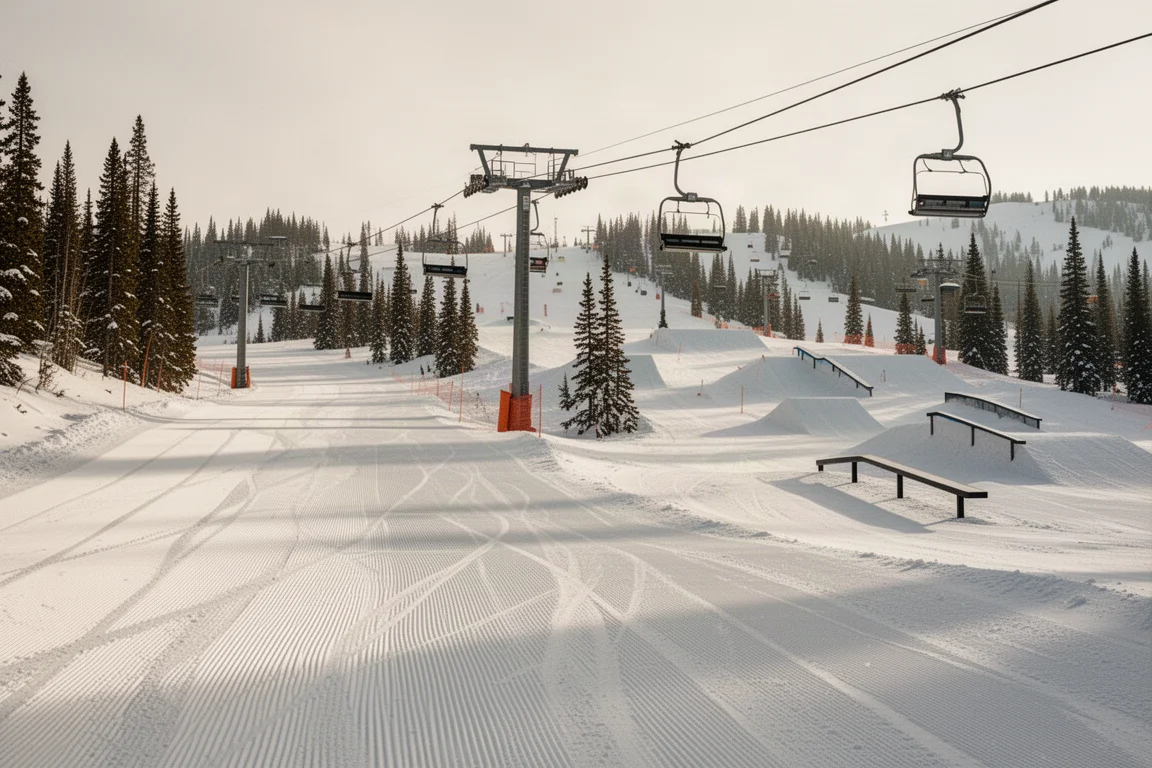
Choose the 91 if your season is built around park laps, side hits and mogul lines, if you prefer a narrower ski underfoot, or if firm snow shows up more often in your conditions than deep days. It is the more composed of the two on hardpack and the more exact of the two when you want the ski to go precisely where you are looking, which is a rare combination at this weight.
Choose the 101 if you ride softer snow regularly, want more float and a wider landing platform, or already feel at home on 100 mm-class twin tips. Be honest about your typical conditions, though: on bulletproof mornings the 101 will not flatter you the way the 91 does, and it is the ski that asks more of the rider when the surface is unforgiving.
Both skis are easy to live with, both are genuinely fun, and neither is a specialist carving tool. The deciding factor is snow and terrain rather than a number on the waist. If you can only own one and your days are split, the 91 is the safer all-round pick. If soft snow is the norm and you want a wider, surfier platform, the 101 is the one worth waiting for the right length on.
Conclusion
The Playmaker 91 and Playmaker 101 come from the same mould philosophy and the same core recipe, yet they reward different skiers. The 91 is the more precise, more composed shape and the better fit for park-focused riders who also deal with firm snow. The 101 is the wider, surfier option that comes alive once conditions soften and is at its best in a longer length. Match the ski to the snow you actually get, and either one delivers the playful, lightweight feel the collection was built around.
Further reading
Related Reviews
Freestyle Skis
Armada ARV 94 Review: A Lighter, More Durable Freestyle Ski
The 2024 Armada ARV 94 pairs a caruba core and Wedge Wall sidewalls with a retuned shape, dropping weight while adding park durability.
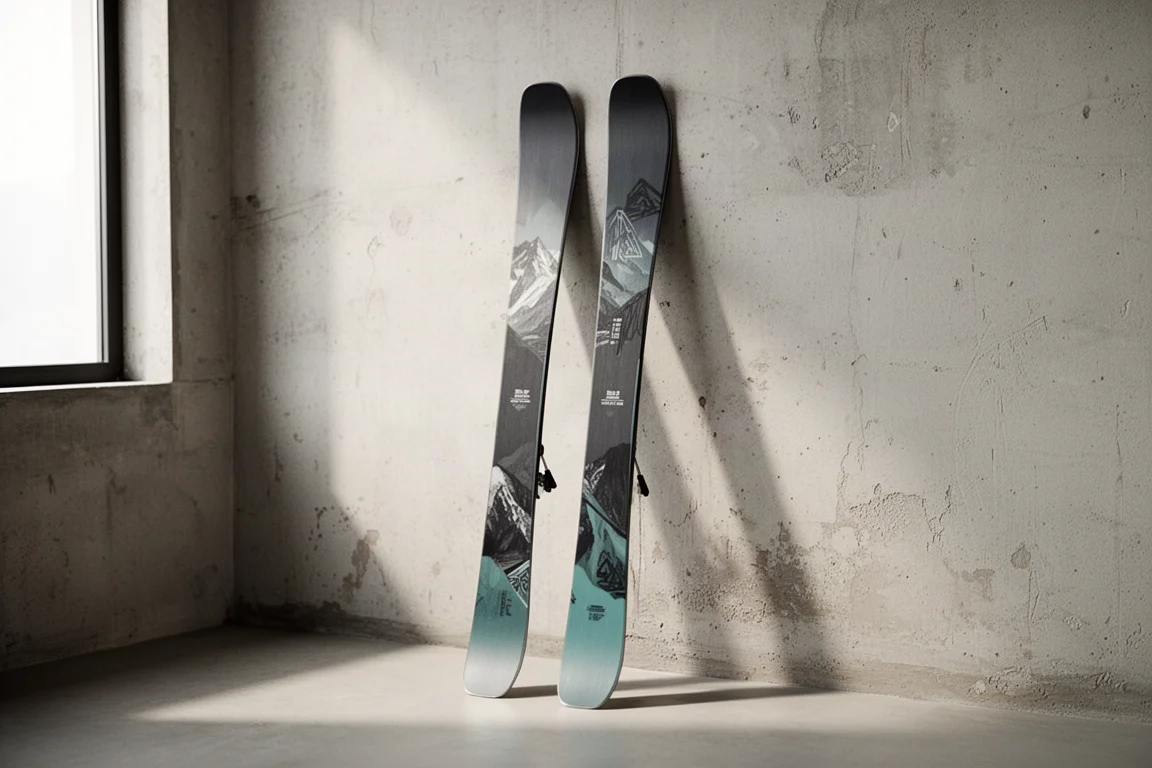
Freestyle Skis
Armada B-Dog Review: A Jib-Focused Freestyle Ski Built for Butters and Rails
A closer look at the Armada B-Dog, Phil Casabon's signature freestyle ski, covering its soft flex, rocker profile, durability, and who it actually suits.
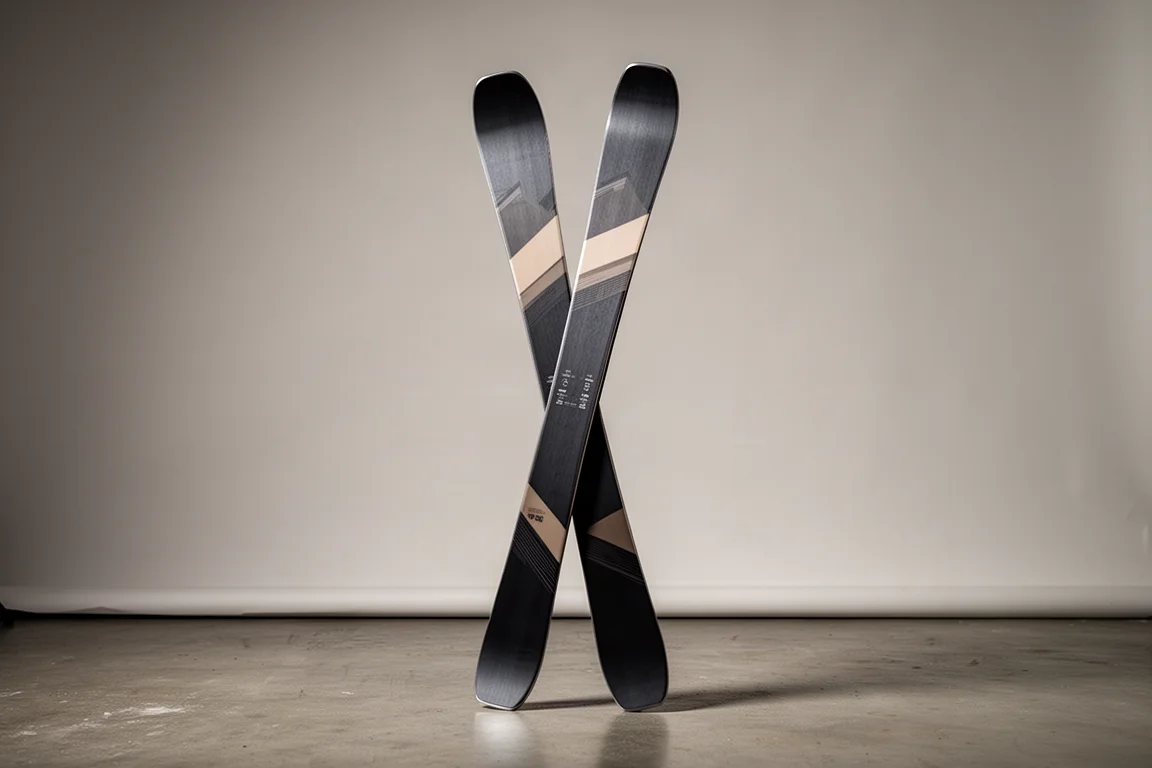
Freestyle Skis
K2 Omen Team Review: A Park-First Twin Tip Built for Hard Landings
A close look at the K2 Omen Team, the flagship twin tip in K2's new freestyle collection, covering its construction, flex, shape, and the riders it suits best.