Freestyle Skis
Armada ARV 94 Review: A Lighter, More Durable Freestyle Ski
The 2024 Armada ARV 94 pairs a caruba core and Wedge Wall sidewalls with a retuned shape, dropping weight while adding park durability.
Introduction
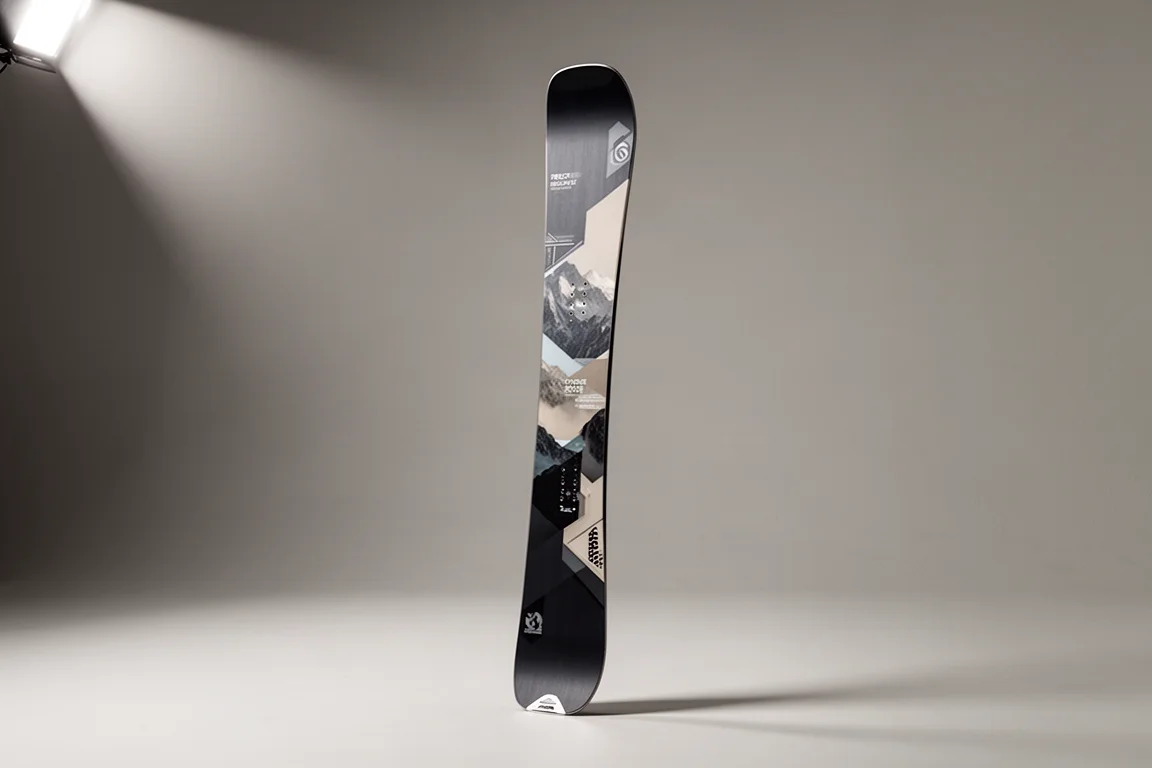
The Armada ARV 94 arrived in 2024 as part of a reworked freestyle line. Armada replaced its previous 86 mm and 96 mm models with an 88, a 94, and a 100, and the 94 sits in the middle of that spread. With 94 mm underfoot and a freestyle twin tip shape, it is aimed at riders who want one ski for park laps, tree runs, and the softer snow that shows up between storms.
Three changes define this generation. The core has moved from poplar and ash to caruba, while an ash binding insert stays underfoot for binding retention and a firmer feel through the middle of the ski. The sidewall uses a new 3D injection molded profile that angles inward to meet an angled core edge. And the shape has been retuned so the widest points of the tip and tail sit closer to the middle of the ski rather than being pushed out toward the ends.
Those changes take real weight out of the ski. A 178 cm ARV 94 measures 94 mm underfoot and weighs 1,650 grams, roughly 200 grams less than the equivalent length in the previous generation. The same construction carries over to the women’s ARW 94.
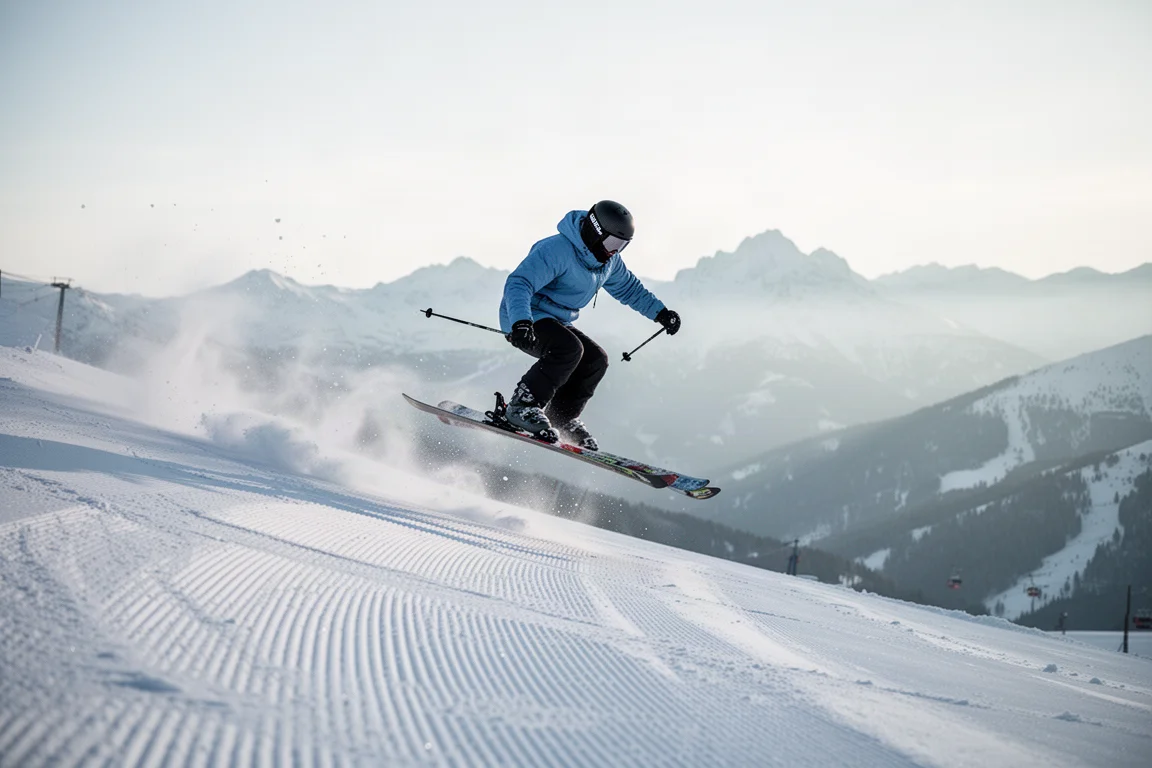
Durability is the headline of the redesign. Because the sidewall and the core are angled into each other instead of meeting at a vertical seam, an impact presses them together rather than prying them apart. For a ski that spends much of its life on rails and boxes, that is a meaningful change in how the structure behaves.
Who the Armada ARV 94 Is For
This is a freestyle ski first and an all-mountain ski second. Riders who move between the terrain park, the tree line, and groomed runs on the same day will get the most out of it. It also suits skiers with a freeride or freestyle background who are already comfortable with a more centered stance and a twin tip tail.
It is not the obvious choice for a committed directional skier. Someone who has only skied directional, metal-laminate skis of similar width may find the ARV 94 has a lot of ski behind the boot, simply because it is a twin tip with a freestyle mount point.
It is also not a powder ski. It handles soft snow well enough for quick slashes and smears, but riders who prioritize float should look at the 100 mm version in the same line.
Main Strengths
Weight is the first thing you notice. Dropping roughly 200 grams from the previous generation changes swing weight in a way that shows up immediately, whether the ski is being spun onto a rail or sent off a jump.
Edge grip is the second. A lighter, softer ski would normally give up some bite on hardpack, but the edge hold here is strong, and the ski bends easily enough to let a rider vary turn shape and radius without needing much speed. Releasing the edge is just as easy, which makes short skidded turns and smears from forward to switch feel natural.
The flex is playful. The ARV 94 is slightly softer than the ski it replaces, particularly in the tips and tails, with a natural flex pattern that presses and butters without fighting back.
Versatility ties it together. The ski moves between groomers, bumps, trees, and softer snow without demanding a change in technique, and it rarely feels catchy at the tip.
On-Snow Performance
On groomers the ARV 94 is stable and holds a carve better than its weight suggests. It is not built for straight-line speed in the way a directional ski with metal is, but it is happy making a range of turn shapes and easy to break loose when the terrain gets tighter.
In bumps and trees it feels quick, lively, and energetic. It is easy to maneuver in tight lines and has a bouncy, intuitive character that encourages jumping off anything that looks like a lip.
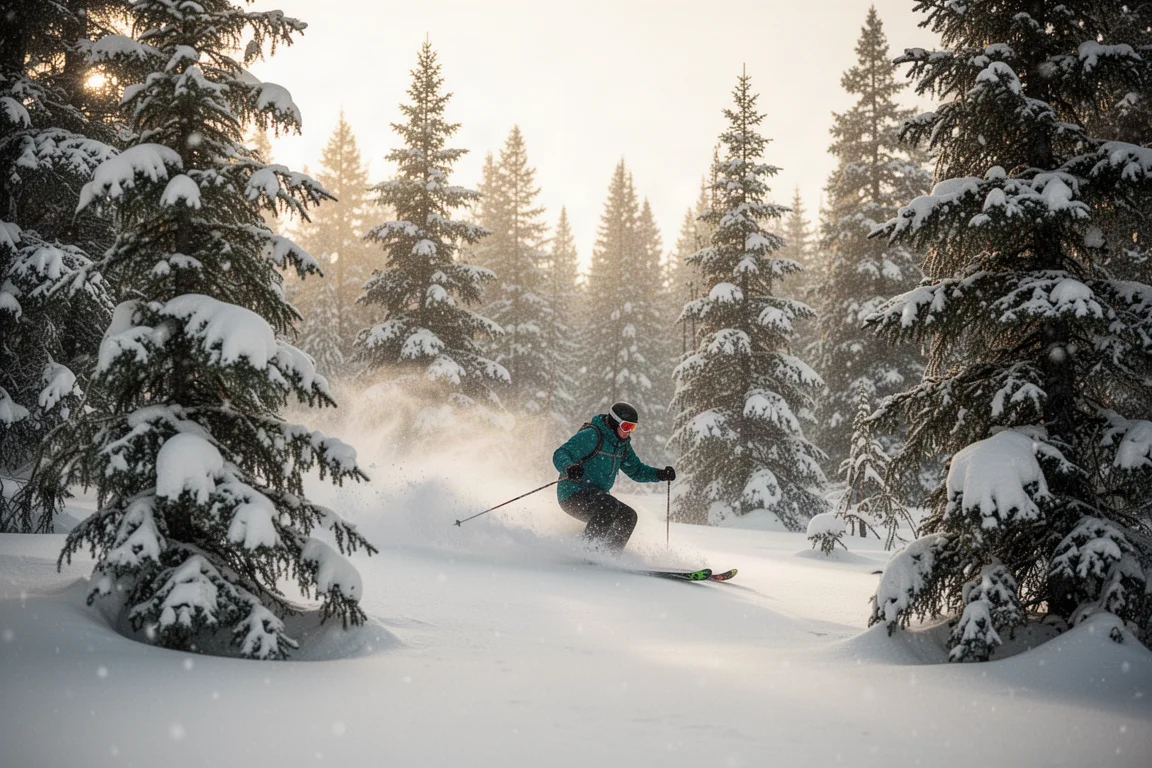
In soft snow it rewards an aggressive, quick-turn style rather than long, round arcs. It slashes and smears well for a 94 mm ski, though deeper days clearly favor the wider 100 mm model.
Park and Rail Durability
The park is where the redesign pays off most. The lighter swing weight is obvious when spinning onto rails and when setting up for jumps, and the ski still feels substantial enough in the air that it does not get pushed around on takeoffs.
Takeoffs are smooth and predictable, including switch takeoffs, where the retuned tip and tail shape keeps the tip from catching. That is a small detail that matters a great deal once spins become part of a normal run.
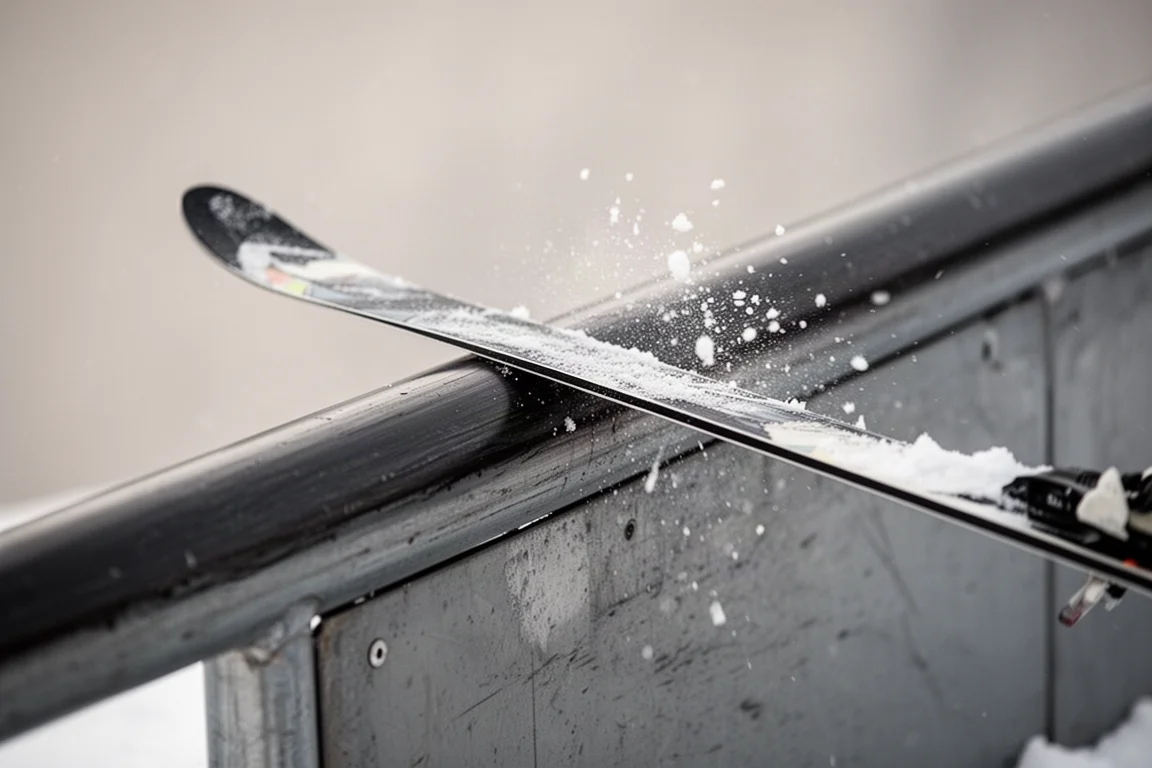
The durability claim holds up over a long season of park laps. After heavy use, the top sheets show plenty of rail marks, but the edges stayed intact. That is the difference between a ski you can treat normally and a ski you have to baby: once an edge cracks, every session becomes a negotiation about drying the ski, storing it carefully, and avoiding the freeze and thaw that can split it further. Riders who have been through that cycle will recognize the value of not worrying about it.
Things to Consider Before Buying
The ARV 94 is not a directional ski, and that shapes everything about how it feels. Skiers who want a damp, planted, straight-line oriented ski at a similar width should look at a metal-laminate directional model instead.
The freestyle mount point sits 2 cm back from true center, while the factory recommended point is closer to 4.5 cm back from true center. Where the binding goes changes how the ski balances, so it is worth deciding before anything gets drilled.
It is not a powder ski, and it is not built for straight-lining big mountain terrain.
The flex is softer than the previous generation, which is a benefit for playfulness and a trade-off for anyone who preferred the firmer feel of the older ski.
Buying Advice
Start with width, because it determines which version of this line makes sense. The 88 mm model is the park-focused option, the 94 mm model is the balanced all-mountain freestyle choice, and the 100 mm model is the better pick for riders who see a lot of soft snow.
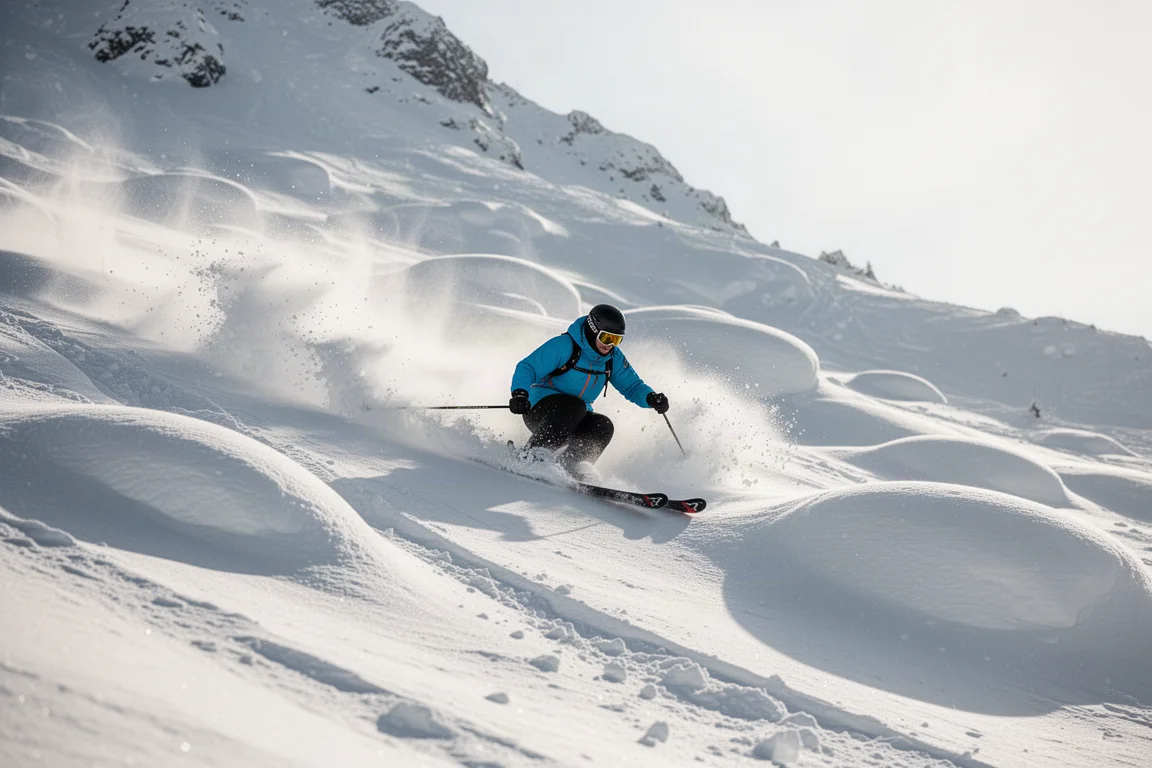
Then think about how you actually ski. If most days involve park laps and tree runs with groomers in between, the ARV 94 covers that without compromise. If your days are mostly directional cruising on hardpack, a metal-laminate ski will serve you better.
Finally, weigh the durability story seriously. A ski that survives a season of rail impacts without cracking an edge is worth more than its spec sheet suggests, because it removes the constant maintenance anxiety that comes with a fragile park ski.
Conclusion
The Armada ARV 94 is a genuine step forward for the line: lighter, more playful, and more durable than the ski it replaces, while keeping the edge grip and versatility that make a 94 mm freestyle ski useful across the whole mountain. Riders who split their time between the park, the trees, and soft snow will find very little to fault, and the durability improvements mean it can be skied hard without being handled carefully.
Product link
View more details for Armada ARV 94
This product is mentioned in the review. Check the specifications, options, and compatibility before buying.
View more details for Armada ARV 94Further reading
Related Reviews
Freestyle Skis
Armada B-Dog Review: A Jib-Focused Freestyle Ski Built for Butters and Rails
A closer look at the Armada B-Dog, Phil Casabon's signature freestyle ski, covering its soft flex, rocker profile, durability, and who it actually suits.
Freestyle Skis
Elan Playmaker 91 vs Playmaker 101: Which Freestyle Twin Tip Fits Your Skiing?
Two freestyle twin tips from the same Elan collection, compared on construction, park feel, firm-snow composure, and the conditions each one actually rewards.
Freestyle Skis
K2 Omen Team Review: A Park-First Twin Tip Built for Hard Landings
A close look at the K2 Omen Team, the flagship twin tip in K2's new freestyle collection, covering its construction, flex, shape, and the riders it suits best.