Fountain Pens
Edison Collier vs Collier Grande: Two Large Fountain Pens, Two Very Different Feelings
A practical side-by-side comparison of the Edison Collier and the larger Collier Grande, covering size, nibs, filling systems, and comfort to help you pick the right one.
Introduction
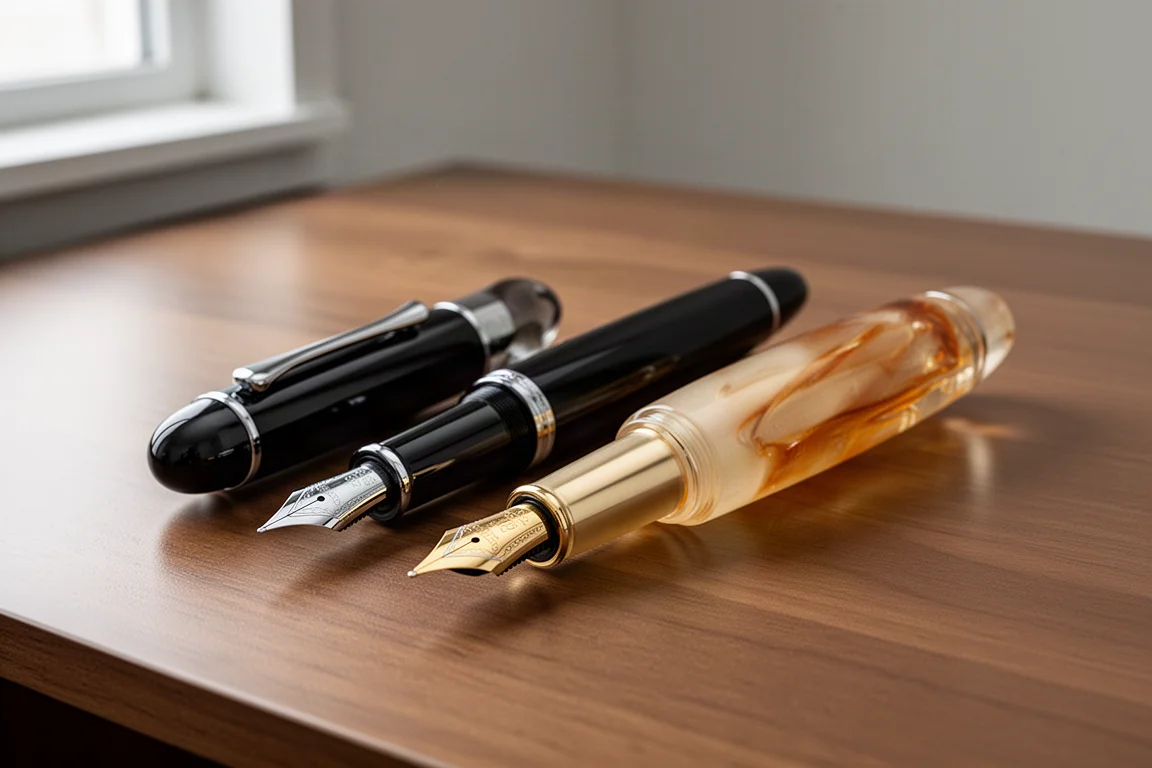
Edison Pens has built a loyal following around friendly service, a wide material selection, and comfortable pen shapes. Two models illustrate that approach well: the Collier, a pen that already sits on the larger side, and the Collier Grande, a bigger, girthier take on the same design. Both share the familiar bulbous cap and hourglass-shaped section, but they differ in size, nib size, and filling system, and those differences genuinely change how each pen feels in hand.
The comparison below focuses on the writing experience rather than materials, since both are offered in a wide range of acrylics, and materials can be chosen to taste.
Side by Side: Size and First Impressions
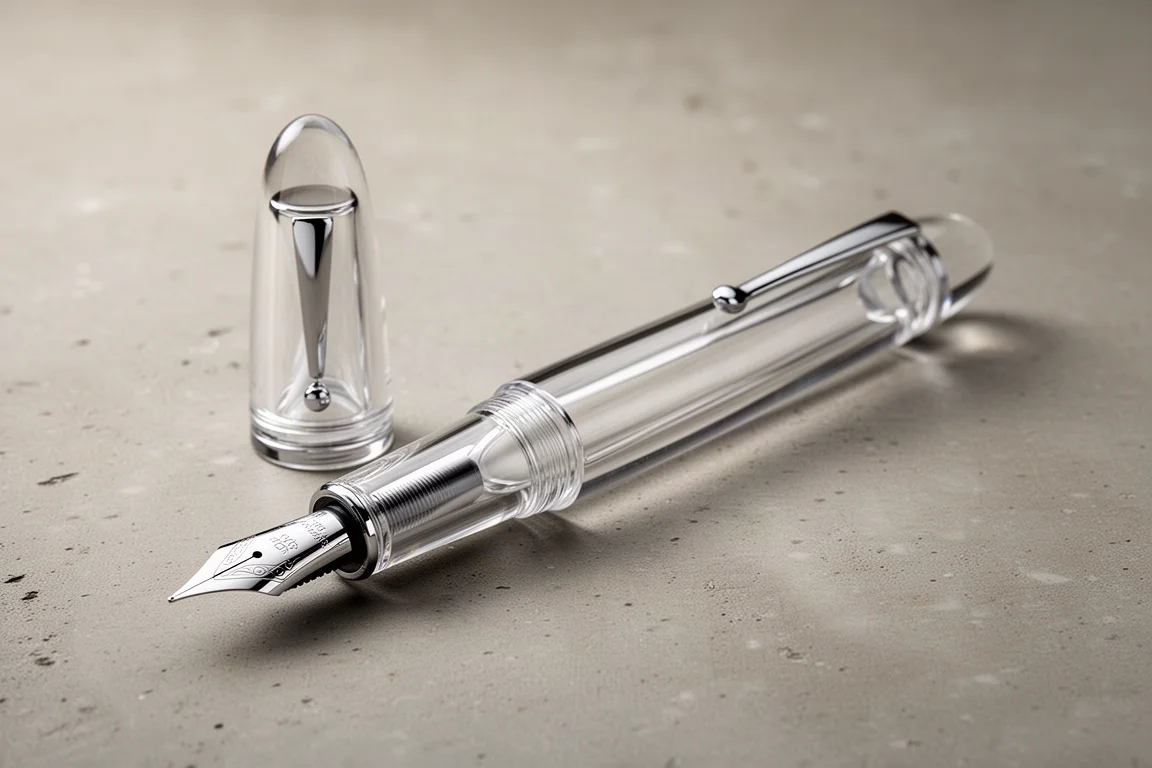
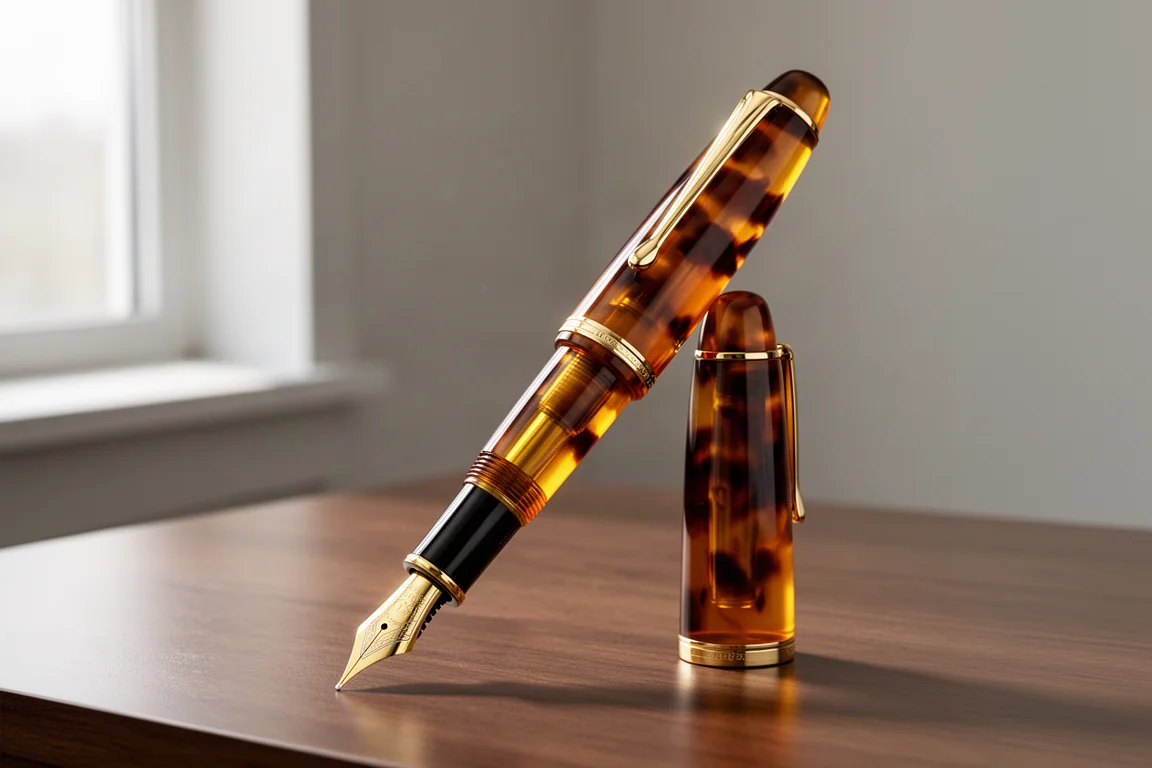
Placed next to a slim everyday cartridge-converter pen, the Collier already reads as a larger pen. The Collier Grande takes that a clear step further: it is bigger in girth, a little longer, and it carries a larger nib. Both pens share a distinctive exclamation-mark style clip and a cap that tapers in a pleasantly bulbous way.
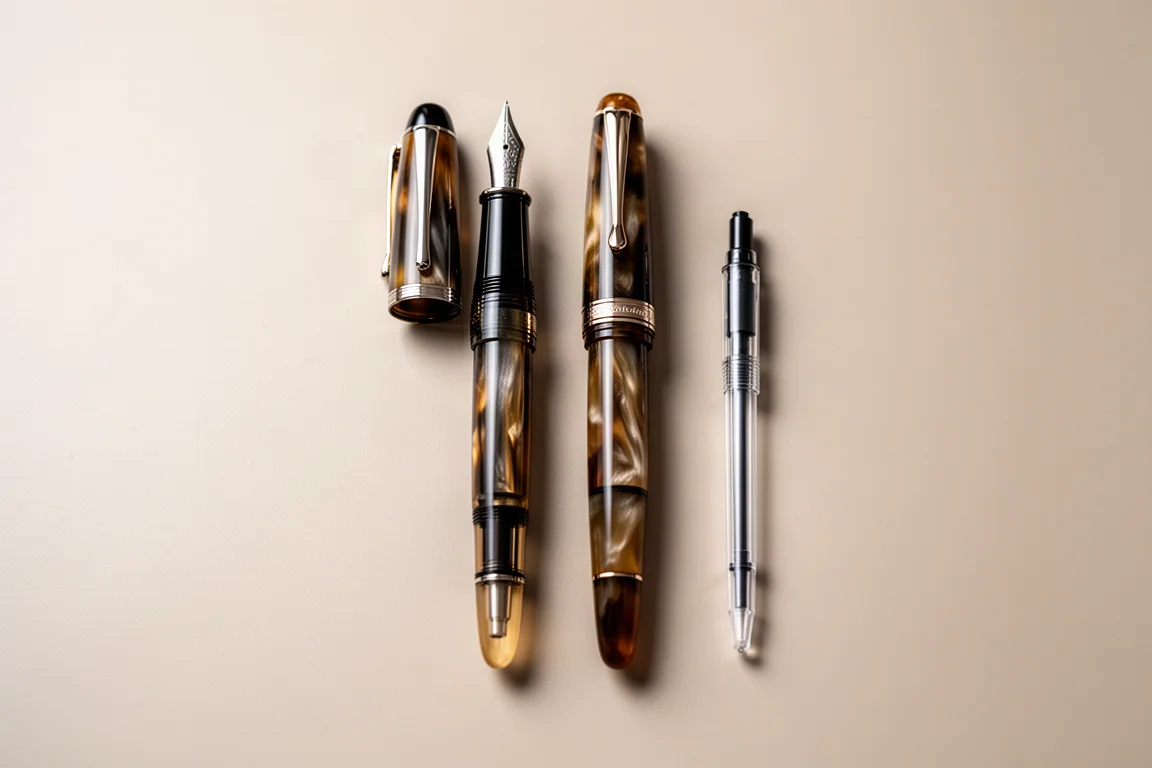
Both pens use steel nibs in the number six (Collier) and number eight (Grande) size, and both are available in a broad selection of materials. A small caveat worth knowing: neither pen will post, so if posting the cap is part of your routine, these will not accommodate it.
The Edison Collier
The Collier uses a number six steel nib with a laser-engraved Edison logo and a plastic feed, filled by cartridge or converter. The cap shape is a little bulbous and the overall size works for a lot of people, which is one of the main reasons this pen has lasted so long in collections.
The hourglass-shaped section tapers fairly fine, making it comfortable for a range of hand sizes. There is a modest step down from the section, and the cap threads can be felt if you deliberately run your fingers over them, but in normal writing neither is distracting.
Because of the fairly big barrel, acrylic versions of the Collier can be eyedroppered for a large ink capacity, an easy way to get long writing sessions between fills.
The Edison Collier Grande
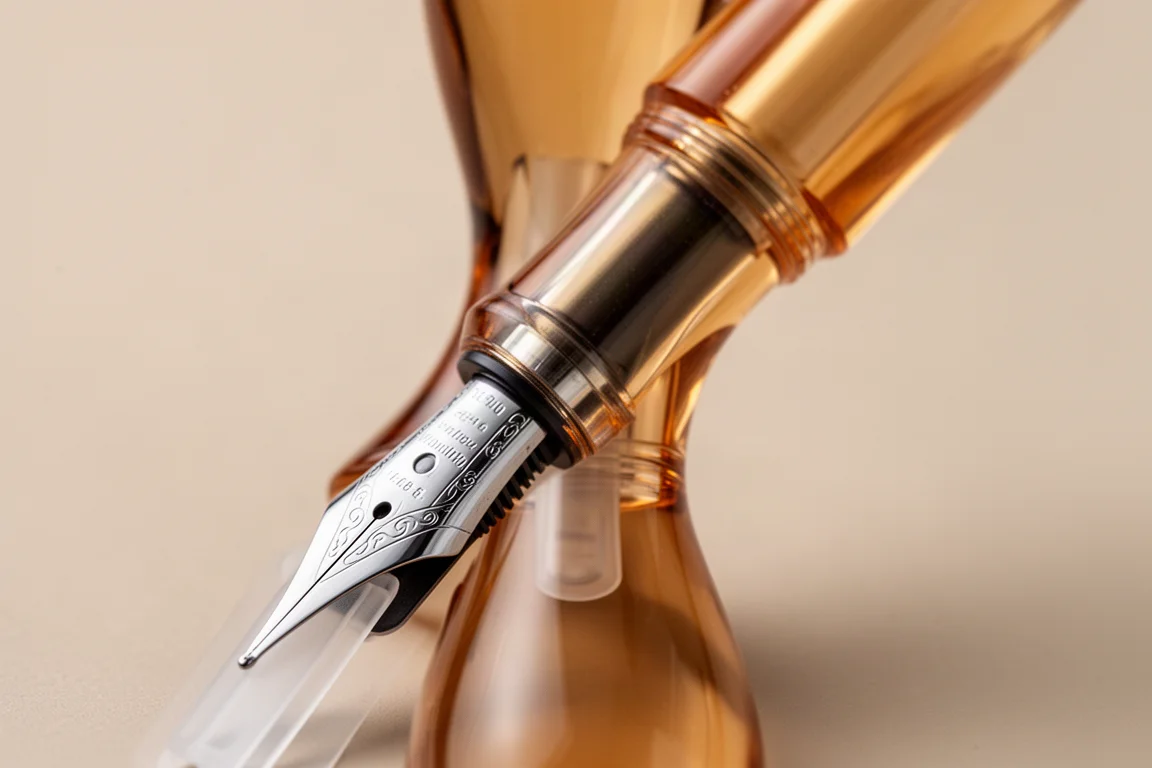
The Grande is mainly bigger in girth with a bit of added length, and it steps up to a number eight steel nib, said to be made by Magna Carta in India. The nib carries an actual engraving rather than a laser one, and it is gold-colored rather than gold, still a steel nib underneath. The feed is ebonite, which gives very good flow characteristics.
On the filling side, the Grande is typically offered with a draw filler, which accounts for roughly a hundred dollars of its price premium. If that system does not appeal, it can be bought as a cartridge-converter pen for $325. Like the Collier, it can also be eyedroppered for maximum capacity.
The step down from the section feels a little less pronounced on the Grande, though that may be partly the material. The threads feel the same as the Collier, noticeable only if you deliberately touch them, and not at all while writing.
How They Write
Writing side by side with the same ink in both pens, the differences come through quickly. The Collier tested here carried a 1.1 millimeter stub nib, which adds natural line variation and a bit of character to handwriting. It is not the wettest nib, but it is pleasant to use.
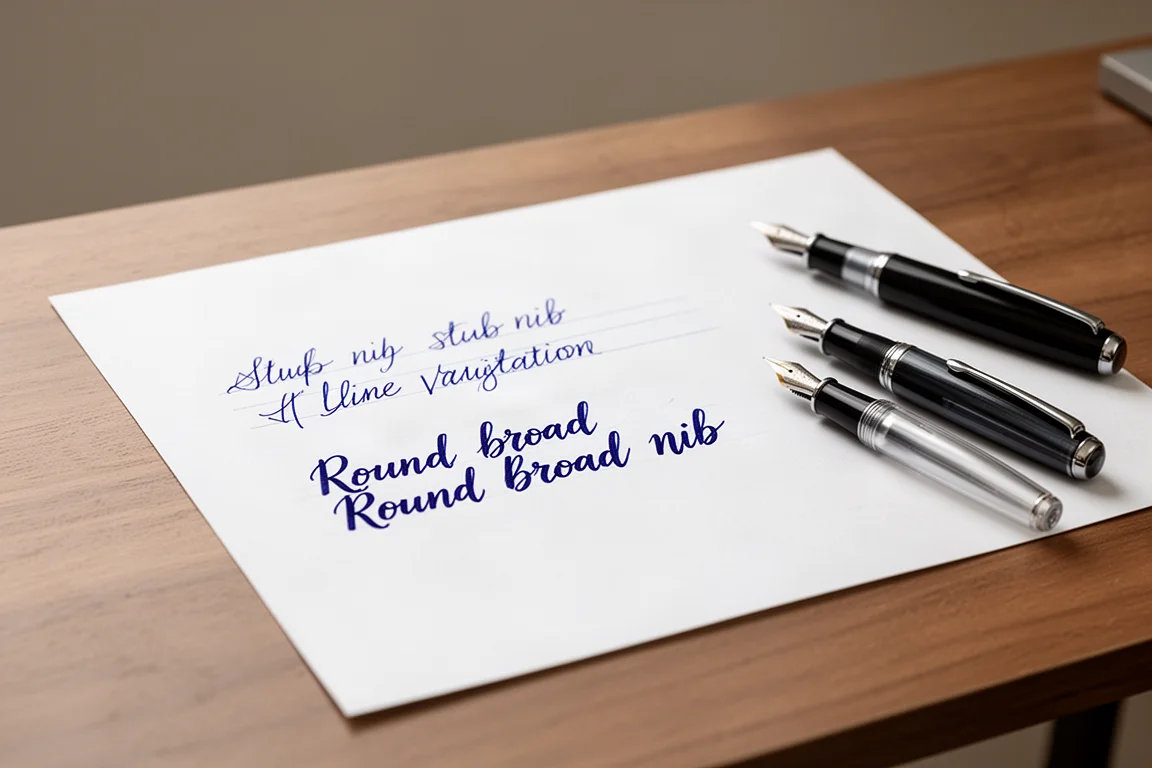
The Grande, fitted with a round broad nib, came out of the box noticeably wetter and more saturated. It is not a flex nib, though pressing gently adds a little width. On pure comfort, the larger pen wins for anyone who prefers a fuller grip.
Which One Should You Buy?
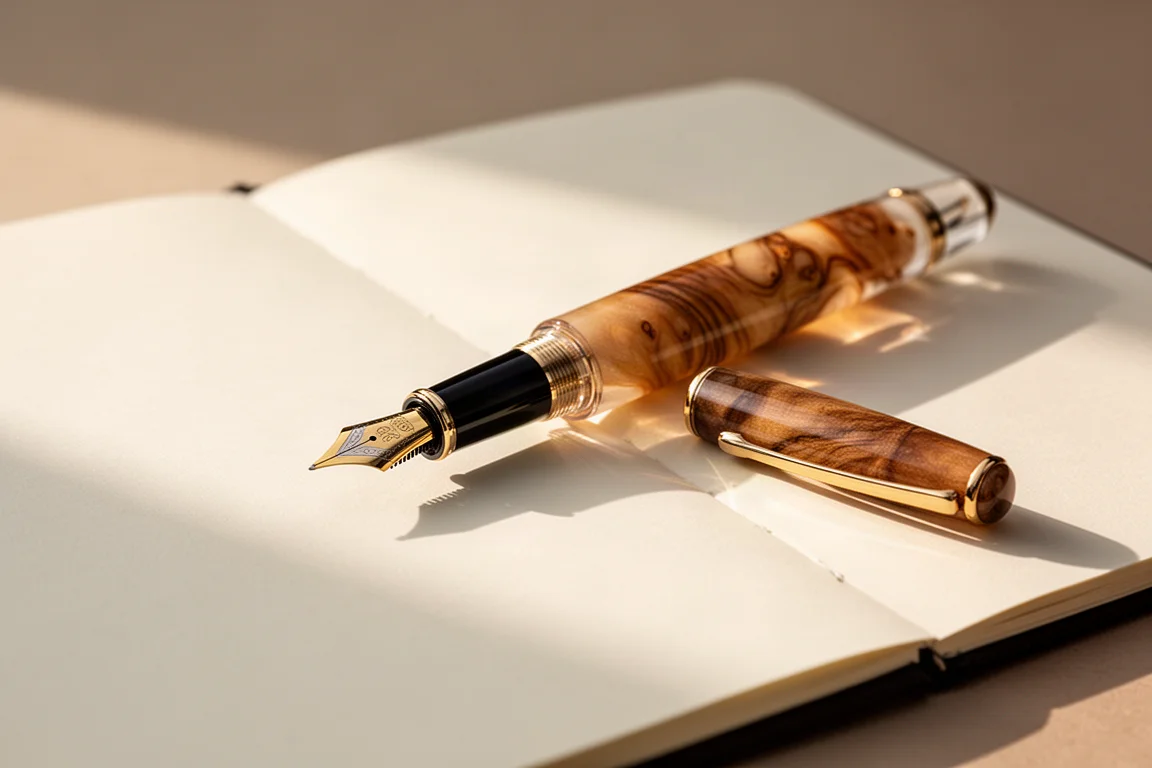
The Collier is the safer choice for most hands. It is a good size for a wide range of users, comfortable to hold, and easy to live with as a cartridge-converter or eyedropper pen. The Collier Grande rewards those who specifically want a larger pen: the added girth and length make it genuinely more comfortable for big hands, and the wetter, larger nib writes beautifully out of the box.
One practical note: the Grande sits in the signature line rather than the regular production range, so it must be ordered directly from Edison rather than through retailers that carry the Collier. That can mean a lead time while your chosen material and configuration are made. Both pens share the same threading quirk, noticeable only when deliberately touched, and neither posts, but both are very comfortable writers.
Conclusion
If you want a friendly, larger-than-average pen that suits almost everyone, the Collier remains an easy recommendation. If you prefer a really substantial pen with a bigger, wetter nib and a more luxurious filling option, the Collier Grande justifies its size and its price. Either way, the choice mostly comes down to how much pen you want in your hand.
Further reading
Related Reviews
Fountain Pens
Best Budget Fountain Pens Tested: 9 Pens, One Clear Winner
A hands-on comparison of nine affordable fountain pens for everyday writing, calligraphy, and sketching, with a clear standout for flexible nib fans.
Fountain Pens
Aurora Optima Review: An Italian Piston Filler That Punches Above Its Price
A 14k gold nib, ebonite feed, and a beautifully deep oraloid body make the Aurora Optima one of the most rewarding piston fillers around.
Fountain Pens
Cross Bailey Light Review: The Entry-Level Fountain Pen Worth Keeping at the Office
A plastic-bodied Cross with a metal clip, snap cap, and famously smooth extra fine steel nib. Around $15, available almost everywhere, and easy to recommend.