Tools
The No-Compromise EDC Plus Automotive Tool Kit: What Goes In and Why
A curated portable tool kit for car work, built around premium pliers, wrenches, sockets, ratchets, and a smart storage setup.
Introduction
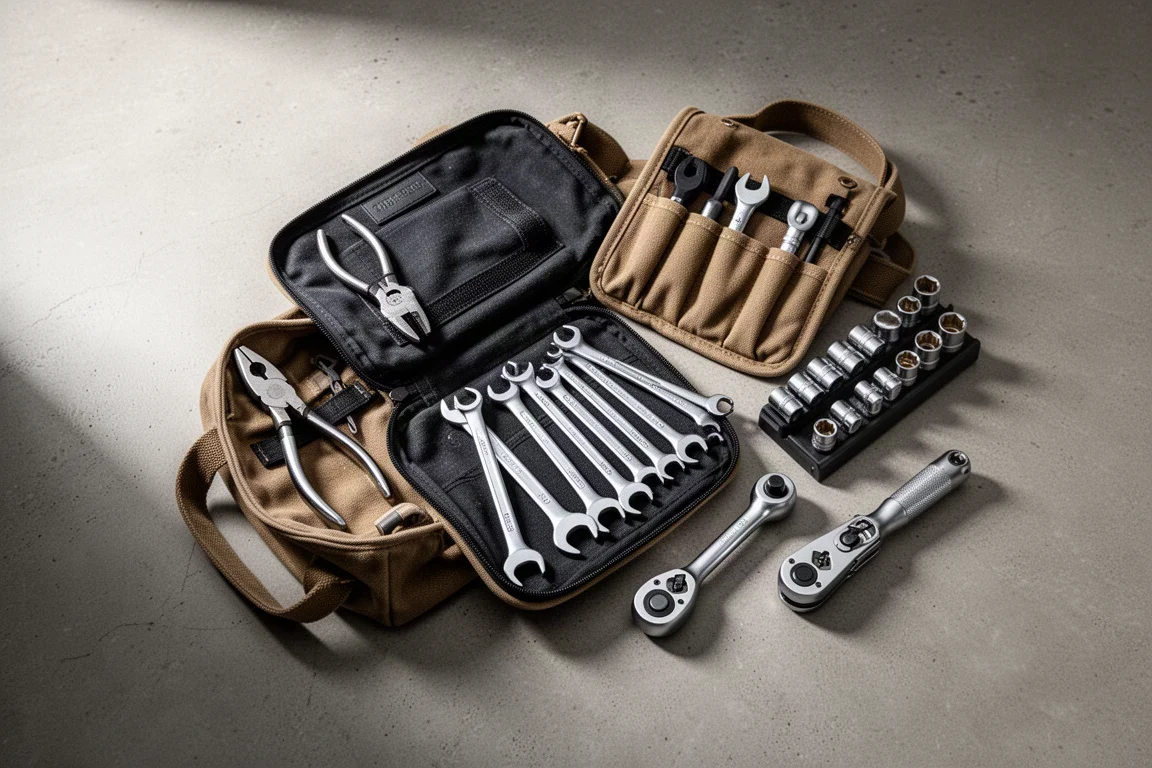
Building a portable tool kit that can genuinely handle most car-side repairs is a balancing act. You cannot fit everything needed for a clutch job or an engine rebuild, but you can cover enough to walk into a friend’s shop with your own tools and get most things done. The goal here is a no-compromise EDC Plus kit: top-quality tools, very few sacrifices, and tools that are a pleasure to use rather than a budget compromise. This is a premium build-out, and much of it can be replicated with clone tools if the budget does not stretch that far.
Pliers: The Foundation of Any Kit
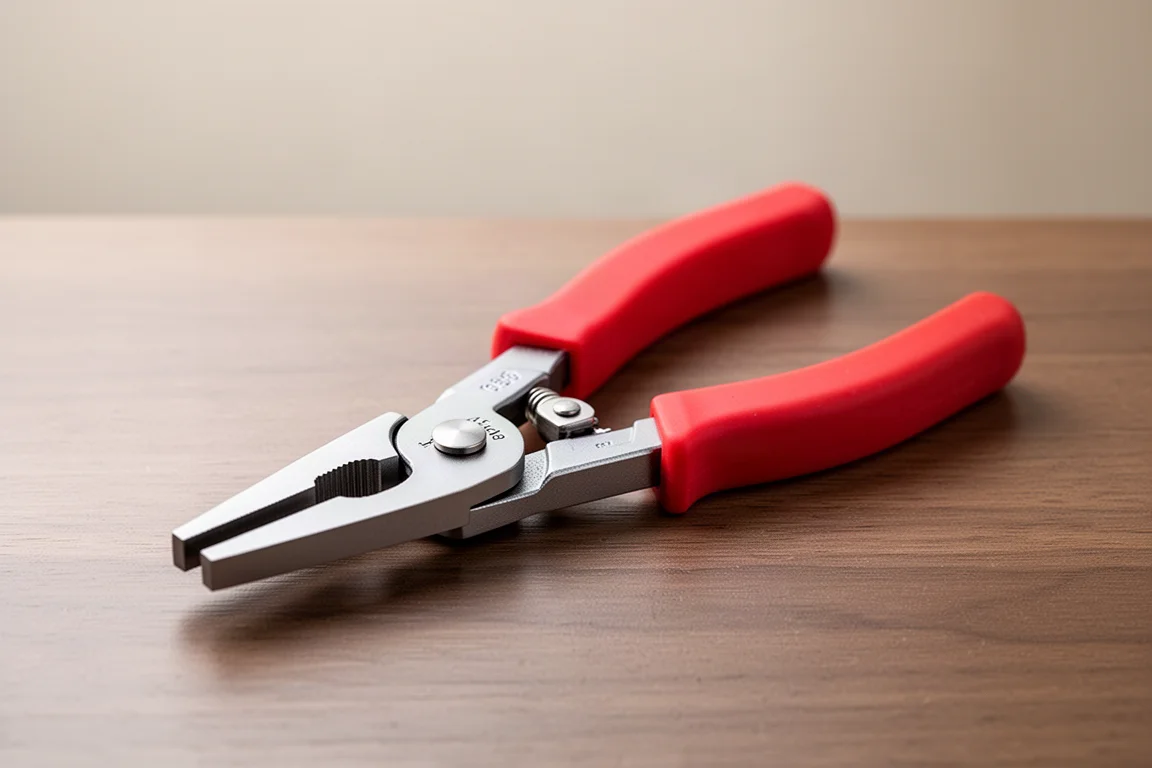
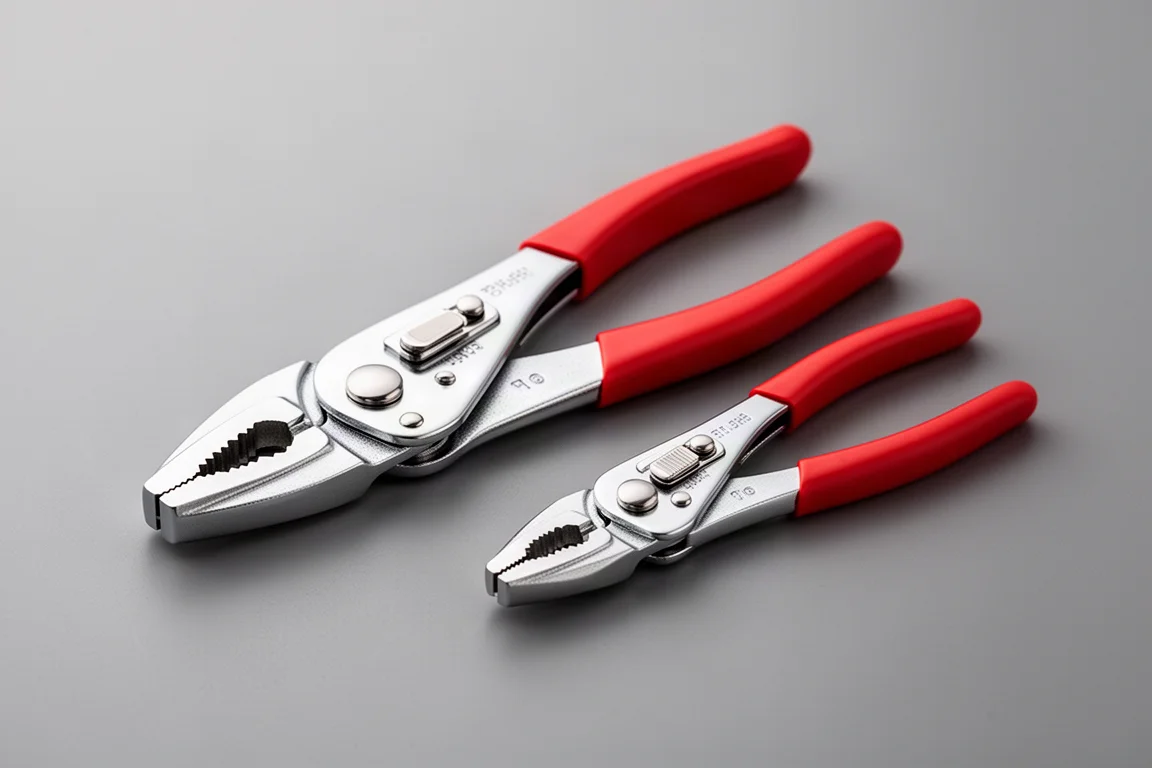
No portable kit feels complete without a pair of Knipex Plier Wrenches. These small adjustable pliers act like a smooth-jawed wrench on nuts and bolts, and they have a reputation for fixing an amazing variety of things. Paired with Knipex Cobras, which grip hard and adjust fast, you can turn a surprising number of bolts when access allows.
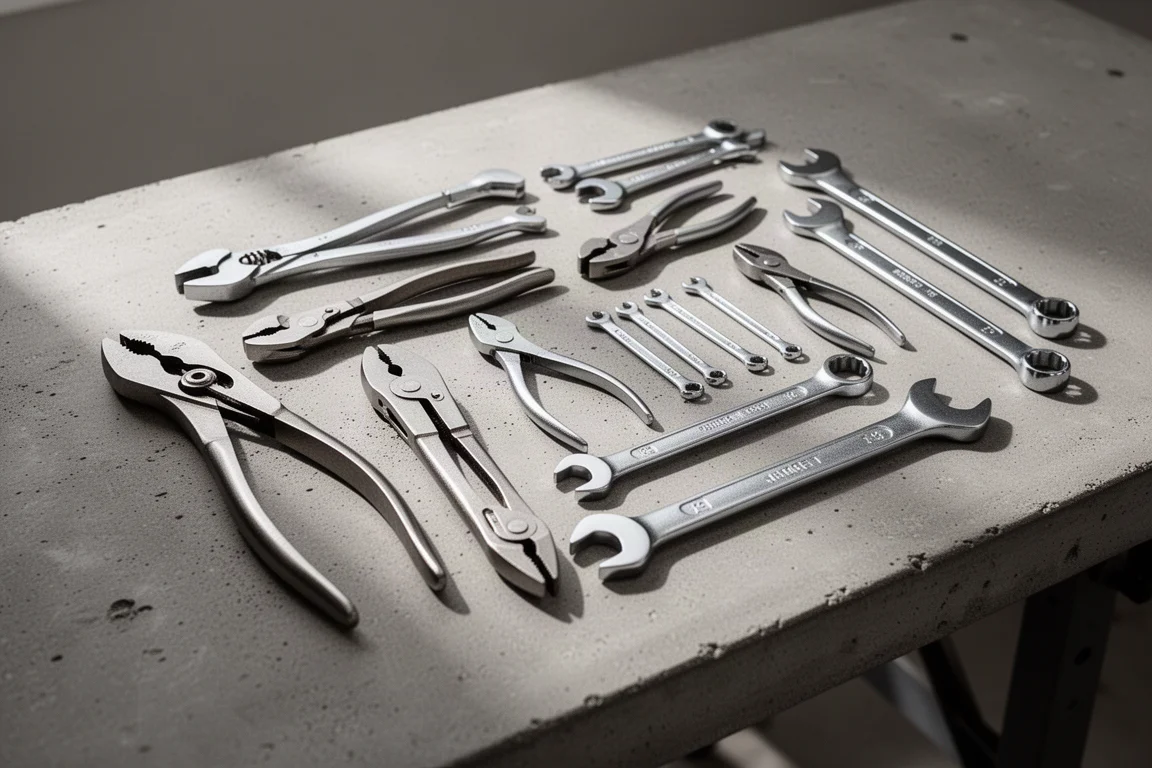
Adding a large-size Cobra and a large Plier Wrench is admittedly indulgent, but there is a reason: this kit carries no half-inch or oversized sockets. If a big suspension bolt or nut needs turning, the large Knipex pliers are what give you a fighting chance on nearly any large fastener on the vehicle.
Wrenches: Thin, Complete, and Ratcheting
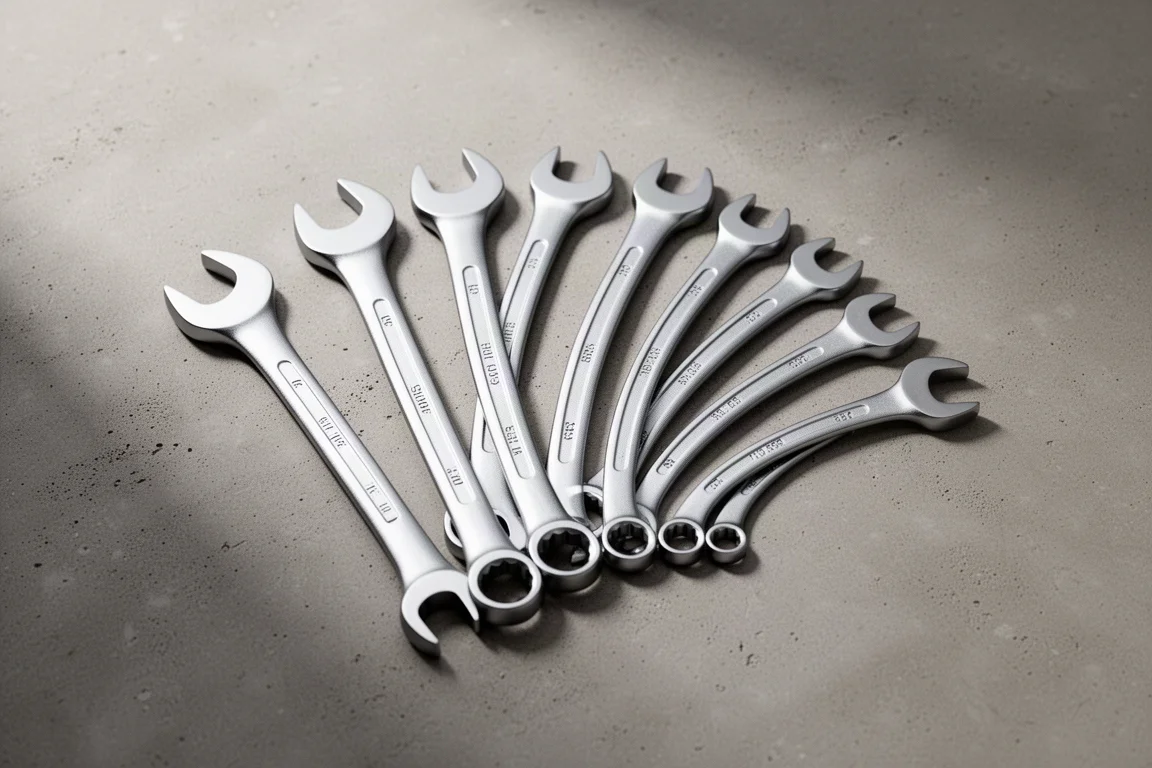
Wrenches take up a lot of room, so the compromise here was Stahlwille motor wrenches. These double open-end wrenches are fairly short and thin, but they are exceptionally high quality, and the set spans from 8mm to 19mm. A simple strip of Velcro keeps them bundled together and spreads them out when working.
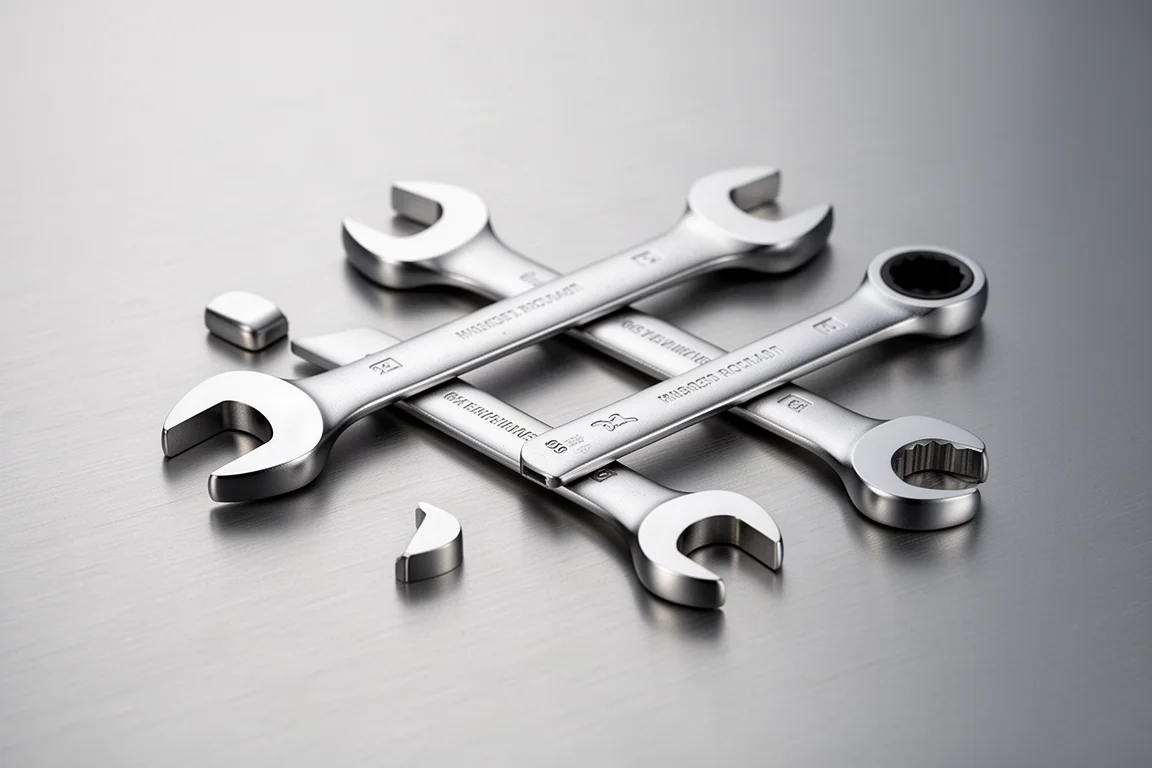
A couple of ratcheting wrenches round out the wrench coverage. These Mountain-style wrenches cover common car sizes like 8, 10, and 13, and the extended lip on the head makes them genuinely useful in low-clearance and hard-to-reach situations. They are Taiwanese-made rather than German or American, but outside of Snap-on, very little comes close, and the Snap-on equivalents cost far more. Several brands sell versions of the same design.
Sockets: Compact Coverage From 4mm Up
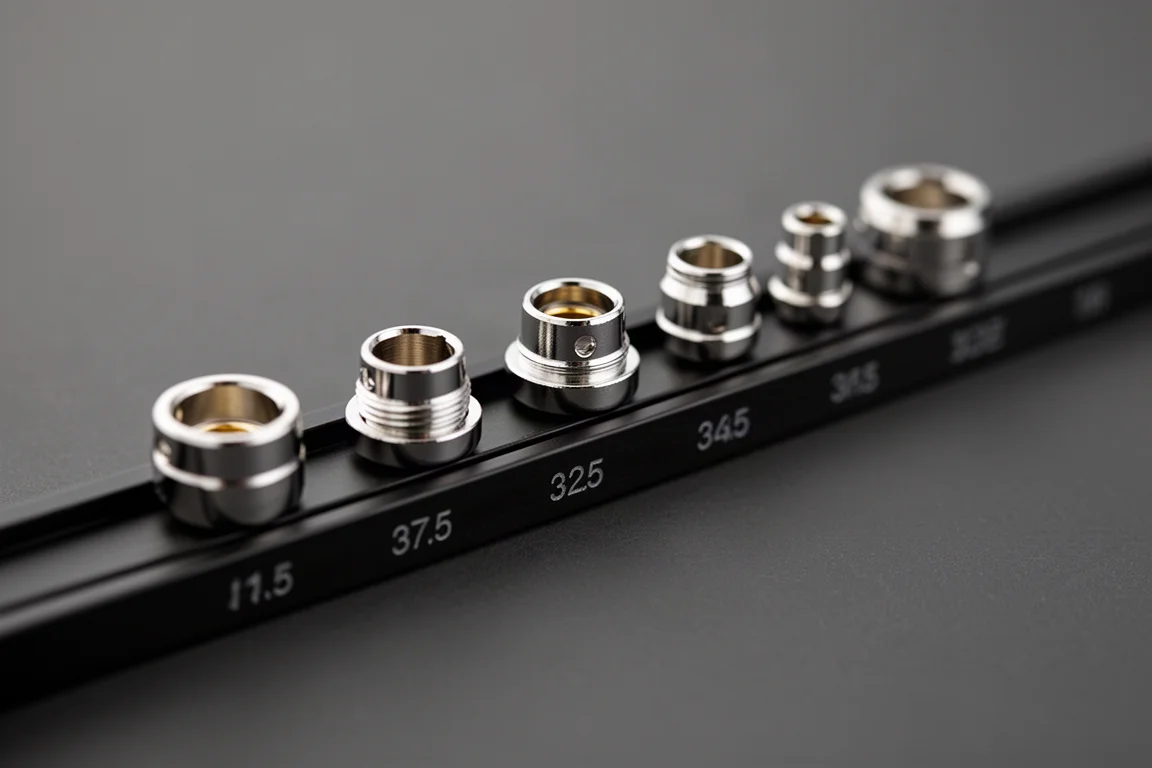
For quarter-inch drive, a full set of Koken Zeal sockets runs from 4 to 14mm. They go smaller than strictly necessary, but they are so compact that the extra range costs almost no space. The Zeals are very high quality and sit on Vim magnetic rails. Vim products in general tend to be pricey, but these rails fit the size range perfectly and hold well.
A set of Koken regular-series sockets picks up at 15mm and runs to 19mm, plus a 21 and 22, so there is no overlap with the quarter-inch set. A few deep sockets (10, 13, and 19), a spark plug socket, and an E-Torx 12 round things out. That E-Torx size matters if you work on Porsches.
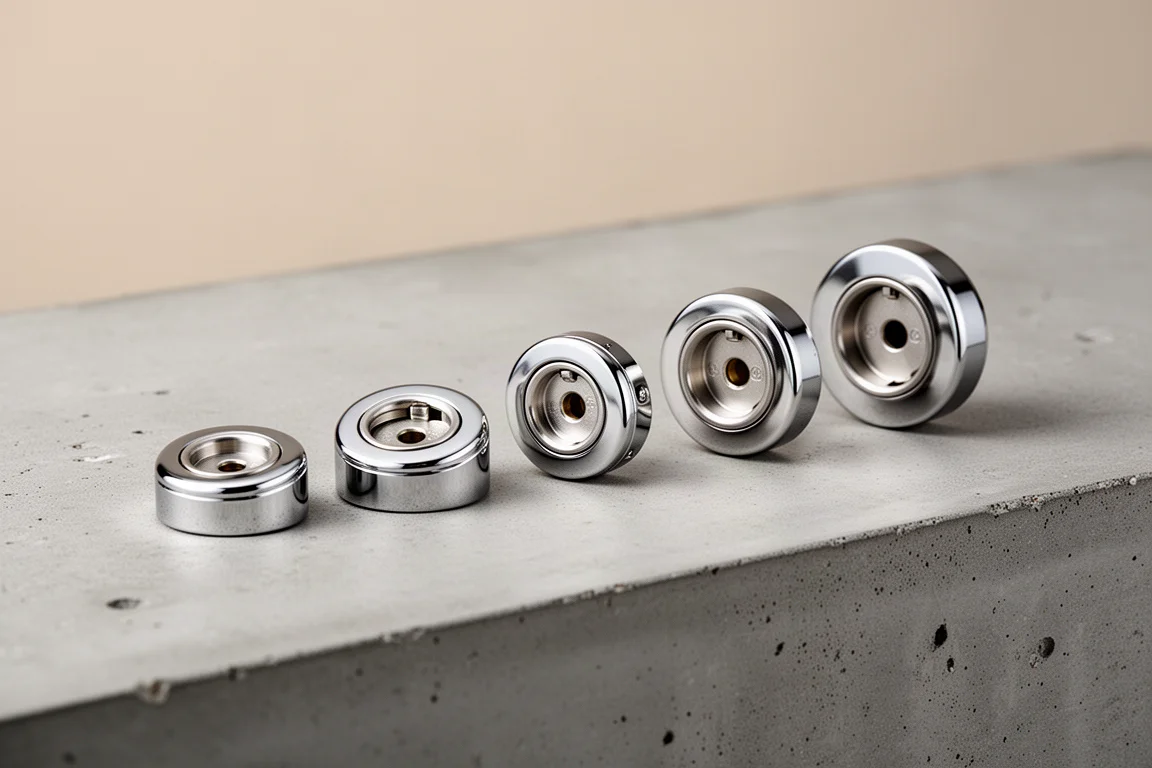
A set of Klein flip sockets in SAE is the only dedicated SAE tooling here, kept on hand in case an accessory turns up fastened with an SAE bolt. A lightweight aluminum 36mm socket handles oil filter housings on newer Porsches, which are a pain to remove without one. Drive hardware includes a beautifully knurled Koken quarter-inch extension, a Snap-on three-eighths extension, and an adapter up to half-inch drive, so a borrowed half-inch socket from any auto parts store can still be used with the kit’s drive tools.
Ratchets and Drive Tools
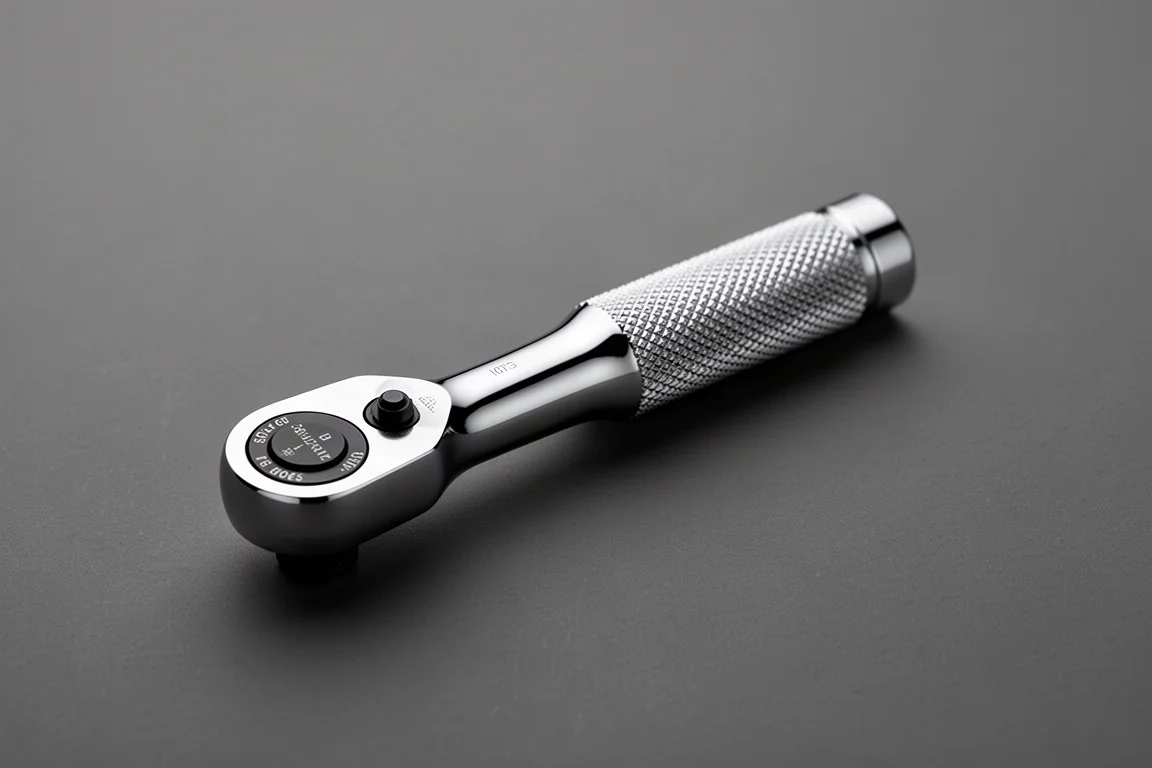
The Snap-on Dual 80 ratchet is the three-eighths drive backbone. It is compact and not especially long, so it will not deliver huge torque, but it feels like a ratchet you could stand on or extend with a two-foot cheater bar without breaking. It is a genuinely beautiful, proven tool.
Bits and Drivers
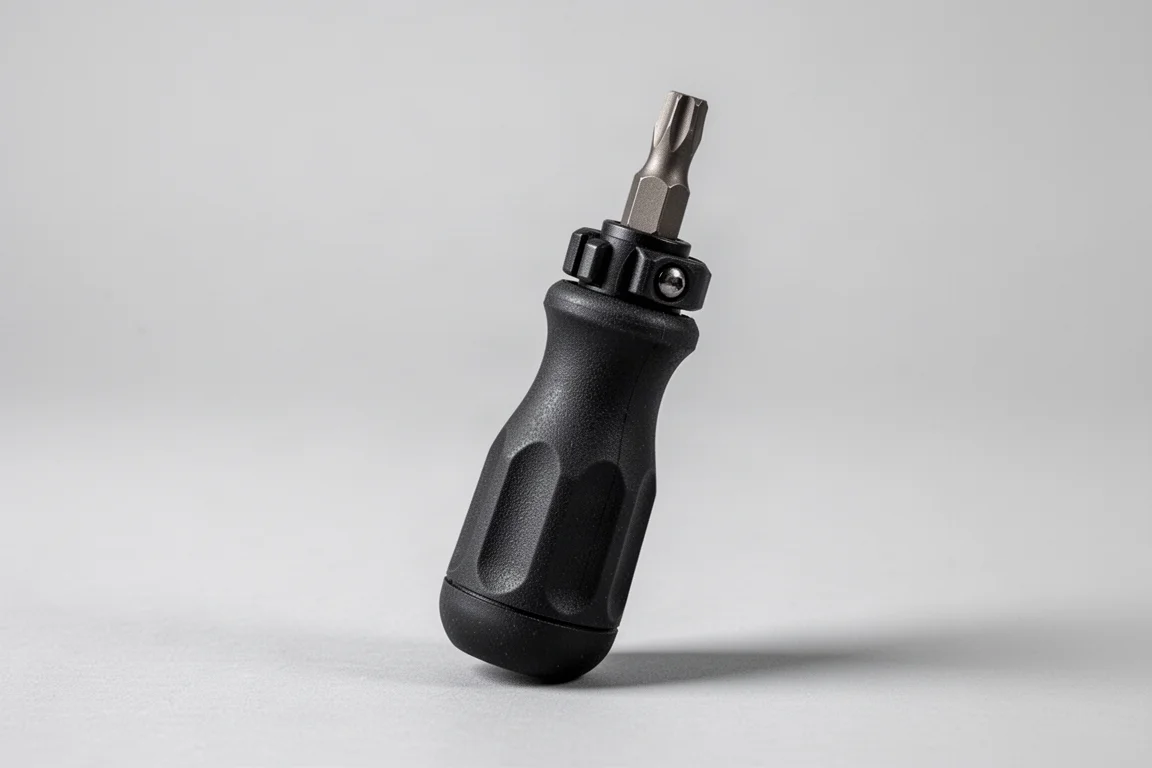
For quarter-inch drive, the Koken Zeal flex head ratchet pairs with a Koken spinner handle, both of which are excellent. On the bit side, the Wiha Centrofix bit handle locks bits extremely tight, works with longer bits, and feels as sturdy as most screwdrivers. Larger number-two Phillips and Torx bits ride along in it. A pair of magnetic Felo drivers adds a little overlap but works with all the bits and, with adapters, can even drive the flip sockets.
The interconnectivity is where this kit earns its keep: a 711L hex-to-square adapter turns quarter-inch hex into quarter-inch square drive, effectively making every socket a nut driver. Add a quarter-to-three-eighths adapter, a quarter-to-hex adapter, and a Koken swivel adapter, and nearly every tool can drive nearly every fastener. A small magnetic precision screwdriver kit covers eyeglasses and other small jobs.
Knives, Pry Bars, and Small Essentials
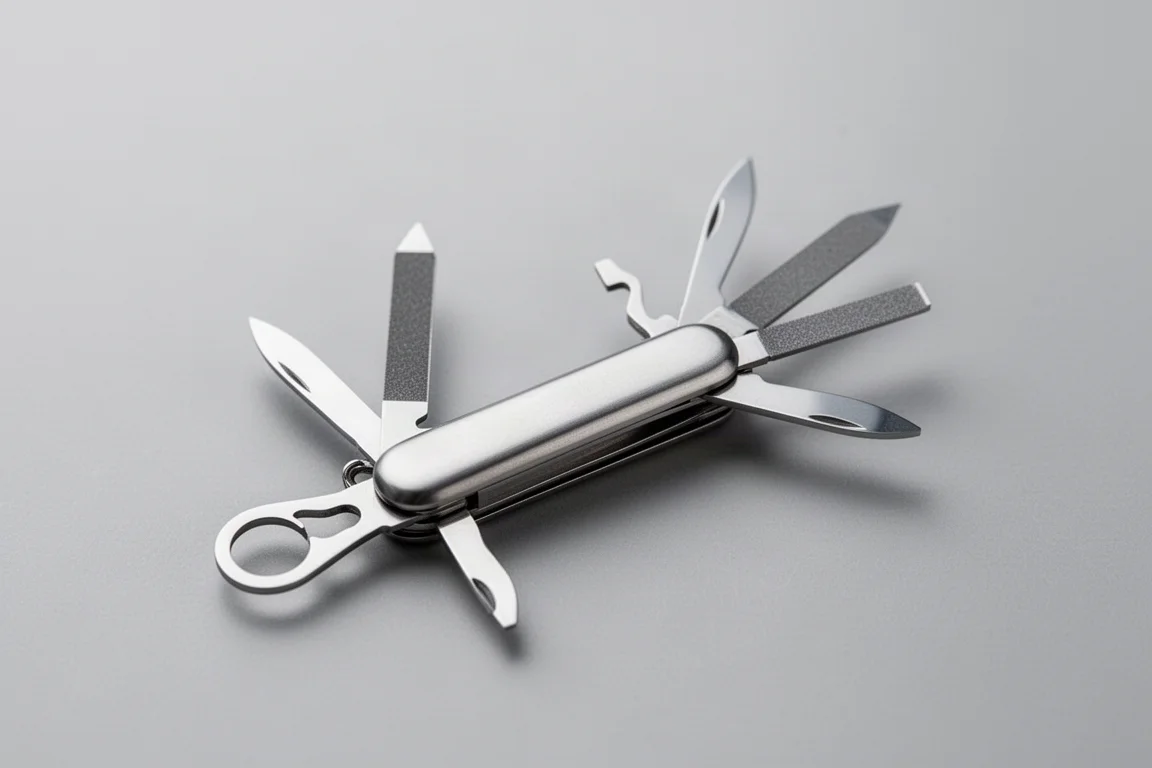
Two knives ride along, a larger one clipped outside the bag and an inexpensive scalpel-style front-opening knife that is super sharp and takes fresh replaceable blades. Scissors are covered by the Leatherman Micra, which also brings tweezers, a file, and a handful of other small tools that earn their space.
Thin 4140 pry bars have replaced most plastic trim tools. They are surprisingly strong, thin enough to slip under trim without marring, and arguably do less damage than the plastic versions. A proper Tekton pry bar and a small CountyComm pry bar cover heavier and lighter duties. A Sharpie, magnetic pickup tool, and a spare tire pressure tool fill the gaps. For light, a tiny Olight running on a AAA cell was chosen deliberately: it is bright, decent quality, and AAA batteries are easy to find anywhere, no USB charger required. It uses a slide switch for brightness, has a power gauge, and the head pivots 90 degrees.
Diagnostics: Know the Code First
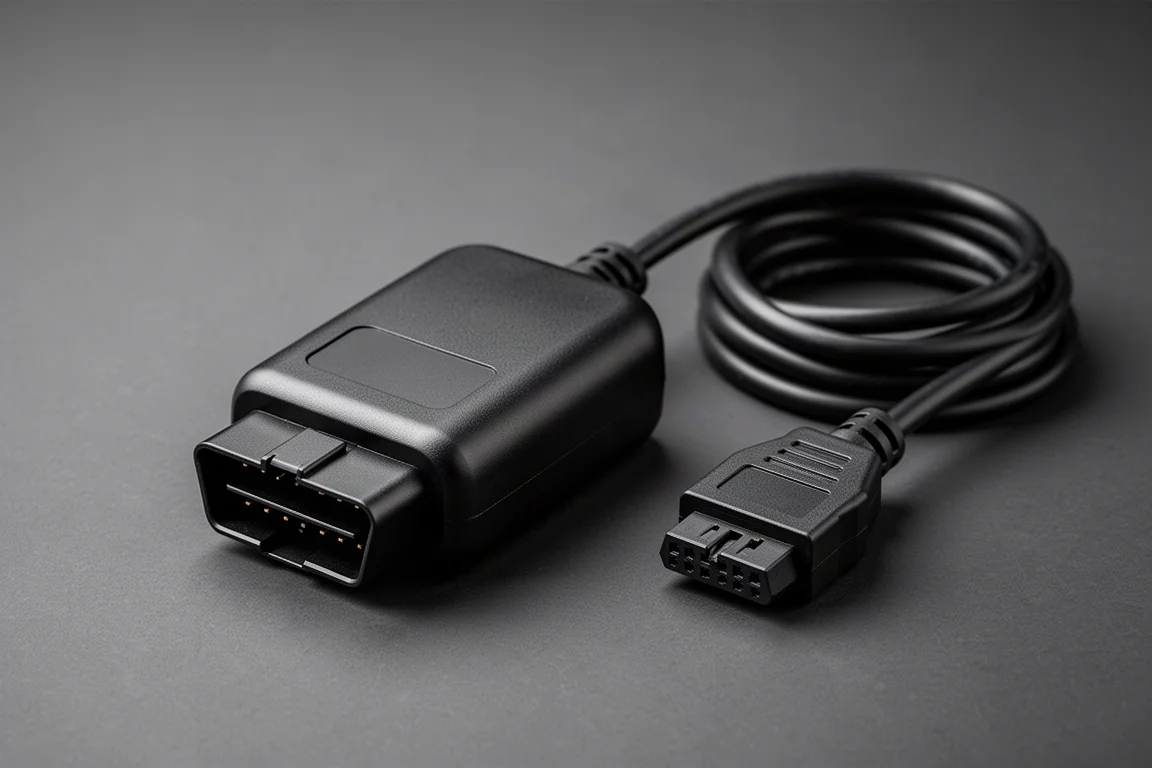
An OBD2 scanner is arguably the most valuable item for roadside diagnosis. The Xtool E30M connects to a phone and works across many vehicle makes. It is relatively small and gives detailed information, though it is not Porsche-specific or vehicle-specific. When someone calls about a check engine light, the first question is always the code, and without knowing the code there is no fighting chance of fixing the problem.
Storage: Bags, Pouches, and Tool Rolls
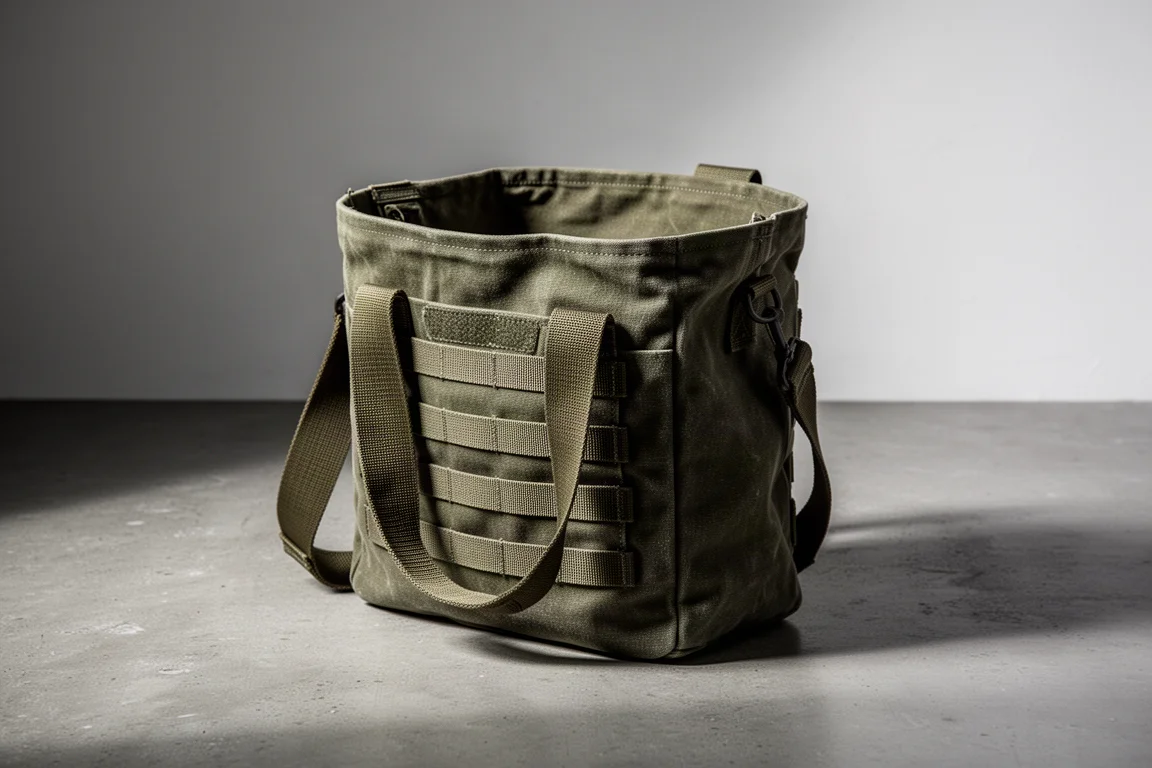
Storage is where most kit builds stumble. Traditional tool rolls drop tools out the sides if you do not roll them carefully. Maxpedition-style elastic organizer bags frustrate because tools never fit perfectly and fall out. The solution that worked is a CountyComm claymore bag, an older design no longer available but being replaced by a nearly identical version with MOLLE strips. Three small zippered pouches, not even made by the same company, slide in and fit perfectly: one labeled for sockets, one for pliers and wrenches, and one in a different color for the everyday first-line tools like the bit sets.
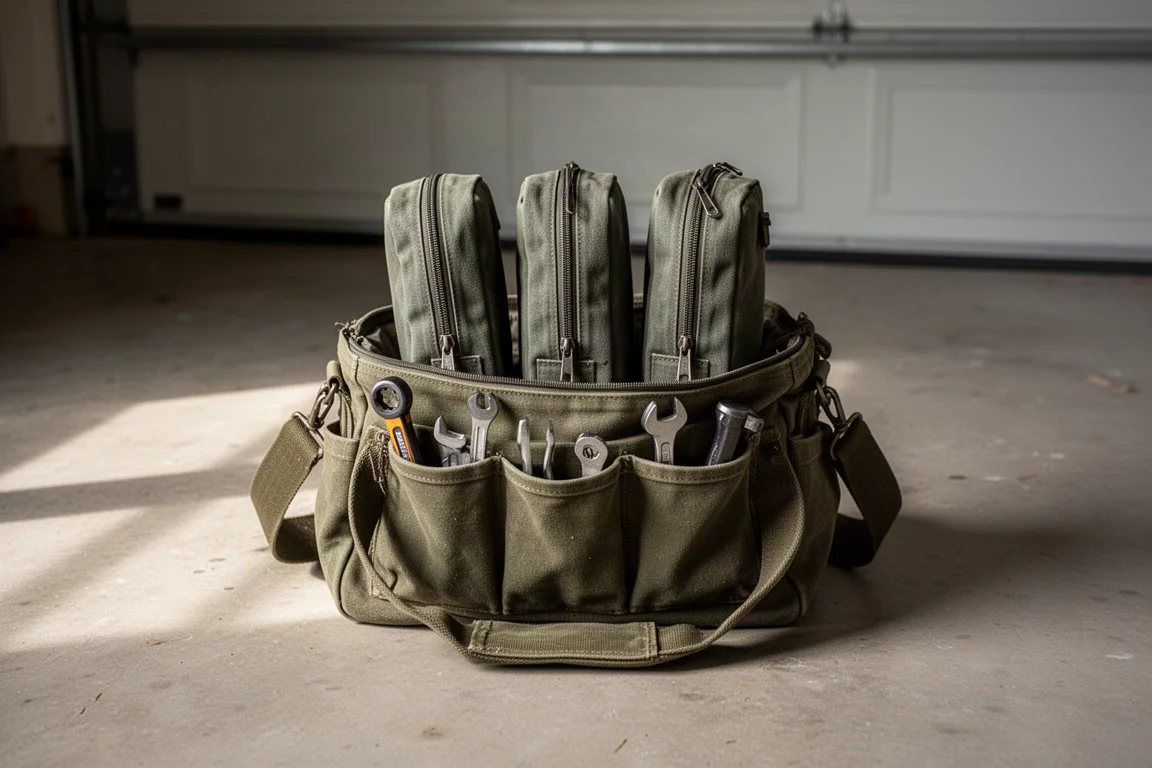
The two largest Knipex pliers do not fit inside, so they ride loose on the bottom of the bag. A small saw blade paired with a vise grip makes an emergency saw. What is deliberately missing: supplies like electrical tape, JB Weld, zip ties, and paracord. This is purely a tool kit. One wish list item is a magnetic parts mat about an inch shorter in each direction so it can lay flat inside, giving you a surface to lay tools on when working. A Veto Pro Pac tool roll was also considered, but it weighs five pounds empty, while this entire build weighs about ten with a nearly weightless bag, so the roll was passed over. Custom-cut Kaizen foam builds are great if your tool selection never changes, but for a kit that evolves constantly, the pouch system wins.
What About All-in-One Options?
The Wera Tool Check Plus is a genuinely nice pocketable option, and combining it with Wera’s multi-purpose screwdrivers makes a solid small kit. For many people that is enough. It simply is not the same thing as this build, which prioritizes full-size capability and top-quality individual tools over pocketability.
Buying Advice
This is an expensive build-out with Snap-on, Koken, Stahlwille, and Knipex throughout, and the total cost adds up quickly. The honest advice: replicate the layout with clones where quality matters less, and spend on the tools you will actually enjoy using. Cheaper Harbor Freight pliers and rails can fill in, and better magnetic socket holders can substitute for the Vim rails. Build around the jobs you actually do, not the jobs you imagine.
Conclusion
A no-compromise portable kit comes down to interlocking choices: pliers that substitute for big sockets, sockets that pick up where wrenches end, adapters that make every tool drive every fastener, and a bag system that keeps it all findable. Nothing here will rebuild an engine, but with this kit in the trunk, most automotive surprises become fixable.
Further reading
Related Reviews

Tools
Best Contractor Grade Tape Measures 2026: Eight Models Tested Head to Head
We tested eight contractor grade tape measures from Milwaukee, DeWalt, Crescent Lufkin, Tajima, Stanley, Irwin, Gelan, and Craftsman to find the best value and performance.

Tools
Best Precision Screwdriver Sets 2026: Manual and Electric Options Compared
We compare 19 precision screwdriver sets, from budget manual kits to electric drivers, to find the strongest bits and best value.

Tools
Best Stud Finders 2026: Five Popular Models Put to the Test
We tested five popular stud finders on drywall, firewall, and lath and plaster surfaces to see which ones really find studs and avoid false readings.