Portable Climate Control
EcoFlow Wave 2 Review: A Portable AC and Heater That Actually Delivers, With Caveats
EcoFlow's Wave 2 cools and heats spaces off the grid, but only if you set it up correctly. Here is what works, what to watch for, and who it makes sense for.
Introduction
EcoFlow makes portable power stations, and it turns out they also make a portable battery-powered air conditioner and heater: the Wave 2. It is one of the more interesting compact climate units to appear in a while, and after using one in a cold Montana shop, it is easy to see the appeal. It is not perfect, though, and the biggest issues come from how you set it up rather than the unit itself.
What the Wave 2 Is
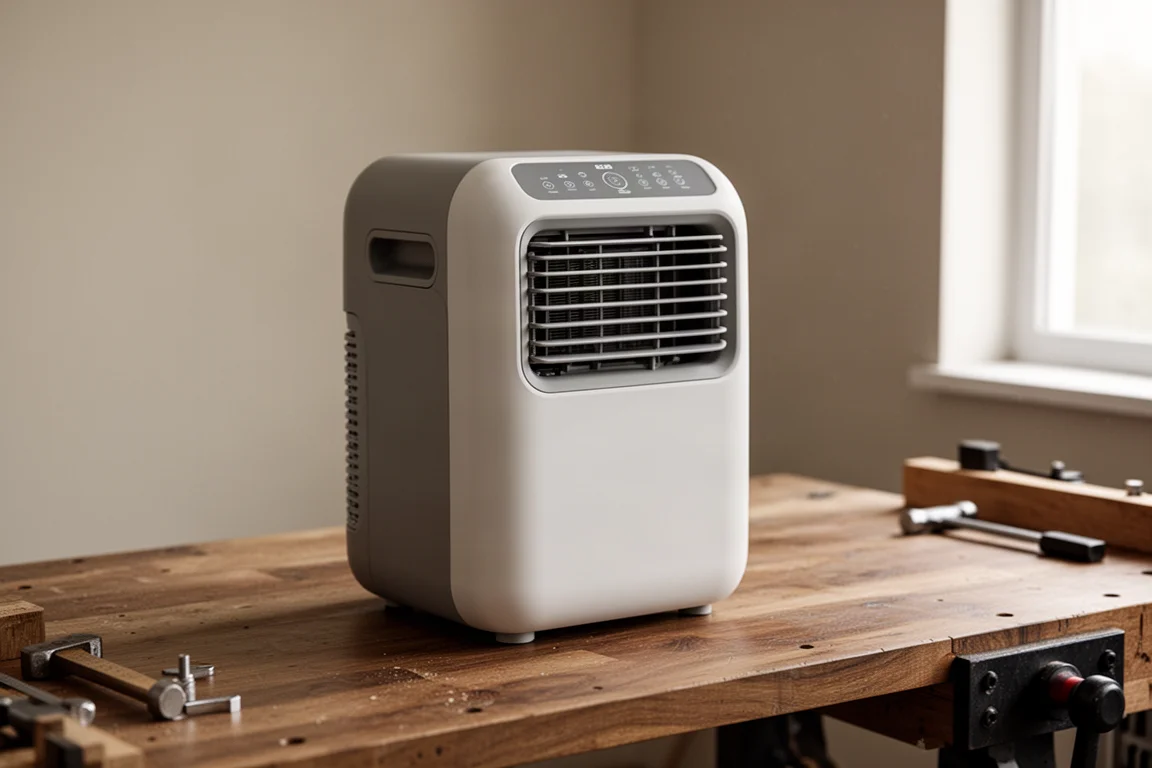
The Wave 2 is a compact unit that both cools and heats. Around the body you get a front air intake, a front output for conditioned air, a full control panel on top, and app control as well. On the side there is a power input that accepts AC, solar, or battery power. The rear houses the heat exchange side, with its own air in and air out ports so waste air can be routed away from the space you are actually conditioning.
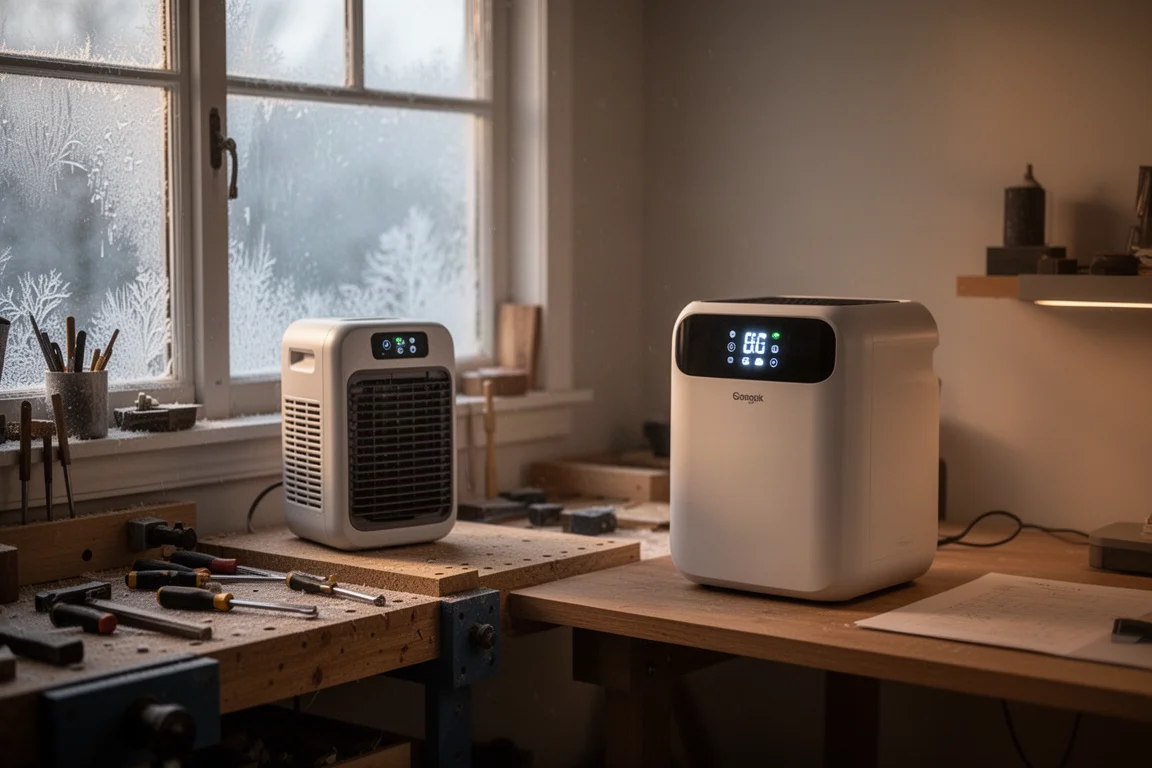
In use, it heats fast. EcoFlow claims it can raise the temperature from 68 to 86 degrees Fahrenheit in about five minutes of heating, and in a chilly shop where the morning started at 34 degrees, it kept things comfortable enough to work in short sleeves.
Ventilation: The Part Most People Get Wrong
The Wave 2 has four air pathways: inside air intake, conditioned air output, outside air intake, and waste air output. That last pair matters. When the unit makes one side hot, the other side produces the opposite temperature, and physics does not let you cheat that. If you let the waste air blow back into the same room, at best nothing changes, and at worst you actually lose ground.
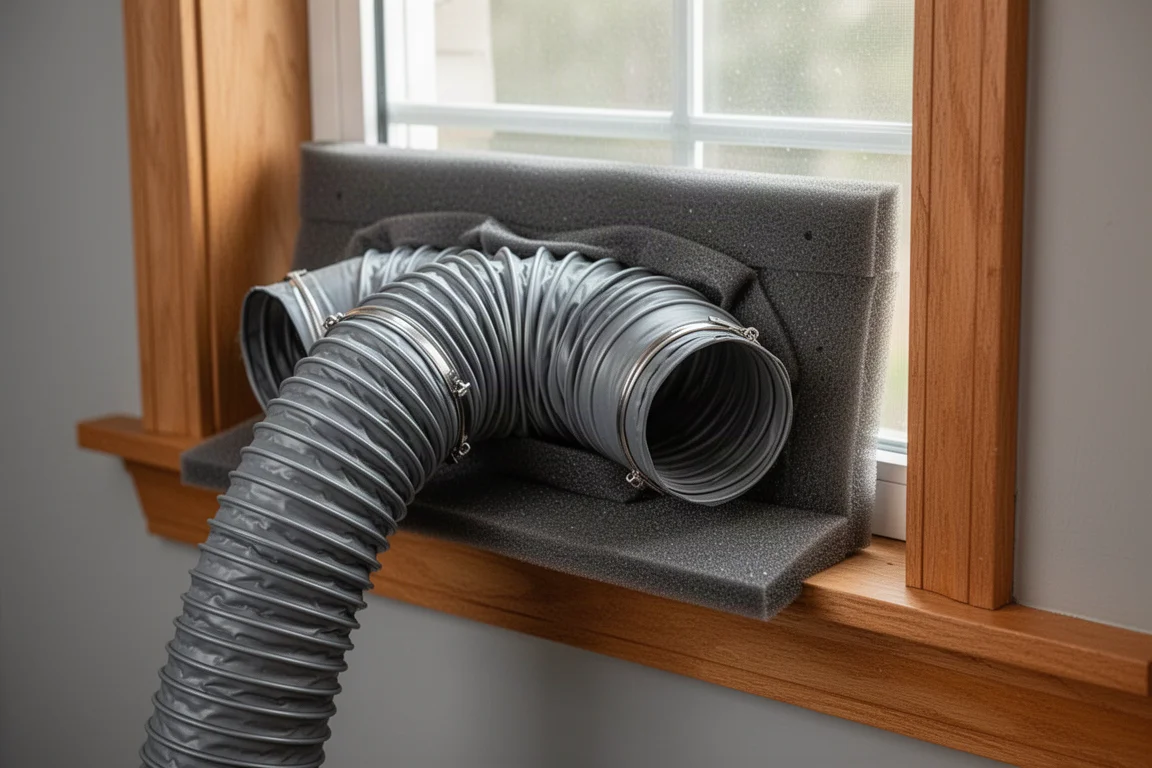
That is why setups where someone just sits in a closed room next to the unit do not work. If you are outdoors and want cool air blown straight at you, or you have the unit outside a tent with the adapter plate feeding air in while the waste air disperses outside, it works well. Indoors, you need the rear ducts running to a window or outside so the waste air exits the space.
Maintenance Is Not Optional
Running the cooling side produces condensation, which collects in a small reservoir at the bottom of the unit. Periodically you have to drain it through the little drain hose. Some people expect to flip a switch and get free cold air forever, but there is no free lunch here: regular draining is part of owning this unit.
Another practical note: because of the refrigerant liquids and gases inside, you cannot just toss the Wave 2 on its side in a trunk and fire it up. If it has been tilted more than 10 degrees, you need to let it rest upright for a period so the fluids settle back into place before running it. Read the instructions with this one; it genuinely matters.
Battery and Power Options
EcoFlow sells an add-on battery pack that attaches to the Wave 2, but it is optional. The unit can plug into a wall outlet, another battery system, or its dedicated battery pack. It also has solar inputs for off-grid charging, and car charging is possible.
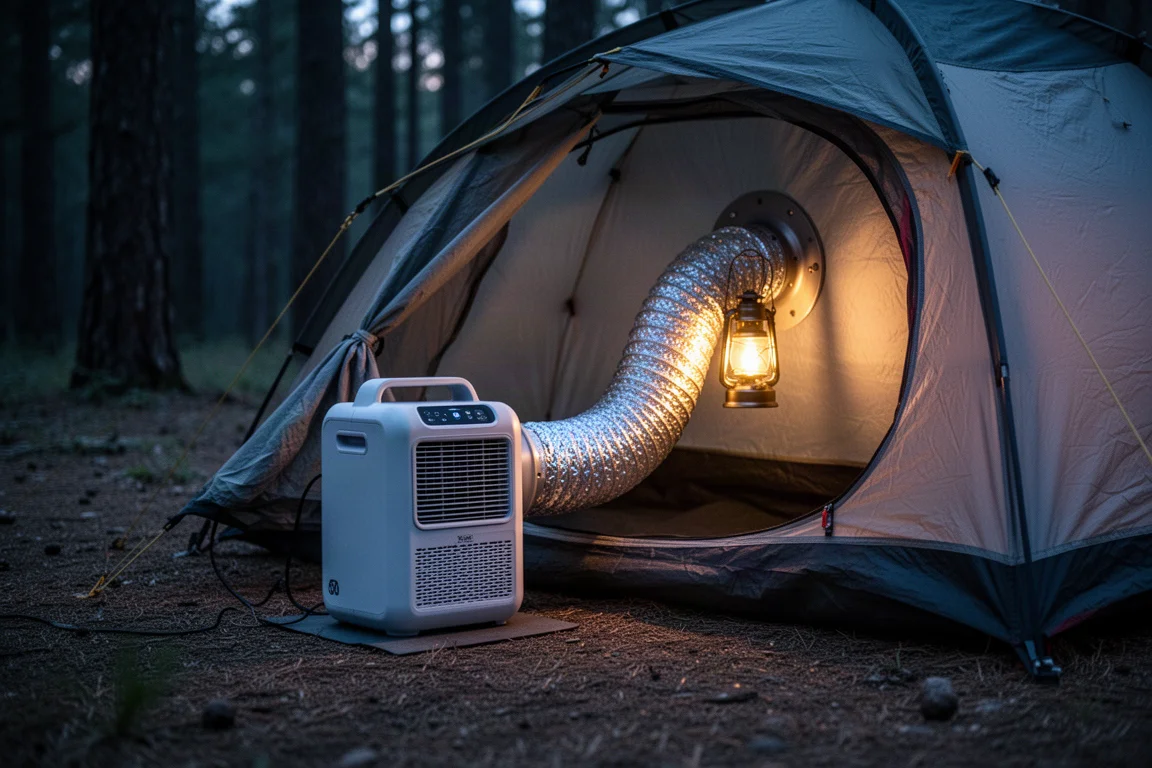
For tent campers this is a genuinely useful setup. In summer you get cooling; in cold weather you can use it as a heater and extend your camping season without bringing a dangerous heater or a tent stove into the tent, so there is no carbon monoxide concern. For late-season hunters dealing with chilly mornings, that is a real safety and comfort win.
Power and Runtime
Plugged into a larger power station, the Wave 2 ran for around 11 hours at full power in testing, which is enough to get through a full day in a shop. EcoFlow says pairing it with a Delta Max extends runtime up to 14 hours, though that depends heavily on whether you run it at full output. If you already own a power station, you may not need the dedicated add-on battery at all; strapping one on just makes the unit heavier, and it is not the lightest thing to begin with.
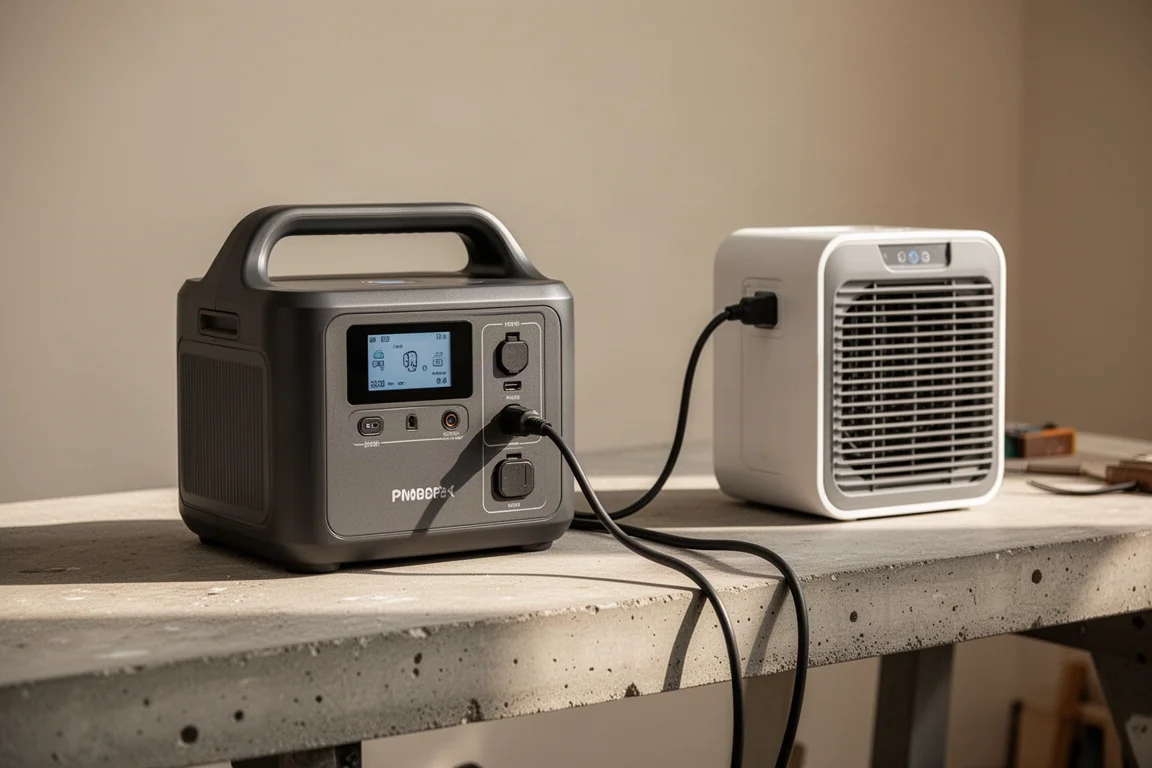
What Is in the Box
The package includes the unit itself, three exhaust plate covers, a window vent board, the AC adapter, two accordion ducts, a water drainage hose, and the instruction booklet. The window vent board is a nice touch: it is made from the foam packing material at the bottom of the box, so it pops out ready to seal the window opening for the two hoses. A carry bag and the add-on battery are available separately.
Buying Advice
At around $1,000 on sale, the Wave 2 is not inexpensive, and it is a fairly high-tech piece of equipment. It makes the most sense if you have a real use case: a shop or workspace without reliable heat, tent camping in summer heat, or extending the camping and hunting season into colder months. If you already own a compatible power station, you can skip the add-on battery and save weight and money. And whatever you do, plan your ventilation before you buy. The unit performs well, but only when the waste air has somewhere to go.
Conclusion
The Wave 2 is a genuinely capable portable AC and heater with fast heating performance, flexible power options, and clever touches like the repurposed foam window vent. The trade-offs are real but manageable: mandatory drainage maintenance, careful handling after tilting, and a setup that demands proper airflow. Get those right and it is one of the more useful portable climate units you can put in a shop, a tent, or a vehicle.
Product link
View more details for EcoFlow Wave 2
This product is mentioned in the review. Check the specifications, options, and compatibility before buying.
View more details for EcoFlow Wave 2Further reading
Related Reviews
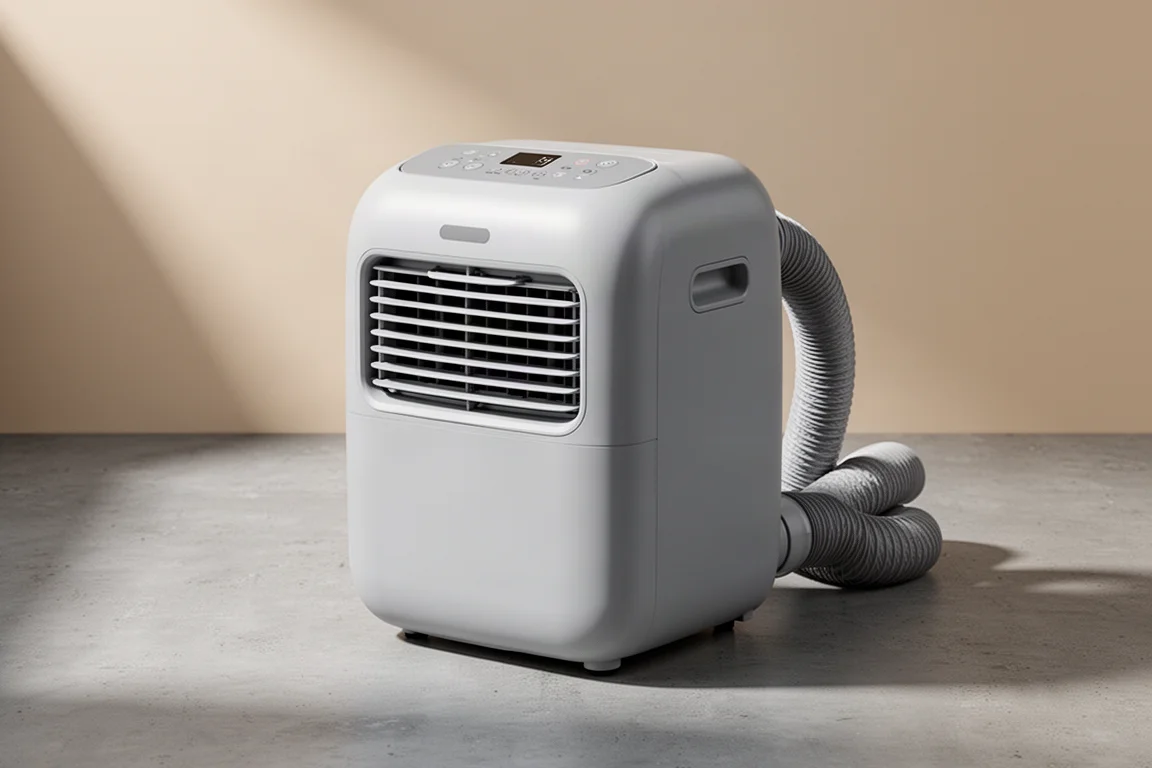
Portable Climate Control
EcoFlow Wave 2: A Portable AC and Heater That Works Far Beyond the Home
The EcoFlow Wave 2 is a portable mini split system that cools and heats, runs from wall, car, solar, or battery, and fits car camping, tents, small RVs, and under-air-conditioned rooms.
Backpacking Gear
Backpacking Gear Staples: 13 Pieces Worth Building a Kit Around
A practical look at thirteen backpacking essentials that earn a permanent place in the pack, from a minimal cook kit to a sub-two-pound framed backpack.
Backpacking Gear
Backpacking Gear That Earns Its Place: 8 Go-To Essentials for 2026
A field-tested look at the backpacking gear that keeps delivering, from pillows and filters to tents and lighting, plus what to skip.