All-Mountain Skis
Dynastar M90 Review: Strong in Powder, Limited Everywhere Else
A 90 mm all-mountain ski with real soft-snow strengths and clear carving trade-offs. Here is what to weigh before buying.
Introduction
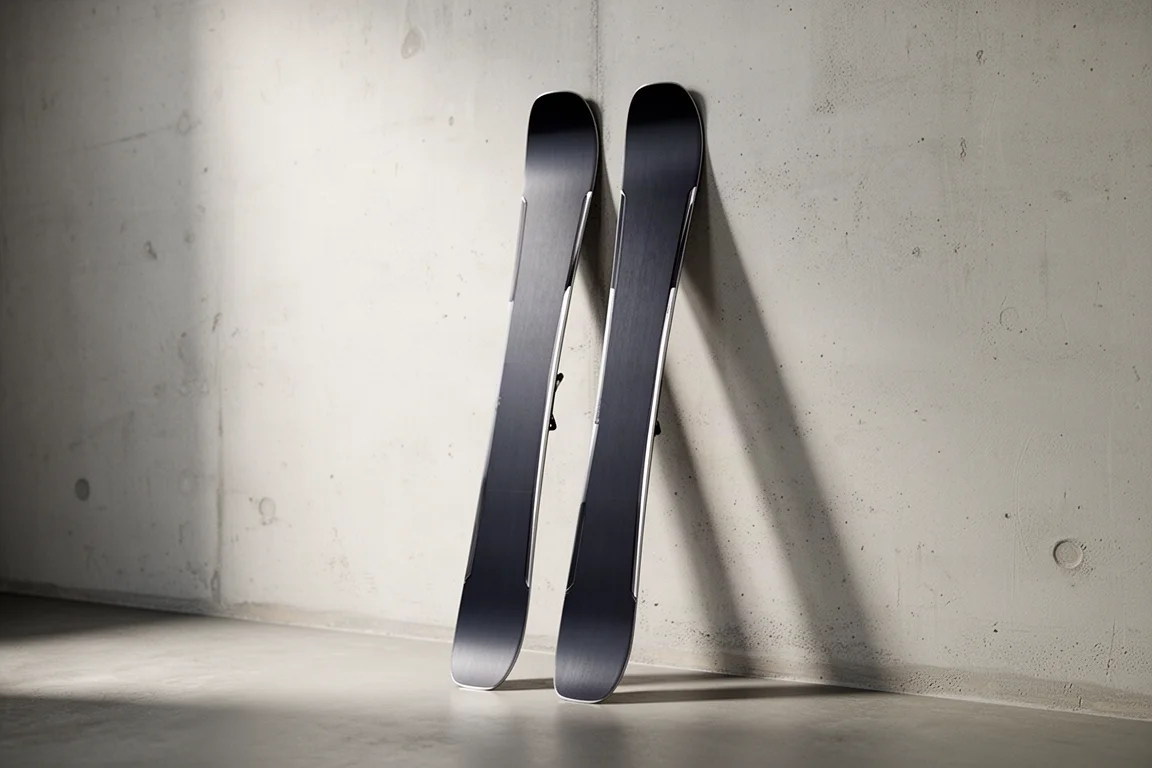
The Dynastar M90 occupies the busy 90 mm all-mountain space, and on paper it reads like a ski designed around soft snow: aggressive camber underfoot, a very shallow tail rocker, and one of the most pronounced early-rise tips you will find at this width. The length tested here is 186 cm, which carries a 21 m sidecut radius, so this is a substantial platform aimed at confident skiers.
The build is genuinely heavy. Each ski weighs around 1,850 g, and the construction pairs a wood core with a large titanal laminate plus an added polyurethane layer. That combination is positioned as a way to cut chatter and add damping. In practice, the claim did not hold up on snow. Retail sits just under $700, and discounted sale pricing has been available.
Who the Dynastar M90 Is For
This is a ski for riders who spend most of the day off trail. The early-rise tip and deep rocker line let you sit on the back of the ski and float, and the shape is at its most enjoyable in trees and soft snow. Skiers who want a stiff, firm platform underfoot will also recognize the intent, because the ski does not fold or feel noodly when it is pushed.
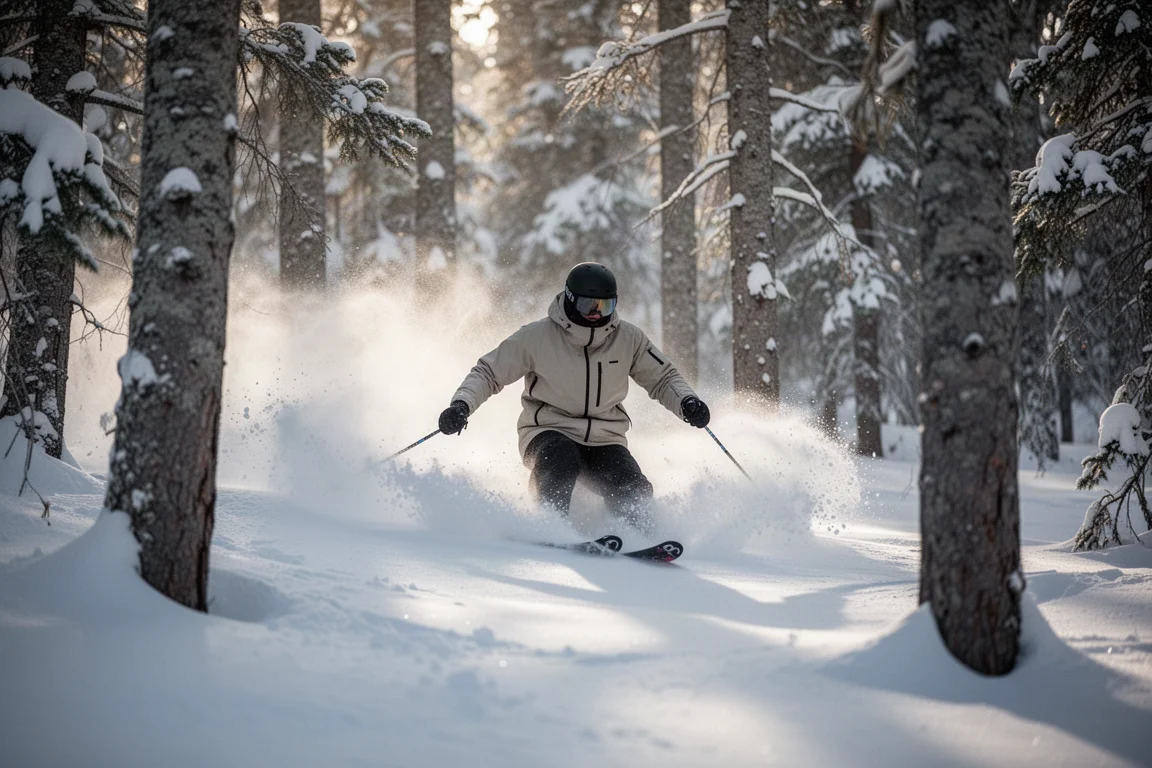
It is less obviously suited to anyone looking for one ski to cover everything. Riders who spend most of their time carving groomers, or who want to feel pressure build and release through a turn, will find the M90 working against those instincts.
Main Strengths
The strengths here cluster around a single set of conditions. Where the snow is soft and the terrain is tight, the M90 makes a much better case for itself than its measurements suggest.
Powder and Off-Trail Flotation
For a 90 mm ski, the float is genuinely surprising. The pronounced tip rocker creates a long, forgiving contact point that lets you sit back and surf out of turns rather than fighting for the surface. The tail keeps enough shape to support that position without washing out underneath you.
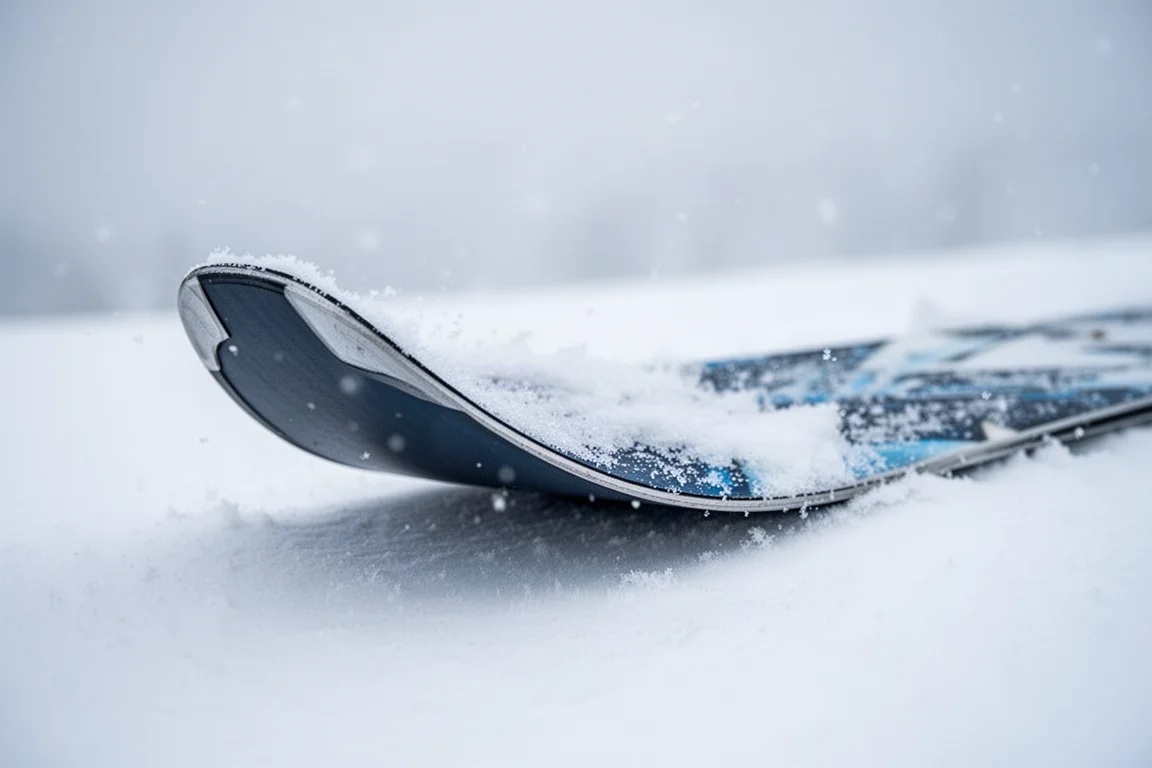
Off trail, the ski also turns more easily than the 21 m radius implies. In trees the shape feels considerably shorter and more nimble than the numbers suggest, which makes tight, lower-speed lines far more enjoyable than the spec sheet would lead you to expect.
Stability and Build
The M90 is stiff, and it stays firm underfoot. It does not give out when you lean on it, and it holds a stable platform in soft snow and variable off-trail conditions. Heavier or stronger skiers will appreciate that the construction does not collapse or feel like it is running out of support partway through a turn.
Things to Consider Before Buying
The trade-offs are significant, and they show up most clearly on groomed terrain. The same rocker profile that makes the ski float also removes usable edge, and that changes how the ski behaves in almost every other condition.
Carving Performance and Edge Feel
With so much early rise in the tip, very little edge engages at the front of the ski. Even at 186 cm, that limits how many turn shapes are available and how much you can vary your timing. You cannot load the front of the ski and then release into the back of the turn the way a more traditional all-mountain ski allows.
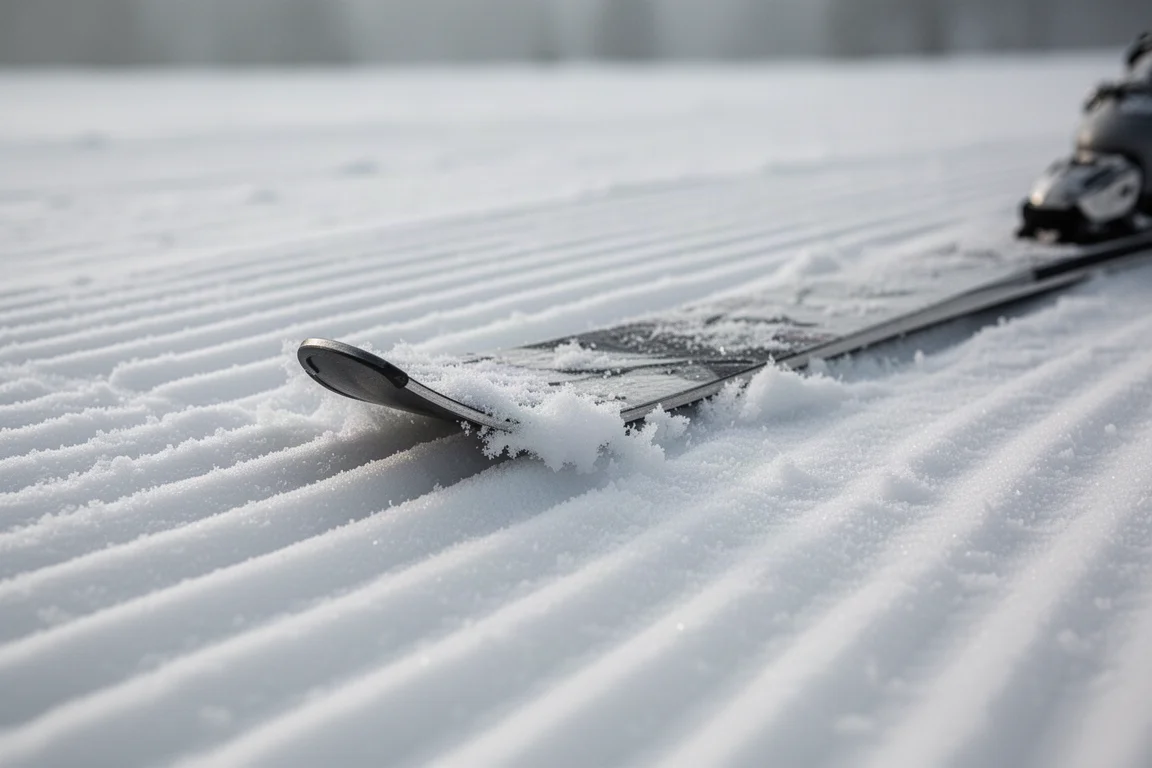
The bigger issue is feedback. Despite the heavy build and the polyurethane layer, the ski does not feel damp when it is on edge. It comes across as chattery on firm groomed snow, which is uncomfortable at speed and would likely feel worse on hard, icy surfaces. The construction is marketed around reducing chatter, and that expectation does not match the ride.
Weight, Turn Shape, and Timing
The M90 is heavy without feeling planted in the way a heavy ski usually does. Carving feels stale, and there is little sensation of pressure underfoot, so much of the nuance of a carved turn is simply missing. If that tactile feedback matters to you, this is a meaningful downside.
There is also a noticeable dead spot at the start of each turn. Because the tip is already splayed and already assuming the initiation position, roughly the first part of the turn happens without your input, which feels unsettling for skiers who like to preload. Some riders may enjoy that automatic entry, but it takes control away from the person driving the ski.
The design also reads as dated. It feels like a ski from the late 2010s that had its rocker profile updated and little else, and that impression carries through in the way it skis. The overall assessment lands at 6.6 out of 10.
Buying Advice
Buy the Dynastar M90 if soft snow is the priority and you want a stiff 90 mm ski that floats well, sits on its tail comfortably, and stays composed off trail. It is a reasonable pick as a dedicated powder and tree ski, or as a soft-snow addition to a quiver for a strong skier.
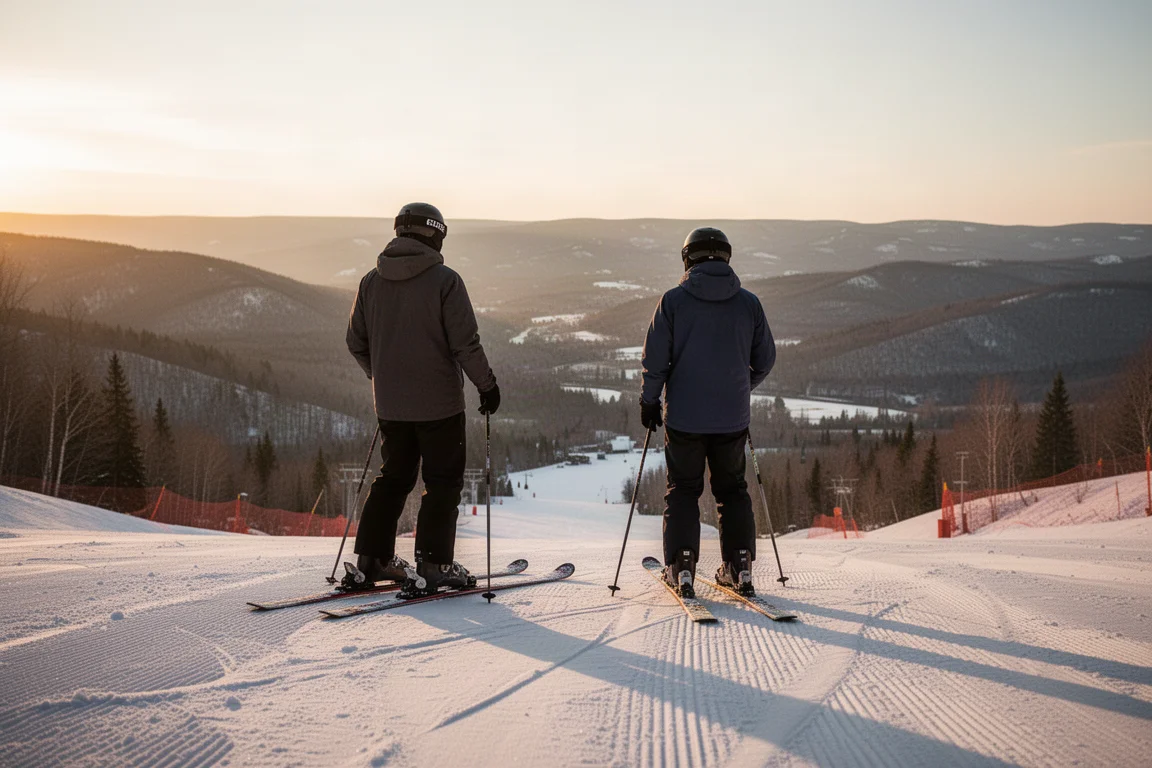
Do not buy it as a one-ski quiver or as a frontside carver. If most of your days are on groomed runs, or if edge feel and turn shape variety matter to you, there are better-matched options at this price point. If you are already set on the M90, waiting for sale pricing makes more sense than paying full retail, since discounts have been available and the value at full price is only moderate.
Conclusion
The M90 gets the soft-snow fundamentals right: good flotation, a stiff and stable platform, and surprisingly easy turning in trees for its size. It loses ground everywhere else. Limited edge, chatter on firm snow, a muted carving feel, and an automatic turn entry add up to a ski that is enjoyable in one specific context and frustrating outside it. It is worth a look for powder-focused riders, and worth skipping for anyone who needs an all-mountain ski to handle everything.
Product link
View more details for Dynastar M90
This product is mentioned in the review. Check the specifications, options, and compatibility before buying.
View more details for Dynastar M90Further reading
Related Reviews
All-Mountain Skis
100mm All-Mountain Skis Compared: 23 Versatile Models Worth Knowing
A practical walkthrough of 23 all-mountain skis around 100mm underfoot, covering weight, rocker, metal construction, and the rider each model suits best.
All-Mountain Skis
2026 Black Crows Camox Review: A More Stable, More Versatile All-Mountain Twin Tip
The 2026 Black Crows Camox adds an ash layer underfoot, wider tips and tails, and a revised rocker profile. Here is what those changes mean on snow.
All-Mountain Skis
Armada Antimatter 88 Review: A Light, Lively All-Mountain Ski That Rewards Any Style
The Antimatter 88 pairs a poplar core with carbon stringers for a surprisingly energetic ride that suits intermediates and experts alike.