Ski Gear
Dynastar M-Pro 94 Ti Review: A Versatile Mid-90s All-Mountain Ski
A closer look at the Dynastar M-Pro 94 Ti, a carryover all-mountain ski with a hybrid poplar core, partial metal, and a freeride-style shovel that favors soft snow and technical terrain.
Introduction
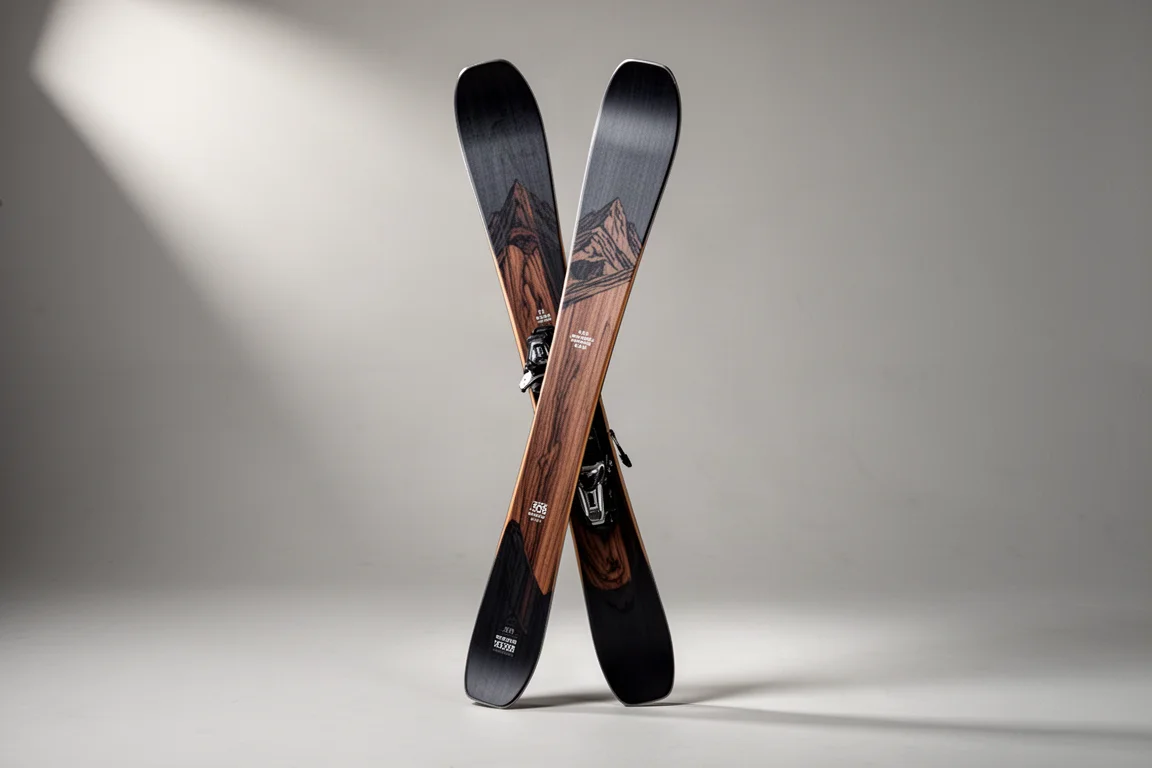
The Dynastar M-Pro 94 Ti arrives as a carryover model, which means the construction, shape, profile, and graphics carry over unchanged from the previous version. For a ski that already sits in a well-liked part of the market, that kind of continuity is usually a good sign: the design has had time to settle, and buyers know roughly what they are getting.
The short version is that this is a mid-90s all-mountain ski with partial metal and a directional shape. It belongs to the category of ski that can do a great many things without being the absolute best at any single one. It is built and shaped to check as many boxes as possible and land right down the middle, and by most measures it succeeds at that.
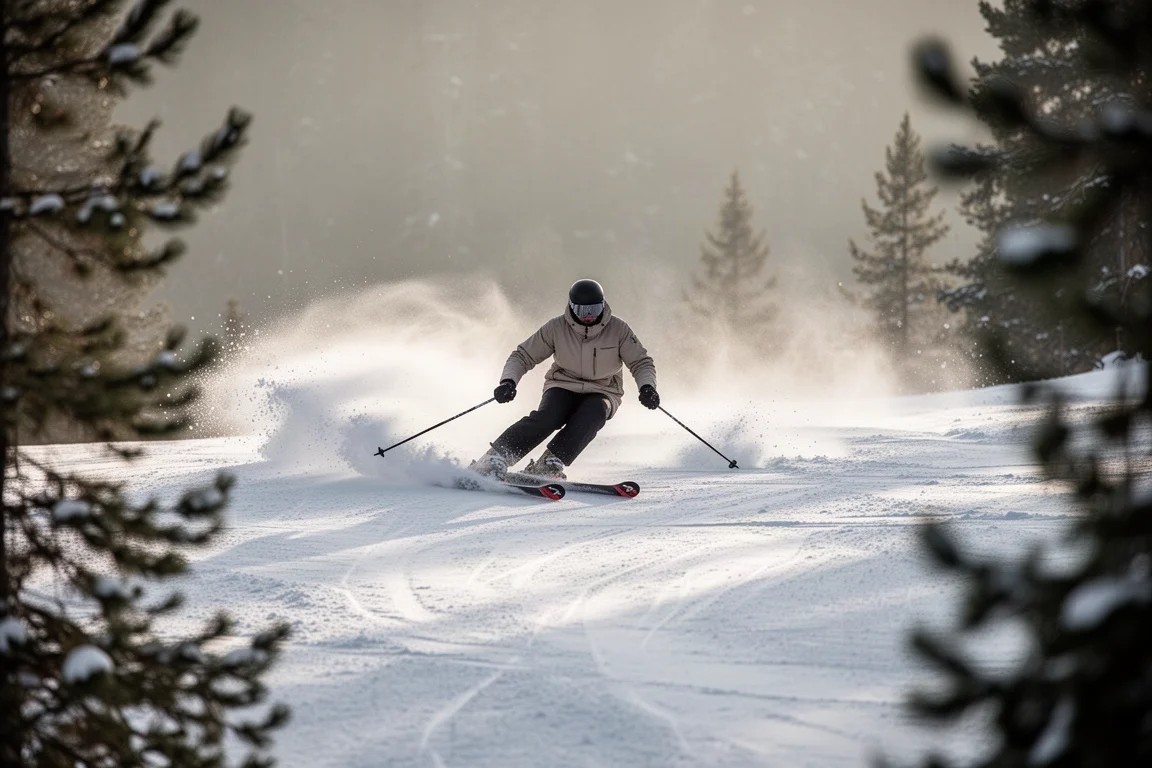
That balance is the whole point of the design. Riders who want a ski that behaves predictably whether the day turns out groomed, soft, or chopped up will find the appeal here, while riders chasing a specialist tool for one narrow condition may want to look elsewhere.
Who the Dynastar M-Pro 94 Ti Is For
The M-Pro 94 Ti suits a wide band of skiers, roughly intermediate through expert, depending on personal preference. If you are progressing and improving, and you want a mid-90s ski that can bring you into softer snow and more adventurous terrain, this is a strong candidate.
At the other end of the range, an expert who wants one ski that can handle a little bit of everything will find the M-Pro 94 Ti more than acceptable, provided they have a solid skill set. It rewards a moderate, well-managed approach rather than an all-out aggressive one.
The clearest fit is the one-ski-quiver skier. This is a ski for someone who would rather own a single versatile pair than maintain a narrow collection built around specific conditions.
Main Strengths
The construction story starts with the Hybrid Core 2.0, which uses three different levels of poplar wood. One layer runs along the bottom at full width underfoot, while the top two are milled, joined together, and pressed rather than glued as vertical stringers. Using the friction of that pressing process instead of relying on more epoxy or adhesive delivers more energy and a slightly stiffer flex, while also lowering the ski’s carbon footprint. Getting both of those outcomes at once is a genuinely interesting piece of engineering.
Along the sides, two polyurethane layers give the ski a smooth and quiet feel underfoot. Plastic is not the first material most skiers associate with a ski core, but it holds up well here and contributes real performance.
On top sits the Ti Rocket Frame. It is shorter than the metal layup used in the older M-Pro 90 and M-Pro 99 series, with a shorter forebody section that transitions into more of an H shape in the tail. That shorter metal run allows a little more flexion and a little less torsional stiffness in the tail, which adds overall flexibility. The metal itself mostly serves to dampen vibrations and deliver power and grip to the edges.
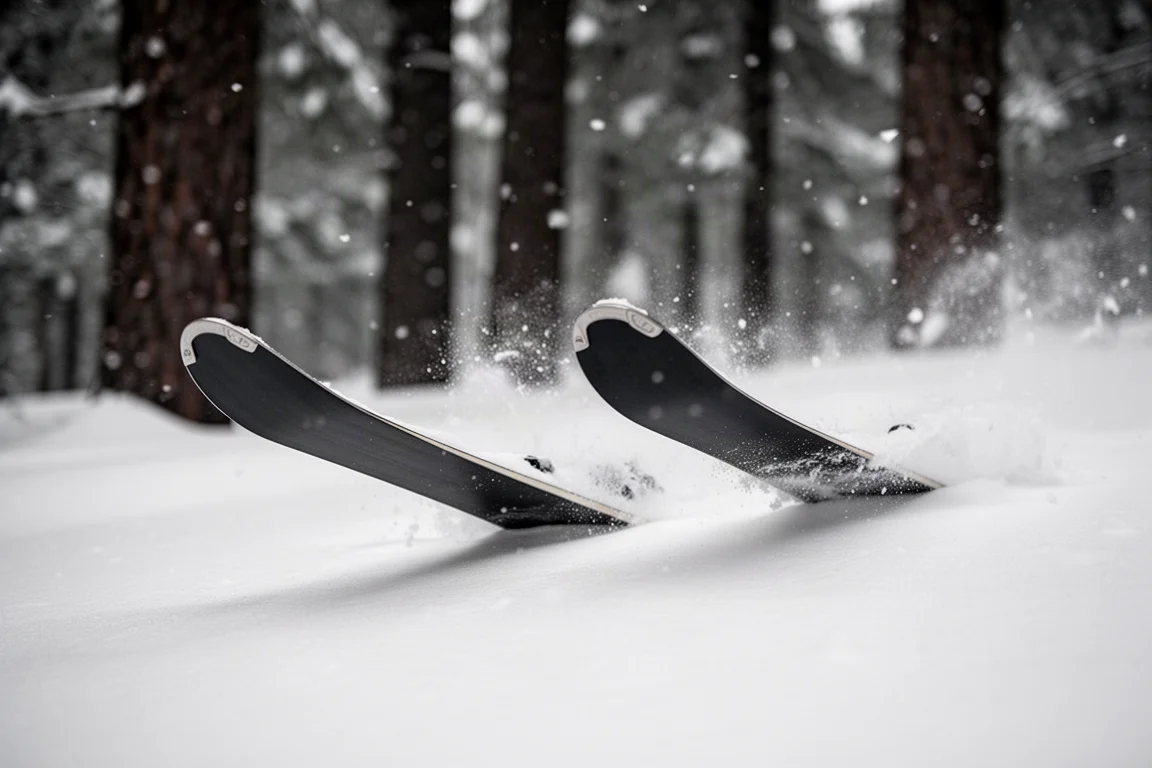
Flex is responsive. You can bend the ski, and you get good energy and rebound back out of it, with a slightly stiffer tail. That is the M-Pro signature: more playful in the shovel, more responsive in the tail, which lets a skier enter a turn easily and then get energy out of the back end. There is positive camber underfoot and quite a lot of splay up front, giving the shovel a distinctly freeride look. Taper is not dramatic, but the widest point is brought well down into the ski.
For a 94 underfoot, that translates into genuinely useful flotation. It also gives the ski a 17 meter turn radius, which reads as right down the middle: you can open it up and it stays stable enough to carry speed, and the shorter effective edge lets you tighten things up into short swing turns when you want them. In crud, tester feedback described the ski as really at home, with the combination of shape, flex, and rocker profile turning a hard run into an easy and fun one.
Things to Consider Before Buying
The most consistent note is about the tip. There is a lot of rocker up front, which can make the ski feel shorter than its listed length, and the reduced tip presence made it challenging in bumps. That is manageable once you adapt, but it is fair to call it an acquired taste rather than something every skier will click with immediately.
Flotation cuts both ways. For a 94, the shovel rises nicely in soft snow, but the same shape means the ski will not cut through crud and chop as easily as something with more metal or a lower overall splay. At speed you are also not going to feel completely grounded on the snow, largely because of that shovel profile. It is a supportive ski, not a locked-in one.
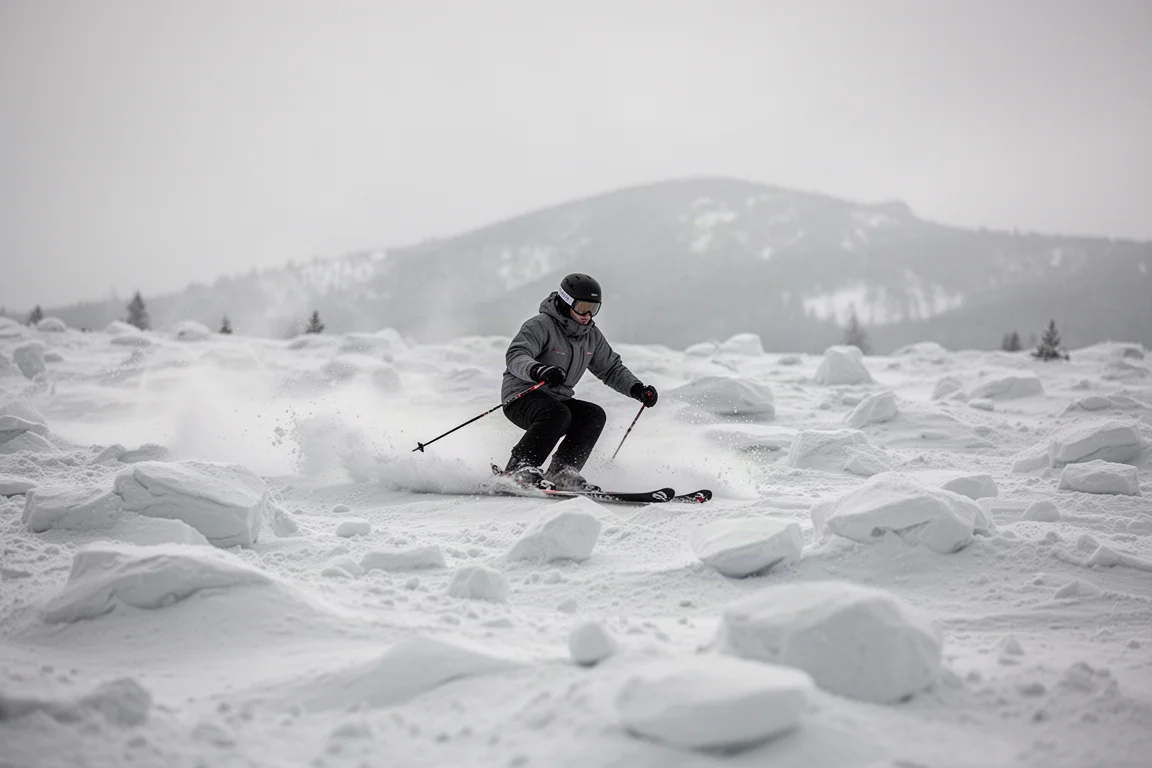
Weight sits in the middle ground as well, neither especially heavy nor especially light, and it feels natural on the feet. Riders who want a burly, damp charger should read that as a trade-off, and riders who want a ski that stays lively at moderate speeds should read it as the point.
Buying Advice
Think about how you actually ski before choosing this one. If your days are mostly moderate-pace cruising with a real mix of groomed runs, trees, bumps, and soft snow, the M-Pro 94 Ti lines up well with that pattern. If you are habitually aggressive and want maximum edge grip and composure at high speed, this is not the ski built for that brief.
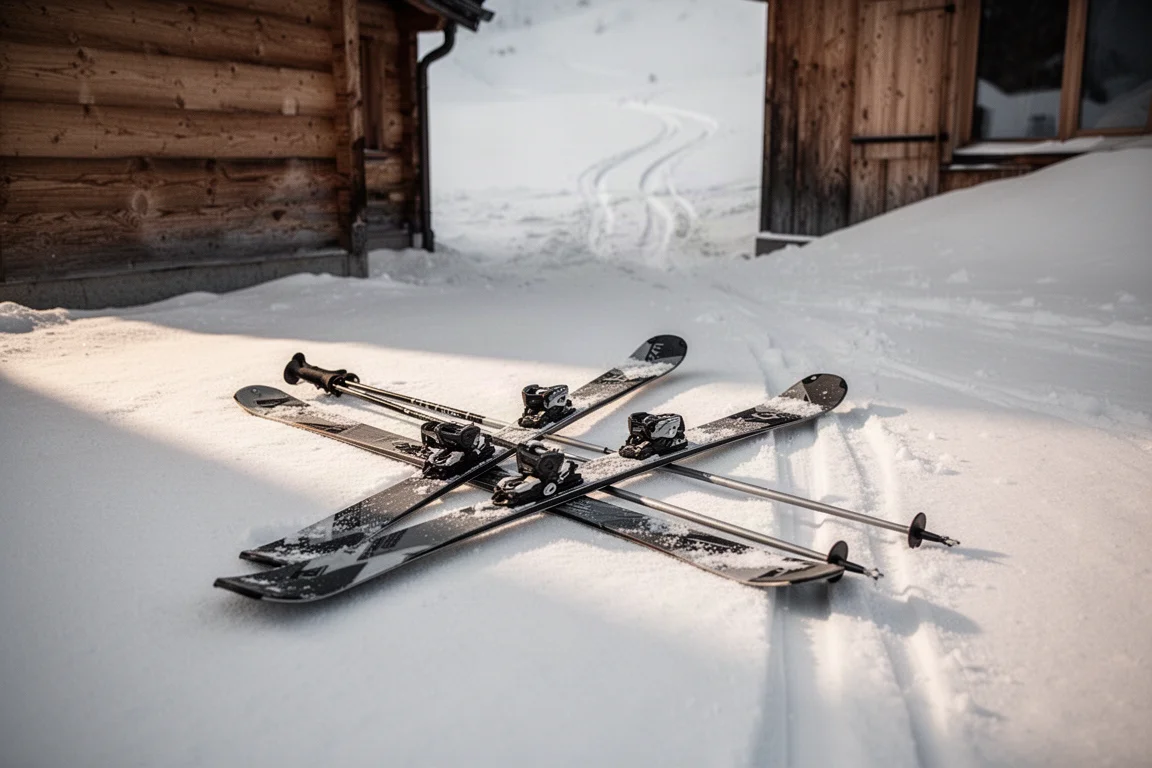
Length choice matters more than usual here, because the generous tip rocker makes the ski feel shorter than its stated measurement. Skiers who want more float and a more pivoty feel may be comfortable sizing as they normally would, while those who want more effective edge underfoot should think carefully about stepping up. The 17 meter radius is a useful reference point: it is the kind of number that supports a wide variety of turn shapes rather than pushing you into one style.
Treat this as a single-ski decision rather than an addition. The whole value proposition is versatility, so it makes the most sense for someone who wants one pair that covers the widest possible range of conditions.
Conclusion
The Dynastar M-Pro 94 Ti is a well-rounded, extremely versatile all-mountain ski that does a lot of things well and nothing in a way that will surprise you. Its hybrid poplar core, polyurethane side layers, and shortened Ti Rocket Frame add up to a ski that is easy to turn, smooth underfoot, and capable of floating in soft snow while staying supportive enough to carry some speed.
The trade-offs are honest ones. The pronounced tip rocker takes some adjustment, particularly in bumps, and the freeride-style shovel gives up some of the crud-cutting and high-speed grounding that heavier, more metal-heavy skis provide. For skiers in the intermediate to expert range who want one ski for a broad mix of terrain, those are reasonable compromises to accept.
Product link
View more details for Dynastar M-Pro 94 Ti
This product is mentioned in the review. Check the specifications, options, and compatibility before buying.
View more details for Dynastar M-Pro 94 TiFurther reading
Related Reviews
Ski Gear
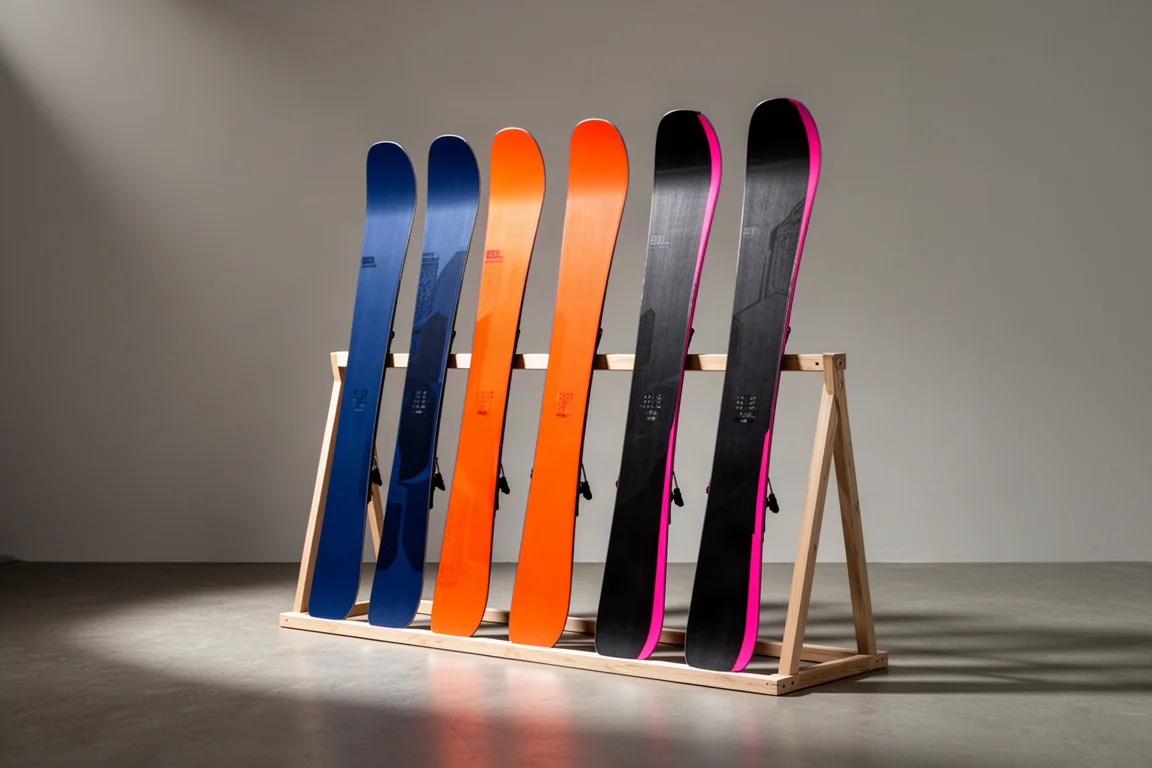
2023 Blizzard Hustle vs Rustler: Six Freeride Skis Compared
Blizzard's 2023 Hustle collection rebuilds the Rustler shape with a lighter core and no metal. Here is how all six skis differ, and which one suits your riding.
Ski Gear
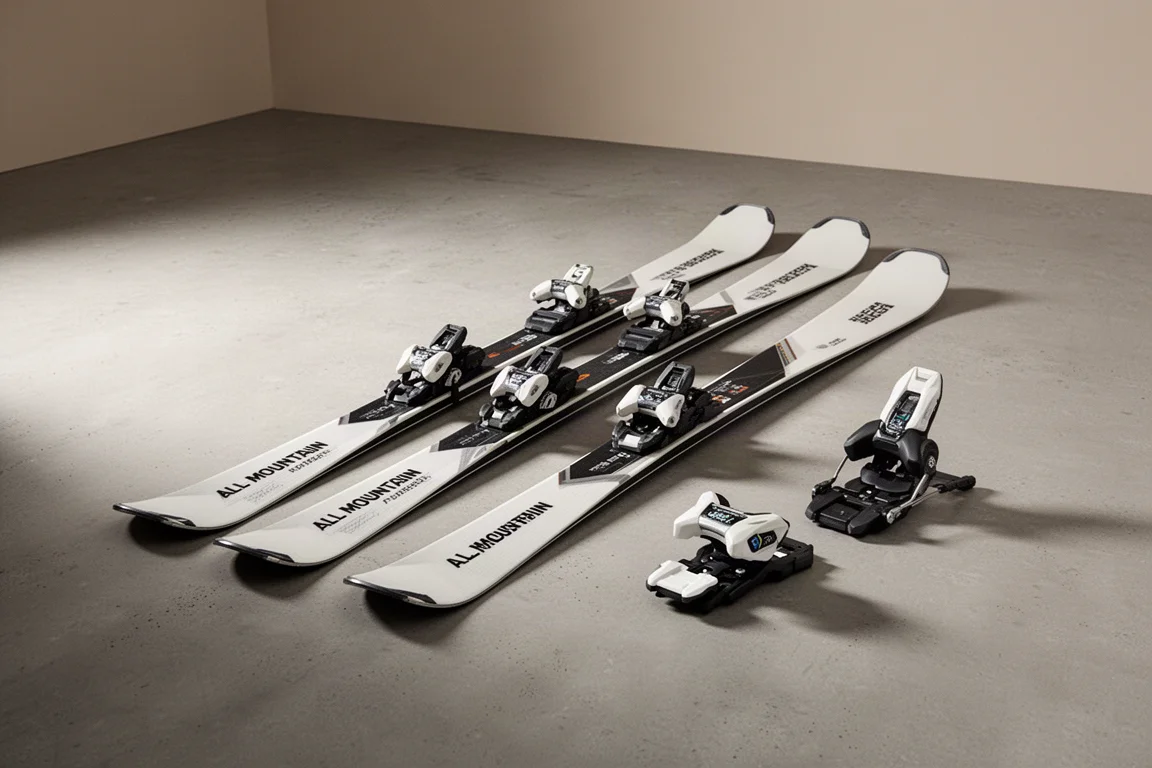
2023 Skis of the Year: Atomic Maverick 88 TI, Salomon QST 106, and Look SPX 12 Pro
Three standout ski picks for all-mountain carving, powder days, and reliable binding performance, with practical buying notes for 2023 models.
Ski Gear
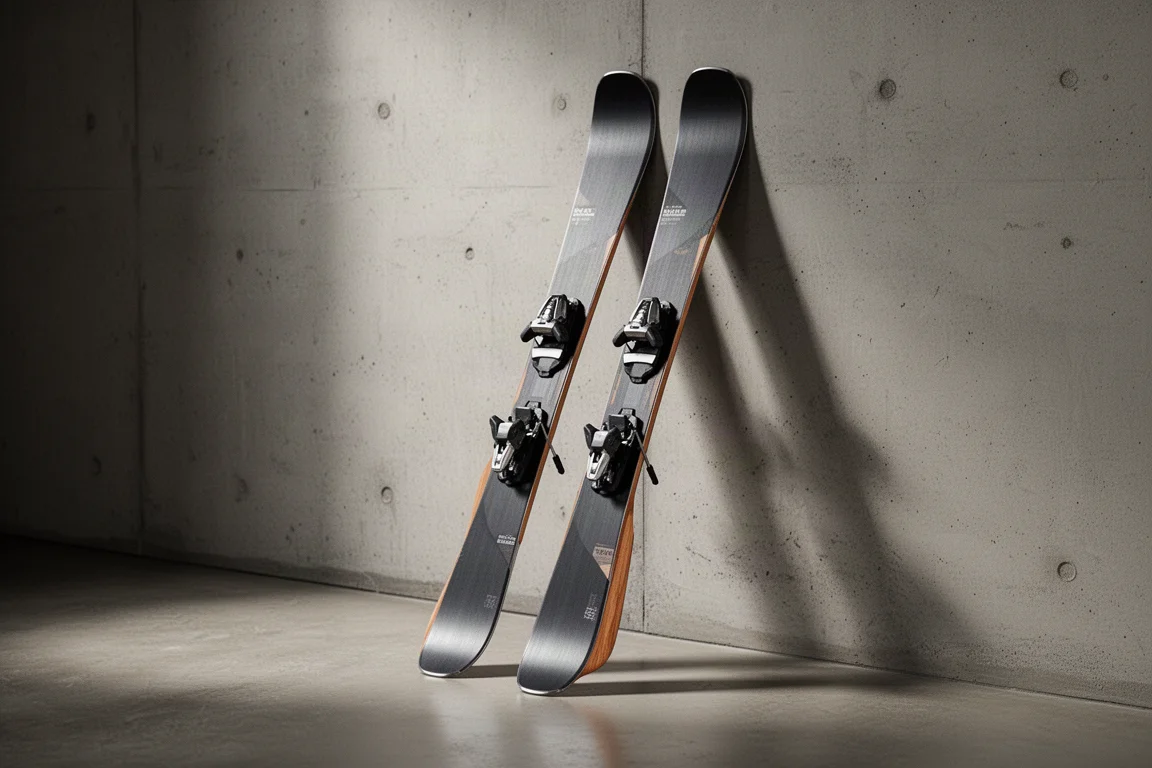
2025 Nordica Enforcer 104 Review: A Directional Charger Replaces the 104 Free
The 2025 Nordica Enforcer 104 drops the Free name and the twin-tip personality, gaining weight, stiffness and composure in rough snow. Here is what changed and who it suits.