Ski Gear
Dynastar M-Pro 94 Review: A Mid-90s All-Mountain Ski Built for Mixed Conditions
A closer look at the Dynastar M-Pro 94, a versatile mid-90s all-mountain ski with Hybrid Core 2.0, an H-shaped metal tail, and a generous rocker profile.
Introduction
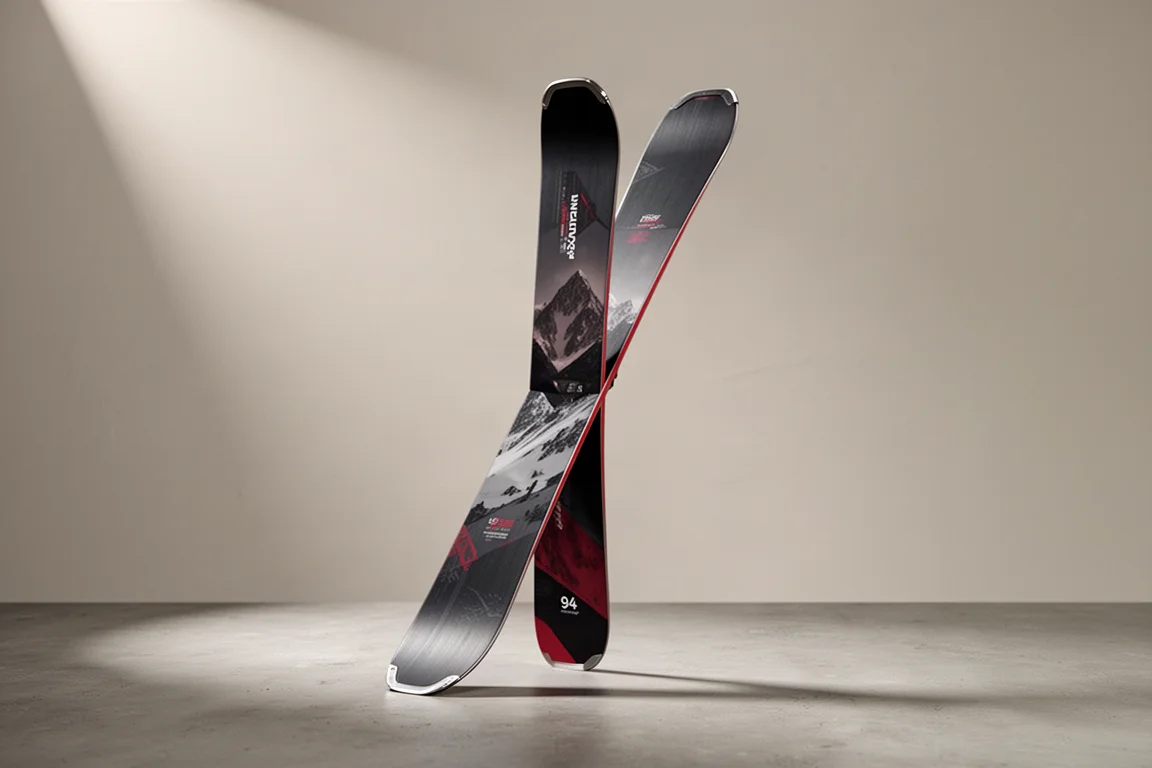
The Dynastar M-Pro 94 fills the mid-90s waist slot, the width band that has become the default answer for skiers who want one pair of skis to cover most of the mountain. It joins the line-up alongside the M-Pro 100 and effectively replaces the outgoing M-Pro 90 and M-Pro 99, tightening the spacing between models. With the M-Cross 88 handling the 88 to 90 mm zone, the 94 is free to concentrate on all-mountain versatility across mixed snow and terrain.
Who This Ski Is For
At roughly 1,800 g, the M-Pro 94 sits in the middle of the weight range for skis in this width class. That middle ground matters. Go lighter and stability suffers; go heavier and the ski starts asking more of the person on it. Dynastar positions this model for intermediate, advanced, and expert skiers, which reflects how manageable it is at moderate speeds while still having the construction to hold together when pushed harder.
If your days are split between groomers, trees, bumps, and whatever soft snow you can find, this is the profile of ski that keeps a one-ski quiver simple. Skiers who only ever carve on hardpack, or who specifically want a dedicated freeride shape with more taper and float, are shopping in a different category.
Main Strengths
The headline change is in the build. The M-Pro 94 uses Hybrid Core 2.0, the same approach introduced in the M-Cross series: three different layers of wood mixed together, with the top two layers joined by friction rather than glued stringers. Less adhesive makes for a more environmentally friendly construction, and it also changes how the core behaves underfoot.
Polyurethane runs along the sides and boosts the wood core in the middle. In practice the PU is what smooths and quiets the ride, reducing chatter and vibration in a way that is easier to feel on snow than to describe on paper. The ski also carries a full-width metal laminate through the centre spine, while the tail uses an H-shaped metal layout instead of the near-full-width rear section of the previous generation.
The combined effect is a ski that feels more balanced between tip and tail than the M-Pro 90 it replaces, and noticeably less demanding from the midpoint back.
How the Hybrid Core 2.0 Feels on Snow
A friction-bonded wood core paired with polyurethane along the sides produces a notably quiet ride. Chatter over refrozen groomers and tracked-out snow is dampened rather than passed up through the boot, which makes long days less tiring on the legs.
The H-shaped metal tail is the other half of that story. By ending the metal earlier and concentrating it along the edges rather than across the whole rear, Dynastar leaves the back of the ski more willing to bend into softer snow and quicker to respond. Compared with the M-Pro 90, the gap between how the tip and the tail feel is far less pronounced, so the ski no longer surprises you when you shift weight rearward.
Rocker Profile and Turn Shape
The M-Pro 94 carries a pronounced rocker profile, especially in the tips, paired with positive camber underfoot. That camber is what delivers energy and responsiveness when you load the ski through a turn, while the tip rocker keeps the front end loose and easy to steer.
For a 94 mm ski, the amount of rocker is generous. It makes the M-Pro 94 a smooth floater that stays highly mobile and manoeuvrable in soft snow. The shape leans all-mountain rather than freeride, with relatively little taper, so it holds a more traditional feel instead of pivoting into a surfy drift. In the tail there is a useful amount of rocker but not much splay, which preserves a long, low effective edge and keeps carving power through the finish of the turn. The quoted turn radius is 17 m in the 178 cm length, which suits short to medium turns better than the longer arcs the older shapes favoured.
Performance Across Terrain and Snow Conditions
This is where the mid-90s width earns its keep. Firm snow, soft snow, trees, bumps, and whatever adventurous terrain you can find are all within reach, and the ski still feels crisp and precise on groomers.
Skiers coming from a narrower all-mountain ski will notice how much easier the M-Pro 94 is in anything soft, while those stepping down from a wider freeride ski will appreciate how much more direct and planted it feels on piste.
Things to Consider Before Buying
At around 1,800 g, this is a middleweight build rather than a featherweight one. Riders chasing the absolute minimum weight will find lighter options in the category, and those who want maximum stability at speed will find heavier, more demanding ones. The M-Pro 94 deliberately sits between those extremes.
The 17 m turn radius quoted for the 178 cm length means the ski is happiest in short to medium arcs. If your typical day is long, high-speed sweeping turns, that geometry is worth weighing up before you commit.
It is also worth being honest about shape preferences. Because the M-Pro 94 keeps a fairly traditional all-mountain outline with limited taper, it is not a heavily tapered freeride design, and skiers who want that surfy, pivoty feel in deep snow should look at a different category of ski.
Buying Advice
Match the ski to how you actually ride. If you want one pair for mixed conditions and a mix of terrain, the M-Pro 94 is a sensible centre point for an all-mountain quiver. The intermediate-to-expert positioning means it will not punish a developing skier, yet it still has headroom for strong ones who want a crisp, energetic turn on groomers and an easy float when the snow turns soft.
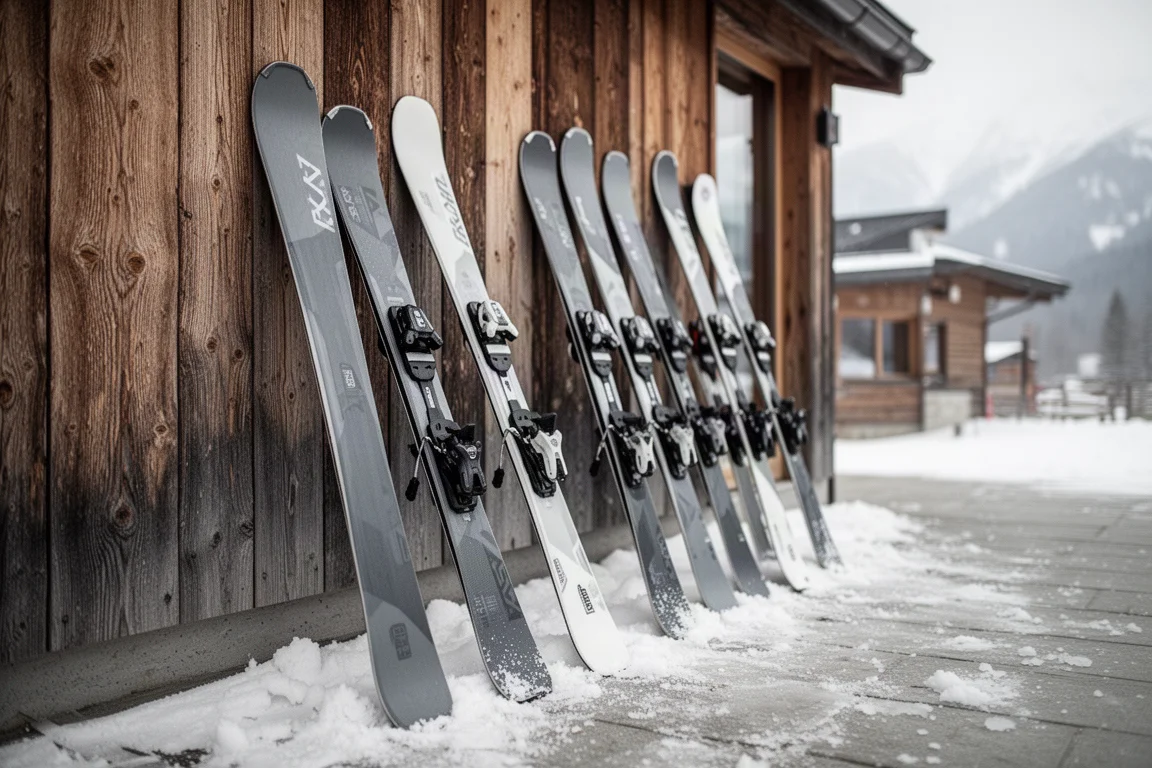
Buyers who spend nearly all their time carving hardpack at speed, or who need a dedicated soft-snow shape with more taper, will likely be happier with something narrower or wider respectively. For everyone in between, the M-Pro 94 is worth shortlisting.
Conclusion
The Dynastar M-Pro 94 takes the Hybrid Core 2.0 build and the H-shaped metal tail from the M-Cross series and applies them to a versatile mid-90s all-mountain shape. The ride is smooth and quiet, the flex is better balanced than the outgoing M-Pro 90, and the generous rocker keeps it easy in soft snow without giving up grip or carving power on groomers. For skiers who want one pair of skis to handle most of the mountain, it makes a strong case for itself.
Product link
View more details for Dynastar M-Pro 94
This product is mentioned in the review. Check the specifications, options, and compatibility before buying.
View more details for Dynastar M-Pro 94Further reading
Related Reviews

Ski Gear
2023 Blizzard Hustle vs Rustler: Six Freeride Skis Compared
Blizzard's 2023 Hustle collection rebuilds the Rustler shape with a lighter core and no metal. Here is how all six skis differ, and which one suits your riding.

Ski Gear
2023 Skis of the Year: Atomic Maverick 88 TI, Salomon QST 106, and Look SPX 12 Pro
Three standout ski picks for all-mountain carving, powder days, and reliable binding performance, with practical buying notes for 2023 models.

Ski Gear
2025 Nordica Enforcer 104 Review: A Directional Charger Replaces the 104 Free
The 2025 Nordica Enforcer 104 drops the Free name and the twin-tip personality, gaining weight, stiffness and composure in rough snow. Here is what changed and who it suits.