Ski Gear
Dynastar M-Pro 94 and M-Pro 100: An All-Mountain Ski Guide
A close look at the redesigned Dynastar M-Pro 94 and M-Pro 100, including the new Hybrid Core 2.0 build, the revised metal layout, and how to choose the right width.
Introduction
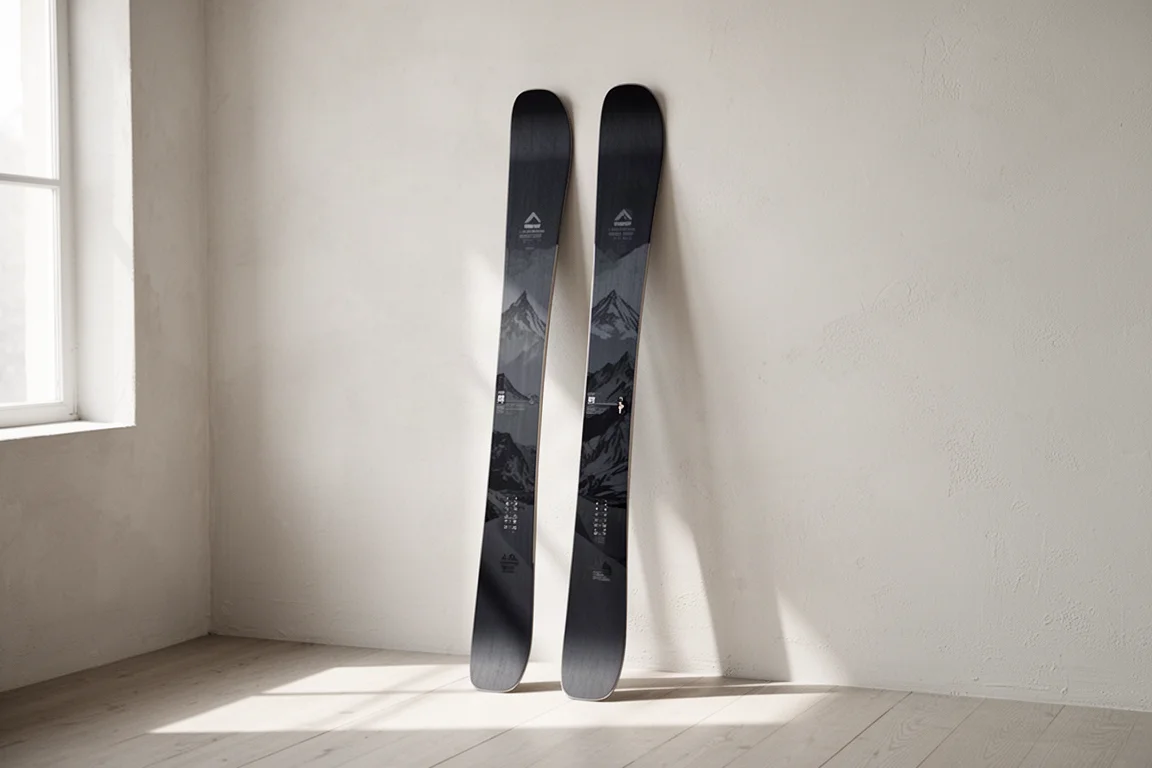
The Dynastar M-Pro line has built its reputation on a distinctive recipe: a lot of metal, a stiff tail, and a shape that rewarded a committed skier. For 2025 the collection is refreshed, and the two skis at the centre of it are the M-Pro 94 and the M-Pro 100.
The M-Pro 94 takes the place of the M-Pro 90, and the M-Pro 100 steps in for the M-Pro 99. Both keep the core character of the line while moving toward a rounder, more forgiving personality, and the construction and shape changes behind that shift are worth understanding before you commit to a width.
This guide covers what changed, how each ski behaves, and how to decide between them.
What Changed in the New M-Pro Construction
The biggest story is the move to Hybrid Core 2.0. The core still pairs wood with polyurethane, but the wood is now assembled as a multi-layer structure. A relatively flat poplar layer sits at the bottom, and the two upper layers are milled with strips that intersect and are pressed together, so the friction of the wood and the pressure of the moulding process hold the layers in place without glue in that joinery. Using less material lowers the overall footprint, and it also produces a distinctly smooth, quiet ride character. Polyurethane runs along the sides, keeping weight down while adding energy and smoothness.
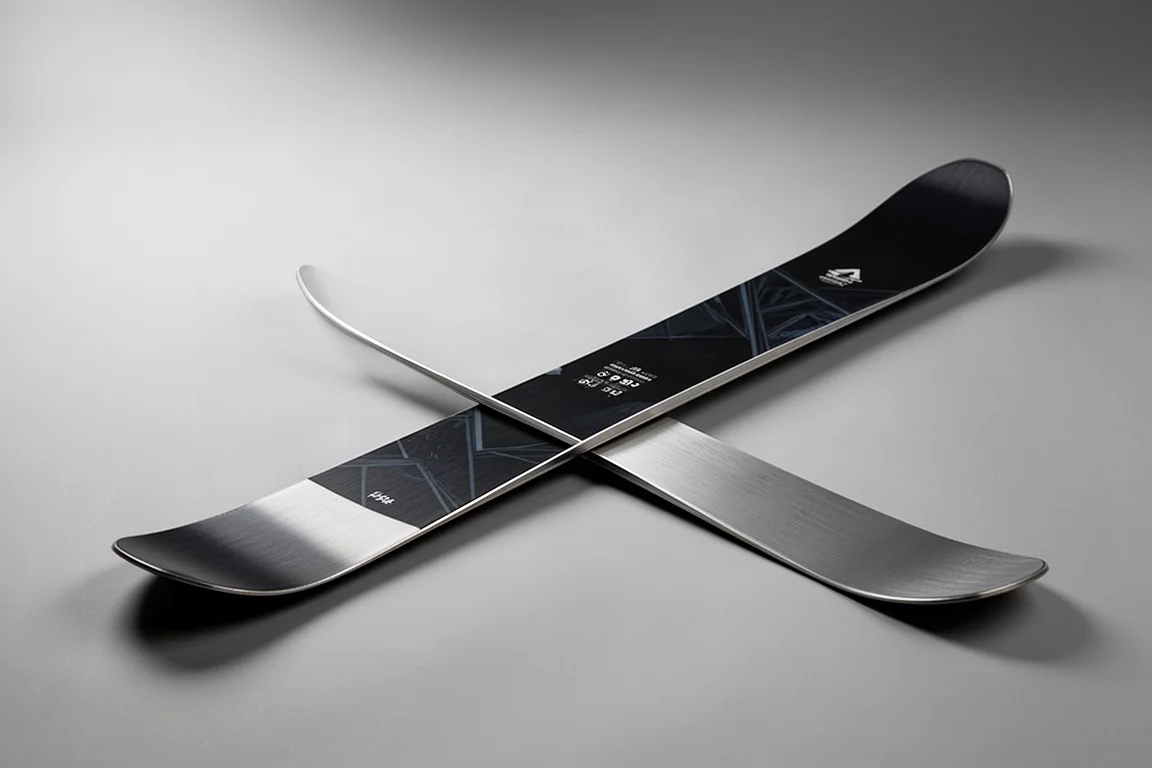
The metal laminate has been reworked as well. The previous M-Pro skis used a rocket frame that carried metal up through the centre spine and close to the end of the tail. The new layout keeps a shorter metal section in the forebody, runs full width underfoot, and finishes with an H-shaped titanal profile in the tail. On the M-Pro 94, the metal ends roughly 40 cm earlier than it did on the M-Pro 90.
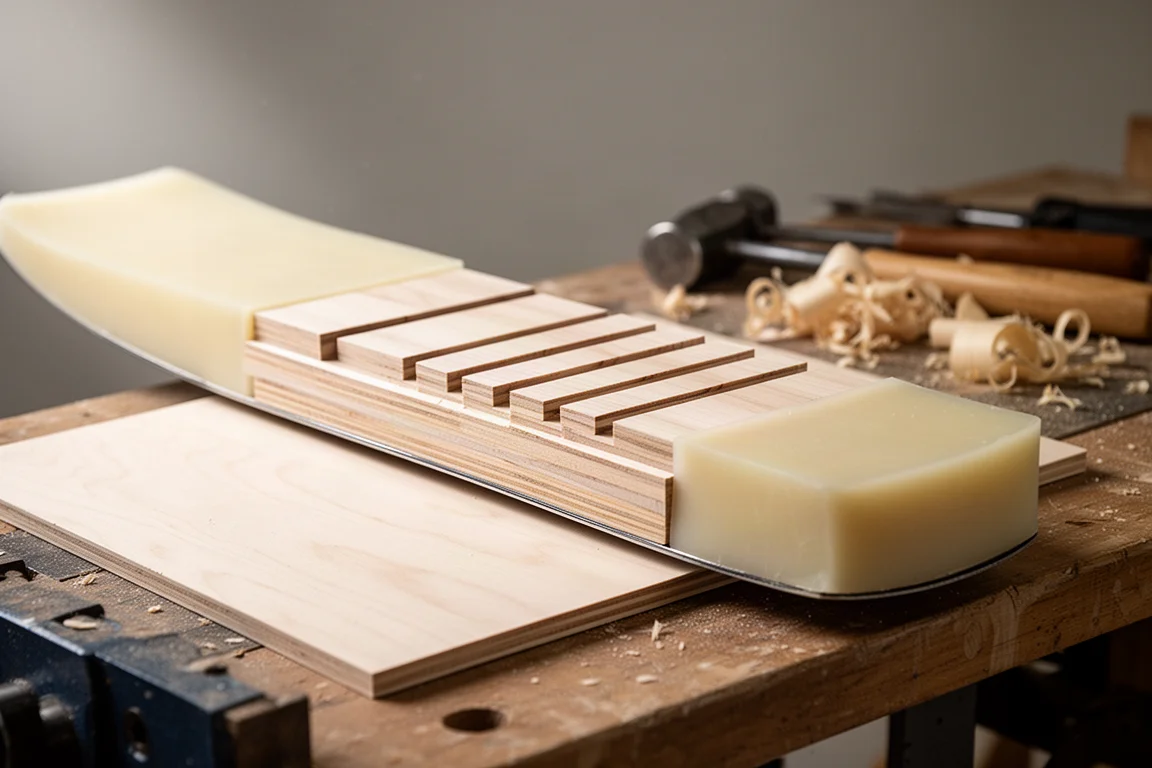
The result is a ski that is still stiff, but with a rounder, more consistent flex and a tail that gives a little more than before. That combination of a slightly softer tail and more tail rocker is what shifts the personality of both skis.
Dynastar M-Pro 94 Review
The M-Pro 94 is best understood as a new ski rather than a direct continuation of the M-Pro 90. Its waist moves out to 94 mm, the tip and tail are wider, and the overall shape is rounder.
That matters most in mixed and soft conditions. The M-Pro 90 had a very stiff tail, which placed it in conversations alongside skis like the Brahma and the Kendo and demanded that the skier stay engaged at all times. The M-Pro 94 relaxes that. It is comfortable in softer snow and trees, and it stays composed when the snow is refrozen and bumpy, where a stiffer tail would transmit more of the bad surface back to the skier. It can be thrown sideways when you need to scrub speed, and it allows a more relaxed approach without giving up responsiveness.
The trade-off is that you give up some of the old ski’s outright tail stiffness. The M-Pro 94 is not as precise or as demanding as the M-Pro 90, and for most skiers that is the point.
Dynastar M-Pro 100 Review
The M-Pro 100 is the smoother, more predictable version of the M-Pro 99. The waist stays at 100 mm, but the dimensions widen to 134-100-124 from 127-99-117, and the turn radius drops from 20 m to 17 m.
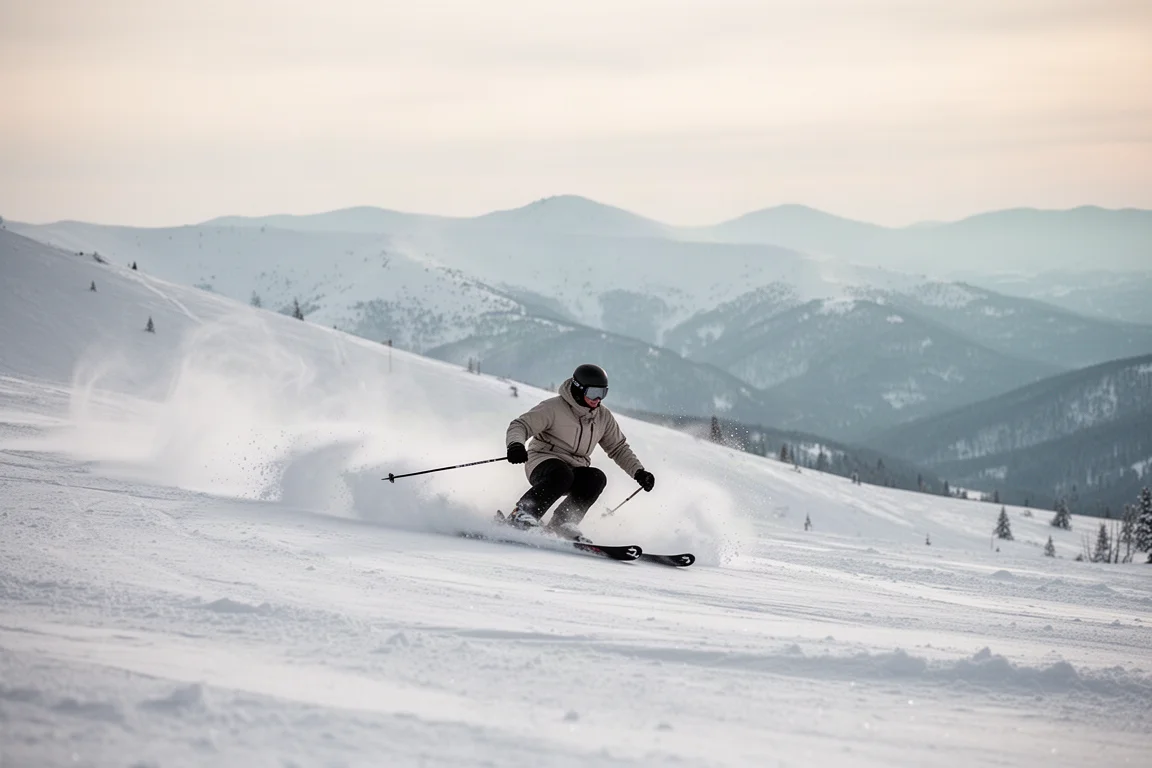
On snow, the difference is a ski that responds more automatically. The M-Pro 99 had a longer turn shape and rewarded deliberate input. It was consistent once you committed, but it asked for more mental effort and left some skiers unsure how it would react. The M-Pro 100 rounds that off. It tips and rolls onto edge more readily, and it holds up in both hard and soft snow without much adjustment from the skier.
What you give up is a small amount of raw power at the finish of a turn. For a 100 mm all-mountain ski, that is an easy trade for a more well-rounded ride.
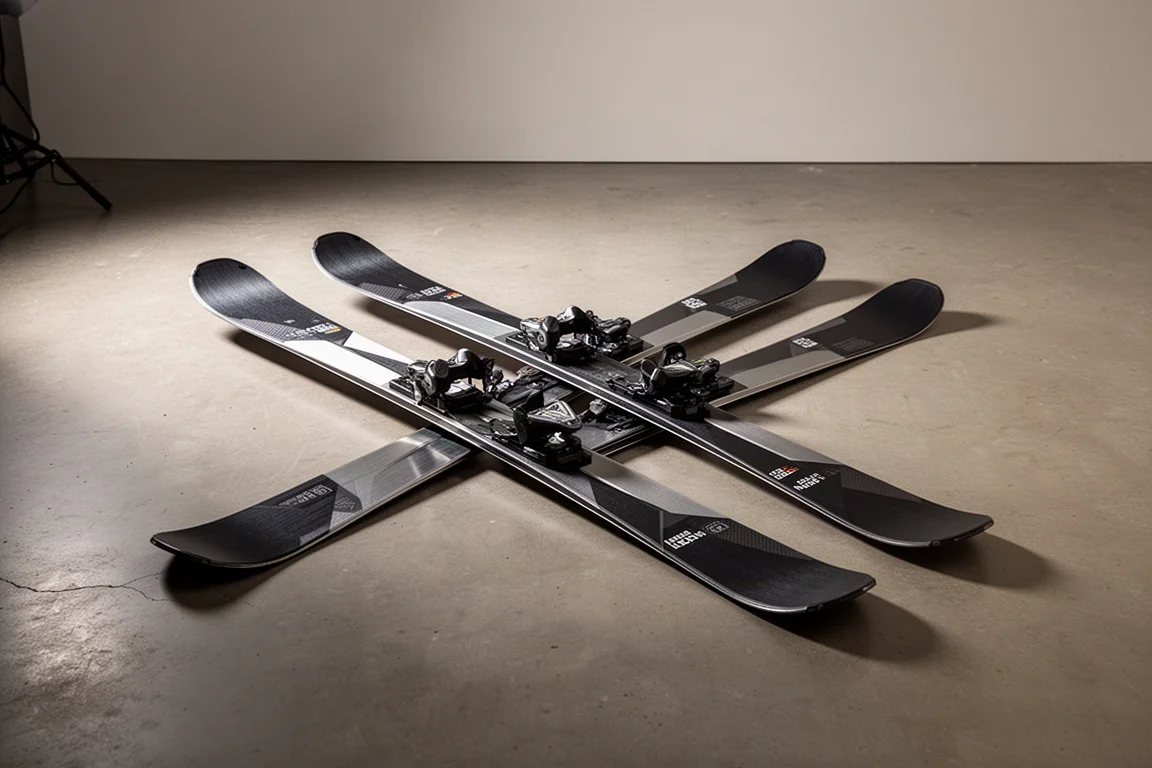
Flex, Shape and Turn Radius Compared
Both skis remain on the stiff side of the all-mountain spectrum, but the flex pattern is more even than before. The M-Pro 100 weighs in at about 1,885 g, with the outgoing M-Pro 99 only around 30 g heavier, so the change in flex pattern is far more noticeable than the change in weight.
Tip rocker is essentially unchanged, which preserves the float and the loose feel up front. The bigger change is at the back, where tail rocker increases in both height and length. Combined with the wider tail, that is what produces the rounder turn shape and the more forgiving finish.
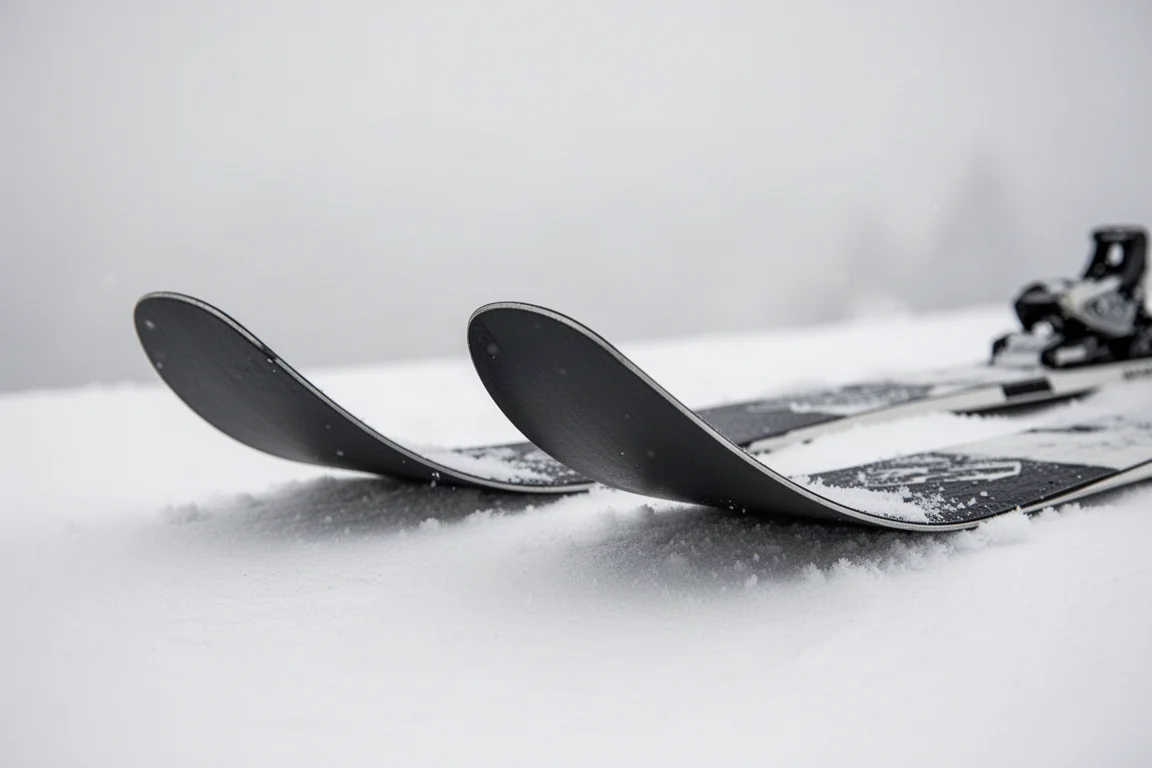
The M-Pro 94 also comes in with a shorter turn radius than the M-Pro 90 it replaces, which reinforces the same theme: quicker, rounder turns and less demand on the skier.
Who Each Ski Suits
Both skis are genuine all-mountain tools rather than specialists. Neither is the strongest or the most precise ski in its class, and neither is the loosest or the most agile, but both do a lot of things well.
The M-Pro 94 fits skiers who want a versatile daily driver and who ride in places where soft snow is not guaranteed. The M-Pro 100 fits skiers who see more snow and want one ski that handles groomers, bumps and soft snow without much thought.
If you already own a narrower all-mountain ski in the high 80s, the M-Pro 100 makes more sense as a companion. If your current ski is wider, the M-Pro 94 is the more useful addition.
How the M-Pro Line Fits Together
Within the wider Dynastar range, the M-Pro 94 and M-Pro 100 now sit between the M-Cross and M-Free families. The M-Cross 88 is the closest thing to a replacement for the old M-Pro 90 in terms of character, and it uses the same H-shaped titanal approach in the tail.
Compared with other all-mountain skis, the new M-Pro pair sits a tier below the most powerful options. A ski like the Enforcer 99 has a similar shape and profile but more power and stability, while the M-Pro asks less of the skier. The K2 Mindbender 99 and the Fischer Ranger sit in a comparable space, and the M-Pro 94 lands somewhere between a Stance 96 and a Rustler 9 in feel, with a similar brief to a metal-laminate QST 92.
At the top of the range, the M-Pro 108 remains the widest option in the family and is offered in two lengths. The M-Pro 85 returns with new graphics and no construction changes for skiers who want a narrower, metal-free feel.
Buying Advice for the 94 and the 100
Choose the width based on where you ski and what is already in your quiver. The 94 is the better call for lower-snow regions and for skiers who want a more relaxed, forgiving ride. The 100 is the better call for snowier regions and for skiers who want a single ski to cover most days.
Both skis reward a neutral, centred stance and respond well to being tipped and rolled rather than forced. If you liked the older M-Pro models but found them tiring, the new versions address exactly that complaint. If you valued their stiff tail and demanded precision, be aware that the new skis trade a little of that away.
Conclusion
The 2025 Dynastar M-Pro 94 and M-Pro 100 keep the metal-and-wood character of the line but shift it toward a rounder, more forgiving ride. The Hybrid Core 2.0 construction and the shorter, H-shaped metal layout are the technical reasons, and the wider tips and tails plus added tail rocker are the shape reasons. The M-Pro 94 is the more versatile, easier-going option, and the M-Pro 100 is the smoother, more predictable one. Matching the width to your home mountain and your existing skis is the decision that matters most.
Further reading
Related Reviews

Ski Gear
2023 Blizzard Hustle vs Rustler: Six Freeride Skis Compared
Blizzard's 2023 Hustle collection rebuilds the Rustler shape with a lighter core and no metal. Here is how all six skis differ, and which one suits your riding.

Ski Gear
2023 Skis of the Year: Atomic Maverick 88 TI, Salomon QST 106, and Look SPX 12 Pro
Three standout ski picks for all-mountain carving, powder days, and reliable binding performance, with practical buying notes for 2023 models.

Ski Gear
2025 Nordica Enforcer 104 Review: A Directional Charger Replaces the 104 Free
The 2025 Nordica Enforcer 104 drops the Free name and the twin-tip personality, gaining weight, stiffness and composure in rough snow. Here is what changed and who it suits.