All-Mountain Skis
Dynastar M-Pro 100 Review: A Rounder, More Versatile All-Mountain Ski
The Dynastar M-Pro 100 replaces the M-Pro 99 with a smoother, rounder ride, a rear-only metal laminate, and standout flotation for a 100 mm all-mountain ski.
Introduction
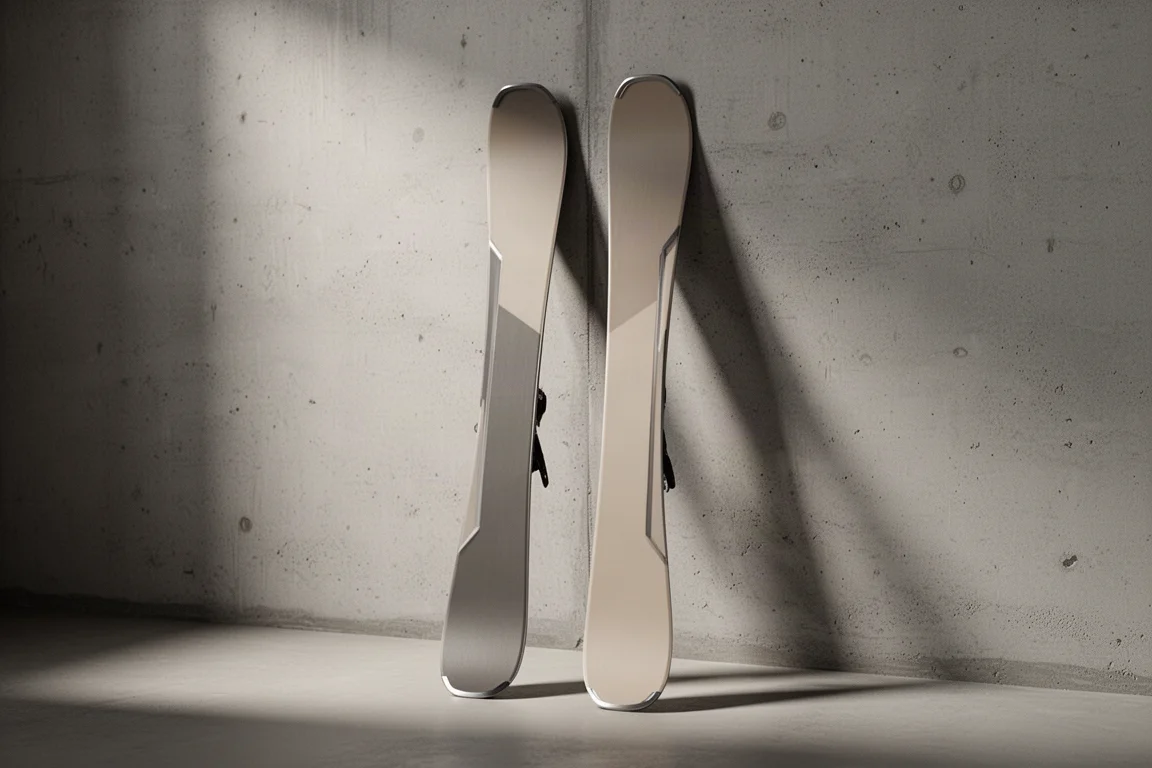
The Dynastar M-Pro 100 takes over from the M-Pro 99 and brings a noticeably different personality to the brand’s 100 mm all-mountain category. Much of the construction thinking introduced with the M-Cross 88 carries over, and the result is a ski that feels wider and rounder than its predecessor, with a strong, quiet centre and tips that float well.
This review covers what changed, how the ski behaves on snow, and who should consider it.
Who the M-Pro 100 Is For
This is a ski for people who want one pair to cover most of the mountain. It suits skiers who enjoy a round, connected turn driven by the middle of the ski rather than a hard rebound out of the tail, and who spend part of the day in soft snow, trees, and cut-up terrain without giving up groomed performance.
The M-Pro 100 also suits skiers who found the outgoing M-Pro 99 too stiff in the tail. The rear metal laminate now ends before the tail, so the middle of the ski can twist more easily and the whole package feels less demanding.
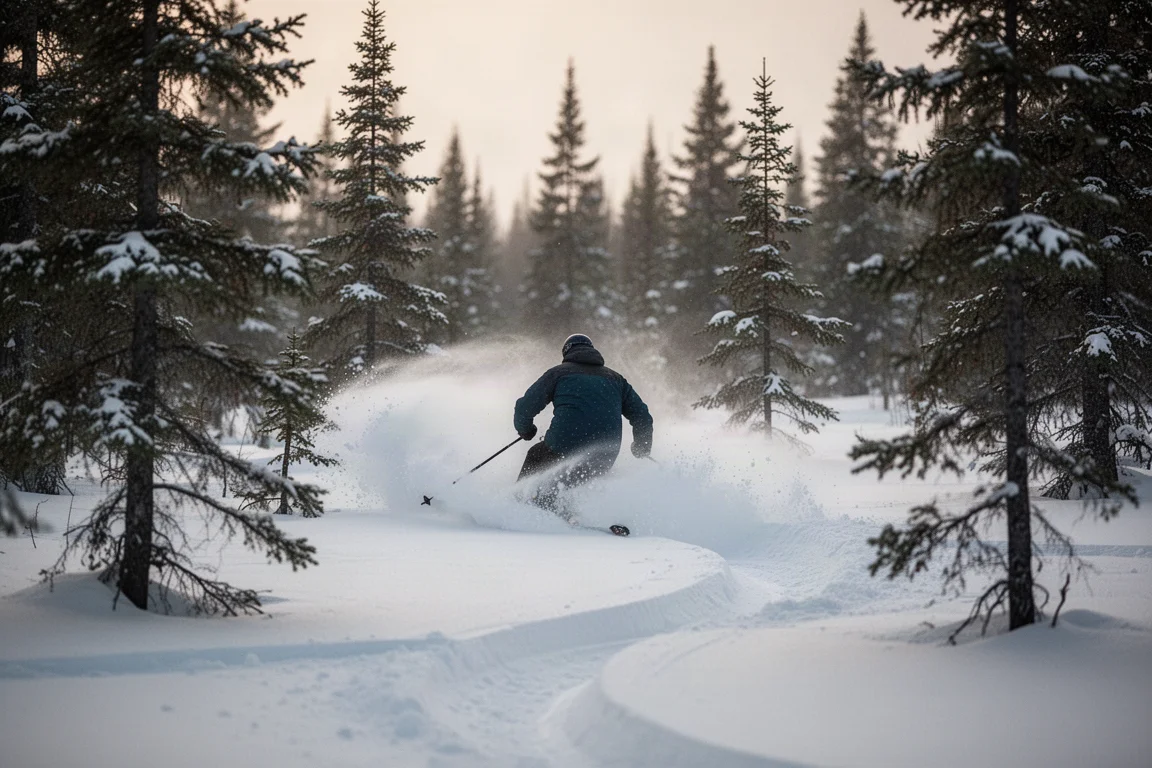
It is a less obvious choice for skiers who want a poppy, energetic ski that snaps out of every turn. That quality belonged to the M-Pro 99, and the M-Pro 100 deliberately trades some of it for a smoother, rounder ride.
Main Strengths
The strongest part of the ski is its centre. Positive camber underfoot gives it a lively snap, and a long cambered effective edge lets you get into a deep turn without fighting the ski.
The tips deserve equal attention. There is plenty of splay and a wide shovel, with the widest point brought down to meet where the rocker starts. That combination adds flotation in soft snow, and the M-Pro 100 ranks among the better floating skis in the 100 mm class.
Comfort is another plus. The polyurethane layers along the sides quiet the ski, keep it feeling energetic, and help hold weight down. A fibreglass-coated central strip adds some mass, and the 178 cm length does not feel overly heavy given the width and the amount of metal in the build.
Construction and Ride Feel
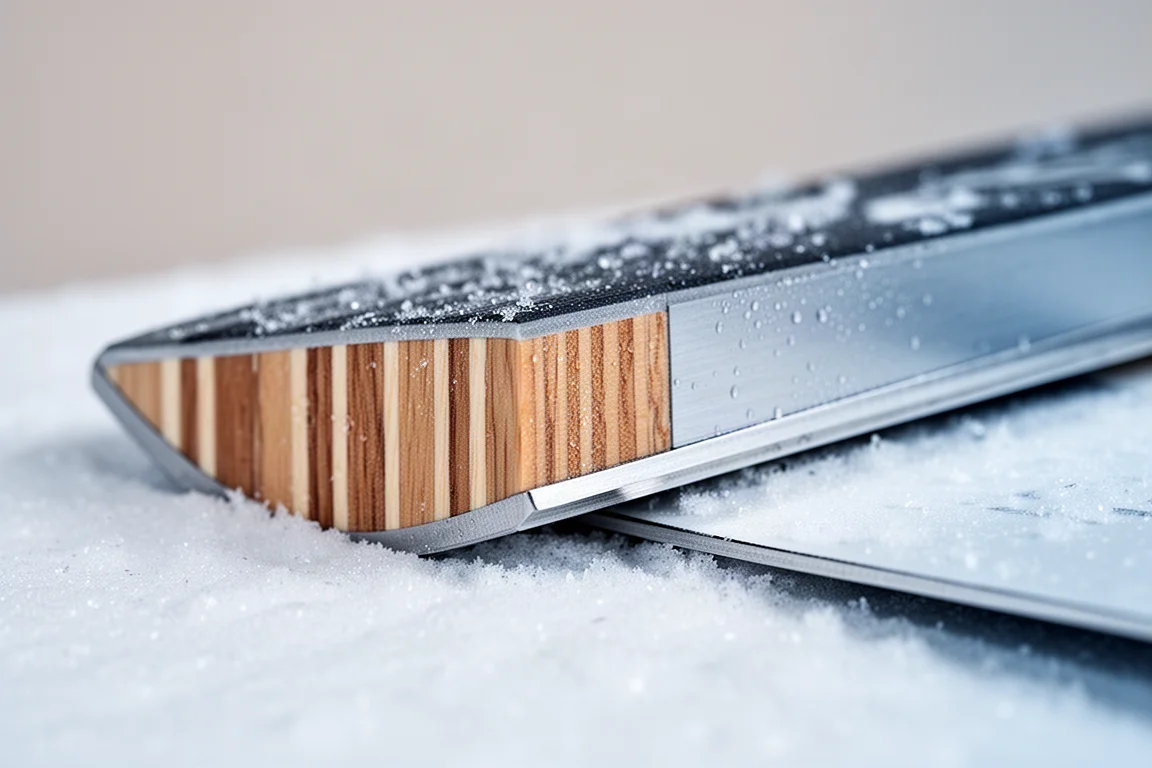
The Hybrid Core 2.0 construction uses three layers of wood. The top two are milled and joined together in a vertical format, which creates a cohesive core unit and removes the need to glue vertical stringers with epoxy, so less adhesive is used overall. The milling and joining technique contributes a great deal to how smooth the ski feels.
Metal is where the biggest change sits. The earlier Rocket Frame ran a central spine that was full width underfoot and extended almost to the tail at nearly full width, producing very stiff, responsive tails that some skiers found hard to manage. The M-Pro 100 uses an H-shaped metal laminate in the rear only. It still puts emphasis on the edges toward the back, but it ends partway along the ski, so the middle can twist more easily. That torsional flex is what allows deep edge angles without making the ski punishing. The metal underfoot and through the front stays much the same as before.
The 178 cm length carries a 17 m turn radius, considerably shorter than the M-Pro 99. The design intent is a ski that wants to make a deeper turn through its centre rather than focusing on rebound out of the tail, taking a more direct line through the arc.
How It Compares With the M-Pro 99
The M-Pro 100 is wider and rounder than the ski it replaces. It wants to stay in the turn and make rounder turns, and it is more amenable to softer snow.
In soft snow it is the better ski. It is more manageable and more mobile, which shows up in the trees, and its tips float more readily. The trade-off is clear: it is not as poppy or as energetic as the M-Pro 99, and skiers who loved the traditional, longer-turn feel and the very stiff tail of the 99 will notice the difference immediately.
Snow Conditions and Turn Shape
Soft snow is where the new shape pays off. The dramatic tip shape, generous splay, and long cambered effective edge underfoot work together: flotation at the front, grip through the middle, and a deep, controlled turn when you ask for one.
Tail rocker is low and smooth rather than pronounced, which keeps on-trail performance a priority. That balance is what makes the ski versatile. It holds an edge on groomed snow and still stays composed when the surface breaks up.
Things to Consider Before Buying
The main consideration is character. If you liked the M-Pro 99 for its stiff, responsive tail and its energy out of the turn, the M-Pro 100 will feel calmer and rounder. That is a deliberate design direction rather than a shortcoming, but it does change who the ski suits.
Weight is worth a thought as well. The build is not heavy for its class, though there are lighter skis in the 100 mm segment, and heavier skis tend to demand more from the skier. The M-Pro 100 sits in a comfortable middle ground, which is part of why it makes clean, round turns without wearing you down.
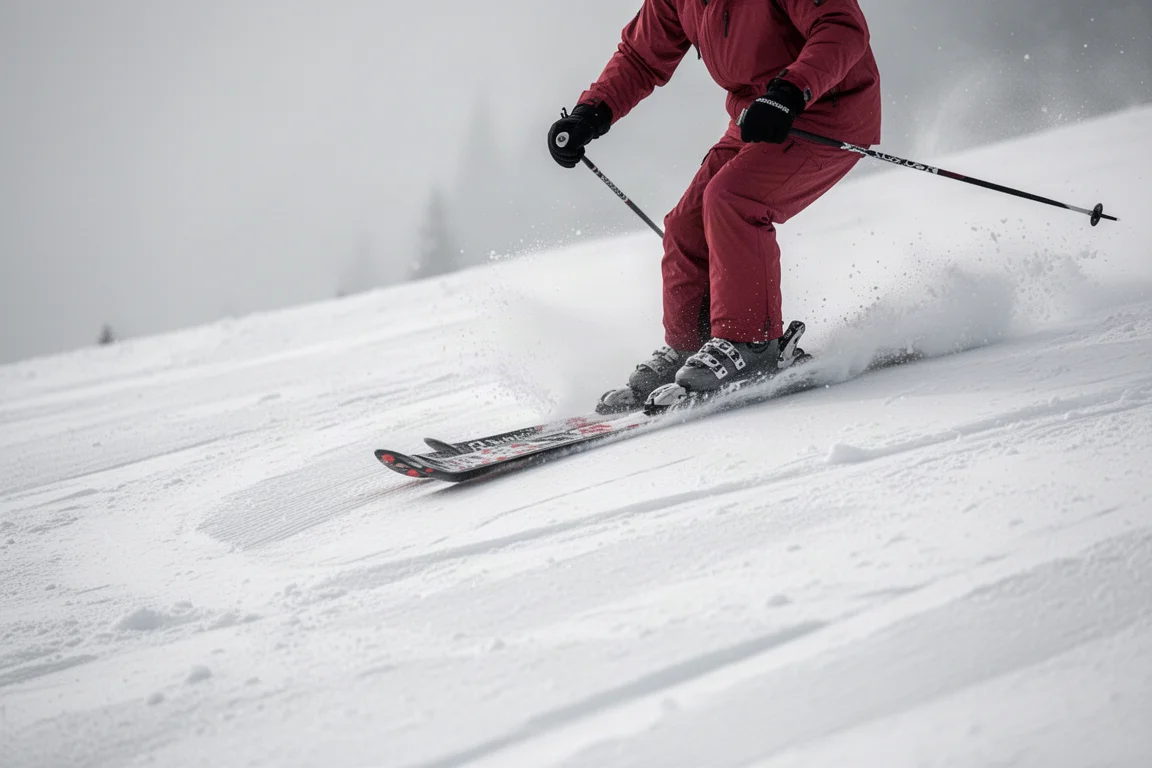
It is also worth considering how much of your season happens on hardpack. The metal underfoot and through the front keep the ski composed on groomed terrain, but the soft-snow bias of the shape is where it shines brightest.
Buying Advice
Choose the M-Pro 100 if you want a smooth, versatile 100 mm all-mountain ski with a strong centre, floaty tips, and a turn shape that encourages you to stay in the arc. It rewards a centred stance and a preference for round turns over aggressive tail-driven pop.
If your priority is maximum energy and a stiff tail that fires you out of every turn, that describes the older M-Pro 99 character, and this ski intentionally moves away from it.
Sizing matters here. The 178 cm length uses a 17 m radius, so the ski turns tighter than the previous generation at the same length. Skiers who want a more stable, longer-feeling arc should weigh that against their usual length choice.
Conclusion
The Dynastar M-Pro 100 is a well-rounded addition to a crowded category. It carries over a sophisticated core construction, adds a rear-only metal laminate that makes the ski easier to bend into a deep turn, and delivers flotation that stands out among 100 mm all-mountain skis. Skiers who want a quieter, rounder ride with genuine soft snow ability will find a lot to like, provided they are happy to give up some of the snap of the ski it replaces.
Product link
View more details for Dynastar M-Pro 100
This product is mentioned in the review. Check the specifications, options, and compatibility before buying.
View more details for Dynastar M-Pro 100Further reading
Related Reviews
All-Mountain Skis
100mm All-Mountain Skis Compared: 23 Versatile Models Worth Knowing
A practical walkthrough of 23 all-mountain skis around 100mm underfoot, covering weight, rocker, metal construction, and the rider each model suits best.
All-Mountain Skis
2026 Black Crows Camox Review: A More Stable, More Versatile All-Mountain Twin Tip
The 2026 Black Crows Camox adds an ash layer underfoot, wider tips and tails, and a revised rocker profile. Here is what those changes mean on snow.
All-Mountain Skis
Armada Antimatter 88 Review: A Light, Lively All-Mountain Ski That Rewards Any Style
The Antimatter 88 pairs a poplar core with carbon stringers for a surprisingly energetic ride that suits intermediates and experts alike.