Trail Running Shoes
Dynafit Trail Review: A Versatile Trail Running Shoe for Hardpack and Everyday Wear
A close look at the Dynafit Trail, a cushioned trail running shoe with a Vibram XS-Trek outsole, a Speed Light midsole, and enough comfort for daily wear.
Introduction
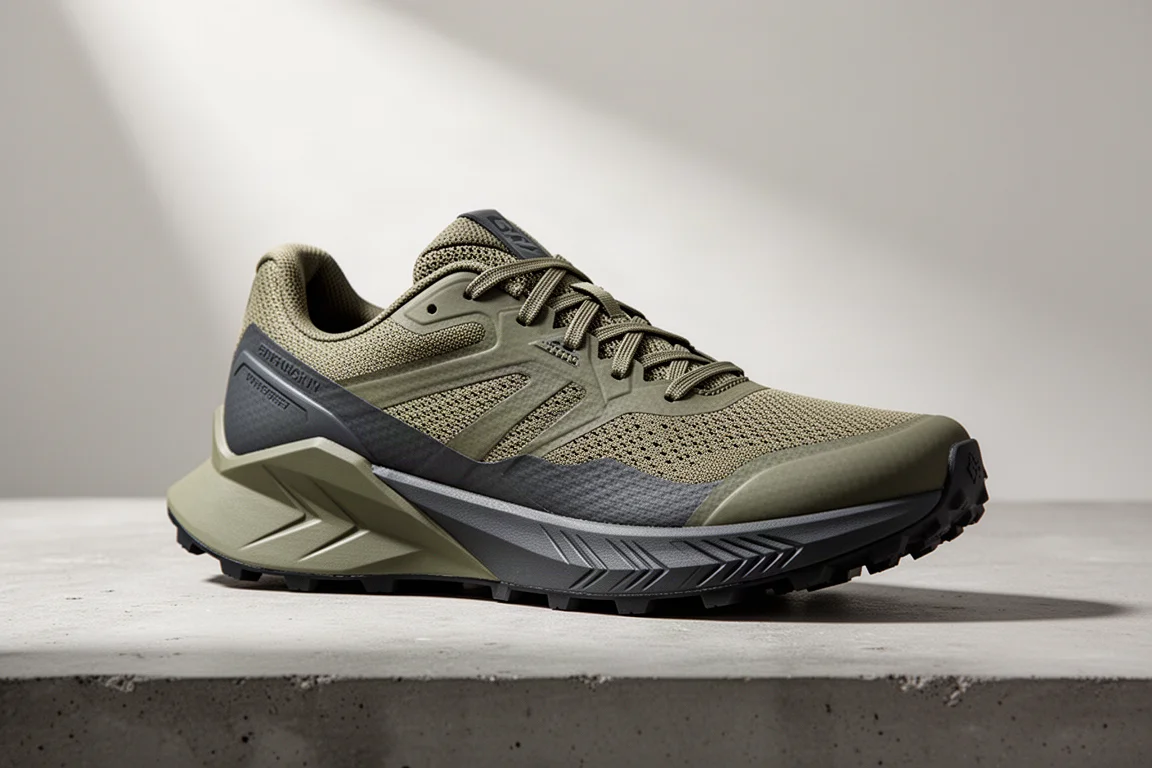
Dynafit has built a strong reputation in the Alps, particularly for ski touring equipment. The Dynafit Trail applies that same brand discipline to a very different kind of footwear: a trail running shoe named for exactly what it does. It is available in men’s and women’s versions, and the brief behind it is simple. It should work well from your front door all the way to the trail.
That is a genuinely useful starting point. Most runners begin on tarmac or pavement and then transition onto paths, gravel, and packed dirt. The Dynafit Trail is built around that everyday reality rather than around the extremes of mountain racing.
Who This Shoe Is For
This is a trail running shoe rather than a fell running shoe, and the distinction matters. Trail running means staying on paths, which are harder packed and sometimes gravel covered. Fell running is wilder, softer underfoot, and often muddy, and that is where deeper lugs and a more aggressive platform become necessary.
The lugs here are not deep enough for that category, which makes the Dynafit Trail a poor match for heavy mud and soft winter ground. On hardpack, though, it feels solid and planted underfoot, with a large amount of cushioning that keeps longer runs comfortable.

It also suits people who spend long days on their feet away from running altogether. The shoe has been worn as an everyday work shoe across full eight hour days and stays comfortable throughout, which says a lot about the platform. Runners, walkers, and anyone who wants one pair for mixed daily use will find the fit and cushioning easy to live with.
Comfort and Cushioning
The first impression is plushness. A 5mm insole sits underfoot, and the heel is noticeably chunky. That heel is also unusually wide, which makes each foot placement feel firm and stable. Looking down, the heel platform can appear wider than the rest of the shoe, and that width translates into confidence when you land.
The heel curves back slightly, and the combination of width and cushioning pays off most on descents. Runners who strike hard on the heel, including heavier runners, get a soft landing and a useful amount of rebound rather than a jarring impact.
The midsole is called Speed Light, developed specifically for this shoe. It is designed to deliver comfort and rebound together, so energy is returned rather than absorbed and the shoe helps propel you forward as you run. The drop is 6mm, which is about average for this category: the heel sits 6mm higher than the forefoot, putting you on a slight forward angle.
Outsole Grip and Durability
The outsole uses a Vibram XS-Trek rubber compound, chosen with gravel and harder off-road terrain in mind. The goal is a balance between durability and stickiness, so the rubber does not wear down too quickly on abrasive ground while still holding on the surfaces where this shoe is most likely to be used.
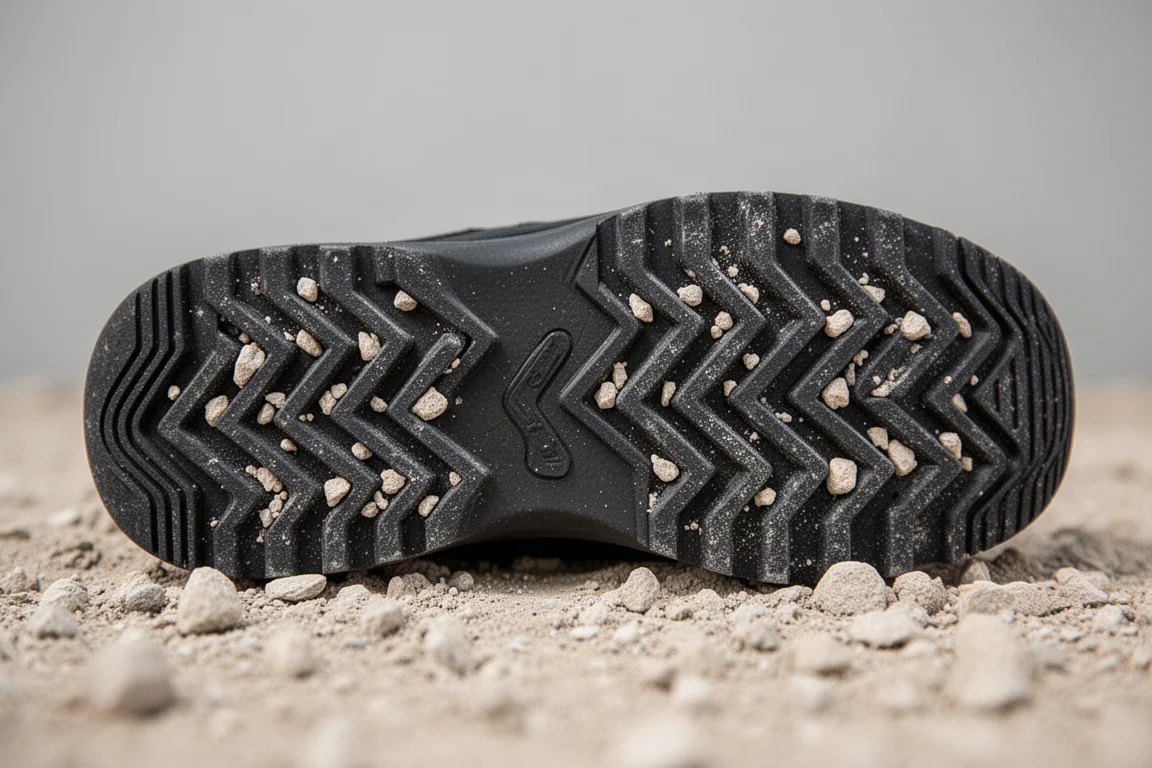
Lug depth is 3.5mm. On packed, dry ground that feels excellent, and it is a big part of why the shoe feels so composed on summer hardpack. In wetter winter conditions it is likely to fall short of what deeper mud demands. The lug pattern itself is directional: small chevrons at the forefoot point forward for traction on climbs, and they are reversed at the rear for braking on descents.
Dynafit has also cut away rubber in areas that rarely contact the ground. That trims weight without giving up comfort underfoot. The rubber compound accounts for a large share of a shoe’s weight, so removing unnecessary material is a meaningful saving.
Upper, Lacing, and Fit
The upper is a jacquard mesh that feels tough and durable, and it has held up well to hard use. One notable design decision is the absence of any applied feature across the midfoot flex zone. Other trail shoes can develop abrasion there, and glued overlays in that area can delaminate and peel away. Keeping the upper clean and flexible removes that failure point entirely.
There is a reinforcement patch at the toe, and it does not flex. That adds durability where shoes typically take the most punishment. The laces are flat, run smoothly through the eyelets, and hold the foot without digging in.
Extra eyelets allow a tighter heel lock when you need it, and the heel area itself is soft and pliable while still holding the foot securely. A small strap underneath helps pin the heel down. Because the heel is squishy rather than stiff, it resists the damage that firmer heel counters often suffer when laces are not adjusted carefully.
Versatility Beyond Trail Running
The Dynafit Trail works well outside its stated category. It has handled scrambling on rocky ground surprisingly capably, largely because the smaller lugs are sticky rather than aggressive, so they do not feel awkward on rock the way deep fell running lugs can. The stiff midsole adds stability as well, which is a real benefit for heavier runners.

Many people now hike and walk in trail running shoes, and on hot days a bulky boot is an unwelcome weight. This shoe’s wide heel and generous cushioning make it a sensible option for that kind of use. For genuinely wet days, some walkers pair trail shoes with waterproof socks, which is worth knowing if you plan to take them beyond dry conditions.
Things to Consider Before Buying
The lug depth is the main limitation. At 3.5mm it is suited to hardpack, gravel, and dry trails rather than soft mud or the wetter months of a UK winter. If most of your running happens on soft ground, a shoe with deeper lugs will serve you better.
This is also not a fell running shoe, and it should not be asked to behave like one. The platform is not built for the sloppiest terrain, and pushing it there will expose the same shallow lugs that make it feel fast elsewhere.
Anyone planning long days in the hills should weigh ankle protection carefully. Rolling an ankle is a common reason for mountain rescue callouts, and a low cut trail shoe offers no support around the ankle. If that risk matters for the terrain you have in mind, a shoe with more ankle coverage is the safer choice.
Buying Advice
Think about where you actually run. If your routes mix road, pavement, and packed trails, the cushioning, the wide and stable heel, and the 6mm drop make the Dynafit Trail a comfortable and efficient choice. The Vibram XS-Trek outsole and 3.5mm lugs are tuned for exactly those surfaces.
If your runs are dominated by mud, deep grass, or soft winter ground, look elsewhere. The same shallow lugs that make this shoe feel planted on hardpack will limit you once the ground turns wet and loose.
There is also the everyday argument. A shoe this comfortable, with a durable jacquard upper and a heel that holds securely, earns its place well beyond running. Walkers, hikers in warm weather, and anyone on their feet all day will get real value from it. Choose the men’s or women’s version as appropriate for your fit.
Conclusion
The Dynafit Trail is a focused, well executed trail running shoe with an unusually broad range of uses. Its strengths are comfort, a stable and generously cushioned heel, a grippy Vibram outsole tuned for hardpack, and an upper designed to avoid the wear points that shorten the life of other shoes. Its limits are equally clear: shallow lugs and no ankle support mean it is not the answer for soft, muddy ground or technical hill terrain. For dry trails, mixed surfaces, and everyday wear, it is an easy shoe to get along with.
Product link
View more details for Dynafit Trail
This product is mentioned in the review. Check the specifications, options, and compatibility before buying.
View more details for Dynafit TrailFurther reading
Related Reviews
Trail Running Shoes
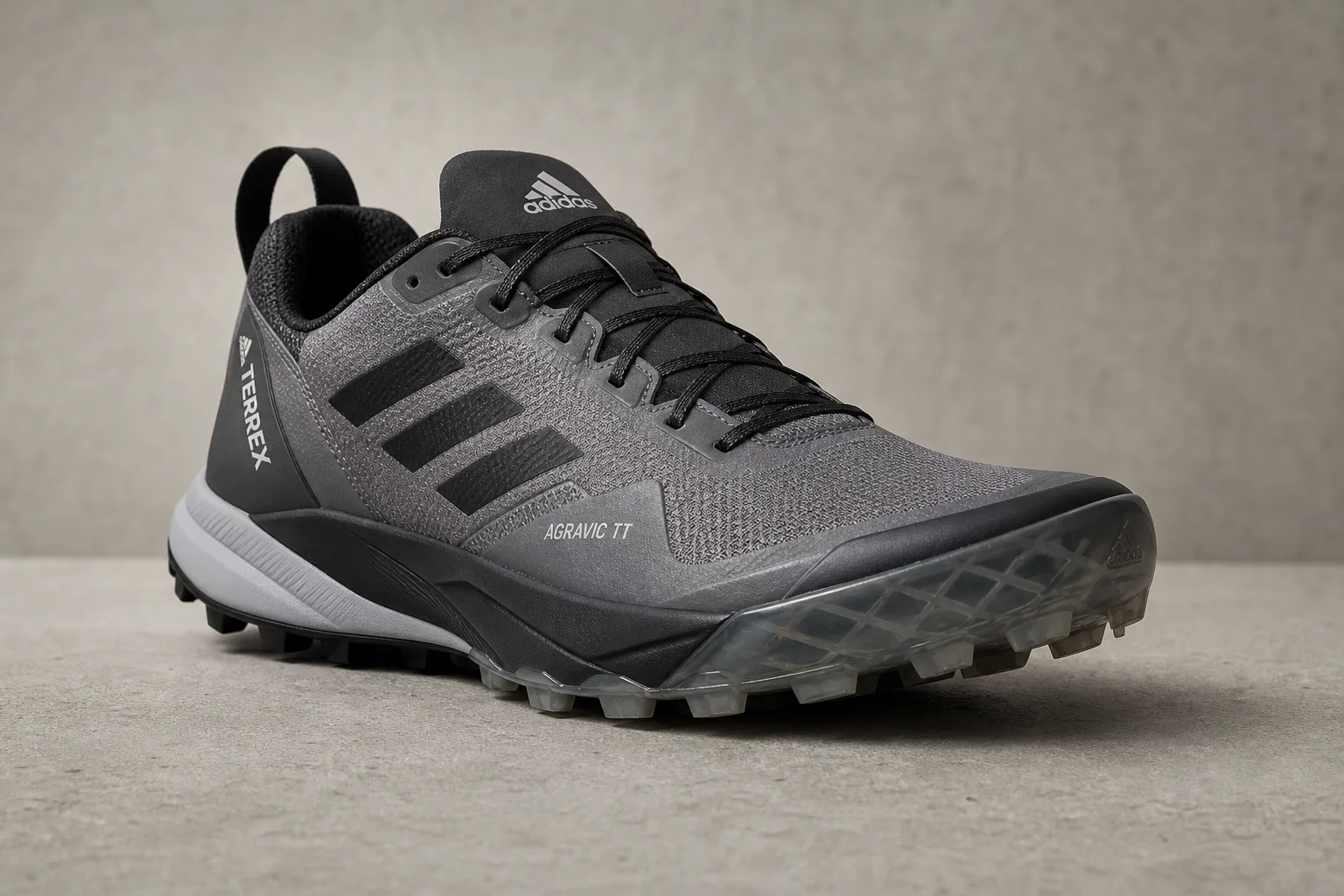
Adidas Terrex Agravic TT Review: A Technical Trail Shoe Built for Rocky Terrain
The Adidas Terrex Agravic TT combines a full-coverage rock plate with a firmer midsole to deliver protection and stability on technical, rocky trails. A capable choice for runners who prioritize underfoot defense over lightweight cushioning.
Trail Running Shoes
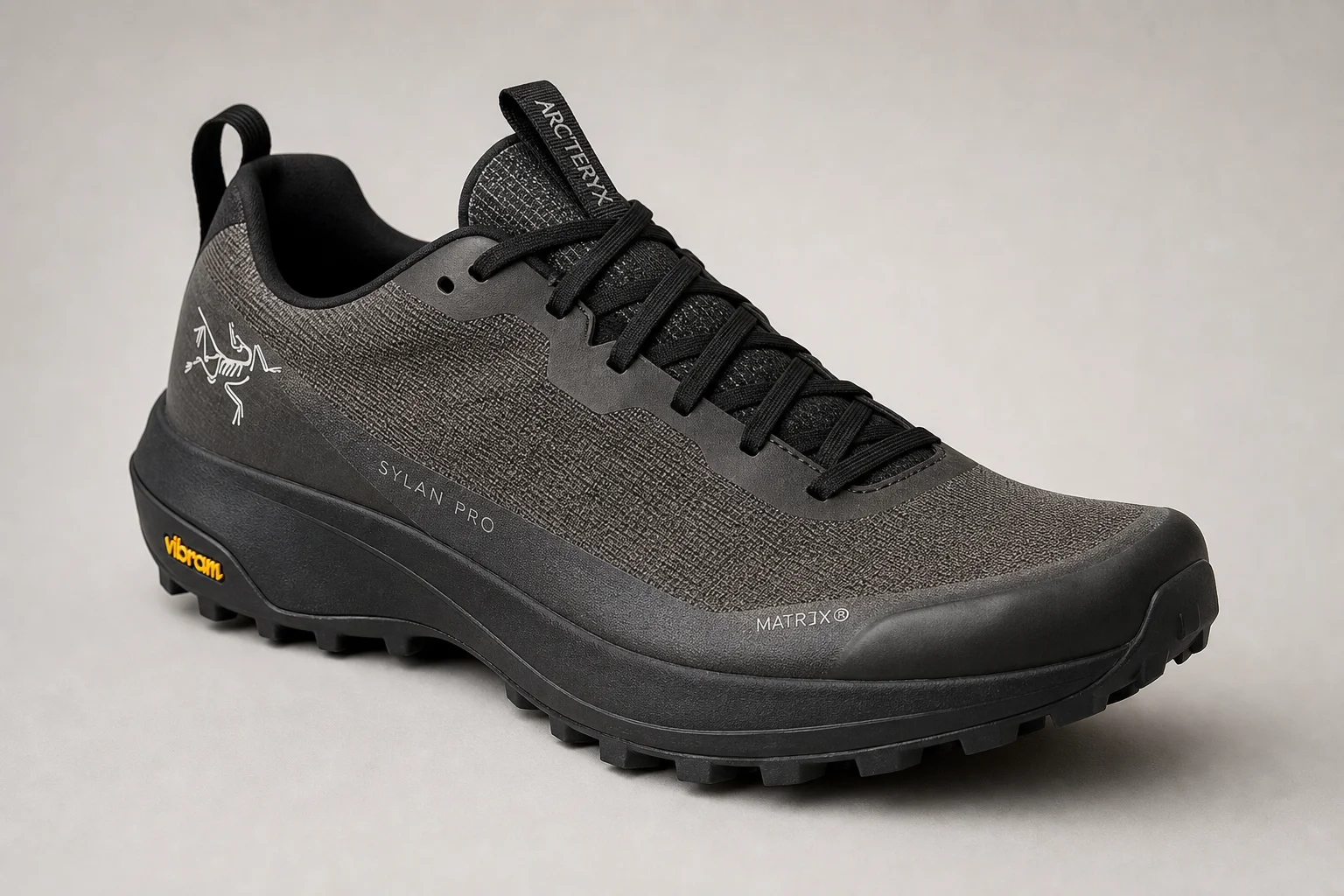
Arc'teryx Sylan Pro Review: A Rocker-Focused Mountain Running Shoe Tested on 20 Miles
The Arc'teryx Sylan Pro brings a pronounced rocker geometry and secure fit to mountain terrain. We tested it on a 20-mile Sawtooth loop to evaluate its climbing efficiency, protection, and handling of technical descents.
Trail Running Shoes
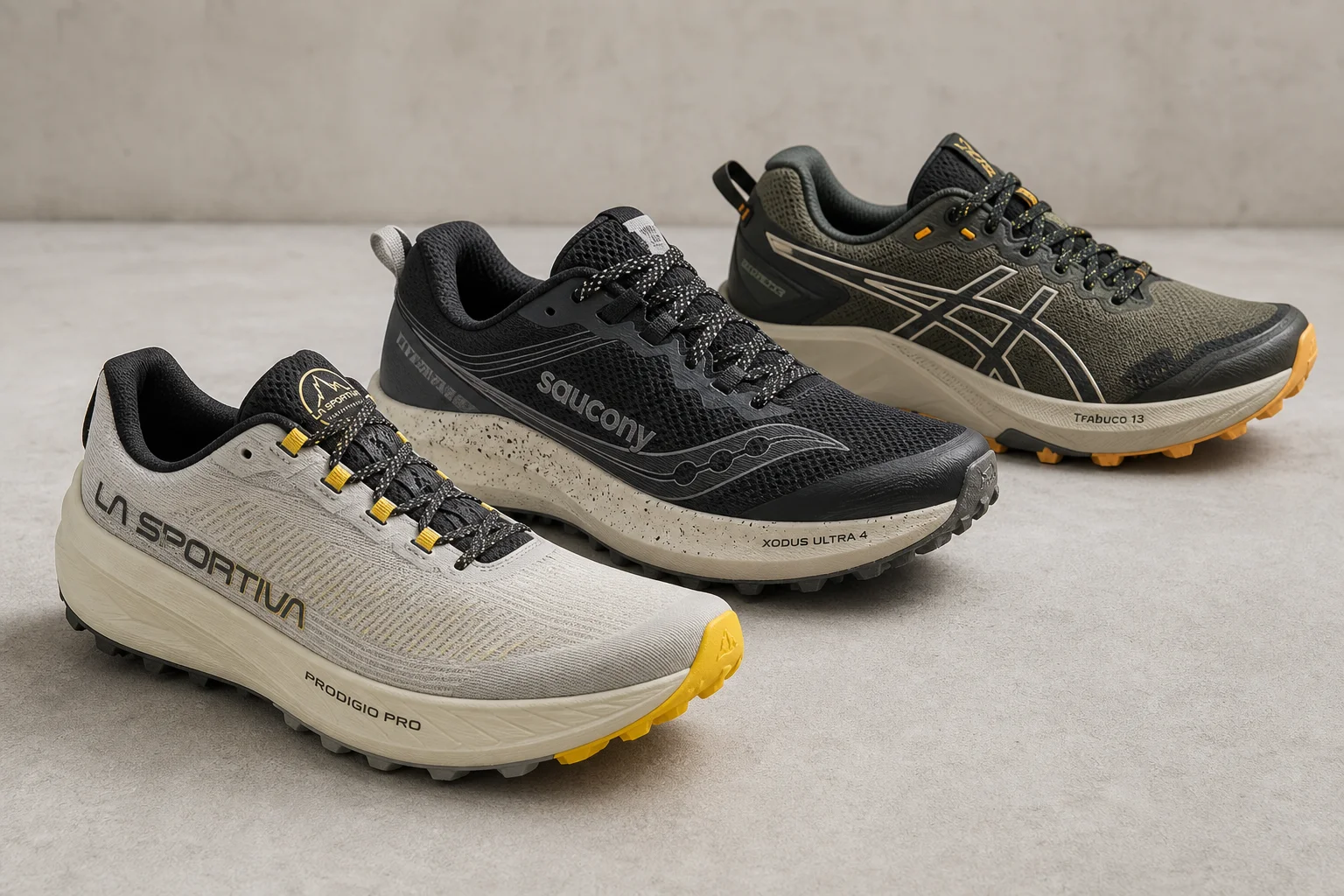
Best All-Mountain Trail Running Shoes: Three Versatile Options for Any Trail
A focused roundup of three all-mountain trail running shoes that handle technical terrain, long distances, and variable conditions with real strengths and practical trade-offs.