Running Shoes
Dynafit Shanyen vs Puma Deviate Nitro: Two Lightweight Daily Trainers Compared
A side-by-side look at two versatile, lightweight running shoes, covering fit, midsole, outsole, and where each one performs best.
Introduction
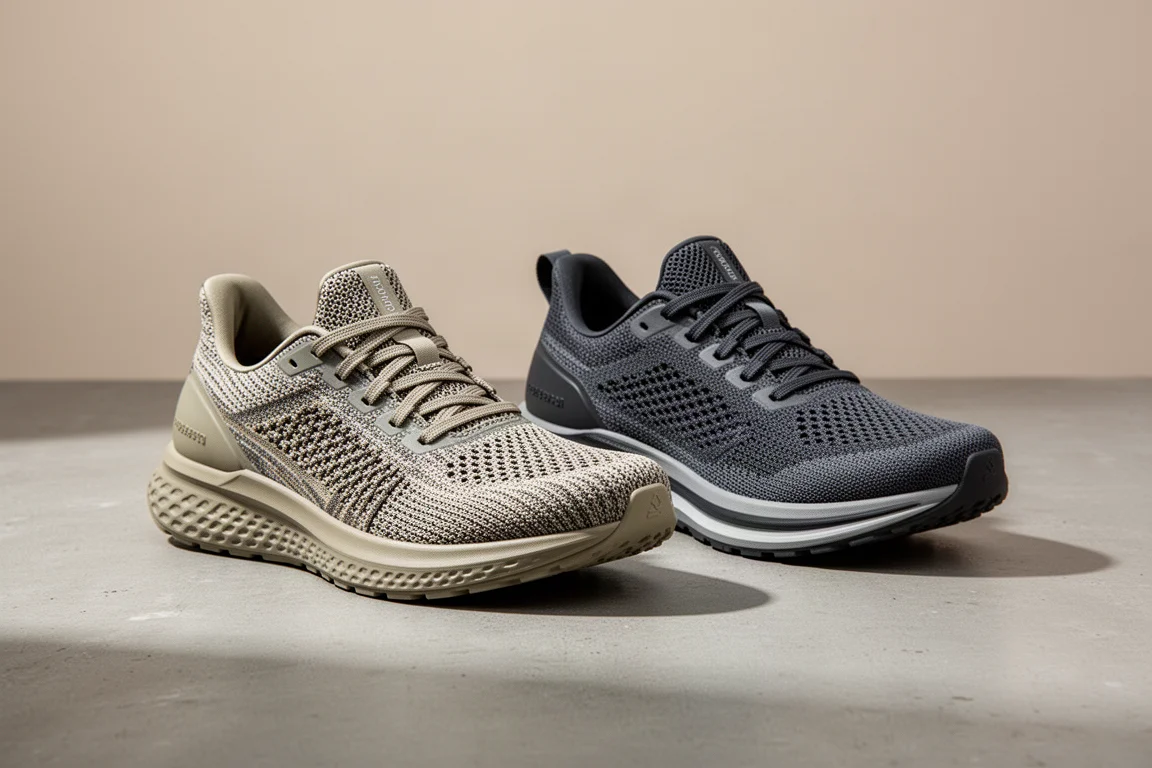
Some shoes stand out because they do one thing brilliantly. Others stand out because they do almost everything well. The Dynafit Shanyen and the Puma Deviate Nitro sit in the second group: both are lightweight, versatile daily trainers that are genuinely fun to run in across a wide range of paces. That overlap makes them interesting to compare, because they split in very different directions once you start paying attention to how each one feels on the run. Here is how they stack up.
Specs and Weight
Both shoes are exceptionally light. The Dynafit Shanyen weighs 216 grams (7.6 oz) in a UK 9.5, which is a US 10. The Puma Deviate Nitro comes in at 217 grams (7.7 oz) in a UK 8.5 (US 9.5), a slightly smaller shoe with roughly the same weight.
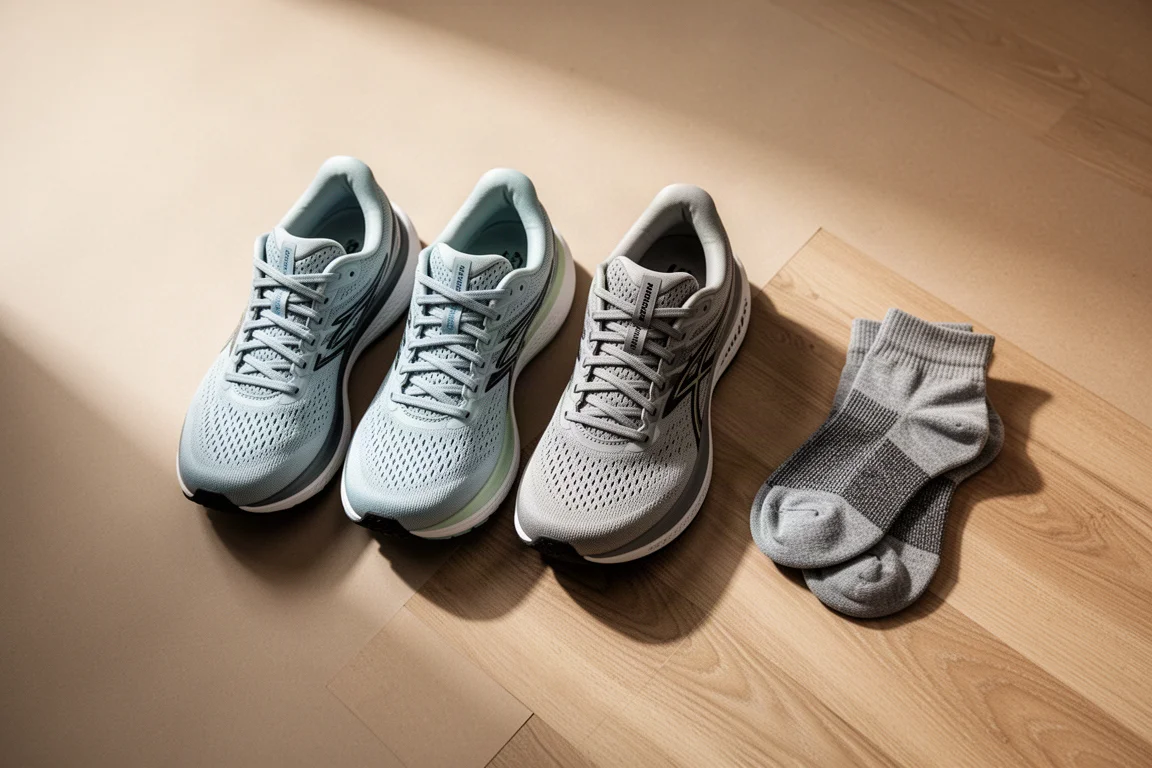
Geometry differs a little more. The Dynafit runs a 7 mm drop with a 41 mm heel stack and 34 mm at the forefoot, a touch higher than the Puma’s 8 mm drop and 38/30 mm stack heights. Price also separates them. The Puma Deviate Nitro costs around £130 or $150. The Dynafit is trickier to pin down because availability varies by retailer and marketplace, but expect roughly £90 to £120 in the UK and around $110 to $150 in the US.
Design and Materials
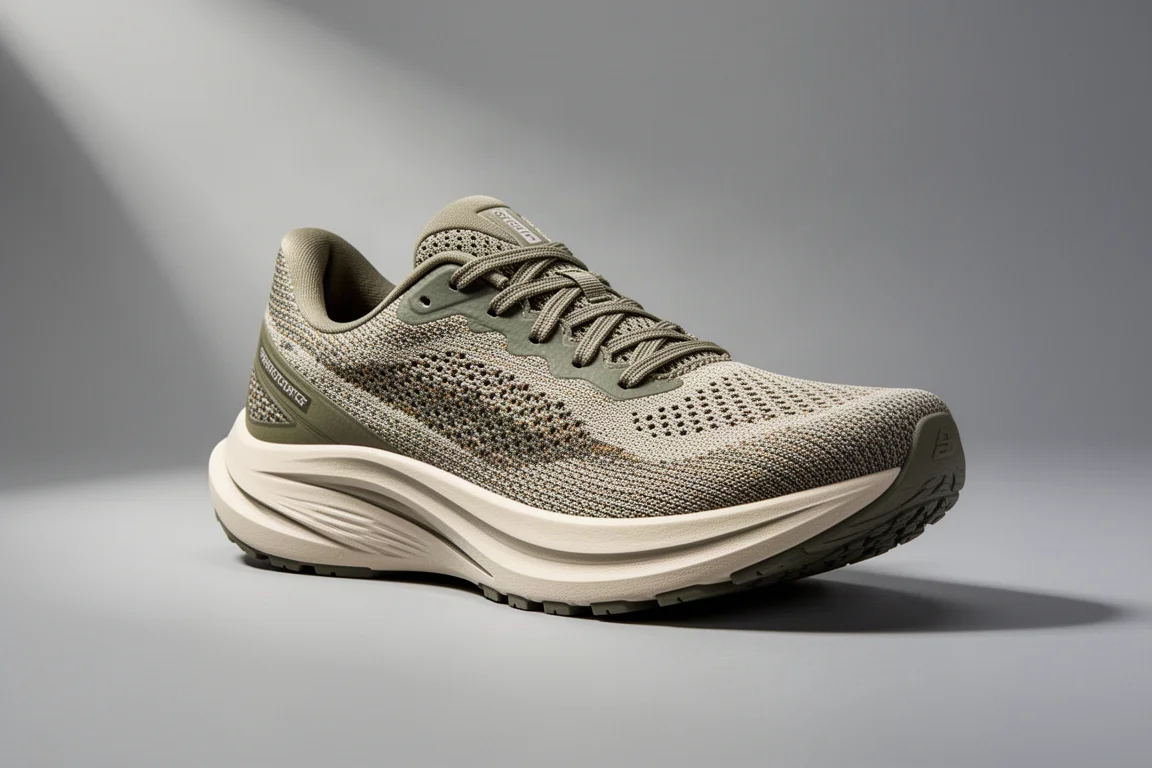
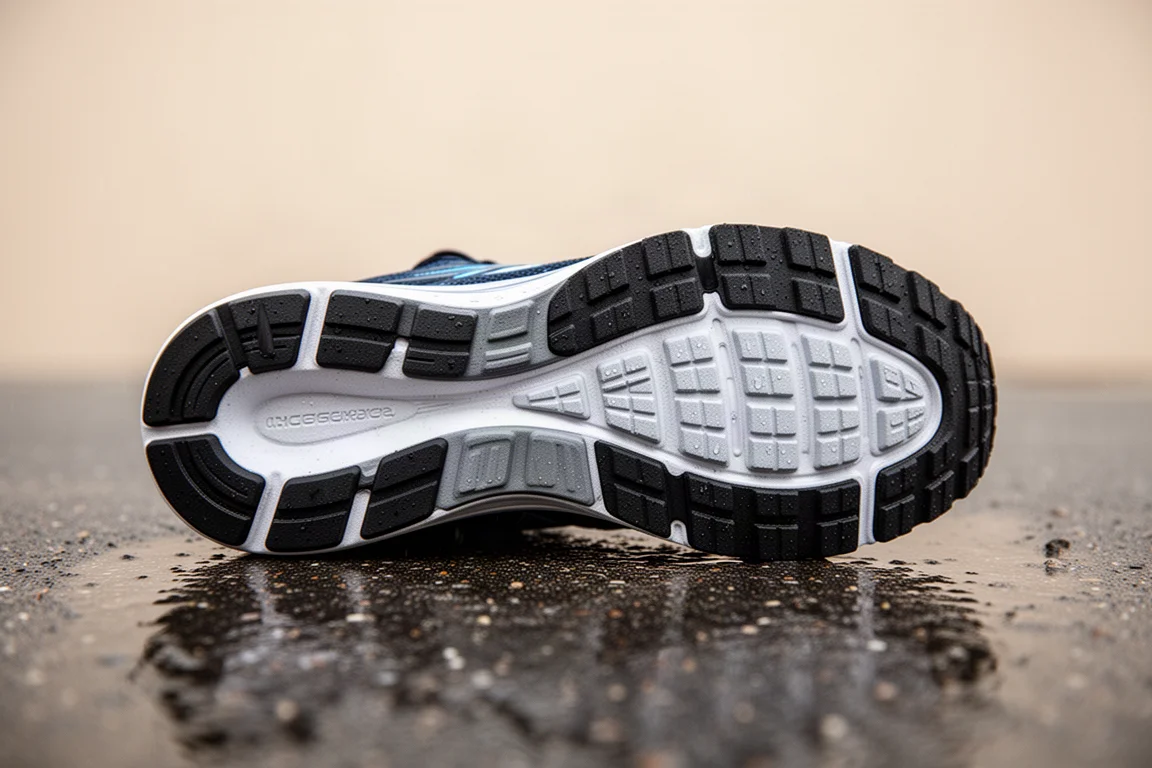
The Puma uses a mesh upper with light padding around the rear of the shoe and an internal heel counter, otherwise fairly minimal to keep weight down. Its midsole is Puma’s Nitro foam, here in a nitrogen-infused PEBA version (an aliphatic TPU variant also exists), with a Puma Grip outsole covering most of the shoe’s underside.
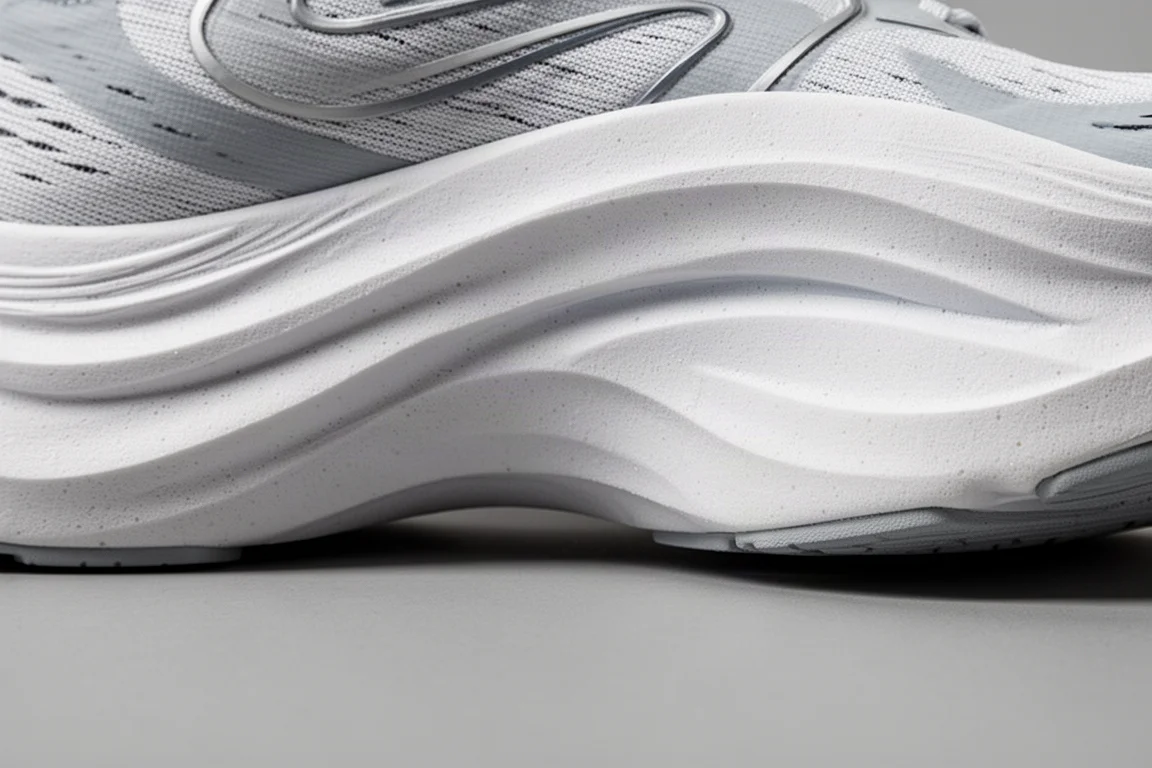
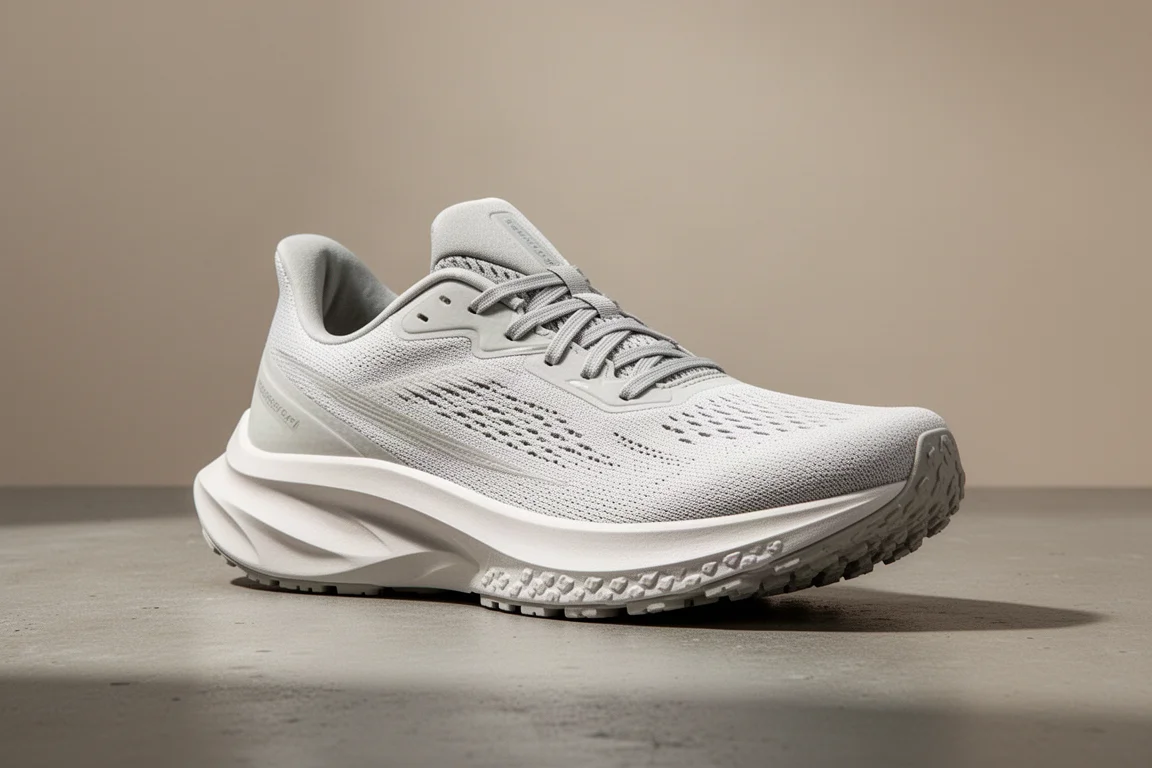
The Dynafit counters with an engineered woven upper that feels slightly stiffer in hand, plus padding at the rear but no real internal heel counter, so it stays flexible at the back. Its midsole is a supercritical TPEE foam from Dynafit’s Speed Running line, light, springy and bouncy, and the outsole offers nearly full coverage, an impressive amount of rubber for such a lightweight shoe.
Fit and Comfort
Fit advice differs between the two. In the Dynafit, a tester running a normal UK 8 went up half a size and found it right, and the general takeaway is that if you are between two sizes, go bigger with the Dynafit. It is a fairly narrow, restrictive shoe, so wide-footed runners will notice. One tester occasionally had minor rubbing on the inside of the toe box, though it does not appear to be a widespread upper issue.
With the Puma, the opposite applies: the tester went half a size down from a normal UK 8 and found it correct, consistent with experience across the Puma range, where shoes tend to run a little long and narrow. If you are between sizes with Puma, the smaller size is the safer pick. The Puma is the more comfortable of the two uppers, with a bit more wiggle room in the midfoot, though it is by no means a wide shoe.
Ride and Performance
The Dynafit Shanyen is the faster shoe of the pair and genuinely impressive in workouts. It has handled demanding sessions like K reps on the track and 4 x 8 minutes around half marathon pace, sessions most people would normally run in a carbon plate shoe. The springy midsole foam is soft but resilient: it compresses slightly on landing, then snaps back quickly, and the sharp rocker plus strong toe-off punch give it real momentum at speed.

At steady and tempo paces the Dynafit feels smooth and fluid, very light on the foot with a nice bounce through the stride. Pure easy runs are where it is less convincing: the rocker and get-up-and-go can feel slightly out of sync at very relaxed recovery paces, and some easy runs clicked while others never quite found a rhythm. It is best treated as a shoe you reach for on steady runs and faster sessions.
The Puma flows more steadily through the gait cycle. It still transitions quickly and gives a decent amount of bounce off the toes, but its real strength is the other direction: exceptionally good for easy runs, long runs and relaxed recovery running. It is not as cushioned as the Dynafit on paper, yet it is comfortably cushioned enough, nimble, and surprisingly stable for such a lightweight, fairly narrow shoe. Both shoes land softly at the heel and return energy through the roll, but the Dynafit’s sharper rocker and extra toe-off lift are clearly noticeable when you push the pace.
Where Each Shoe Fits Best
These two sit at opposite ends of the daily trainer spectrum. The Dynafit skews toward faster training. It is versatile enough to cover easy runs, track and tempo sessions, and it competes in a class with shoes like the Super Blast and similar fast-trainer standouts, but its benefit only really appears once you speed up. If your plan is to buy one daily shoe and mostly jog easy miles in it, this is not the shoe built for that.
The Deviate Nitro skews the other way: a comfortable, versatile general daily trainer whose sweet spot sits around the 10 to 20K mark, where you want the flexibility to pick up the pace or cruise. It handles steady and tempo efforts well, was underwhelming on the track, and would be fine for longer marathon-training runs. Think of it as a mileage-ticking shoe with more to it than most.
View more details for Dynafit Shanyen
Outsoles and Durability
Both outsoles impress. The Dynafit’s full-coverage layer leaves only a small strip of exposed midsole, and it has stayed trouble-free, though that exposed area is not especially grippy. The Puma Grip outsole on the Deviate Nitro is very good as well, with a thick rubber layer and dependable traction on footpaths, and it has historically been both grippy and durable.
Buying Advice
If you already have a dedicated speed or carbon shoe in your rotation and want something for general day-to-day running, the Puma is the better pick for those easy miles. If you want an all-rounder or a fast training shoe with more range across paces, the Dynafit is the stronger option, provided you can find it at a good price. On price alone, the Dynafit’s value improves the less you pay for it; if the two cost about the same, the Puma’s easy-run comfort becomes a real argument. Overall, though, the lean is toward the Dynafit for its greater speed range and versatility.
Conclusion
Both of these are genuinely good lightweight daily trainers, and both shine in that steady, zone 3 effort range. The Dynafit Shanyen is the more impressive shoe at faster paces and offers more overall range, while the Puma Deviate Nitro has the more natural feel for easy daily running. Choose based on what your rotation is missing: speed and versatility point to the Dynafit, comfort-first daily mileage points to the Puma.
Further reading
Related Reviews

Running Shoes
Best Road-to-Trail Running Shoes: Three Versatile Options for Mixed Terrain
A practical guide to three road-to-trail running shoes that handle both pavement and mild trails, with clear strengths and trade-offs for different runner types.

Running Shoes
Best Running Shoes for Achilles Tendonitis: Three Options Explained
Three running shoes with different heel drops and support features designed to help reduce Achilles tendon pain during walking and running.

Running Shoes
Best Running Shoes for Women: Five Top Choices Ranked
A ranked guide to five women's running shoes, from versatile daily trainers to high-performance racing options, with real strengths and trade-offs for each.