Backpacking Tents
Durston X-Mid and X-Dome: Two Cottage-Brand Tents That Solve Real Problems
A practical look at two Durston backpacking tents: the refined trekking pole X-Mid and the freestanding X-Dome with fly-first pitching.
Introduction
Most backpacking tents on the shelf look and behave the same way, and that is not an accident. Large outdoor retailers buy what has already sold well, brands build what those retailers will order, and change happens in small increments so a product can be called new without being genuinely different. Cottage brands do not have that option. Without name recognition to lean on, they have to solve problems the mainstream has left alone.
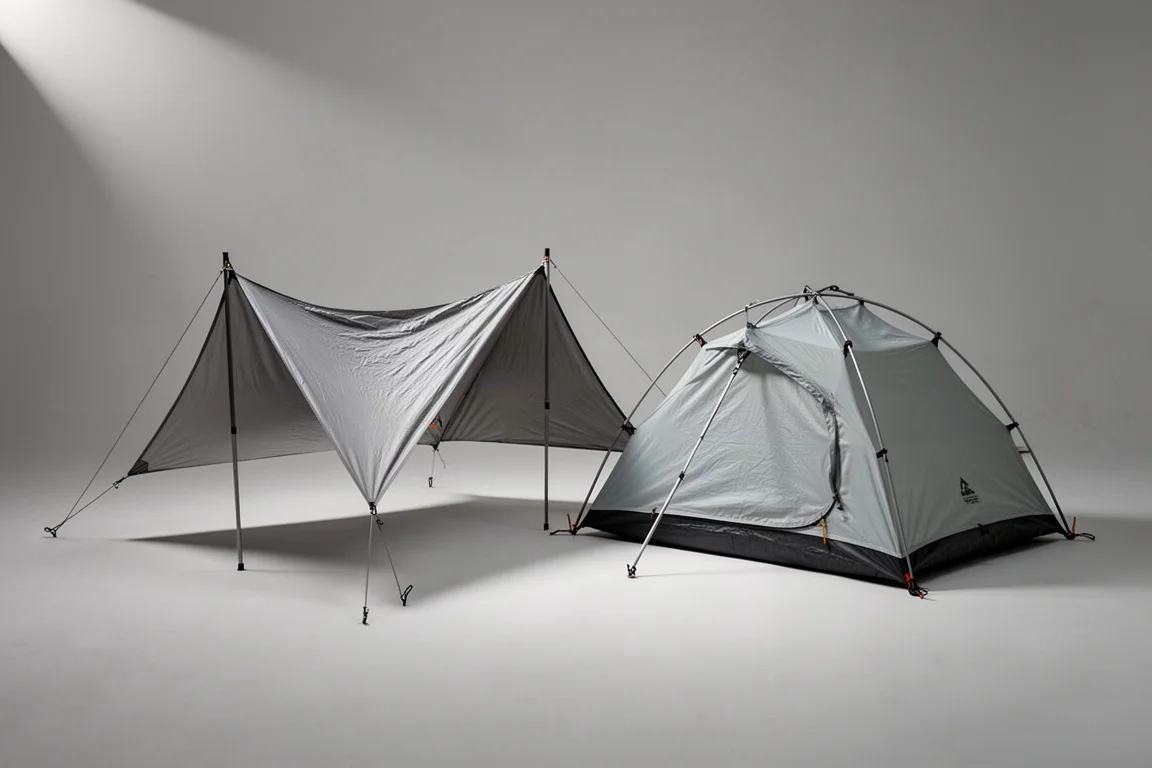
Durston Gear is one of the clearest examples of that. The X-Mid took the traditional trekking pole tent, simplified it, and effectively perfected it. The newer X-Dome applies the same problem-solving approach to a freestanding design. Together they cover two very different ways of camping light.
Both are worth a closer look if you care more about how a shelter performs than about which logo is printed on the stuff sack.
Why Small Tent Brands Innovate Differently
A brand that depends on wholesale orders from large retailers cannot afford a risky design. If last season’s best seller was a conventional double-wall tent, the safest order is another conventional double-wall tent. The result is a market where backpacks, sleeping bags, and tents converge on the same basic formula year after year.
Small brands sit outside that loop. They rarely get a large retailer to take a chance on an unfamiliar design, so the only way to build momentum is to make gear that does something the mainstream does not. That pressure is exactly what produces the interesting designs, and it is why the two Durston tents below are worth understanding even if you end up buying something else.
Durston X-Mid: The Trekking Pole Tent, Refined
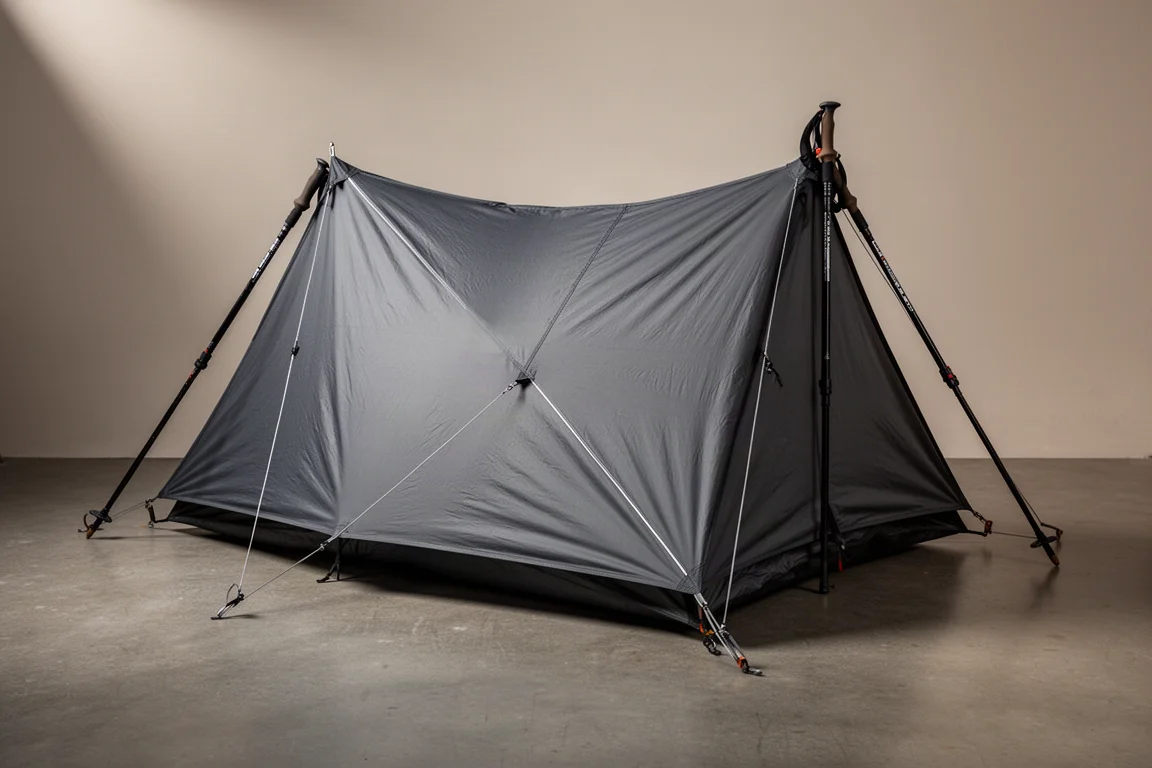
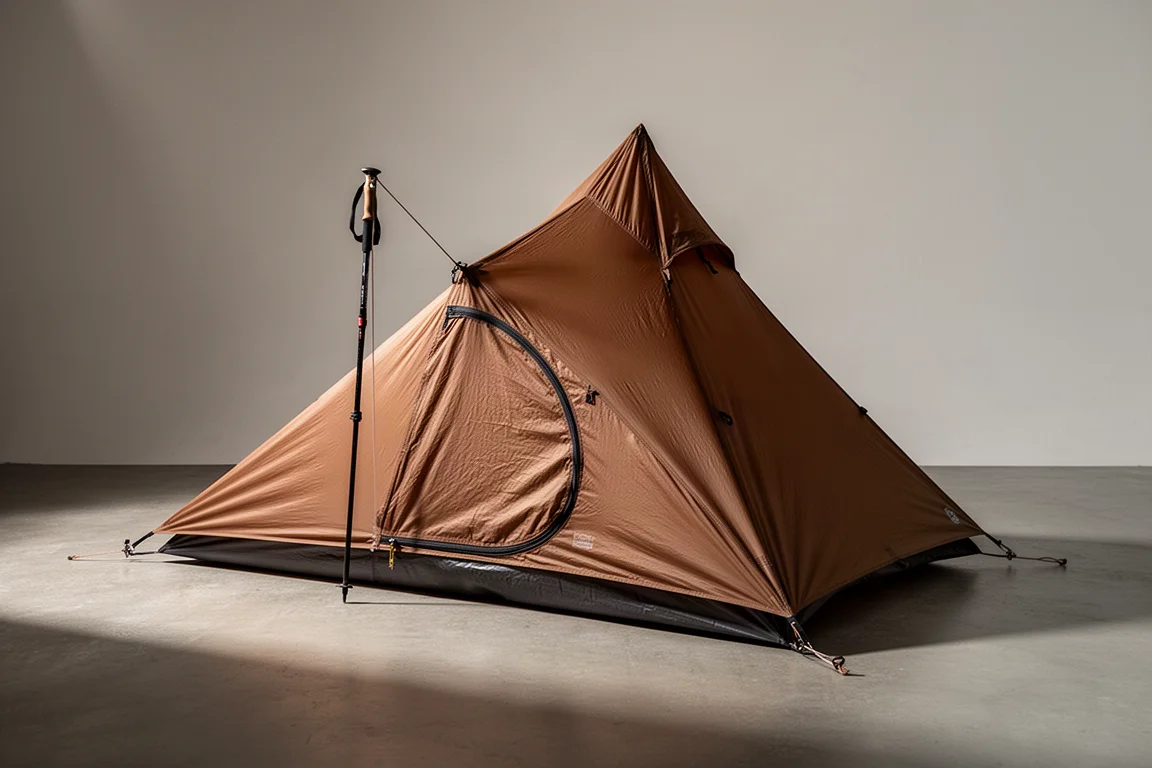
The X-Mid is built on a simple idea: a trekking pole tent does not need to be complicated to work well. Durston redefined the ultralight tent industry by simplifying the traditional trekking pole shelter and refining the details until there was very little left to trim. It has become a familiar sight on the trail, and the original X-Mid remains extremely affordable for what it offers.
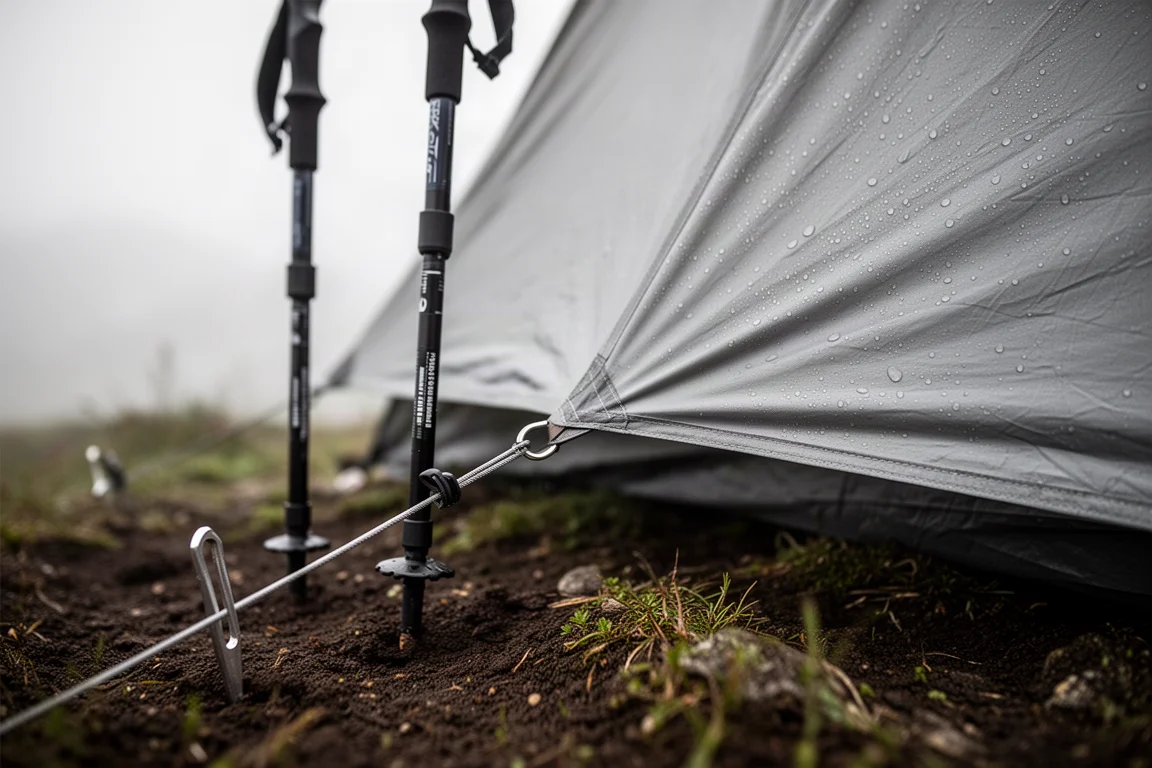
For backpackers who already hike with trekking poles, that simplicity is the appeal. The poles you are carrying anyway become the structure of your shelter, and the design stays easy to understand and easy to pitch, which is exactly what you want at the end of a long day.
Durston X-Dome: Freestanding Without the Usual Compromises
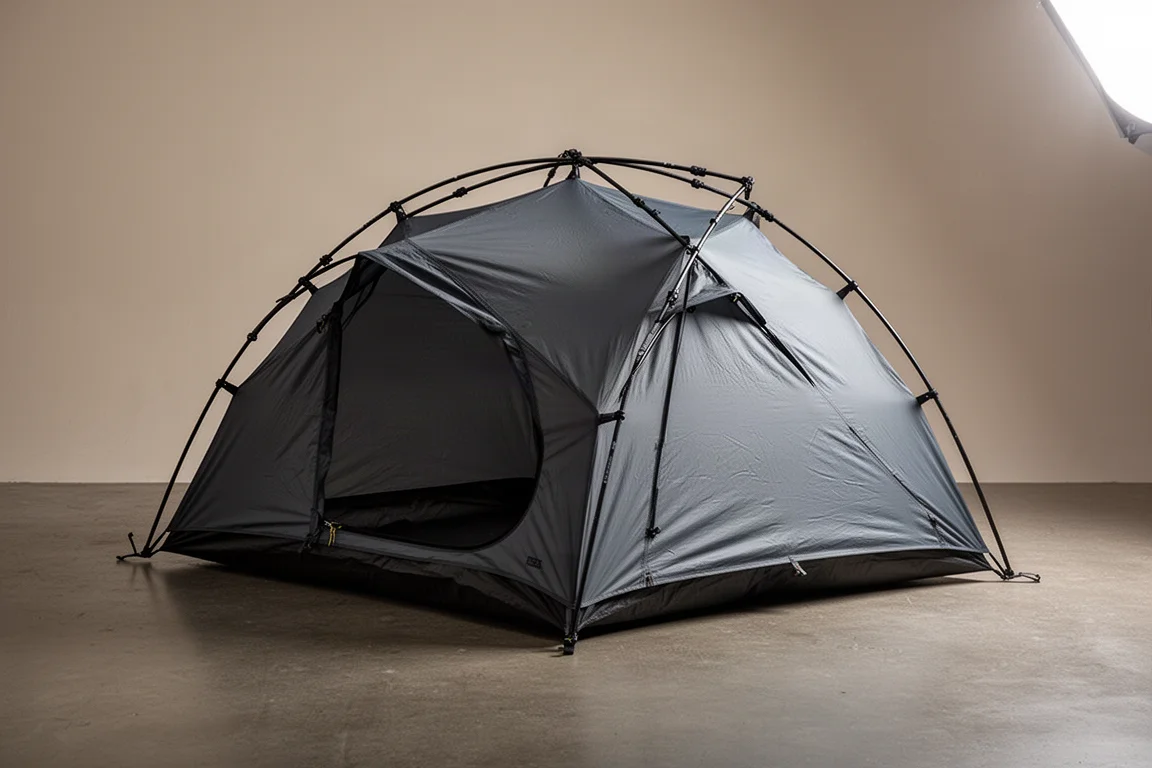
Freestanding tents have always asked for a trade-off. If you want a shelter that stands up on its own, you either carry more weight or accept less interior room. The X-Dome is designed to break that pattern. It is more spacious with less weight than traditional freestanding tents, helped by high-end features such as carbon fiber poles.
It also keeps the straightforward approach that made the X-Mid successful, which matters when you are setting up in fading light and would rather not think about it.
Fly-First Pitching: Why It Matters in Wet Weather
The X-Dome is one of the only freestanding tents that will pitch fly first. That single detail changes a rainy evening. Instead of exposing the inner tent while you wrestle with poles, you can get the protective layer up first and keep the sleeping area dry.
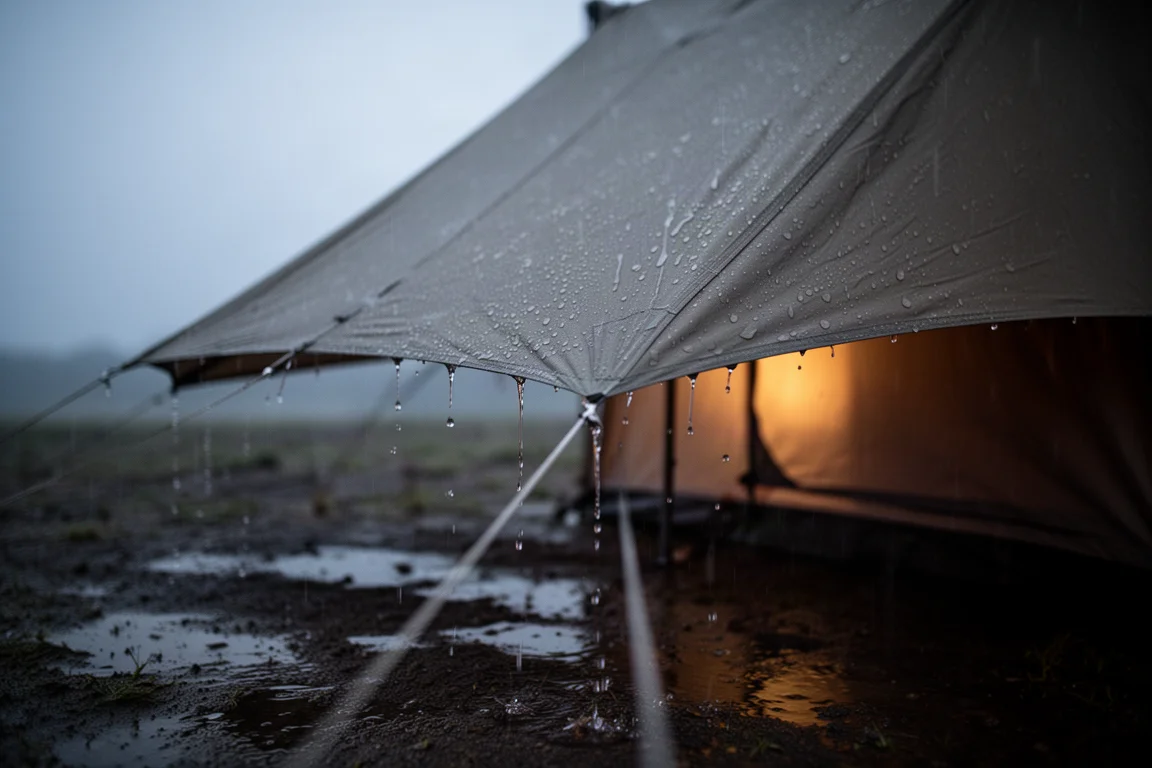
If you camp in places where rain arrives without much warning, fly-first pitching is the kind of feature that quietly earns its place in your pack. It is a small design decision that removes a real source of stress.
How the Two Tents Differ in Practice
The choice between them comes down to how you move. The X-Mid assumes you carry trekking poles and turns them into the structure of your shelter, which keeps the design minimal and the price approachable. The X-Dome stands on its own, adds room without the weight penalty usually attached to freestanding tents, and can be pitched fly first when the weather turns.
Neither approach is a compromise on build philosophy. They are two answers to the same question: how do you get a reliable shelter into a pack without carrying more than you need?
Who Each Tent Suits
The X-Mid makes the most sense for hikers who already use trekking poles and want a shelter that stays simple, light, and affordable. The X-Dome suits campers who prefer a freestanding tent, want more usable space, and value the ability to pitch the fly before the inner in wet conditions.
If you are unsure, start with how you actually hike. If poles are part of your kit on every trip, the X-Mid fits naturally. If you would rather not depend on poles, or you camp in wet regions and want a faster, drier setup, the X-Dome is the more useful design.
Conclusion
The X-Mid and the X-Dome come from the same small brand and the same instinct: find the part of a familiar product that does not work well, then rebuild it. The X-Mid refined the trekking pole shelter into something simple and extremely affordable. The X-Dome brought that thinking to a freestanding tent, with more space, less weight than traditional freestanding designs, and fly-first pitching for wet weather. Both are worth considering when a shelter has to earn its place in your pack.
Further reading
Related Reviews
Backpacking Tents
3F UL Lanchan Pro 1 Review: A 1 lb 8 oz Single-Wall Trekking Pole Tent
A practical look at the 3F UL Lanchan Pro 1, a single-wall trekking pole shelter with a 1 lb 8 oz weight, 20D silnylon fabrics, and a roomy 90 x 31 x 49 inch interior.
Backpacking Tents
3F UL Taiji 2-Person Tent: A Convertible Backpacking Shelter Worth a Closer Look
A practical look at the 3F UL Taiji two-person tent, covering its materials, true two-person interior, fly-first pitching, and the seasonal inner swap that lets one shelter cover more of the year.
Backpacking Tents
3FUL Lanshan Twoerson Pro Review: A Light Trekking Pole Shelter That Struggled in Rain
A two-person trekking pole shelter with a 2026 redesign, pitched with sticks and put through a night of steady rain. Here is what worked, what did not, and what to check before buying.