Backpacking Tents
Durston X-Mid Review: A Lightweight Trekking Pole Tent Worth Buying
A detailed look at the Durston X-Mid, a roughly 750 g trekking pole shelter with two doors, two vestibules and a very roomy interior for a one-person tent.
Introduction
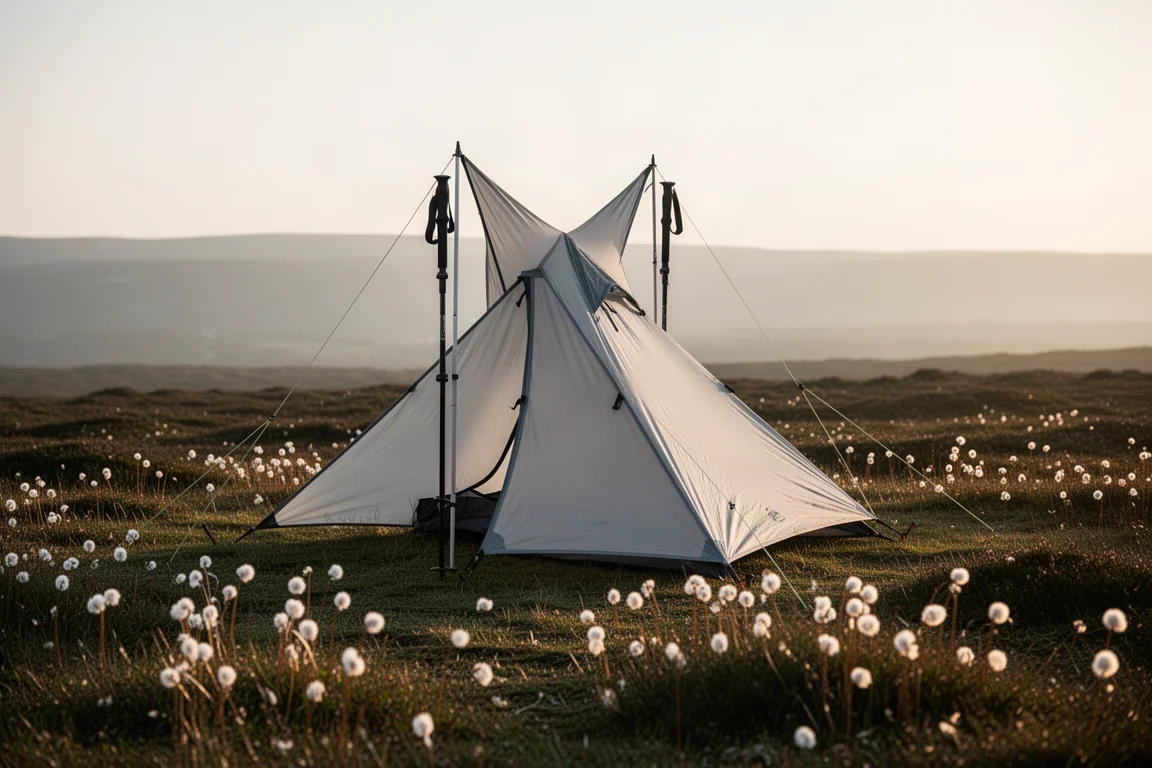
The Durston X-Mid is a trekking pole shelter that has quietly become a reference point for backpackers who want low weight without paying a premium for it. This is the third version of the design, and the tent has been refined over time in response to feedback from the people who sleep in it. Because production runs are kept relatively small, changes can be made quickly rather than waiting years for a redesign.
The headline figure is weight. The complete tent comes in at roughly 750 g, which is genuinely light for a shelter with this much internal space. It is a trekking pole tent, so the poles themselves are part of the structure, and that is worth factoring in if you do not already carry them. For hikers who use poles on every trip, that weight is already in the pack, and the calculation changes completely.
Who the Durston X-Mid Is For
This tent is aimed squarely at backpackers and long-distance walkers who already use trekking poles. If you never carry poles, the X-Mid is not the right shelter, because you would have to bring poles purely to hold the tent up and the total weight would climb sharply. If poles are part of your normal kit, the X-Mid is one of the most efficient ways to carry a spacious, storm-worthy shelter.
The standard version ships with a mesh inner, which suits warmer months and keeps ventilation high. A solid inner is also available, and the useful part is that both can be bought and swapped over. Mesh for summer, solid for colder conditions, with a simple clip system that makes the change quick.

That swap-ability extends the tent across more of the year than a single-configuration shelter would manage. It also means one purchase covers a wider range of trips rather than pushing you towards a second tent for cold weather.
Lightweight Design and Simple Pitching
At roughly 750 g for the complete tent, the X-Mid is easy to justify in a pack. The pitch itself is refreshingly straightforward: peg out the four corners into a rectangle, insert the trekking poles, then lift them into position. That is enough to produce a taut, stable shelter. There is no fiddly threading or long sequence of steps to remember in bad weather.
Because the design relies on four corner pegs and two poles, you can get out of the elements very quickly and add more pegs later if conditions demand it. The tent also packs down small, and it can be rolled into either a long, thin stuff sack or a shorter, wider one, which makes it easy to fit on top of a rucksack.
Stability in Wind and Weather
The pyramid shape is arguably the strongest structure you can use for a tent, and it has been relied on for centuries. The X-Mid leans on that geometry, and the result is a shelter that holds its shape well. It has been used in winds of around 30 to 40 mph and coped far better than its weight suggests, although that is not a condition you would want to camp in every weekend. It is not marketed as a dedicated mountain tent, but when the weather turns it behaves like a much more serious shelter.
If you want extra security, there are additional tie-out points on the larger panels, and you can add as many or as few guy lines as you like. The beauty of the design is that four pegs are enough to get you out of the weather, with everything else treated as optional reinforcement. The vents have also been repositioned to the ends on this version, which is a clear improvement on earlier layouts where they sat on the door and were awkward to use.
Interior Space and Comfort
For a one-person tent, the interior is unusually generous. There are two doors and two vestibules, and each vestibule is large enough to stand in and change out of wet clothing while keeping the inner tent dry. The inner is offset relative to the outer fly, which creates extra usable room and moves the trekking poles out of the doorway, so getting in and out does not involve squeezing past a pole.
Headroom is strong at both ends. The sides rise at a steep angle, so the mesh does not press into your face when you lie down and your sleeping bag is far less likely to brush the walls, which is a common source of condensation soaking into a bag. A wide sleeping pad, around 25 inches, fits with room to spare, and the geometry means you can swap which end you sleep at if the ground is on a slope.
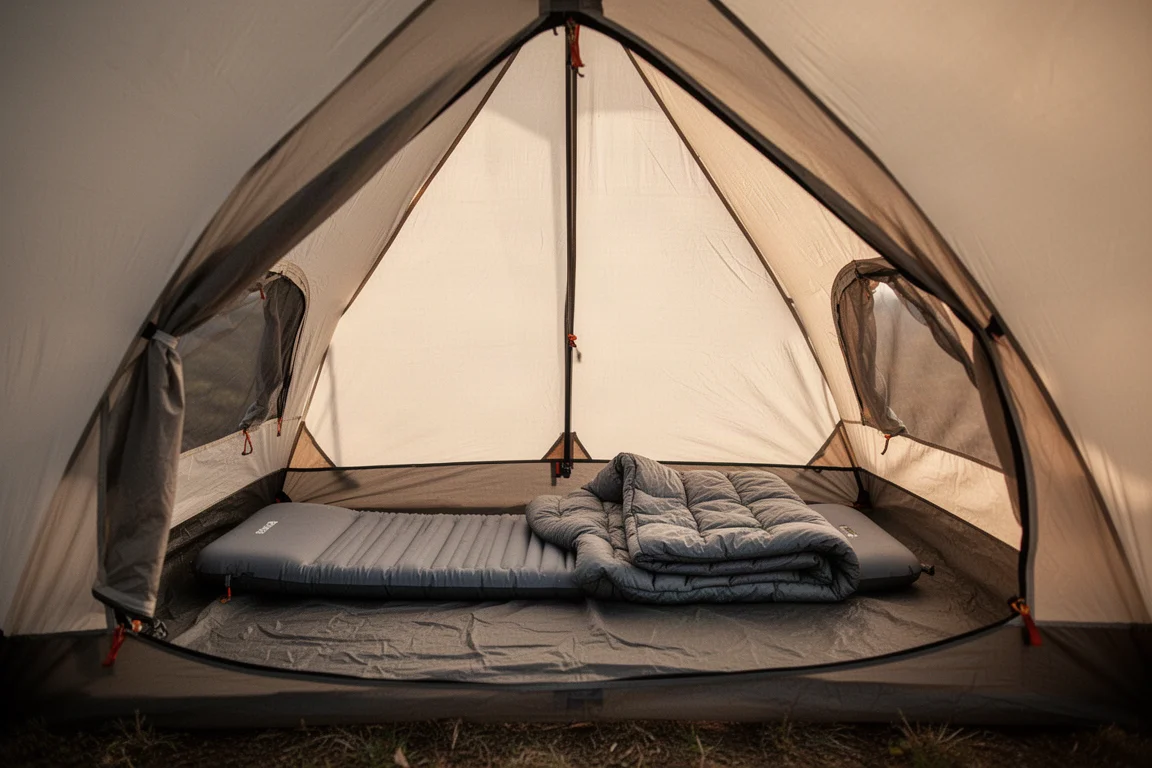
Storage is well handled. There are small pockets on both sides positioned so a head torch can sit in them and light the tent like a lantern, plus larger pockets for kit, mirrored on each side. The bathtub floor comes up high, which cuts down on drafts and keeps water out if the ground around camp floods. The inner also uses magnetic hooks, which are quick to use even if they are not as strong as a traditional toggle.
Build Quality and Materials
The construction is genuinely tidy. Stitching is doubled where it matters, the finish is clean, and there are none of the stray frayed threads that turn up on cheaper shelters. Zips, pull tabs and guy-out points all feel well chosen, the guy lines are Dyneema cord, and the zippers are waterproof.
The flysheet is silpoly, a silicone-coated polyester. In this price bracket you more often get a silicone-coated nylon with a polyurethane coating on the inside. That works, but nylon absorbs a little water and stretches when it is wet, which means tightening things up in the middle of the night and packing away a damp tent in the morning. Silpoly does not absorb water and does not stretch, so a quick wipe is usually all it needs before it goes back in the bag.
Silicone-coated nylon on both sides is arguably a touch stronger, but it usually has to be seam sealed by hand. The X-Mid arrives with taped seams, so there is nothing to do before the first trip.
Pitching Versatility and Stargazer Mode
The X-Mid is not limited to a single pitch. It can be set up in a number of different configurations, and one of the most appealing is a semi stargazer mode where the inner is unclipped from the outer with a single clip and the fly is rolled back over the top. That opens up a large amount of ventilation and leaves you looking straight up at the sky, and if rain arrives in the night you simply pull the fly back down and clip it in again. Both sides can be opened the same way.
The optional stargazing kit takes that idea further. It consists of two small grommets with clips and guy lines, which hold the fly open and make the setup easier to manage. It is a bonus rather than a necessity, and the same effect can be improvised, but it does make the most of the tent’s flexibility.
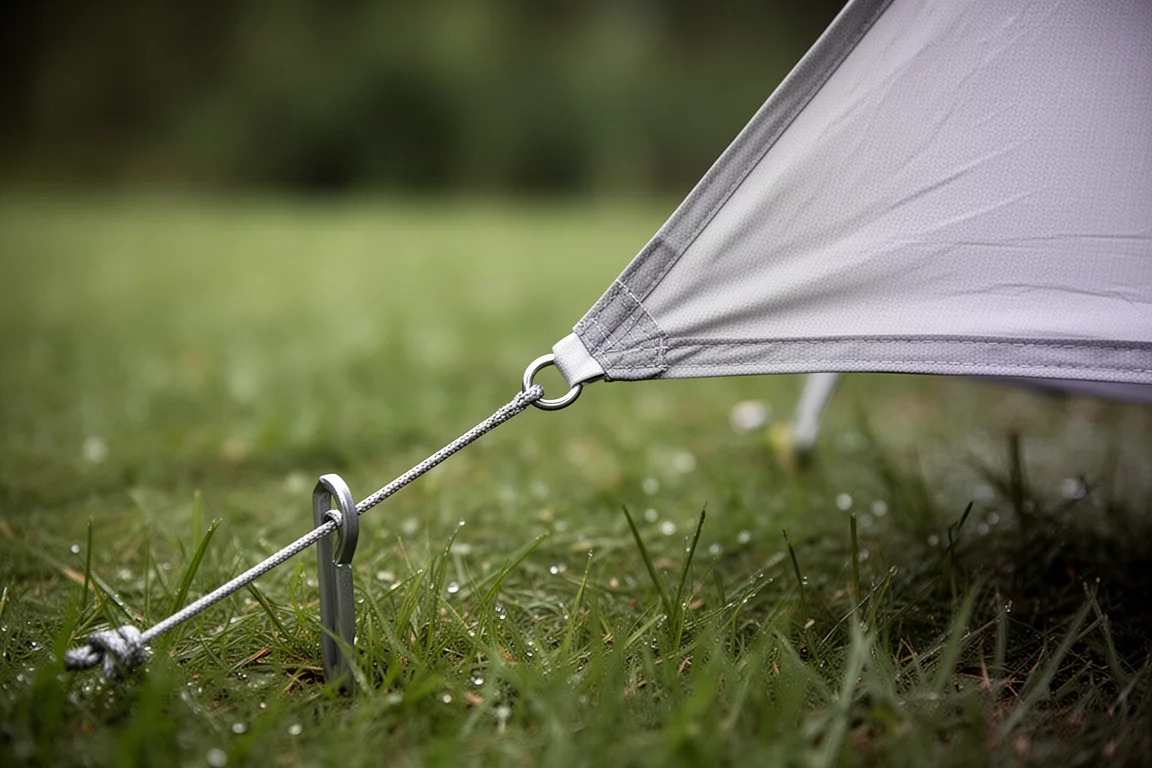
The clip-in system is what makes all of this practical. The inner and outer separate and rejoin easily, so you can pitch the fly alone, keep the inner rolled up in a dry bag if the weather is wet, then clip the inner back in once the fly is up and wiped out. With the inner removed, the shelter becomes a large open space where two people can sit out of the rain, cook, and wait for a shower to pass.
Things to Consider Before Buying
A few details are worth knowing before you commit, and none of them are deal breakers.
The magnetic door ties work well and are quick, but there is only one per door. If the rolled fly is not rolled tightly, it can sag and flap after a while. A second tie would spread the load and hold everything neater, at the cost of a little extra weight and manufacturing complexity. A clothes peg also solves the problem if it bothers you.
The fitting that wraps around the trekking pole is the least elegant part of the design. It has to be wiggled into place or the pole tension released to get it around, and a simple Velcro wrap would be easier to use.
There is no zip at the top of the door, so you cannot vent from above or take a look outside without opening the main door. The reasoning is sound: the door uses a waterproof Aquaguard zip, and a top opening would need extra protective flaps and add more potential failure points.
The tent is designed to be pitched with the pole tips up. If a corner peg pulls out on soft ground and the shelter starts moving, the pole can slip, and the sharp tungsten tip can puncture the flysheet. Pitching with the handles up avoids that risk, and either way it pays to push the four larger corner pegs in firmly to the lip so the anchor is solid.
Finally, the extra tie-out points do not come with a loop of guy line attached, even though the panels are cut with a slight camber for airflow and rarely sit flush to the ground.
Buying Advice
The X-Mid sits in the roughly 200 to 300 price bracket, and in that range it is a compelling package. The version tested here cost about £268 with roughly £15 shipping, and the total came to about £301 including the optional stargazing kit. That is real money, but it buys a shelter that is light, spacious, well made and genuinely versatile.

If you already carry trekking poles and you want one tent that covers three-season trips, this is an easy recommendation. If you do not use trekking poles, look elsewhere: the same designer offers the X-Dome in carbon pole and aluminium pole versions, and the aluminium version is likely the better choice for wetter, windier conditions. Other budget trekking pole tents exist at lower prices, and they can do a job, but they do not match the space, materials and finish on offer here.
Conclusion
The Durston X-Mid earns its reputation. It is light enough to disappear into a pack, quick to pitch with four pegs, and remarkably stable for its weight. The offset inner and steep side walls create an interior that feels far bigger than a one-person tent has any right to, and the silpoly flysheet with taped seams means less fuss in wet weather. The small criticisms, the single door tie, the pole fitting, and the lack of a top vent zip, are minor next to how well the whole package works. For trekking pole users with a budget in this range, it is one of the strongest choices available.
Product link
View more details for Durston X-Mid
This product is mentioned in the review. Check the specifications, options, and compatibility before buying.
View more details for Durston X-MidFurther reading
Related Reviews
Backpacking Tents
3F UL Lanchan Pro 1 Review: A 1 lb 8 oz Single-Wall Trekking Pole Tent
A practical look at the 3F UL Lanchan Pro 1, a single-wall trekking pole shelter with a 1 lb 8 oz weight, 20D silnylon fabrics, and a roomy 90 x 31 x 49 inch interior.
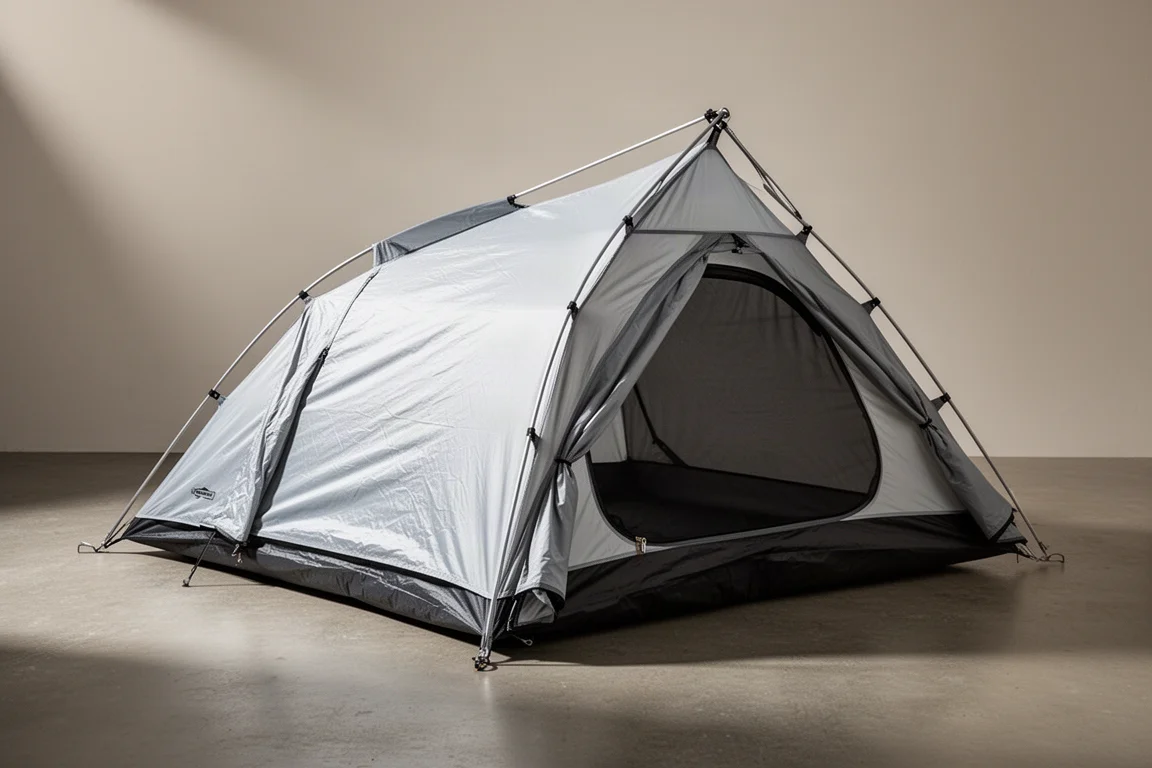
Backpacking Tents
3F UL Taiji 2-Person Tent: A Convertible Backpacking Shelter Worth a Closer Look
A practical look at the 3F UL Taiji two-person tent, covering its materials, true two-person interior, fly-first pitching, and the seasonal inner swap that lets one shelter cover more of the year.
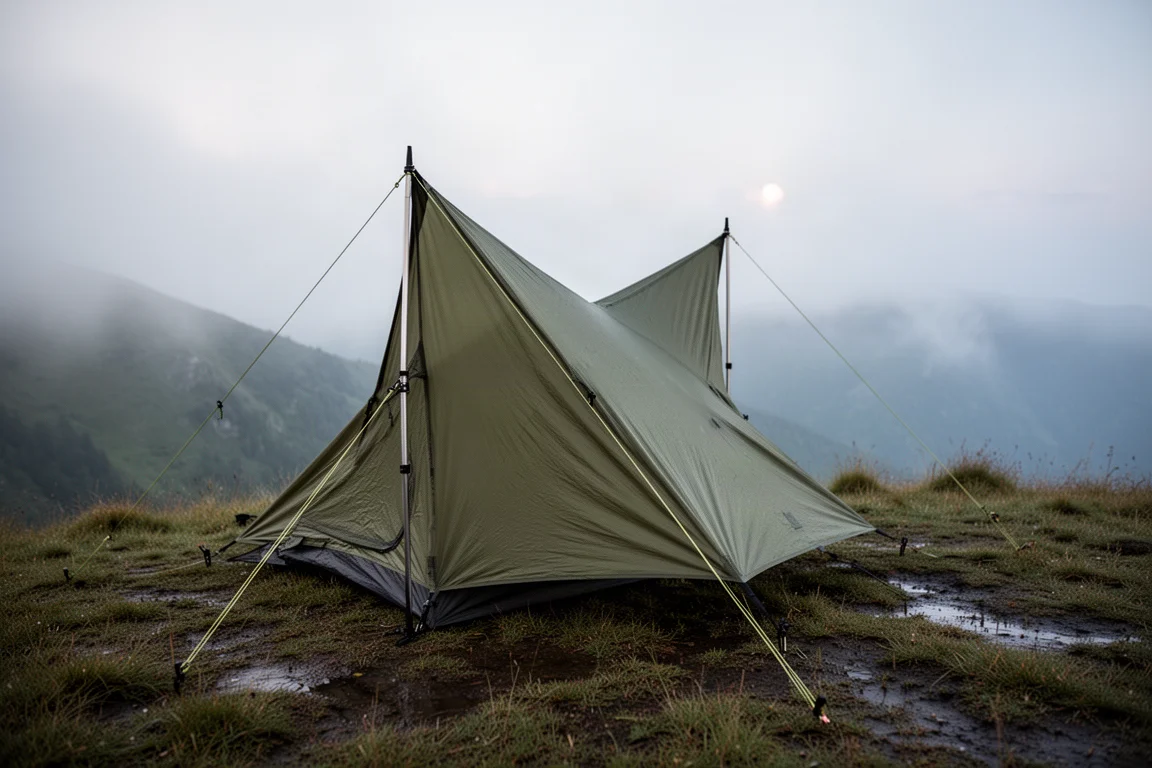
Backpacking Tents
3FUL Lanshan Twoerson Pro Review: A Light Trekking Pole Shelter That Struggled in Rain
A two-person trekking pole shelter with a 2026 redesign, pitched with sticks and put through a night of steady rain. Here is what worked, what did not, and what to check before buying.