Backpacking Tents
Durston X-Mid Pro 2 and Zpacks Tents Compared: Ultralight Shelters for Backpacking
A close look at the Durston X-Mid Pro 2, plus how it compares with the Zpacks Duplex, Duplex L, and Triplex on weight, rain performance, and livable space.
Introduction
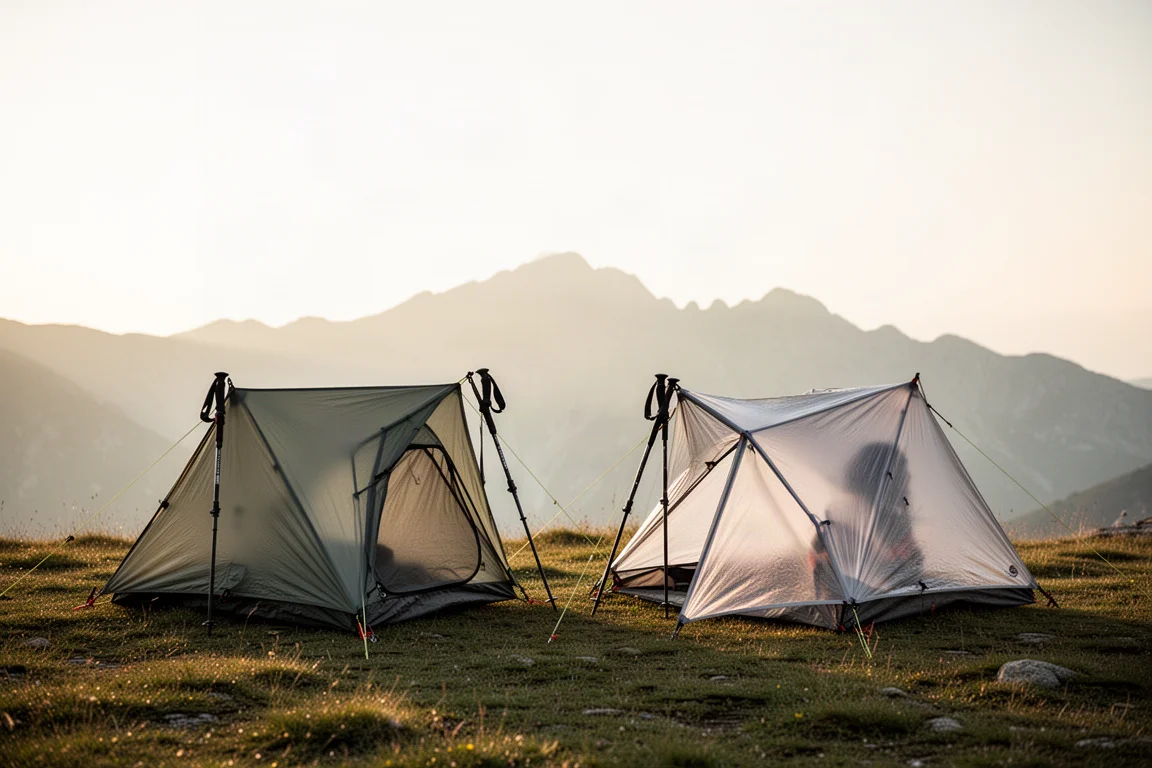
Two-person Dyneema shelters occupy a very specific corner of backpacking: extremely light, expensive, and frequently hard to buy. The Durston X-Mid Pro 2 fits that description closely, and it has been in short supply, with batches selling out well ahead of their ship dates. That makes any detailed look at how it actually behaves worth reading.
This comparison covers what the X-Mid Pro 2 offers in design, materials, weather protection, and living space, then sets it against the three Zpacks shelters it is most often measured against: the Duplex, the Duplex L, and the Triplex.
What to Look For in an Ultralight Shelter
Four things decide whether a shelter like this works for you: packed weight, how much real weather protection the fly delivers, how repeatable the pitch is when conditions turn, and how the interior handles two people plus their gear.
Weight is where the marketing usually leads, and it is genuinely close across these tents. The gaps are measured in ounces rather than pounds, so the real tie-breakers tend to be livable space and how the shelter behaves in sustained rain.
Price is the other constant. At $679, or $689 with the stakes offered alongside it, the X-Mid Pro 2 is not a budget tent, and the Zpacks options sit in the same premium territory. That makes the design details, rather than the spec sheet alone, the reason to pick one over another.
Durston X-Mid Pro 2: A Detailed Look
Design and Materials
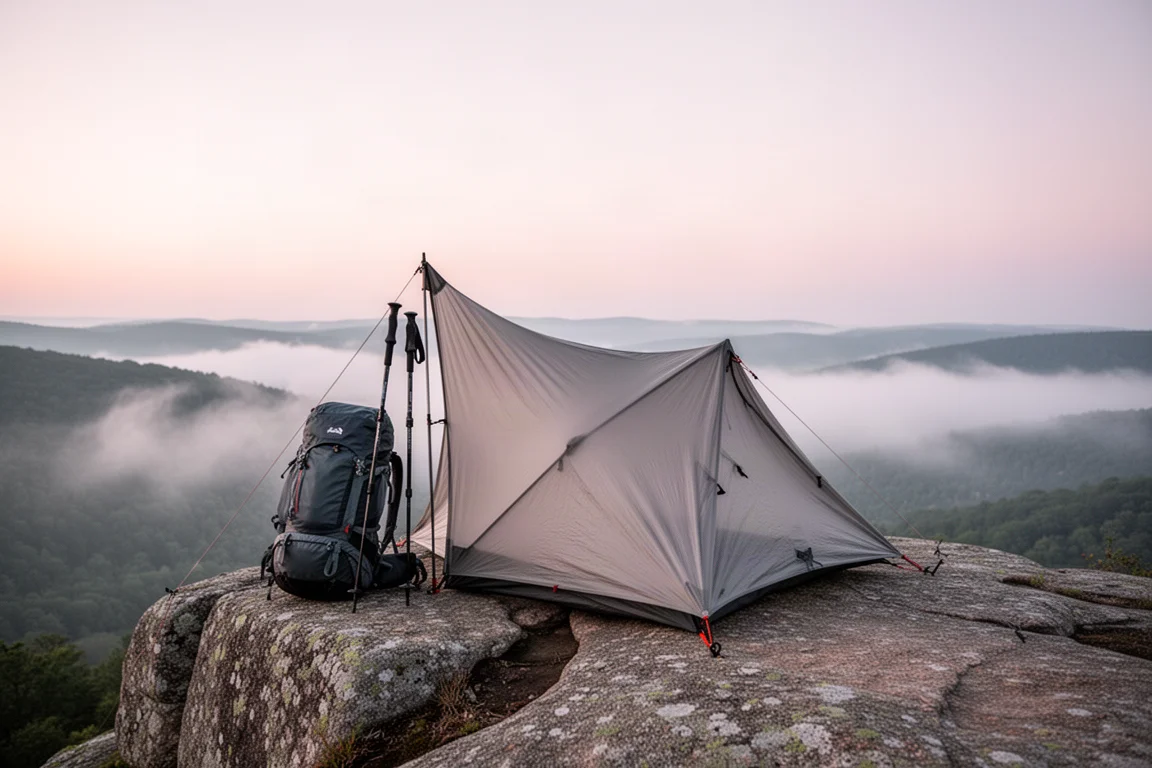
The X-Mid Pro 2 is a two-person, single-wall shelter with dual zippered doorways, one on each side. Each occupant gets their own entry and exit, and because the doors open wide there is no trekking pole standing in the middle of the doorway when you climb in.
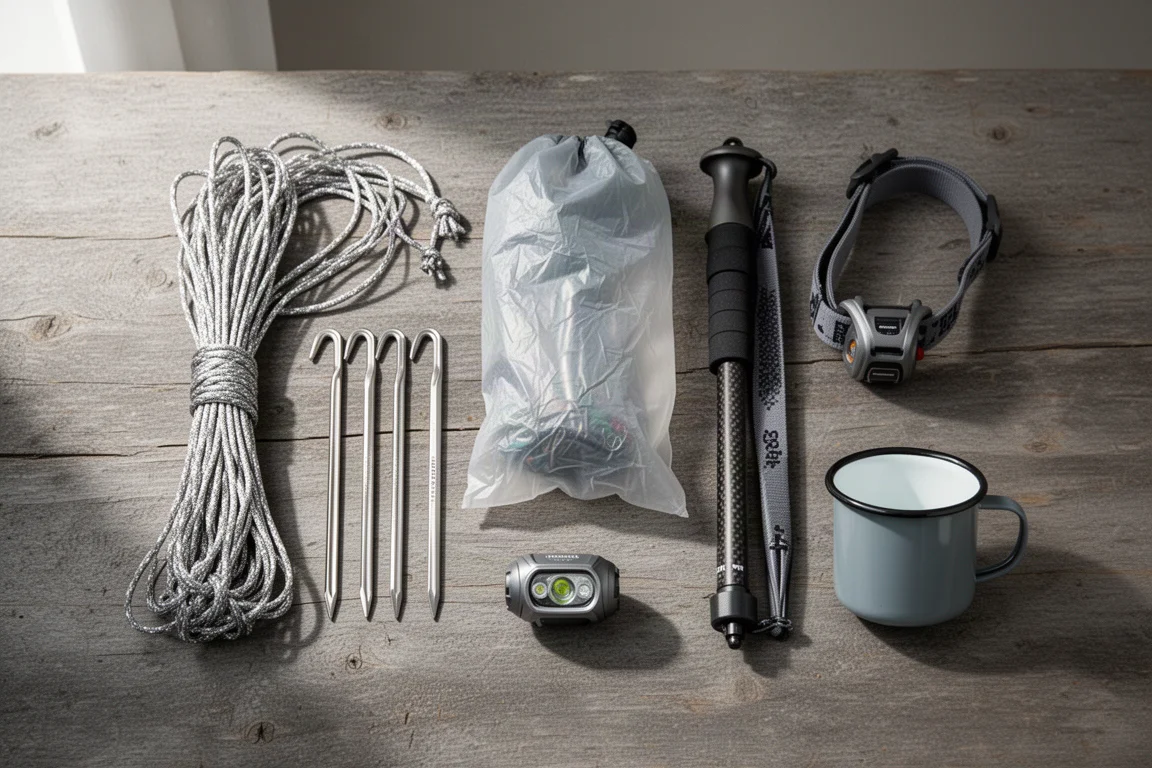
The fly is built from 0.55 oz Dyneema, meaning one square yard of the fabric weighs 0.55 ounces. The floor uses 15 denier nylon, which is a little more abrasion resistant than Dyneema, while the tent stays light overall because most of the material is Dyneema. Four stakes are enough to make the shelter functional, and there are eight additional stakeout points around the base plus peak and side guy-outs if you need to anchor it down for harsh wind.
Weather Protection and Ventilation
The fly is cut for full coverage and designed to prevent backsplash, but it can be raised when rain is not expected, which opens up ventilation. Two small vents help manage condensation. They can be closed in extreme weather and opened when camping beside a lake or in humid air.
Durston also claims the tent performs well in hail and snow because it has no flat roof areas. Flat panels are easier for hail to pierce and more likely to sag under snow load, so the reasoning holds up on paper, even if most backpackers will never test it.
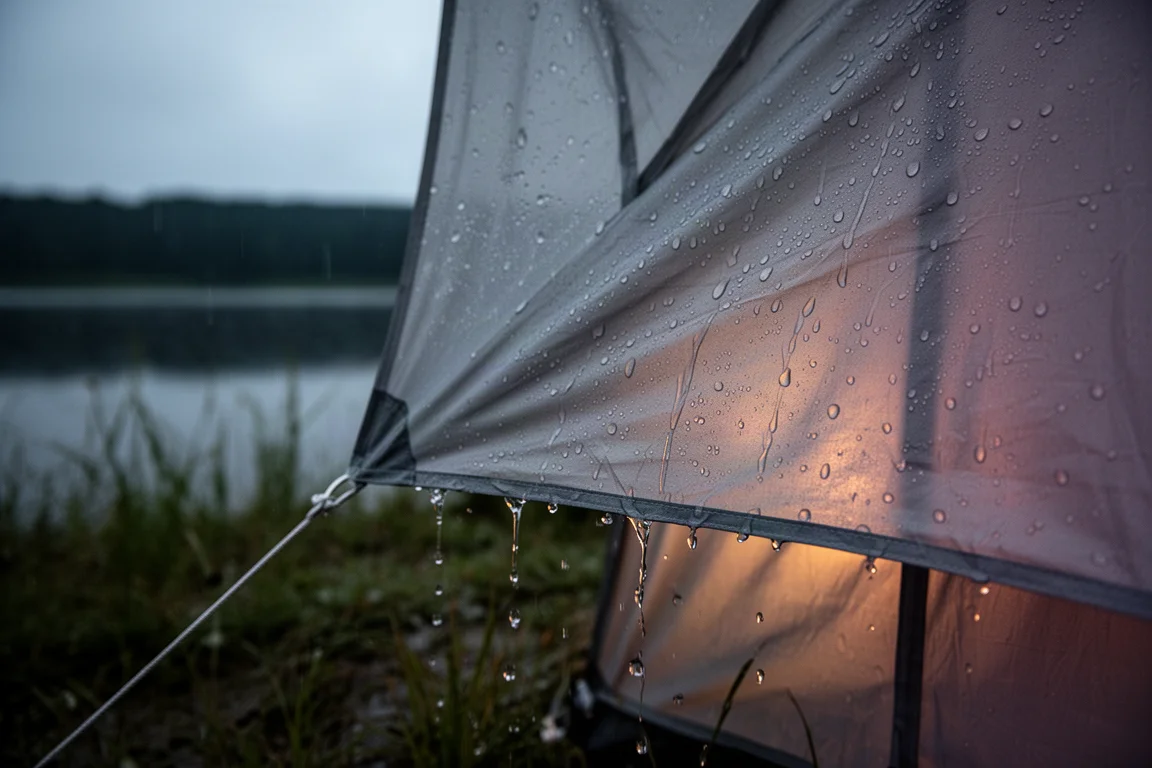
In a full day and night of rain beside a lake, the X-Mid Pro 2 stayed dry inside. There was no backsplash around the edges of the floor and no moisture collecting on a sleeping bag or pad. The walls did gather condensation, as single-wall tents do, but the netting around the bathtub floor let that condensation run off instead of dripping onto the sleeper. Compared with the Zpacks Duplex and Duplex L in the same conditions, the X-Mid Pro 2 came out ahead for rain performance.
Living Space and Setup Trade-offs
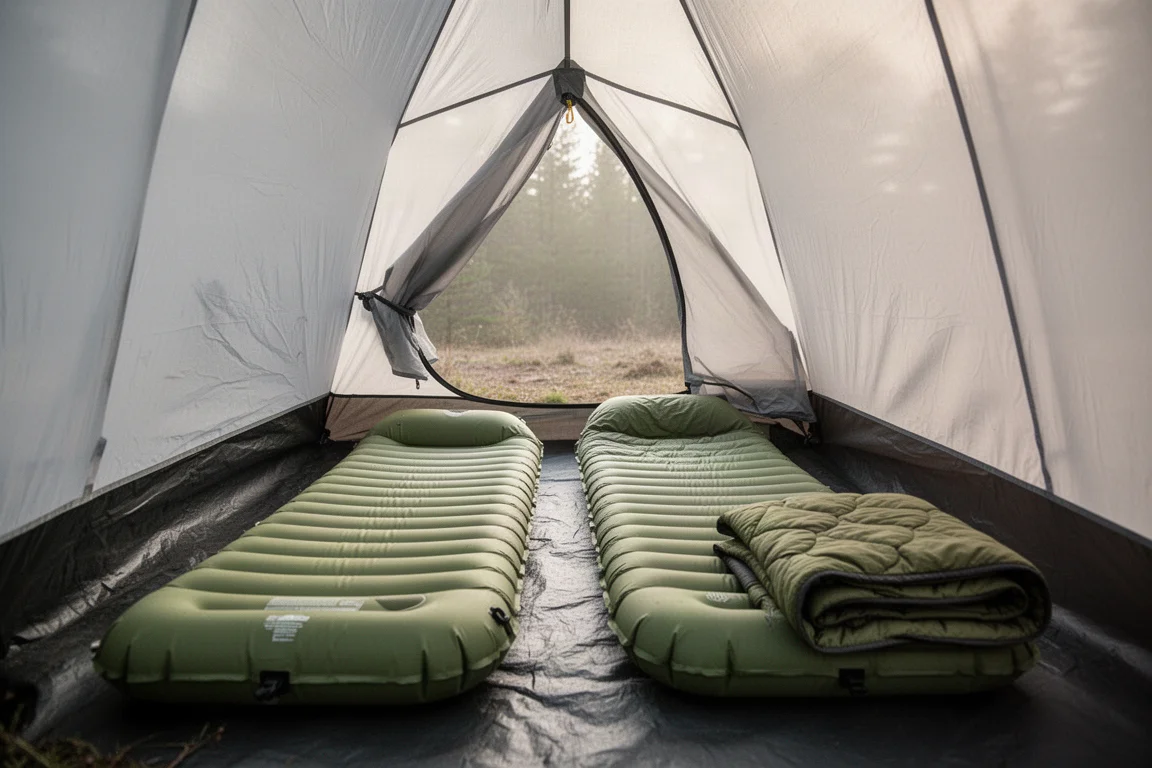
Headroom is the first thing you notice inside. You can sit up straight without your head touching the walls, and the vestibules are large enough to swallow two people’s gear. The floor fits two wide tapered pads and accommodates sleepers up to 6 ft 4 in. Used solo, there is room for someone up to 7 ft.
Two people do not sleep side by side in this tent. The layout is head to feet, which means that on ground that is not perfectly flat, one person ends up sleeping head-downhill while the other gets the better side. That is worth knowing if you genuinely plan to share it. As a solo shelter with extra room, the layout makes far more sense.
The magnetic door closures are a nice touch, though the magnets are not especially strong: a light bump against the loop can pop a door open. No interior pockets were visible on the tent as pitched, even though pockets are listed in the product description, so that is worth confirming before ordering. Setup is also less intuitive than on the Zpacks shelters, though that judgement comes with the caveat that the Zpacks designs are far more familiar to pitch. Rolling the tent rather than stuffing it, and learning to pitch it deliberately low for storms or higher for airflow, are the skills to build over time.
Zpacks Duplex: The Lighter Option
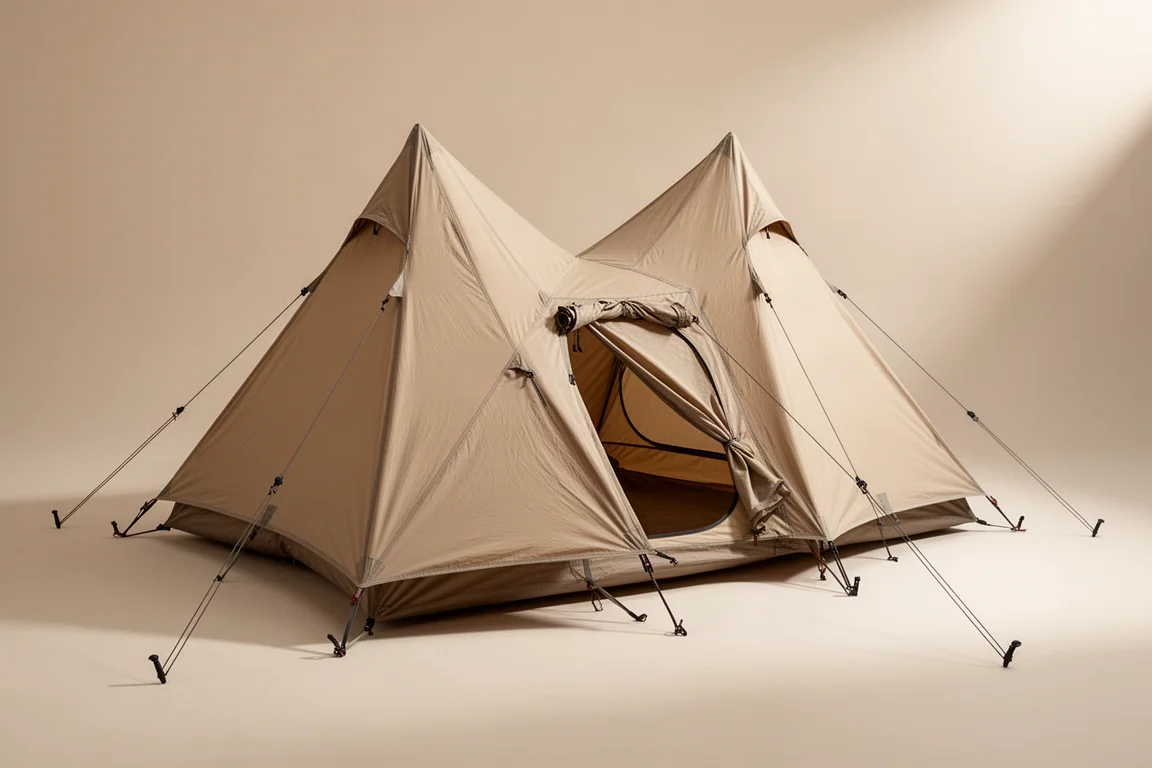
The Duplex is the shelter the X-Mid Pro 2 is most often measured against. With its stuff sack, the Duplex weighs 1.4 ounces less than the X-Mid Pro 2 with its stuff sack. That is the whole weight advantage, and it amounts to a little over an ounce.
Where the Duplex has a clear edge is setup. Pitching it is more intuitive than pitching the X-Mid Pro 2, which matters at the end of a long day when you want the shelter up quickly. The trade-off shows up in wet weather: in sustained rain, the X-Mid Pro 2 kept backsplash off the floor and the sleeping bag dry in a way the Duplex and Duplex L did not match.
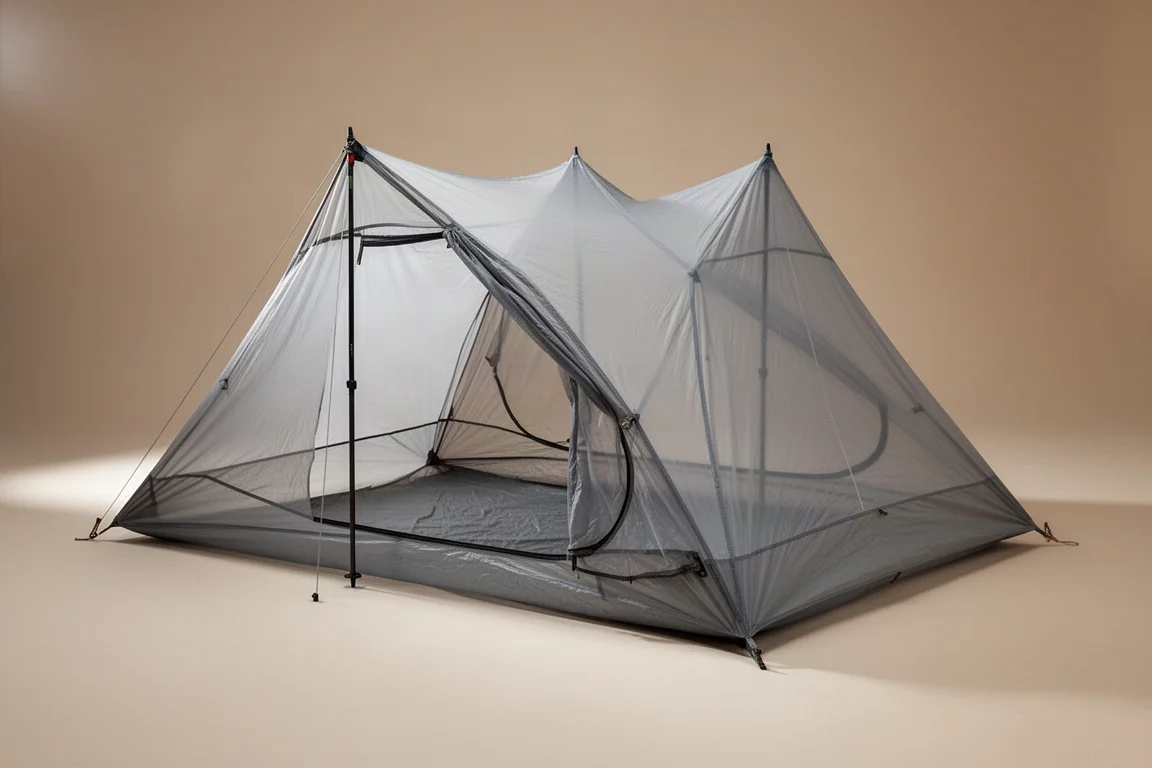
Zpacks Duplex L: The Closest Match in Size
The Duplex L is the fairer comparison of the two Duplex models, because its dimensions and livable space are closer to the X-Mid Pro 2’s. On weight, the X-Mid Pro 2 is 1.3 ounces lighter than the Duplex L when both are weighed with their stuff sacks, which reverses the result against the smaller Duplex.
So the choice between the X-Mid Pro 2 and the Duplex L is not really about weight. It comes down to which interior layout you prefer and how much confidence you have in each shelter’s weather performance, and on that second point the X-Mid Pro 2 has the better record in heavy rain.
Both tents ask you to think about how you sleep in them rather than how they look on a spreadsheet. If you mostly camp alone and want the extra room, the X-Mid Pro 2’s interior is the more generous of the two in use. If you have pitched Zpacks shelters for years and value that familiarity, the Duplex L keeps you on familiar ground.
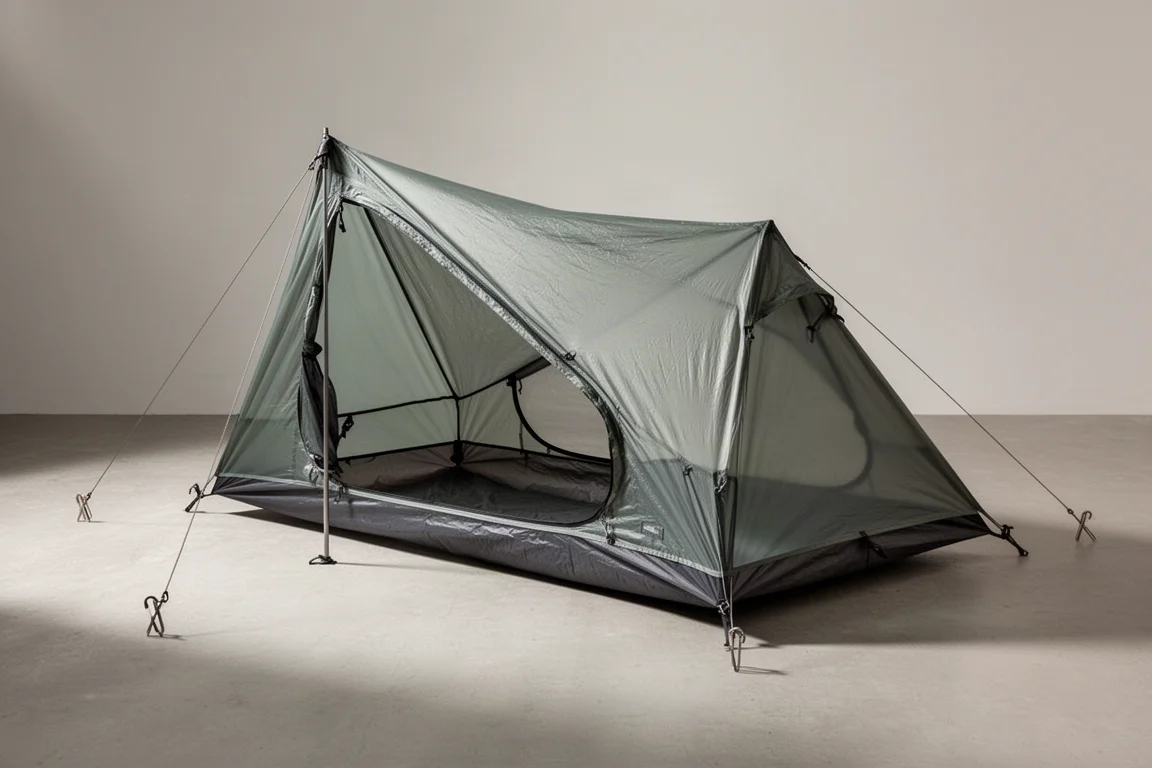
Zpacks Triplex: A Third Zpacks Option
The Triplex belongs to the same family of Zpacks shelters and completes the picture here. Pitching it is more intuitive than pitching the X-Mid Pro 2, and it shares the straightforward Zpacks approach to setup that makes those shelters quick to put up once you know them.
If you are weighing the Triplex against the X-Mid Pro 2, the same questions apply as with the Duplex models: how much interior space you need, how the packed weight lands for your kit, and how each shelter sheds sustained rain. The X-Mid Pro 2’s strong showing in wet weather is the detail that separates it from the Duplex and Duplex L, so it is the one to consider most carefully in your own decision.
Buying Advice
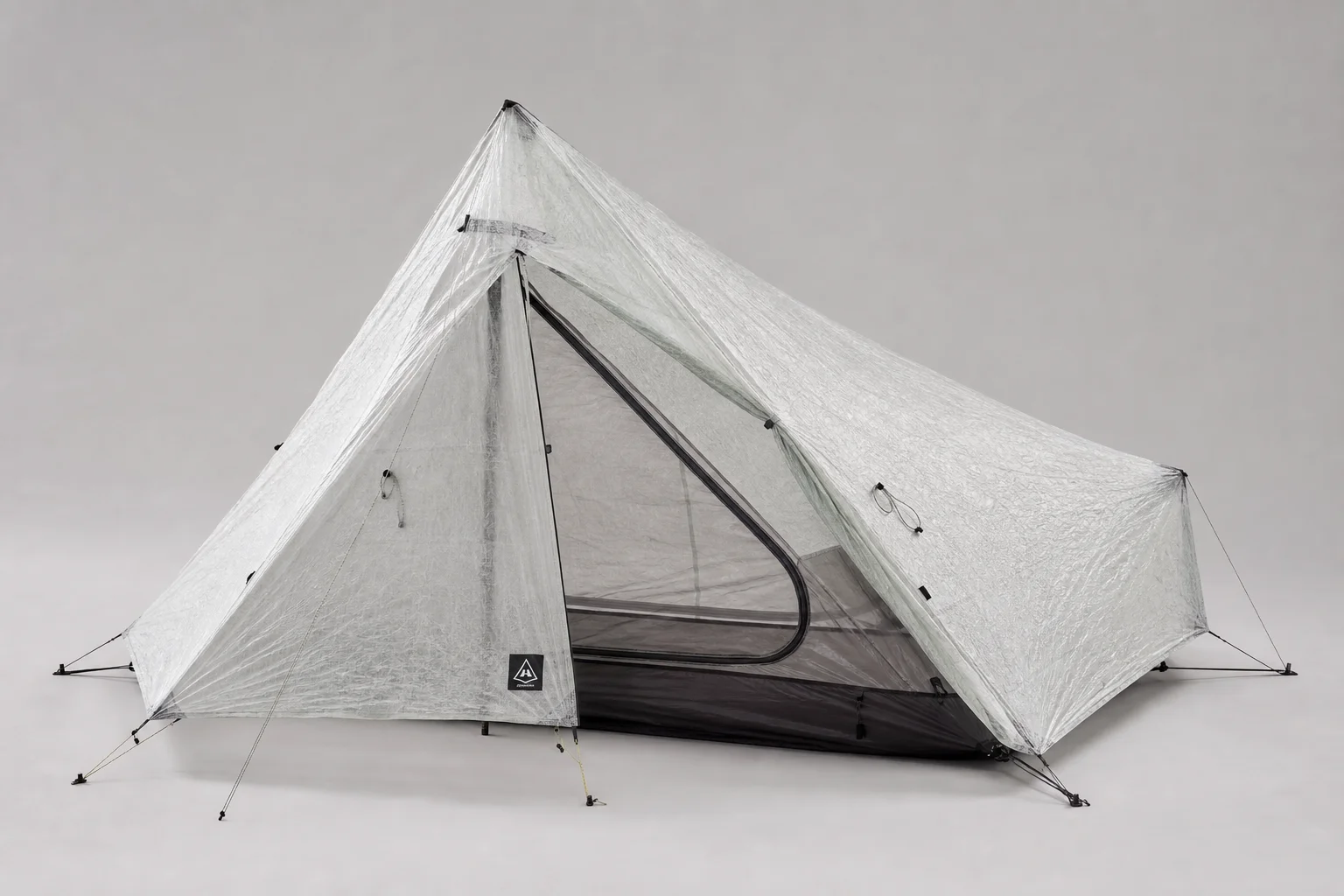
The X-Mid Pro 2 is the strongest all-round choice here if weather protection, headroom, and vestibule space matter most to you. It kept a sleeping bag dry through a full day and night of rain, it lets you sit up without touching the walls, and it weighs within a couple of ounces of the lightest shelter in this group. At $679, or $689 with the optional stakes, it is a serious purchase, and it is backed by a 30-day return window and a two-year warranty against factory defects.
Choose the Zpacks Duplex if the single priority is the lowest possible packed weight, since it comes in 1.4 ounces lighter than the X-Mid Pro 2 with stuff sacks. Choose the Duplex L if you want the closest like-for-like match in interior space and can accept a 1.3 ounce weight penalty against the X-Mid Pro 2. Choose the Triplex if you want that same Zpacks pitching experience in a different size. If setup speed matters more than anything else, the Zpacks shelters are the more intuitive of the group.
None of these are budget tents. If the price is a barrier, plenty of shelters will still get you out on trail for far less, and the X-Mid Pro 2 and the Zpacks line are what you look at when weight and weather protection are the priorities and the budget allows it.
Conclusion
The Durston X-Mid Pro 2 is a well-made tent that handles rain better than the Zpacks Duplex and Duplex L, offers generous headroom and vestibules, and stays within a couple of ounces of the lightest option here. Its weaknesses are small but real: magnet closures that release too easily, no visible interior pockets, a head-to-feet sleeping layout for two, and a pitch that takes more practice than a Zpacks shelter.
For a solo backpacker who wants a roomy, weather-capable shelter, or for two people who mostly camp in fair conditions, it is a compelling option. If saving every last ounce is the goal, the Duplex remains the lighter choice.
Further reading
Related Reviews
Backpacking Tents
3F UL Lanchan Pro 1 Review: A 1 lb 8 oz Single-Wall Trekking Pole Tent
A practical look at the 3F UL Lanchan Pro 1, a single-wall trekking pole shelter with a 1 lb 8 oz weight, 20D silnylon fabrics, and a roomy 90 x 31 x 49 inch interior.
Backpacking Tents
3F UL Taiji 2-Person Tent: A Convertible Backpacking Shelter Worth a Closer Look
A practical look at the 3F UL Taiji two-person tent, covering its materials, true two-person interior, fly-first pitching, and the seasonal inner swap that lets one shelter cover more of the year.
Backpacking Tents
3FUL Lanshan Twoerson Pro Review: A Light Trekking Pole Shelter That Struggled in Rain
A two-person trekking pole shelter with a 2026 redesign, pitched with sticks and put through a night of steady rain. Here is what worked, what did not, and what to check before buying.