Backpacking Tents
Durston X-Mid Pro 2 Review: A Roomy Ultralight Shelter With a Learning Curve
A close look at the Durston X-Mid Pro 2, covering interior space, vestibule protection, wet-weather performance, and the pitching details worth knowing before you buy.
Introduction
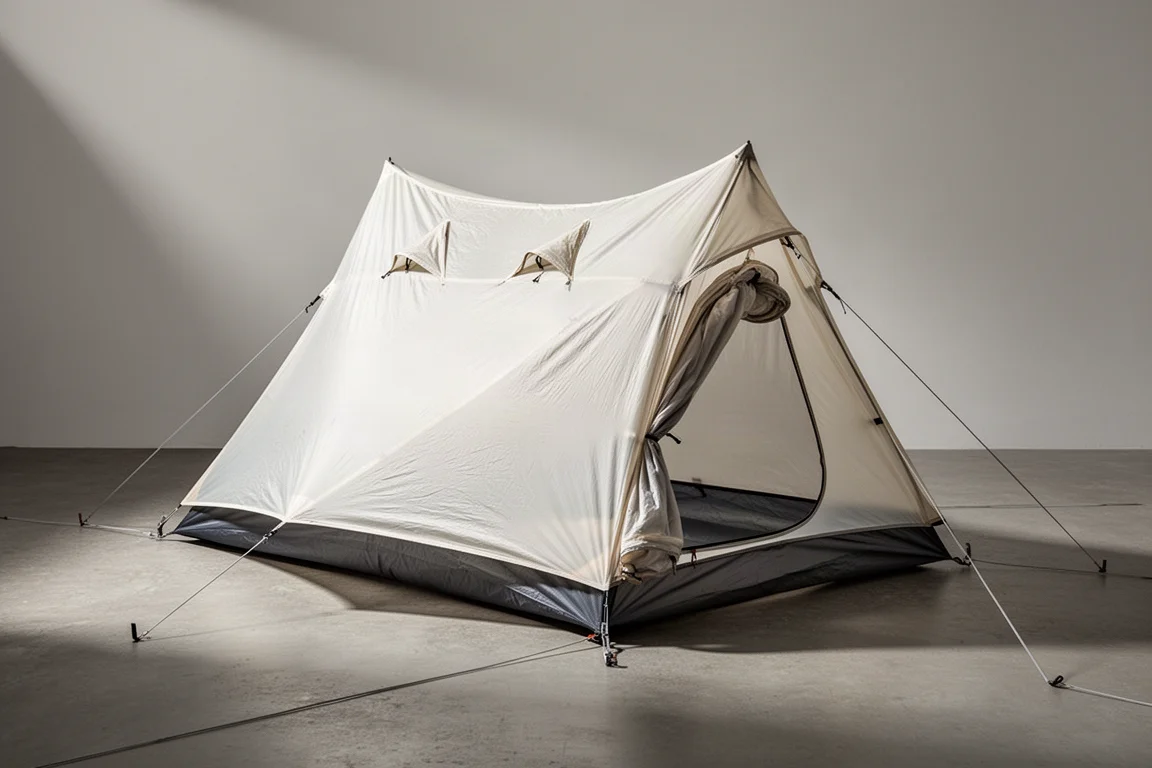
The Durston X-Mid Pro 2 is a trekking-pole-supported two-person shelter built for backpackers who count grams. It is also one of the harder tents to buy on short notice: the current listing shows the tent as sold out, with an updated version expected to follow, and the waitlist weight sits at 19.6 ounces. The listed price is $679.
The observations here come from a first backpacking trip with the tent in the Sawtooth Wilderness, including a stormy night and at least two nights of rain. The short version: the shelter is well built, genuinely roomy, and dependable in wet weather, but the pitch asks for more patience than a simple four-corner setup.
Who the Durston X-Mid Pro 2 Is For
This tent suits backpackers who already carry trekking poles and want a light two-person shelter that feels generous for one person. Solo hikers who size up to a two-person tent for extra room will notice the functional headroom quickly, along with less head contact and less condensation misting than some comparable Dyneema shelters.
It also makes sense for three-season hikers who want a vestibule that behaves like protected storage rather than an open flap, and who are willing to learn a specific pitching sequence instead of staking four corners and walking away. The $679 price and the current availability situation mean this is not an impulse purchase.
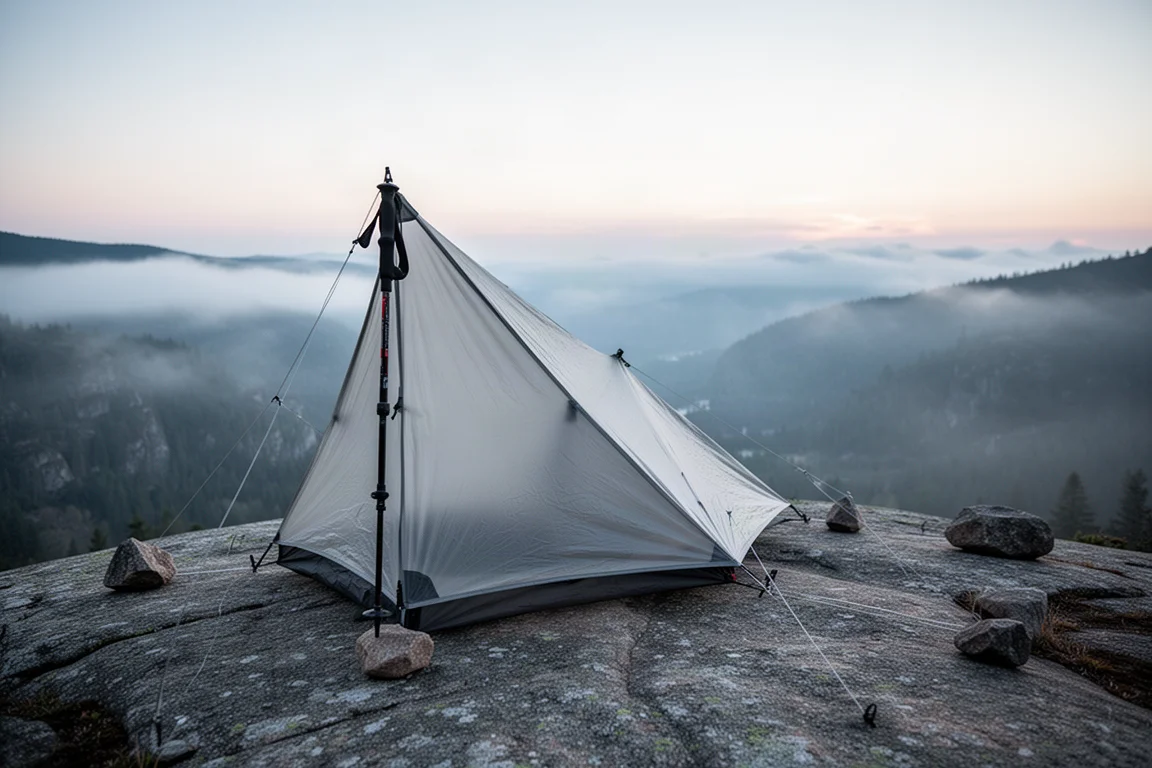
Hikers who want a freestanding shelter, or who would rather not depend on trekking poles for structure, will be better served by a different design.
Main Strengths
The strengths here are mostly about living space and weather behavior rather than headline numbers.
Headroom, Space, and Ventilation
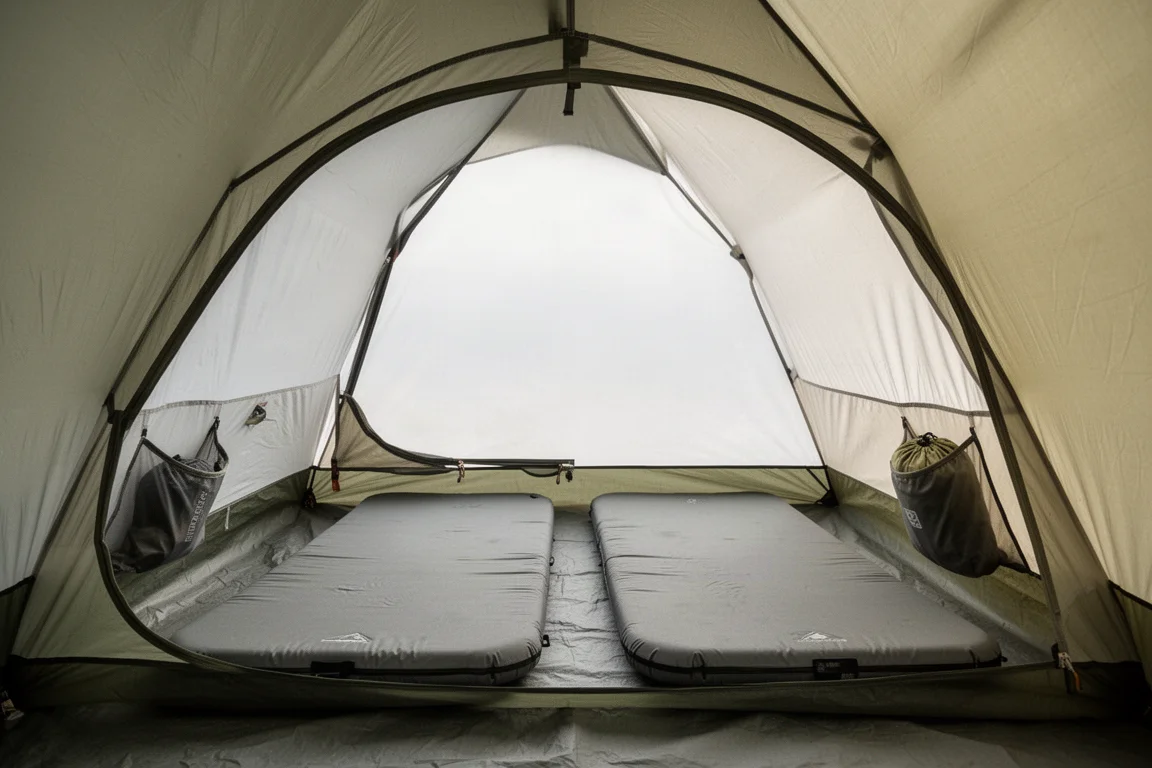
Inside, the tent feels roomy for a solo backpacker using a two-person shelter, and the cut provides usable headroom for sitting up and sorting gear. Head contact and misting are noticeably reduced compared with a more open Dyneema design, which matters on long, damp nights.
The trekking poles are offset rather than centred, so there is no pole planted in the middle of the doorway when climbing in and out. The shelter also hugs the ground closely, which limits airflow somewhat but keeps the bathtub floor from being pushed out past the wall and keeps ground splash away from the sleeping area. Additional loops and guy-out points are there for windy or stormy conditions.
The trade-off is ventilation: a shelter that sits this close to the ground moves less air than a more open design, so site selection and airflow management matter more. Wind performance still deserves longer testing, since the strongest gusts encountered so far came overhead rather than across the shelter.
Vestibule Design and Weather Protection
The vestibule is one of the clearest advantages. It offers more usable storage space than expected, and it feels like a protected zone rather than an open gap, with the fabric sitting closer to the ground to reduce splash. A full zip closure also feels more secure than a loop and latch.
Wet weather performance held up. Across a stormy night and at least two nights of rain, the shelter stayed dry with no leaks and no splash coming up over the bathtub floor.
Materials and Construction
The floor uses a silpoly nylon rather than Dyneema, which packs down smaller than other Dyneema two-person tents and stays quieter under a sleeping pad instead of crinkling through the night.
Silpoly is also more abrasion resistant than the Dyneema floors many backpackers are used to. Durston notes that the tent can be pitched without a ground cloth on typical backpacking surfaces, with a ground cloth recommended on rocky or gravelly ground. Purpose-made footprints exist, but a simple polycro sheet is cheaper and lighter.
Construction uses hot bonding rather than stitching or seam tape, which makes the joined areas stronger than the individual panels.
Things to Consider Before Buying
A few details are worth weighing before committing to this shelter.
Pitching and Setup
Setup is the biggest source of friction. The rectangle of floor space that gets staked out does not visually line up with the doorway, because the sleeping area sits slightly tilted relative to the footprint. The tent can be pitched with four stakes, though more stakes make the result feel more secure.
Revised pitching instructions from Durston helped considerably, and proficiency should improve with repetition. One mistake is worth flagging: sliding a trekking pole under an unzipped vestibule, with the bathtub floor bunched underneath, can put a pole tip through the floor.
Stakes, Interior Details, and Small Frustrations
Stakes are an optional add-on, and the supplied ones did not hold up as well as MSR Mini Groundhogs in the same conditions. The weight gap is small, with the supplied stakes listed at 8.5 grams and the Mini Groundhogs at roughly 9.92 grams. Durston has acknowledged the stake feedback, so a change may come.
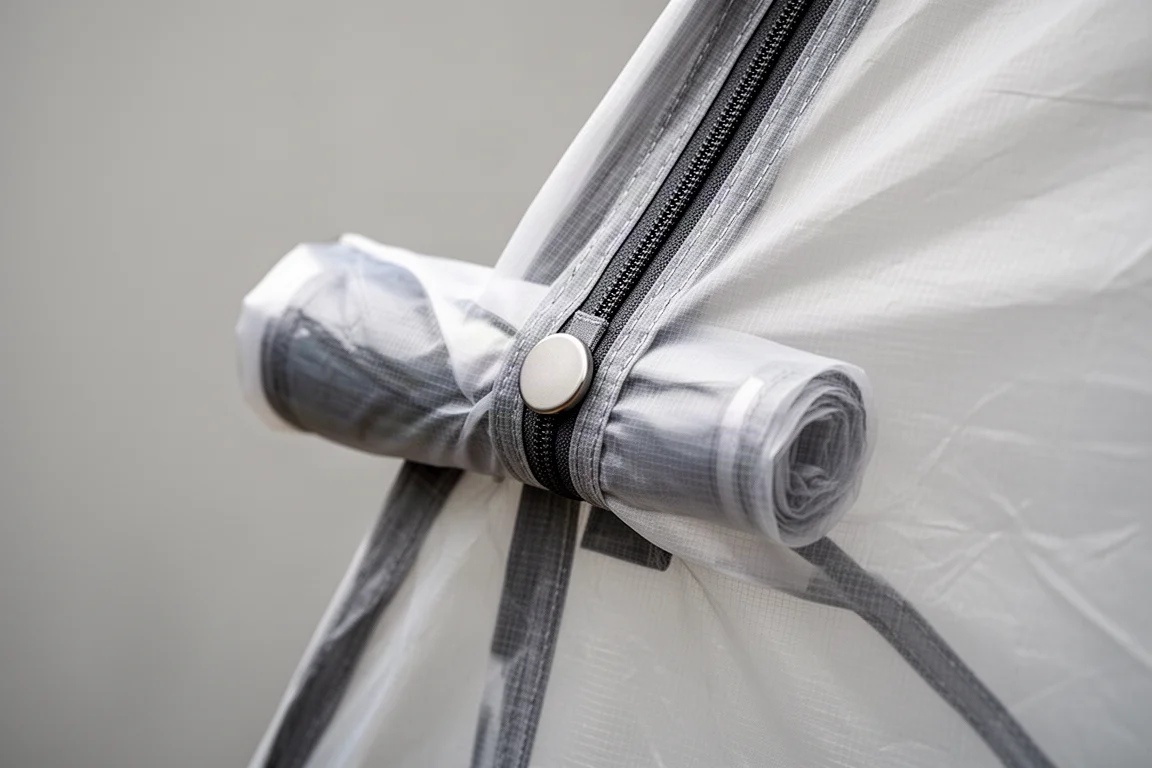
This version has no interior pockets, and the magnetic door tabs can pop open with a light bump. An updated version of the tent adds dual interior pockets and stronger magnets. Head placement is also dictated by the cut, which puts head space at opposite ends, so on sloped ground the choice becomes re-pitching, squeezing in beside a tree, or sleeping head-downhill.
Buying Advice
If you already carry trekking poles, want a two-person shelter that feels spacious for solo trips, and are willing to learn the pitch, this is a compelling option. The listed price is $679, and the tent is currently sold out with an updated version expected, so check availability before planning a trip around it.
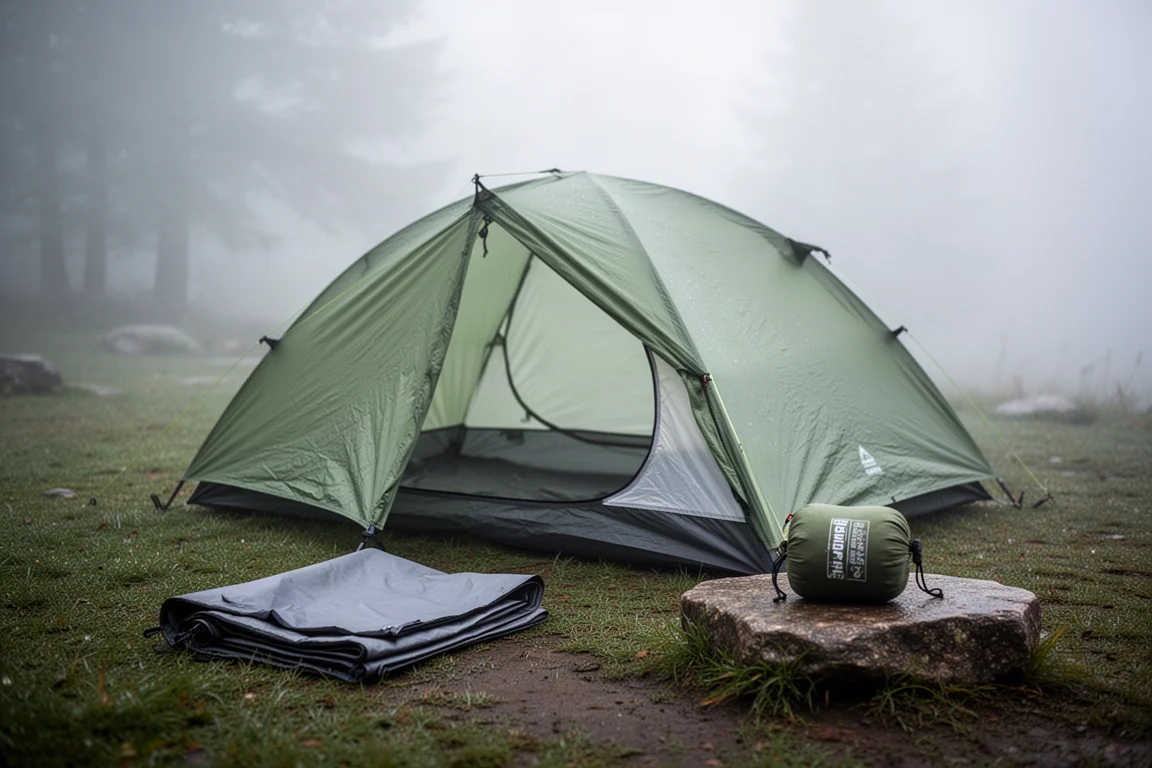
On accessories, buy stakes separately rather than paying extra for the optional set, since the roughly one to two gram penalty per stake is a fair trade for durability. A ground cloth is not required for normal backpacking surfaces, but a light polycro sheet is cheap insurance for rocky or gravelly campsites.
Conclusion
The Durston X-Mid Pro 2 is a quality shelter: well constructed, roomy for its weight class, and reliable in rain. The friction points are real but specific, including a pitch that takes practice, magnetic tabs that can come undone, modest stakes, no interior pockets on this version, and a head placement that depends on terrain. Backpackers who value interior comfort and a protected vestibule more than a foolproof setup will find a lot to like here, and the updated version appears to address several of the small frustrations.
Product link
View more details for Durston X-Mid Pro 2
This product is mentioned in the review. Check the specifications, options, and compatibility before buying.
View more details for Durston X-Mid Pro 2Further reading
Related Reviews
Backpacking Tents
3F UL Lanchan Pro 1 Review: A 1 lb 8 oz Single-Wall Trekking Pole Tent
A practical look at the 3F UL Lanchan Pro 1, a single-wall trekking pole shelter with a 1 lb 8 oz weight, 20D silnylon fabrics, and a roomy 90 x 31 x 49 inch interior.
Backpacking Tents
3F UL Taiji 2-Person Tent: A Convertible Backpacking Shelter Worth a Closer Look
A practical look at the 3F UL Taiji two-person tent, covering its materials, true two-person interior, fly-first pitching, and the seasonal inner swap that lets one shelter cover more of the year.
Backpacking Tents
3FUL Lanshan Twoerson Pro Review: A Light Trekking Pole Shelter That Struggled in Rain
A two-person trekking pole shelter with a 2026 redesign, pitched with sticks and put through a night of steady rain. Here is what worked, what did not, and what to check before buying.