Backpacking Tents
Durston X-Mid Pro 2 Plus Review: A True Two-Person Ultralight Tent
A close look at the Durston X-Mid Pro 2 Plus, plus how it stacks up against the TarpTent Dipole 2 Li and the Zpacks Duplex.
Introduction
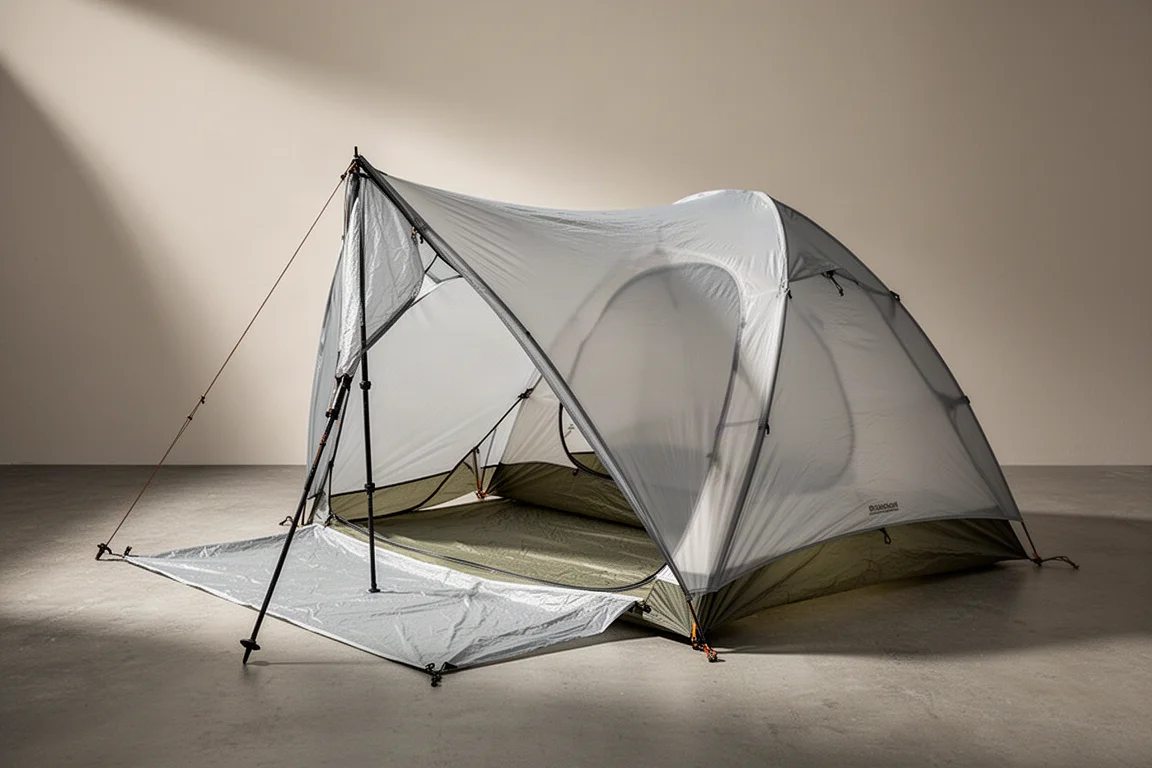
Durston Gear’s X-Mid line has been revised many times. Since the original tent first became widely available, nine distinct versions have been released, and seven of them can still be purchased today. Each one is a capable shelter, and the differences between them are mostly small.
The X-Mid Pro 2 Plus is the version that finally answers the long-running criticisms of the platform, and it does so without giving up any weight advantage. It is also one of the very few tents in this class that genuinely fits two people on the wide sleeping pads most backpackers now use.
Floor Space: Why the 50-Inch Width Matters
Most shelters sold as two-person tents are only around 40 inches wide at the floor. That figure goes back to an old manufacturing standard. Foam sheets were produced in 40-inch widths, so brands cut them in half and used the halves as sleeping pads. Twenty-inch pads became the default, and tent floors were sized to match.
Many backpackers now prefer 25-inch wide pads. The average adult man measures roughly 22 inches from shoulder to shoulder, so a wider pad is simply more comfortable. Two of them side by side need 50 inches, which a 40-inch floor cannot provide.
The X-Mid Pro 2 Plus widens the floor to a full 50 inches, exactly enough for two 25-inch pads. Earlier Pro models stopped about 2 inches short of that, and for anyone who shares a shelter with a partner, that shortfall was the biggest practical deal-breaker. The extra width changes how the tent works on a real trip, not just on a spec sheet.
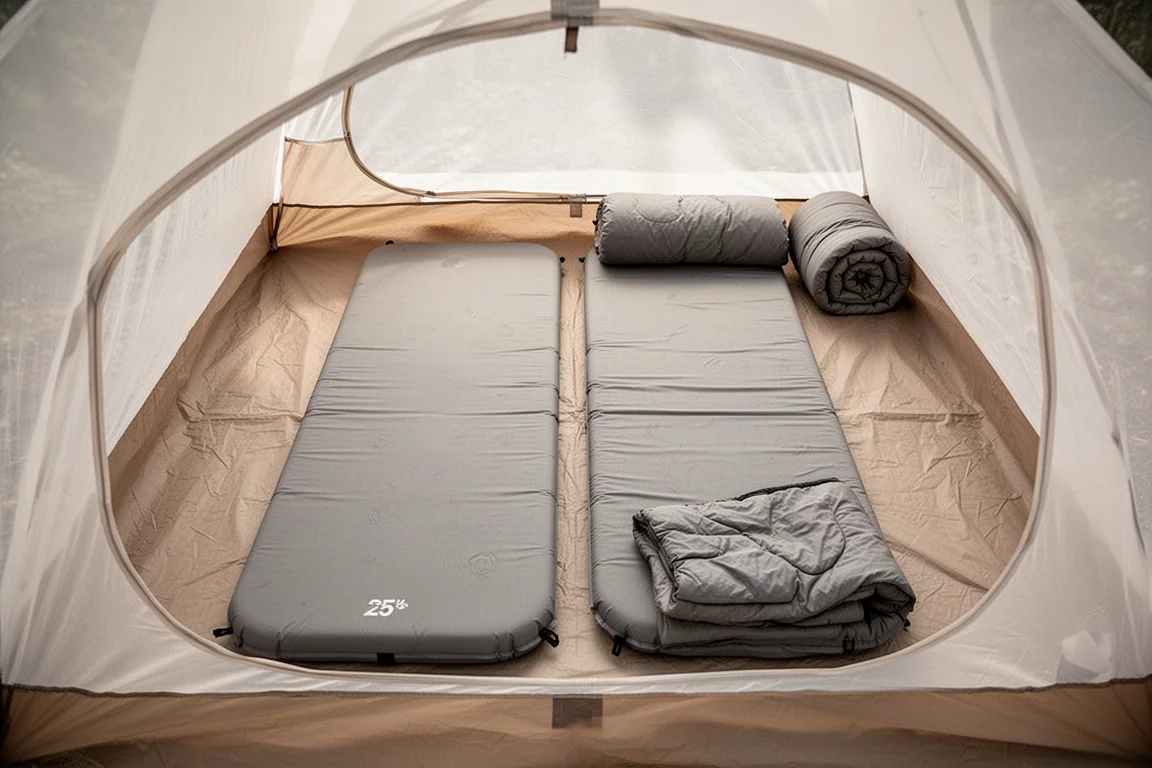
Durston recommends sleeping head-to-head rather than head-to-feet. Head-to-feet is uncomfortable on anything other than a perfectly flat pitch, because one person ends up sleeping downhill, and perfectly flat campsites are rare.
Weight and Packed Size
The X-Mid Pro 2 Plus weighs 19.2 ounces. That is 12 ounces lighter than the TarpTent Dipole 2 Li, which had been the lightest true two-person tent available before this one arrived.
For a shelter with a 50-inch floor, the number is difficult to argue with. It is also lighter than anything Zpacks offers with a comparable floor width, even though Zpacks built its reputation on the lightest tents in the world. A tent this large at this weight is genuinely unusual.
Headroom: What Changed
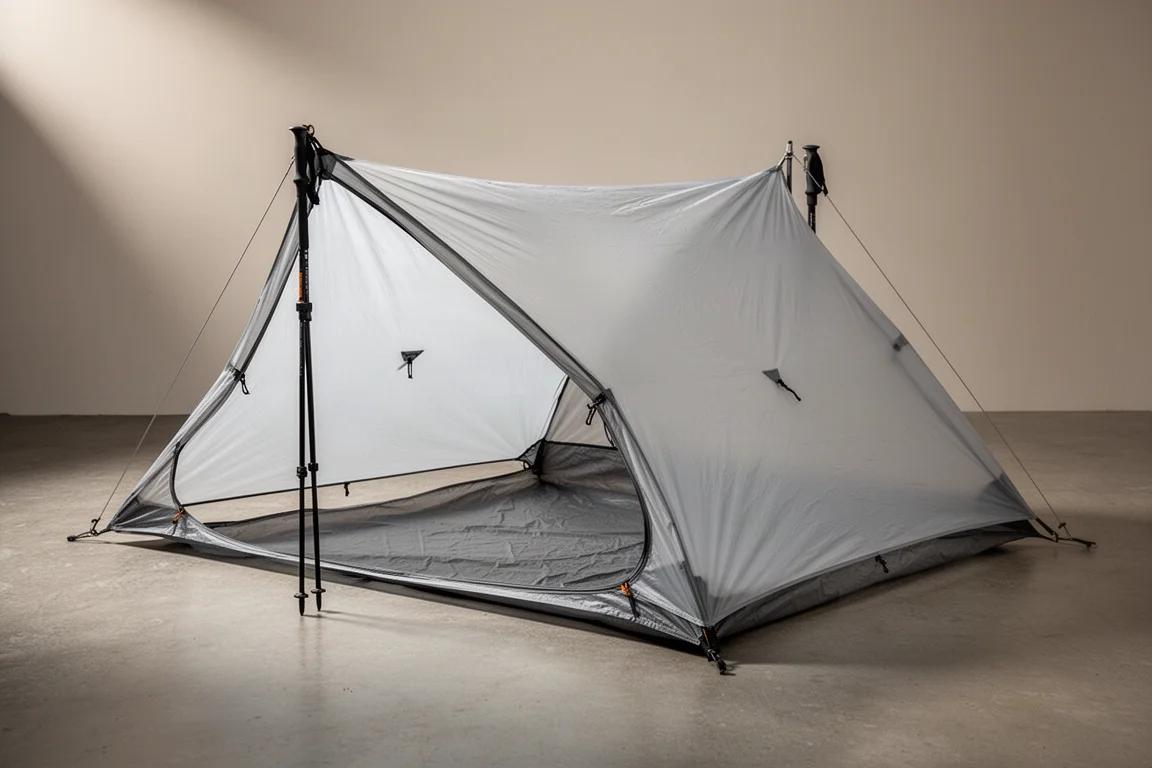
Headroom was the loudest complaint about earlier X-Mid Pro versions. The tent uses an unusual geometry with offset poles to build headroom from front to back, and the trade-off is that the walls pull in closer together. On earlier versions, that made side-by-side seating tight for two people.
Widening the floor also spreads the walls, and Durston moved the poles closer together as well, which adds side-to-side headroom at head height. Measuring across the tent at head height gives roughly 46 inches, about 22 inches more than previous versions. That is only 2 inches less than the Zpacks Duplex, in a tent that weighs 19 ounces.
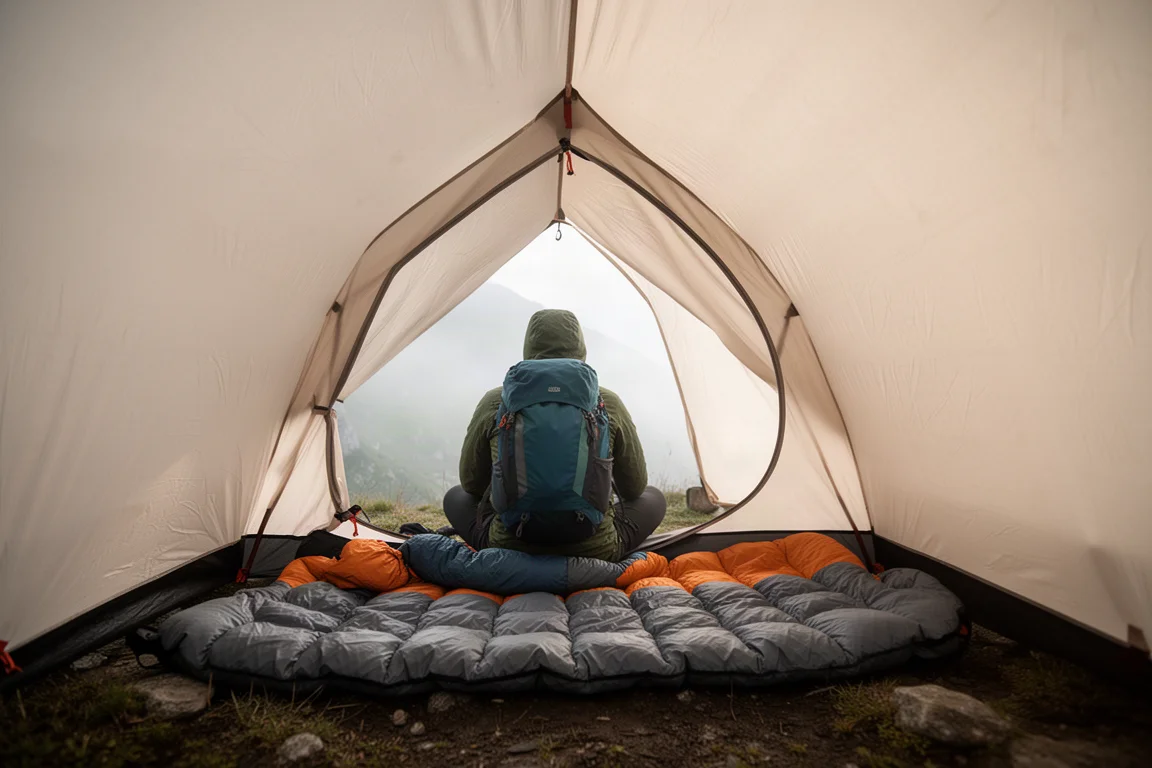
Field use supports the measurements. Several nights spent on the side of the tent with less headroom were comfortable, and two people sitting up together inside had enough space.
How It Compares to the TarpTent Dipole 2 Li
The TarpTent Dipole 2 Li was the previous benchmark for a true two-person ultralight shelter. It was the lightest option available with a genuine two-person floor, and it remains a strong tent in its own right.
The X-Mid Pro 2 Plus overtakes it on weight by 12 ounces while offering a wider floor. For a backpacker whose priority is a true two-person footprint at the lowest possible weight, that gap is the deciding factor.
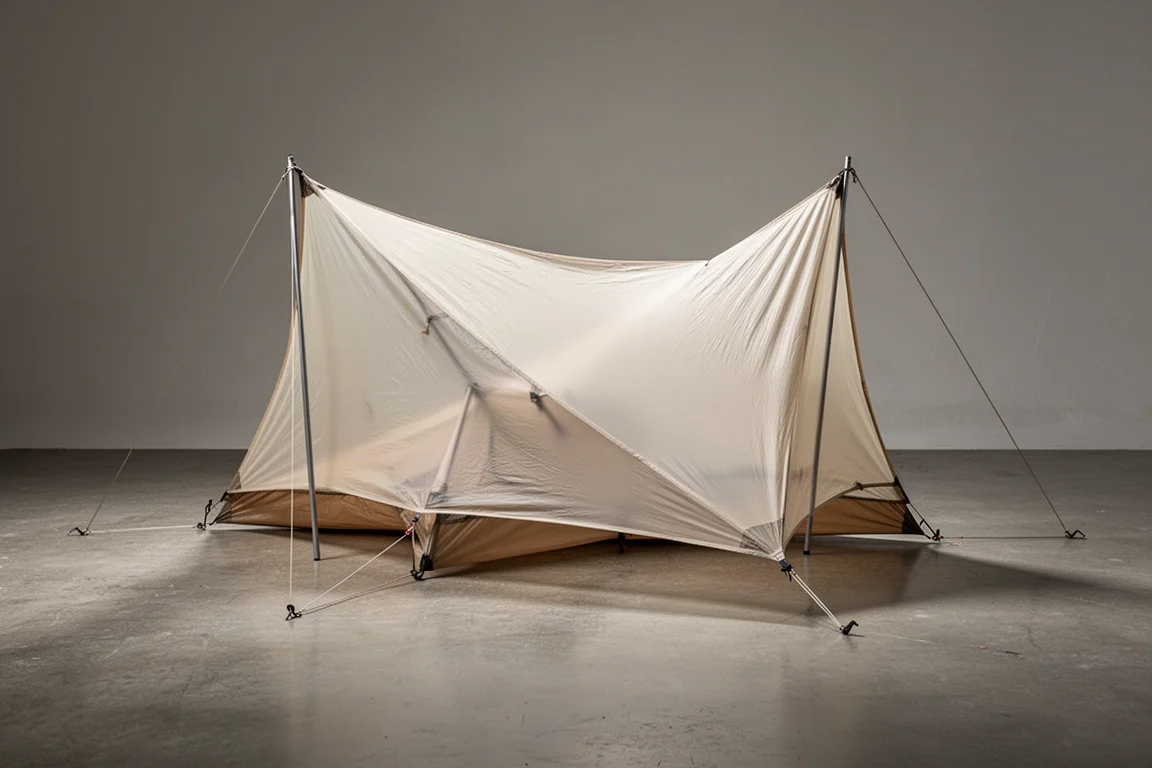
How It Compares to the Zpacks Duplex
The Zpacks Duplex is the closest competitor and the most useful reference point. The X-Mid is technically roomier on the inside, but the Duplex has long been considered to offer more usable headroom because of where its poles are placed.
That advantage has narrowed considerably. At head height the Pro 2 Plus now measures about 46 inches across, just 2 inches less than the Duplex, while weighing only 19.2 ounces.
In practice, the choice comes down to priorities. The Duplex keeps a slight edge in head height, while the X-Mid Pro 2 Plus offers a wider floor and a lighter packed weight for two people sharing a shelter.
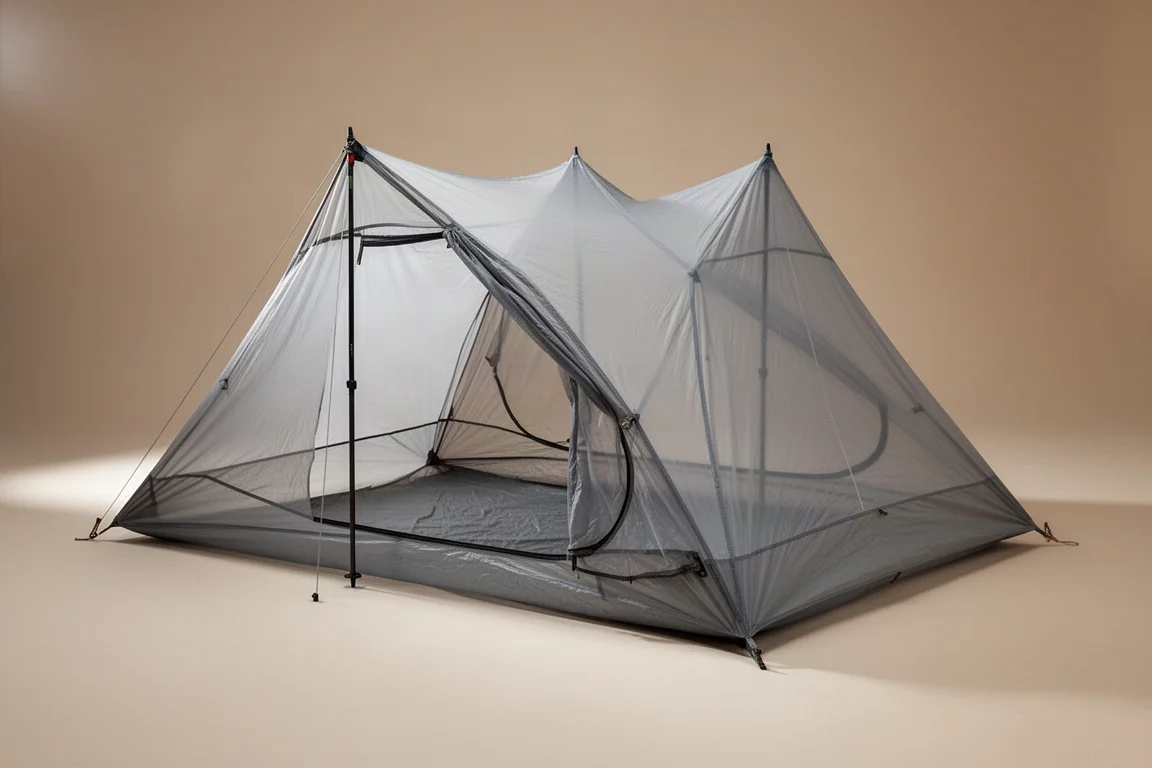
The One Remaining Complaint
Almost every issue raised about earlier X-Mid Pro versions has been addressed on the Pro 2 Plus. The floor is wider, the headroom is better, the corner stitching has been upgraded, and the tent includes two magnetic tie-backs, a full Dyneema floor, and integrated pockets. It is still light.
One gap remains. There is no loop for hanging anything from the ceiling. It is a small omission, but on long rainy days spent inside a shelter, being able to hang a phone or a small light overhead is genuinely useful. Aftermarket patches can add a hang loop to a tent that does not have one, so the problem is solvable rather than permanent.
Buying Advice
The X-Mid Pro 2 Plus is worth considering if you regularly share a shelter and want a true two-person floor without carrying a three-person tent. It also makes sense for solo backpackers who want generous interior space and are willing to carry slightly more than a dedicated one-person shelter.
A few things are worth knowing before you buy. The tent is built from Dyneema, which rewards careful handling and a clean pitch. Sleeping head-to-head is the recommended arrangement. And if a ceiling hang loop matters to you, plan for an aftermarket solution.
For most buyers the case is straightforward. A 50-inch floor, roughly 46 inches of head-height width, and a 19.2-ounce packed weight is a combination that is hard to find elsewhere, and the remaining compromises are minor.
Conclusion
The X-Mid Pro 2 Plus resolves the complaints that followed earlier X-Mid Pro models. It fits two wide pads, it offers headroom that stands up to real use, and it undercuts every true two-person tent it is measured against here. The missing ceiling loop is the only loose end, and it is easy enough to work around. For backpackers who share a tent and count every ounce, this is the shelter to beat.
Further reading
Related Reviews
Backpacking Tents
3F UL Lanchan Pro 1 Review: A 1 lb 8 oz Single-Wall Trekking Pole Tent
A practical look at the 3F UL Lanchan Pro 1, a single-wall trekking pole shelter with a 1 lb 8 oz weight, 20D silnylon fabrics, and a roomy 90 x 31 x 49 inch interior.
Backpacking Tents
3F UL Taiji 2-Person Tent: A Convertible Backpacking Shelter Worth a Closer Look
A practical look at the 3F UL Taiji two-person tent, covering its materials, true two-person interior, fly-first pitching, and the seasonal inner swap that lets one shelter cover more of the year.
Backpacking Tents
3FUL Lanshan Twoerson Pro Review: A Light Trekking Pole Shelter That Struggled in Rain
A two-person trekking pole shelter with a 2026 redesign, pitched with sticks and put through a night of steady rain. Here is what worked, what did not, and what to check before buying.