Backpacking Tents
Durston X-Mid Pro 2: Inside the Hard-to-Find Dyneema Ultralight Tent
A practical look at the Durston X-Mid Pro 2, a Dyneema single-wall trekking pole shelter built to give two backpackers more interior space at a low weight.
Introduction
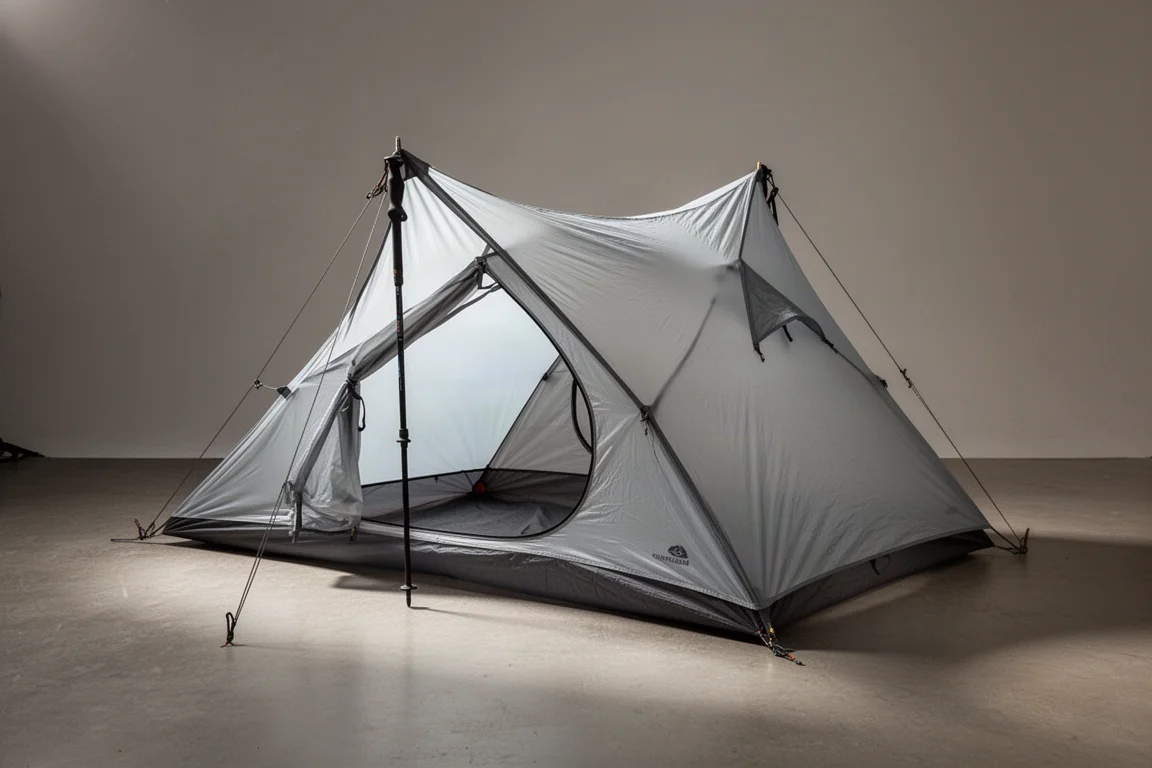
The Durston X-Mid Pro 2 has a reputation that arrives well before the tent does: a Dyneema trekking pole shelter that is discussed constantly and stocked rarely. It is the work of Dan Durston, who designs and runs Durston Gear largely as a one-person operation from a spare bedroom, with support from friends and family.
The appeal is easy to understand. The X-Mid Pro 2 aims to keep weight low while giving two people a genuinely usable interior, and it pursues that goal through an unusual geometry rather than a bigger footprint.
That combination of scarcity and design ambition is why so many backpackers keep an eye out for restocks. What follows is a practical look at who the tent suits, what it does well, and which compromises are built into the design.
Who This Tent Is For
The X-Mid Pro 2 is aimed at backpackers who count grams but still want room to sit up, spread out a sleeping pad, and keep gear under cover. It suits thru-hikers and long-distance trekkers who pitch the same shelter night after night and want a two-person tent that behaves like a considerably larger one.
It also makes sense for solo hikers who want generous space and a light pack, although a one-person version of the same design exists for anyone who would rather carry less.
It is less obviously suited to campers who prize modularity, prefer a double-wall shelter, or regularly pitch in tight, tree-lined spots where a compact footprint matters more than interior volume.
Main Strengths
The design brief behind the X-Mid Pro 2 is straightforward: a shelter that stays light without feeling cramped. Almost every decision that follows, from the asymmetric floor to the hybrid inner, exists to serve that balance.
Three choices carry most of that weight: the asymmetric floor plan, the panel angles, and the way the inner is built into the sidewalls.
Asymmetric Interior That Maximizes Space
The interior is deliberately asymmetric. The floor, the vestibules, and the pole positions all fit inside a simple rectangle, and the ridge line runs diagonally across the floor rather than straight down the middle.
That diagonal span is longer than a conventional ridgeline, and it is where the extra headroom comes from. The trade-off is that the tallest point is not in the centre. Users naturally shift toward where the space sits, and two occupants end up positioned offset rather than shoulder to shoulder.
One side of the interior is steeper than the other, so that side gains noticeably more headroom. The opposite side still offers headroom comparable to a typical tent of this size. In practice, the offset layout leaves both occupants with more usable room than a symmetric design would.
Weather-Ready Geometry
Almost every panel on the X-Mid Pro 2 sits at roughly the same angle, about 55 degrees. That angle is a deliberate balance: steep enough that snow slides off instead of collecting on a flat roof, and shallow enough that the walls shed wind rather than catching it the way flatter sides do.
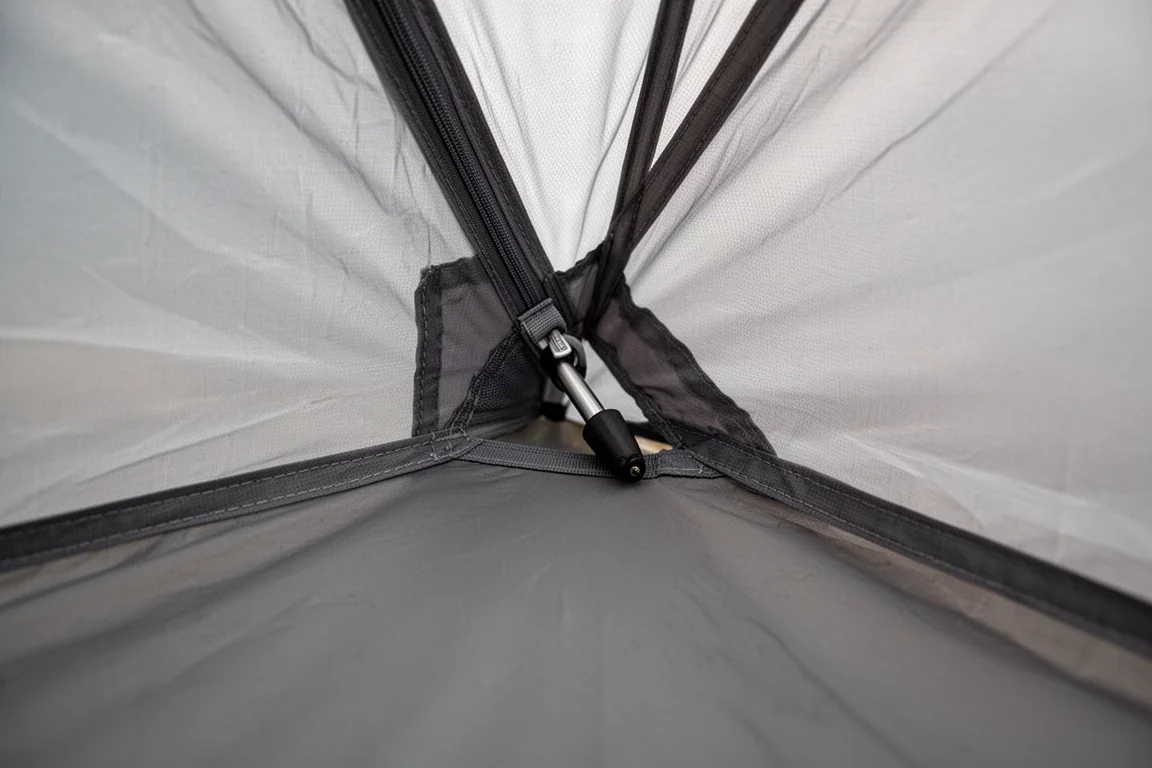
The door is held open with magnets rather than fabric tabs, which keeps the opening tidy. The zipper can be worked with one hand, and the door does not drop to the ground when it is open. Pole tips point downward, and the way the wall meets the peak forms a natural pocket for the pole handle, so no extra hardware is needed to hold the poles in place.
Hybrid Single-Wall Inner
The inner is not a fully separate mesh nest. It is partially sewn into the sidewalls, with no mesh overhead, which makes this a hybrid single-wall shelter. That approach saves weight, but it also makes the tent less modular than a double-wall alternative.
A single-wall shelter asks a little more of its user. Condensation is managed by avoiding contact with the walls, which is a reasonable trade for the weight saved.
Dyneema Fly With a Silnylon Floor
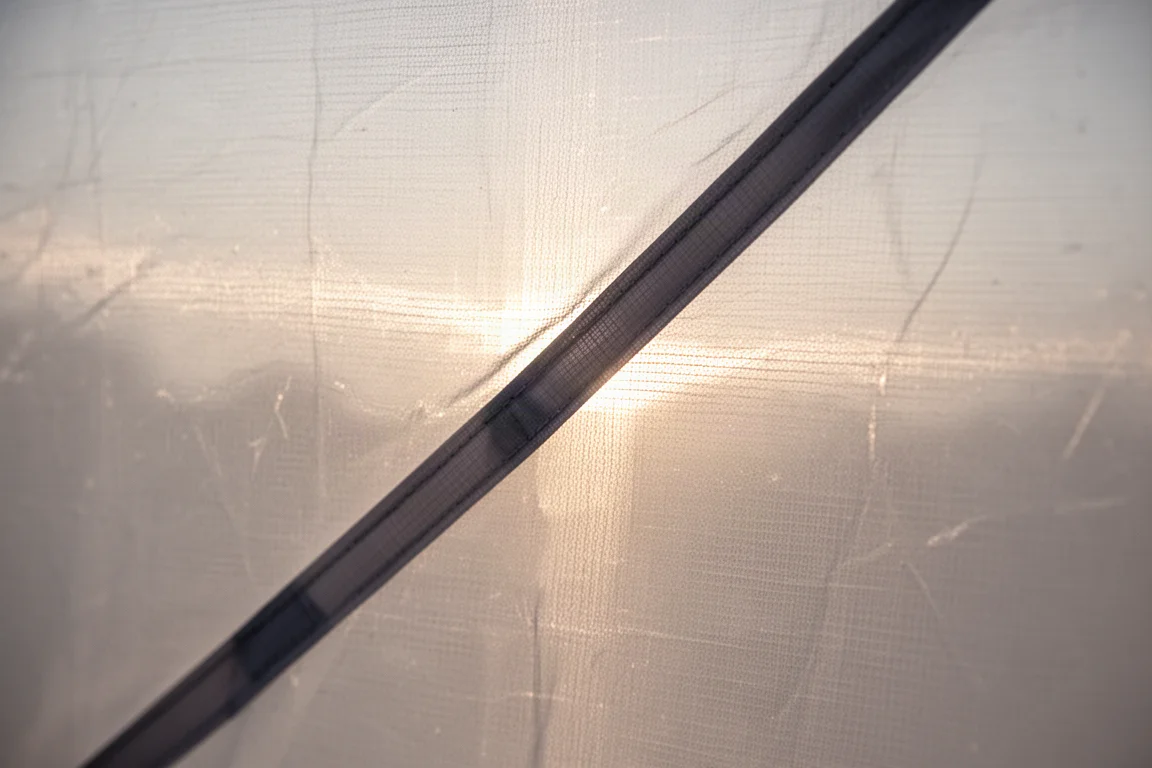
The fly uses Dyneema, where the material’s tensile strength is most valuable. The floor does not. Dyneema’s abrasion resistance is limited because its outer layer is Mylar, and making a Dyneema floor durable enough would mean using a thicker version that increases packed size considerably. A silnylon floor is at least as durable in this application and keeps the packed tent far smaller.
That choice reflects the wider philosophy of the shelter: use premium materials where they earn their place, and keep the rest simple.
Things to Consider Before Buying
Availability
Stock has been the biggest practical obstacle. Demand grew sharply at the same time that Dyneema supply became difficult, since factories prioritised long-standing customers and were not taking on new accounts. Durston Gear has since moved to opening orders ahead of a production window so buyers can secure a tent before it ships, but the shelter has historically been hard to find at short notice.
The Footprint
The floor measures 100 by 80 inches, roughly 10 inches narrower than the earlier X-Mid 2 at 100 by 90 inches. That change came from feedback that the original felt large on some pitches. For tighter campsites, the vestibules can be collapsed by unstaking the corners and adding peak guy lines with a few extra stakes, which takes a little more effort but reduces the ground the tent occupies.
No Interior Pockets in This Version
This version ships without interior pockets. Pockets were designed for the tent but did not reach production, and a single pocket on each side is planned for the future. If you like to organise small items inside the shelter, plan on a stuff sack or two in the meantime.
Single-Wall Compromises
The hybrid inner saves weight but reduces modularity. Anyone who wants to strip the inner out entirely, or who prefers the ventilation habits of a double-wall tent, will find the X-Mid Pro 2 less flexible.
Buying Advice
The X-Mid Pro 2 makes the most sense for backpackers who have already decided that weight is the priority and want maximum interior space in return. If that describes your trips, the design decisions here are coherent: the asymmetric geometry, the steep panels, the magnetic door, and the silnylon floor all serve the same goal.
Before ordering, be honest about how you camp. If you regularly pitch in cramped, wooded sites, the reduced but still sizeable footprint and the vestibule collapse method are worth understanding first. If you hike solo and want the same design in a smaller package, the one-person version is the more sensible starting point.
Given how often the tent has sold out, ordering ahead of a production window is the realistic way to get one rather than waiting for a casual restock.
Conclusion
The Durston X-Mid Pro 2 is a specialist shelter with a clear point of view: keep the weight down, use Dyneema where it matters, and reshape the interior so two people get more room than the footprint suggests. It asks for a little patience in return, both in how it is pitched and in how it is bought. For ultralight backpackers who value interior space and weather-ready geometry, those are reasonable terms.
Product link
View more details for Durston X-Mid Pro 2
This product is mentioned in the review. Check the specifications, options, and compatibility before buying.
View more details for Durston X-Mid Pro 2Further reading
Related Reviews
Backpacking Tents
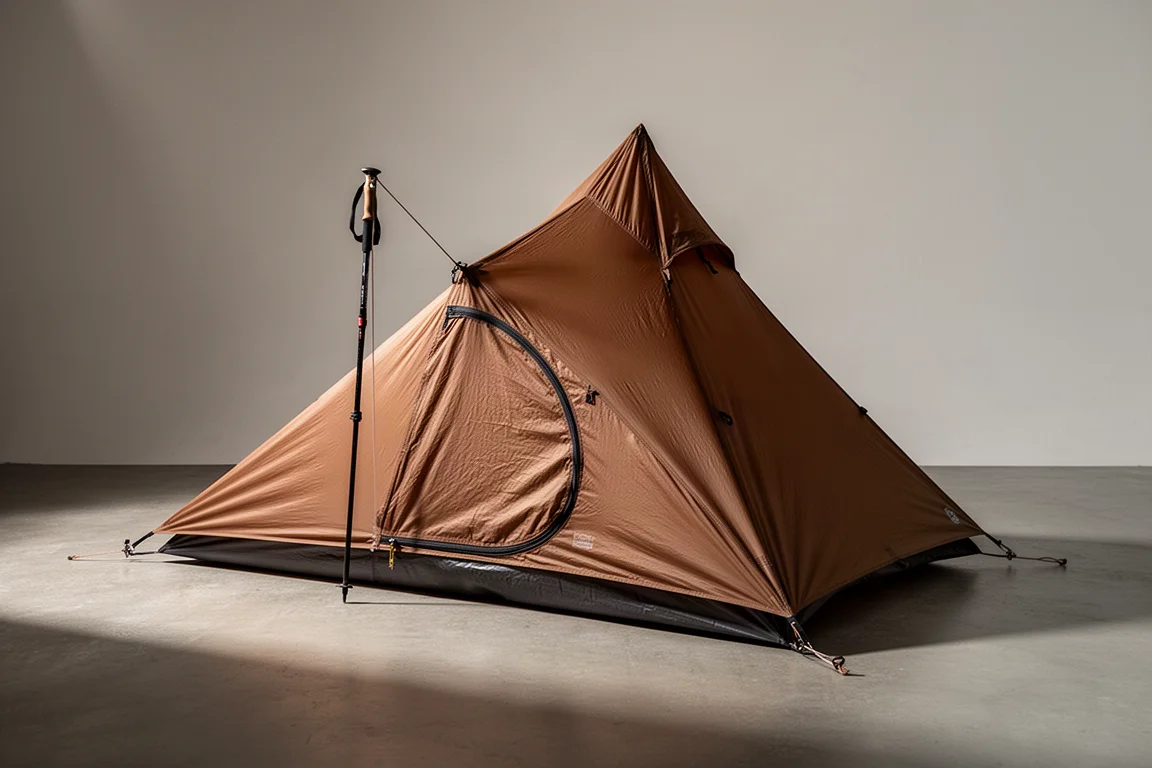
3F UL Lanchan Pro 1 Review: A 1 lb 8 oz Single-Wall Trekking Pole Tent
A practical look at the 3F UL Lanchan Pro 1, a single-wall trekking pole shelter with a 1 lb 8 oz weight, 20D silnylon fabrics, and a roomy 90 x 31 x 49 inch interior.
Backpacking Tents
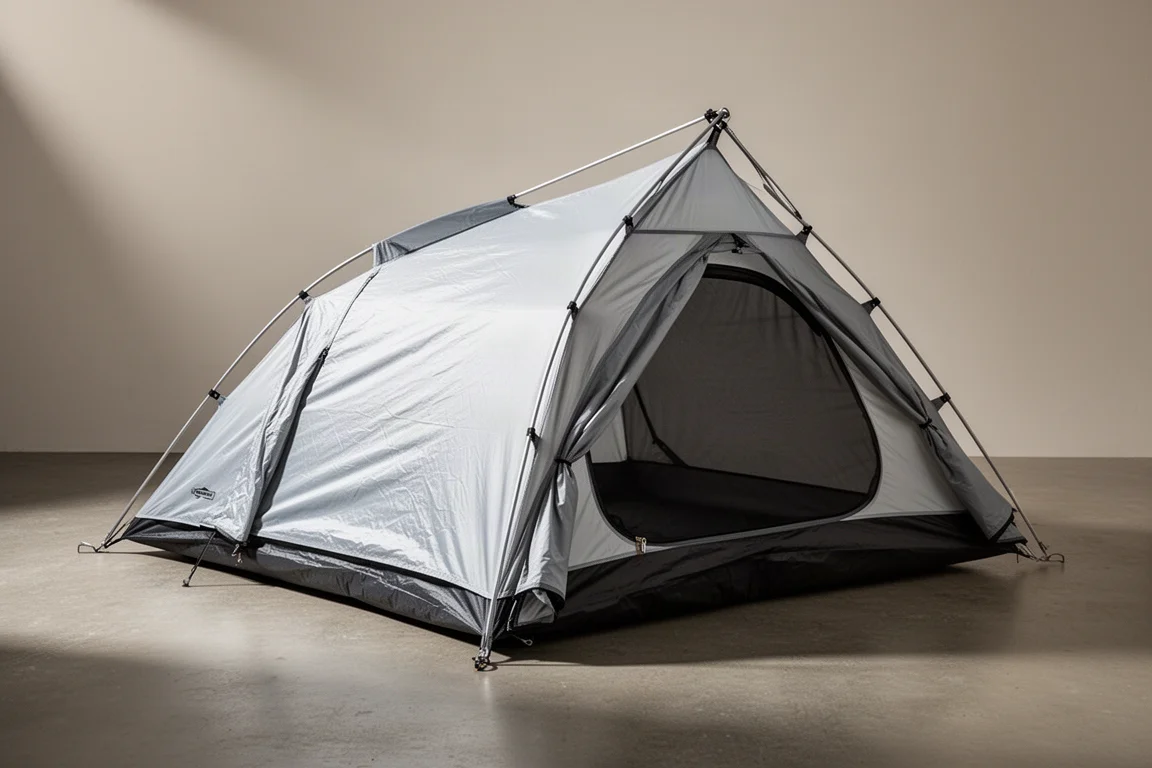
3F UL Taiji 2-Person Tent: A Convertible Backpacking Shelter Worth a Closer Look
A practical look at the 3F UL Taiji two-person tent, covering its materials, true two-person interior, fly-first pitching, and the seasonal inner swap that lets one shelter cover more of the year.
Backpacking Tents
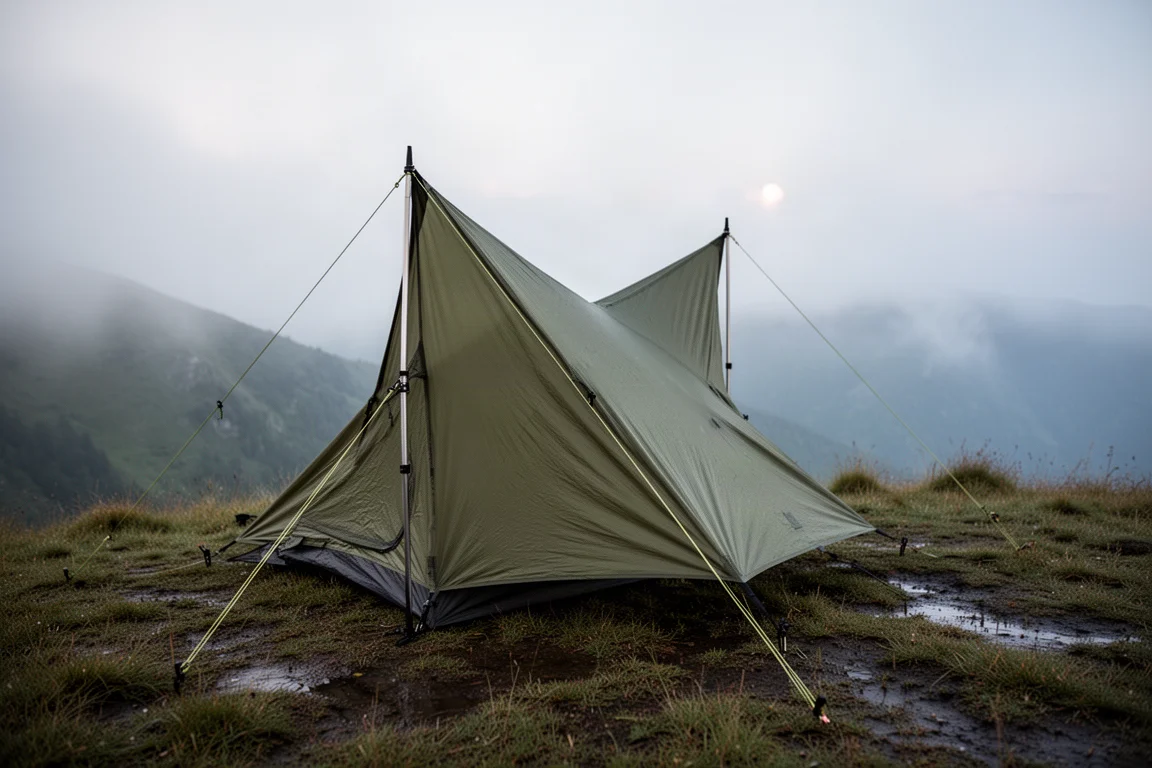
3FUL Lanshan Twoerson Pro Review: A Light Trekking Pole Shelter That Struggled in Rain
A two-person trekking pole shelter with a 2026 redesign, pitched with sticks and put through a night of steady rain. Here is what worked, what did not, and what to check before buying.