Backpacking Tents
Durston X-Mid Pro 1 Review: A Dyneema Ultralight Tent That Keeps the Practical Details
A single-wall Dyneema trekking pole shelter that stays close to a pound while holding on to vents, a waterproof zipper, and interior pockets.
Introduction
Ultralight shelters usually ask you to trade something away. You can go very light, or you can have a tent that is genuinely pleasant to spend a night in, but the category has a long history of forcing that choice. The Durston X-Mid Pro 1 is built around a different premise: take the weight out of the fabric, not out of the design.
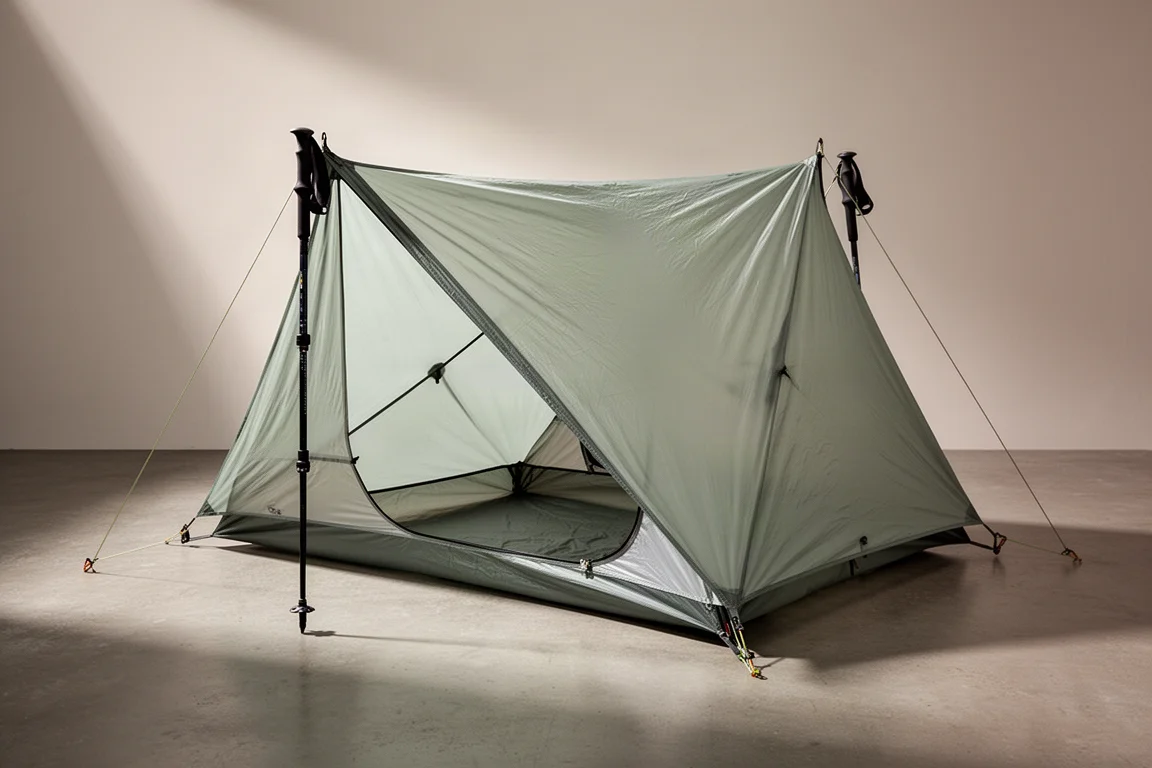
This is the one-person version of Durston Gear’s Dyneema composite platform, and it is a clear step away from earlier iterations. The previous shelter used a polyester fly. This one uses 0.5 oz Dyneema composite fabric, known as DCF, while the floor is built from 15 denier nylon. The result is a single-wall trekking pole tent that lands near a pound on the scale while keeping a waterproof fly zipper, condensation vents, and interior pockets.
Durston Gear is a small, family-run operation, and the tents are designed in-house with heavy input from the people who actually use them. That shows in the details here, because most of the choices on this tent read like answers to specific complaints rather than spec-sheet decoration.
Who This Tent Is For
The X-Mid Pro 1 is aimed at backpackers who count grams but still want a shelter that behaves well when the weather turns. It suits long-mileage trips, thru-hikes, and fast-and-light objectives where every ounce in the pack has to justify itself. It is a trekking pole shelter, so it assumes you are already carrying poles and are comfortable pitching with them.
The footprint is deliberately compact. The fly measures 98 inches long and 63 inches wide, which is 17 inches narrower than the two-person version. That narrower shape drops the ground footprint considerably and makes the tent easier to place in tight, wooded sites where a wider shelter simply will not fit between the trees.
It is also radially symmetrical, which means there is no dedicated head end or foot end. You can rotate the tent on its footprint and it behaves the same way, so you are never stuck pitching it around a fixed orientation.
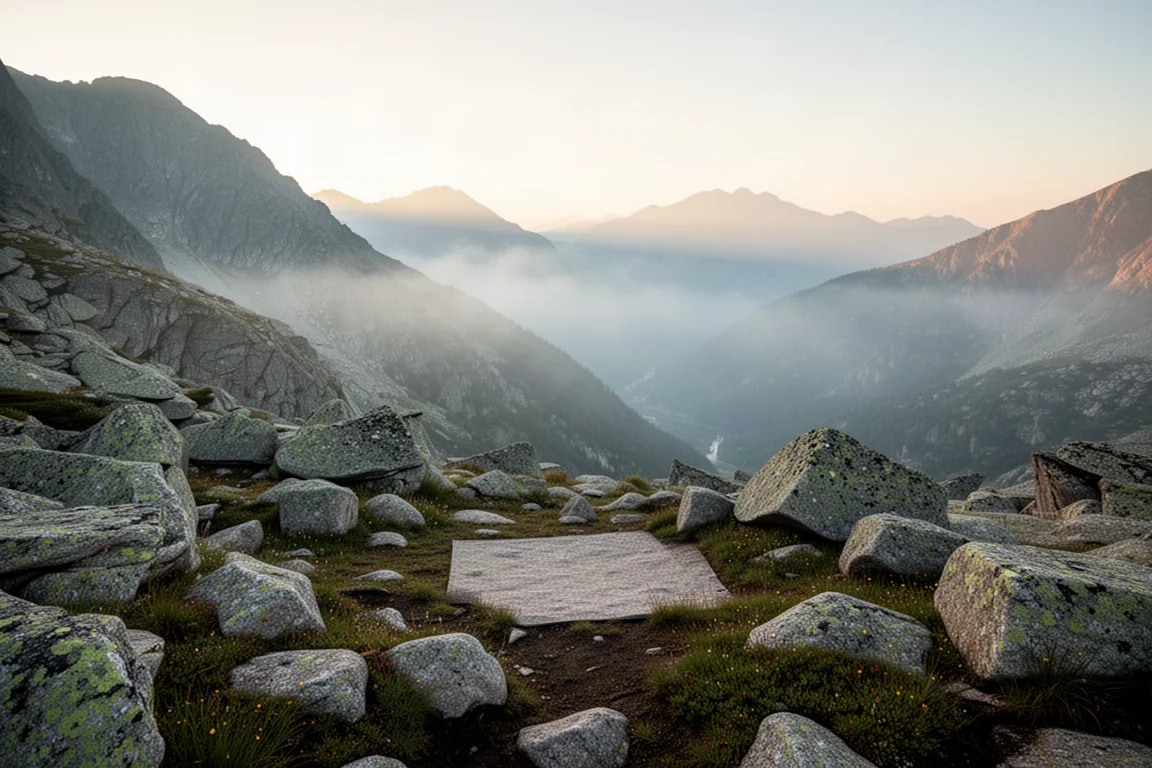
For anyone moving from a heavier double-wall shelter, the appeal is straightforward: a tent that disappears into the pack but still sets up as a proper, weather-worthy structure rather than a shaped tarp.
Main Strengths
The headline change is the material. Dyneema composite fabric weighs less than half of the earlier polyester build, which is where most of the weight saving comes from. It is also described as roughly two to three times the strength of a conventional woven fabric, and it does not absorb water at all. Structurally it behaves like a reinforced plastic, with the load-bearing fibres laminated inside the sheet.
That material is the 0.5 oz grade of DCF, and it is used for the fly. The floor is a different story. DCF is excellent in tension because its fibres sit inside the laminate, but that same construction makes it less resistant to abrasion and punctures, which is a poor match for something you kneel and slide gear across. A Dyneema floor would also have to be built thicker to survive that duty, and it would pack down larger. The 15 denier nylon floor solves both problems at once: it packs smaller, stays just as light, and handles abrasion and punctures better.
The payoff is that the tent stays close to a pound without the usual ultralight penalties. Lighter shelters do exist, but the margin is small, and closing that gap usually costs you stakes, ventilation, and a usable door. The X-Mid Pro 1 keeps the full feature set and stays within a few ounces of the very lightest options.
Setup and Everyday Details
The basic shape is a rectangle, and that is a deliberate decision. A rectangular footprint goes up quickly and predictably, which matters most when the weather is bad and you want to be inside rather than fiddling with a complicated pitch. Four stakes establish the core shape, and you can add more to beef the shelter up when conditions demand it.
The pole geometry is where the design earns its keep. Two poles are offset rather than placed on the centre line, which makes the end walls noticeably steeper. That steeper angle does not show up on a spec sheet, but it changes how the interior actually feels.
The fly uses a proper waterproof zipper rather than clips or a slit. Zippers on a shelter are a one-handed operation, reachable from inside, and they add rigidity to the structure because they do not interrupt the panel the way a cut opening does. The magnetic door closure has also been refined: the magnet itself is unchanged, but less material now sits on top of it, so it holds more firmly than before.
Space, Ventilation, and Weather Protection
The floor is 90 inches long, and because of those steep end walls, that 90 inches is usable rather than nominal. Many shelters quote a similar floor length while sloping inward so aggressively that the space near your head and feet becomes unusable. Here the walls stay steep, so the floor is still a genuine 90 inches at roughly a foot and a half off the ground.
The one-person version was not shrunk down from the two-person design. Removing the interior mesh walls opens the space right out to the fly, and the resulting interior volume is close to 50 percent larger than the main competitors in this class. That is the kind of difference you notice on a long night when you want to sit up, change layers, or sort gear without fighting the walls.
Ventilation is treated as a feature rather than an afterthought. The vents are included specifically to manage condensation, and in cold overnight conditions down into the teens Fahrenheit the venting has kept condensation in check. The design philosophy is to build a shelter that genuinely works rather than one that wins a weight contest by deleting useful parts.
Things to Consider Before Buying
A few details are worth knowing before you commit.
The door toggles use shock cord without cord locks, a decision made to save a few grams. The loop can still be worked one-handed if you do not pull it too tight, and you can hook a finger through it to release it. In practice, though, the toggle can work loose unless you tie it off, which adds a small step every time you close up the door.
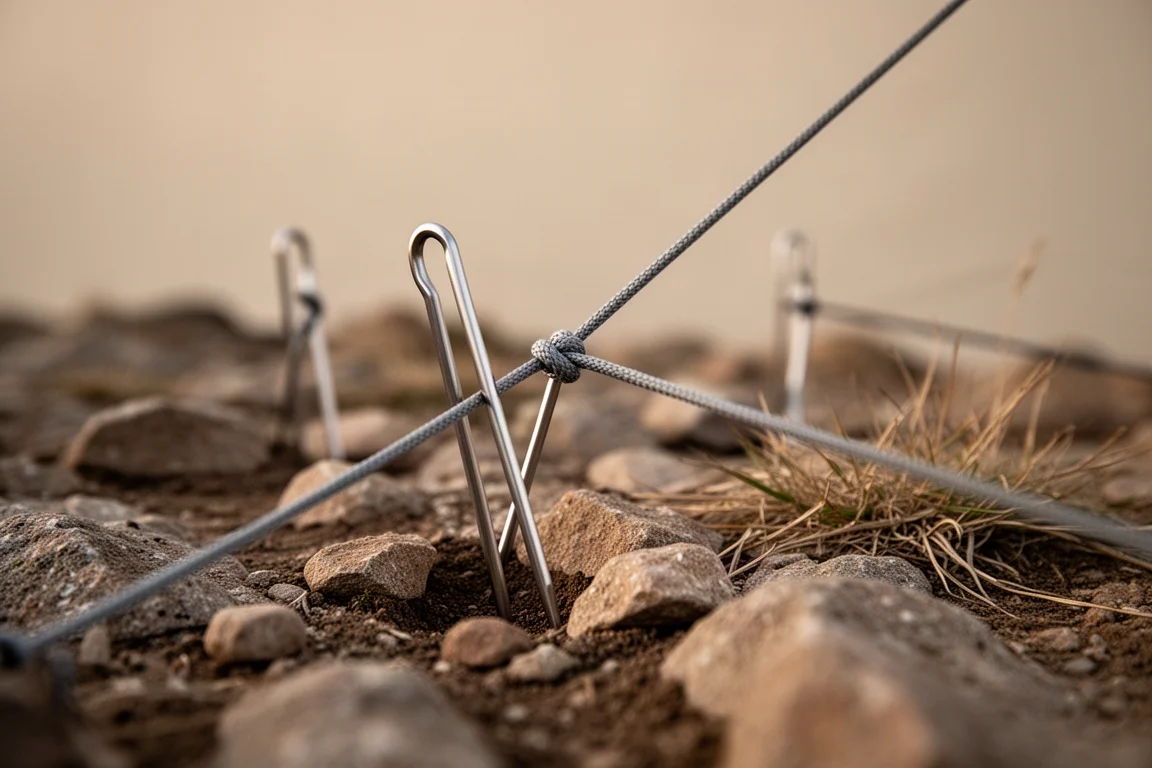
The ten included stakes are functional but not the best available. Supply constraints in the stake market have limited what small brands can source, and the tent is sold with the stakes as an optional item for that reason. Better stakes are in development, but the ones in the box are a placeholder rather than a highlight.
There is also no loop in the ceiling or roof for hanging a headlamp. Interior pockets were added after sustained user demand and are a genuinely useful upgrade, but the ceiling hang loop has not made it into this model. If you like a lamp overhead in the evening, plan to improvise.
Finally, this is a single-wall shelter. Removing the interior mesh walls is exactly what creates the generous interior volume, but it also means there is no separate inner layer to manage moisture and airflow the way a double-wall tent does.
How the One-Person Version Differs From the Two-Person
The two versions share a platform but not a personality. The two-person is built to be as light as possible for its class, which makes it a little smaller than a conventional two-person tent. The one-person version goes the other way: it was not shrunk down, and with the mesh inner removed the interior feels unusually large for a solo shelter.
On paper the length difference is small. The one-person fly is 98 inches long against 100 inches for the two-person, a difference of two inches. The width is where they separate, dropping from 80 inches to 63 inches. That narrower fly is what makes the solo version so much easier to place in confined sites, and it is the main reason the one-person footprint is the more versatile of the two for wooded terrain.
Buying Advice
Dyneema composite fabric is expensive to build with, and that is reflected in where this tent sits in the market. This is a premium purchase, and the cost comes from the material rather than from branding or extras. If the budget is fixed, the value case rests on how many nights you will spend under it and how much the weight saving matters on your trips.
Availability has also been inconsistent. Stock comes and goes, so it is worth checking rather than assuming a particular size or configuration will be there when you want it.
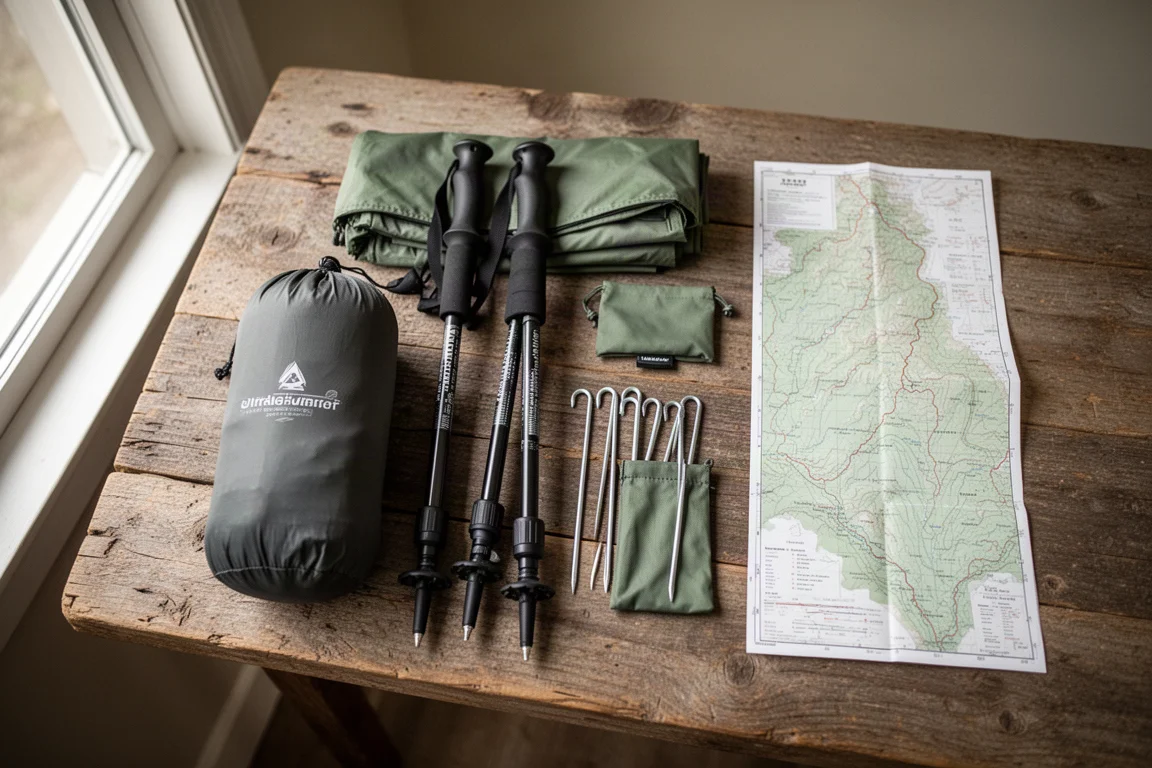
Buy this tent if you want a genuinely light solo shelter that still has vents, a proper zipper, usable interior volume, and a fast pitch. Look elsewhere if you want a double-wall design, need a ceiling hang loop out of the box, or expect premium stakes in the package. Those are small, fixable details, but they are real ones.
Conclusion
The Durston X-Mid Pro 1 succeeds because it refuses the usual ultralight bargain. Instead of stripping features to reach a number, it moves the weight out of the fabric and keeps the parts that make a tent work in bad weather.
The 0.5 oz Dyneema fly and 15 denier nylon floor deliver the low weight, while the rectangular pitch, offset poles, steep end walls, waterproof zipper, and condensation vents deliver the livability. The near-50 percent interior volume advantage over its main competitors is the detail that most clearly separates it from the rest of the class.
The compromises are modest and specific: shock cord door toggles that can work loose, mediocre included stakes, and no ceiling loop for a headlamp. None of them undermine the shelter. For backpackers who want to travel fast without sleeping in a stripped-down compromise, this is one of the more convincing solo options available.
Product link
View more details for Durston X-Mid Pro 1
This product is mentioned in the review. Check the specifications, options, and compatibility before buying.
View more details for Durston X-Mid Pro 1Further reading
Related Reviews
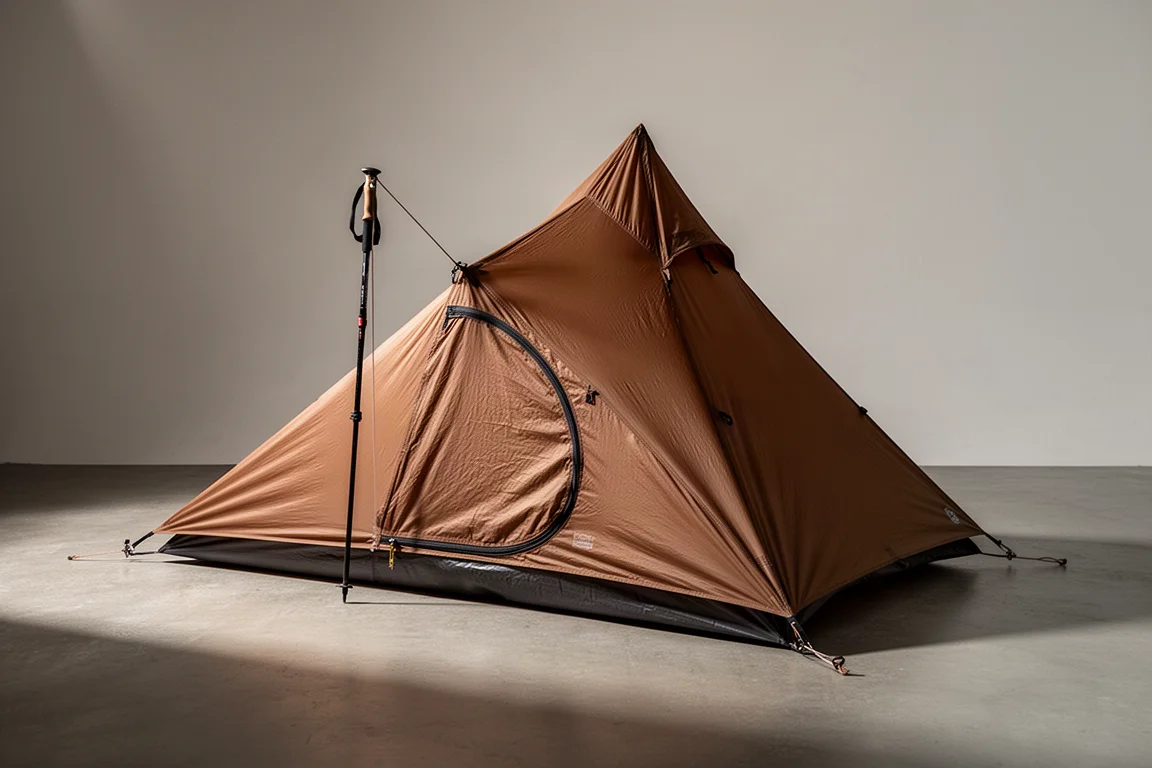
Backpacking Tents
3F UL Lanchan Pro 1 Review: A 1 lb 8 oz Single-Wall Trekking Pole Tent
A practical look at the 3F UL Lanchan Pro 1, a single-wall trekking pole shelter with a 1 lb 8 oz weight, 20D silnylon fabrics, and a roomy 90 x 31 x 49 inch interior.
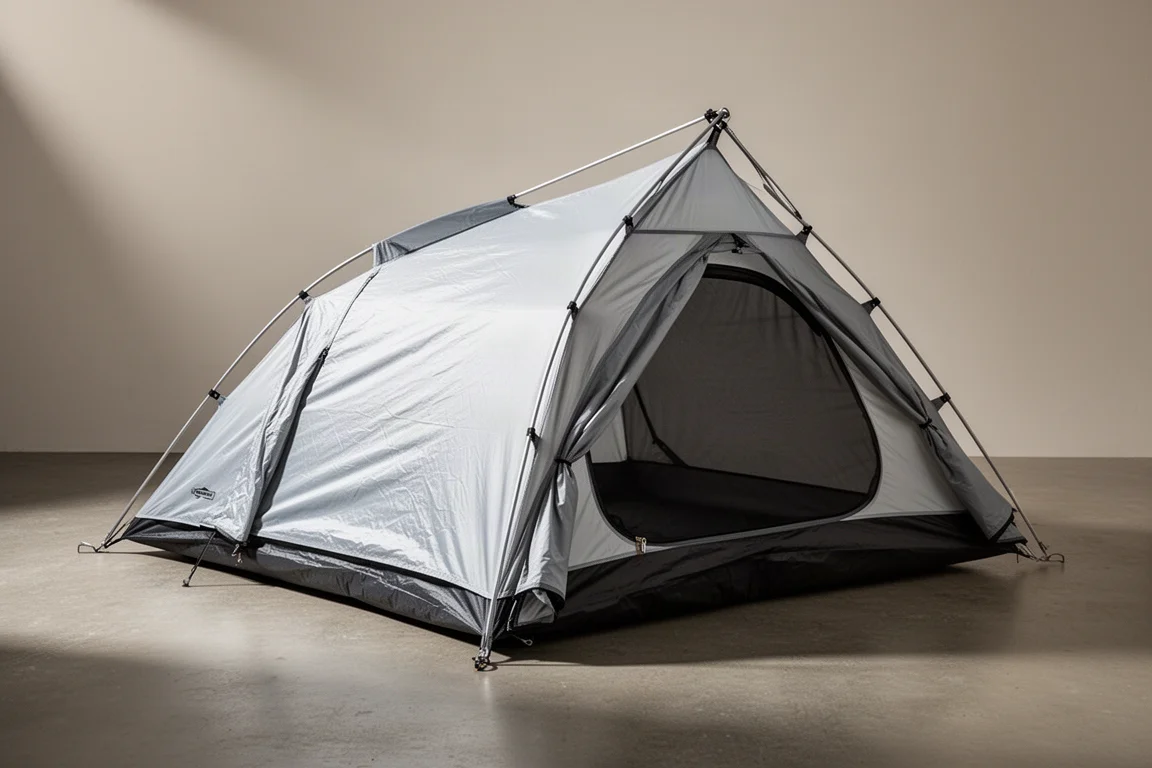
Backpacking Tents
3F UL Taiji 2-Person Tent: A Convertible Backpacking Shelter Worth a Closer Look
A practical look at the 3F UL Taiji two-person tent, covering its materials, true two-person interior, fly-first pitching, and the seasonal inner swap that lets one shelter cover more of the year.
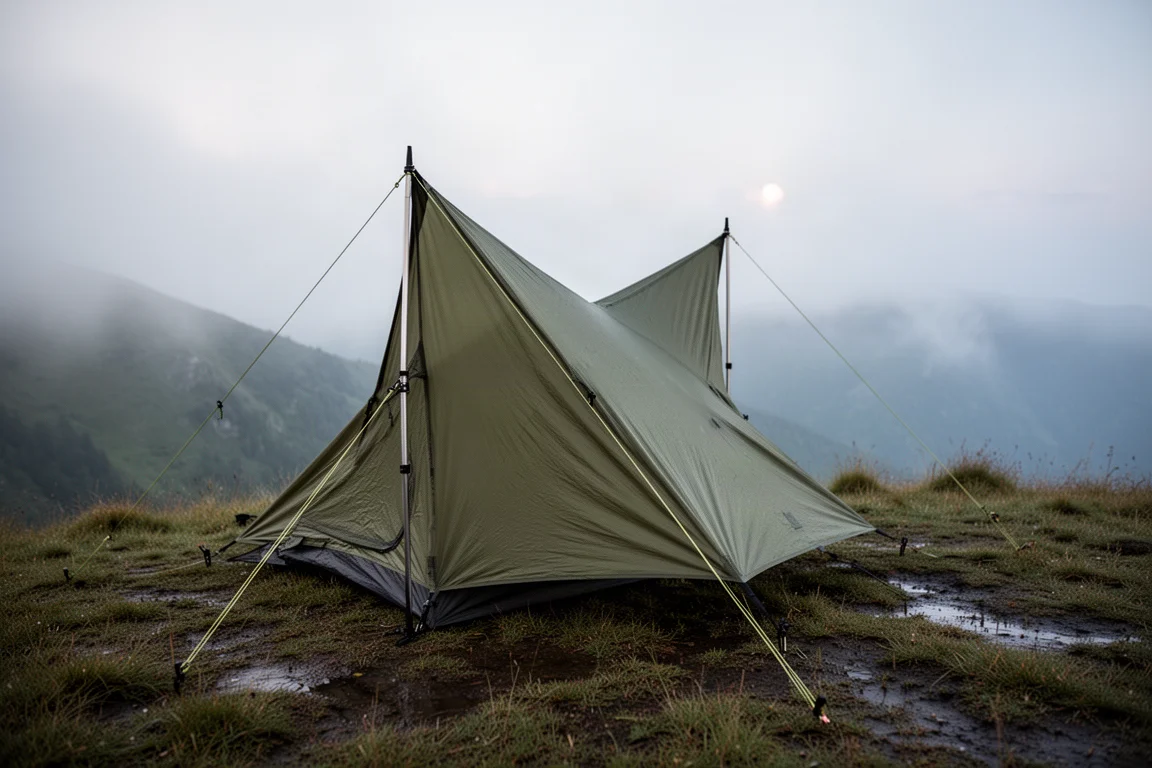
Backpacking Tents
3FUL Lanshan Twoerson Pro Review: A Light Trekking Pole Shelter That Struggled in Rain
A two-person trekking pole shelter with a 2026 redesign, pitched with sticks and put through a night of steady rain. Here is what worked, what did not, and what to check before buying.