Backpacking Tents
Durston X-Mid and X-Dome: Two Ultralight Tent Designs Worth Knowing
A closer look at two Durston Gear shelters, the trekking pole X-Mid and the freestanding X-Dome, and how to decide which one fits the way you hike.
Introduction
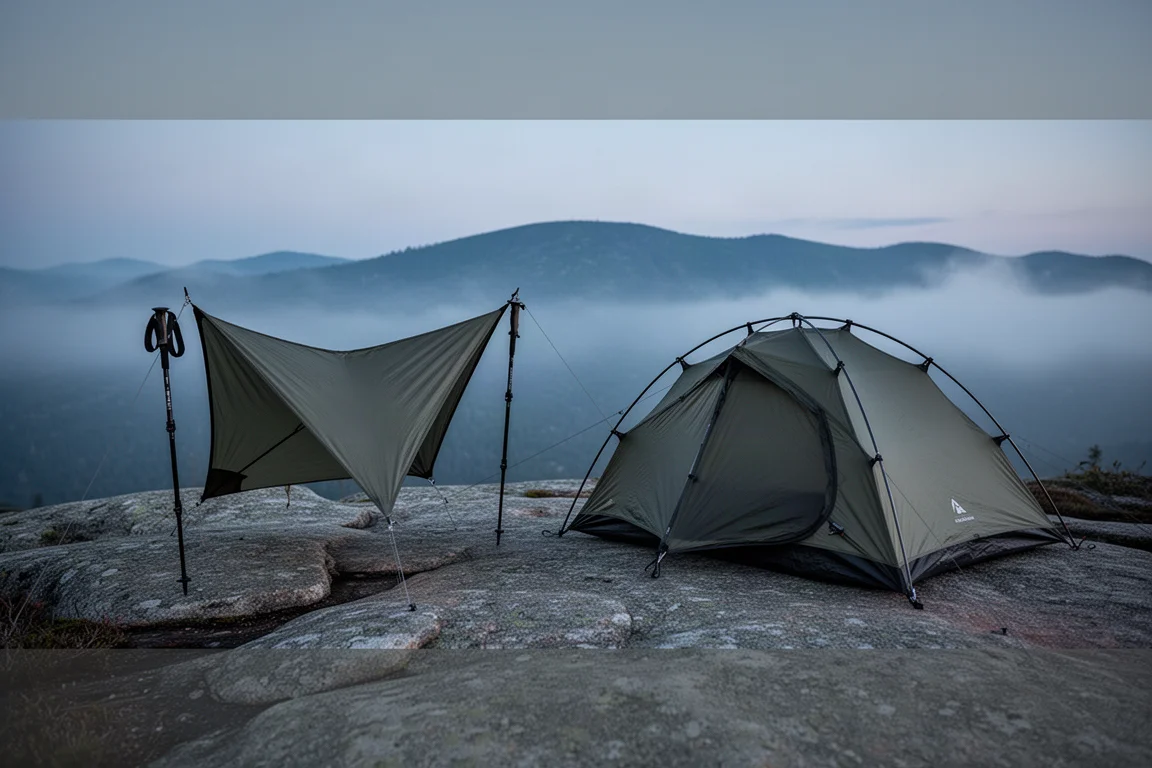
Backpacking tents have changed remarkably little over the past decade. That is not because designers have run out of ideas. It is because large outdoor retailers buy what already sells, and brands that depend on those retailers build what they know will be purchased. The result is a market full of small refinements presented as new models.
Smaller brands do not have that luxury. Without name recognition to lean on, they have to solve problems that larger companies avoid, and that is where genuinely different gear comes from. Durston Gear is one of the clearest examples in backpacking today, and two of its shelters show the two directions that tent design can take.
Why Small Brands Push Tent Design Forward
Retail inventory decisions reward proven sellers. A brand that wants shelf space has a strong incentive to keep a familiar shape and colourway and change only enough to call it new. Small brands face the opposite pressure: they have to stand out to be noticed at all.
Durston Gear earned attention by taking the traditional trekking pole tent, stripping it back, and simplifying it into something that works well with very little. That approach has since spread across the category, and these shelters have become a common sight on long trails and in mainstream coverage.
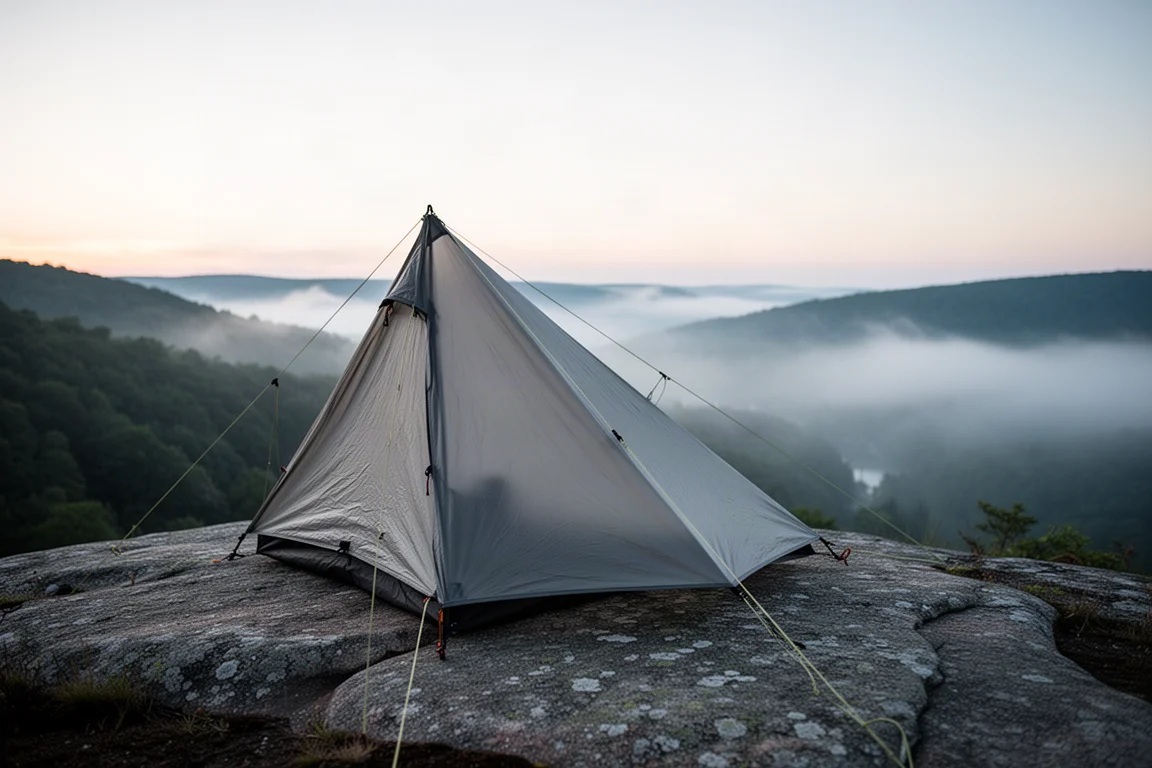
The follow-up question is what a brand does once a simple design is established. In this case, the answer was to attack a different problem, the freestanding tent, rather than keep iterating on the same shape.
Durston X-Mid: A Trekking Pole Tent, Refined
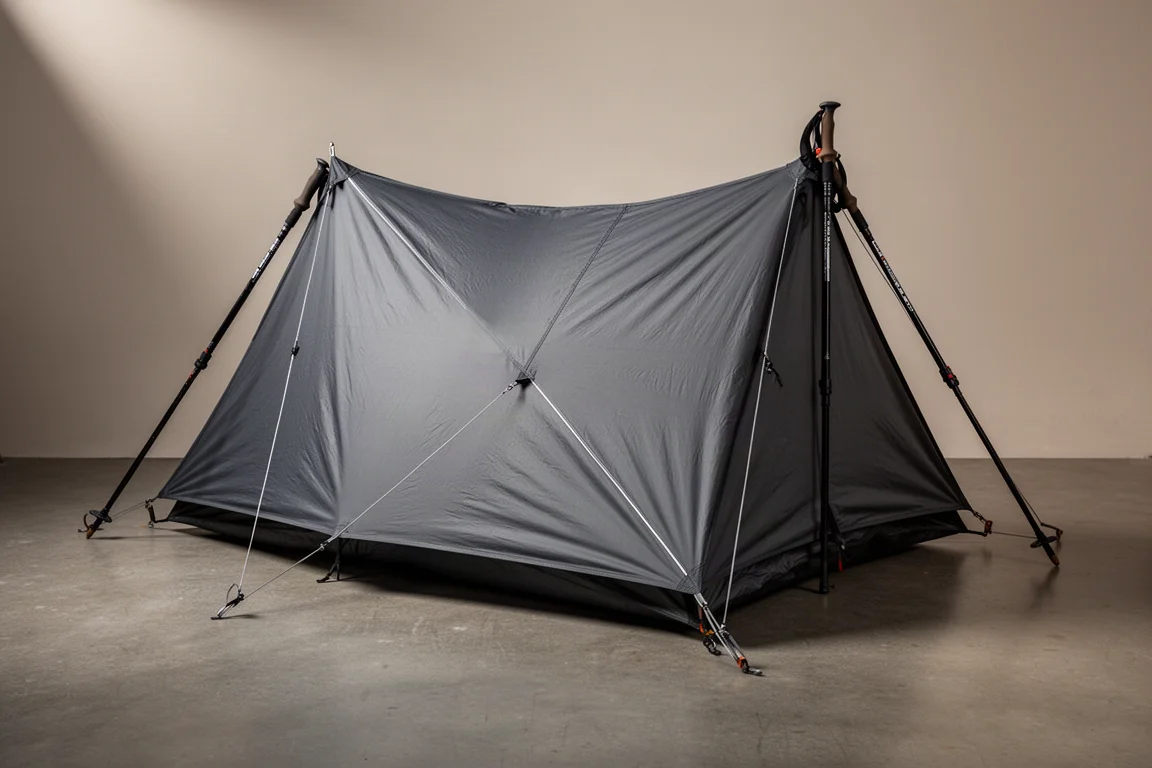
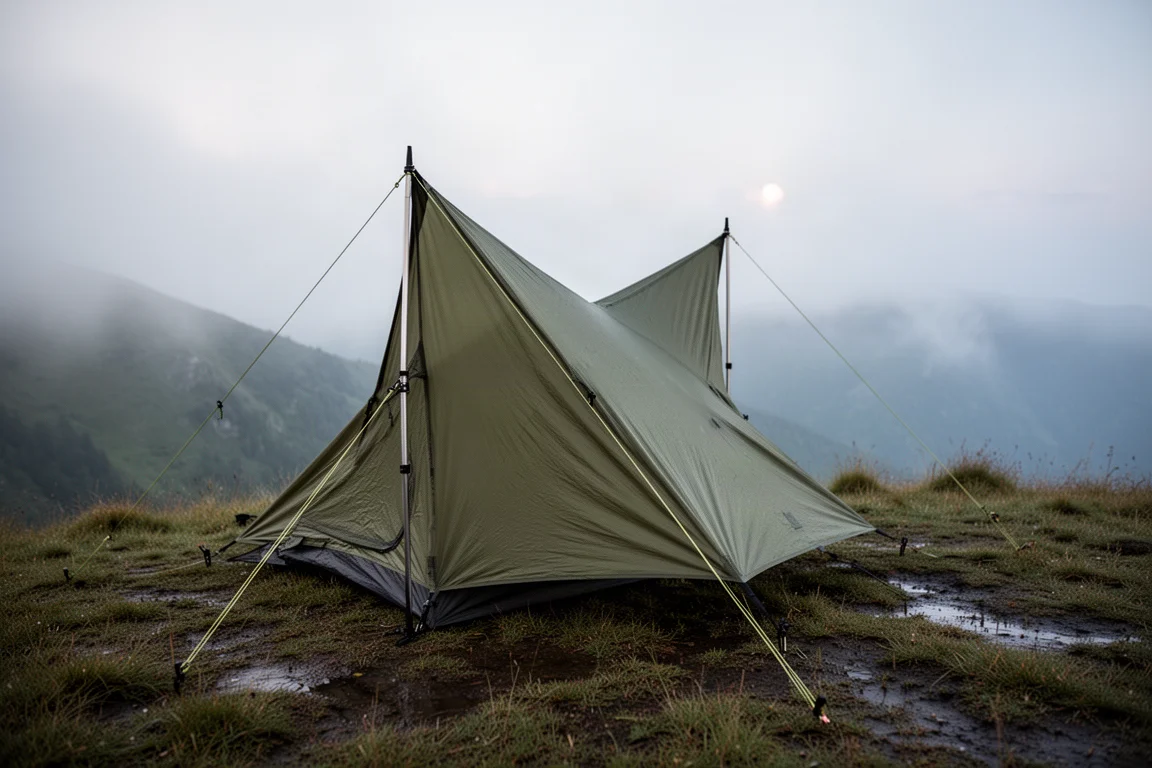
The X-Mid is the shelter that established Durston Gear. It reworked the traditional trekking pole tent into a simpler, more approachable design, and the family has grown into several versions that now appear on trail and in wider coverage alike.
Two things keep it relevant. First, the underlying design is straightforward enough to pitch and live with without a long learning curve. Second, the original X-Mid remains extremely affordable, which matters in a category where ultralight gear often carries a steep premium.
Durston X-Dome: Freestanding With Fewer Trade-Offs
Freestanding tents have always asked for a compromise. If you want a shelter that stands up without stakes or trekking poles, you generally carry more weight or accept less interior room.
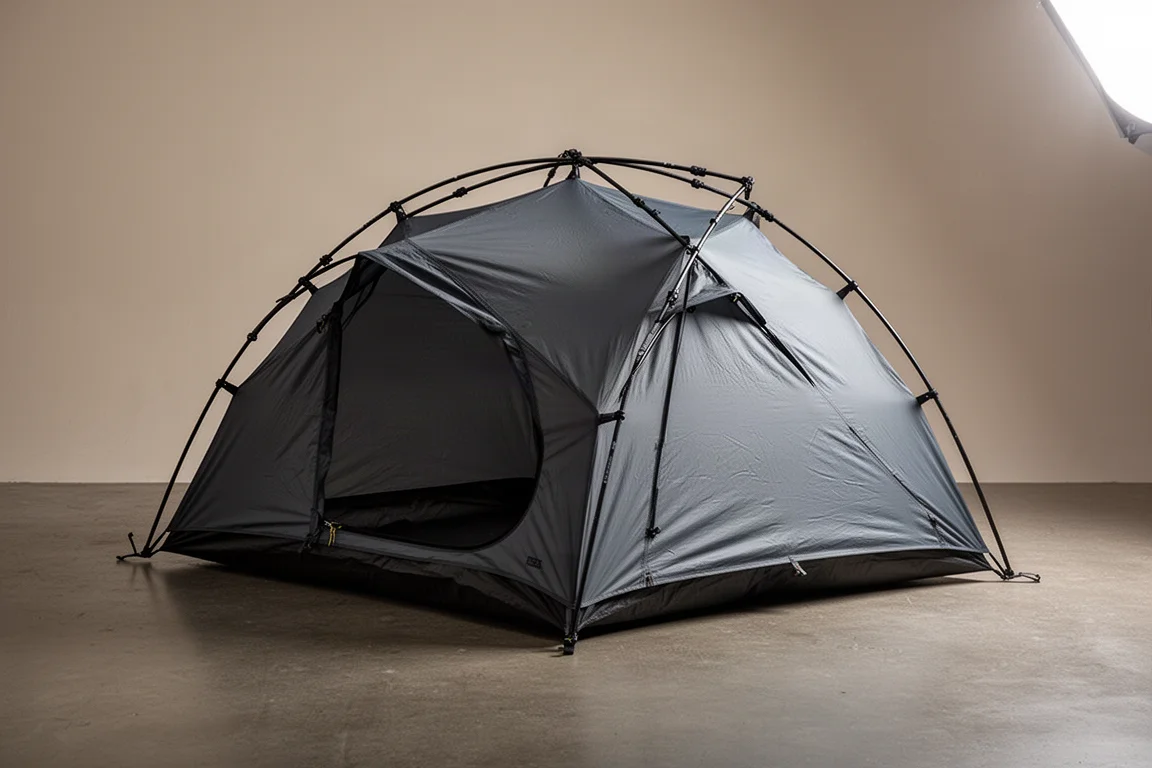
The X-Dome is designed to reduce that compromise. It offers more space at a lower weight than traditional freestanding tents, helped by high-end features such as carbon fiber poles. It also keeps the simplified approach that made the X-Mid successful rather than layering on complexity.
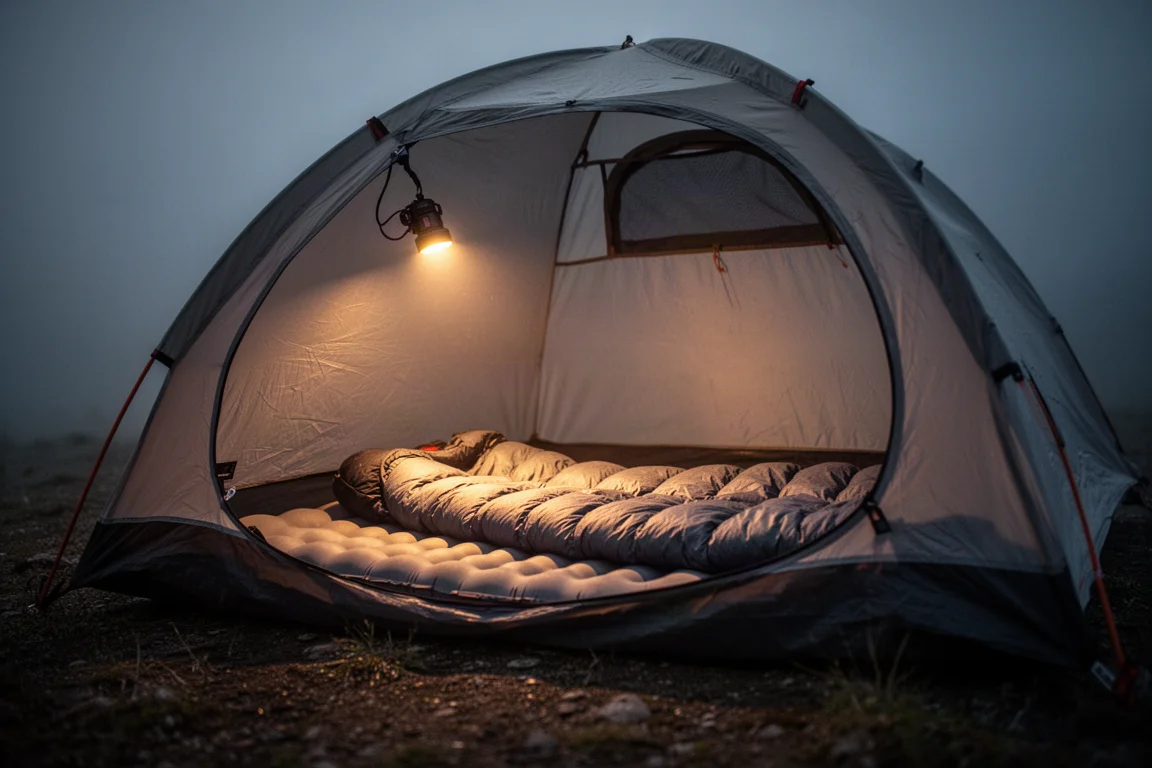
One detail stands out for anyone who hikes in wet conditions: the X-Dome is one of the only freestanding tents that can be pitched fly first. The protective outer layer goes up before the inner, so the sleeping area is never left exposed during setup.
Pitch Fly First: Why Setup Order Matters
Most tents go up inner first, which is fine in dry weather and frustrating in a downpour. Pitching the fly first reverses that order: the waterproof layer is established before anything that needs to stay dry is exposed.
This matters most on multi-day trips where weather can turn quickly. When a shelter can be pitched fly first, a sudden shower becomes an inconvenience rather than a soaking. It is a small design decision with an outsized effect on how a tent feels when conditions are poor.
Space, Weight, and Packability Compared
The two shelters represent different answers to the same question. The X-Mid keeps things simple and light by relying on trekking poles, which most long-distance hikers carry anyway. The X-Dome gives up that dependence in exchange for a freestanding structure and carbon fiber poles.
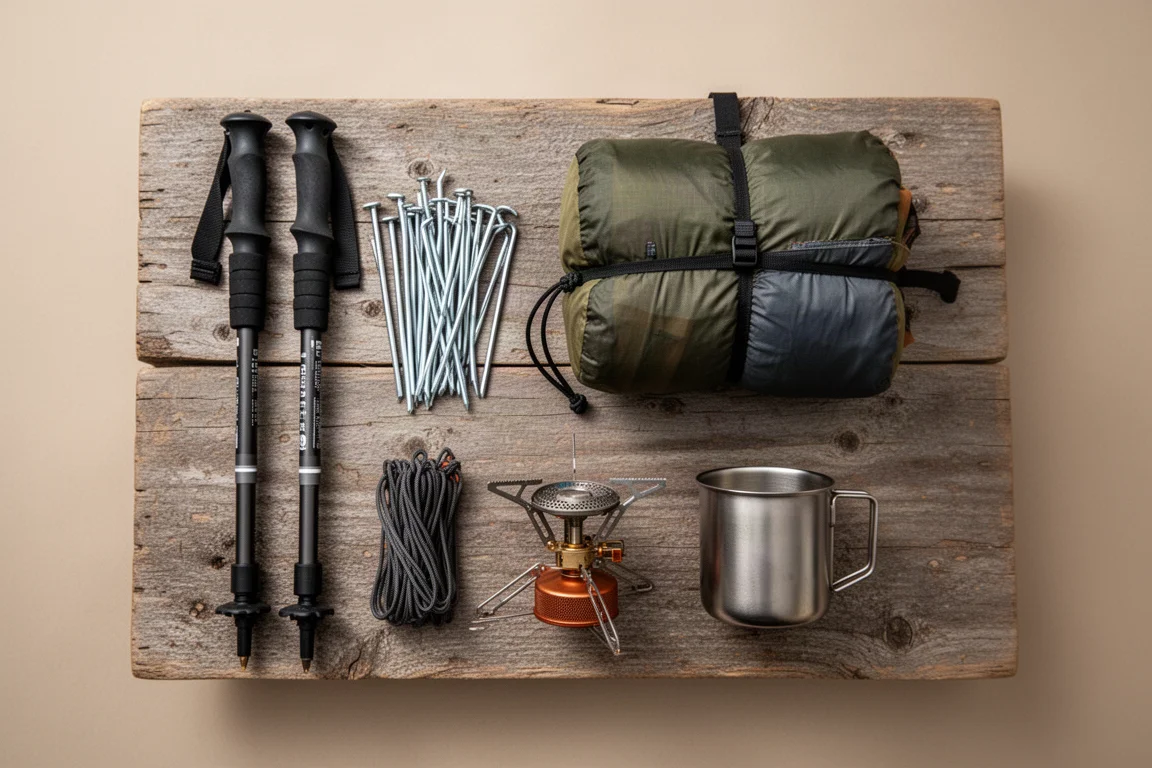
Neither approach is universally better. A trekking pole shelter rewards hikers who already use poles and want the simplest possible setup. A freestanding shelter rewards hikers who want a tent that stands on its own and who value interior room.
Who Each Tent Suits
The X-Mid suits backpackers who hike with trekking poles and want a proven, affordable ultralight shelter with a simple design. It is a natural choice for long-distance hikers who care about weight and cost.
The X-Dome suits backpackers who specifically want a fully freestanding tent but do not want to give up space or carry unnecessary weight. It is also the more appealing option for anyone who expects to set up in rain.
Buying Advice Before You Commit
Start with how you actually hike. If trekking poles are part of your kit and you are comfortable with a non-freestanding pitch, the X-Mid delivers a refined version of a design that has been widely adopted, at a price that makes it an easy entry point into ultralight shelters.

If you have ever struggled to pitch a tent in bad weather, or you simply want a shelter that stands up without poles, the X-Dome is the more practical answer. Its combination of freestanding structure, carbon fiber poles, and fly-first pitching addresses problems that many freestanding tents simply live with.
Either way, both shelters come from the same design philosophy: simplify what already works and fix what does not.
Conclusion
Innovation in backpacking tents tends to come from brands that cannot rely on shelf space and name recognition alone. Durston Gear has built its reputation on exactly that kind of problem solving, first by refining the trekking pole tent with the X-Mid, then by rethinking what a freestanding tent has to cost in weight and interior space with the X-Dome. For backpackers choosing between the two, the decision comes down to whether you carry trekking poles and how much you value a shelter that stands on its own.
Further reading
Related Reviews
Backpacking Tents
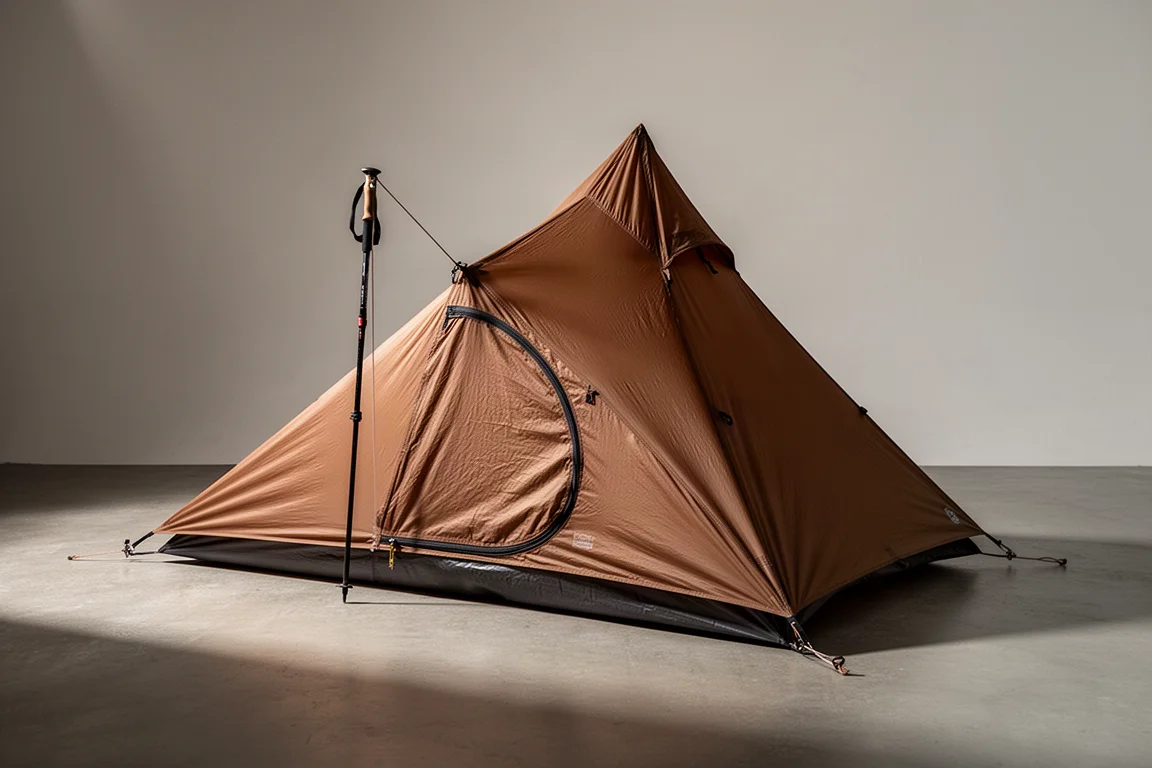
3F UL Lanchan Pro 1 Review: A 1 lb 8 oz Single-Wall Trekking Pole Tent
A practical look at the 3F UL Lanchan Pro 1, a single-wall trekking pole shelter with a 1 lb 8 oz weight, 20D silnylon fabrics, and a roomy 90 x 31 x 49 inch interior.
Backpacking Tents
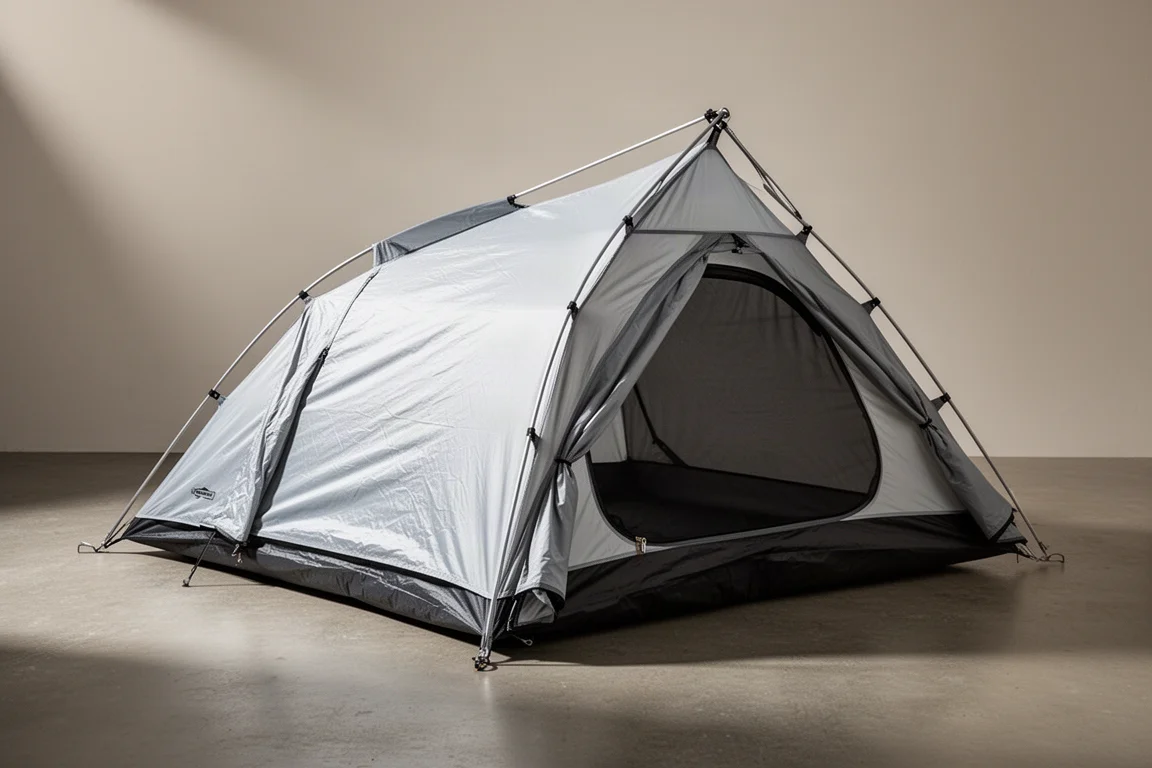
3F UL Taiji 2-Person Tent: A Convertible Backpacking Shelter Worth a Closer Look
A practical look at the 3F UL Taiji two-person tent, covering its materials, true two-person interior, fly-first pitching, and the seasonal inner swap that lets one shelter cover more of the year.
Backpacking Tents
3FUL Lanshan Twoerson Pro Review: A Light Trekking Pole Shelter That Struggled in Rain
A two-person trekking pole shelter with a 2026 redesign, pitched with sticks and put through a night of steady rain. Here is what worked, what did not, and what to check before buying.