Backpacking Tents
Durston X-Mid 2 vs Durston X-Dome 2: Which Two-Person Backpacking Tent Suits You?
Two double-wall two-person tents from the same design family, split by one structural choice: trekking poles or a freestanding carbon frame. Here is how weight, wind performance, setup, and interior space actually compare.
Introduction
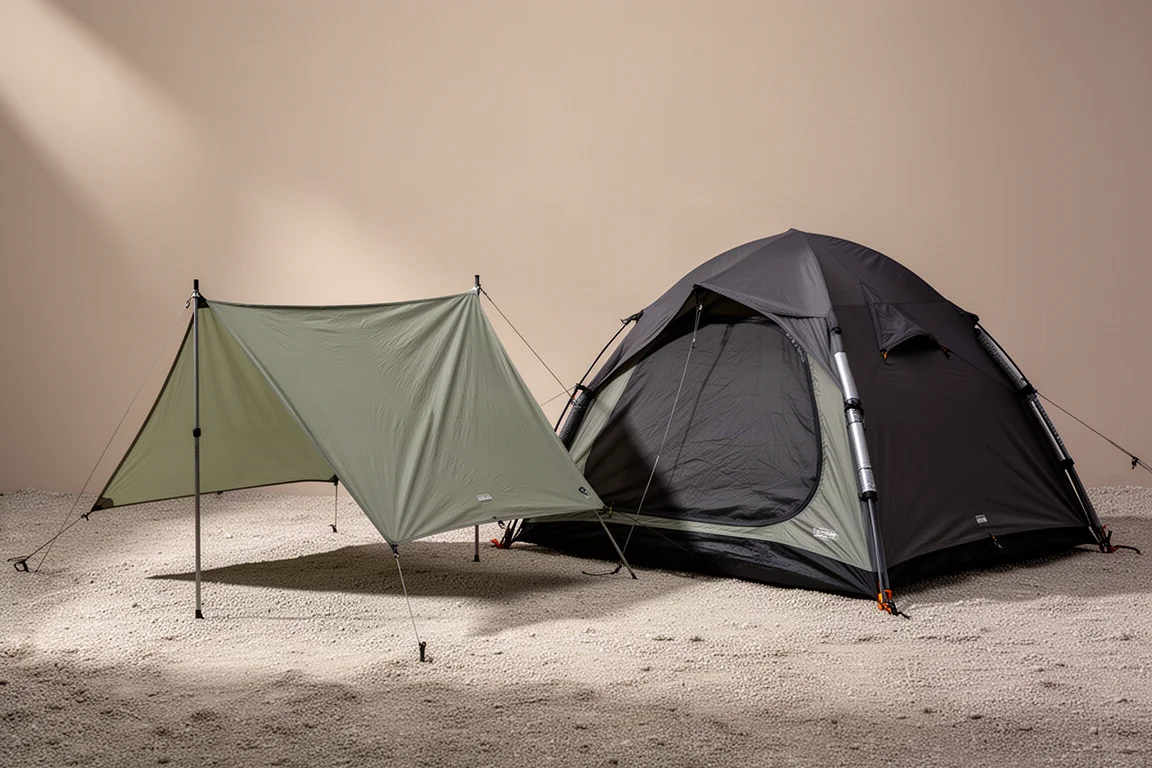
It is unusual for two backpacking tents to share this much DNA. The Durston X-Mid 2 and the Durston X-Dome 2 use the same double-wall layout, the same dual-door and dual-vestibule arrangement, and the same fly and floor fabric. The split comes down to one structural decision: the X-Mid 2 is built around trekking poles, while the X-Dome 2 carries its own carbon fibre frame and stands on its own.
That single choice shapes almost everything else, from how fast you get the tent up in uneven terrain to how it behaves in wind and how much usable headroom you get inside. What follows is a practical comparison of the two, and a clear view of who each tent is really for.
What the X-Mid 2 and X-Dome 2 Share
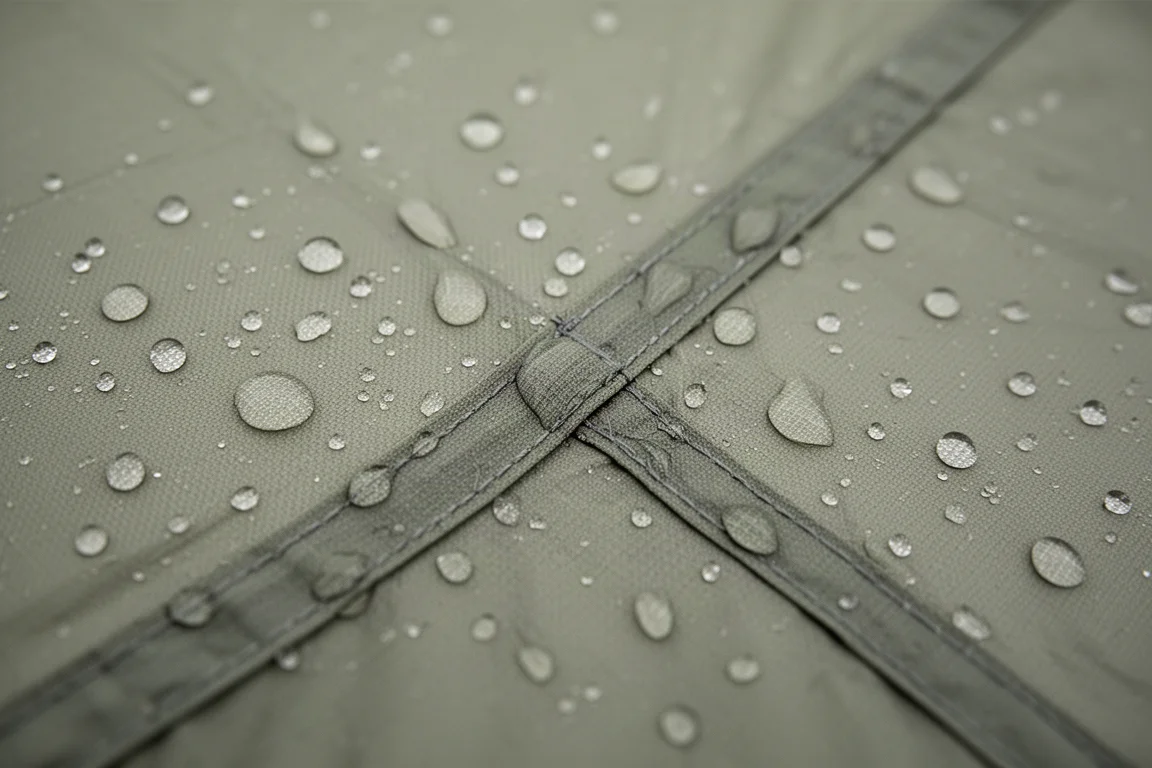
Both tents are double-walled with two doors and two vestibules, so each occupant gets their own entry and their own covered space for a pack. Both can be ordered with a mesh inner or a solid inner depending on the conditions you expect. Both use a 15D silpoly fly and floor, a fabric that does not sag or stretch when it gets wet, which matters more than it sounds: a taut pitch holds its shape through a long rainy night instead of drooping onto the inner.
Fly footprints are close but not identical. The X-Dome 2 covers 79 by 87 inches, while the X-Mid 2 is the larger of the two at 83 by 100 inches.
The clearest difference between the two designs is weight. The X-Mid 2 is the lighter tent, and that is the core of its appeal for backpackers who count grams on every trip.
Durston X-Mid 2: Trekking Pole Efficiency
The X-Mid 2 is a trekking pole shelter, which means you supply the structure. On genuinely flat ground it pitches with four corner stakes and two trekking poles, and the process is fast and simple. On uneven ground, where one corner sits noticeably higher or lower than the rest, you will spend extra time loosening and tightening guylines to get a clean, taut pitch.
It sets up all-in-one, which keeps the inner protected and dry while you work in bad weather. Pitching it inner-first requires the Stargazer kit, an additional piece of hardware with its own setup steps.
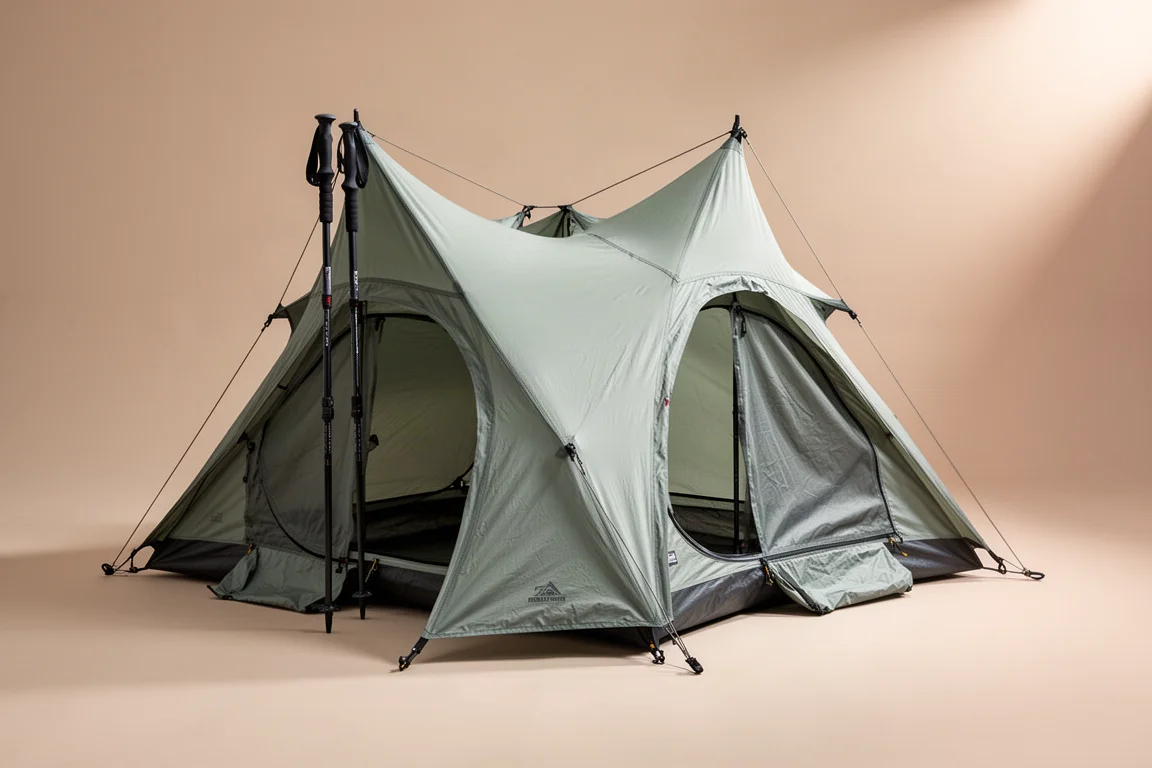
The offset pole geometry produces two low, angled walls that reduce headroom at two corners. Sitting up in the middle of the tent is comfortable, but two tall occupants will find one person’s head resting close to a sloping wall.
Where the X-Mid 2 pulls ahead is wind. Its angular walls shed gusts efficiently, and trekking poles are generally thicker than the poles used in freestanding tents, adding structural rigidity that resists bending or breaking when conditions turn.
Durston X-Dome 2: Freestanding Flexibility
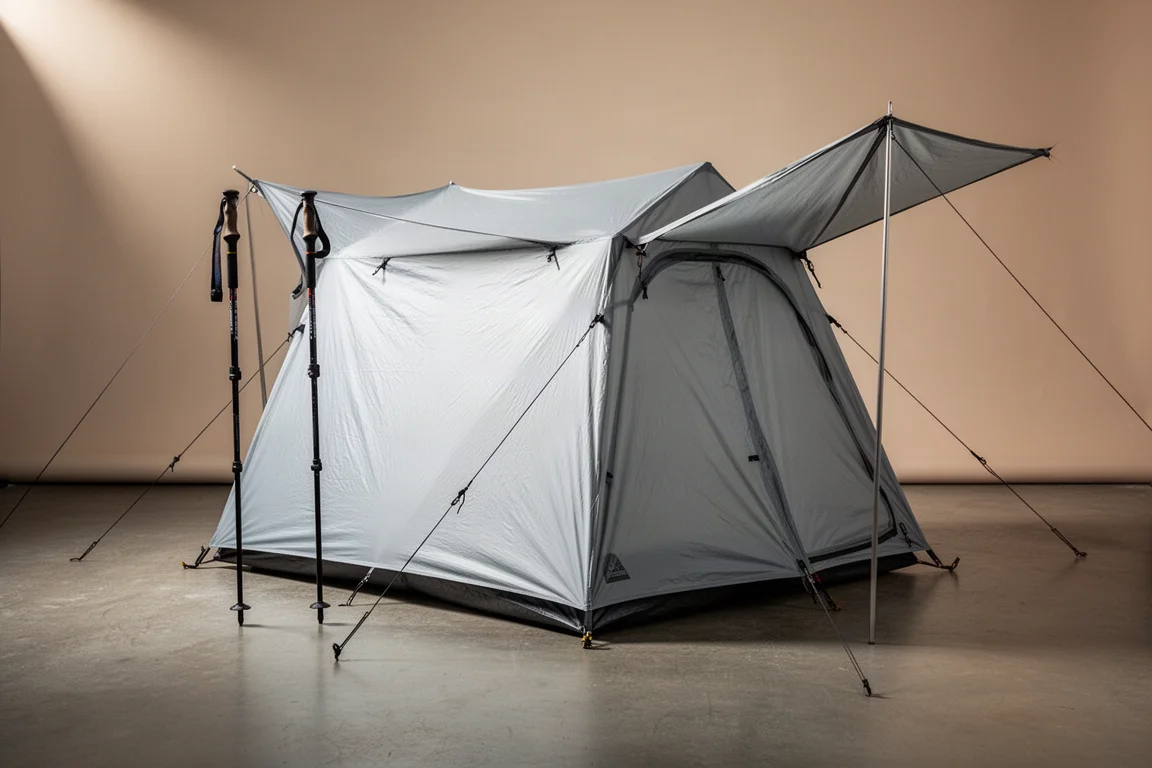
The X-Dome 2 is a true freestanding tent. It ships with carbon fibre poles and does not need a single stake to stand, including for the vestibules, though adding a couple of stakes is still worthwhile when wind picks up.
The pitch options are broader here. The X-Dome 2 can be set up all-in-one, inner-first, or outer-first, and the all-in-one and inner-first options keep the inner sheltered during setup in wet weather. That flexibility comes with fewer steps and less faffing than the X-Mid 2 requires for the same protection.
The trade-off appears in wind. The X-Dome 2 has tall, steep walls that catch a great deal of air. Trekking poles can be fitted on the door sides to brace those panels and stiffen the overall structure, but nothing can be added at the head and foot ends, and those are the areas that give up the most when gusts build.
Setup and Weather Protection
Comparing the two directly, the X-Mid 2 is the quicker pitch on flat, even ground, and the X-Dome 2 is the quicker and more forgiving pitch on everything else. If you regularly camp on rough, sloped, or rocky ground, the freestanding frame removes a lot of the fiddling that guylines demand.
In rain, the two tents are closely matched. Both rely on an all-in-one pitch and generous overlap between the fly and the doors, so the interior stays dry as you climb in and out. The 15D silpoly fly does not sag or stretch when saturated, which keeps the pitch tight overnight.
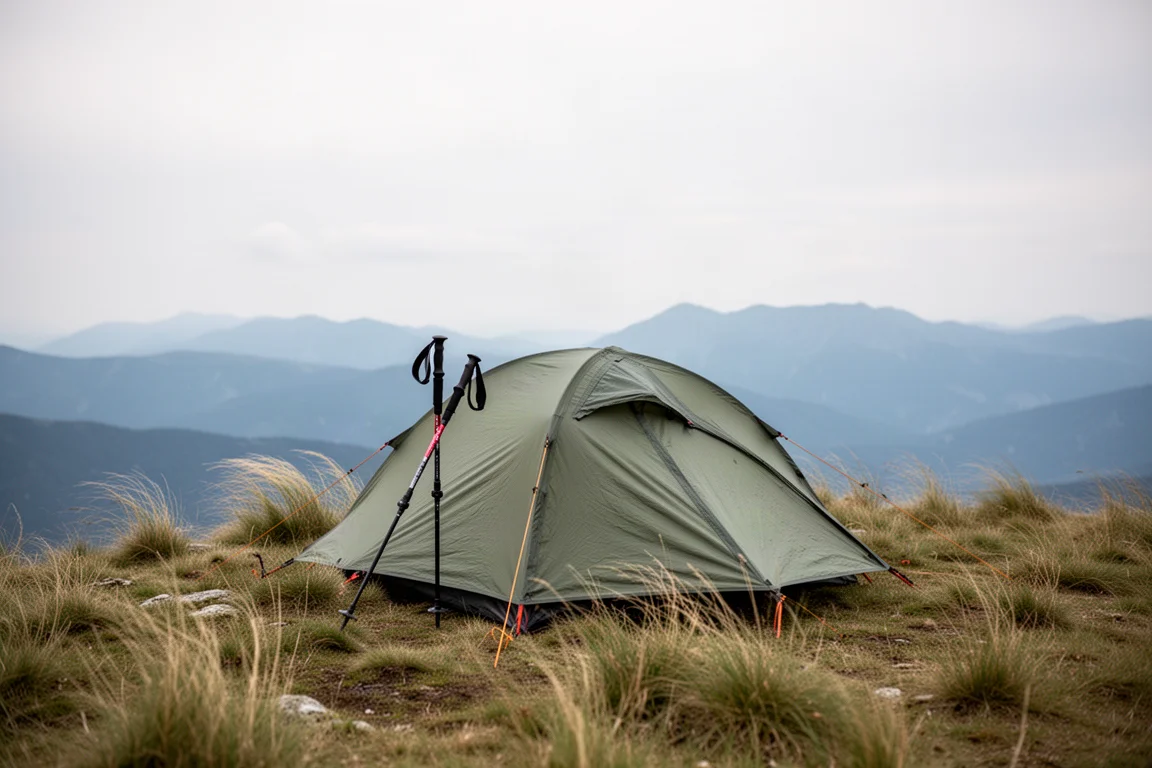
Wind is the real dividing line. The X-Mid 2 handles high winds better thanks to its angular panels and thicker trekking pole structure. The X-Dome 2 is the more comfortable tent in almost every other condition, but it is the one that gives up ground when the weather turns truly exposed.
Interior Space and Headroom
From a floor dimension standpoint, the two tents are almost identical. Both have a usable length for two people, both fit two 25-inch wide sleeping pads side by side, and both use a floor shape that leaves room for gear in the corners.
Headroom is where they separate. The X-Mid 2’s offset pole structure creates two low angled walls, and those corners lose vertical space. The X-Dome 2 uses poles, so there are no awkward walls anywhere in the interior and the sides are close to vertical throughout. In practice there is noticeably more air space above the floor in the X-Dome 2, which matters most for tall campers and for anyone who wants to sit up and move around without negotiating a slope.
Doors, Vents, and Storage
The X-Mid 2 has a genuinely good door. It sits high, it is easy to get in and out of, and the trekking pole does not obstruct the opening. It is still considerably smaller than the opening on the X-Dome 2.
The X-Dome 2 splits its door into a left panel and a right panel. You can open either side on its own, or both together, which produces an unusually large opening for a two-person tent. That is most valuable when packing and unpacking, since you can set a pack in the doorway and load gear without crouching or contorting through a narrow entry.
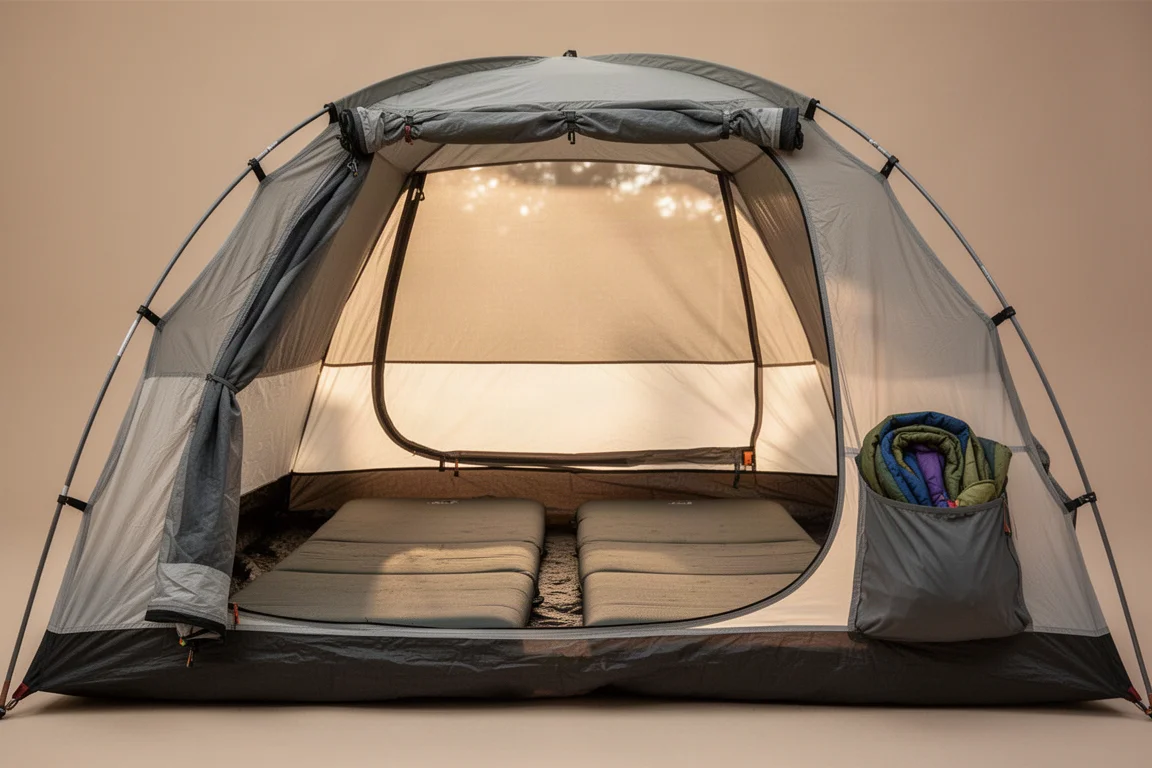
Both tents have two vents, which is excellent for airflow and condensation control. The X-Dome 2 vents are 50 percent wider and open further, so it should move a little more air and resist condensation slightly better. The X-Dome 2 also adds large pockets at either end, ideal for bulky items like a down jacket, on top of the corner pockets both tents share.
Price and Packed Weight
The X-Mid 2 is priced at $290 and the X-Dome 2 at $470. The X-Mid 2 is also the lighter of the two, so it wins on both of the numbers that matter most to weight-conscious backpackers.
What the extra outlay buys on the X-Dome 2 is the freestanding carbon frame, three pitch options instead of two, the much larger door, wider vents, and the additional end pockets. Whether that is worth the difference depends entirely on how much you value convenience and interior comfort against pack weight.
Who Should Buy Which Tent
The X-Mid 2 is the natural pick for weight-conscious backpackers and for anyone who camps in exposed terrain where wind is a real factor rather than an occasional inconvenience. It rewards a little patience on uneven ground with a lighter pack and better storm behaviour in gusts.
The X-Dome 2 suits campers who want ease of use, flexibility, and roominess. It pitches without stakes, offers the widest range of setup options, gives tall occupants vertical walls and more air space, and opens up more generously when you are loading and unloading gear. If your priority is pack weight, the X-Mid 2 is the more logical choice. If your priority is the simplest possible pitch and the most comfortable interior, the X-Dome 2 is the one most people will end up choosing.
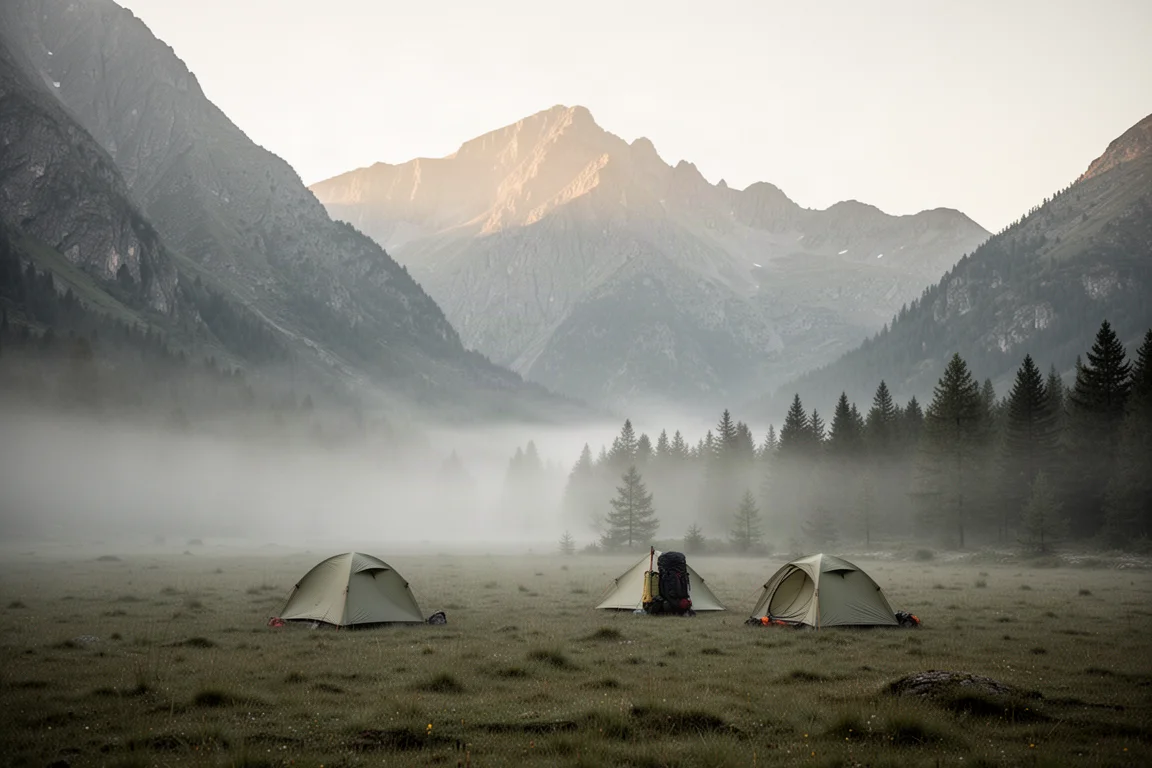
There is no wrong answer here, only a mismatch. Pick the X-Mid 2 for light and fast trips in changeable weather, and the X-Dome 2 for trips where convenience, space, and a forgiving pitch matter more than the number on the scale.
Conclusion
These two tents share a design language, a fabric specification, and an interior layout that fits two pads side by side. They differ on one decision that cascades through the whole experience. The X-Mid 2 is the lighter, more wind-resistant shelter for trekking pole users. The X-Dome 2 is the freestanding, more spacious and more flexible tent for campers who would rather not depend on poles or perfect ground. Match the tent to the way you actually camp, and either will serve you well.
Further reading
Related Reviews
Backpacking Tents
3F UL Lanchan Pro 1 Review: A 1 lb 8 oz Single-Wall Trekking Pole Tent
A practical look at the 3F UL Lanchan Pro 1, a single-wall trekking pole shelter with a 1 lb 8 oz weight, 20D silnylon fabrics, and a roomy 90 x 31 x 49 inch interior.
Backpacking Tents
3F UL Taiji 2-Person Tent: A Convertible Backpacking Shelter Worth a Closer Look
A practical look at the 3F UL Taiji two-person tent, covering its materials, true two-person interior, fly-first pitching, and the seasonal inner swap that lets one shelter cover more of the year.
Backpacking Tents
3FUL Lanshan Twoerson Pro Review: A Light Trekking Pole Shelter That Struggled in Rain
A two-person trekking pole shelter with a 2026 redesign, pitched with sticks and put through a night of steady rain. Here is what worked, what did not, and what to check before buying.