Backpacking Tents
Durston X-Mid 1 vs X-Dome 1 Plus: Choosing the Right Ultralight Tent
A side-by-side look at the freestanding Durston X-Dome 1 Plus and the trekking pole X-Mid 1, from weight and price to living space and storage.
Introduction
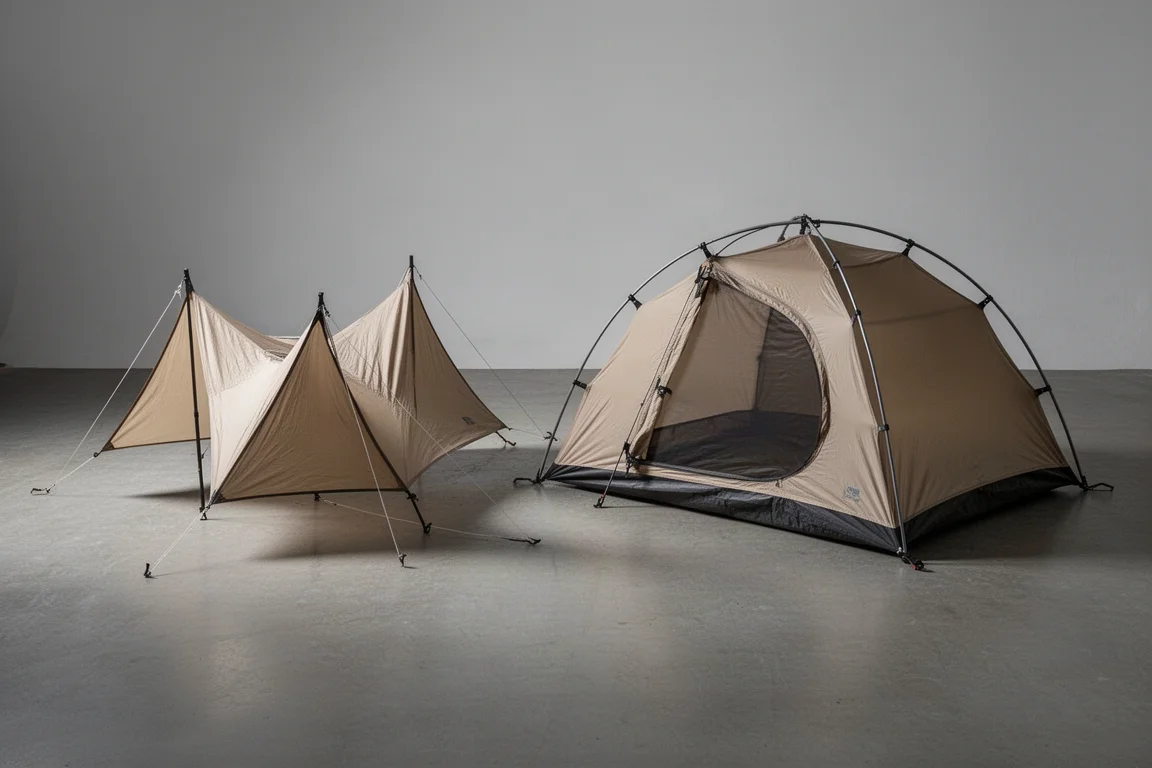
Two of the most closely compared one-person shelters in ultralight backpacking come from the same brand and approach the same problem from opposite directions. The Durston Gear X-Mid 1 is a trekking pole tent: a simple two-peak structure that relies on your poles and a taut stake-out for its shape. The Durston Gear X-Dome 1 Plus is a fully freestanding tent with its own carbon fiber pole set, so it stands up on its own before you drive a single stake.
They share more than you might expect, including a fly-first pitch, double-wall construction, and the same 15D polyester fabric with a 3,500 mm hydrostatic head. The decision comes down to where you camp, how much weight you are willing to carry, and how much you want to spend.
The Core Difference: Freestanding Versus Trekking Pole Design
A freestanding tent has a pole structure that reaches all four corners, which is what allows the X-Dome 1 Plus to hold its shape on its own. You still want to stake it out for the best possible performance in wind and rain, but the shelter does not depend on those stakes to stand up.
A trekking pole tent works differently. The X-Mid 1 uses two straight poles pushed up into the peaks, and the pitch only comes together once the corners and sides are staked and tensioned. That tension is what gives the shelter its stormworthy shape, which also means the pitch is more sensitive to what is underfoot. On firm soil the result is a tight, quiet shelter. On slickrock, deep sand, or frozen ground where stakes are difficult to set, getting that tension right takes more effort, and sometimes longer cordage or rocks to anchor the corners.
Freestanding designs are more forgiving in those situations. That single difference often settles the choice before weight or price enter the conversation.
What Both Tents Share
Both shelters use a fly-first pitch, so the rainfly goes up with the inner tent already attached. You can set up in the rain and keep the interior dry, then move your gear inside without soaking the floor.
Both are double-walled, with a separate inner tent and outer fly. That gap between the layers helps manage condensation. Both also use the same 15D polyester fabric with a 3,500 mm hydrostatic head, a lightweight material that packs down small and does not take on water or stretch when it gets wet. The 2025 X-Mid 1 was updated to this same fabric.
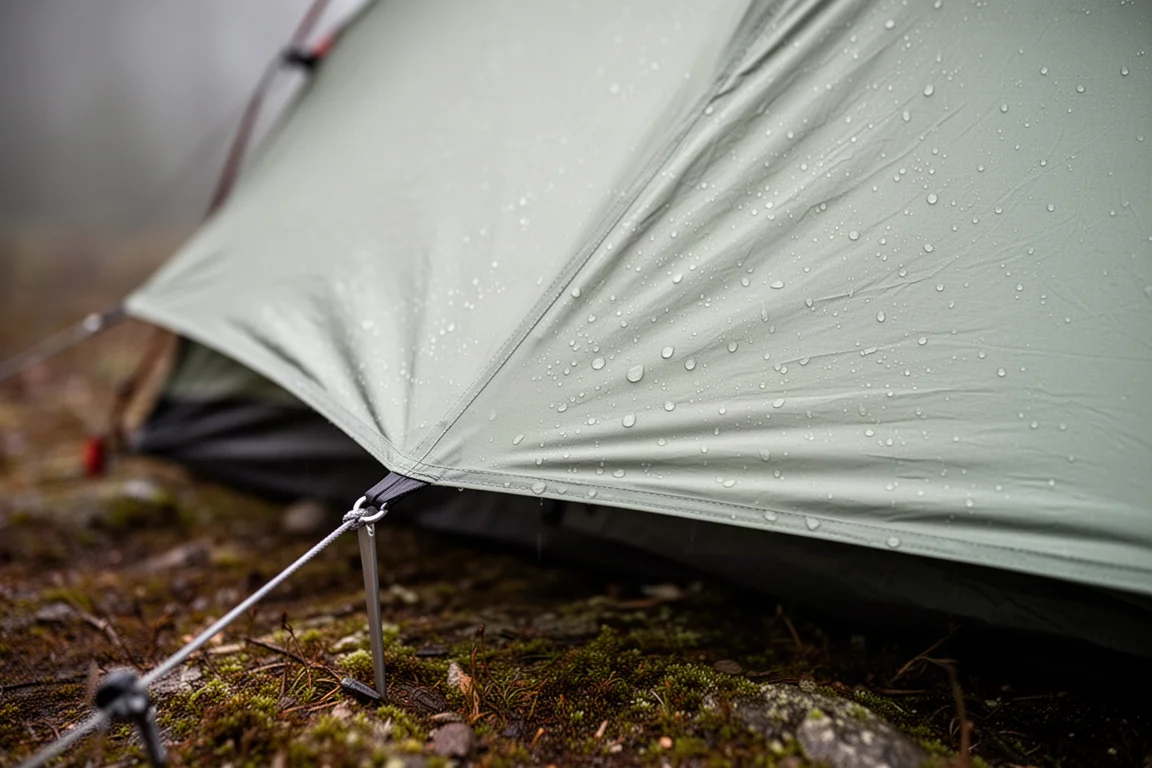
Vestibule space is generous on both tents, with enough room to keep packs and wet gear out of the sleeping area and away from the doorway. Neither shelter needs a large stake count either. Four to six stakes is enough to complete a solid pitch on either one.
Durston Gear X-Mid 1: Trekking Pole Shelter With a Wide Floor
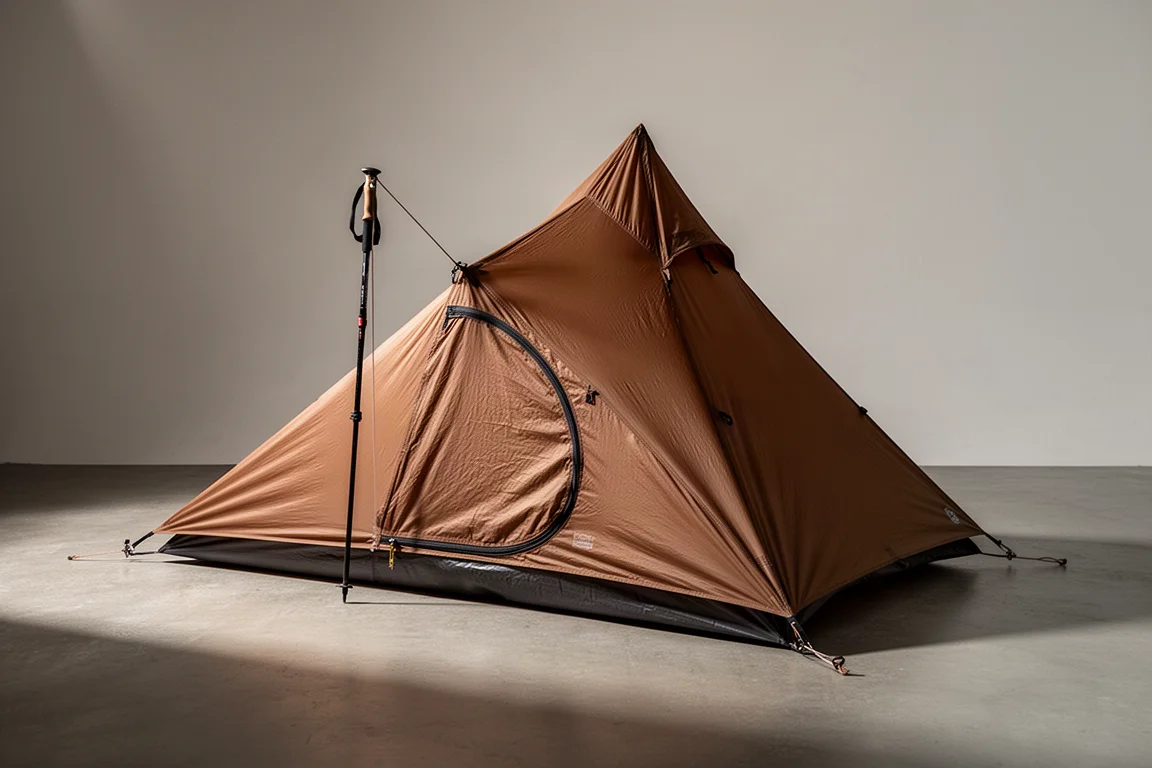
The 2025 X-Mid 1 addresses the main complaint about earlier versions. The floor is now 33 in wide and 93 in long, with a 47 in peak height, so a long wide sleeping pad no longer swallows the entire interior. The overall footprint has also been reduced compared with the previous generation, which makes it easier to fit into tighter campsites.
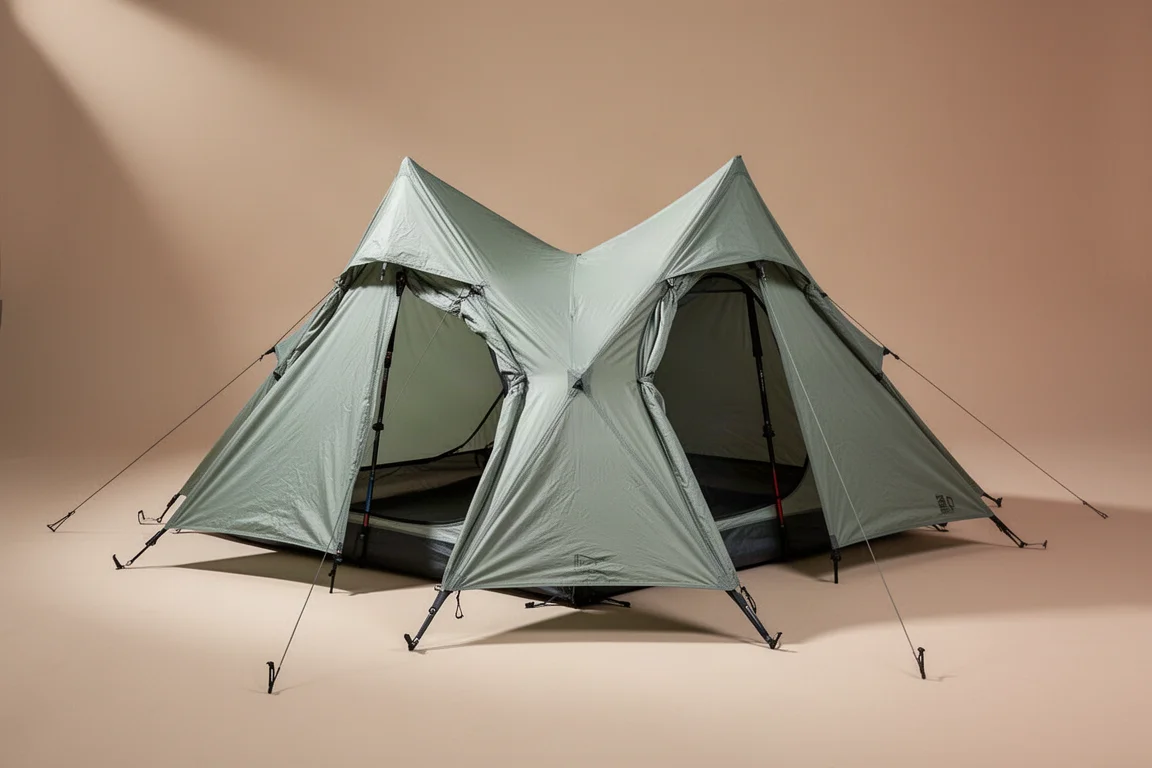
It remains a two-door, two-vestibule layout, which is unusual in a one-person trekking pole tent and keeps gear storage separate from the doorway. At $239, it undercuts the X-Dome 1 Plus by $140. Packed with its stakes and stuff sacks, it weighs 29 oz, comfortably under 2 lb before you add the trekking poles you are already carrying.
Inside the X-Mid 1: Living Space and Storage
The interior is fully mesh, with peak vents at both ends for ventilation and magnetic tiebacks that hold doors and fly panels out of the way. Storage is well thought out: four pockets in total, including a large pocket mounted high off the floor, an opposing mesh pocket, and two small peak pockets for a phone, headlamp, or battery bank.
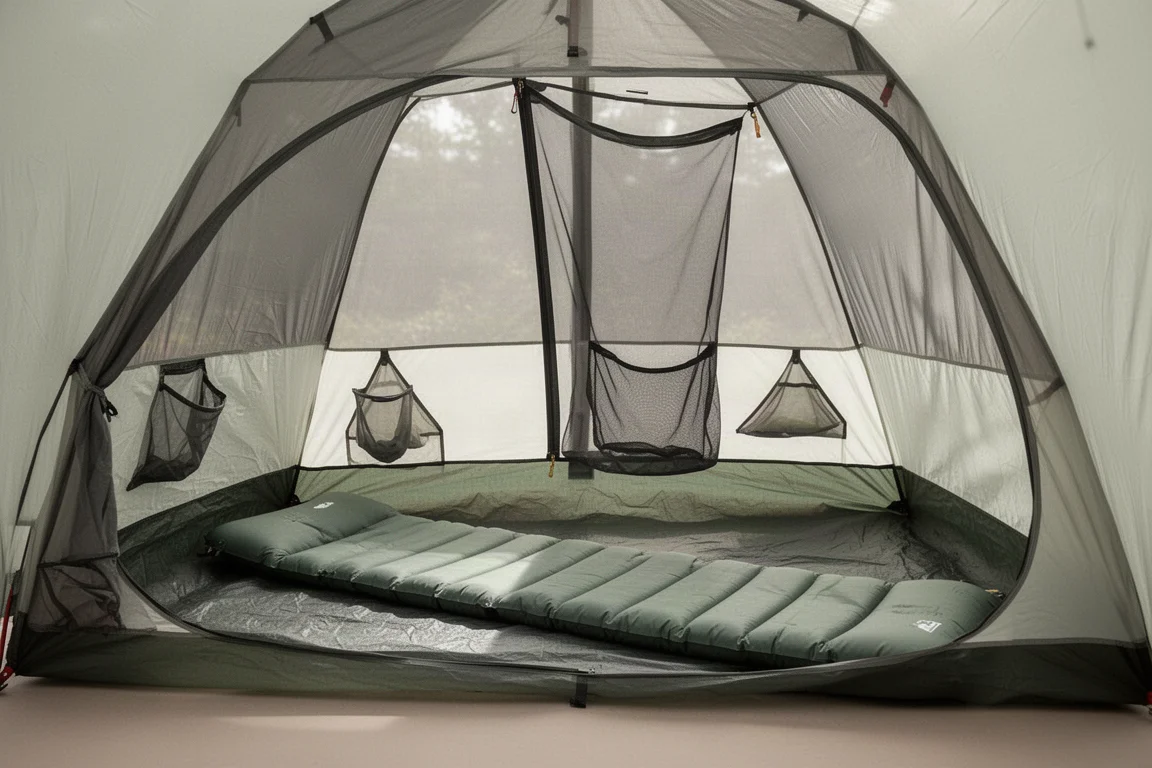
The doors use two zipper pulls that meet at a 90-degree corner rather than a curved opening, which makes them easier to open with one hand. The trade-off of the trekking pole design is the steeper sidewall angle. End to end, the interior narrows as you move up from the floor, so very tall campers may still prefer the longer 93 in floor here, while most others will find plenty of headroom at the 47 in peak.
Durston Gear X-Dome 1 Plus: Freestanding Shelter With Included Poles
The X-Dome 1 Plus starts at $379 and includes its own lightweight carbon fiber pole set, which accounts for much of the price difference against the X-Mid 1. Even so, it remains less expensive than many one-person shelters from larger outdoor brands.
Weight for the regular version with the mesh inner is around 35 oz, so it is the heavier of the two. Buyers can choose between a mesh inner or a solid inner, and between a standard pole set or a shorter bike-pack-sized set that fits on handlebars. Those choices change the price.
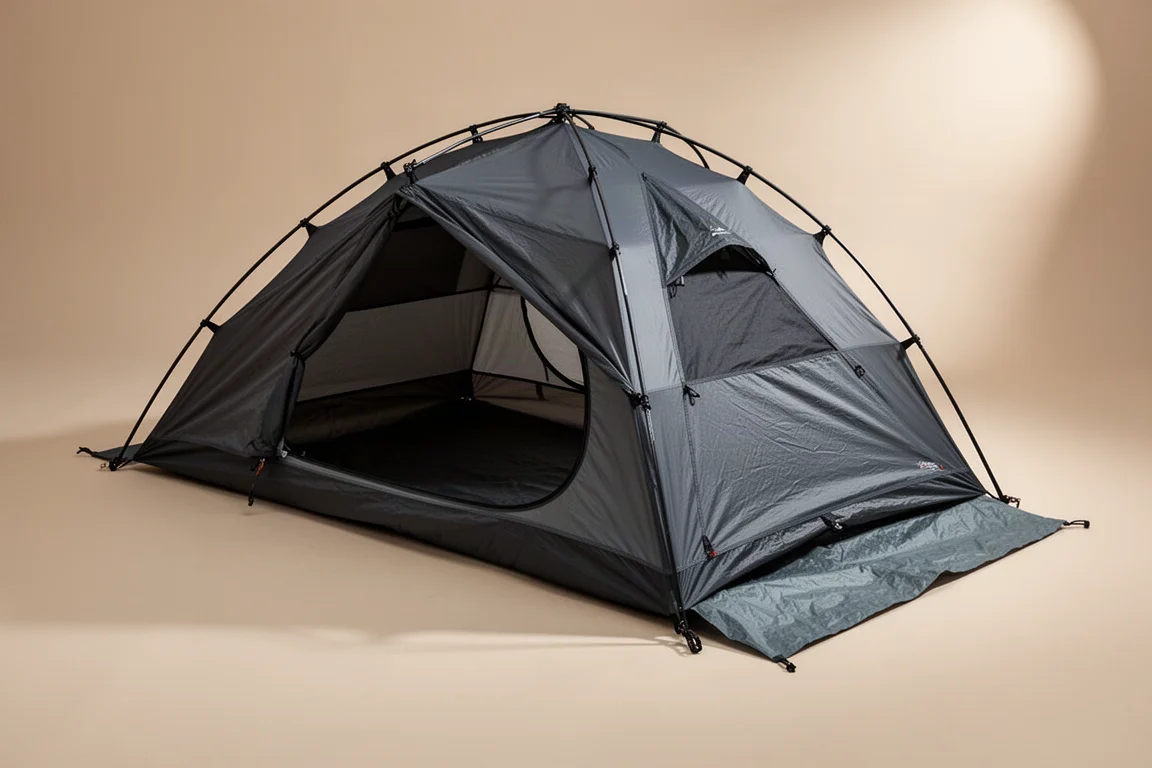
The floor is 85 in long, shorter than the X-Mid 1, but the freestanding pole structure keeps the end walls far more vertical. That means a long wide pad still fits without gear rubbing against the walls, and the overall footprint stays compact. The floor shape is also different: 50 in wide at one end, tapering to 29 in at the other, with one door and one vestibule.
Inside the X-Dome 1 Plus: Living Space and Options
Peak height is 42 in, lower than the X-Mid 1, but the vertical walls do much of the work, so the interior feels taller than the number suggests. Storage includes a tall pocket mounted off the floor, a sidewall pocket, and standard loops for running cordage to hang small items.
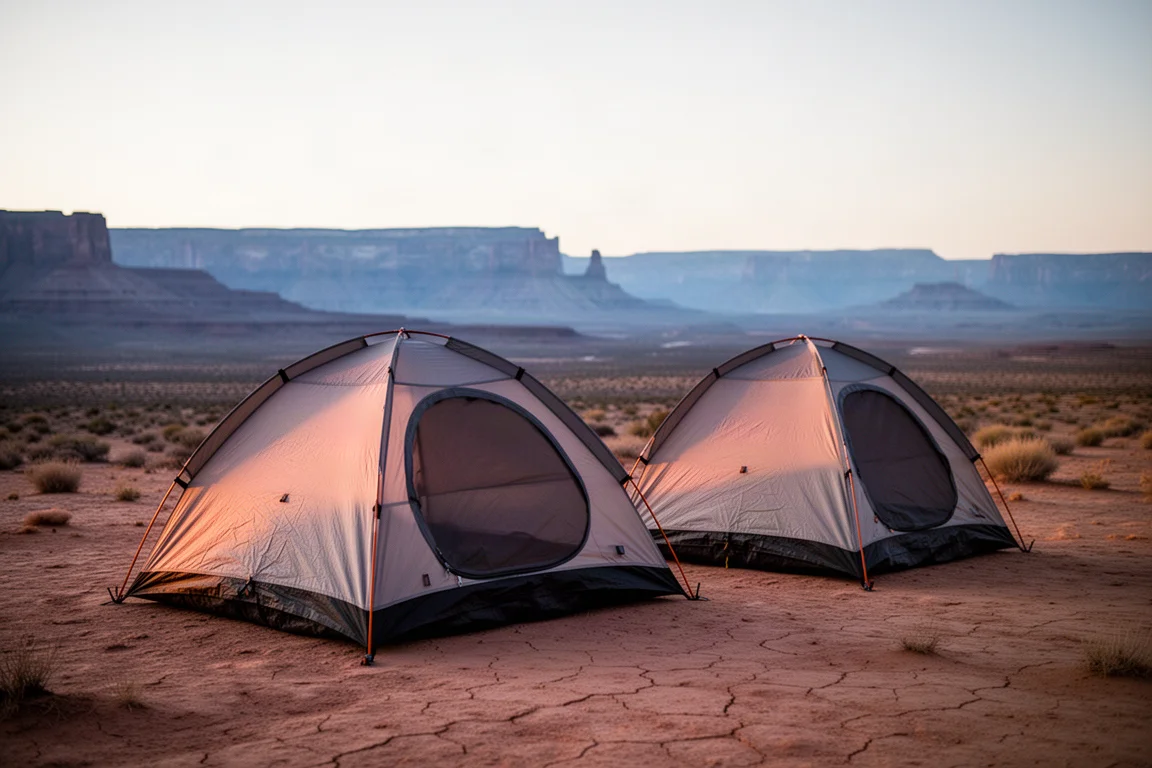
The door has two zippers, which lets you open the vestibule wide for gear access or cook in the covered area without rain dropping into the sleeping space. Because the floor is 50 in wide at one end, you can sleep with your head at either end. The summer 2025 inner update widened the tapered end of the floor, so the narrower foot end feels less tight than before. A solid inner is the better match for dusty desert trips, where it keeps sand out of the living space.
Which Tent Makes Sense for You
Choose the X-Mid 1 if you already hike with trekking poles, want to save the $140, and mostly camp where stakes go in easily. It is lighter, longer inside, and gives you two doors and two vestibules. Its reputation for handling strong wind and heavy rain comes from a well-tensioned pitch, so it rewards a little practice.
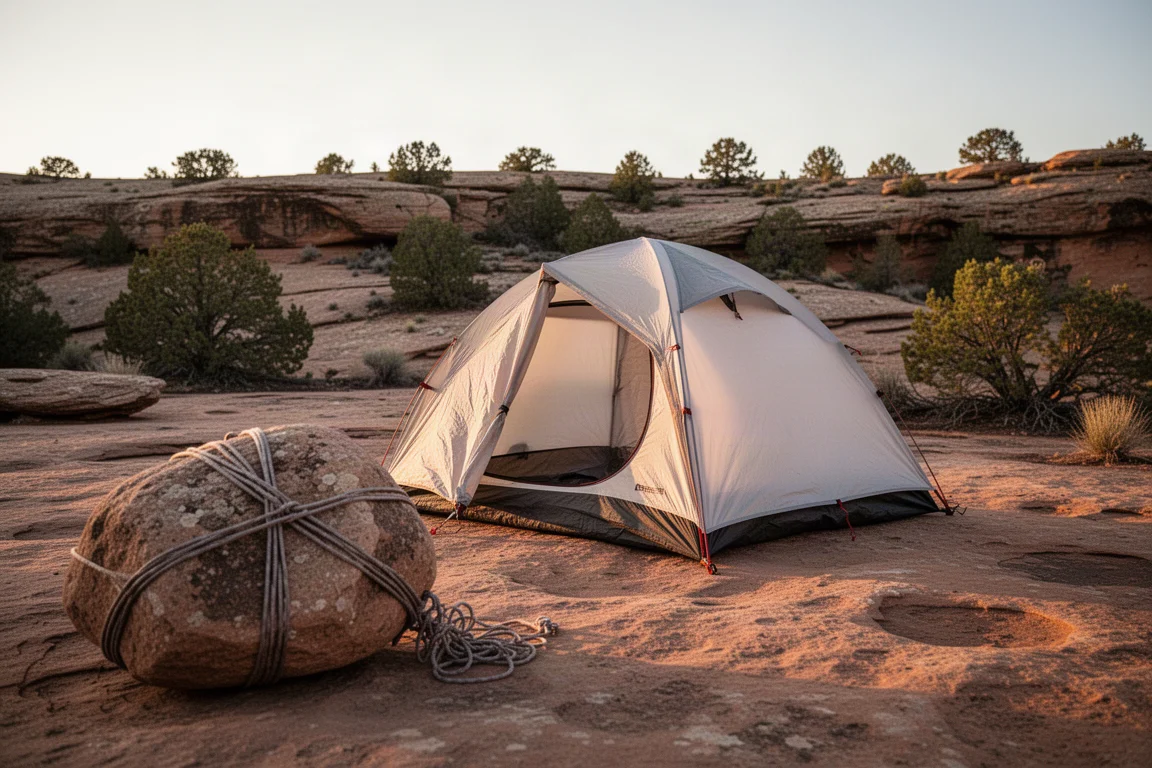
Choose the X-Dome 1 Plus if you often camp on slickrock, sand, or hard-packed ground where a stake-driven pitch is frustrating, or if you simply want a shelter that stands on its own while you sort gear. The included pole set, the option of a solid inner, and the bike-pack pole set make it the more versatile of the two, at a higher price and a higher weight.
Conclusion
Both tents are well made, thoughtfully laid out, and capable of handling real weather. The X-Mid 1 wins on weight, interior length, and price. The X-Dome 1 Plus wins on pitching flexibility and options. If your campsites usually accept stakes, the X-Mid 1 is the value pick. If they often do not, the freestanding X-Dome 1 Plus is worth the extra cost.
Further reading
Related Reviews
Backpacking Tents
3F UL Lanchan Pro 1 Review: A 1 lb 8 oz Single-Wall Trekking Pole Tent
A practical look at the 3F UL Lanchan Pro 1, a single-wall trekking pole shelter with a 1 lb 8 oz weight, 20D silnylon fabrics, and a roomy 90 x 31 x 49 inch interior.
Backpacking Tents
3F UL Taiji 2-Person Tent: A Convertible Backpacking Shelter Worth a Closer Look
A practical look at the 3F UL Taiji two-person tent, covering its materials, true two-person interior, fly-first pitching, and the seasonal inner swap that lets one shelter cover more of the year.
Backpacking Tents
3FUL Lanshan Twoerson Pro Review: A Light Trekking Pole Shelter That Struggled in Rain
A two-person trekking pole shelter with a 2026 redesign, pitched with sticks and put through a night of steady rain. Here is what worked, what did not, and what to check before buying.