Backpacking Tents
Durston X-Mid 1 Solid Tent Review: Ultralight Shelter With One Real Trade-Off
A compact, weather-worthy trekking pole shelter that pitches fast and packs small, with one interior-space caveat worth checking before you buy.
Introduction
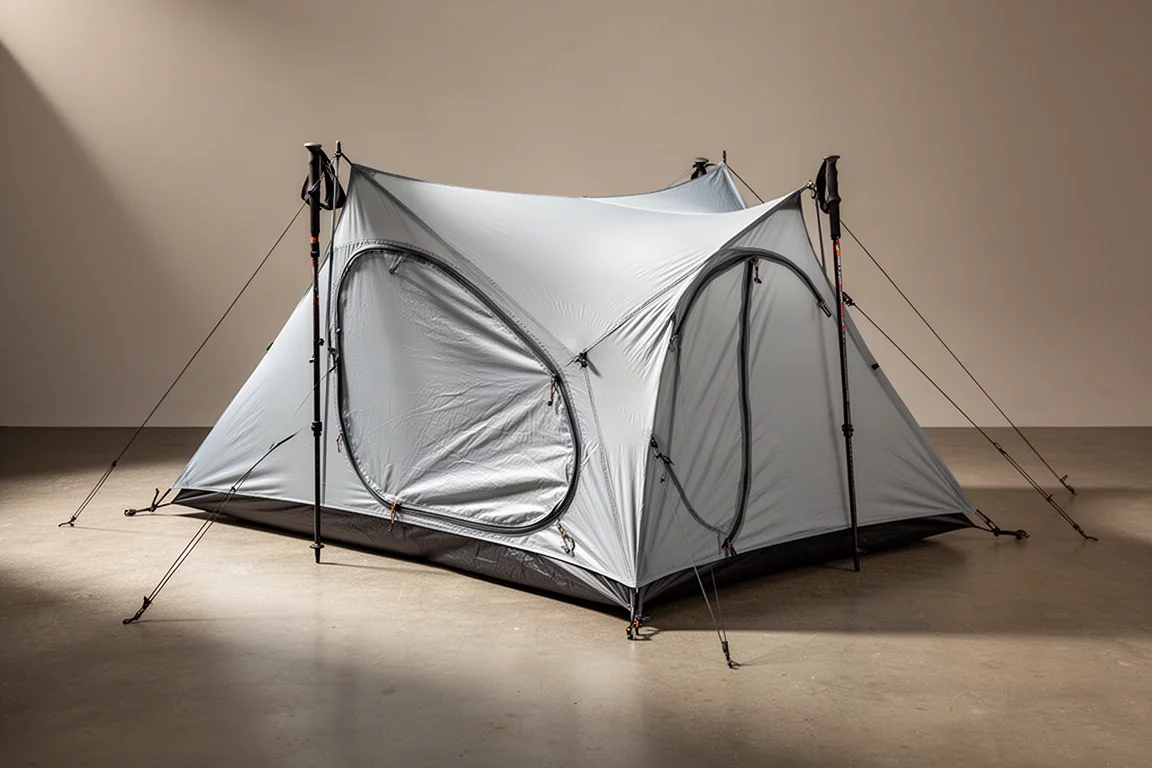
The Durston X-Mid 1 Solid is one of the most talked-about ultralight shelters of recent years, and it is easy to see why it draws attention. It is a single-person trekking pole tent with two doors and two vestibules, and it packs down to roughly the size of a large water bottle while weighing under a kilogram with its pegs and bags.
This is the Solid version, which pairs a partly solid inner with a mesh upper section for cooler, damper conditions. A full mesh version is also available for warmer, drier trips. At $269 in the US, or around £330 in the UK once delivery, VAT and duty are included, it is not the cheapest shelter in its class, but it is a serious piece of ultralight kit. It is an award-winning design, and much of that reputation is earned.
There is, however, one clear trade-off that is worth understanding before you order. This review covers what the tent does well, where it falls short, and who should genuinely consider it.
Who This Tent Is For
This shelter suits three-season backpackers and wild campers who already hike with trekking poles and want to keep carried weight and pack volume as low as possible. It is built for solo travellers who value having two doors and two vestibules rather than a single entrance, and for people who camp in changeable, breezy and wet conditions rather than deep winter.
The solid inner adds warmth and cuts draughts, which makes it the better choice for spring and autumn trips. If your camping is mostly warm, dry and lowland, a mesh inner will feel airier and less clammy.
It is a less natural fit for very tall sleepers, and it is not a shelter for gale-force storm conditions. The fly sits low and the geometry is efficient, but this is a lightweight three-season design, not an expedition tent.
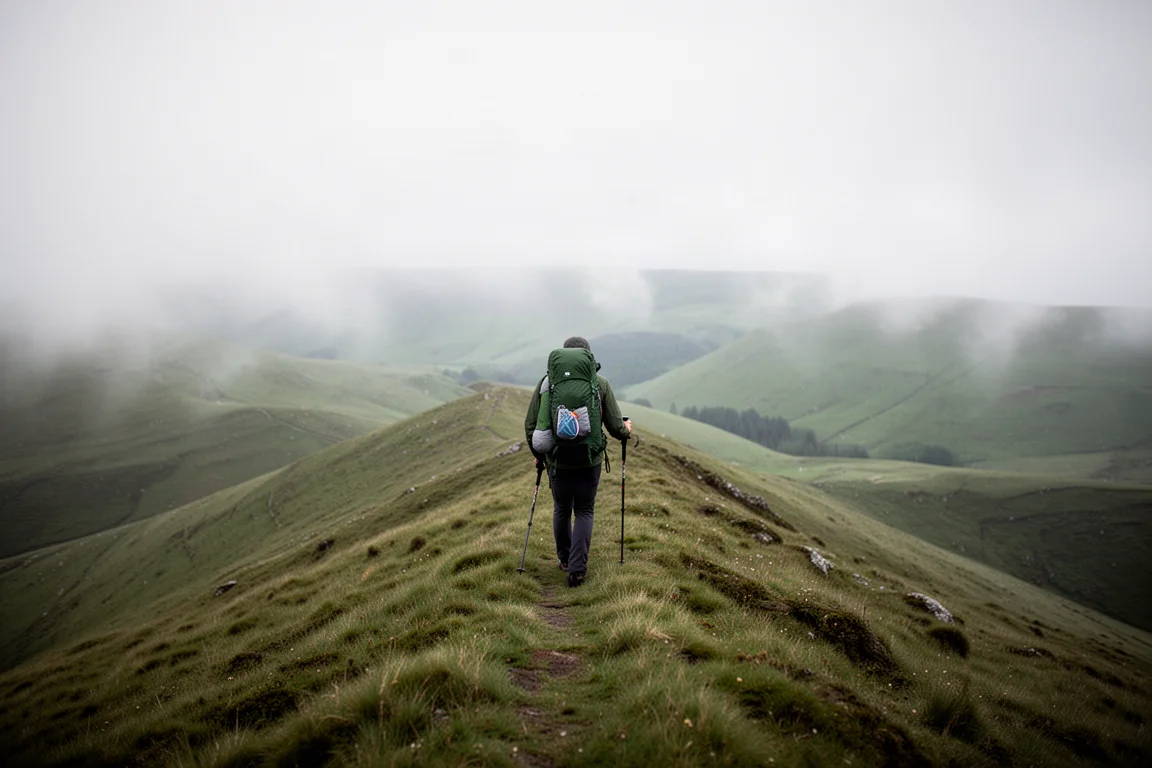
Think of it as a shelter for people who count grams and pack volume, and who accept a compact interior in exchange.
Main Strengths
Three things stand out: how small it packs, how quickly it pitches once you know the routine, and how much weather it shrugs off for its weight.
Packed Size and Weight
Packed, the tent measures about 30 cm by 13 cm. On the scales it comes in at 949 g including the pegs and the stuff bags. That is genuine ultralight territory, and it leaves a lot of room in a pack for the rest of a multi-day kit list.
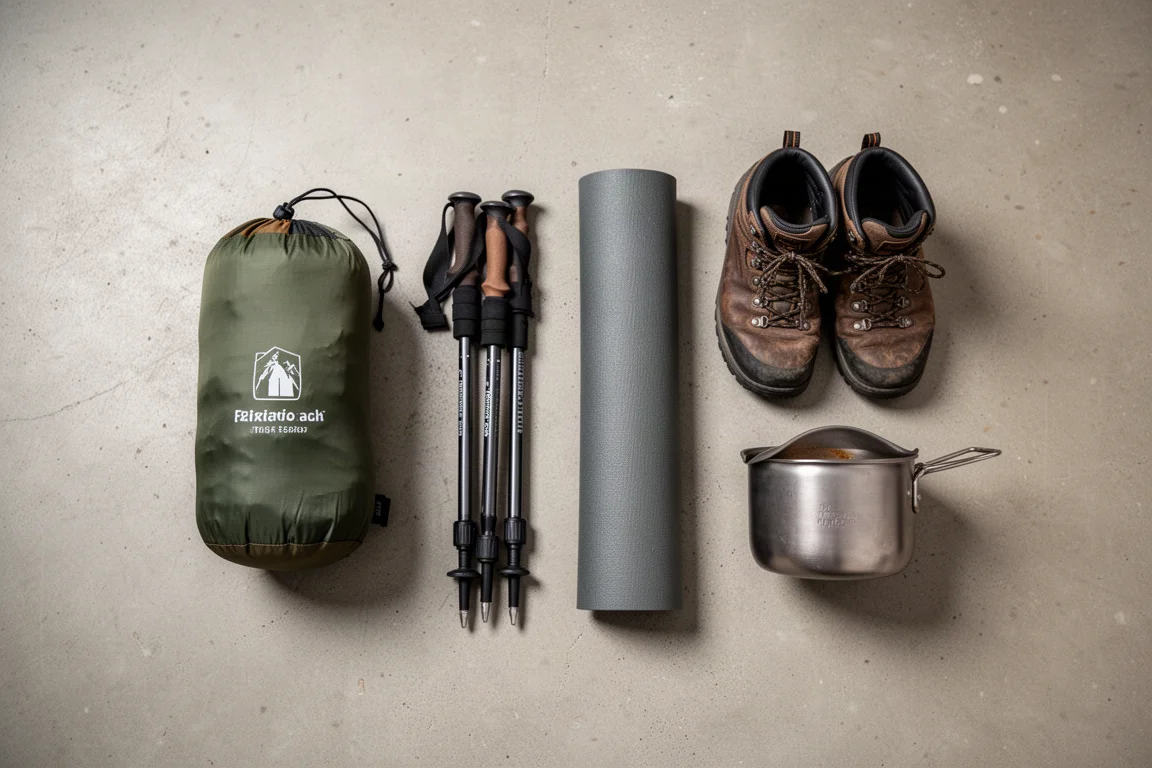
Six pegs are included: four V pegs and two hook pegs. They are light and compact, but they are also small, and they are best treated as summer pegs. Swapping them for longer, more aggressive pegs is a sensible upgrade for soft or exposed ground.
Weather Resistance and Pitching
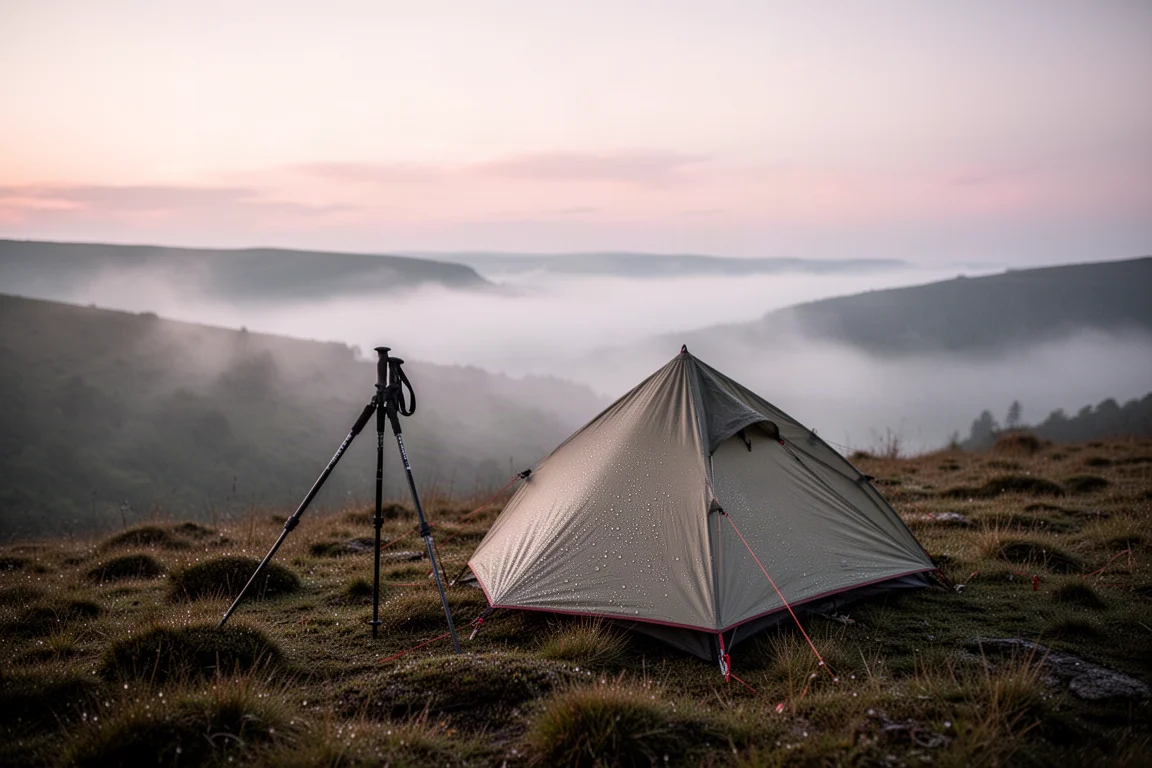
Pitching is straightforward once you have done it a couple of times. Set the trekking poles to 115 cm. Peg out all four corners as square as possible, keeping the angles close to 90 degrees. Then drop a pole through each hood, lift the fly, peg out the doors, and tension the guy lines until everything is taut.
The fly sits low to the ground, with a hidden vent beside each door at each trekking pole, plus a good number of guy-out and pegging points, including points on the sides and the middle of the panels. That combination lets the shelter handle a reasonable amount of wind and rain. Gale-force conditions are a different matter, and this is not the tent for those.
The doors use fully waterproof, fully taped zippers, with a small clip at the bottom to stop the zip creeping upward in wind. At the top, a magnet holds the door open, and the inner door has elastic tie-backs. Small details, but they make camp life easier.
Interior Space and Vestibules
The quoted interior dimensions are 109 cm of height, 230 cm of length and 81 cm of width. Those figures look generous on paper, but they represent maximums rather than the space you actually feel. In practice the interior reads as noticeably smaller.
Because the walls are steep, the fly fabric tends to rest against your head even at around 172 cm, or 5 ft 8 in, and the contact happens even when you are sitting right beside the trekking pole. Taller sleepers will notice this more.
The inner runs solid fabric to roughly halfway up, with see-through mesh above it. That arrangement works well for three-season use, though it will feel chilly in winter. There is a pocket above each door for small items, and the two vestibules, one on each side, are square and reasonably tall, so they hold a pack and boots comfortably. Cooking space shrinks once a vestibule is full, so the practical approach is to keep gear on one side and cook on the other.
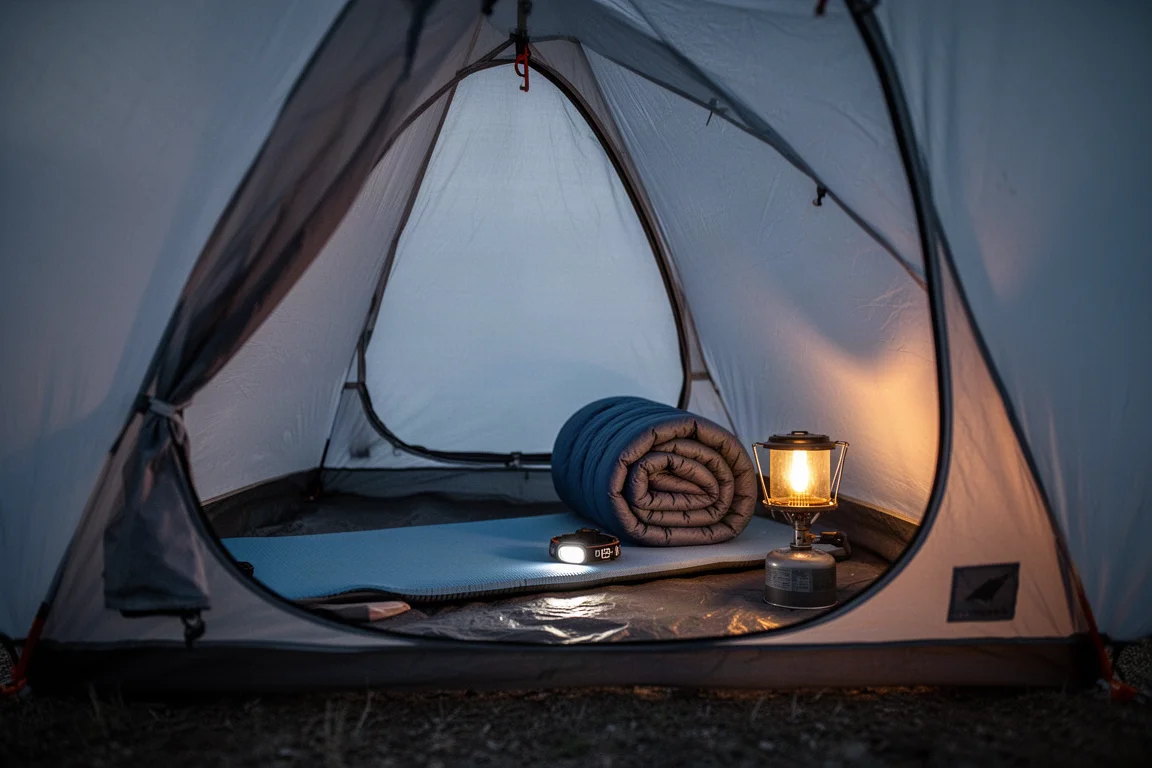
The fabric specification is 20D nylon for the fly and the bathtub floor, with 15D mesh in the inner and a 2,500 mm hydrostatic head rating on both the fly and the floor. That is properly waterproof for three-season use. A thicker floor with a higher hydrostatic head rating would be welcome, though it is not a deal breaker at this weight.
Things to Consider Before Buying
The main consideration is usable space rather than headline numbers. The interior feels smaller than the dimensions suggest, and the steep walls mean fabric contact against the head is a real possibility for average-height sleepers, not just tall ones.
- Floor and fabric: the 20D bathtub floor with a 2,500 mm hydrostatic head is adequate for three-season camping, but a thicker floor and a higher rating would inspire more confidence on rough, wet ground.
- Pegs: the included pegs are light and small, and they are best used in summer. Budget for a set of longer pegs if you camp on soft or exposed ground.
- Wind: the shelter copes well with breezy conditions, but it is not designed for gale-force weather.
- Cooking: with gear stowed in one vestibule, cooking space in that vestibule becomes tight. Plan to use one side for kit and the other for cooking.
- Inner choice: the solid inner is warmer and better suited to cooler, damper trips, while the mesh version will suit warm, dry conditions better.
Buying Advice
For most three-season backpackers in the UK and similar damp, changeable climates, this is a strong buy, provided the interior geometry suits your height and sleeping style. The two-door, two-vestibule layout, the fast pitch, the small packed size and the low carried weight are all genuinely useful, and the $269 price, or roughly £330 landed in the UK, is fair for a shelter with this level of weather capability.
Choose the Solid version if you camp in cooler and damper conditions and want a warmer inner. Choose the mesh version if most of your trips are warm and dry. If you are around 172 cm or taller, it is worth seeing one pitched before committing, because the headroom feels tighter than the numbers imply.
If maximum interior volume for the same weight is your priority, other trekking pole designs may feel roomier inside. Few of them pack as small or pitch as quickly as this one, which is exactly why it remains a compelling option for weight-conscious backpackers.
Conclusion
The Durston X-Mid 1 Solid does most of what an ultralight backpacker asks for. It is compact, light, quick to pitch, capable in real three-season weather and reasonably priced for the category. The one thing to weigh carefully is the usable space inside, which is smaller than the quoted dimensions suggest. If the fit works for you, it is a shelter you can carry happily for years.
Product link
View more details for Durston X-Mid 1 Solid Tent
This product is mentioned in the review. Check the specifications, options, and compatibility before buying.
View more details for Durston X-Mid 1 Solid TentFurther reading
Related Reviews
Backpacking Tents
3F UL Lanchan Pro 1 Review: A 1 lb 8 oz Single-Wall Trekking Pole Tent
A practical look at the 3F UL Lanchan Pro 1, a single-wall trekking pole shelter with a 1 lb 8 oz weight, 20D silnylon fabrics, and a roomy 90 x 31 x 49 inch interior.
Backpacking Tents
3F UL Taiji 2-Person Tent: A Convertible Backpacking Shelter Worth a Closer Look
A practical look at the 3F UL Taiji two-person tent, covering its materials, true two-person interior, fly-first pitching, and the seasonal inner swap that lets one shelter cover more of the year.
Backpacking Tents
3FUL Lanshan Twoerson Pro Review: A Light Trekking Pole Shelter That Struggled in Rain
A two-person trekking pole shelter with a 2026 redesign, pitched with sticks and put through a night of steady rain. Here is what worked, what did not, and what to check before buying.