Backpacking Tents
Durston X-Dome Review: A Freestanding Ultralight Tent That Pitches Without Stakes
A close look at the Durston X-Dome, a three-season solo tent that stands without stakes, pitches fly-first without a footprint, and carries carbon fiber poles as standard.
Introduction
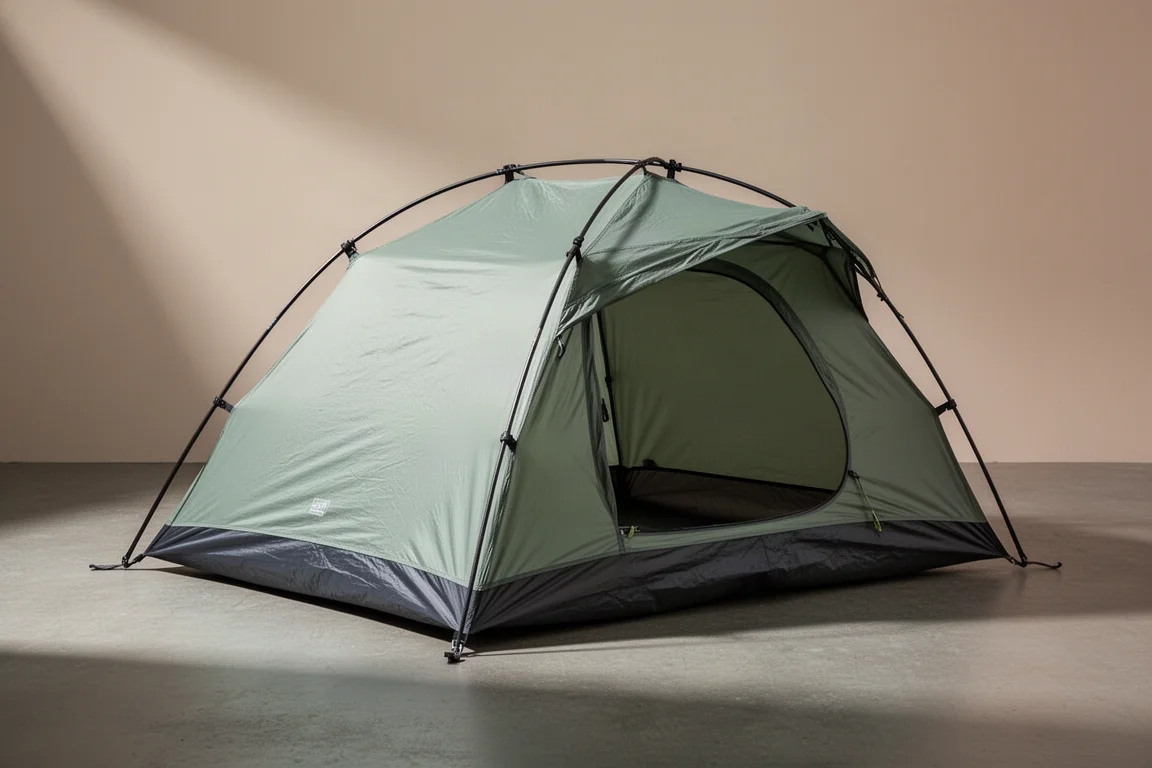
Durston built its reputation on lightweight trekking-pole shelters, and the X-Dome carries that same weight discipline into a freestanding, three-season, one-person design. It is a tent that stands up on its own with no stakes at all, pitches fly-first without a footprint, and still comes in at 2.36 lb with four stakes, poles, fly, inner, and stuff sack.
The pole set is carbon fiber as standard rather than a paid upgrade, and the list price is $369. For a freestanding ultralight shelter, that combination is unusual.
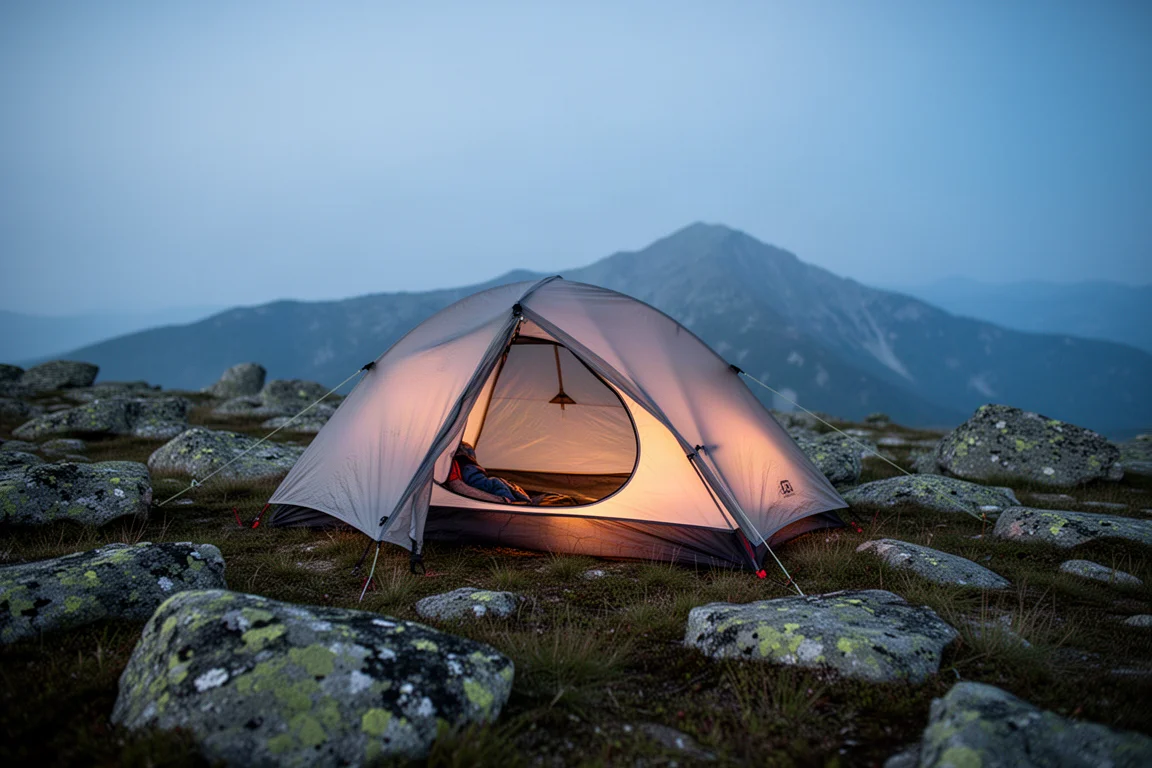
The result is a tent aimed at hikers who want the simplicity of a freestanding pitch without giving up the low weight normally associated with trekking-pole shelters. The sections below cover who it fits, where it performs well, and the details worth checking before you commit.
Who This Tent Is For
The X-Dome is a solo shelter, so it suits one-person trips where every gram is accounted for. It makes the most sense for hikers who camp on compacted, rocky, or sandy ground where stakes are hard to drive, and for anyone who has wrestled with a tent in wind and rain while the inner slowly soaks through.
Because the fly can go up first with no footprint, it also fits trips where the weather arrives before camp does. If you mostly camp in mild conditions on soft ground and already own a trekking-pole shelter you like, the case for switching is less urgent.
Main Strengths
Weight and freestanding simplicity. At 2.36 lb with four stakes included, the X-Dome is presented as the lightest fully freestanding tent on the market. It will stand on its own without any stakes, though in anything more than a light breeze you will still want to anchor it properly. In practice it pitches with as little as four stakes.
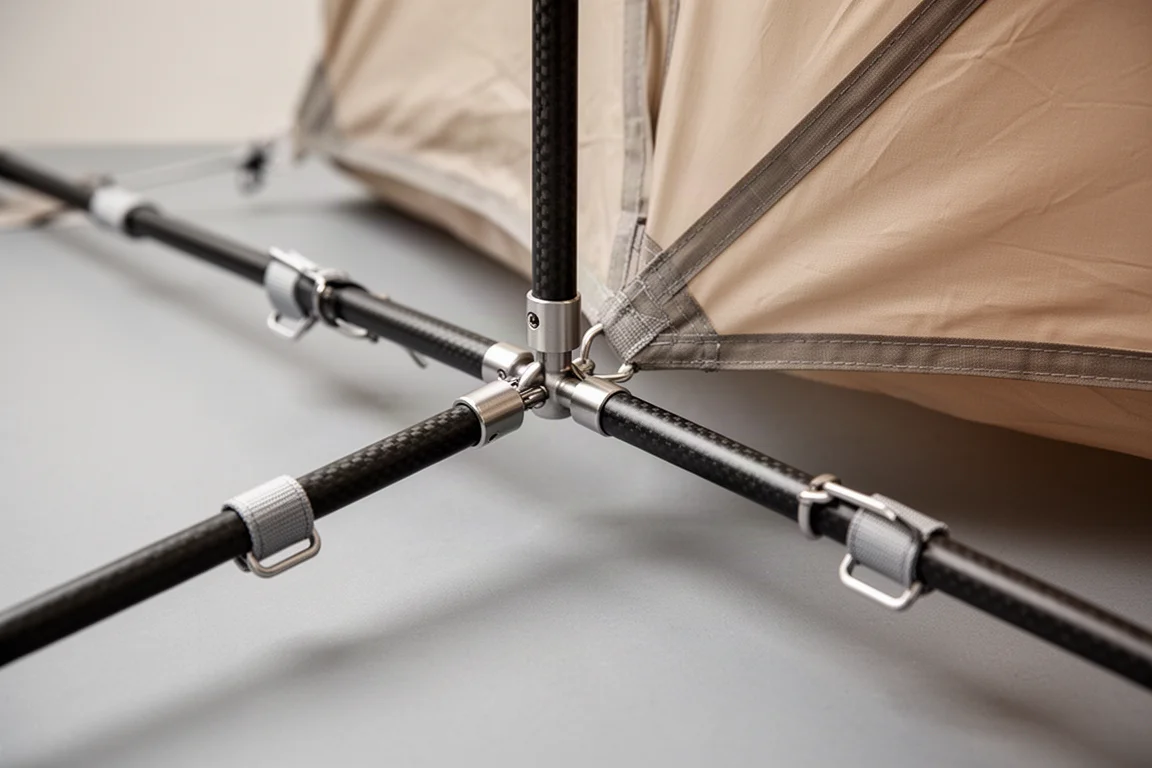
Carbon fiber poles as standard. Carbon poles are often a premium add-on elsewhere, with some manufacturers charging substantially more for the upgrade. Here they are part of the base build, and the tent still undercuts several comparable freestanding options on price.
Interior room. The floor is wedge shaped, with one corner cut away to make space for the vestibule. That layout gives more usable room than a twin-door one-person design, and longer campers can sleep sideways across the tent for extra length. The single door is very wide and ties back with magnetic tabs, effectively opening up one whole wall when the weather allows.
Fly-First Pitching and Trekking Pole Support
The pole structure sits outside the fly rather than between the fly and the inner. That single detail is what allows a fly-first pitch without a footprint: lay the fly out, attach the four corners, clip it on, and the inner stays dry. You can also pitch fly and inner together, or fly only.
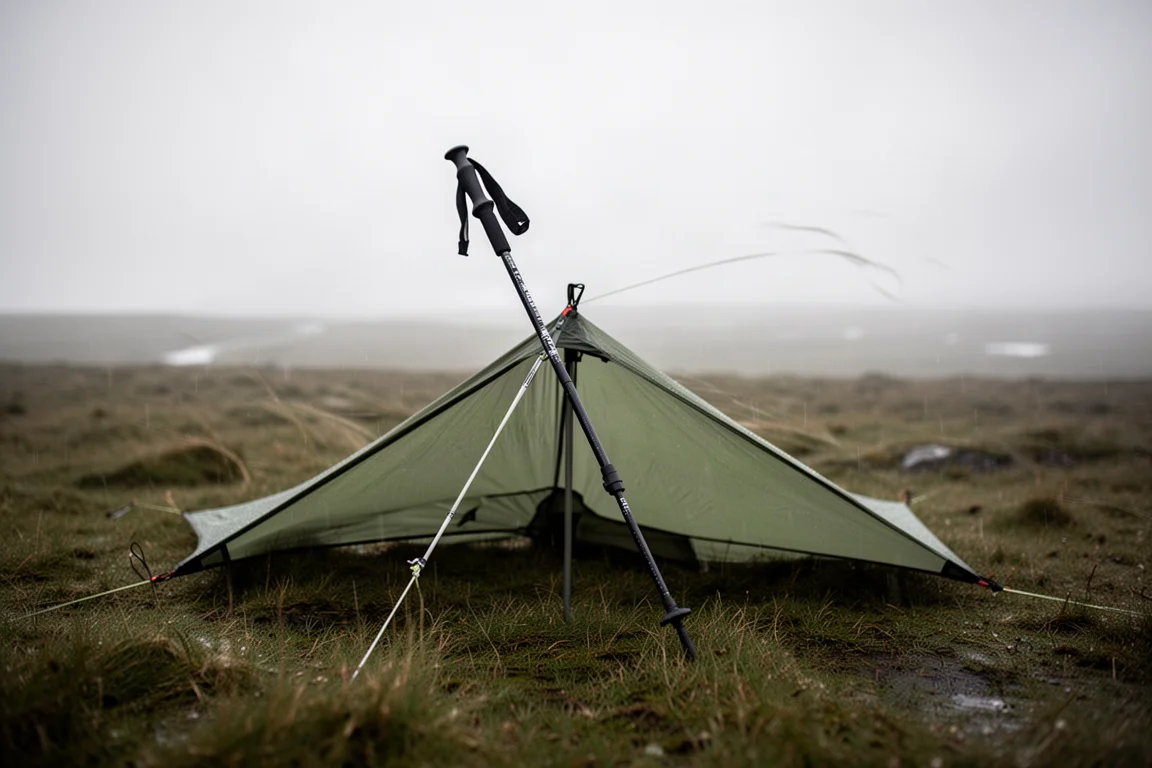
A trekking pole can be attached to the center crossbar for additional rigidity. Most nights that is overkill, but in strong wind or an early snowfall the extra bracing is a genuine option, and it is a clear nod to the trekking-pole shelters the design grew out of.
Setup Details Worth Knowing
The frame uses two Y hubs rather than a classic X crossing, so despite the name there is no X-shaped pole arrangement. Assembly is quick, the clips attach in sequence without fuss, and the freestanding structure holds its shape while you work around it.
Things to Consider Before Buying
Carbon pole durability and field repair. In early use with a prototype, the small aluminum sleeve on one carbon pole came loose and went missing. That unit’s poles had been hand assembled for the prototype, and Durston has indicated that production poles will be properly bonded. The same failure mode has appeared on other lightweight pole sets, so it is worth knowing about.
The larger question is repair. Carbon fiber flexes well in wind, but it does not tolerate point loads the way aluminum does. When a pole was spliced with an oversized repair sleeve and the tent was left in gusty conditions with a stake that would not seat fully, the pole snapped. A tight-fitting, correctly sized splice would likely behave differently, and several factors compounded in that sequence, but it does highlight how much field repairability matters with carbon poles.
Staking still matters. A freestanding pitch is convenient, but an unanchored tent will move in any real breeze. Treat four stakes as the practical minimum and more in exposed terrain.
Single door. There is one door rather than two. For a solo shelter that is a reasonable trade for weight and interior space, but if you prefer a second exit you will need to look elsewhere.
Buying Advice
At $369 the X-Dome sits below the Copper Spur and the Nemo Dragonfly by close to $50 while including carbon fiber poles, which makes it strong value in the freestanding ultralight category. It is not the cheapest lightweight shelter around; simpler trekking-pole mids cost less. What you are paying for is the freestanding frame, the fly-first pitch without a footprint, and the low packed weight.
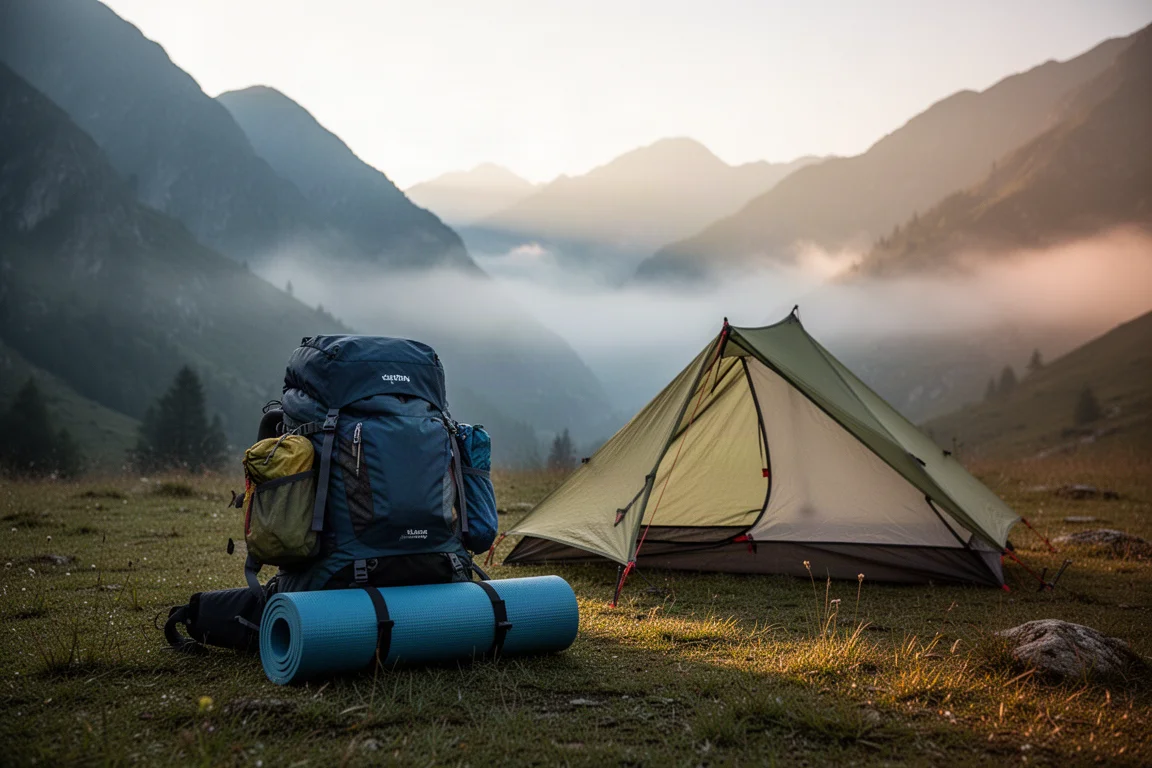
If your trips involve hard ground, exposed campsites, or unpredictable weather, those features earn their place. If you hike mostly in sheltered lowland conditions and already carry trekking poles, a pole-supported shelter will save money and weight.
Conclusion
The X-Dome answers a real question for solo hikers: can a tent be genuinely freestanding and still be light enough to carry long distances? At 2.36 lb with carbon poles as standard and a $369 price, it makes a convincing case. Weigh the carbon pole repair considerations against how remote your campsites are, and it is an easy tent to recommend for the right kind of trip.
Product link
View more details for Durston X-Dome
This product is mentioned in the review. Check the specifications, options, and compatibility before buying.
View more details for Durston X-DomeFurther reading
Related Reviews
Backpacking Tents
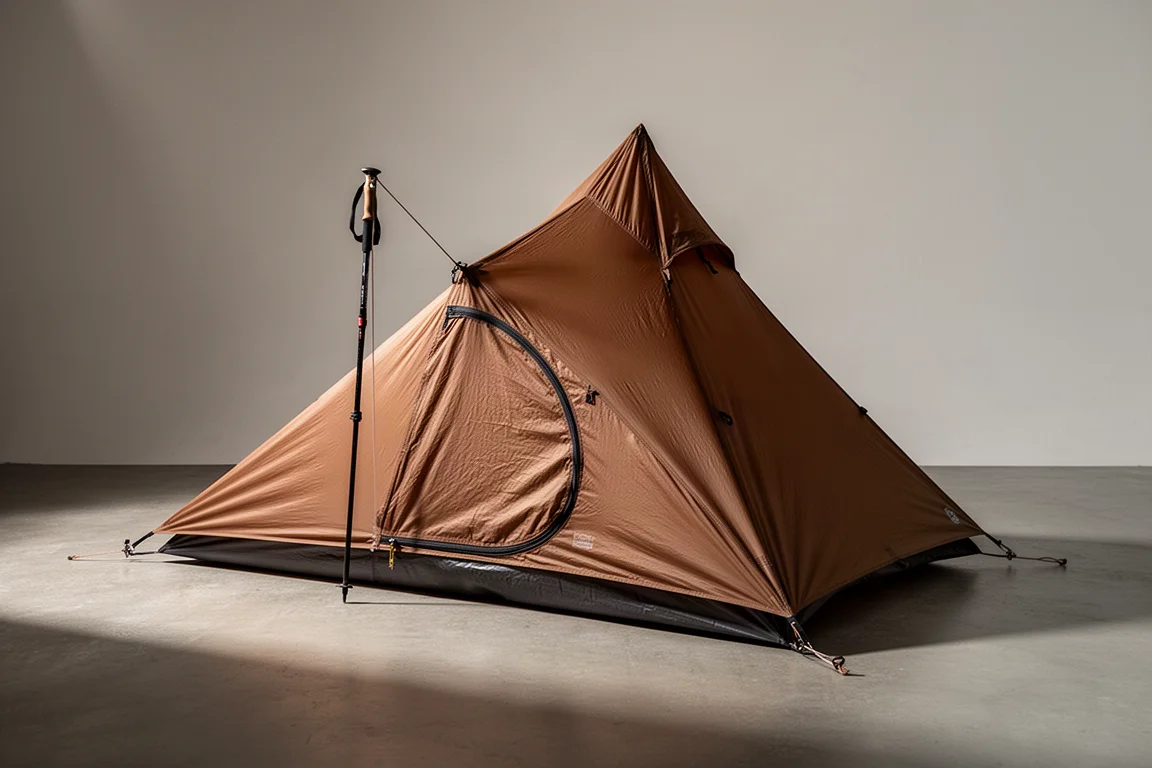
3F UL Lanchan Pro 1 Review: A 1 lb 8 oz Single-Wall Trekking Pole Tent
A practical look at the 3F UL Lanchan Pro 1, a single-wall trekking pole shelter with a 1 lb 8 oz weight, 20D silnylon fabrics, and a roomy 90 x 31 x 49 inch interior.
Backpacking Tents
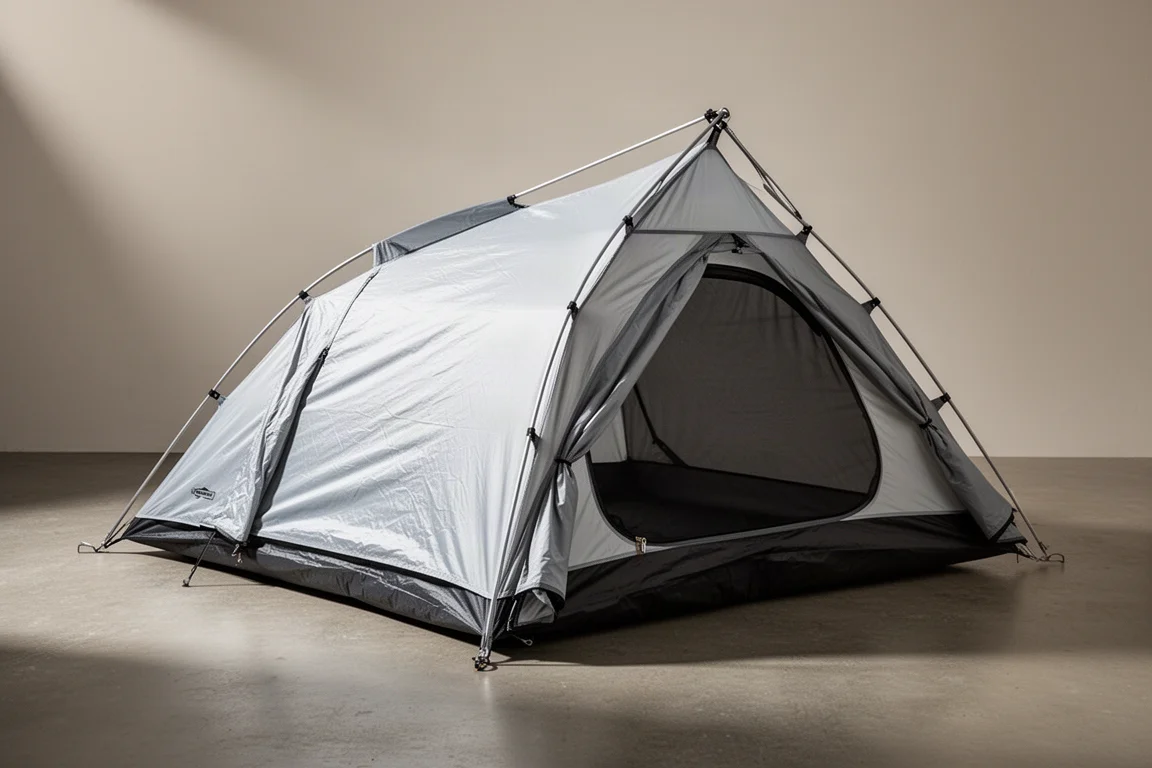
3F UL Taiji 2-Person Tent: A Convertible Backpacking Shelter Worth a Closer Look
A practical look at the 3F UL Taiji two-person tent, covering its materials, true two-person interior, fly-first pitching, and the seasonal inner swap that lets one shelter cover more of the year.
Backpacking Tents
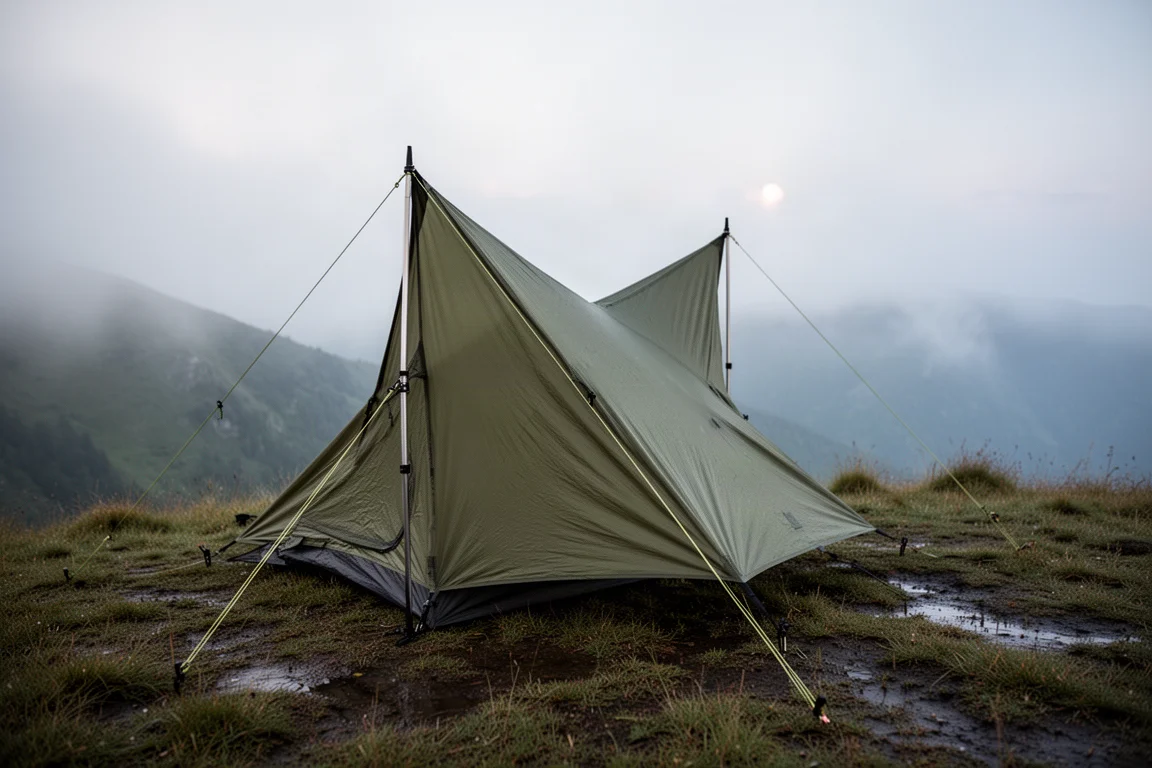
3FUL Lanshan Twoerson Pro Review: A Light Trekking Pole Shelter That Struggled in Rain
A two-person trekking pole shelter with a 2026 redesign, pitched with sticks and put through a night of steady rain. Here is what worked, what did not, and what to check before buying.