Backpacking Tents
Durston X-Dome 1 Plus vs X-Dome 2: Which Size Makes Sense?
A side-by-side look at the Durston Gear X-Dome 1 Plus and X-Dome 2, covering shared materials, floor dimensions, weight, and starting price.
Introduction
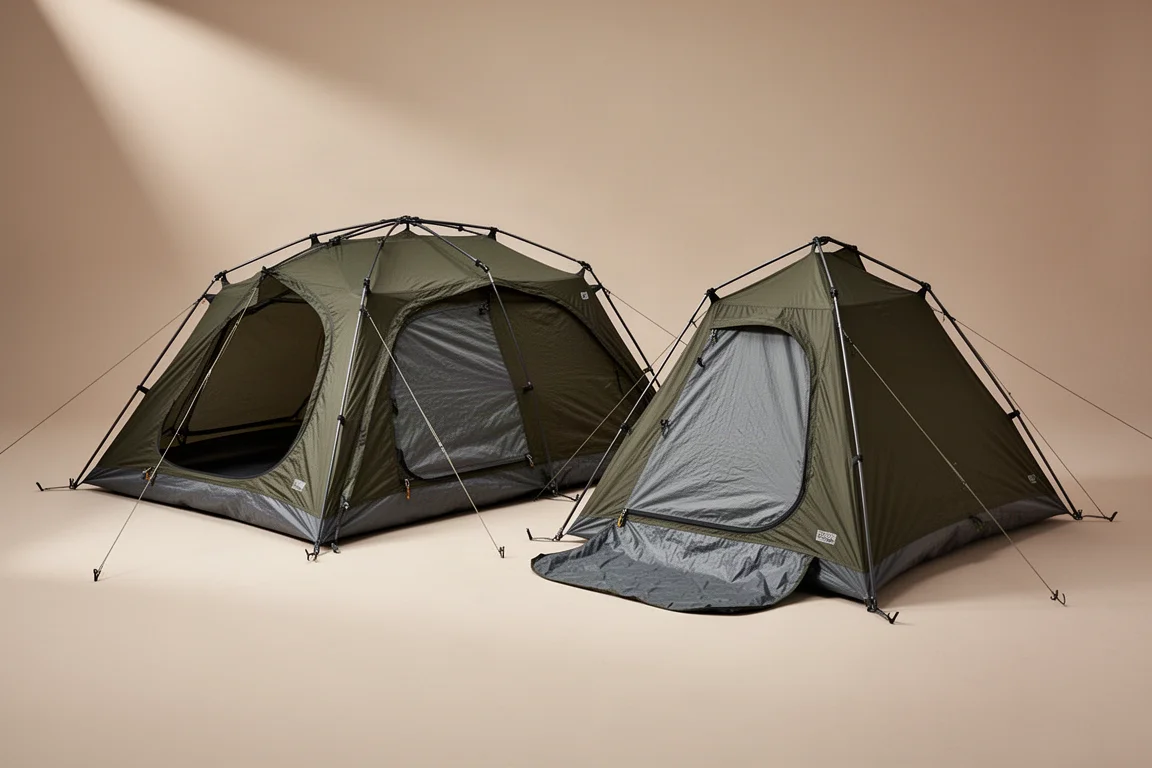
Durston Gear now offers two freestanding tents in the X-Dome line, and the question most solo backpackers face is a simple one: is the extra interior volume of the two-person X-Dome 2 worth carrying, or does the one-person X-Dome 1 Plus cover the same ground with less tent around you?
This comparison looks at what the two tents share, where their dimensions, weights, and starting prices diverge, and how those differences play out for a solo hiker deciding between them. For anyone planning to sleep two people, the answer is straightforward: the X-Dome 2 is the tent built for that job. For everyone else, the decision comes down to how much living space you want at the end of a long day.
Shared Design and Materials
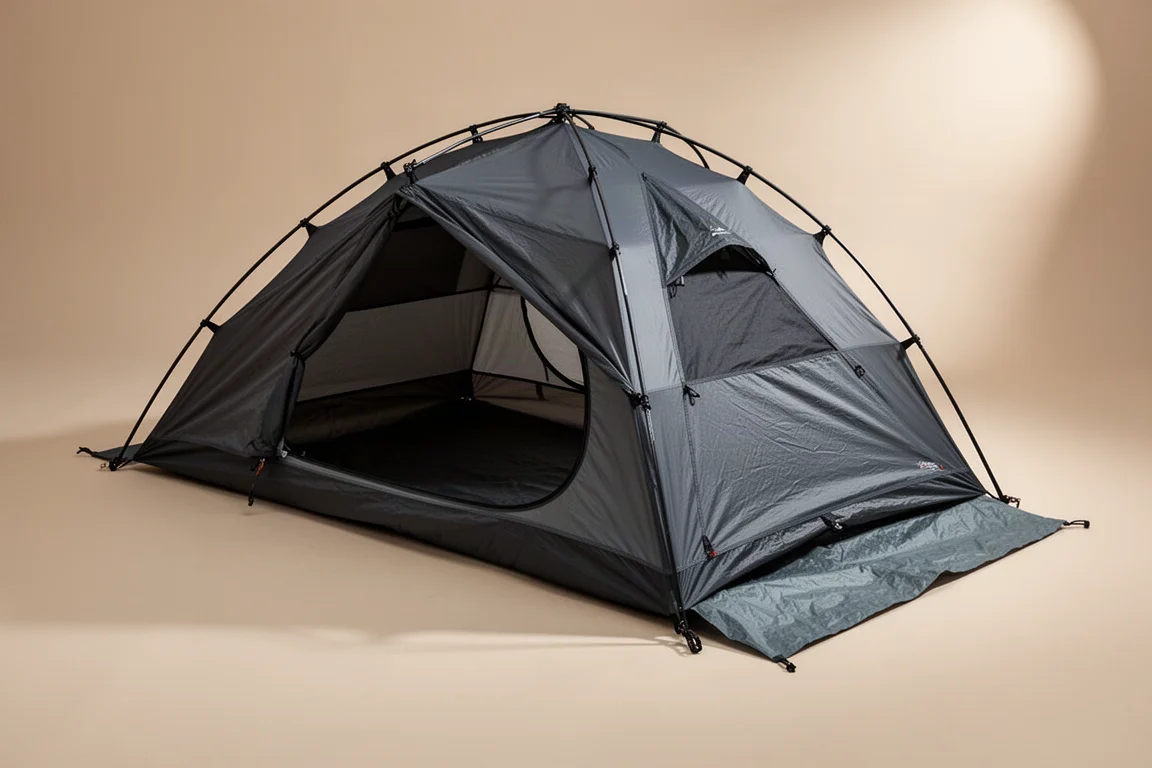
Both tents are built around the same core specification. The outer fly is a 15 denier polyester with a 3,500 mm hydrostatic head, a strong waterproof rating for sustained rain. The inner tent is offered in two versions: a regular mesh inner and a solid inner. The solid inner uses a 20 denier polyester floor with the same 3,500 mm rating, while the mesh inner uses a 15 denier polyester floor, also rated to 3,500 mm.
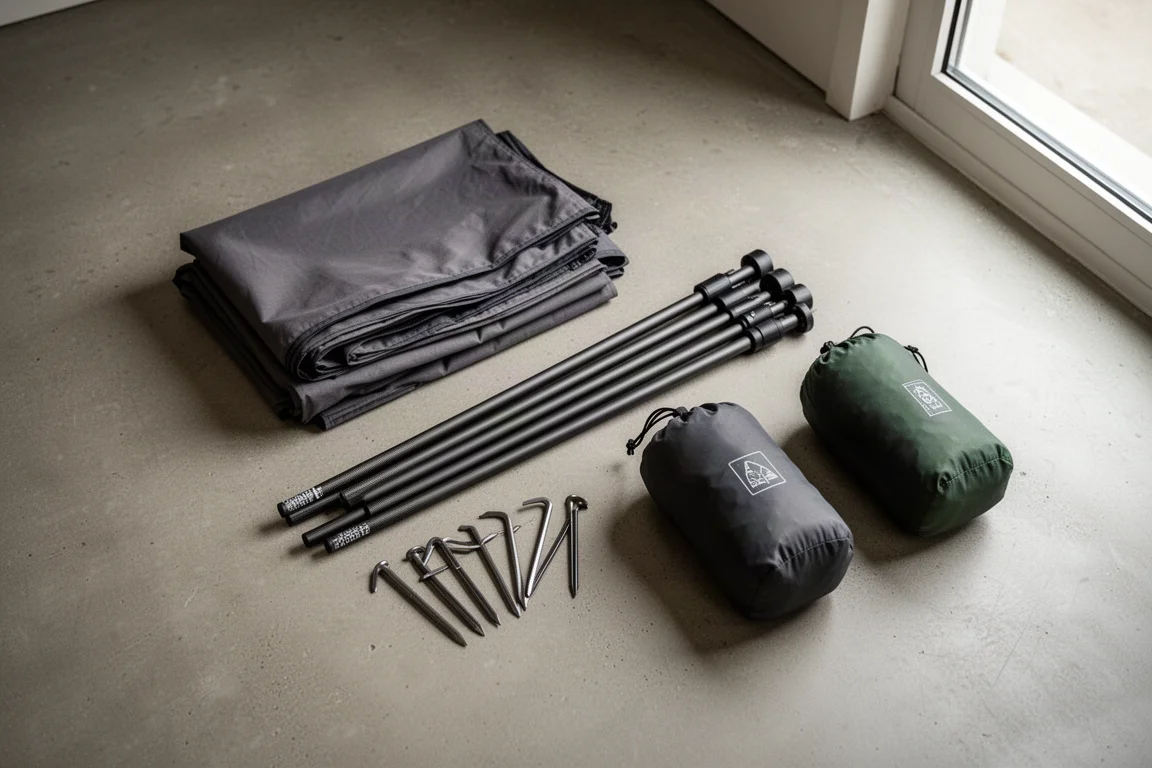
Both are double-wall tents, and each can be pitched with the inner tent alone using the carbon fiber pole set included with the tent. They also use a fly-first pitch, meaning the pole structure sits on the outside of the rainfly. The practical benefit is being able to raise the tent in rain while the interior stays dry, rather than setting up an inner tent first and then covering it.
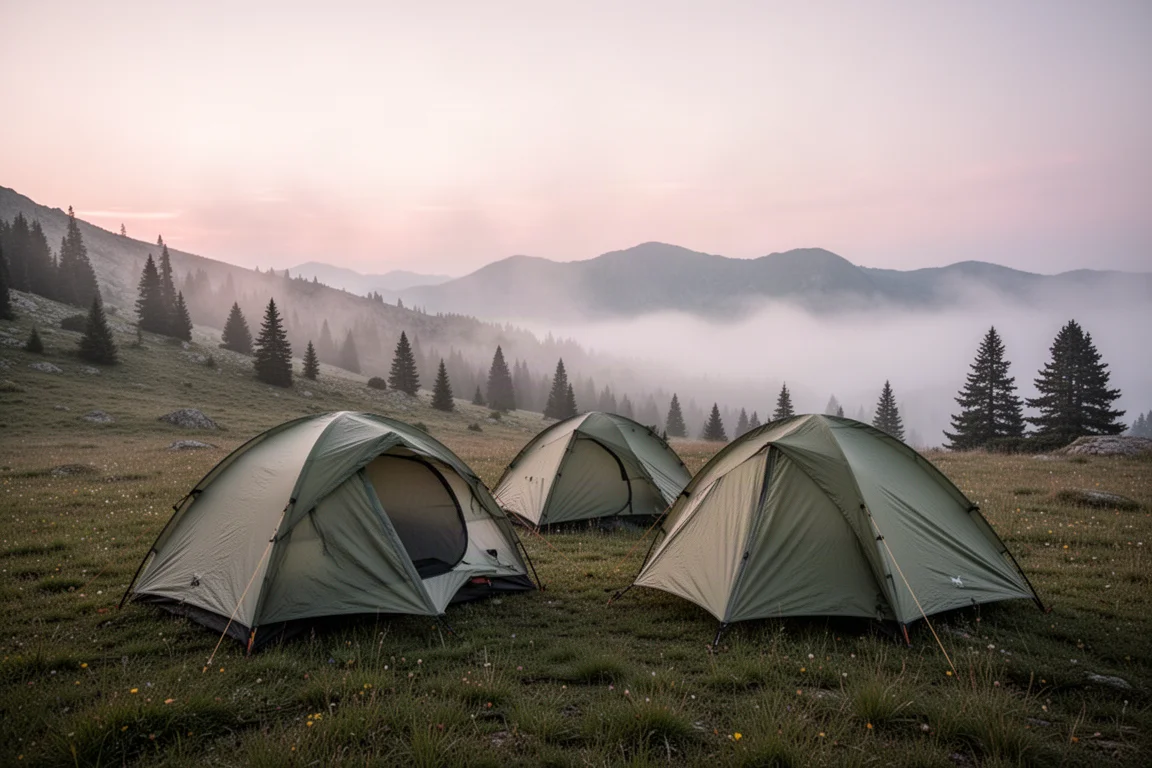
The two tents also share the same stake count, even though the one-person version has one door and one vestibule instead of two. Both are fully freestanding, with the pole structure reaching all four corners. The vestibule on each does not extend far past the corners of the tent, so you still get a fully protected doorway area without a large unsupported flap pushing into bushes or trees. That shape makes both tents easier to pitch in tighter spots while keeping generous vestibule storage inside the footprint.
Durston Gear X-Dome 2: Space for Two
The X-Dome 2 is designed around two 25 inch wide rectangular sleeping pads. Its floor measures 52 inches wide and 88 inches long, and it is not tapered, so usable width stays consistent rather than narrowing toward one end. The walls at the head and foot ends are fairly vertical, which preserves interior volume as you move up from the floor, and the inner tent has a 43 inch peak height.
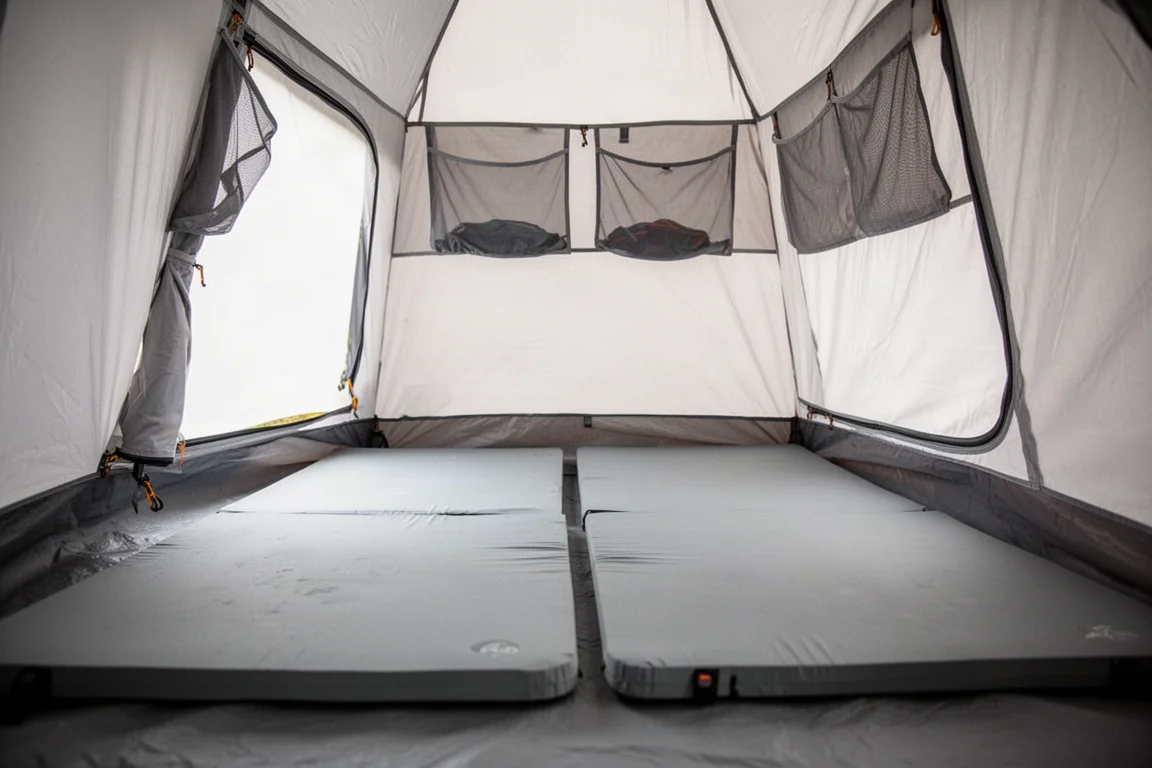
Two offset doors and two offset vestibules mean each occupant gets a separate entry and their own storage area. Inside there are four pockets: two large mesh pockets along the wall above the floor, plus smaller mesh pockets set into the sides of the inner for smaller items. Two people can sleep head to head, feet to feet, or in opposite directions depending on preference.
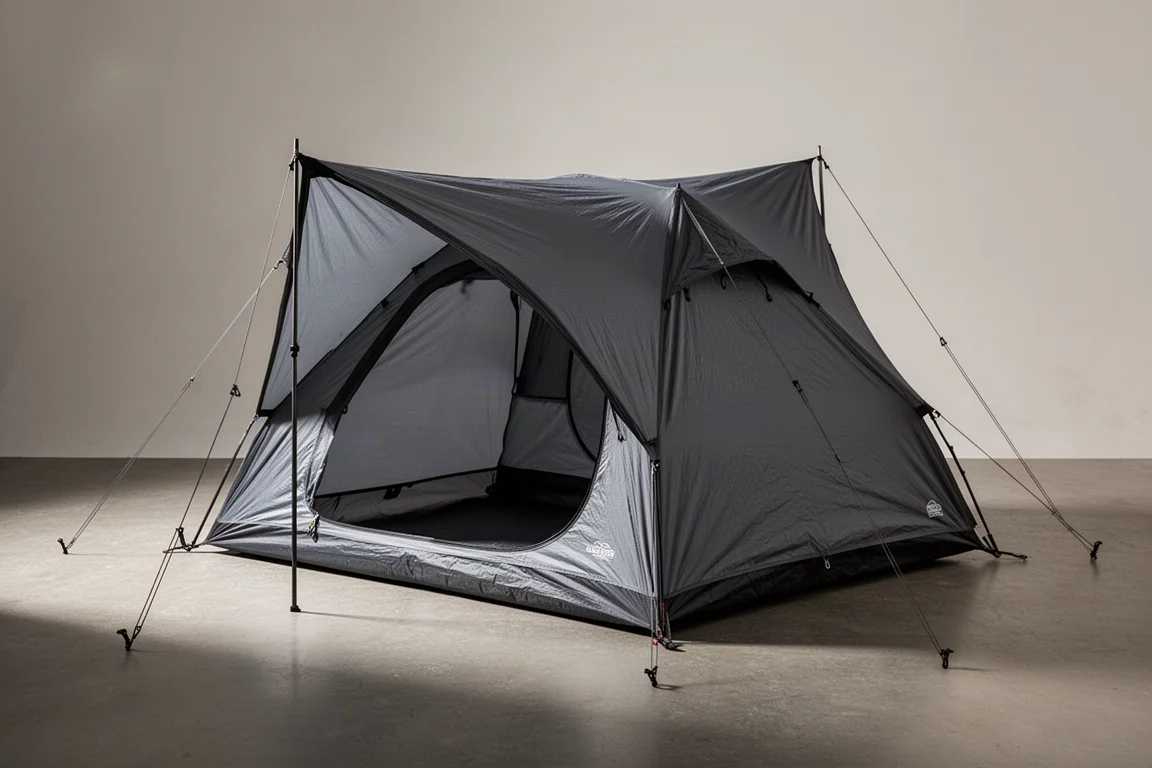
Weight comes in at 2 lb 7 oz, or 39 oz, which is light for a two-person freestanding tent and especially reasonable when split between two people. Pricing starts at $469 USD and rises with options such as the solid inner and the short pole set.
Durston Gear X-Dome 1 Plus: A Freestanding One-Person Tent
The X-Dome 1 Plus takes a different approach to floor geometry. The narrow end measures 29 inches, and the wide end opens up to a full 50 inches. That shape is the main reason it does not feel like the narrow, tapering one-person tents many backpackers are used to. The inner has also been updated since the initial release to be slightly wider, which adds side-to-side room at the narrow end and makes sleeping with your head there feel less enclosed. Peak height is 42 inches, one inch less than the X-Dome 2.
There is one door and one large vestibule, with plenty of room for a backpack and other gear to stay out of the rain. On the opposite side is a large flat panel that stakes out for additional structure and stability, though it offers no gear storage. Weight is about 35 oz, just over two pounds, for a fully freestanding design. Pricing starts at $379 USD, with the solid inner and short pole set adding to the total.
Weight and Price Compared
The gap between the two tents is narrower than the size difference suggests. The X-Dome 1 Plus comes in at roughly 35 oz and starts at $379 USD, while the X-Dome 2 weighs 2 lb 7 oz and starts at $469 USD. That works out to a few extra ounces and a higher starting price for a floor that is wider at every point and long enough for taller sleepers.
For a solo hiker, the question is whether that additional volume earns its place in the pack. A larger floor plan pays off during long storm-bound hours inside the tent and makes it easy to spread out gear, but it also means a larger footprint to find space for at a campsite. The X-Dome 1 Plus is the lighter and less expensive option, and its wide end still gives one person a comfortable amount of room.
Choosing Between the Two
If two people will be sleeping in the tent, the X-Dome 2 is the clear choice. Fitting two people into a one-person tent is not a practical arrangement, and the X-Dome 2 is dimensioned specifically for two rectangular pads.
For a solo hiker, the decision is about how you use your tent rather than about capacity. The X-Dome 2 offers a very large interior for one person, with space to sit up, move around, and keep gear inside. The X-Dome 1 Plus keeps the same freestanding structure and vestibule protection in a smaller and lighter package, and its 50 inch wide end makes it far more livable than a conventional narrow solo tent.
Buying Advice
Start with the sleeping arrangement, then work backward. Two occupants points to the X-Dome 2 without much debate. One occupant means choosing between a lighter, less expensive tent with an unusually wide floor and a considerably larger tent that trades a few ounces and a higher starting price for maximum interior space.
If you regularly wait out weather inside your tent or simply value room to spread out, the X-Dome 2 delivers that in a package that is still light enough for solo trips. If you want the smallest and lightest freestanding option that still avoids the enclosed feel of a narrow solo tent, the X-Dome 1 Plus is the more efficient pick. Either way, both tents share the same fly material, waterproof ratings, fly-first pitch, and freestanding pole structure, so core weather protection is consistent across the line.
Conclusion
The X-Dome 1 Plus and X-Dome 2 differ mainly in floor size, door count, weight, and starting price, while sharing the same materials and pitching method. Two people need the X-Dome 2. One person who wants maximum space can choose it too, and one person who wants to stay light while still having room to move should look closely at the X-Dome 1 Plus.
Further reading
Related Reviews
Backpacking Tents
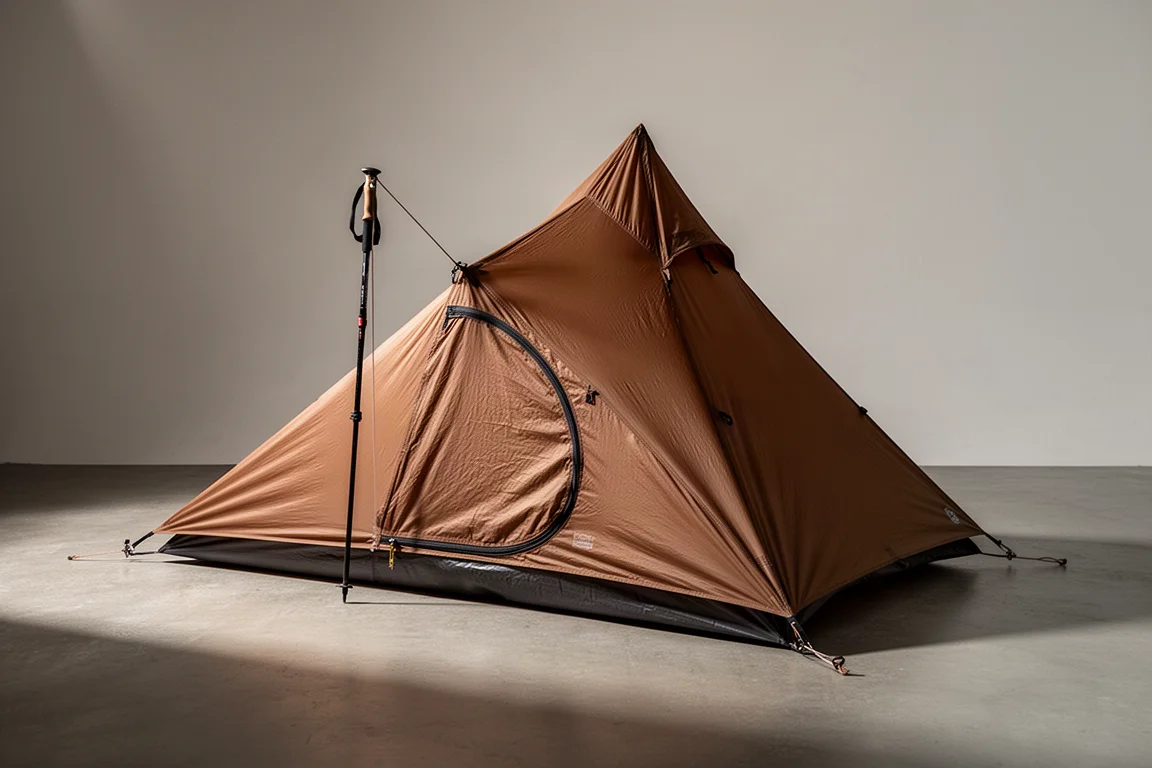
3F UL Lanchan Pro 1 Review: A 1 lb 8 oz Single-Wall Trekking Pole Tent
A practical look at the 3F UL Lanchan Pro 1, a single-wall trekking pole shelter with a 1 lb 8 oz weight, 20D silnylon fabrics, and a roomy 90 x 31 x 49 inch interior.
Backpacking Tents
3F UL Taiji 2-Person Tent: A Convertible Backpacking Shelter Worth a Closer Look
A practical look at the 3F UL Taiji two-person tent, covering its materials, true two-person interior, fly-first pitching, and the seasonal inner swap that lets one shelter cover more of the year.
Backpacking Tents
3FUL Lanshan Twoerson Pro Review: A Light Trekking Pole Shelter That Struggled in Rain
A two-person trekking pole shelter with a 2026 redesign, pitched with sticks and put through a night of steady rain. Here is what worked, what did not, and what to check before buying.