Backpacking Tents
Durston X-Dome 1+ V2 Review: A Genuinely Three Plus Season Solo Backpacking Tent
The Durston X-Dome 1+ V2 fixes the weak points of the first generation with a solid inner, properly seated pole ends and a compact short pole pack size.
Introduction
The Durston X-Dome 1+ V2 is the second generation of a solo backpacking tent built around a “one plus” footprint: noticeably roomier than a standard one-person shelter, without the weight and bulk of a two-person tent. It arrives after a first generation that drew fair criticism for pole inserts working loose, pole segments failing in sustained UK conditions, an inner that was almost entirely see-through mesh, and pole ends that did not seat cleanly into their fixings. The V2 reads as a direct response to those complaints.
The configuration covered here is the short pole version with a solid inner. It pitches inner and outer together, uses very slim carbon 3.9 poles, and packs down to roughly 33 cm by 15 cm, small enough to store horizontally inside a backpack. The flysheet is a dark green 15D silpoly with a 3,500 mm hydrostatic head, and the whole package is light enough to carry on multi-day routes without a second thought.
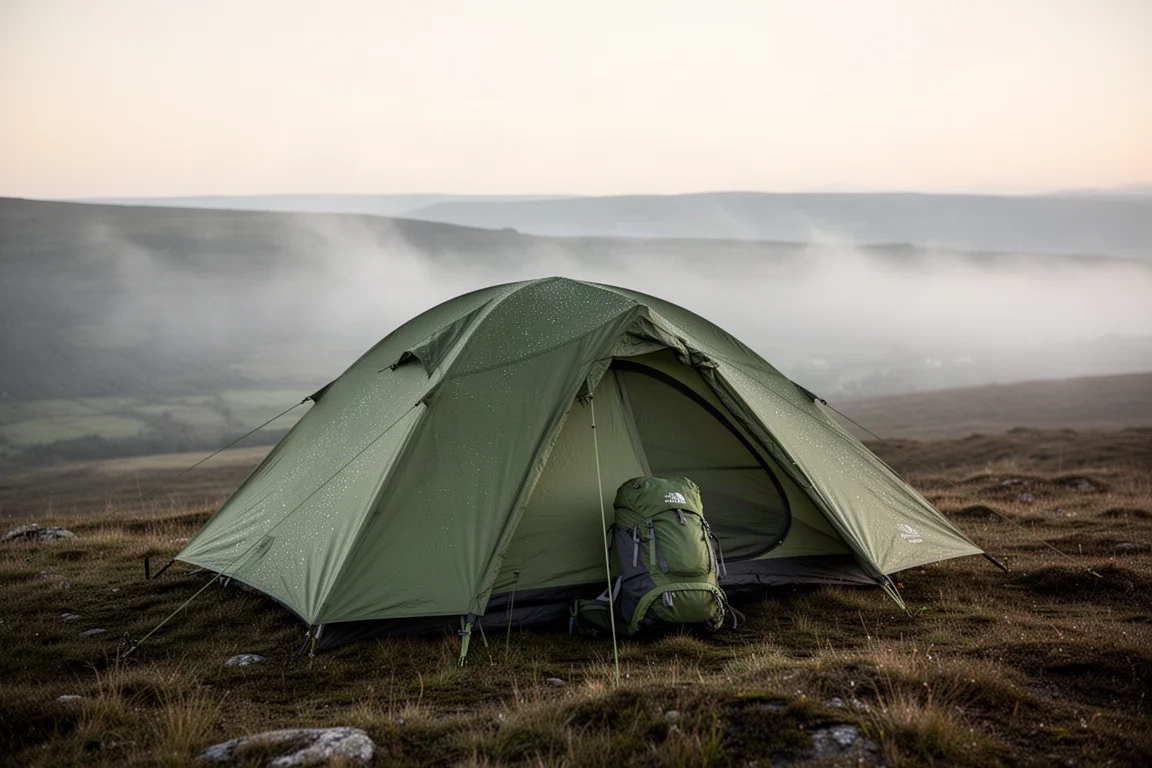
That combination of a compact pack size, a solid inner and a genuinely weather-resistant fly is what makes this version interesting. It is not simply a colour refresh or a minor tweak, and the changes are most obvious the moment the tent comes out of the bag.
Who the Durston X-Dome 1+ V2 Is For
This tent suits solo backpackers who find most one-person tents slightly cramped but do not want the weight, footprint or cost of a two-person shelter. The floor plan is generous enough to fit a long, wide sleeping pad with room to spare, and the wider end is spacious enough to camp with a child or a dog, which is exactly what the “one plus” designation is meant to describe.
It also suits anyone who camps in changeable, damp and breezy conditions. The solid inner, the low fly edge and the two end vents are all aimed at that kind of weather rather than at warm-weather fast packing alone.
Finally, it is worth a look if pack size is a priority. The short pole version is compact enough to sit horizontally in a pack, which makes loading and unloading far less awkward than a long pole bundle.
It is less suitable for anyone who wants a vestibule on both sides, or who needs a shelter rated for genuine storm conditions. The single vestibule is deep and steep, but there is only one.
Main Strengths
Pole System and Pitching
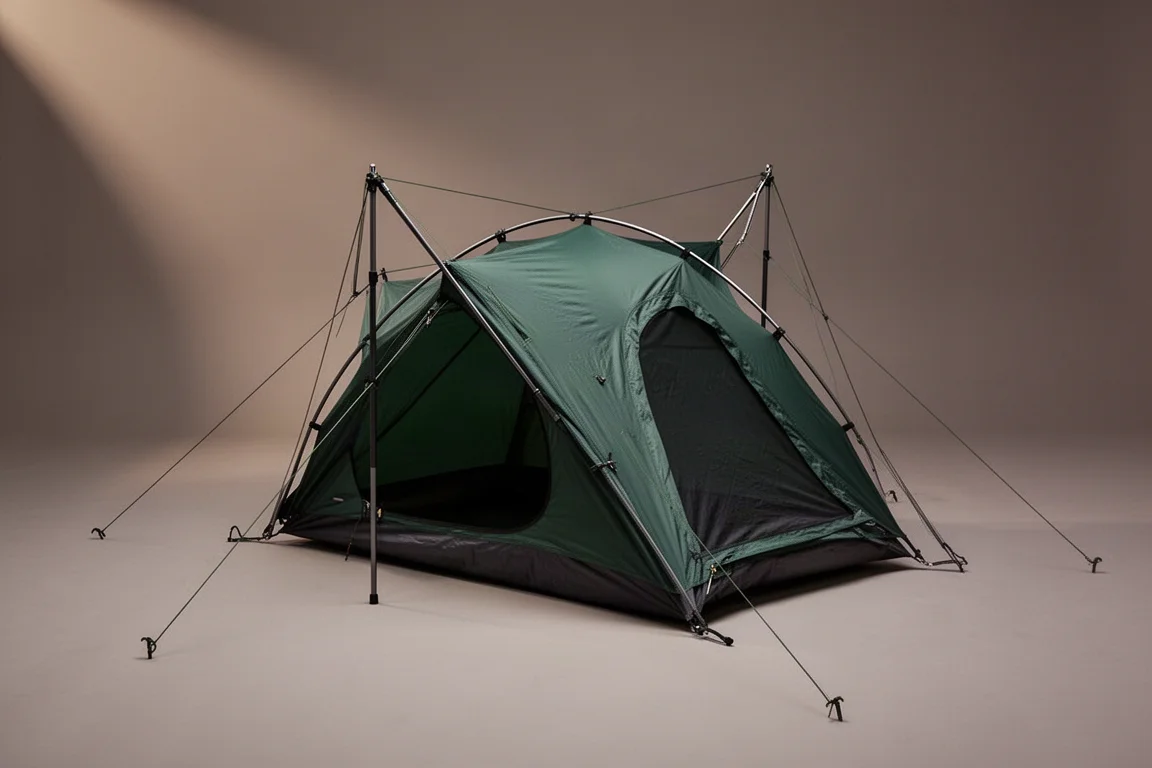
The tent pitches inner and outer together, which keeps the inside dry during setup in rain. The fly attaches to the frame with clips rather than a pole sleeve, and that makes the process quick and reasonably calm in wind, since the shelter can be built up from the ground in stages.
The most meaningful change is at the pole ends. They now slot into their fixings cleanly and without fuss, which was a recurring frustration on the earlier version. A dedicated guy point wraps around the crossing pole and pulls it into a supported curve, and the difference this makes to the structure is immediately visible: the pole no longer bulges outward unsupported. The frame uses very slim 7 mm and 12 mm carbon 3.9 poles, with one slightly thicker segment at the top, so treat the whole assembly with care. Do not snap the segments together aggressively, because carbon can splinter.
Weather Protection and Ventilation
The flysheet is a very thin 15D silpoly with a 3,500 mm hydrostatic head. Silpoly is valued here for retaining less water and drying out faster than some alternatives, and it is unquestionably waterproof. The trade-off is that 15D fabric is delicate, so it rewards a little care when pitching and packing.
There are two vents, one at each end, and they are a decent size and work well. A single waterproof YKK zipper runs down one side and has a solid, reassuring feel, with magnetic tiebacks that hold the door open neatly when conditions are calm. The fly sits fairly low to the ground, which helps cut out draughts and driving rain.
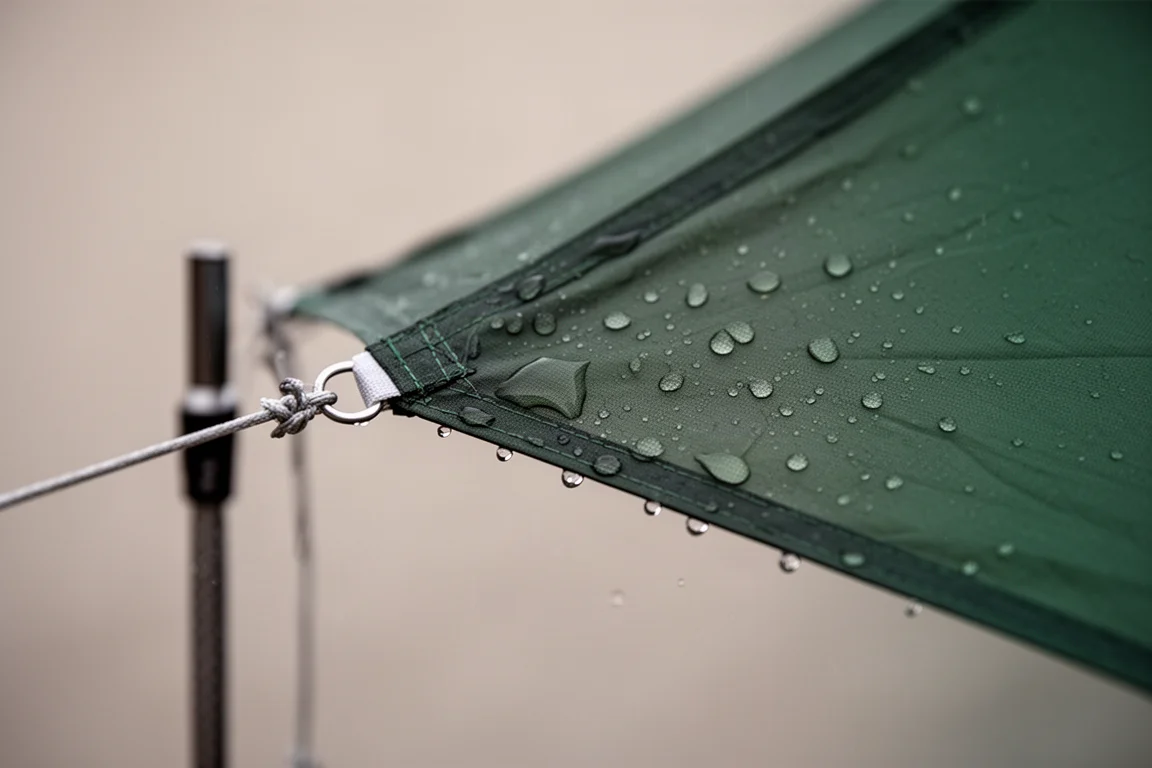
Taken together, the low fly edge, the paired end vents and the solid inner make this a genuine three plus season tent and a far better match for UK conditions than the first generation. It is not a storm shelter, and the slim poles are the reason why, but pitched properly with the guy points tensioned it will handle a reasonable amount of wind.
Interior Space and Liveability
The numbers are the story here. The flat line along the back of the inner is 215 cm long, the narrow end is 70 cm wide and the wide end opens out to 130 cm. In practice that means a long, wide sleeping pad fits easily, and you can sit up on a thick mat without your head touching the roof. Sideways headroom is generous too, so the shelter never feels claustrophobic.
The inner door uses a T-zip, which means it can be opened out completely to expose the whole side of the tent. On bright, still days this transforms the interior into something much closer to an open shelter, and it is the kind of detail that makes the tent pleasant to live in rather than merely adequate.
Storage is well handled: a large pocket at the wide end, a smaller door pocket, and ribbon loops that work as lantern hooks or as an improvised washing line. The single vestibule is deep and steep enough for a backpack, boots and cooking, even if it is not as versatile as a two-vestibule layout.
A Solid Inner Built for Colder Conditions
This is the version to choose if you camp outside the warm months. The inner is a true solid fabric construction, with only one see-through mesh panel, and that panel zips shut. The solid walls block chilly breezes and help retain warmth, which is precisely where a mostly mesh inner falls short.
The solid inner version also uses a thicker bathtub floor: a 20D silpoly with a 3,500 mm hydrostatic head. That is a meaningful upgrade over a lighter floor and gives more confidence when pitching on damp ground.
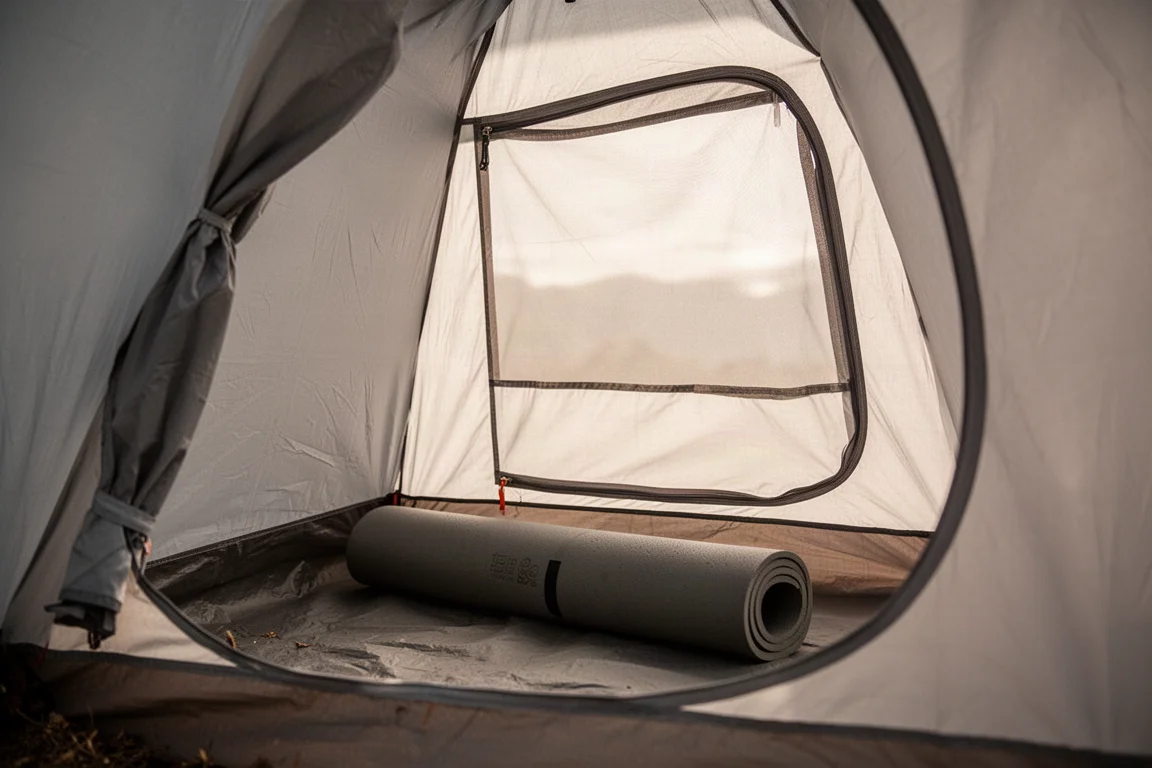
One small quirk is that the inner door does not drop all the way to the ground when fully unzipped. It does create a useful extra pocket, but it is an unusual design choice.
Wind Support and Pitching Confidence
Trekking pole attachment points on both sides let you add extra bracing when the forecast turns. Sliding a pole in on each side stiffens the structure considerably, and combined with a careful pitch and properly tensioned guy lines, it gives the tent a useful margin in exposed spots. The key word is careful: this is a lightweight shelter that rewards good pitching technique.
Things to Consider Before Buying
The flysheet is a very thin 15D silpoly. It is highly waterproof, but it needs to be looked after, and it will not shrug off the same abuse as a heavier fabric.
The carbon pole set demands care. The all-in-one pole structure is very slim and feels fragile in the hand, so assembly and disassembly should be deliberate rather than rushed.
There is only one vestibule and one door. That keeps the tent light and the shape efficient, but anyone used to a vestibule on each side will notice the difference.
The inner door does not close completely to the floor, and on the solid inner version the extra attachment points for clipping the inner directly to the pole frame have limited practical value. They are there for warm-weather mesh use, and on a solid inner they can simply flap in the wind.
It should not be described as stormworthy. With 7 mm and 12 mm poles, that claim does not hold up. What it is, clearly, is a three plus season tent that performs well when it is pitched properly and braced with the available guy points.
Finally, budget for the extras. The setup described here included the optional footprint.
Buying Advice
The configuration covered in this review came to £494 all in, including delivery, VAT, duty and the optional footprint. That is a premium outlay for a solo shelter, and it makes most sense if you are buying for three plus season use rather than occasional summer weekends.
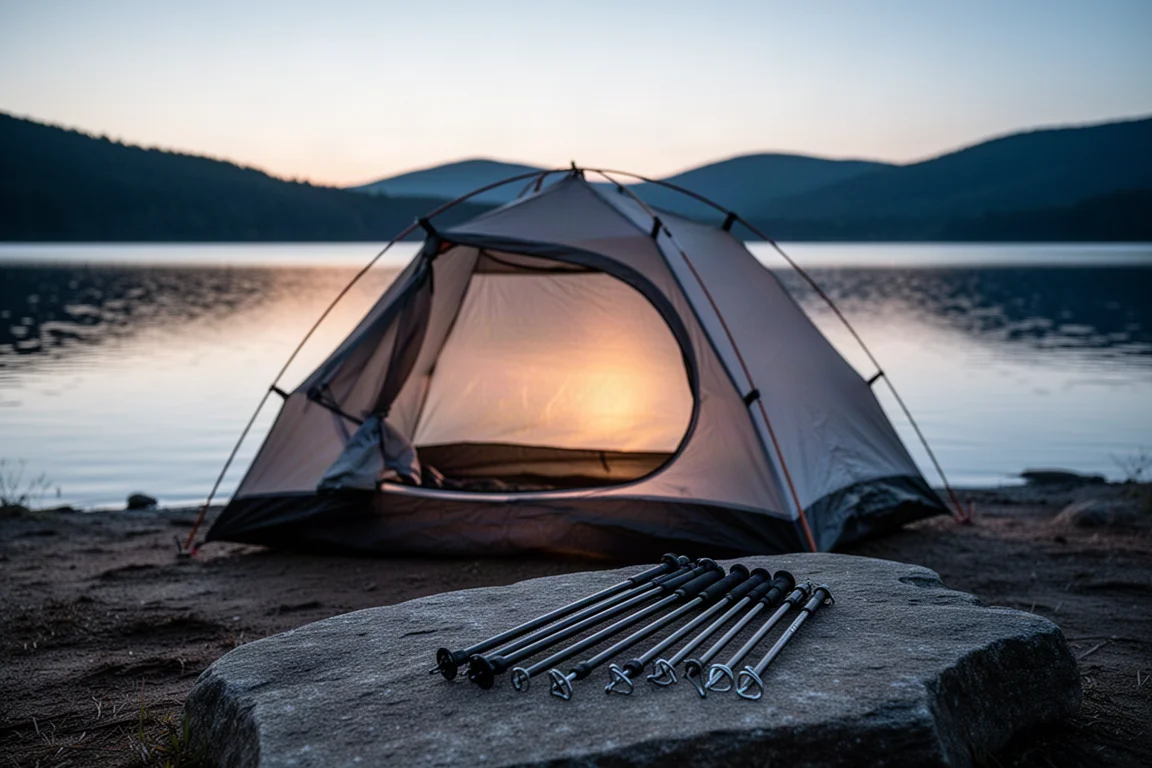
Choose the short pole version if pack size matters to you, since it stores horizontally and keeps the load close to your back. Choose the solid inner if you camp in cold, damp or breezy conditions, and the mesh inner only if warm-weather ventilation is your priority. The footprint is optional, but it is a sensible pairing given how thin the floor and fly fabrics are.
If you want a roomy one-plus shelter with a solid inner that is genuinely suited to changeable weather, and you are willing to pitch it carefully, this is an easy recommendation. If you need two vestibules or a true four-season shelter, look at a different class of tent.
Conclusion
The Durston X-Dome 1+ V2 is a substantial improvement over the version it replaces. Pole ends seat properly, the crossing pole is supported by a dedicated guy point, the inner is solid rather than mostly mesh, the floor is thicker, and the short pole configuration packs down remarkably small. The interior is spacious enough to sit up in comfort, and the T-zip opens the whole side on fine days.
The caveats are honest ones: very thin fabric, a delicate carbon frame, a single vestibule, and a wind rating that stops short of stormworthy. Accept those, pitch it well, and this is a genuinely excellent three plus season solo backpacking tent.
Product link
View more details for Durston X-Dome 1+ V2
This product is mentioned in the review. Check the specifications, options, and compatibility before buying.
View more details for Durston X-Dome 1+ V2Further reading
Related Reviews
Backpacking Tents
3F UL Lanchan Pro 1 Review: A 1 lb 8 oz Single-Wall Trekking Pole Tent
A practical look at the 3F UL Lanchan Pro 1, a single-wall trekking pole shelter with a 1 lb 8 oz weight, 20D silnylon fabrics, and a roomy 90 x 31 x 49 inch interior.
Backpacking Tents
3F UL Taiji 2-Person Tent: A Convertible Backpacking Shelter Worth a Closer Look
A practical look at the 3F UL Taiji two-person tent, covering its materials, true two-person interior, fly-first pitching, and the seasonal inner swap that lets one shelter cover more of the year.
Backpacking Tents
3FUL Lanshan Twoerson Pro Review: A Light Trekking Pole Shelter That Struggled in Rain
A two-person trekking pole shelter with a 2026 redesign, pitched with sticks and put through a night of steady rain. Here is what worked, what did not, and what to check before buying.