Backpacking Tents
Durston X-Dome 1 Plus Review: A Freestanding One-Person Backpacking Tent
A six-month look at the Durston X-Dome 1 Plus, a freestanding double-wall one-person tent with a fly-first pitch, carbon fiber poles, and a roomier updated floor.
Introduction
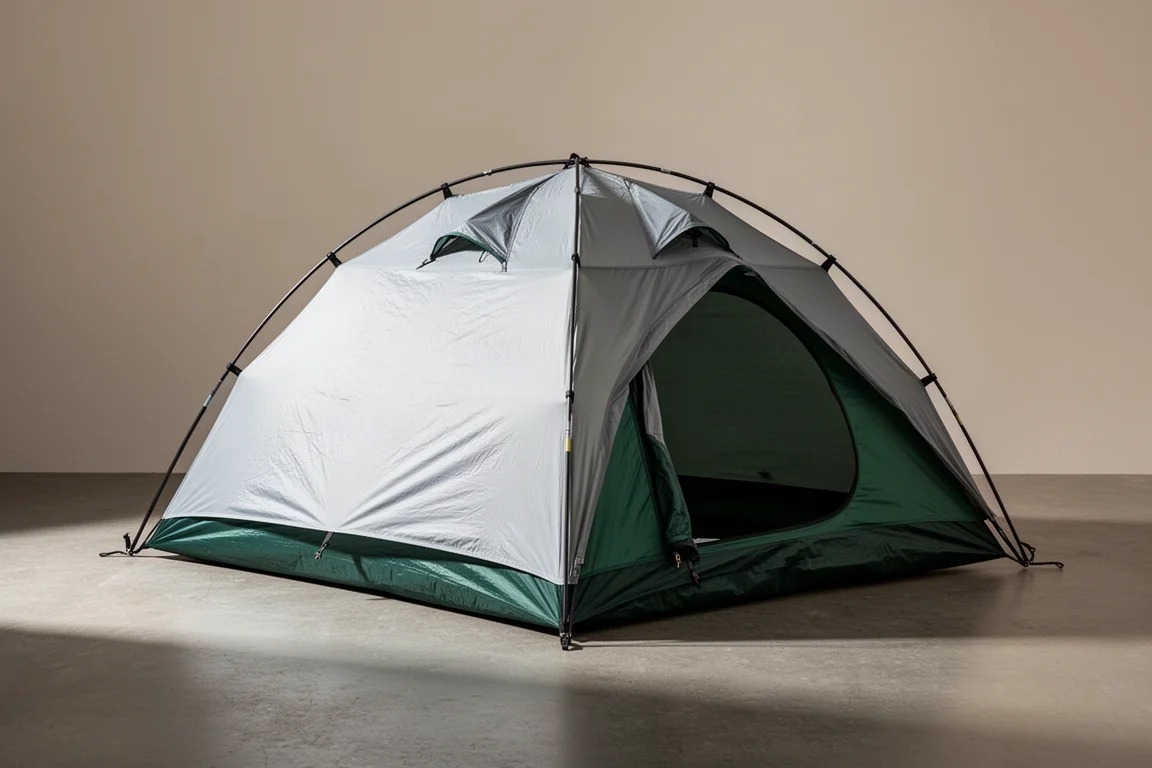
The Durston X-Dome 1 Plus is a fully freestanding, double-wall, one-person backpacking tent. It is built to be lightweight, stormworthy, and complete for solo trips, with several design choices that separate it from other freestanding one-person shelters on the market.
At first it was finicky to pitch, and a few small details got in the way of easy field use. Six months of use across multiple seasons and conditions changed that picture. The X-Dome 1 Plus is a well-made tent at $379 USD, and the value it offers for the space, materials, and feature set is strong.
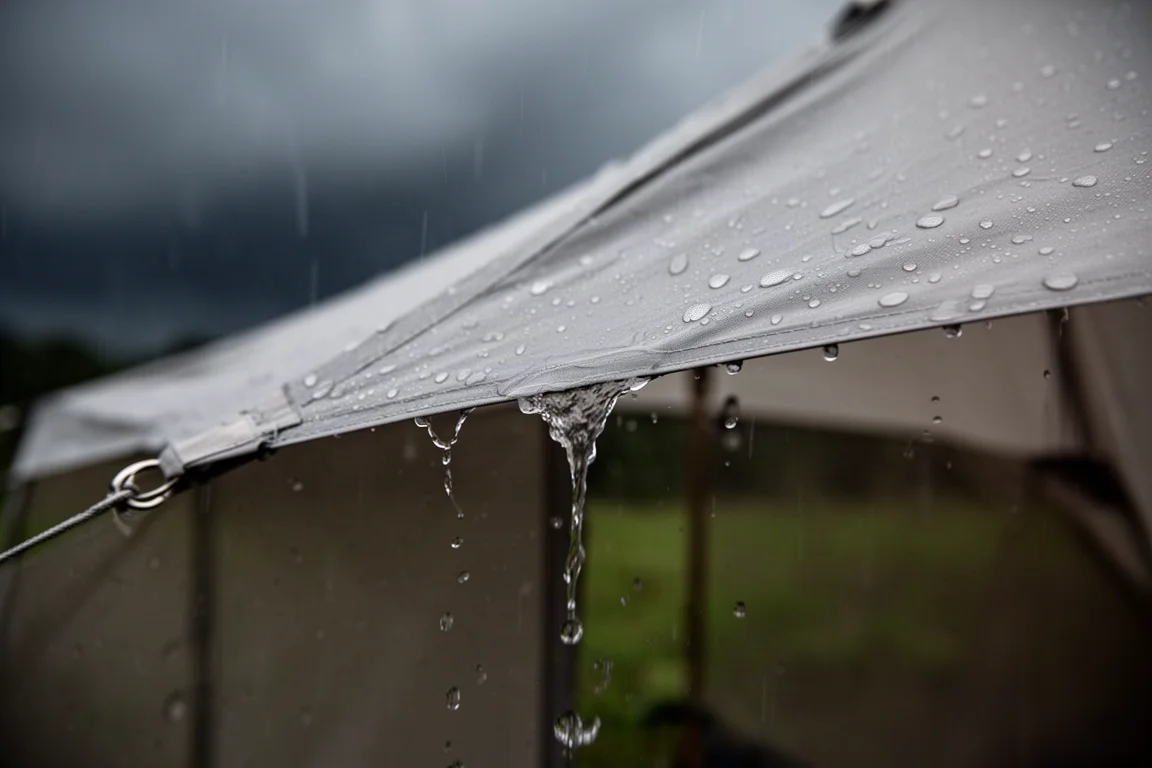
The fly is 15 denier polyester with a 3,500 mm hydrostatic head. That is a higher rating than many ultralight-focused tents, which often sit in the 1,800 mm to 2,000 mm range. Polyester also does not stretch the way nylon does when it is wet, it dries quickly, and it stays reasonably light. The pole structure sits on the outside of the rainfly, so the tent is a fly-first pitch, which keeps the interior and your gear drier when you set up in rain.
Who the Durston X-Dome 1 Plus Is For
This tent suits solo backpackers who want a freestanding shelter that does not feel like a coffin. The 85 inch floor length and 45 inch peak height give a genuinely roomy interior for one person, and the wide end of the floor measures 50 inches across.
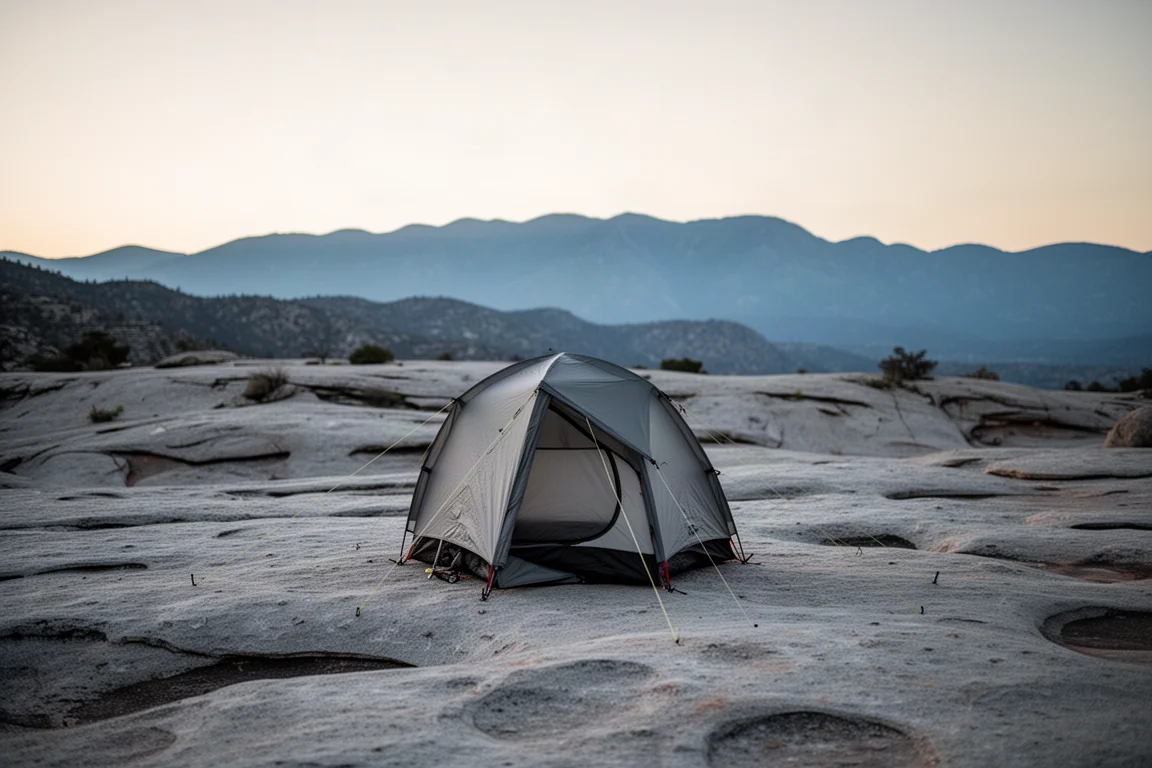
It is also a good fit for campers who pitch on rock, hardpan, or other surfaces where stakes are difficult. Because the structure is freestanding, the tent stands on its own before it is tied out, and adding cordage to the stake-out points makes it easier to anchor with stacked rocks on slick rock.
Hikers who want more capability in poor weather will appreciate the option to brace the brow pole with trekking poles. That addition stiffens the top-down structure for snow load and gusty winds, and it supports the broad side panel that would otherwise catch wind like a sail. It extends how far the tent can be used into more extreme conditions.
Main Strengths: Weather Protection and Interior Space
The fly-first pitch is one of the strongest parts of the design. The pole structure runs along the outside of the rainfly, so the tent body goes up underneath a protected shell rather than being exposed while you wrestle a fly over the top. In wet weather that keeps the inner and any gear you have already placed inside much drier.
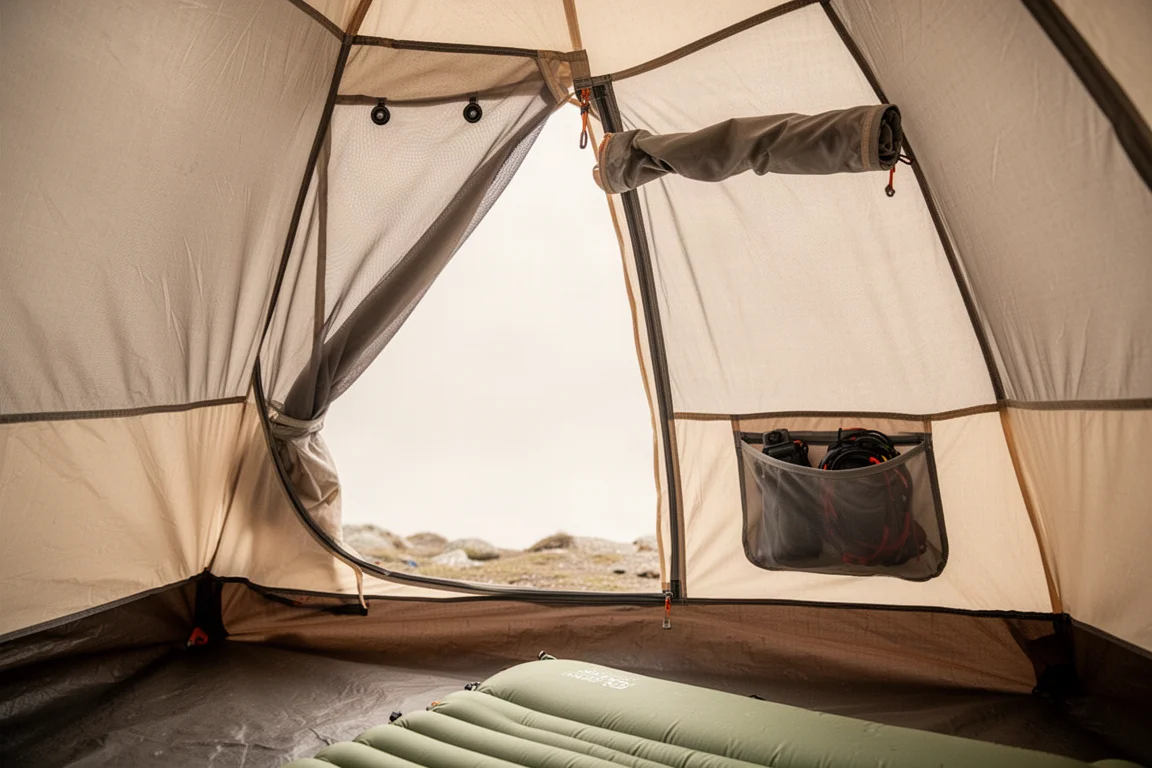
Interior space is the other standout. The floor is 85 inches long, 50 inches wide at the head end, and 27 inches wide at the foot end, and the walls stay fairly vertical. The result is a trapezoidal living area with plenty of room to sit up, change layers, and keep gear inside rather than in the vestibule.
Carbon fiber poles keep the structure light while still holding a taut pitch, and the tent is designed to pack down into a small package that carries easily in a pack.
Updated Floor and Inner Options
The narrow end of the floor has been updated. Usable width there is now a full 30 inches, which means a 25 inch wide pad fits without trouble and even a 26 inch wide pad sits comfortably against the sidewall. That change reduces the awkwardness of the original narrow foot end without taking much away from the vestibule.
There are two inner options. The mesh inner maximizes airflow and views. The solid inner trades some air movement for warmth and, more importantly for sandy or dusty environments, far less dirt and sand blowing into the sleeping area. It adds little weight, keeps a mesh window for ventilation, and retains the same two interior pockets. Color-coordinated pole sections in the updated inner also make it easier to tell which pole goes where.
Trekking Pole Support and Fine Design Details
Small details make the X-Dome 1 Plus more pleasant to live with. The door rolls back fully to open up a wide entry, and the zipper runs at an angle instead of straight down the middle of the vestibule panel, so gear stored in the vestibule does not block the way in and out. A small fabric panel with magnet closures on both sides can be rolled back for ventilation on mild nights, and two peak vents help move air through the tent.
The double-wall construction means condensation is less of a practical concern than it is in a single-wall shelter. The single-door layout keeps the tent simple, and because the door does not protrude past the corners of the tent, the vestibule stays compact while still offering a generous amount of covered storage.
Trekking pole attachment points at the brow pole let you add structural support when conditions demand it. Braced that way, the tent resists downward pressure from snow and holds its shape against strong gusts.
Things to Consider Before Buying
A few points are worth knowing before you commit.
The guy-out loops on the end walls do not come with cordage. Adding your own is simple and useful: it keeps the end panels from deflecting inward under gusty winds, helps the pitch stay tight, and encourages rain to run off rather than blow against the inner wall. It would be better to have that cordage included out of the box, though it is easy to remove if you want to save weight.
There is one door and one entry. With the wide end of the floor defining the natural head end, pitching on sloping ground can be awkward if you want your head uphill, because the door placement then works against you. In practice, sleeping with your head at the narrow end turned out to be far less of a problem than expected, and it freed the wide end for gear. The updated floor width makes that arrangement easier still.
The solid inner reduces airflow compared with the mesh inner. That trade-off is worth accepting for cleaner, warmer sleeping quarters in sandy or dusty conditions, but the mesh inner remains the better choice for hot, humid trips.
Buying Advice
At $379 USD, the X-Dome 1 Plus is a fair price for what it delivers: a 15 denier polyester fly with a 3,500 mm hydrostatic head, carbon fiber poles, a fly-first pitch, and a genuinely roomy interior for one person. You can spend less on a one-person tent, but you will usually give up living space and move to heavier, less weather-resistant materials. You can also spend considerably more.
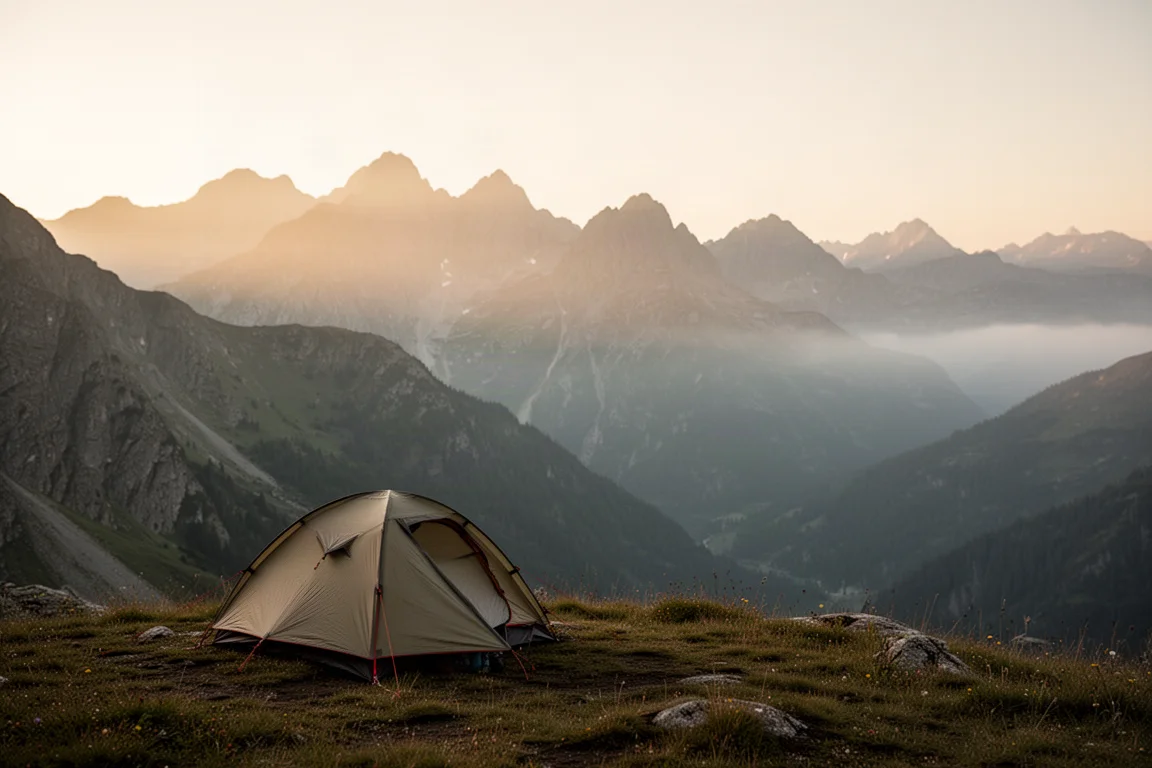
If your priorities are a freestanding pitch, real interior volume, and dependable weather protection in a package that packs down small and carries easily, this tent is easy to recommend. Backpackers who mostly camp in hot, humid conditions may prefer the mesh inner, while anyone who camps in sand, dust, or cooler shoulder-season weather will likely get more out of the solid inner.
Conclusion
The Durston X-Dome 1 Plus started out finicky and ended up genuinely enjoyable. The updates to floor width and inner options address the main practical complaints, and the fly-first pitch, carbon fiber structure, and trekking pole bracing give it range beyond fair-weather camping. It is a strong value at $379 USD for solo backpackers who want space and stormworthiness in a freestanding one-person tent.
Product link
View more details for Durston X-Dome 1 Plus
This product is mentioned in the review. Check the specifications, options, and compatibility before buying.
View more details for Durston X-Dome 1 PlusFurther reading
Related Reviews
Backpacking Tents
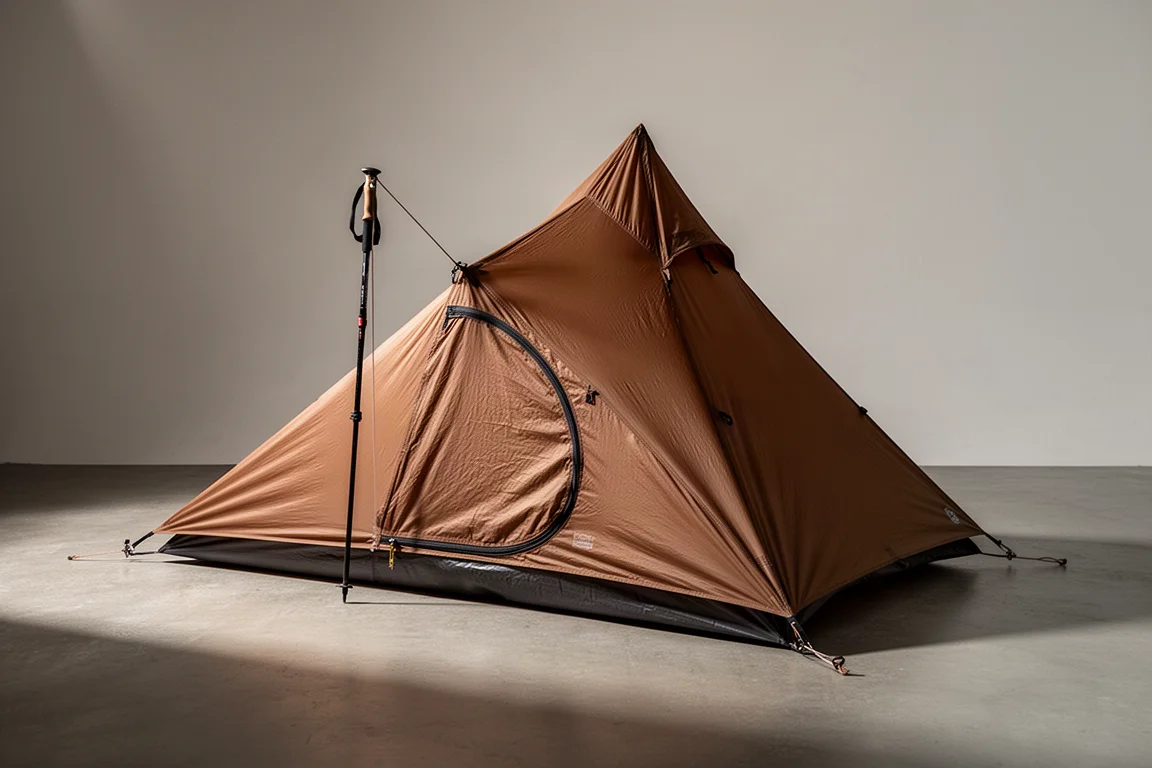
3F UL Lanchan Pro 1 Review: A 1 lb 8 oz Single-Wall Trekking Pole Tent
A practical look at the 3F UL Lanchan Pro 1, a single-wall trekking pole shelter with a 1 lb 8 oz weight, 20D silnylon fabrics, and a roomy 90 x 31 x 49 inch interior.
Backpacking Tents
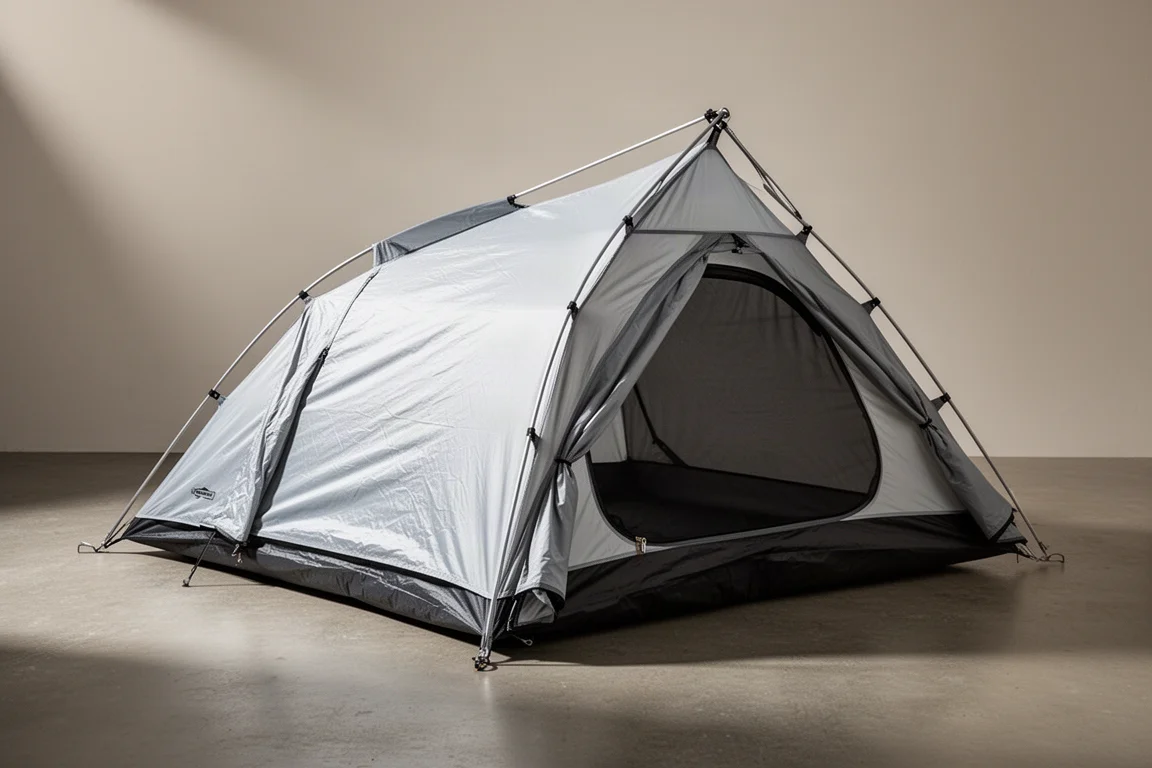
3F UL Taiji 2-Person Tent: A Convertible Backpacking Shelter Worth a Closer Look
A practical look at the 3F UL Taiji two-person tent, covering its materials, true two-person interior, fly-first pitching, and the seasonal inner swap that lets one shelter cover more of the year.
Backpacking Tents
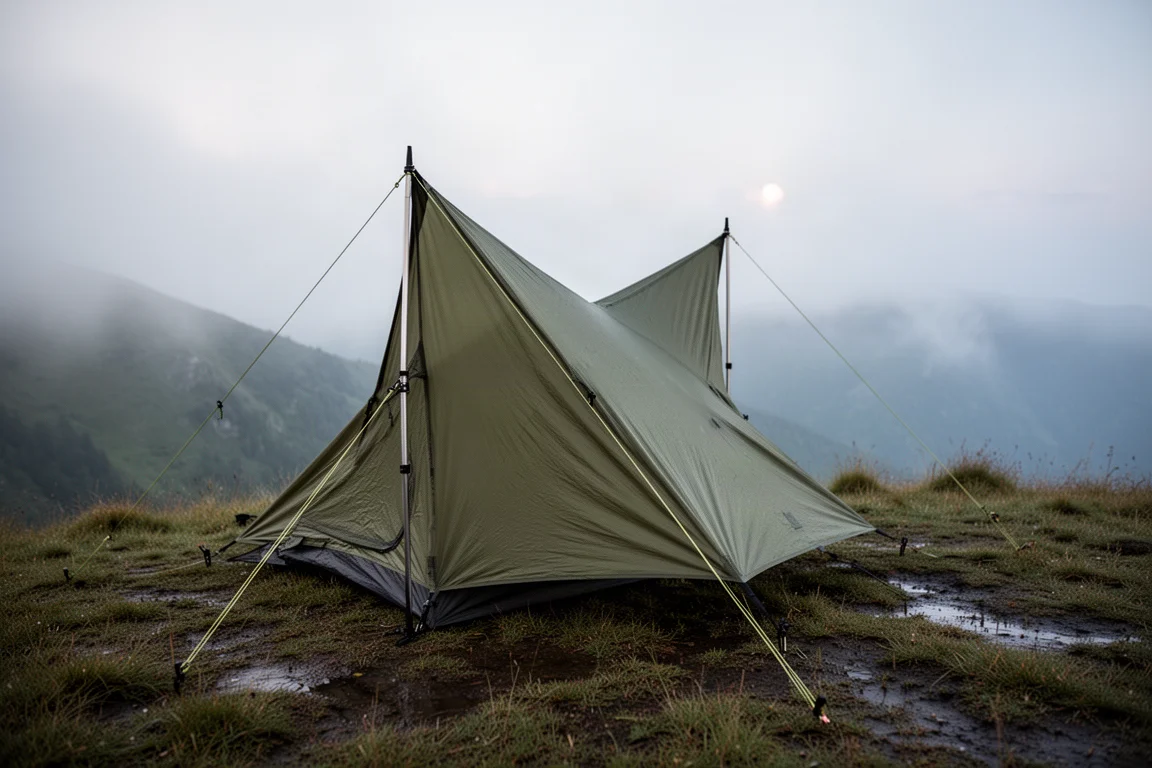
3FUL Lanshan Twoerson Pro Review: A Light Trekking Pole Shelter That Struggled in Rain
A two-person trekking pole shelter with a 2026 redesign, pitched with sticks and put through a night of steady rain. Here is what worked, what did not, and what to check before buying.