Backpacking Tents
Durston Ultralight Tent Review: Fast to Pitch, Light to Carry, Fussy on Uneven Ground
A single-wall trekking pole tent that pitches fast and carries light, with condensation, stake count, and interior space to weigh before buying.
Introduction
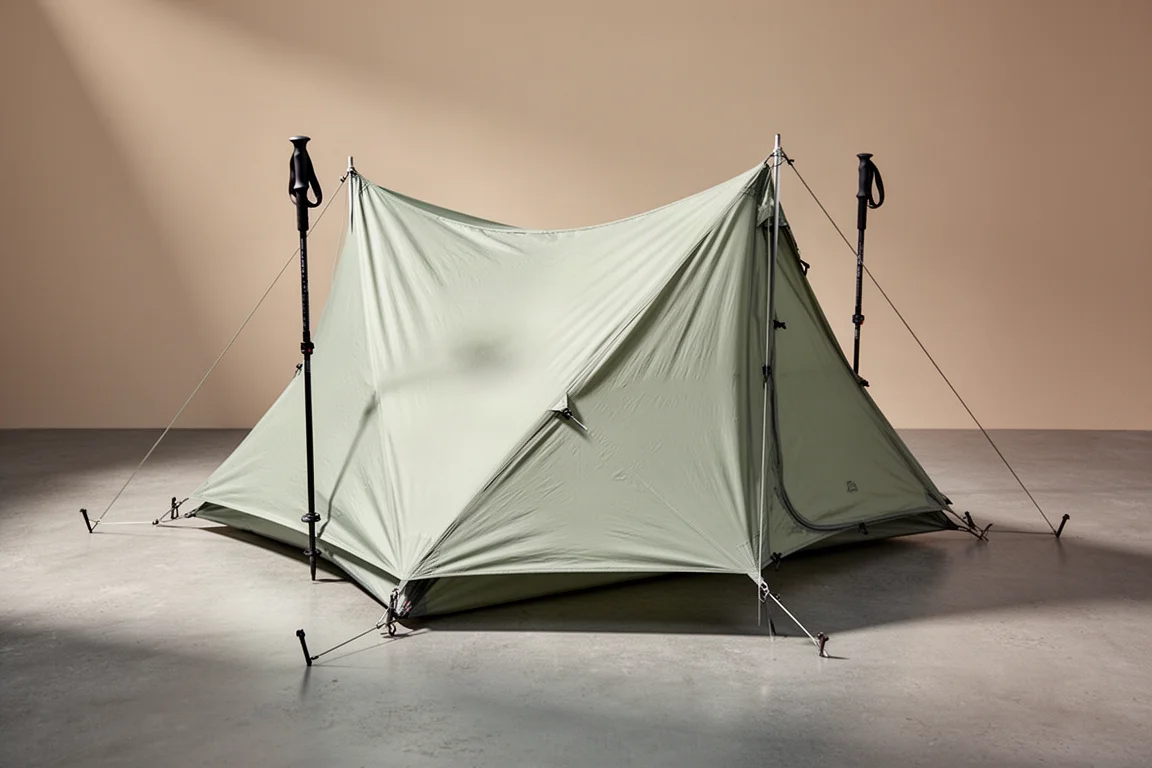
The Durston Ultralight Tent has built a following among backpackers who count every gram, and after extended use on long-distance routes such as the Colorado Trail and in the Grand Canyon, the appeal is easy to understand. It is exceptionally light for the coverage it provides, it goes up quickly, and it can be pitched in the rain without soaking the inner first.
It is also a tent with clear trade-offs. Condensation, stake requirements, and a compact interior are part of the design rather than accidents. This review walks through what the shelter does well, where it asks for patience, and who should consider it.
Who This Tent Is For
This tent suits backpackers who prioritize low weight and fast pitching over interior volume. It rewards hikers who move often, pitch late, and want a shelter that goes up in minutes using trekking poles they are already carrying.
It is less suited to campers who want a wide, roomy interior for one person, or who frequently sleep on uneven, sloping ground where a clean pitch is difficult to achieve.
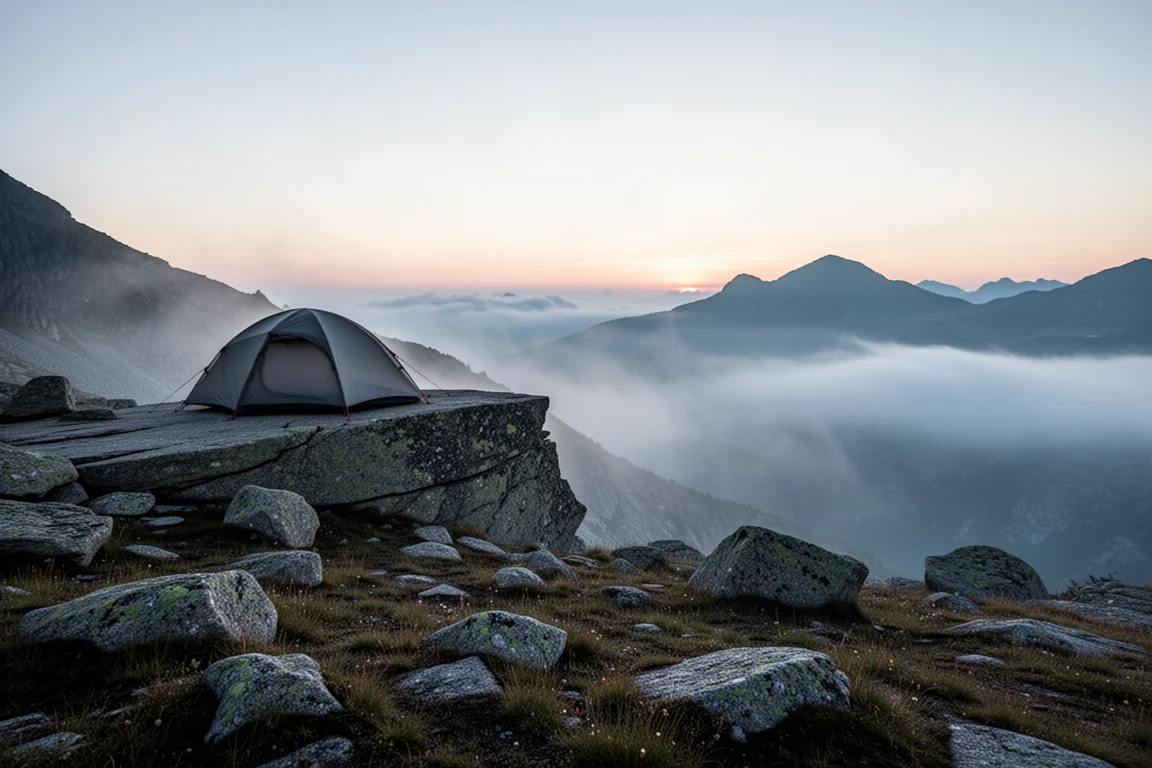
Because it is a single-wall design, it also asks for a different relationship with moisture. Anyone who has spent a humid night under a single wall knows the trade-off, and this tent is no exception.
Main Strengths
Weight is the headline. For a shelter with this much coverage, it is exceptionally light, and that saving is noticeable on long days and long climbs.
Setup is quick and well thought out. The tent uses a fly-first style pitch, so the outer goes up first and the inner stays dry if rain starts while you are pitching. Pole placement and overall geometry are carefully considered, and for a trekking pole tent the headroom is good enough to sit up comfortably inside.
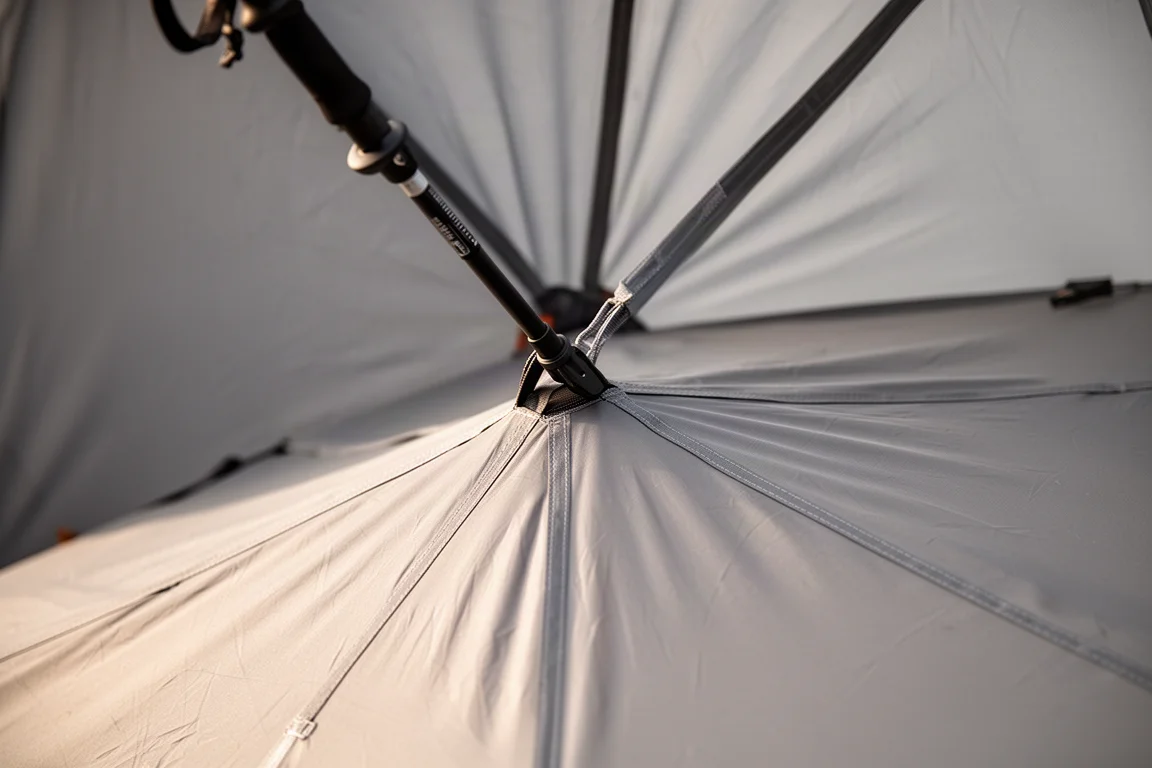
The pitch itself is straightforward once the corners are staked out. Pop the shelter up, tension the panels, and it holds its shape in calm conditions without a lot of fiddling.
Pitch, Stakes, and Setup
Not every pitch is forgiving. On ground that is not perfectly flat, a clean pitch is genuinely difficult to achieve, and the guy lines are short, which limits how much correction they can offer.
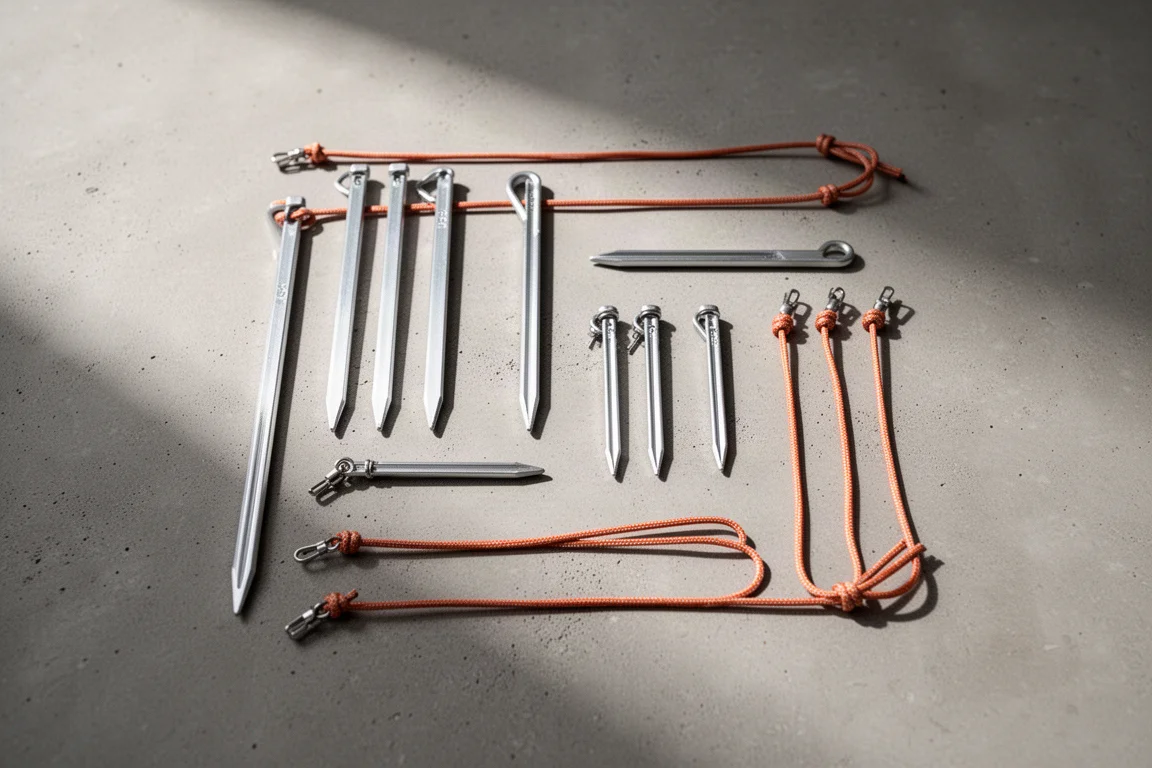
Four stakes are not enough. Six are required, otherwise the doors cannot be used properly, and the shelter will not hold the shape it is designed for.
When conditions turn wet, the side panels can sag inward and need to be guyed out to preserve usable space. On damp stretches of a long trail that becomes routine rather than occasional.
Laying the tent out also takes some visualization. The outer footprint is rectangular while the inner sits at an angle, so the shape you see on the ground is not the shape you sleep in. Remembering where the inner will sit relative to the outer helps avoid re-pitching later, and the short guy lines make a narrow or awkward campsite harder to nestle into.
Things to Consider Before Buying
Condensation is the biggest consideration. As a single-wall shelter, moisture builds on the interior surface, and in a small space it is difficult to move around without brushing against it. That moisture transfers onto sleeping bags and gear, which is the main practical downside of this design.
Price is the other factor. The tent is expensive, and the Pro version using DCF fabric costs considerably more, which is largely a reflection of the material rather than the layout.
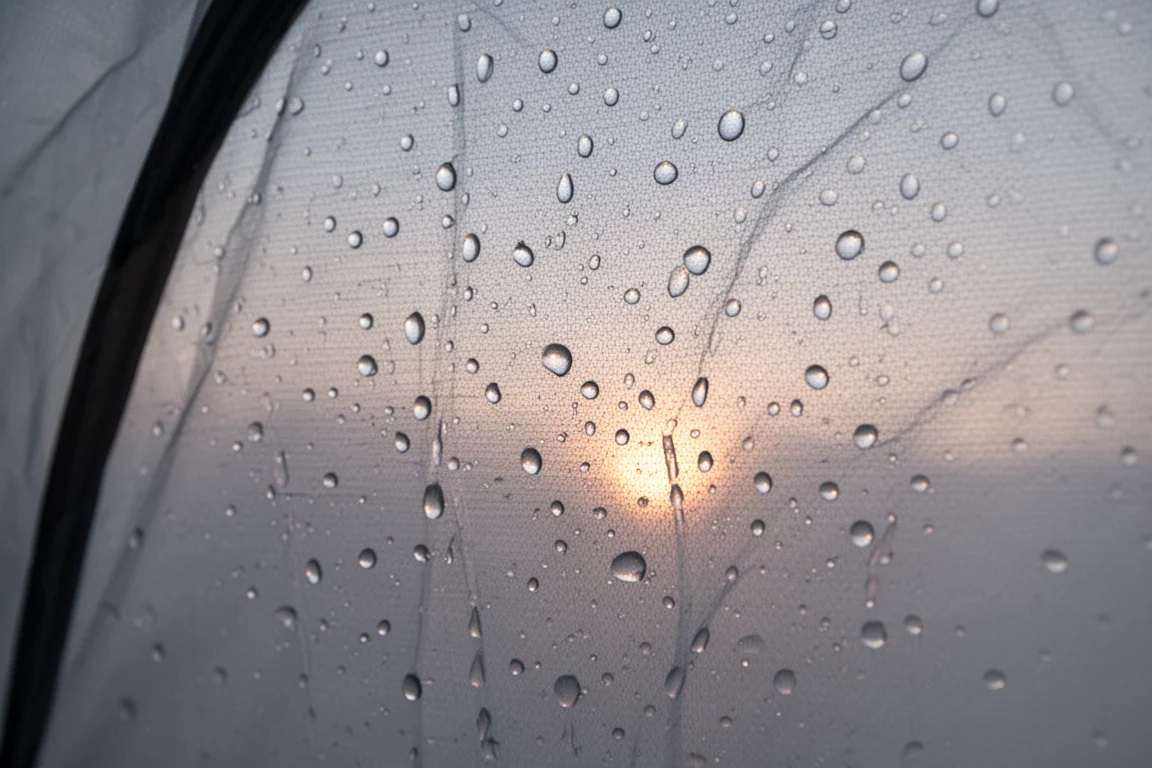
None of this makes the shelter a poor choice, but it does mean it suits some trips better than others. Dry, well-drained ground and cooler conditions limit the condensation problem, while humid nights and tight campsites amplify it.
Interior Space and Sleeping Position
The one-person interior is small relative to the footprint the tent occupies. Interior width is the weakest dimension, and with only one vestibule in use there is little room to spread out.
The angled inner shape means sleeping at an additional angle to make the most of the available headroom, and taller sleepers may find the geometry more restrictive than they expect.
Corners taper low as well, which makes stashing gear in them awkward, and one side of the shelter slopes down toward your face. Shifting a sleeping pad toward the opposite corner helps, but it is a compromise rather than a fix.
Buying Advice
If low weight and a fast pitch matter most, and you usually camp on reasonably flat, well-drained ground, this tent is easy to recommend. The weight saving is real, the setup is quick, and the fly-first pitch is genuinely useful in wet weather.
If you camp often on uneven terrain, want more interior width for one person, or dislike managing condensation inside a single-wall shelter, the trade-offs deserve careful thought. Budget matters too, particularly if you are considering the DCF version.
A simple way to decide: think about how many nights you sleep on flat, dry ground versus how many you spend on sloped or damp sites. The more the balance tilts toward flat and dry, the more sense this shelter makes.
Conclusion
The Durston Ultralight Tent is a specialized tool. It delivers very low weight, fast pitching, and solid headroom for a trekking pole design, while asking for six stakes, careful campsite selection, and tolerance for condensation. For the right backpacker it is a compelling shelter. For the wrong one it will feel cramped and fussy.
Product link
View more details for Durston Ultralight Tent
This product is mentioned in the review. Check the specifications, options, and compatibility before buying.
View more details for Durston Ultralight TentFurther reading
Related Reviews
Backpacking Tents
3F UL Lanchan Pro 1 Review: A 1 lb 8 oz Single-Wall Trekking Pole Tent
A practical look at the 3F UL Lanchan Pro 1, a single-wall trekking pole shelter with a 1 lb 8 oz weight, 20D silnylon fabrics, and a roomy 90 x 31 x 49 inch interior.
Backpacking Tents
3F UL Taiji 2-Person Tent: A Convertible Backpacking Shelter Worth a Closer Look
A practical look at the 3F UL Taiji two-person tent, covering its materials, true two-person interior, fly-first pitching, and the seasonal inner swap that lets one shelter cover more of the year.
Backpacking Tents
3FUL Lanshan Twoerson Pro Review: A Light Trekking Pole Shelter That Struggled in Rain
A two-person trekking pole shelter with a 2026 redesign, pitched with sticks and put through a night of steady rain. Here is what worked, what did not, and what to check before buying.