Backpacking Tents
Durston Gear X-Mid Pro 2 Plus Review: A True Two-Person Ultralight Tent
The Durston Gear X-Mid Pro 2 Plus is a 19.2 oz two-person backpacking tent with a full 50-inch Dyneema floor and 46 inches of head height. Here is what it gets right, and what to plan for before your first trip.
Introduction
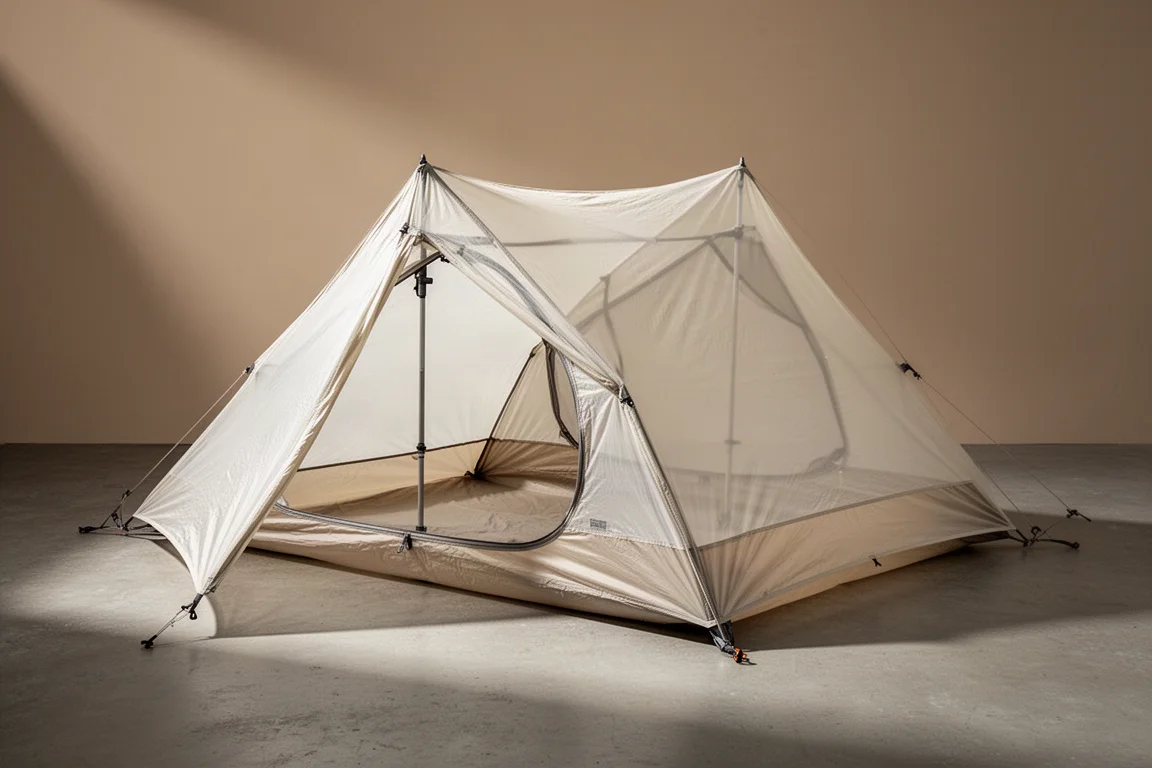
The X-Mid has been through more revisions than almost any other backpacking shelter on the market, and every round has chipped away at the same three complaints: the floor was too narrow for two wide sleeping pads, the interior felt tight once two people sat up, and the finishing details were not always where they needed to be. The Durston Gear X-Mid Pro 2 Plus is the version where that list finally runs out.
It keeps the offset-pole geometry that makes an X-Mid an X-Mid, but it widens the floor to a full 50 inches and spreads the walls to match. The result is a shelter that weighs 19.2 oz and still sleeps two people properly, on two wide pads, head to head. That combination is rare enough to be worth a careful look.
Who This Tent Is For
Durston Gear calls this the 2 Plus because it sits between a conventional two-person tent and a three-person tent, and that description is more honest than most. For decades, two-person backpacking tents have been designed around a floor roughly 40 inches wide. That number is not a coincidence: foam sheets used to arrive in 40-inch widths, and brands simply cut them in half to make two sleeping pads. Twenty-inch pads fit. Almost nothing else does.
That history is why so many two-person tents feel like one-person tents with a spare corner. The X-Mid Pro 2 Plus takes the other approach. Its floor is a full 50 inches wide, which is exactly what two 25-inch pads require, and it is sized for two people who plan to sleep next to each other. If you usually hike alone, you are carrying interior space you may not need. If you share a shelter with a partner most weekends, this is the specification that matters.
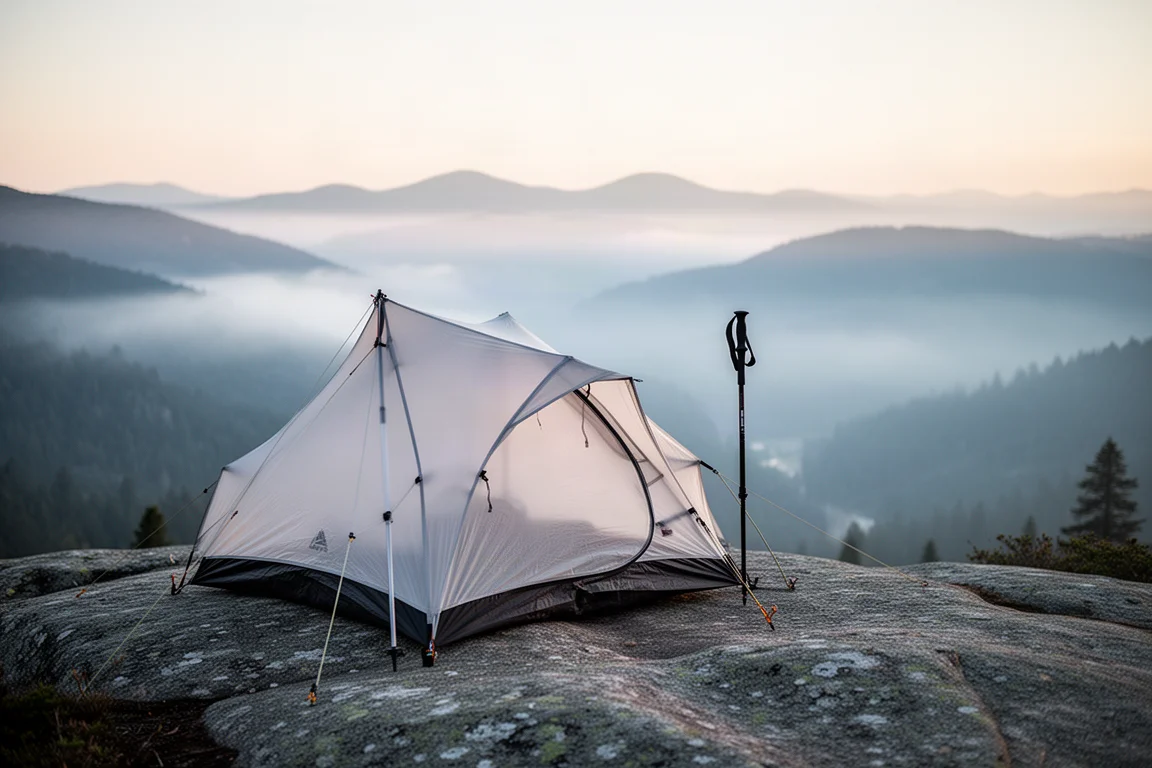
It is also worth knowing how the tent is meant to be used. Head-to-head sleeping is the recommendation, not head-to-feet. Perfectly flat campsites are rare, so someone almost always ends up sleeping head-downhill, and that is a miserable way to spend a night. A shelter that works when both occupants lie in the same direction solves a problem that is easy to underestimate until you have lived it.
A Floor Wide Enough for Two Wide Pads
Floor width was the single biggest deal-breaker on earlier X-Mid Pro models. The previous two-person Pro came in just two inches shy of what two wide pads need, which is a strange place to land: close enough to look like a two-person tent, not quite wide enough to behave like one.
The 2 Plus closes that gap completely. At 50 inches across, the floor takes two 25-inch pads side by side with nothing hanging over the edges and no negotiation about who sleeps against the wall. For anyone who moved from a 20-inch pad to a 25-inch pad and then discovered their tent no longer worked, this is the fix.
The extra width does more than hold pads. Because the floor is wider, the walls spread outward as well, which changes how the whole interior behaves once you are sitting inside it.
Headroom and Interior Geometry
Headroom is where the X-Mid has always been most interesting, and most misunderstood. The tent uses offset poles to build headroom from front to back, which is efficient but pulls the sides closer together. Earlier versions were technically roomier inside than the Zpacks Duplex, yet the Duplex felt more usable overhead because of where its poles sit. Two people sitting up side by side in an older X-Mid Pro could feel the walls closing in.
Two changes address that on the 2 Plus. Widening the floor spreads the walls, and Durston Gear also moved the poles closer together to open up side-to-side space. Measured at head height, the 2 Plus is about 22 inches wider than previous versions, for a total of 46 inches across. The Zpacks Duplex, its closest competitor on paper, comes in at roughly 48 inches at head height, so the gap is now two inches.
In practice that difference is not something you notice. Several nights on the narrower side of the tent, including evenings with two people sitting up, passed without any sense of being cramped. For a shelter this light, that is the part that feels least likely.
Weight and Packed Size
At 19.2 oz, the X-Mid Pro 2 Plus is the lightest true two-person tent we are aware of. Before this model, that title belonged to the TarpTent Dipole 2 Li, which had held it for some time, and the 2 Plus undercuts it by a full 12 oz while offering a wider floor.
The comparison gets more interesting when you look at the wider market. Zpacks has built a reputation on the lightest tents available, and even so, there is no true 50-inch-floor tent in that lineup as light as this one. A shelter this large, at this weight, is genuinely unusual.
The number is worth sitting with: 19.2 oz for a shelter that fits two people on wide pads, with a full Dyneema floor and a proper two-person footprint. That is the argument against anyone who has been avoiding a two-person tent purely on weight grounds.
What Durston Gear Changed on the 2 Plus
Earlier X-Mid Pro versions drew criticism for details that had nothing to do with the headline numbers: small finishing touches, attachment points, and durability concerns at the corners. Those have been worked through on this model.
The 2 Plus adds two magnetic tie backs for the doors, a full Dyneema floor, interior pockets, and upgraded stitching at the corners. The floor material is Dyneema throughout, which is what keeps the weight down. Headroom and floor space have both increased at the same time as weight has fallen, which is not the usual direction of travel in tent design.
The cumulative effect is a shelter where the previous generation’s compromises are no longer part of the conversation. One exception remains, and it is covered below.
Things to Consider Before Buying
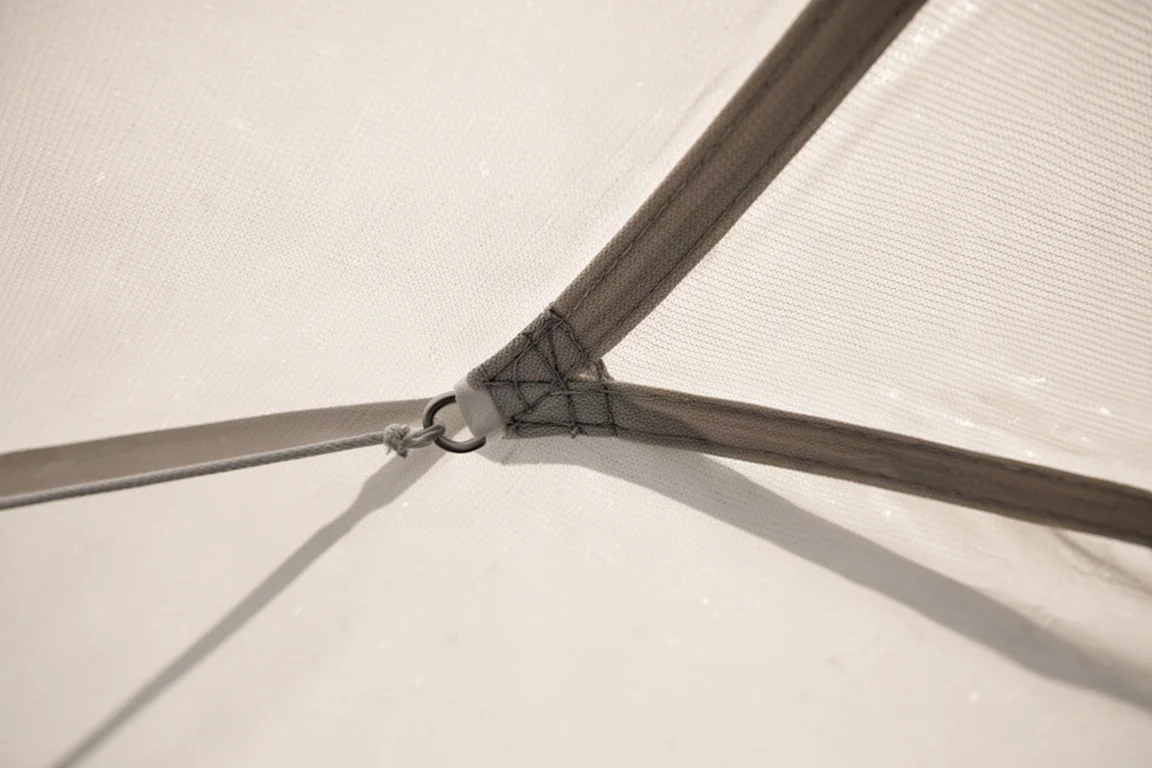
There is one thing the 2 Plus still does not have: a built-in attachment point on the ceiling. There is no loop for hanging a light, a small pouch, or anything else overhead, which is a noticeable omission in a tent that is otherwise this well finished.
If you add your own attachment, be careful with the method. Adhesive tape applied directly to the Dyneema can damage the fabric when it is removed, and Dyneema is not a material you want to experiment on. Clips work but add bulk, and a removable patch designed for the fabric is a better long-term answer than either.
Sleeping orientation is the other thing to plan around. Head-to-head is the recommended layout, and head-to-feet is not advised. That is standard practice for tents of this geometry, but it is worth knowing before your first trip rather than discovering it on a slope.
None of these are reasons to avoid the tent. They are the sort of details that decide whether a shelter still feels finished after a full season of use, and each one is easy to plan for in advance.
Picking the Right X-Mid
The X-Mid line has been revised nine times since the original release, not counting the steady stream of small tweaks along the way. Seven of those versions are still available today, and each has its own minor differences in materials and detailing. They are all capable shelters, and they all serve a purpose.
The reason the Pro 2 Plus stands out is balance. Weight, headroom, and floor space are the three numbers that decide whether a backpacking tent works, and most designs improve one at the expense of another. This is the version that gets all three right at once, which is why it is the X-Mid to look at if you want a single shelter to cover most trips.
If you are shopping the line, check the version carefully. The naming is close enough that it is easy to buy an older iteration while expecting the changes described here.
Buying Advice
The decision comes down to how you sleep and who you sleep next to.
Buy the X-Mid Pro 2 Plus if you share a shelter regularly and you have moved to 25-inch sleeping pads. The 50-inch floor, the 46 inches of head height, and the 19.2 oz weight are all aimed at exactly that combination, and very little else in the ultralight field puts those numbers together in one tent.
Think twice if you almost always hike alone, or if you are still on 20-inch pads. The extra width is the product here, and you would be paying for interior space you do not use.
If you do want a light or a small pouch hanging above you, plan a removable attachment solution before your first trip, and keep adhesives away from the Dyneema.
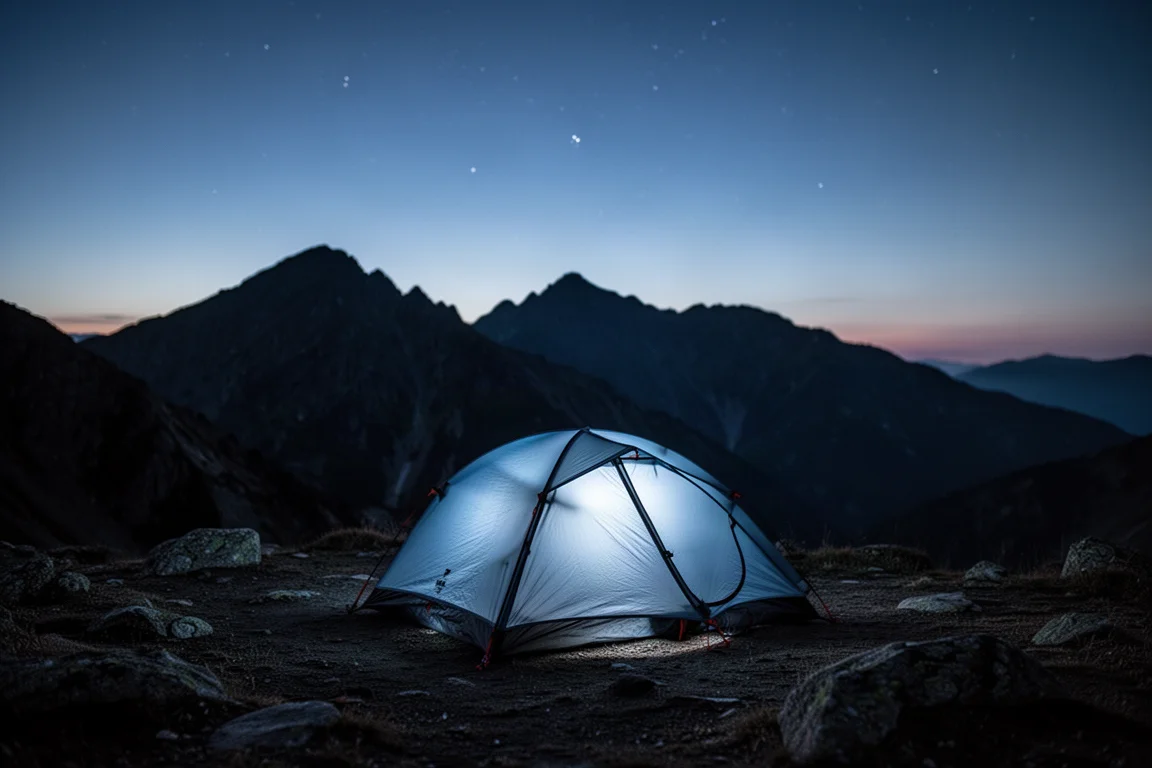
Finally, match the shelter to the trips you actually take. The 2 Plus is built for backpackers who cover distance and care about what is in the pack. If your trips are short and weight is not a priority, a heavier shelter with more structure may suit you better.
Conclusion
The X-Mid Pro 2 Plus is the version of the X-Mid where the long-running complaints finally run out. The floor is wide enough for two wide pads, the interior headroom works when two people sit up, and the whole shelter weighs 19.2 oz. Add magnetic tie backs, a full Dyneema floor, interior pockets, and upgraded corner stitching, and there is very little left to ask for beyond a ceiling loop.
For backpackers who share a tent and count grams, this is about as good as a two-person ultralight shelter gets right now.
Product link
View more details for Durston Gear X-Mid Pro 2 Plus
This product is mentioned in the review. Check the specifications, options, and compatibility before buying.
View more details for Durston Gear X-Mid Pro 2 PlusFurther reading
Related Reviews
Backpacking Tents
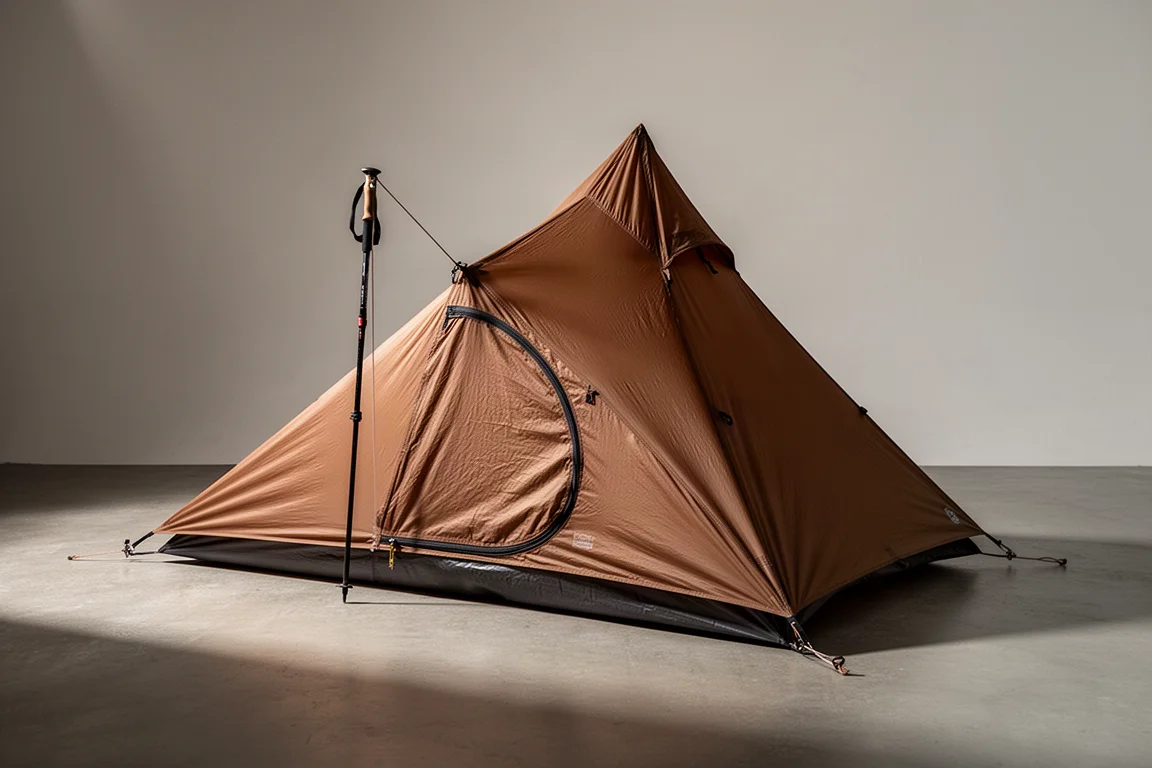
3F UL Lanchan Pro 1 Review: A 1 lb 8 oz Single-Wall Trekking Pole Tent
A practical look at the 3F UL Lanchan Pro 1, a single-wall trekking pole shelter with a 1 lb 8 oz weight, 20D silnylon fabrics, and a roomy 90 x 31 x 49 inch interior.
Backpacking Tents
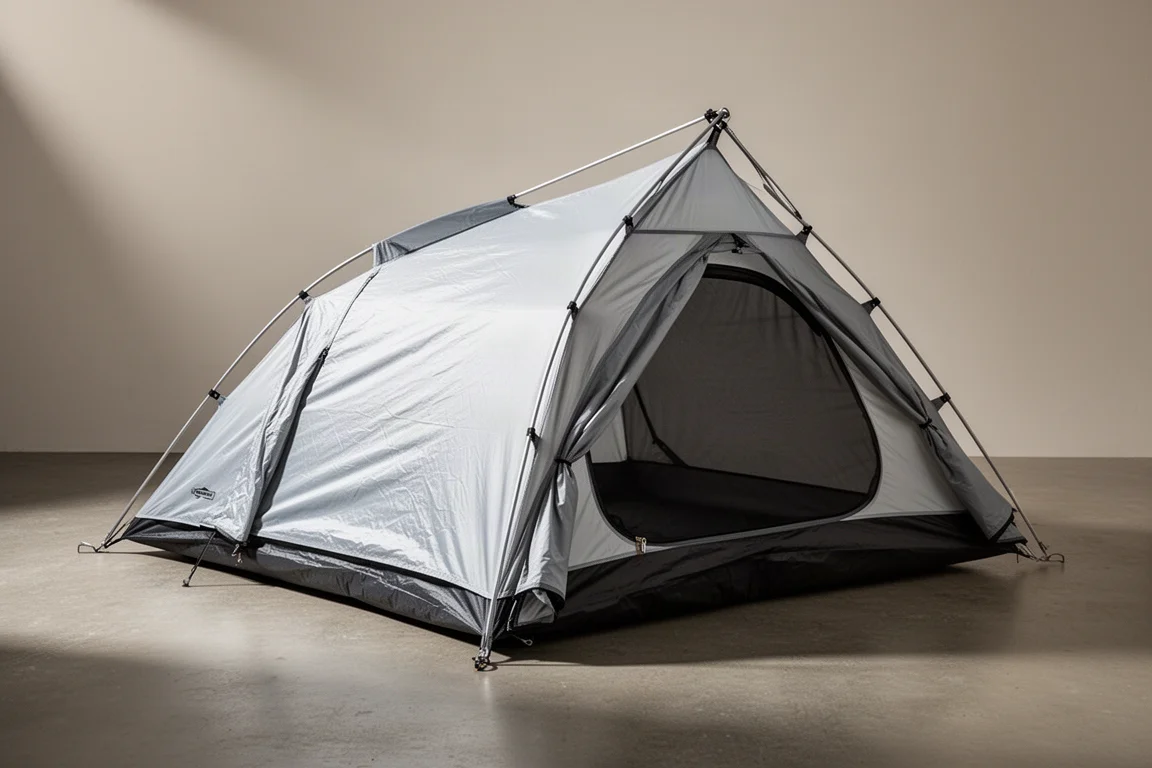
3F UL Taiji 2-Person Tent: A Convertible Backpacking Shelter Worth a Closer Look
A practical look at the 3F UL Taiji two-person tent, covering its materials, true two-person interior, fly-first pitching, and the seasonal inner swap that lets one shelter cover more of the year.
Backpacking Tents
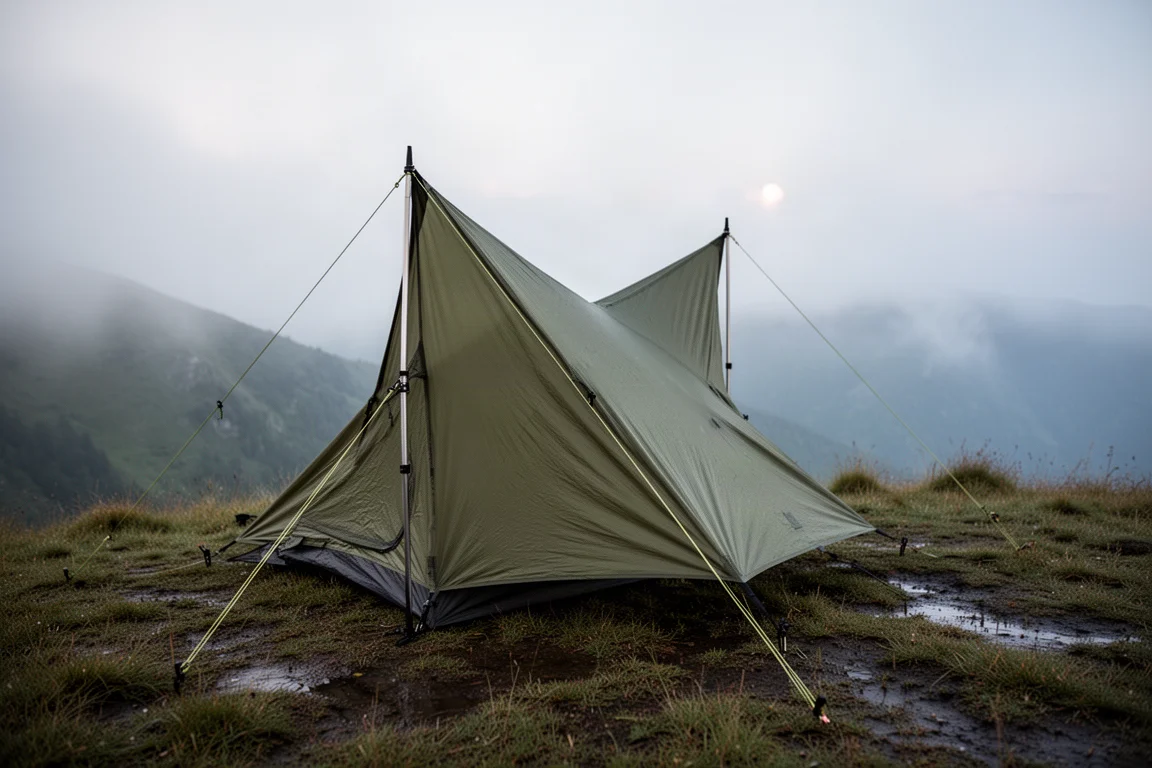
3FUL Lanshan Twoerson Pro Review: A Light Trekking Pole Shelter That Struggled in Rain
A two-person trekking pole shelter with a 2026 redesign, pitched with sticks and put through a night of steady rain. Here is what worked, what did not, and what to check before buying.