Backpacking Tents
Durston Gear X-Mid Pro 1 vs Tarptent Dipole 1 Lithium: Two Ultralight One-Person Tents Compared
A side-by-side comparison of two premium ultralight one-person Dyneema tents, covering weight, floor space, pitching, ventilation, and which one suits which kind of trip.
Introduction
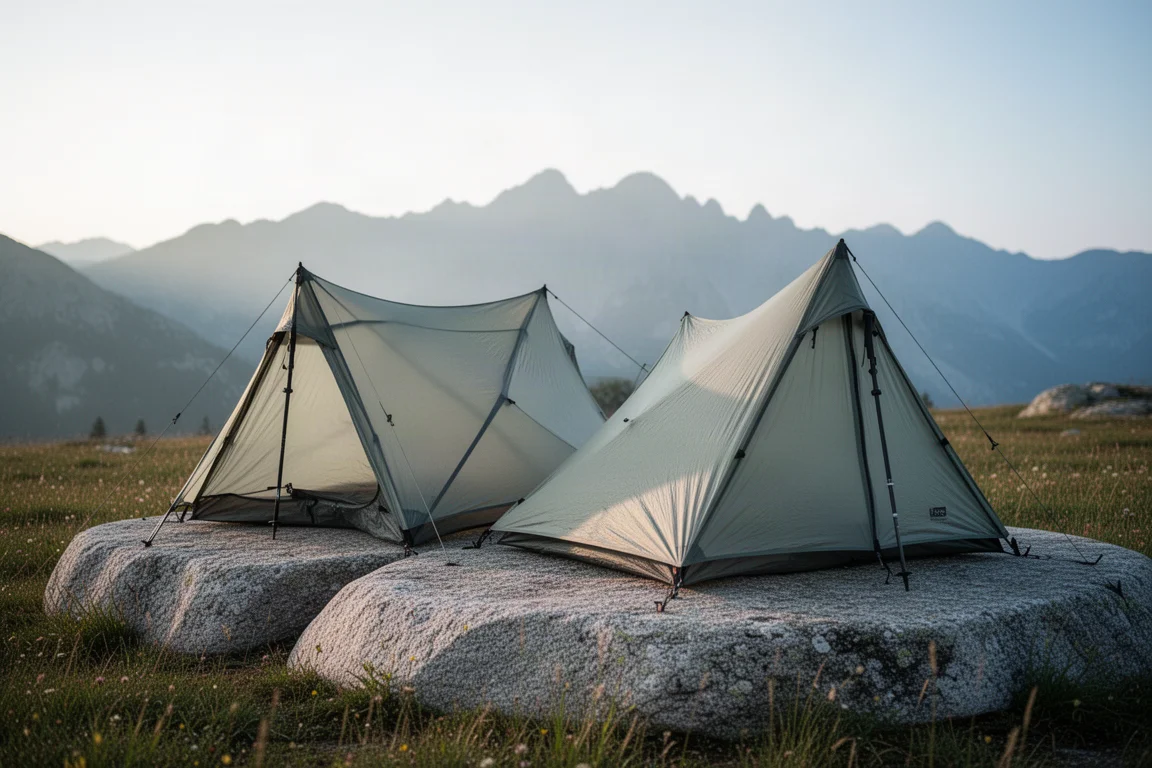
The Durston Gear X-Mid Pro 1 and the Tarptent Dipole 1 Lithium occupy the same small corner of the backpacking market: one-person, single-wall, non-freestanding shelters made from Dyneema Composite Fabric and pitched with two trekking poles. Both are premium purchases, with the Dipole 1 Lithium priced above $600 and the X-Mid Pro 1 landing around $640 when configured with stakes and the Dyneema floor option.
Because they share so much DNA, the interesting part of this comparison is where the two designs diverge. The Dipole leans into interior volume and symmetry. The X-Mid leans into low weight and a pitch that repeats the same way every time.
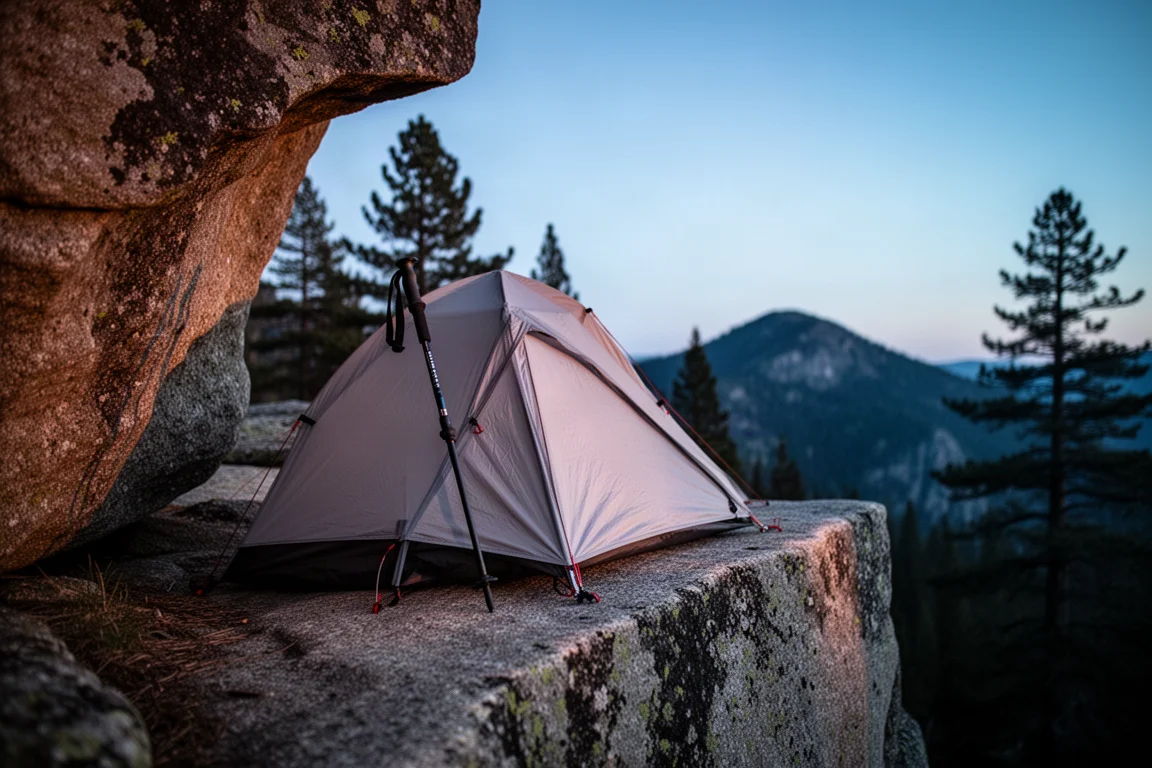
If you are choosing between them, the decision rarely comes down to whether one is good. Both are strong, well-resolved designs from brands that clearly understand trekking pole shelters. The decision comes down to which set of trade-offs matches the trips you actually take, and how much you value a few ounces against a little more room to move.
What These Two Tents Have in Common
Start with the shared blueprint, because it explains why these two get compared so often. Each is a single-wall shelter, meaning there is no removable outer fly to strip away for an open view of the sky. That construction saves weight, reduces packed bulk, and makes for a compact bundle inside a pack.
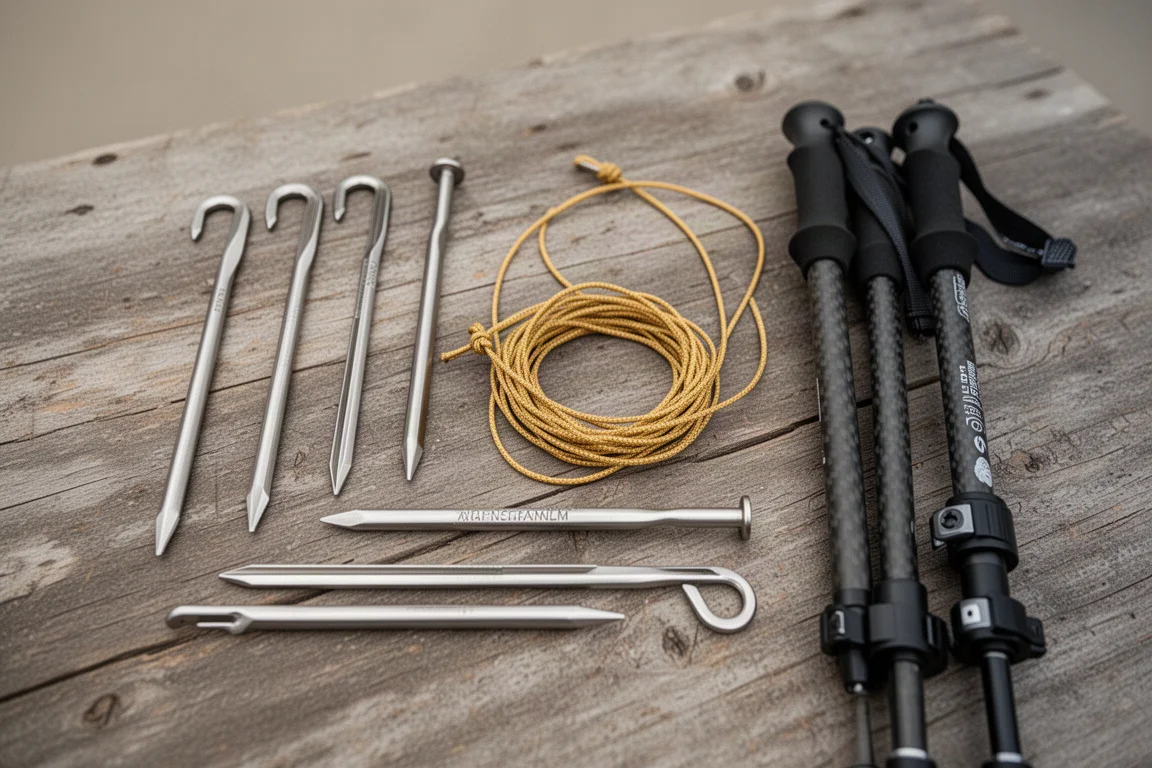
Both are non-freestanding and require two trekking poles to pitch correctly. Both offer two doors and two vestibules, so you get a dedicated entry and gear area on either side rather than a single cramped opening. Both use Dyneema Composite Fabric. Both pitch with a minimum of four stakes, and both accept additional stakes for better door and zipper handling and stronger weather performance in the field.
That common foundation matters, because it means neither tent is a compromise on the fundamentals. The differences below are about character, not capability.
Tarptent Dipole 1 Lithium: Space, Symmetry, and Vertical Ends
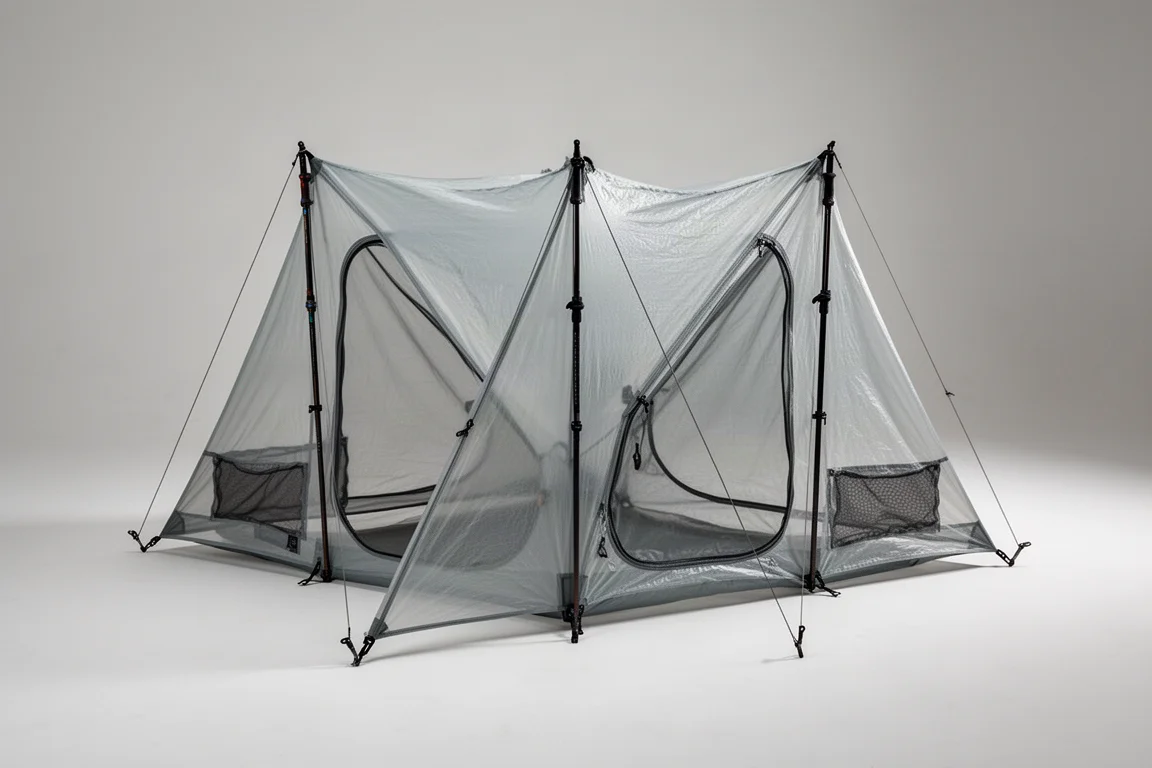
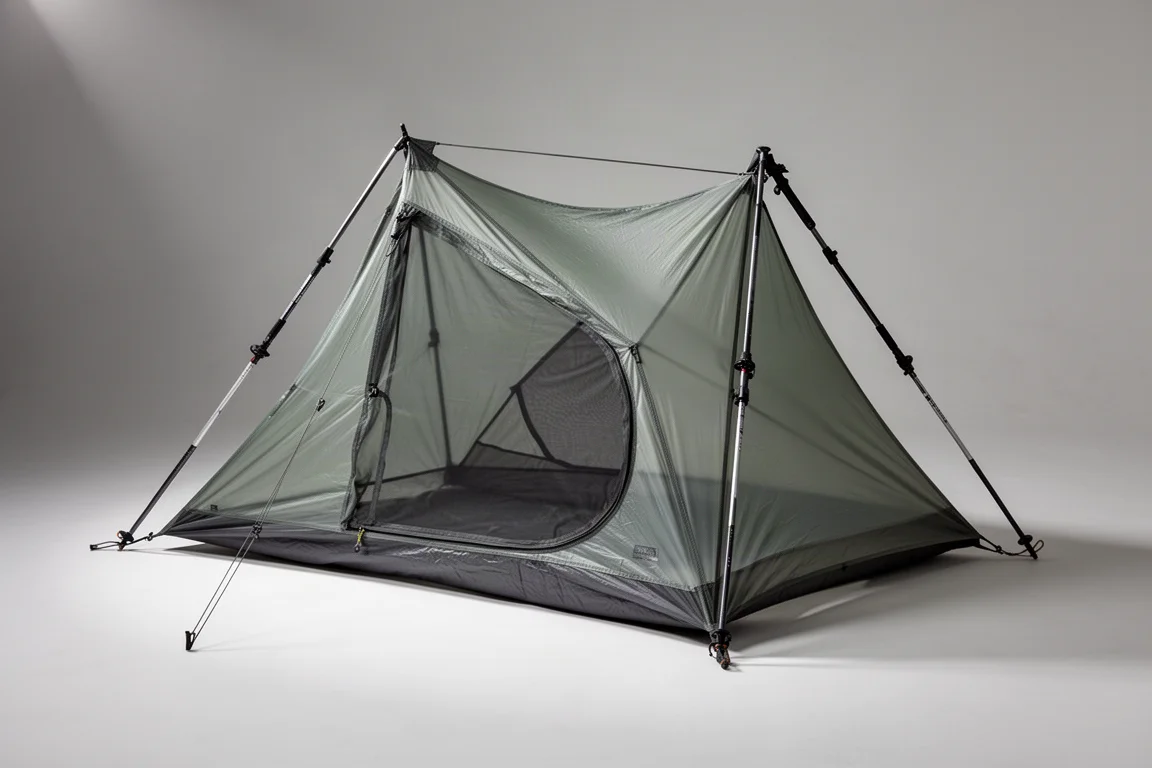
The Dipole 1 Lithium stands apart through its end architecture. Carbon fibre struts lift the head and foot ends of the tent off the ground, creating near-vertical end walls. The effect is a shelter that feels considerably larger inside than its footprint suggests, and the pitch is symmetrical from side to side and end to end, so there is no fixed head end or foot end to work around.
The floor measures 84 inches long, 36 inches wide at each end, and tapers to 28 inches at the centre. That taper is deliberate: it lets the pole geometry tension cleanly out to the four corners so the tent pitches with a minimum of four stakes while keeping the overall footprint small. The footprint itself is 92 by 62 inches, and the peak height is 44 inches and adjustable depending on how you pitch.
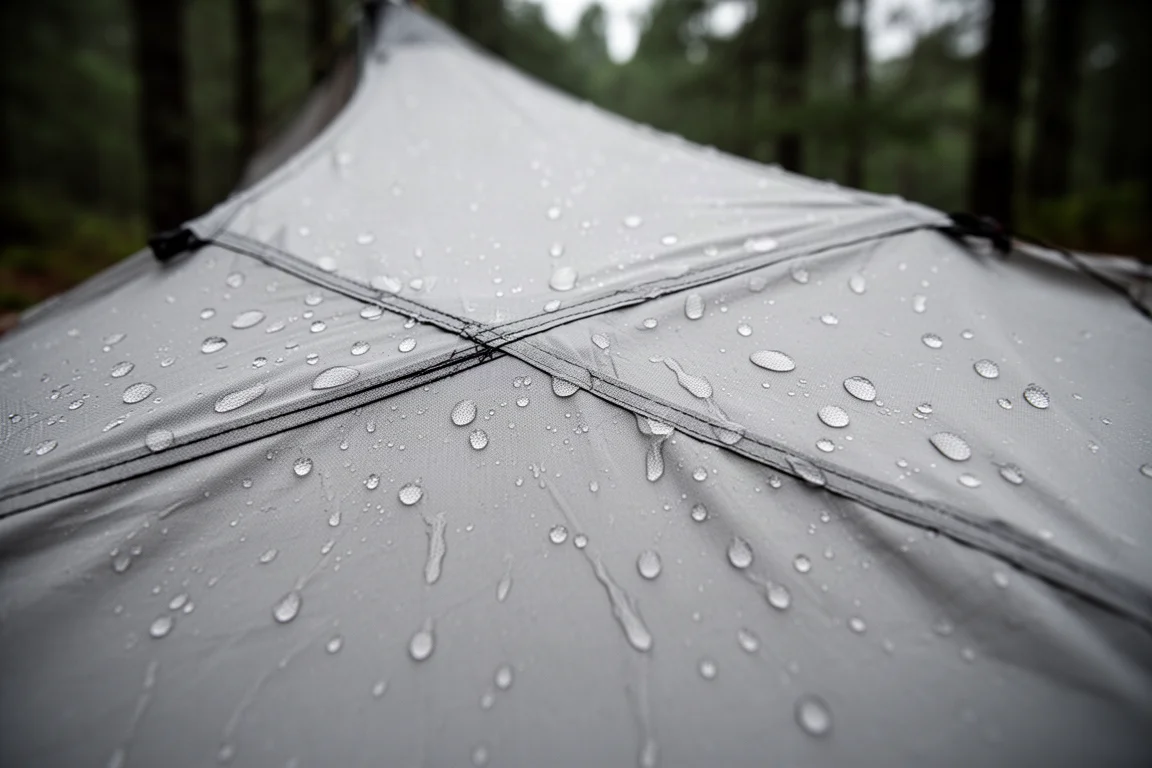
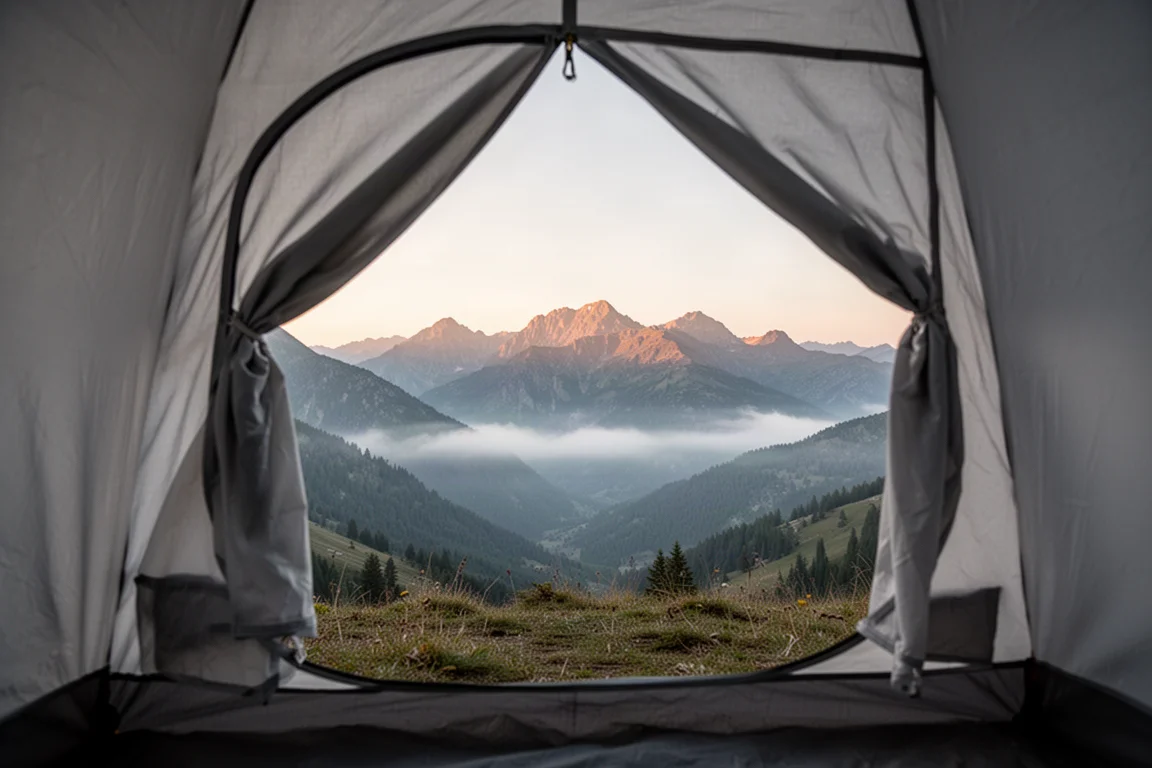
Ventilation is a genuine strength. Large mesh panels at the head and foot ends can be closed with fabric panels when conditions demand it, or dropped open to move air through the shelter, and peak vents add further exhaust. Because the ends stand nearly vertical and need no additional guy lines, the tent tucks into tight spots against a rock or a tree without needing extra clearance.
Durston Gear X-Mid Pro 1: Lightweight Simplicity
The X-Mid Pro 1 is the lighter of the two at 19.45 ounces with stakes, roughly five ounces less than the Dipole 1 Lithium at 24.8 ounces with stakes. For anyone counting grams on a long resupply schedule, that gap is the headline.
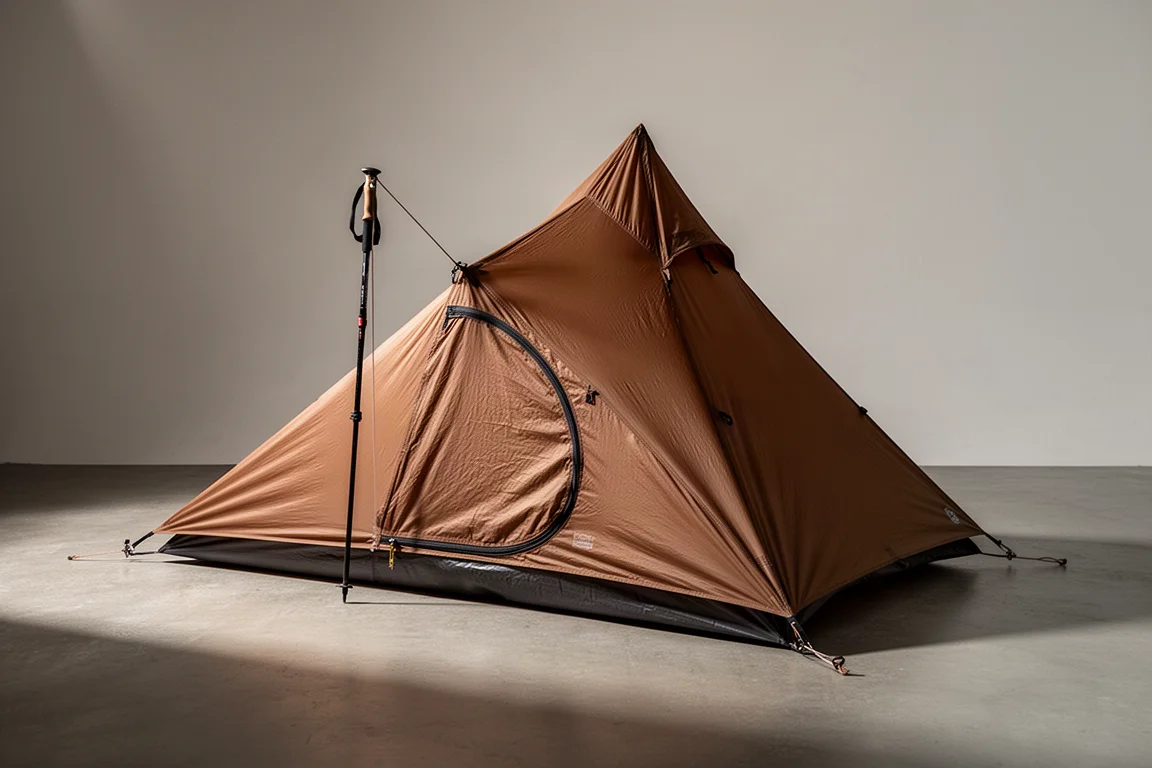
Its footprint is 98 inches long by 63 inches wide, slightly larger than the Dipole, though the floor is 90 inches long and 32 inches wide and offset into a parallelogram rather than a straight rectangle. The offset geometry pairs with offset trekking poles, which gives the shelter a great deal of structural support and lets the floor run longer than a centred layout would allow. Peak height is 45 inches, so there is plenty of headroom along the length of the tent.
Side walls come all the way down to the ground, and because the poles sit opposite each other rather than on a centre line, one wall will always be a little closer than the other depending on where you lie. It is noticeably more restricted than the Dipole side to side, but it does not feel claustrophobic. The compensation comes in gear storage: the vestibules on each side are very large, so bulky items can live outside the floor area entirely and open up the interior. Heat-bonded seams reduce the seam tape that can fail over time, which supports the sense that this is a shelter built to handle serious storms.
Pitch, Stakes, and Setup Considerations
Pitching character is where the two tents feel most different in daily use. The X-Mid Pro 1 is a rectangle first and a tent second: stake out the shape correctly, raise the trekking poles, and the shelter comes together the same way every time. Adjustments are easy to make without pulling stakes, which is a real convenience when weather shifts after you have already settled in.
The Dipole 1 Lithium asks a little more of its owner. Even though four stakes will pitch it, six or eight are preferable, with extra line at the head and foot ends adding end-to-end tension for heavy wind and rain. The pitch is more finicky and takes longer to learn, and it tends to need small adjustments to get truly dialled in. There is also more to carry and remember: the two carbon end struts are separate components that need to travel with the trekking poles, and leaving them behind would prevent a correct pitch.
None of that is a dealbreaker, but it is worth weighing honestly. If you want a shelter you can set up half-asleep in the rain and trust to be right, the X-Mid has the edge. If you are happy to learn a pitch and carry a couple of extra stakes for the payoff in space, the Dipole rewards that effort.
Living Space and Ventilation
Interior volume is the Dipole’s clearest advantage. The symmetrical shape means rolling from one side to the other does not push you into a closer panel, and the 36-inch width at each end compares favourably with the 32-inch floor of the X-Mid. Sitting up, there is generous clearance overhead. With a 4-inch sleeping pad centred on the floor, there is still usable space at both ends for gear, and the distance between your face and the fabric helps keep condensation from becoming a nuisance. The open mesh ends function almost like windows, which makes a single-wall shelter feel far less enclosed on a clear night.
The X-Mid remains an impressively livable one-person tent in its own right. The 32-inch floor width is about the minimum worth having for a solo shelter, and the 45-inch peak gives a long, open feel along the length of the tent. Where it concedes ground is side-to-side room and the wall that sits closer to your shoulder. Its answer is the vestibules, which swallow gear that would otherwise crowd the floor.
Buying Advice: Which Tent for Which Trip
Choose the Tarptent Dipole 1 Lithium if interior comfort is your priority. It offers more floor space, symmetrical geometry, vertical end walls that fit into tighter campsites, and strong ventilation through the open mesh ends. It suits backpackers who do not mind a more involved pitch and who are happy to carry extra stakes for wind security. The roughly five-ounce weight penalty is the price of that livability.
Choose the Durston Gear X-Mid Pro 1 if weight and predictability matter most. It is lighter, pitches the same way every time, uses heat-bonded seams for long-term durability, and provides very large vestibules that keep the floor clear. It is the better choice for trips where every ounce counts and for anyone who wants a storm-worthy shelter without a steep learning curve.
Either way, budget for the category rather than the tent. Both are premium shelters, and the accessories that make them work well, such as a full stake set, are worth planning for alongside the purchase.
Conclusion
These are two of the more thoughtful one-person trekking pole shelters available, and neither is a weak option. The Dipole 1 Lithium wins on space, symmetry, and ventilation, while the X-Mid Pro 1 wins on weight, simplicity, and repeatable pitching. Match the trade-off to the way you actually camp, and either tent will serve you well for a long time.
Further reading
Related Reviews
Backpacking Tents
3F UL Lanchan Pro 1 Review: A 1 lb 8 oz Single-Wall Trekking Pole Tent
A practical look at the 3F UL Lanchan Pro 1, a single-wall trekking pole shelter with a 1 lb 8 oz weight, 20D silnylon fabrics, and a roomy 90 x 31 x 49 inch interior.
Backpacking Tents
3F UL Taiji 2-Person Tent: A Convertible Backpacking Shelter Worth a Closer Look
A practical look at the 3F UL Taiji two-person tent, covering its materials, true two-person interior, fly-first pitching, and the seasonal inner swap that lets one shelter cover more of the year.
Backpacking Tents
3FUL Lanshan Twoerson Pro Review: A Light Trekking Pole Shelter That Struggled in Rain
A two-person trekking pole shelter with a 2026 redesign, pitched with sticks and put through a night of steady rain. Here is what worked, what did not, and what to check before buying.