Running Shoes
My Dream Marathon Training Rotation: The Top 5 Running Shoes Right Now
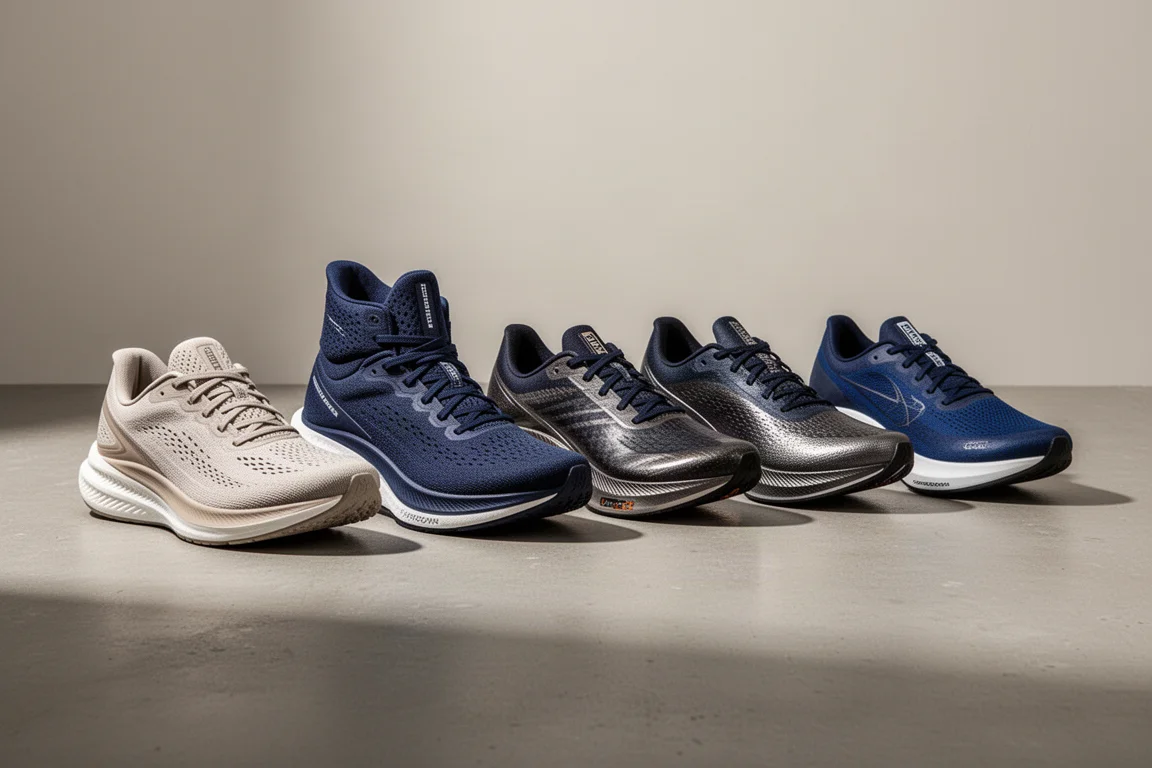
Five shoes that cover the full marathon build: daily miles, recovery, fast training, long runs, and race day.
Introduction
Cutting a running shoe collection down to five is a fun exercise, especially when you test far more than that in a year. A five-shoe rotation makes sense at high mileage: at 100 miles per week, that works out to roughly 80 miles per month on each pair, meaning a shoe could last around four months of consistent training. Realistically, most runners only need two or three pairs, but five covers every role in a marathon build: daily miles, recovery, faster training, long runs, and race day.
Here is how the rotation breaks down, using recent releases and one proven favorite.
The Daily Workhorse: Salomon Aero Glide 3
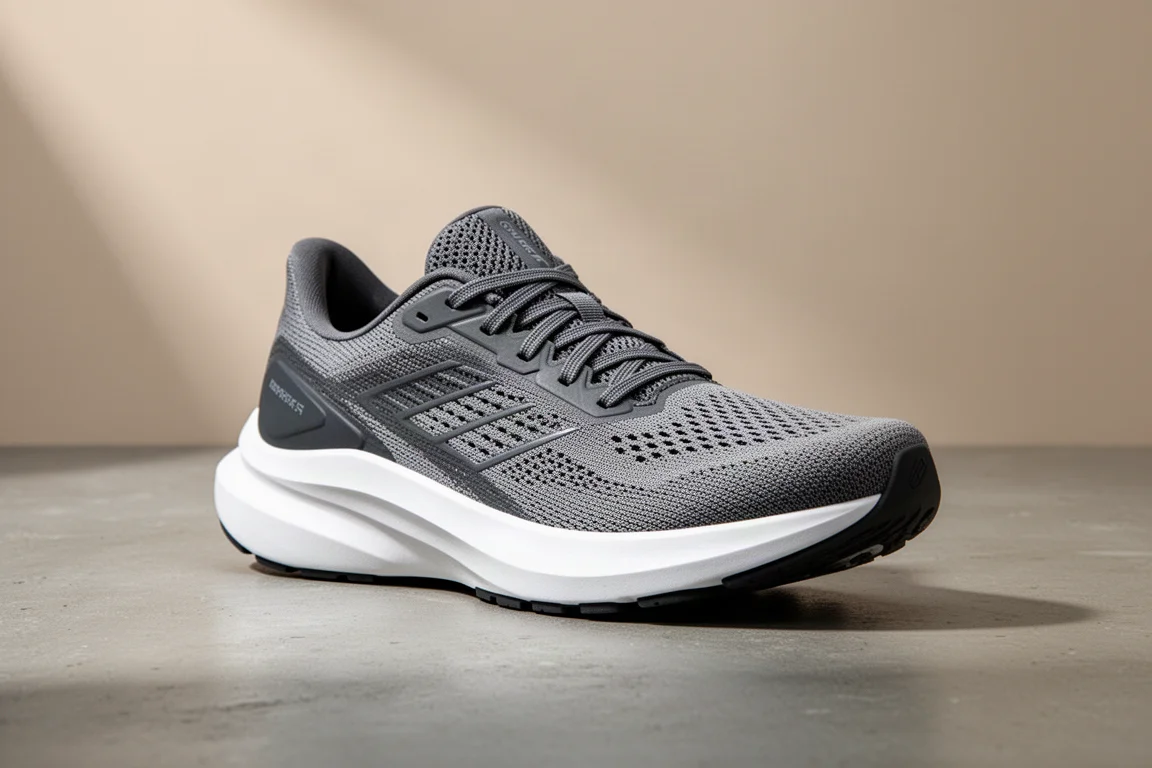
The Aero Glide 3 is not a brand-new release, but it still earns the top daily trainer slot. What makes it work is the combination of comfort, lightweight, bounce, support, and normalness in one package. The supercritical TPU foam stays energetic through 90-minute to two-hour runs without getting mushy, and the ride is easy to turn over because of the low weight. It has no plate, no aggressive rocker, and no heavy stability lean, just everything in a balanced amount.
One quirk: the upper fits almost half a size bigger. In a daily trainer that is not a bad thing, since extra room feels good when feet are beat up after long runs or workouts. The trade-off is durability. The outsole rubber on the heel wore through on a test pair, so it is not the most robust shoe. The gravel version fixes both issues with a thicker outsole and a smaller-fitting upper, but this standard version wins on lightweight.

This is the travel shoe, the workhorse, and the daily pick. Rivals like the Puma Magnify Nitro 3 and the Saucony Endorphin Speed 5 came close, but neither knocked it off the top spot.
The Recovery Cruiser: Mizuno Neo Vista 2
The Neo Vista 2 is the max-cushion pick for the rotation. It stacks 50mm of foam in the heel on a very wide platform, so stability is not an issue, and a plastic plate reinforces the base without making it a speed shoe. This is all about smooth cruise control: comfort, time on feet, and stacking high mileage without beating up the legs.
One test run covered roughly 25 miles out of the box, which tells you everything about the intended use. The upper fits wide and accommodating, the ride is soft and smooth, and the shoe actively holds pace back rather than encouraging faster running.
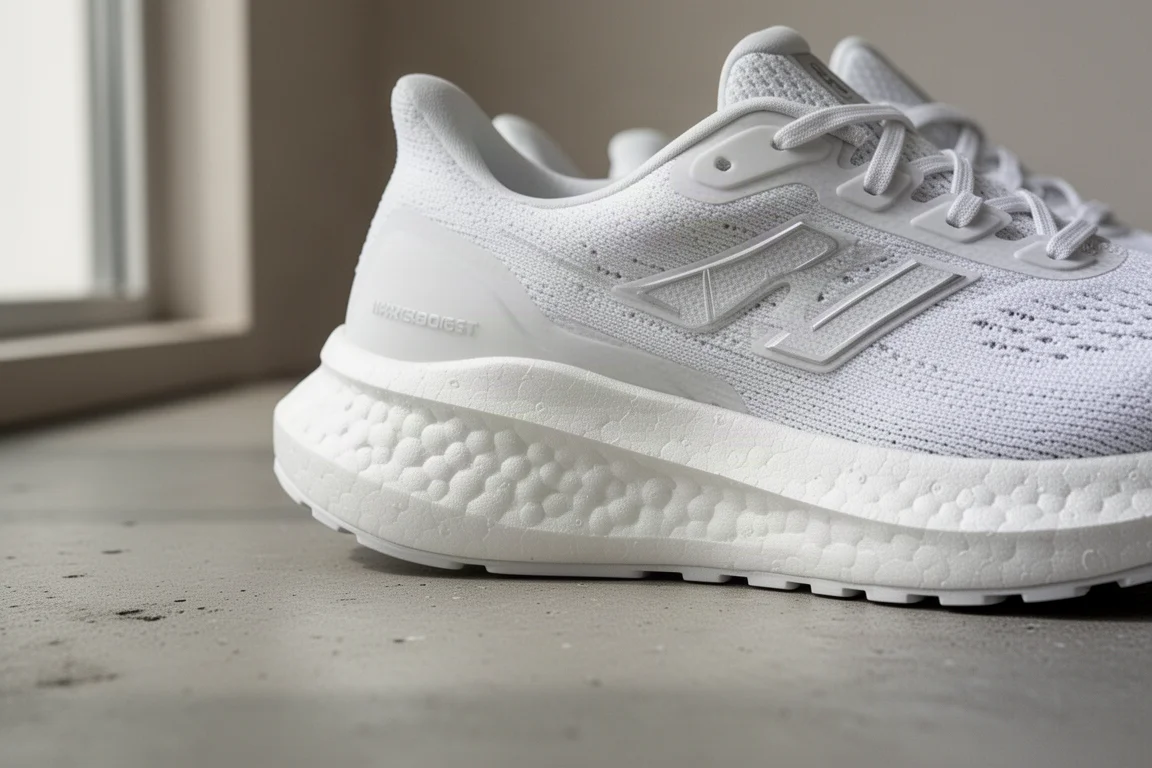
In the rotation, this is the shoe for 22 or 23 mile days, the day after a hard workout, and especially afternoon double runs when it is hot and the goal is pure survival mode. The navy colorway is clean but understated; the white version looks considerably better. The simple split versus the Hyperion Max 3: get the Neo Vista 2 for comfort, get the Hyperion Max 3 for speed.
The Fast Day Shoe: Brooks Hyperion Max 3
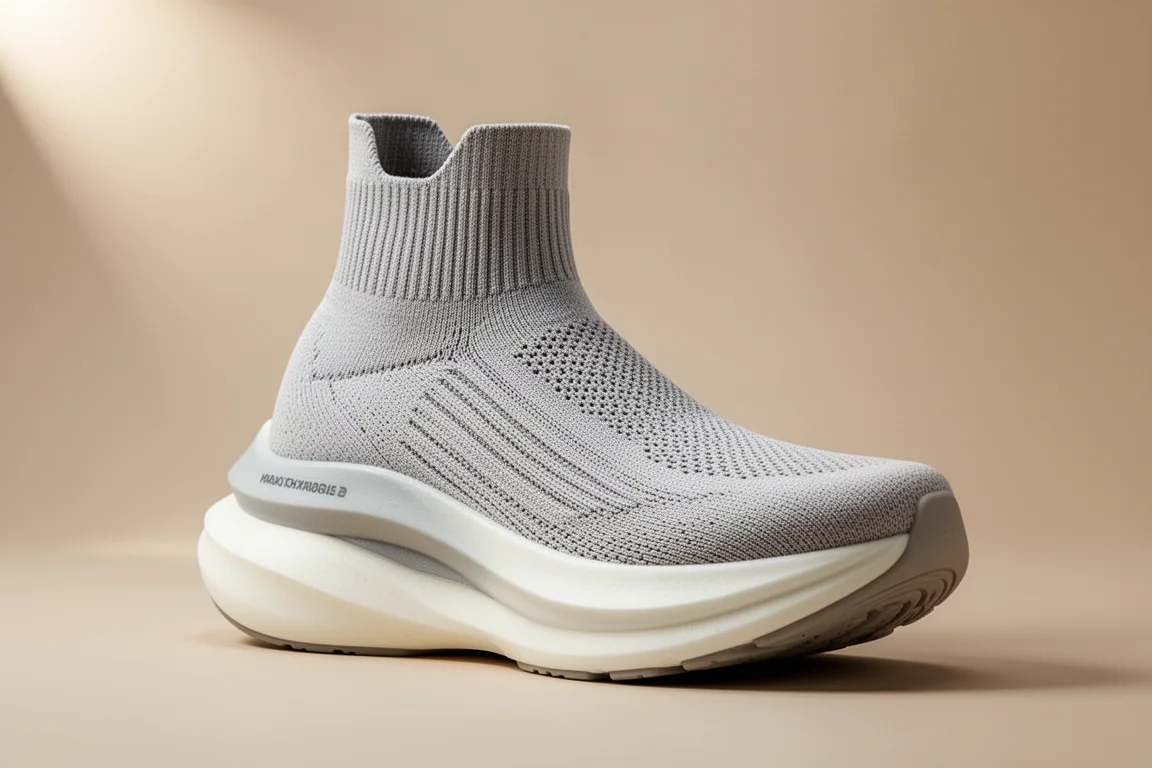
The Hyperion Max 3 is the plated speed trainer of the rotation. It also has a plastic plate, but unlike the Neo Vista 2 it feels very aggressive, tipping you up onto your toes and rewarding power. That makes it the pick for days when you want to push the pace on a normal training run, not for recovery days or afternoon miles.
For many runners, a 90-minute run is the long run of the week. At 100 miles per week, those long-feeling daily runs happen often, and this shoe is designed exactly for that: maximum speed assistance and a fun, aggressive ride on high-mileage days.

The irony is that this is the rotation killer. It can do everything, which also means it overlaps the most with the other four. In a five-shoe rotation it earns the fewest miles, and in a trimmed-down three-shoe setup it would be the first cut. Still, it is a genuinely fun shoe, and for runners not doing all their long runs in carbon, it could double as a long run or race shoe.
The Long Run Shoe: New Balance SC Elite V5
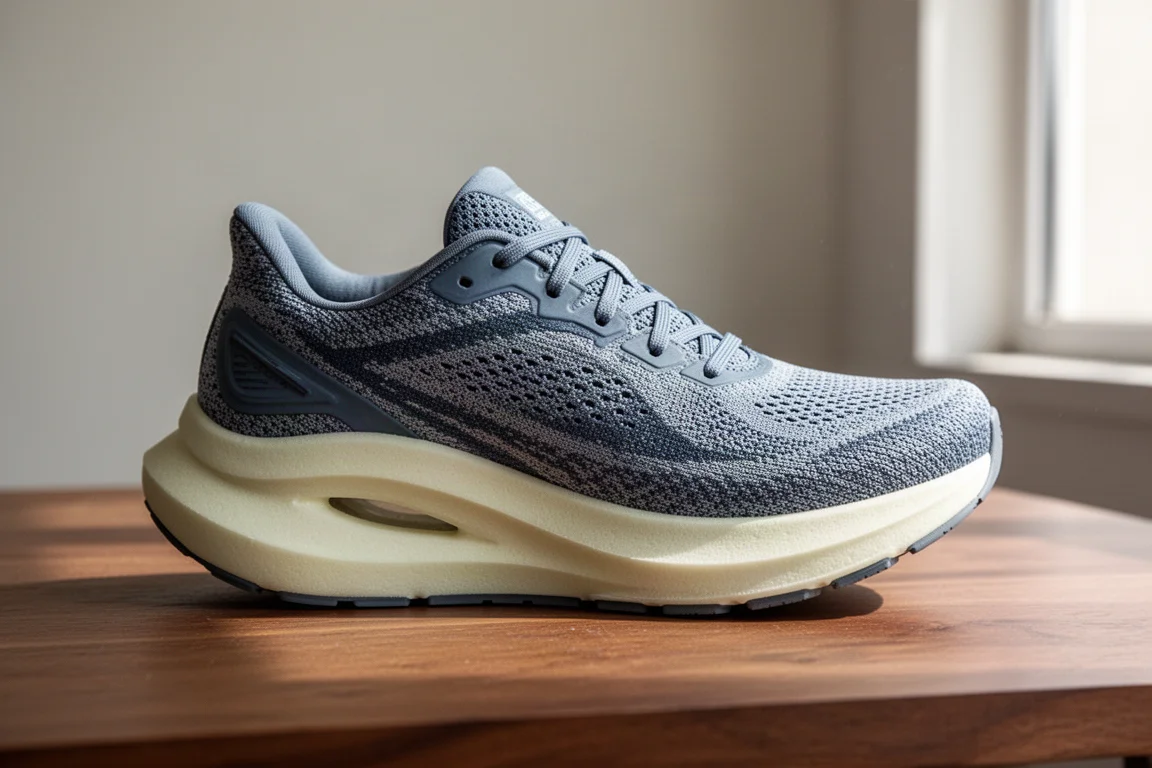
The SC Elite V5 earns the long run slot, and possibly with a bit of recency bias, but the first run backed it up. It felt comfortable, bouncy, and lightweight without being too aggressive, which is precisely the brief for a marathon training long run shoe. It handled everything from 8:30 recovery pace down to 5:40 pace during a long run without complaint.
The design details support that role: a big stack of foam in the heel, a more streamlined and narrower platform than something like the Aero Glide, a filled-in heel collar that adds comfort and smoothness, and generous rubber coverage that makes it durable enough for real training mileage. The upper carries plush heel padding similar to the 1080 V13, which reinforces the long run intent.
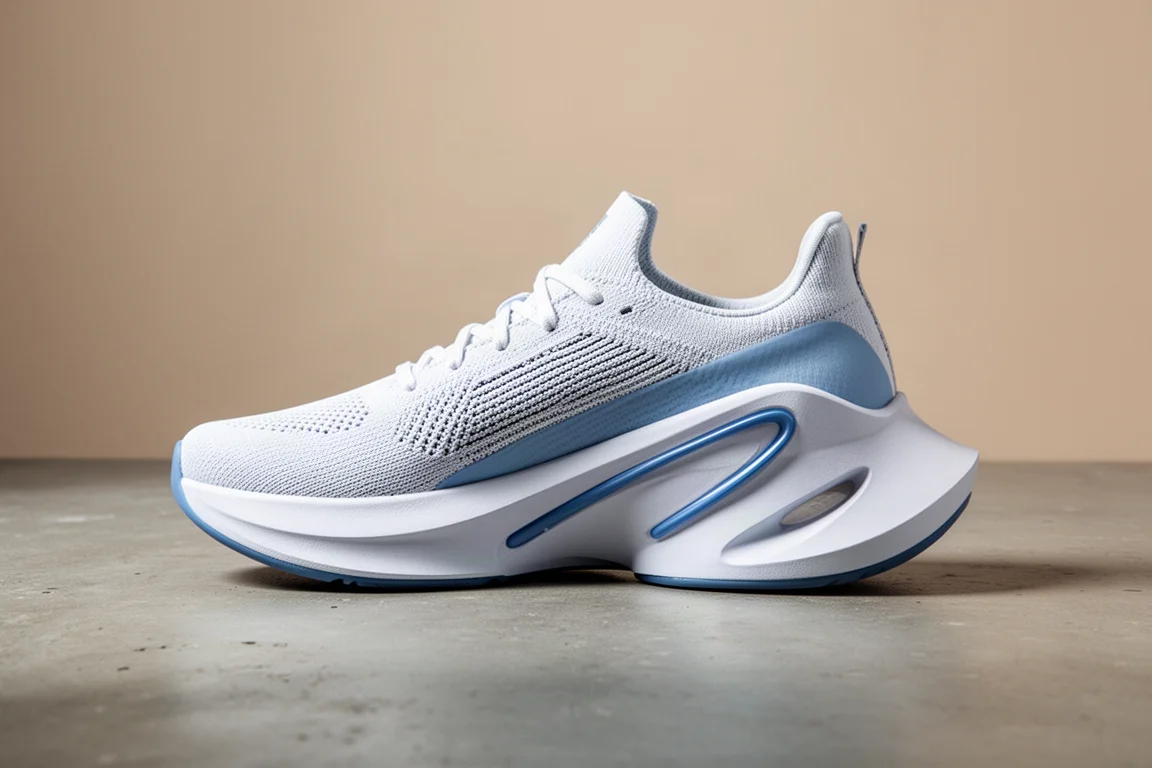
The foam feels firm in the hand but complies well under foot strike, which suggests it should resist going mushy, and it appears to use the same foam as the SC Elite V4, which held up well. The one open question is durability, but performance-wise it delivers a lot of the cushioned, fun character that made the Alphafly 3 such a favorite, just in a less aggressive package.
The Race Day Pick: ASICS Meta Speed Sky Tokyo
The Sky Tokyo is the race day pick, lighter and faster than everything else in the rotation. Two serious training efforts backed that up: a four to five mile tempo at marathon pace, and a 22 mile long run at a 6:36 pace. It feels nimble with a satisfying snap off the front, plus a generous chunk of foam in the heel.
It is not perfect. The upper was not completely dialed, and after that 22 miler the feet took something of a beating, mostly from the top rather than the cushioning, which was excellent. That is not discomfort bad enough to distract, but it is not a shoe to lace up every Sunday.
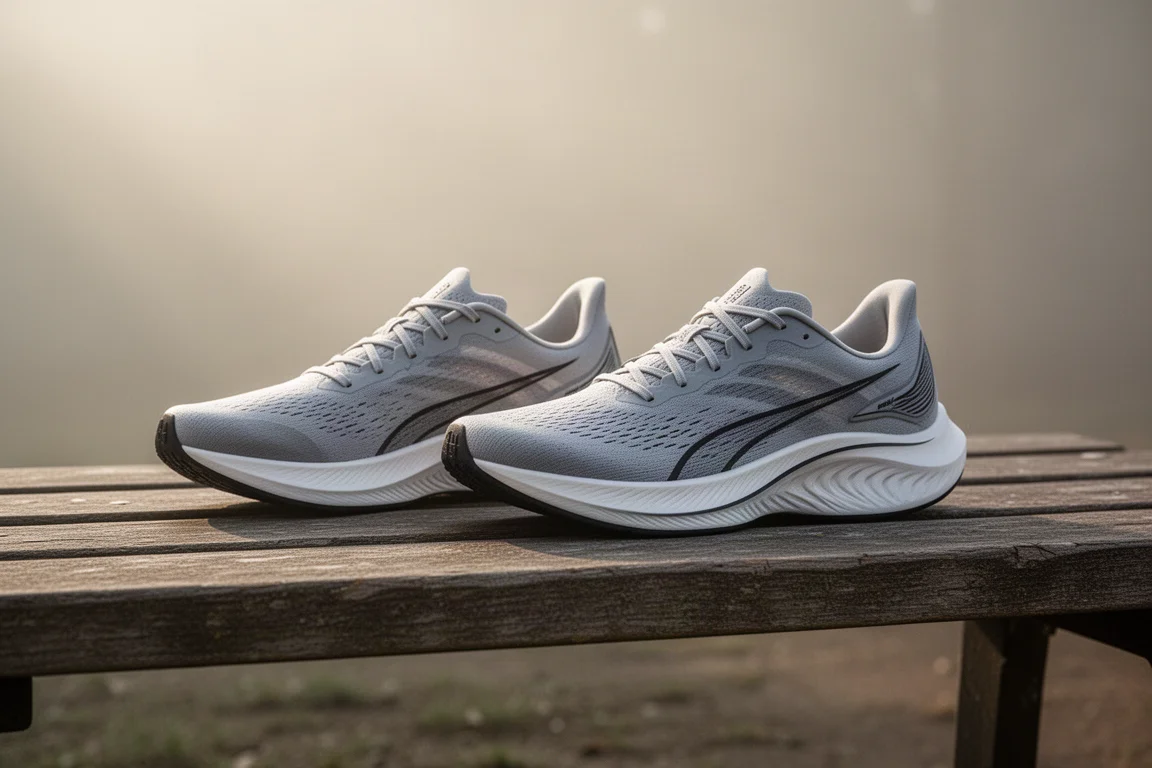
That is exactly why it stays reserved for race day and the biggest workouts. The Fast-R 3 is more aggressive still, to the point of being hard to imagine running a full marathon in, which is why the Sky Tokyo feels like the most confident pick for big long runs and race day right now.
Overall Buying Advice
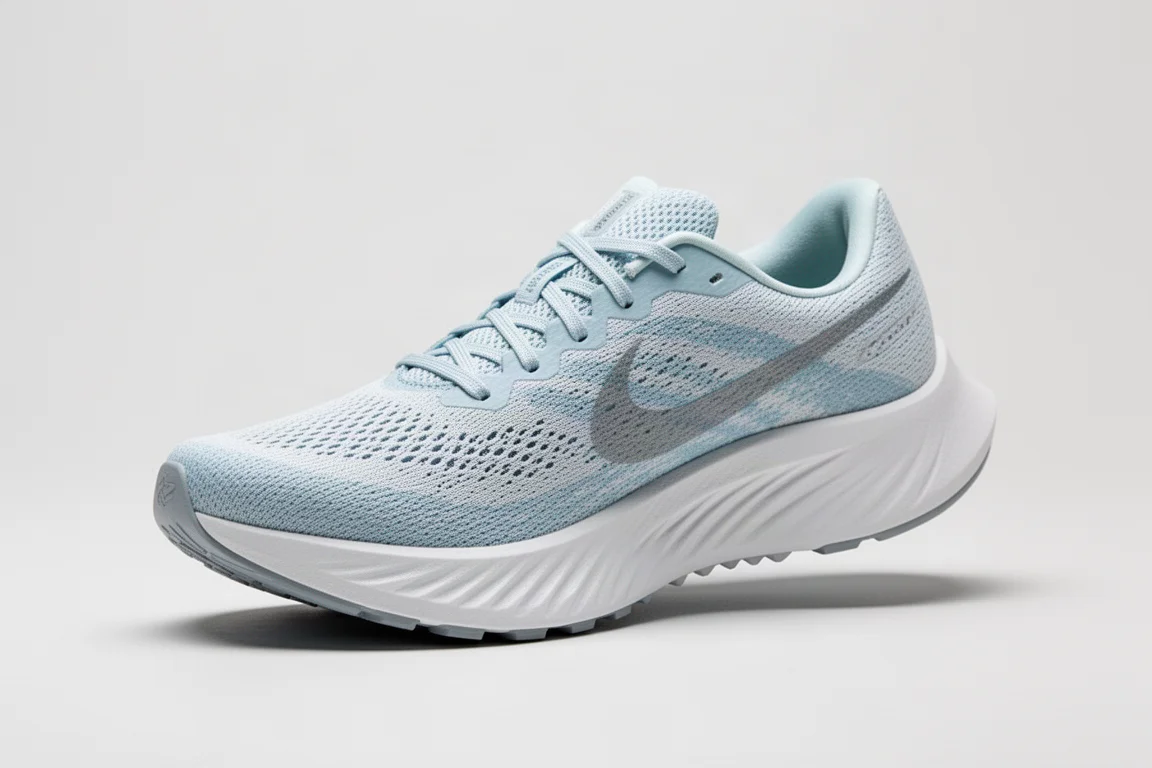
Think of this rotation as a comfort-speed spectrum. The Aero Glide 3 and Neo Vista 2 handle the core mileage with comfort and bounce, the Hyperion Max 3 adds fun and pace on faster training days, and then the SC Elite V5 and Sky Tokyo split the fast duties: the New Balance leans toward comfort while still being quick, and the ASICS leans fully toward speed.
Most runners do not need five shoes. Two or three can cover a full marathon build, and at lower mileage, pairing one cushioned daily trainer with one plated race shoe is often enough. The five-shoe approach only pays off when weekly volume makes rotating pairs practical and keeps every shoe fresher for longer.
Conclusion
A dream rotation comes down to matching each shoe to a real job: a lightweight balanced daily trainer, a max-cushion recovery cruiser, a plated fast-day shoe, a cushioned-but-quick long run shoe, and a dedicated race day weapon. These five cover that spread well, and any runner building toward a marathon can borrow the same logic, even with a smaller shoe budget.
Further reading
Related Reviews

Running Shoes
Best Road-to-Trail Running Shoes: Three Versatile Options for Mixed Terrain
A practical guide to three road-to-trail running shoes that handle both pavement and mild trails, with clear strengths and trade-offs for different runner types.

Running Shoes
Best Running Shoes for Achilles Tendonitis: Three Options Explained
Three running shoes with different heel drops and support features designed to help reduce Achilles tendon pain during walking and running.

Running Shoes
Best Running Shoes for Women: Five Top Choices Ranked
A ranked guide to five women's running shoes, from versatile daily trainers to high-performance racing options, with real strengths and trade-offs for each.